
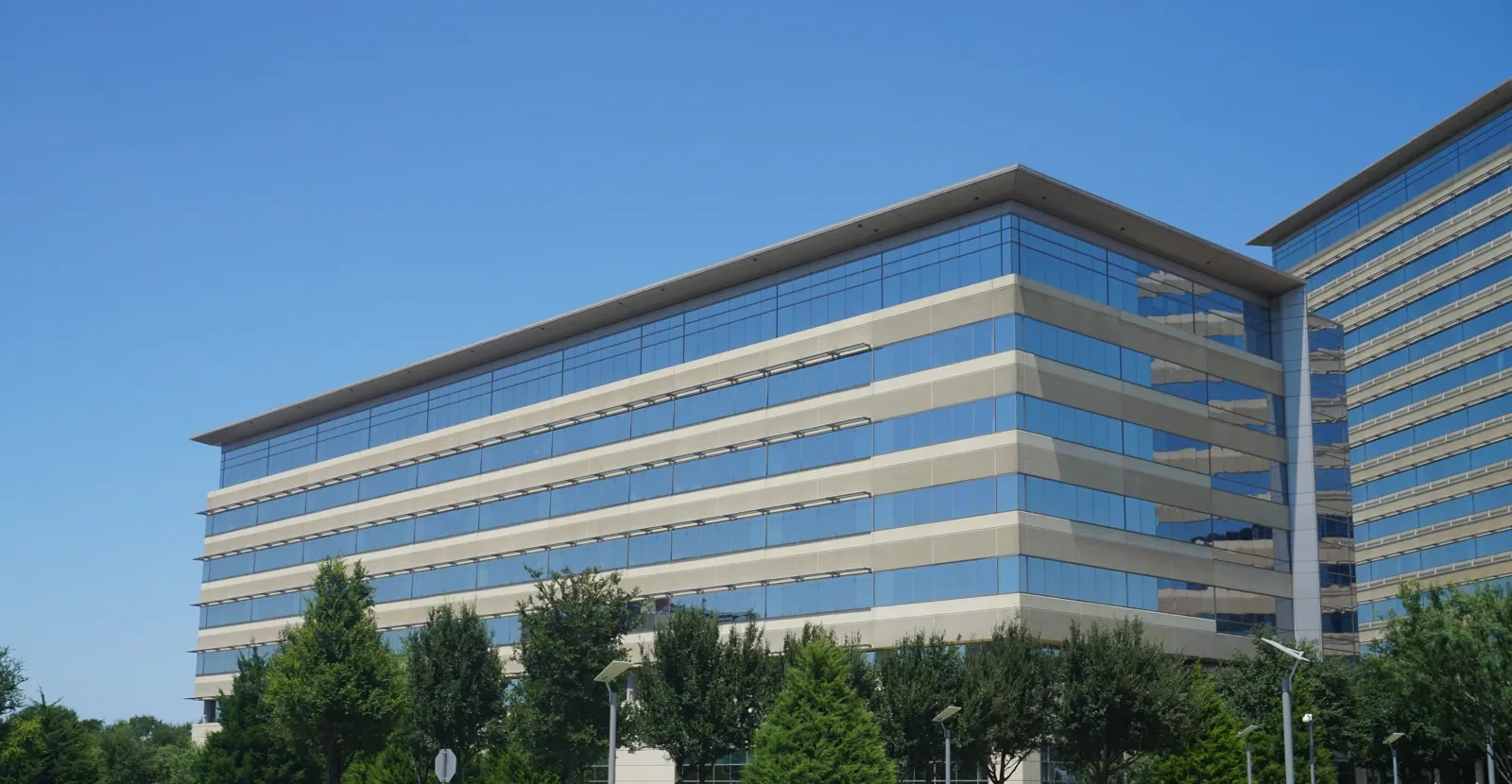
A maintenance visit should leave the owner with fewer unknowns than before it began. Our commercial roof maintenance in Richardson, TX focuses on drainage, seams, flashings, perimeter details and small defects that can become costly leaks when ignored. We inspect the areas most exposed to water and movement, clear accessible debris, document conditions and separate routine work from repairs that need approval. The schedule can account for the building's roof type, leak history and operating hours. That gives the property team a practical list for this quarter and a basis for the next budget discussion.
Request a Roof Assessment
All fields are required.
Commercial Roof Maintenance in Richardson, TX
Build a Maintenance Plan Around the Roof
Set a Visit Rhythm That Fits the Roof
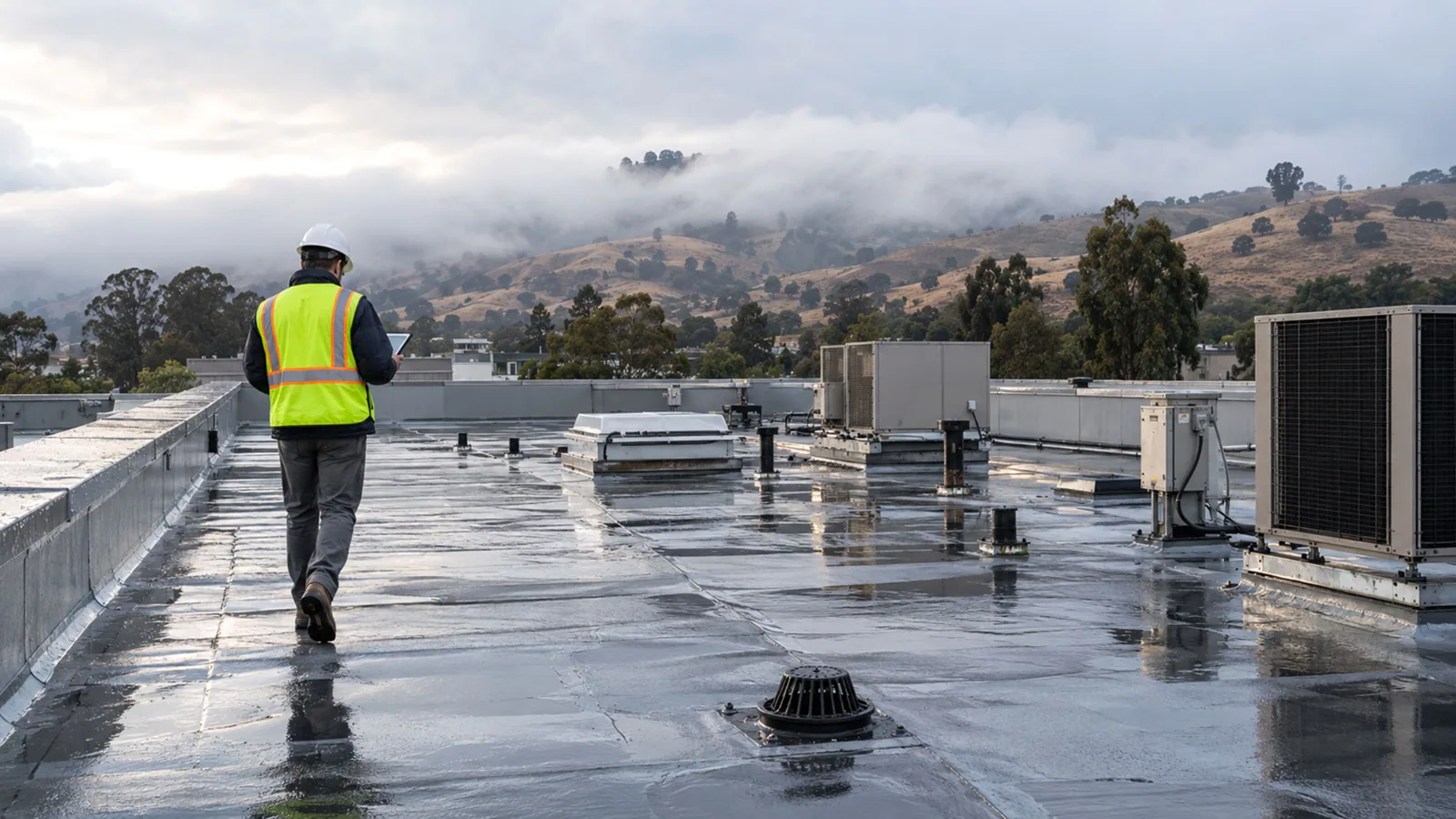
There is no useful maintenance calendar without a roof baseline. We start by identifying the system, approximate age, prior repairs, recurring leak points, access limits and any warranty or owner requirements. A newer roof with clear drainage may need a different visit pattern from an older membrane with patch history. Buildings with large tree cover or rooftop equipment may accumulate debris or see more disturbance between inspections. The first visit should record those conditions so future checks can focus on changes.
Many owners schedule reviews before and after the region's stormier spring period or before a long stretch of summer heat. A post-event check is useful when hail or strong wind may have affected the surface. The timing should also reflect when the roof can be accessed safely and when maintenance work causes the least disruption. For multi-building portfolios around the Richardson Innovation Quarter, a shared inspection calendar can organize visits while retaining separate findings for each asset. One building's clean report should never stand in for a walk on another.
Keep Water Moving Toward the Outlets
Blocked drains and scuppers can leave water where seams and flashings remain wet longer than intended. We remove accessible leaves, sediment and loose debris, check strainers and note whether water can reach the outlet. We look for damaged drain rings, loose clamping components, open transitions and signs of recurring ponding. The visit also considers overflow paths; a primary outlet is not the only detail that matters during intense rain.
Drainage maintenance does not mean sweeping every roof clean without regard to the assembly. We avoid pushing debris into outlets or disturbing ballast and protective surfaces. Where water stands after the visit, the cause may involve slope, deflection, a blocked leader or drain placement. We document what is visible and recommend a separate evaluation if the roof needs crickets or tapered insulation. Owners with a known problem can connect maintenance findings to drain and scupper correction rather than treating repeated clearing as a permanent fix.
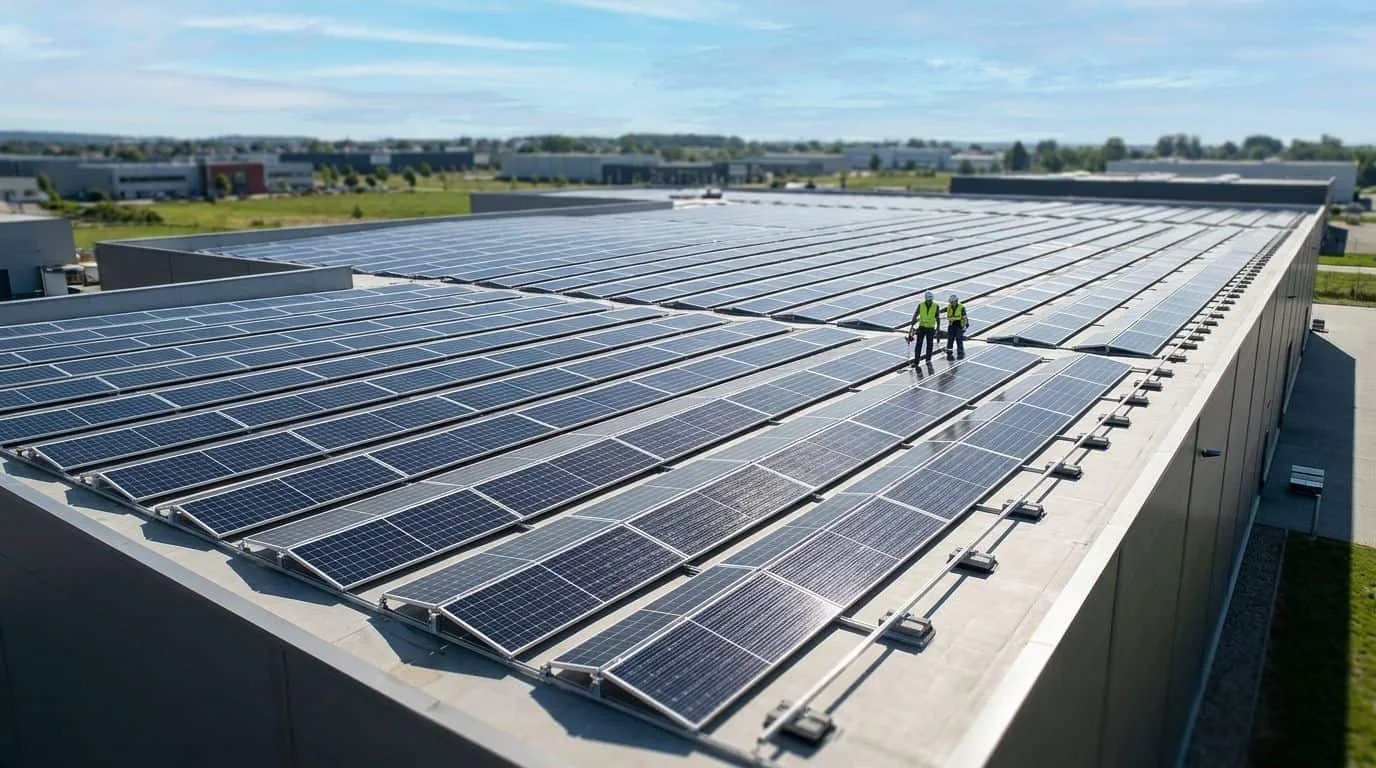
Check Seams, Flashings and Roof Edges
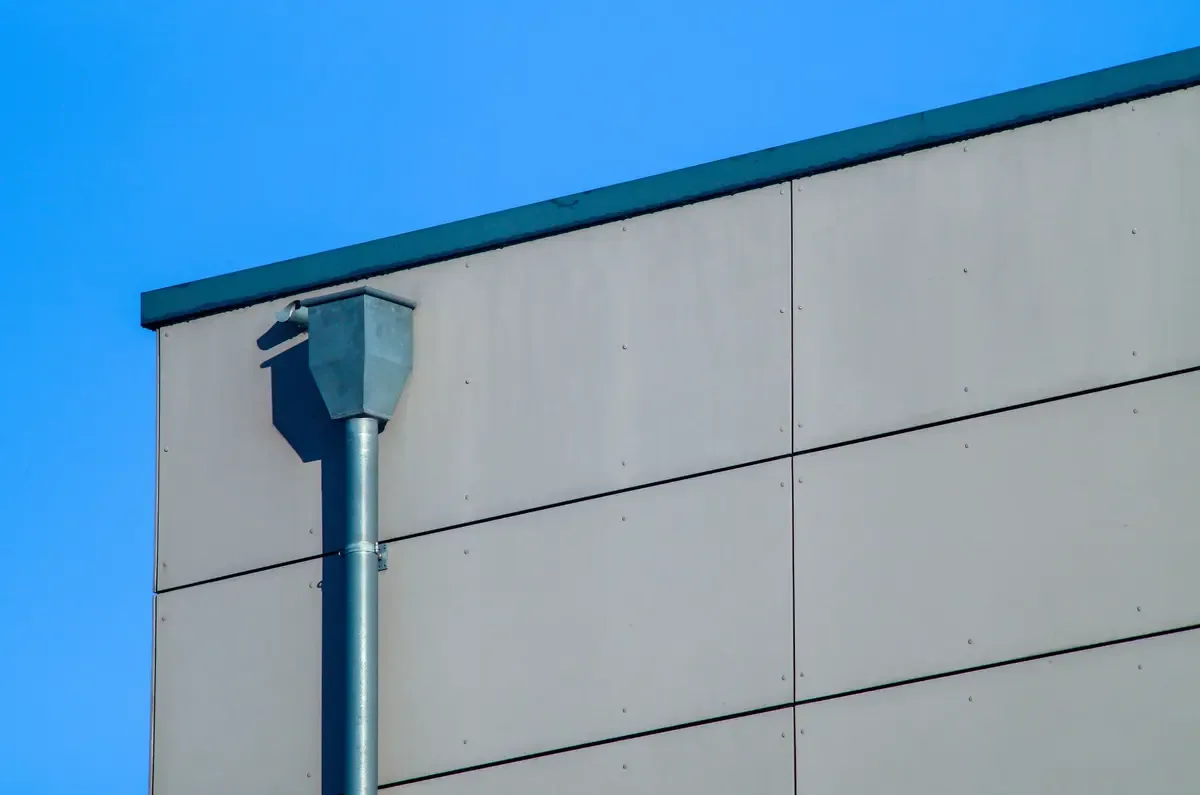
Small openings can admit water before the surrounding roof looks worn. We inspect membrane laps, patches, seams, pipe boots, curbs, skylights, wall flashings and edge metal for separation, movement or failed sealant. Details exposed to regular service traffic deserve attention because equipment technicians can step on a membrane or leave a fastener loose. We note where the roof remains sound and where a compatible repair should be scheduled.
Thermal movement and ultraviolet exposure add stress during Richardson's hot months. July and August daytime highs in the DFW area commonly reach the mid-90s. That heat can make brittle sealant, loose metal and open terminations more consequential, but it does not prove that a specific roof has failed. We inspect the material at each transition and record the evidence. If a seam or flashing needs repair, a targeted repair visit can address the condition before water reaches an occupied area.
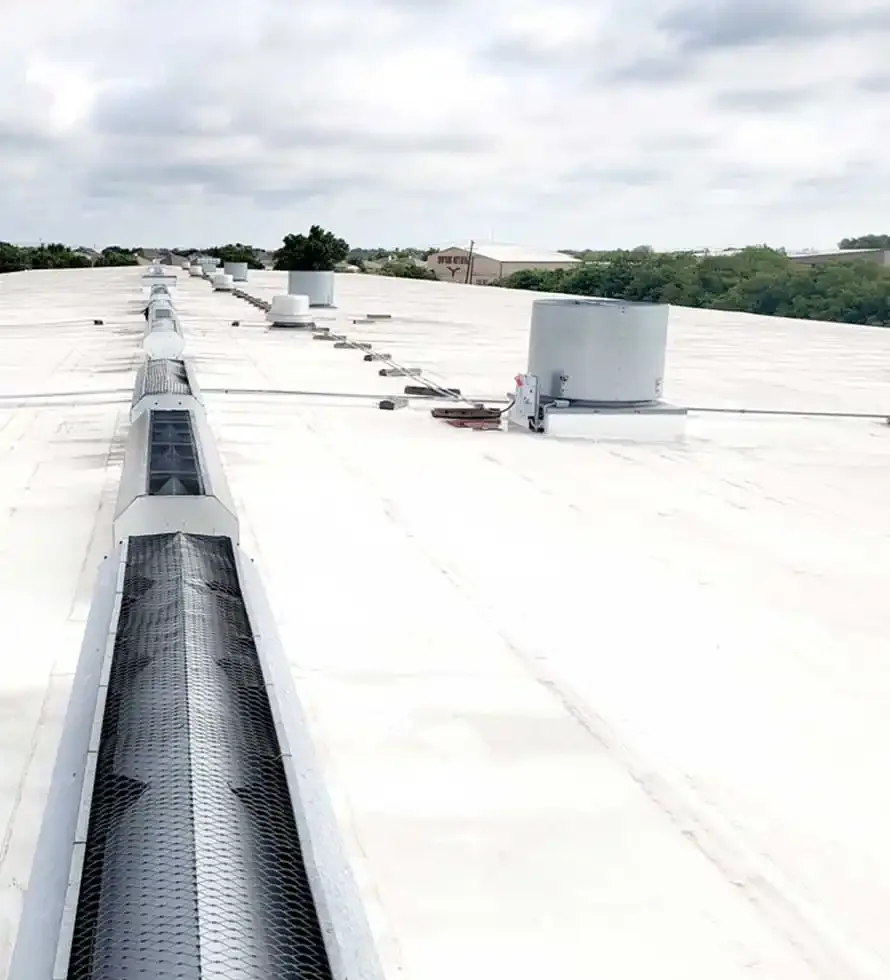
Use Seasonal Checks to Reduce Surprise Work
DFW's springtime storms can bring hail and damaging gusts, putting perimeter details and drainage under pressure. A preventive visit before that period can identify loose edge components, deteriorated penetrations and drainage issues that deserve attention. After a significant storm, a separate condition review may be needed to document impact. Routine maintenance cannot predict the path of every storm or make an older roof immune to damage. It can give the owner a better starting record and help crews spot changes sooner.
We organize storm-readiness findings by severity. An open flashing or unsecured metal deserves faster attention than surface wear that remains watertight. We note any area where safe access or debris prevents a conclusion. For properties in the West Arapaho Corridor or the Garland service area, the roof plan and operating schedule still need to be confirmed at the actual site. Nearby area context does not tell us the roof's age or condition. If impact appears likely, storm damage assessment can document the event and define the next repair scope.
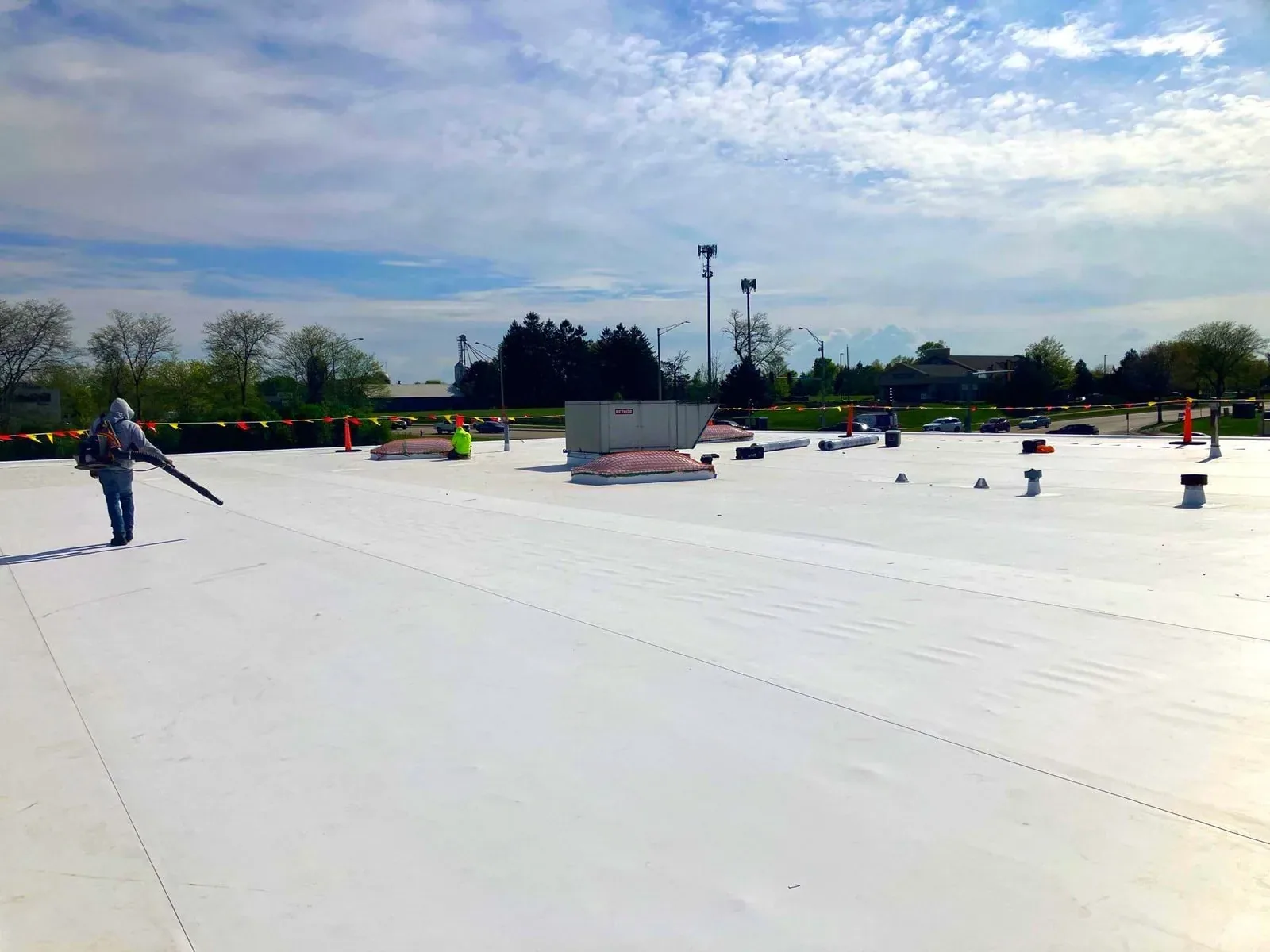
Make Each Visit Useful to the Next Decision
A maintenance record should show what was inspected, what work was completed and which conditions remain open. We use roof-zone labels and photographs so an owner can compare the same drain, seam or curb on the next visit. The record should distinguish routine cleaning from repair. If a detail was inaccessible, we state that limit; if a component is near the end of useful service, we describe what change would move it into a repair category.
Those notes support both operating decisions and capital planning. A property manager can close minor maintenance items while sending a repair scope for approval. An owner comparing several roofs can track recurring repairs and identify a system that may need broader study. Condition reporting can keep the findings organized, and capital planning can connect maintenance history with future renewal timing. The goal is a clean, practical record that explains the roof without adding generic checklists unrelated to the visit.
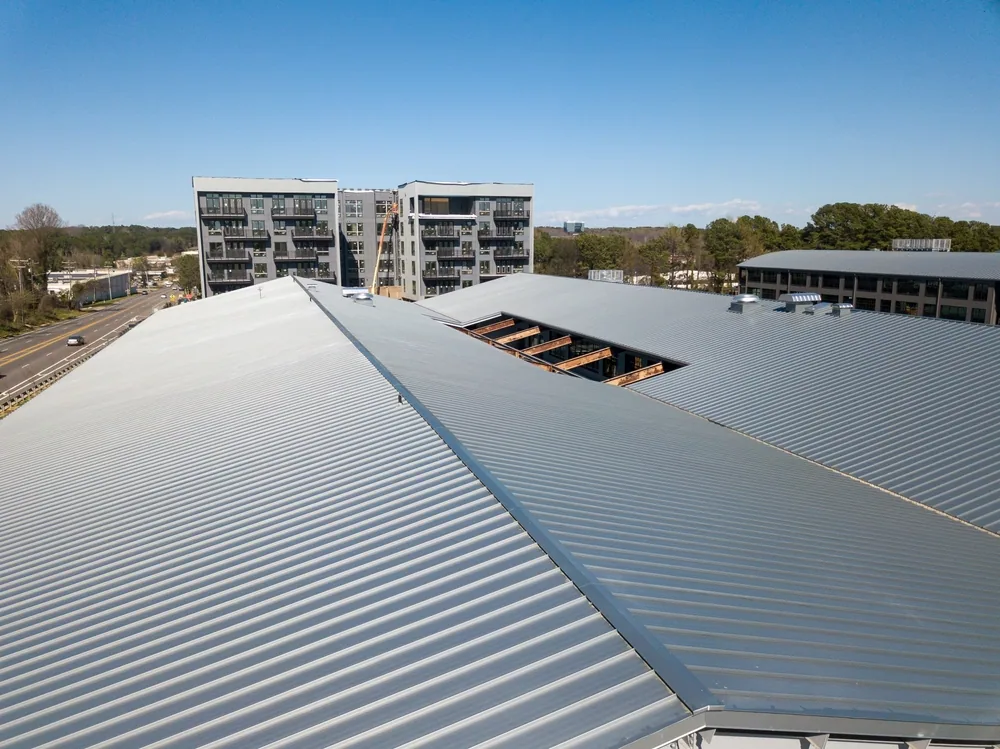
Keep Planned Maintenance Separate From Repair Work
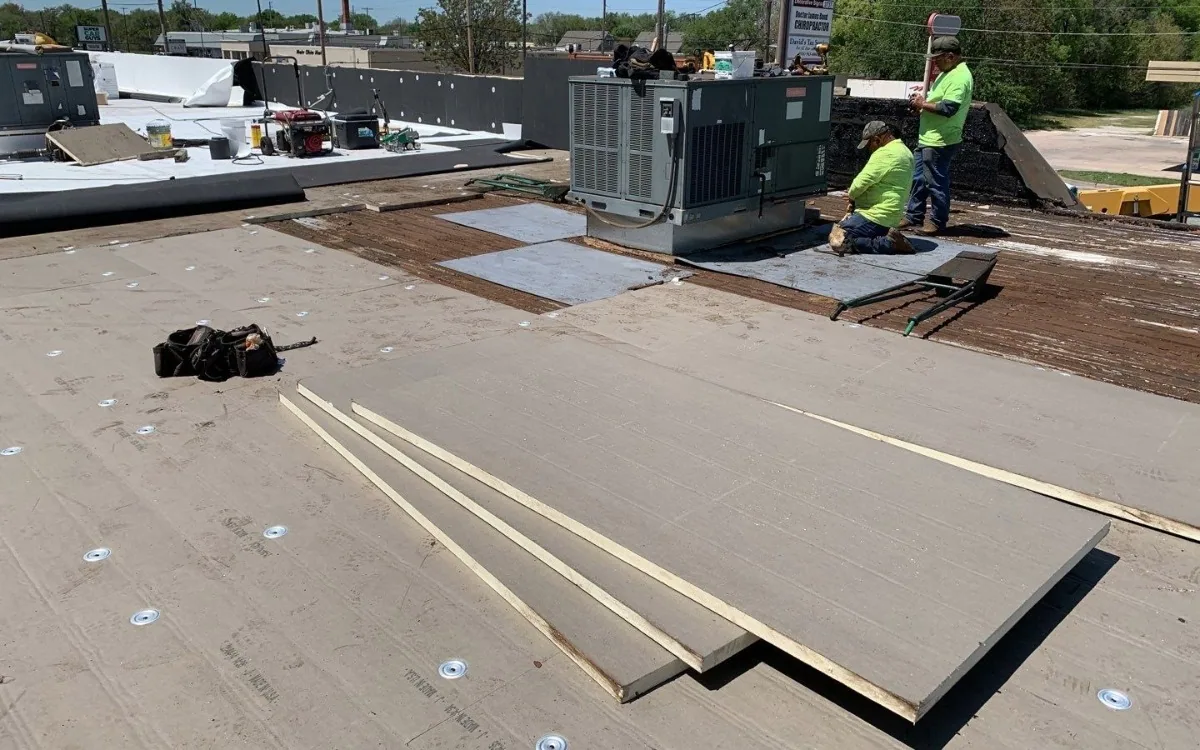
Routine maintenance often includes clearing accessible drainage points, checking common details and recording conditions. It should not quietly expand into a major repair without owner approval. We identify the task, labor assumptions and limits in the proposal. If inspection reveals a puncture, wet insulation, loose attachment or damaged drain assembly, we describe that separately and explain the risk of delaying it. The owner can then decide whether to authorize repair, further testing or monitoring.
Annual planning can make costs more predictable, but the best program is still adjustable. A newly observed leak, a storm, construction activity or roof replacement can change the schedule. We review the work history with the property contact and revise priorities based on current evidence. For a facility near CityLine West, tenant hours and loading access may shape the visit window; another Richardson property may need different controls. Maintenance works when it fits the actual building, roof system and owner decision cycle.
Related Roofing Work
Commercial Roof Drain and Scupper Service
Commercial Roof Repair
West Arapaho Corridor
Garland
Questions About Commercial Roof Maintenance
How often should a commercial roof receive maintenance?
The interval depends on roof age, system, repair history, debris load, rooftop activity and warranty terms. We establish a baseline, then recommend a schedule that gives the owner useful checks without repeating work that is not needed.
What is included in a maintenance visit?
A visit can include accessible drain and scupper clearing, seam and flashing checks, review of edges and penetrations, minor approved maintenance, photos and prioritized recommendations. The written scope identifies work that requires separate approval.
Does maintenance prevent storm damage?
No program can prevent hail or wind from damaging a roof. Regular checks can identify loose details and drainage problems before a storm and create a useful condition record for a post-event assessment.
Can your crew repair defects during the maintenance visit?
Small, pre-approved items may fit the visit when materials and conditions allow. Larger or concealed issues are documented separately so the owner can review scope, cost and risk before additional work begins.
Will I receive photos after each visit?
Yes. We organize photos by roof zone and pair them with completed tasks, observed concerns, access limits and recommended next actions. That record helps compare conditions at a later maintenance check.
Build a Maintenance Plan Around the Roof
Share the roof system, leak history, access rules and next budget date. We will set visit priorities, document conditions and separate routine care from repairs needing approval.