
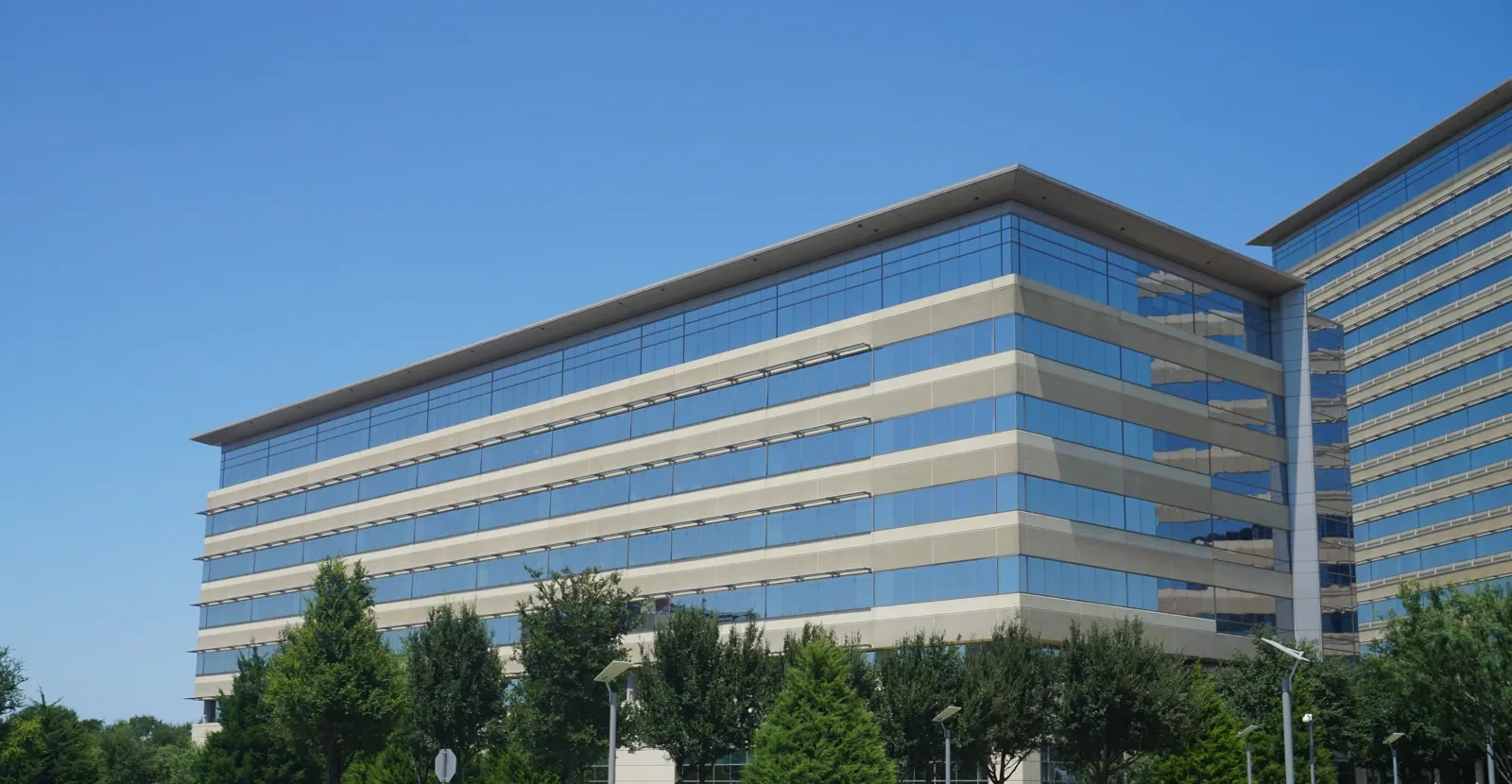
Garland has commercial areas for employment, retail, healthcare, industry and transit-oriented development, so roofing decisions vary with the property and the work happening inside it. A freight-facing building may need an uninterrupted loading plan; a medical office may require controlled access; a retail property may need entrances open throughout the day. We inspect the actual roof, review leak and repair history, and build a scope around confirmed conditions. The city's land-use plan helps frame coordination questions, but it does not establish a particular building's roof type, age or condition.
Request a Roof Assessment
All fields are required.
Commercial Roofing in Garland, TX
Get a Scope That Fits the Property
Fit the Sequence to the Property's Use
Before a visit, we confirm who can authorize roof access, which entrances and loading areas must stay open, and whether equipment, inventory or patient schedules limit the work window. Garland's planning framework recognizes business and industry centers, including office, low-impact industry and freight-oriented property types. Those categories point to different operating concerns, not a conclusion about a site we have not inspected. A distribution building may prioritize truck circulation, while an office or healthcare property may need quiet periods and clear pedestrian paths.
We identify material staging, lift placement, debris removal and daily close-in before pricing. A phased reroof plan can divide a large surface into workable zones and preserve a dry boundary at the end of each shift. If water is active, emergency stabilization may protect the interior while the permanent repair is scoped. Neither option should leave ambiguity about what area is included or which trades are responsible for equipment resets.
Garland's activity centers connect commercial clusters with roads, highways and rail or transit service. That regional connectivity does not tell us how a specific truck enters a property. We confirm the site's turning space and delivery schedule with the owner, then account for any access constraint that could affect labor or duration.
Find the Roof Condition Behind the Complaint
A ceiling stain is a symptom, not a roof diagnosis. We record when it appeared, whether it changes during rain, what equipment or finishes sit below it and whether prior work occurred nearby. On the roof, we inspect membrane or metal panels, seams, flashing, penetrations, edges, drains, scuppers and previous patches. A commercial roof inspection can map visible findings and distinguish an isolated detail from a pattern that deserves more testing.
In office and medical buildings, leak response may need interior protection before roof access is arranged. At industrial or freight-oriented properties, safety and access around machinery or inventory can govern where a crew moves. We document locations that could not be reached and avoid describing them as inspected. If moisture may be concealed, a moisture survey can help direct selective investigation, while a visual review alone cannot verify hidden insulation or deck condition.
The proposal should make the diagnosis traceable. We tie photographs to a roof zone, name the observed defect, explain why it matters and identify what would change the recommendation. If a small area can be repaired, we state its preparation and tie-in. If repeated failures or widespread wet materials suggest a broader issue, we explain which opening, core or design review must happen before final quantities.
Check Details for Heat, Hail and Heavy Rain
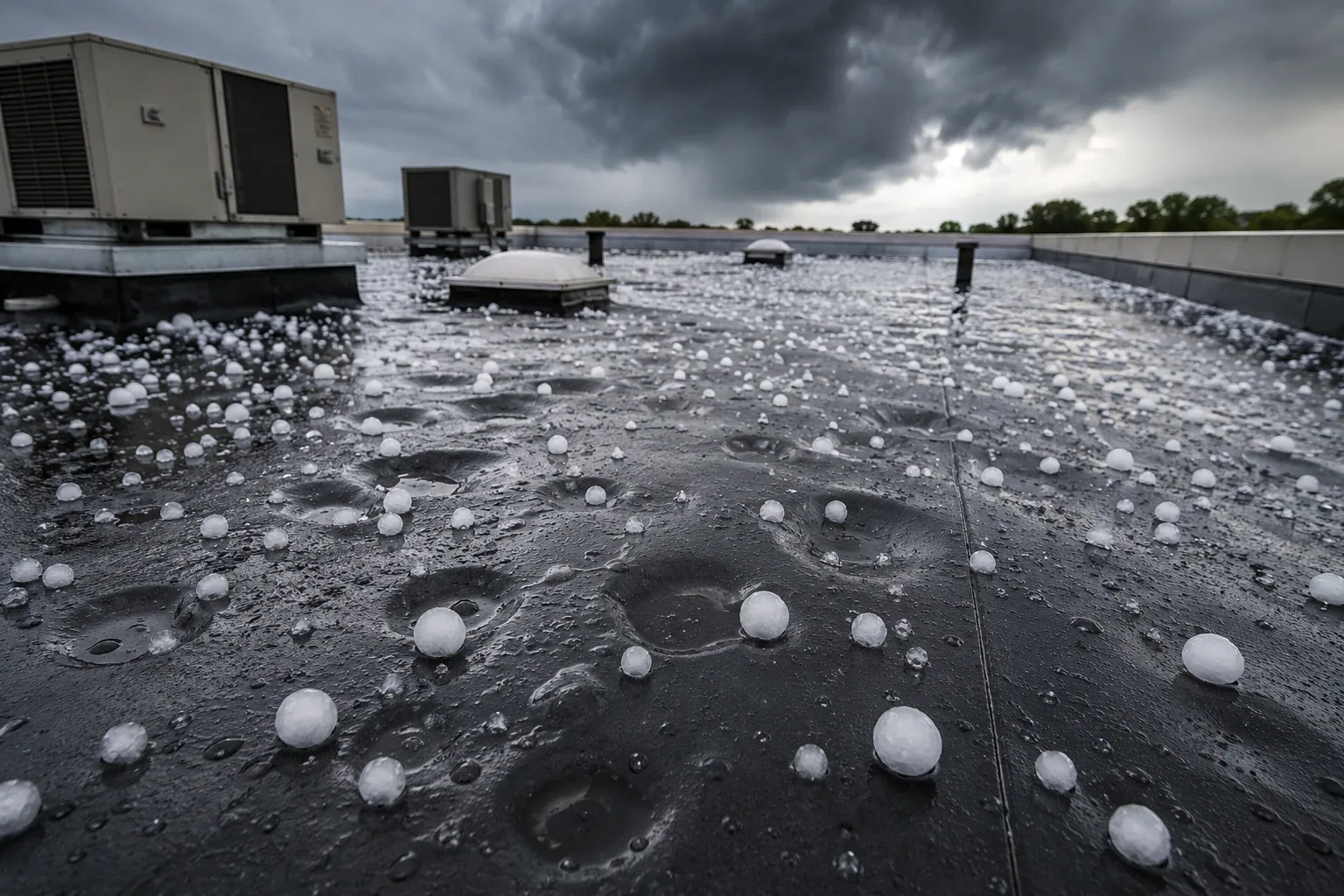
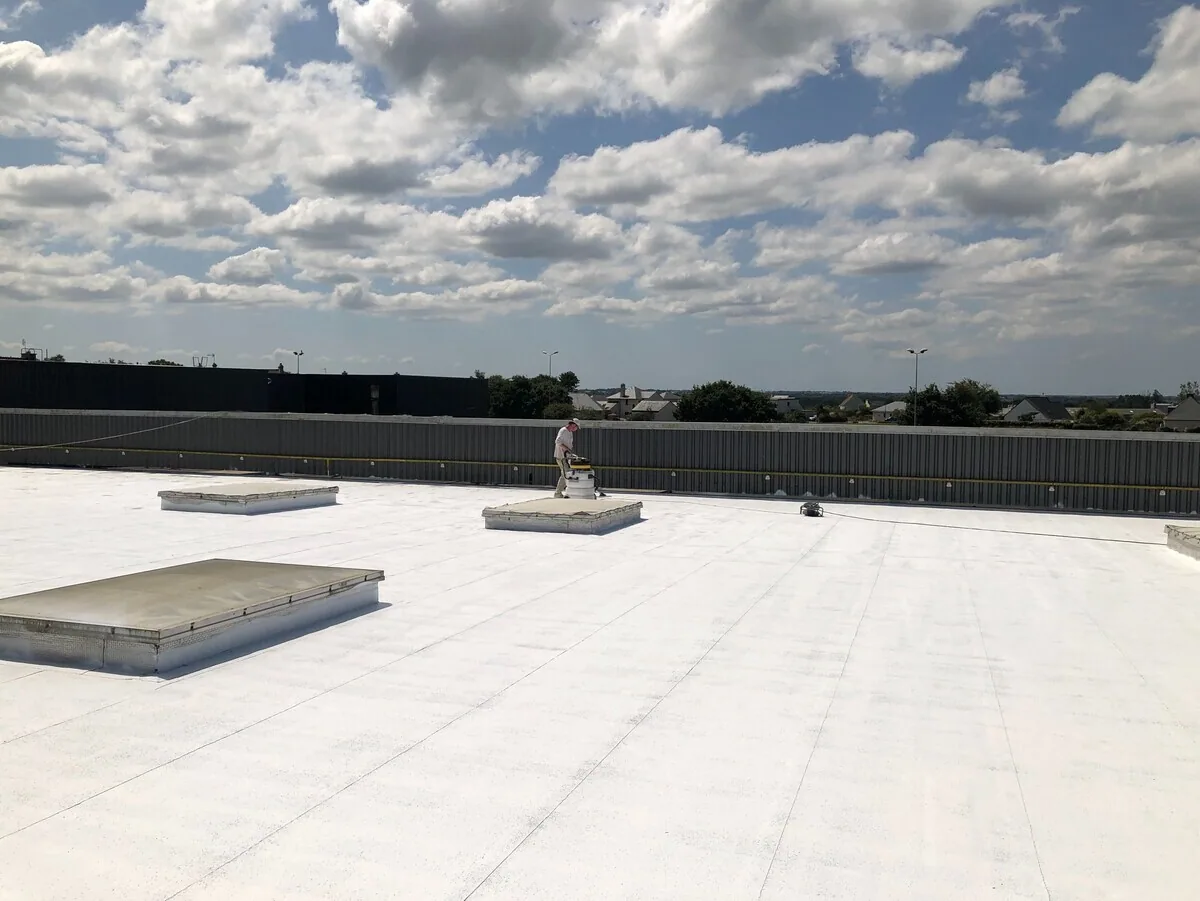
DFW summers bring average highs in the mid-90s, while spring is the region's most frequent severe-thunderstorm period. Heat and storms make secure edges, sound flashings, clear drainage and timely leak response important inspection topics. Regional weather is context; it does not prove hail impact or wind damage at a Garland property. We look for evidence on the assembly itself and keep the date, location and observed condition connected in the report. A storm-damage assessment should distinguish visible effects from areas needing closer evaluation.
Drainage issues can appear as blocked outlets, damaged bowls, open scuppers, ponding or water that cannot reach its intended path. We check strainers and overflow provisions, then follow the surface toward the outlet. If water stays after debris is removed, slope, deflection, outlet capacity or a low area may require review. drain and scupper work can address a confirmed outlet issue without implying that cleaning alone corrects roof geometry.
Roof coating, recover and replacement each change how existing details meet the new work. Before choosing an option, we examine drainage height, flashing terminations, edge attachment and compatibility with the existing assembly. A proposal identifies testing and design assumptions rather than presenting a general city page as a property-specific engineering determination.
Compare the Cost of Repair With Renewal
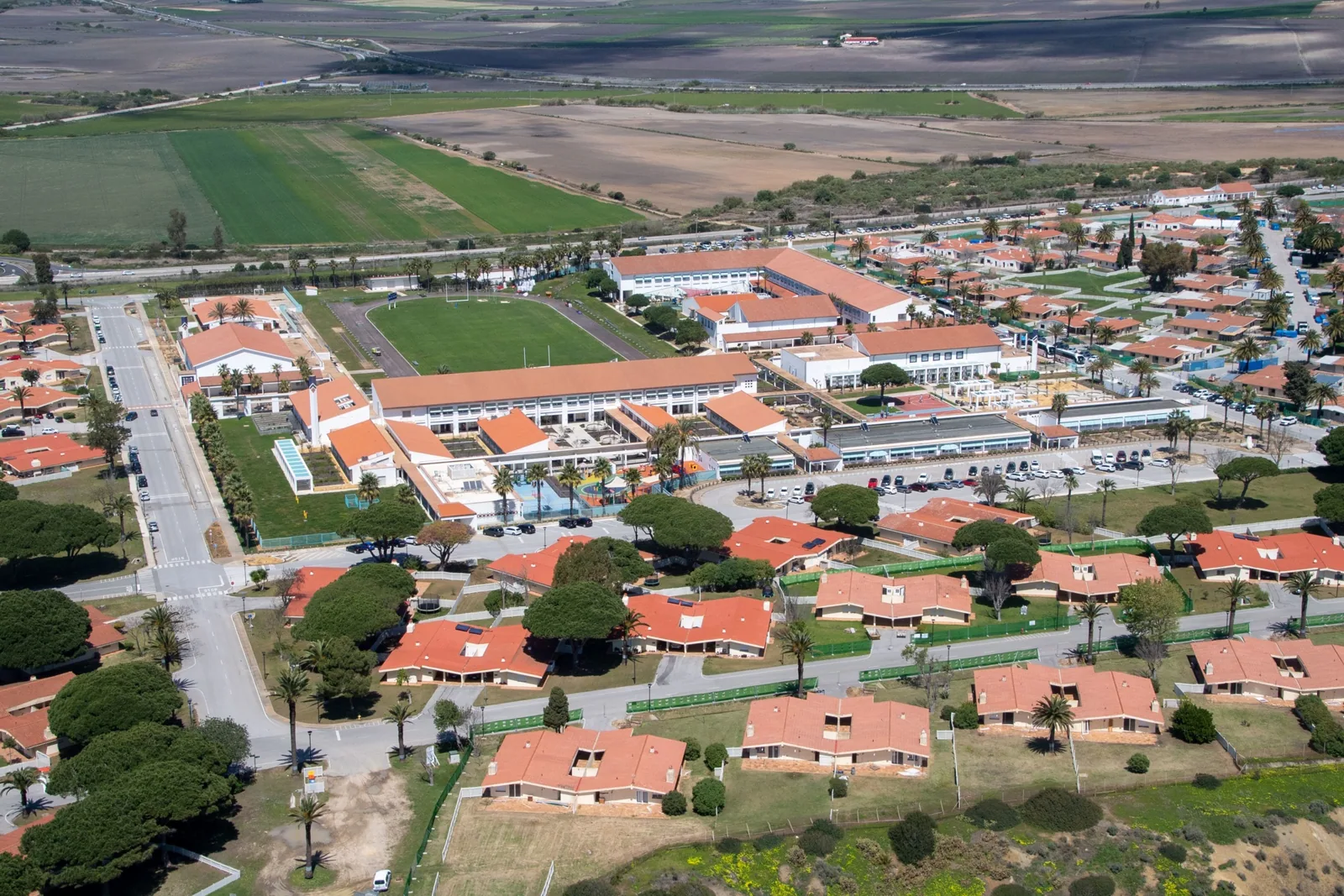
For an isolated leak on a sound assembly, a defined repair can be the most direct choice. When defects repeat across separate zones or moisture affects insulation, more patches may leave the owner paying for mobilization without resolving the underlying risk. An additional membrane layer belongs in consideration only after the current assembly is confirmed as dry, stable and compatible; replacement may make more sense when attachment, deck, drainage or edge details need broader correction. We explain what each option fixes and what stays in place.
Estimate line items should identify tear-off, disposal, insulation, cover board, membrane, flashing, metal, equipment coordination, traffic control, interior protection and any testing. Quantities based on visible access should be distinguished from assumptions that require opening the roof. If a concealed condition can alter cost, the proposal needs an approval point and a unit price or clear change process.
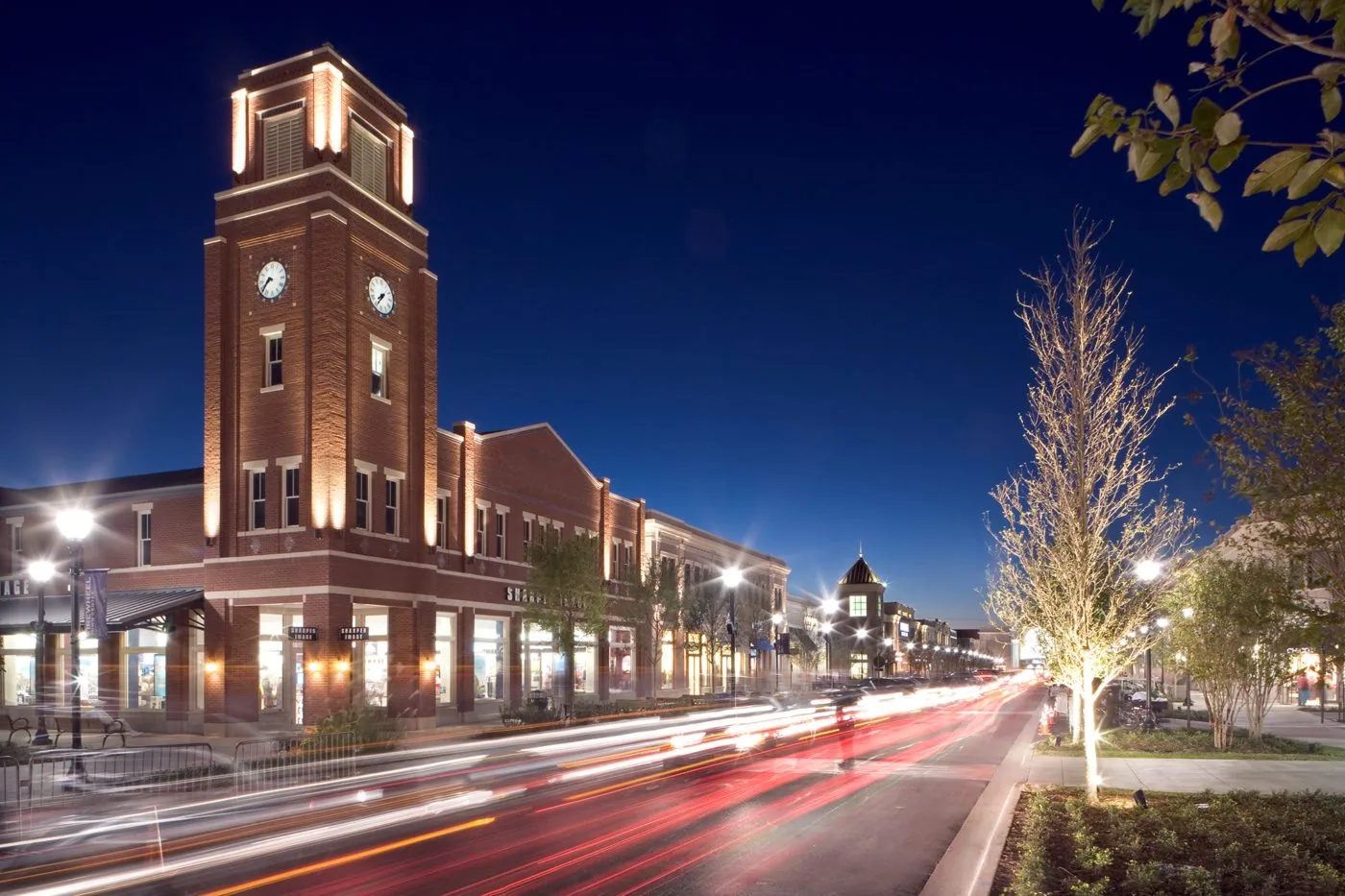
Owners can use a capital-planning review to compare work across facilities and budget years. A roof condition report provides a repeatable record of locations, photographs, urgency and remaining risk. For area-specific planning, the Firewheel Town Center district and Historic Downtown Garland have different planning contexts, but every roof recommendation remains tied to the building examined.
Protect the Building Through Daily Close-In
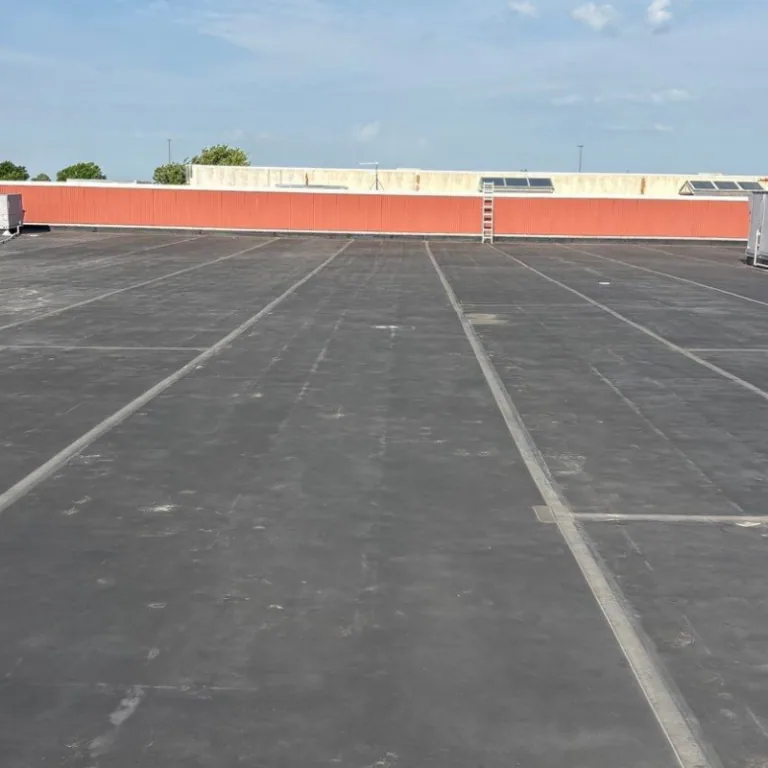
Garland project timing depends on roof size, access, test results, material lead time, weather, permit review and the property's operating limits. We set a sequence that shows which zone opens, how it will be protected and where work can stop safely each day. When a forecast changes, the crew needs a defined plan for securing the exposed area. The owner should know which spaces remain accessible and when a temporary restriction is expected.
At closeout, we identify completed roof zones, material and tie-in details, dated photos, and any item that stayed outside the scope. This record helps the facilities team compare future findings with current work and decide whether a maintenance visit or inspection is due. If another trade later adds a curb or moves equipment, the documentation clarifies where the roofing system was completed and what new interface needs attention.
To request an assessment, share the property's location, access contact, active leak report, prior repair information and the date by which a decision is needed. We will confirm what can be inspected and return an option set that separates urgent protection from long-term renewal.
Related Roofing Work
Occupied Commercial Building Reroofing
Commercial Roof Inspection
Infrared Roof Moisture Survey
Storm Damage Roof Repair
Questions About Garland
Can roof work be phased at an operating Garland facility?
Yes, when the building layout and roof conditions support a zone-by-zone sequence. We coordinate access, protection, work hours and the watertight stopping point with the property contact before mobilization.
Does Garland's industry mix tell you what roofing system a property has?
No. The city's planning categories describe land use, not an individual roof assembly. We verify the membrane or panels, attachment, insulation, drainage and repair history during the site review.
What information helps price a commercial roof repair?
Share leak locations and timing, interior photos if available, prior repair records, roof access details and any deadline. The field inspection then confirms the area, preparation and tie-in required.
When should a Garland owner consider a roof recover?
Consider it only after checking moisture, attachment, existing layers, drainage and flashing heights. If those conditions do not support another layer, we compare repair and tear-off options instead.
Can a storm report prove that hail damaged a roof?
A regional storm report provides timing context, but roof damage must be assessed on the specific property. We document visible impact or wind effects and identify any additional testing needed.
Get a Scope That Fits the Property
Share the roof history, operating constraints and decision date. We will inspect accessible conditions and show which work protects the building now and which option fits the longer budget.