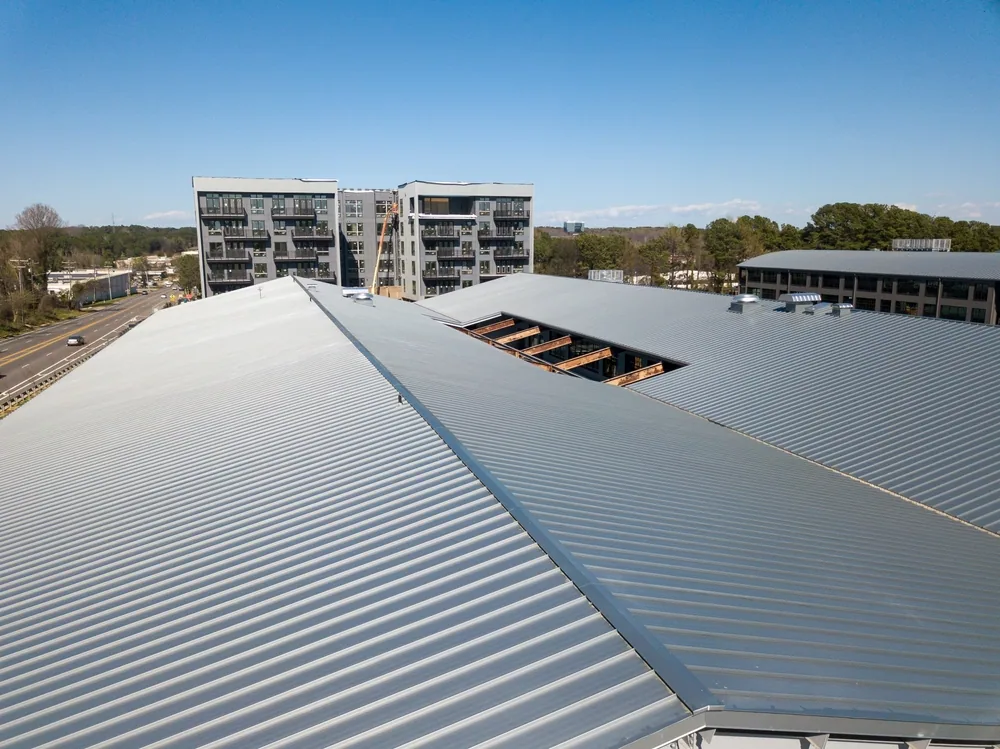
Standing-seam metal can remain serviceable while its clips, seams, and penetrations need attention. The replacement decision depends on movement, corrosion, water entry, and the condition of the supporting deck. In Richardson, TX, we inspect those details before deciding whether repair, restoration, or a new roof fits the building and budget window. The scope should name the panel profile, substrate, attachment, and flashing work. A generic metal-roof allowance leaves too many cost drivers unresolved.
Request a Roof Assessment
All fields are required.
Commercial Standing-Seam Metal Roofing in Richardson, TX
Review the Metal Roof Before Funding a Retrofit
Identify Panel, Clip and Substrate
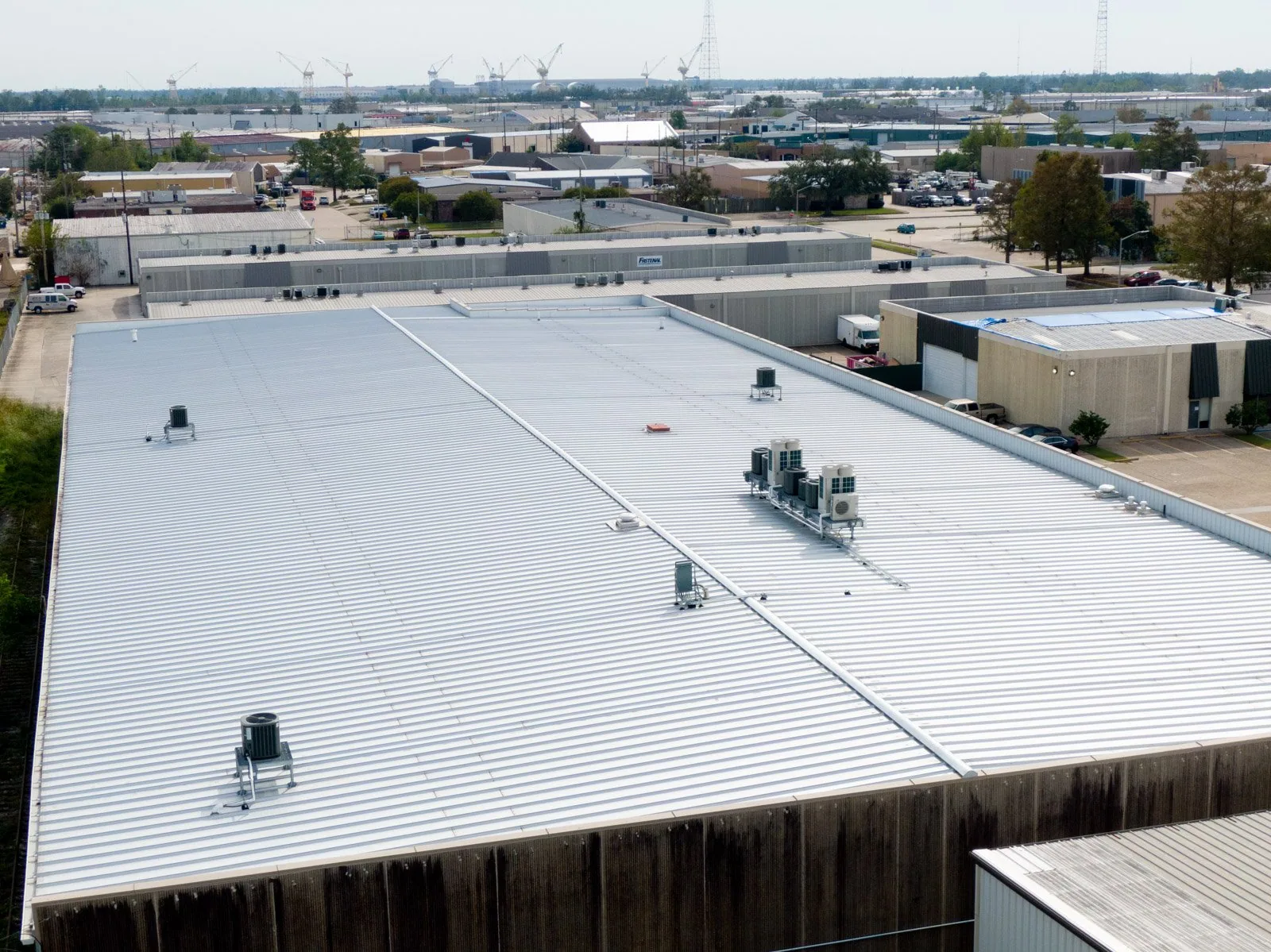
Standing-seam panels connect through raised seams, with concealed clips or other attachment that lets metal move as temperature changes. Panel width, gauge, seam profile, clip spacing, underlayment, and substrate all influence the assembly. We check for loose or separated seams, damaged clips, oil canning, coating breakdown, corrosion, and movement at transitions. If the roof records are incomplete, a limited opening or fastener review can help confirm what supports the panels.
Metal movement should not be mistaken for failure by itself. The question is whether the system still sheds water and whether movement has pulled a seam, flashing, or clip out of position. We trace staining and leaks toward laps, end dams, penetrations, and perimeter transitions. A condition inspection records which panels and details need work before a repair price is set. If the roof is an older exposed-fastener system, a retrofit design may be more suitable than replacing each damaged fastener one at a time.
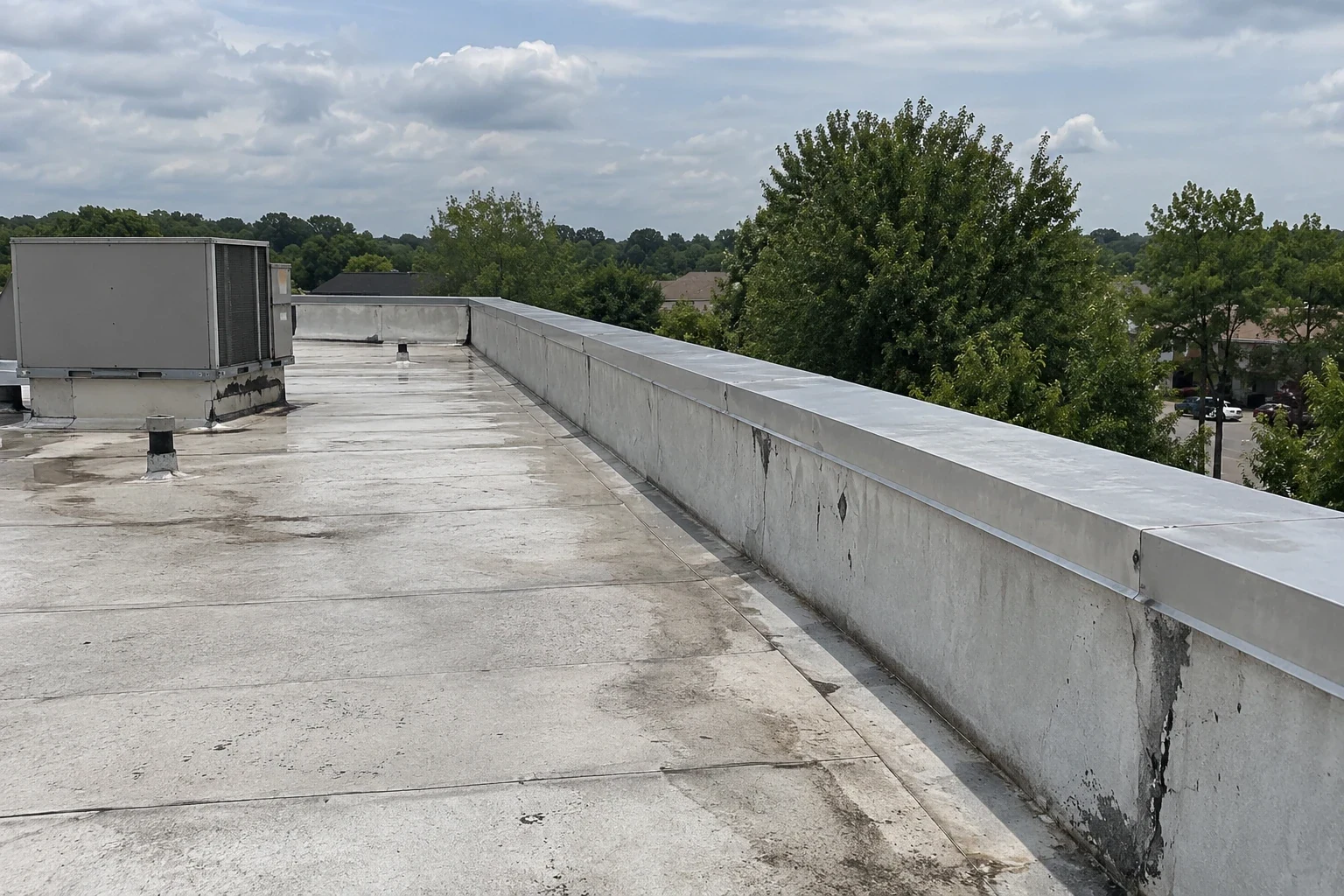
Trace Water at Penetrations and Transitions
Standing seams reduce the number of exposed fasteners across the field, but openings still need carefully designed curbs, pipes, vents, and edge details. A poorly placed penetration can interrupt a panel rib or create a difficult water path. We inspect the pan, seam, flashing, sealant, and substrate around each opening. If a rooftop unit was added after the original installation, its support and flashing need to work with the panel system rather than rely on sealant alone.
At walls and parapets, counterflashing, closures, and movement allowances protect transitions. Metal details can bind if the connection prevents thermal movement. We check whether a repair has fastened through a moving seam or trapped water behind a trim piece. Drainage paths matter even on a sloped metal roof: valleys, gutters, downspouts, and penetrations can collect debris or overflow. The proposal should include edge-metal and gutter work where those details are part of the leak path, and include a drainage review where low-slope sections connect to the metal roof.
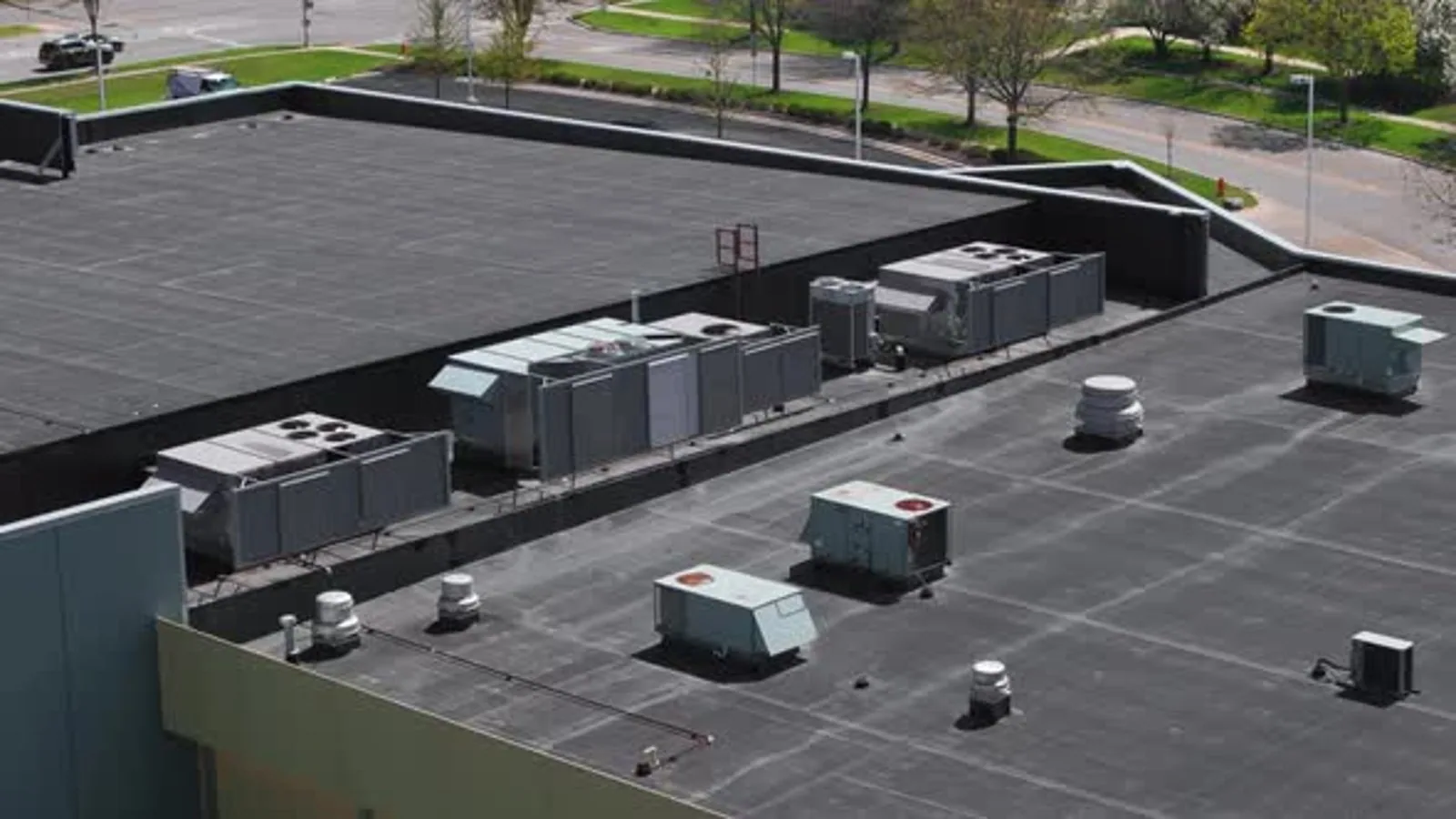
Separate a Panel Repair from a Full Retrofit
A repair may fit a limited seam or flashing problem when surrounding panels and clips remain sound. Corrosion near a cut edge, widespread coating breakdown, repeated leaks, or loose attachments can make a local patch poor value. We identify the affected area and explain whether the work changes only one transition or needs a panel replacement. Sealant alone is not an answer when the underlying metal has lost section or the connection still moves.
Exposed-fastener roofs follow a different repair path because washers, fasteners, and panel laps are visible and can deteriorate across broad areas. A metal roof retrofit can add a new structural or secondary assembly, subject to engineering and existing conditions. Coatings may restore some surfaces, but they do not repair weak clips, failed laps, or wet substrate. We compare restoration with replacement and state the necessary preparation, repairs, and inspection criteria. The owner should know which conditions must be corrected before a coating can be considered.
Allow for Richardson's Heat Range
Richardson experiences long, hot summers, and metal panels expand and contract as surface temperatures change. The design should allow movement at clips, laps, curbs, and end conditions. Excessive constraint can stress fasteners or distort details, while a poorly secured panel can move under wind. We check the specified attachment and field condition instead of assuming a metal roof is maintenance-free because it sheds water quickly.
Spring storms bring hail and wind across the DFW metroplex, and a severe-weather report can prompt an inspection. Damage should be documented at the property rather than inferred from a regional event. The October 2019 tornado path near Audelia Road and Buckingham Road is part of Richardson's storm history. It does not establish damage to another roof. For a storm visit, we photograph denting, seam separation, displaced trim, and punctures and compare them with pre-existing corrosion. A storm assessment helps the owner separate urgent protection from long-term capital work.
Coordinate Panel Work with Building Operations
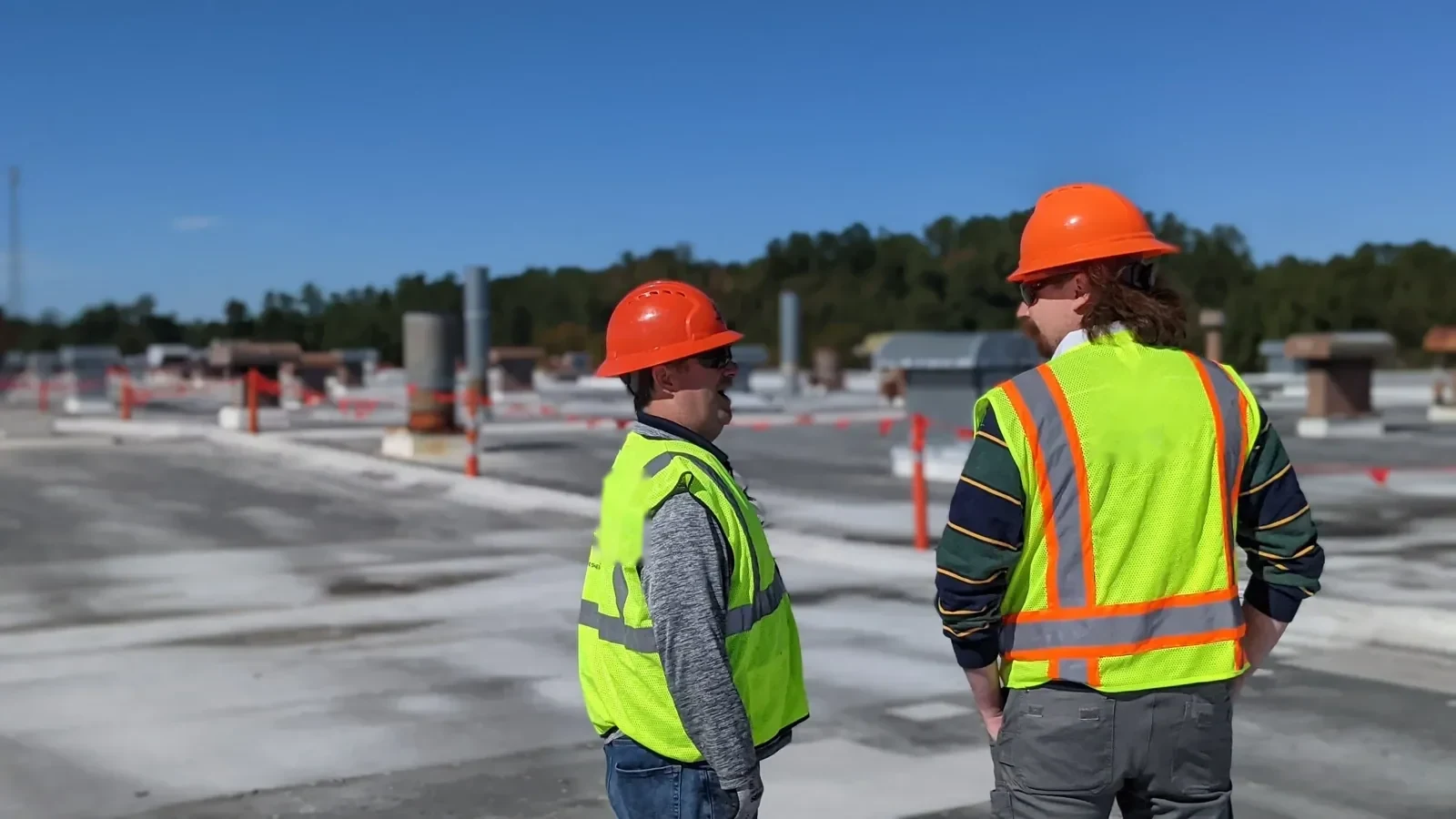
Metal roof repairs may involve lift access, fall protection, panel removal, noisy fastening, and control of sharp debris. We plan a sequence that keeps entrances, loading areas, and tenant routes usable where possible. Richardson includes office campuses, technology and research employers, health care, manufacturing, and retail. Those buildings can have different rooftop equipment and operating hours. We confirm the actual work limits, interior protection, weather hold points, and daily secure condition with the property contact.
Richardson has adopted 2021 building, existing-building, and energy codes with local amendments. New panel assemblies, insulation changes, structural supports, and reroof work may require different documentation than a limited repair. We confirm the scope and coordinate details with the permit path. For a retrofit, the structural engineer and roofing designer should establish load, attachment, drainage, and edge conditions before material is ordered. The project file should identify assumptions about the deck, existing framing, and concealed corrosion.
Compare Service Life with the Next Spend
A metal replacement proposal should list panel profile, gauge, finish, clips, underlayment, insulation, trim, gutters, penetrations, and removal assumptions. It should distinguish work that restores the current assembly from work that changes its structural support. A repair estimate should show the exact panel zones, seam details, and adjacent conditions included. Without that detail, two bids can describe different systems while using the same phrase.
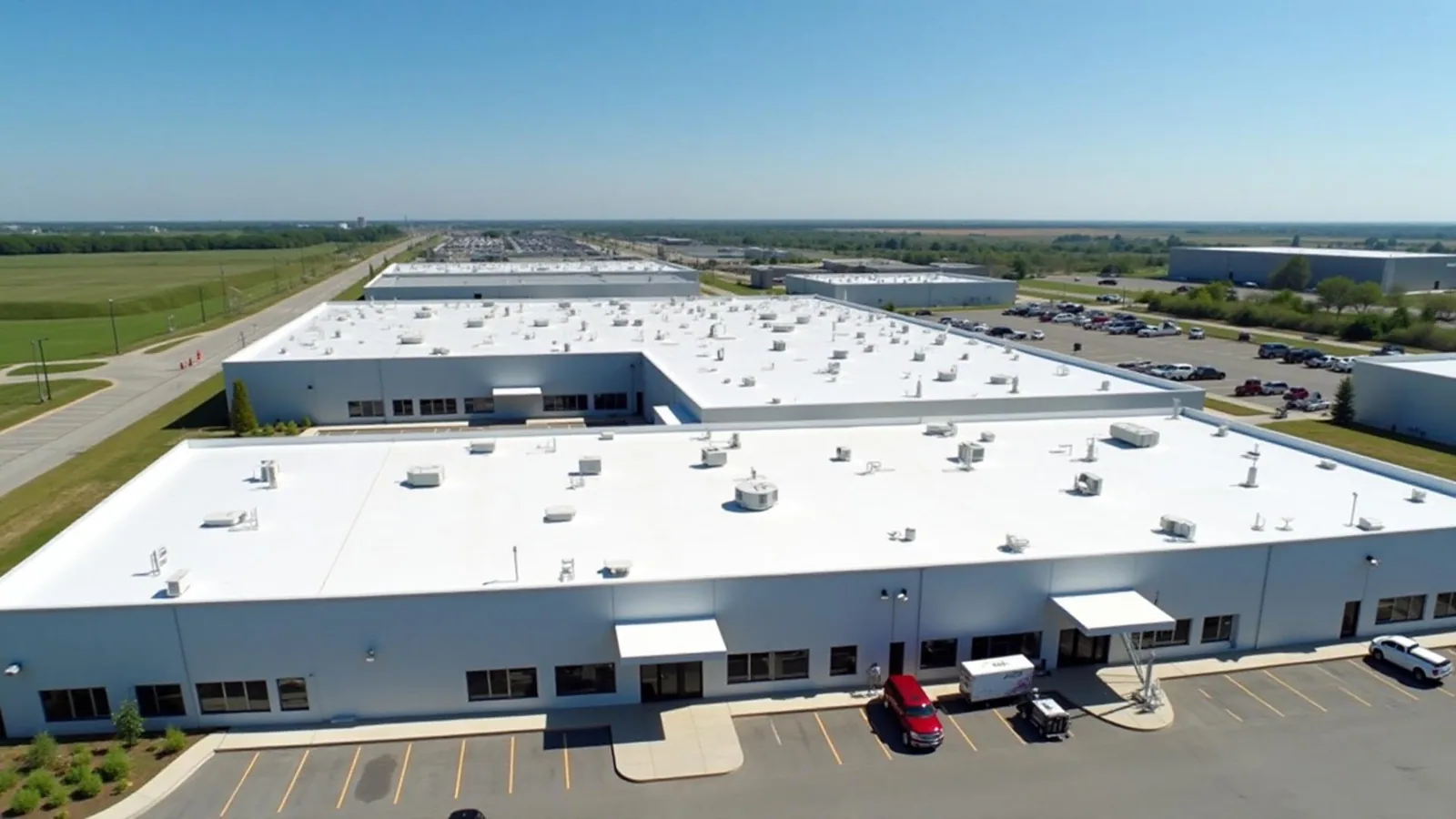
Richardson Innovation Quarter contains technology, research, manufacturers, and education uses. CityLine adds offices, medical uses, retail, hotel operations, apartments, and public space. These districts reinforce the need to plan staging and occupied-hour work around each property. A roof near the Innovation Quarter still requires its own access and condition review. For longer-term planning, a roof condition report can record the panel and flashing baseline. Pair that with scheduled maintenance to monitor seams, gutters, penetrations, and coating condition. Compare a metal scope with TPO only when the building and design support both alternatives.
Related Roofing Work
Commercial Roof Inspection
Commercial Roof Edge Metal, Coping and Gutters
Commercial Roof Drain and Scupper Service
Commercial Metal Roof Retrofit
Questions About Commercial Standing-Seam Metal Roofing
Can a standing-seam roof be repaired without replacing all panels?
Yes, where the defect is limited and adjoining panels, clips, and substrate remain sound. We identify the affected seams and flashings and explain when corrosion, movement, or repeated water entry makes a wider scope more practical.
Do standing seams eliminate leaks?
They reduce exposed field fasteners, but they do not remove the need for correct seams, clips, transitions, and penetrations. We inspect the full water path and check whether details allow panel movement.
Can you put a coating on a metal roof?
A coating may be considered when the panels and attachment remain sound and the surface can be properly prepared. It cannot replace failed fasteners, loose seams, or damaged substrate. We check repairs and compatibility first.
What affects the cost of a standing-seam replacement?
Panel profile and gauge, substrate repairs, insulation, trim, gutters, access, removal, and rooftop penetrations all affect scope. We state those items and any concealed-condition assumptions so bids can be compared.
Will hot weather affect standing-seam panels?
Metal moves with temperature. Clips, seams, curbs, and terminations must accommodate that movement while keeping the assembly secure. We review the installed details and do not treat normal movement alone as a failure.
Review the Metal Roof Before Funding a Retrofit
Send panel records, leak locations, repair history, and the timing for your next budget decision. We will inspect the roof and separate repair, restoration, and replacement scope.