
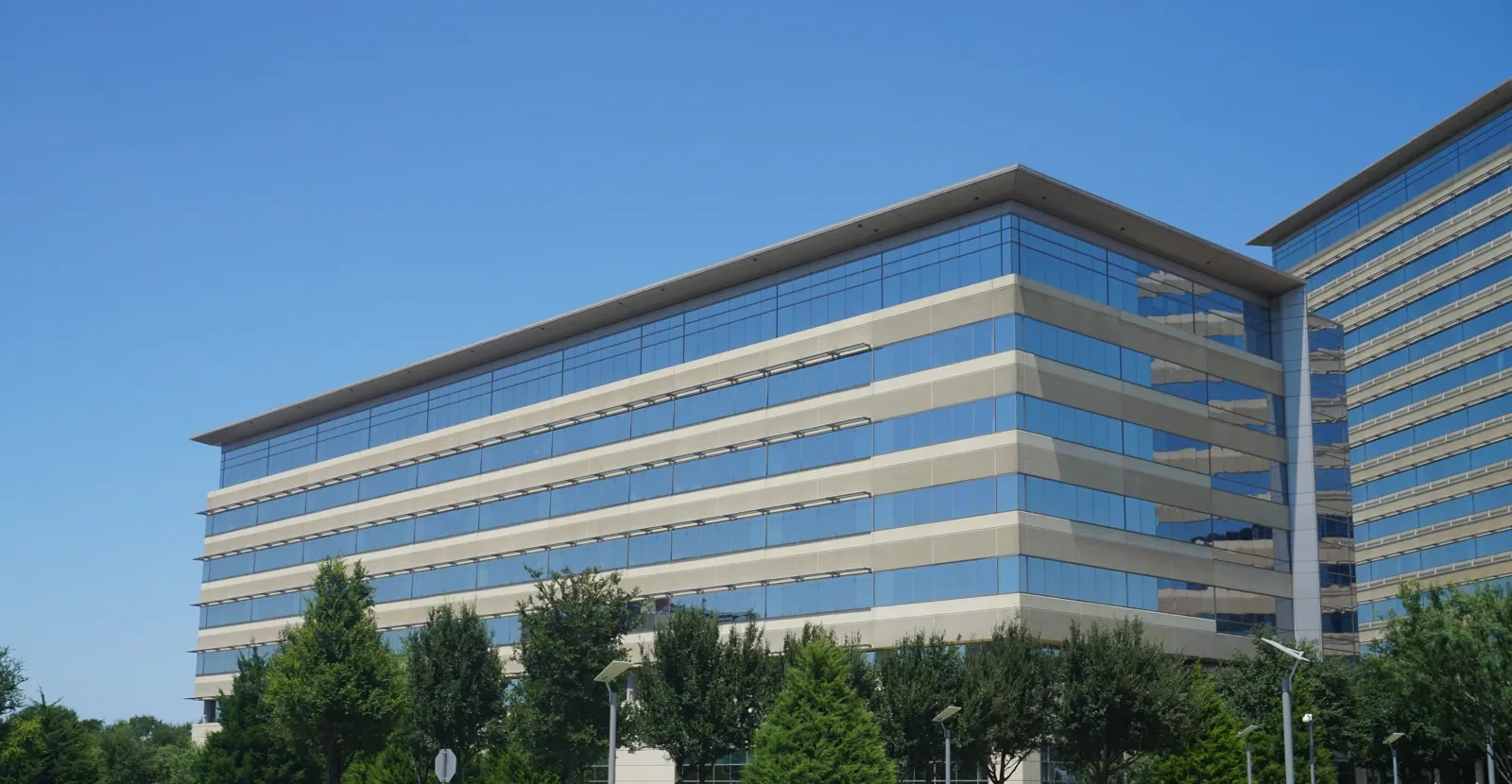
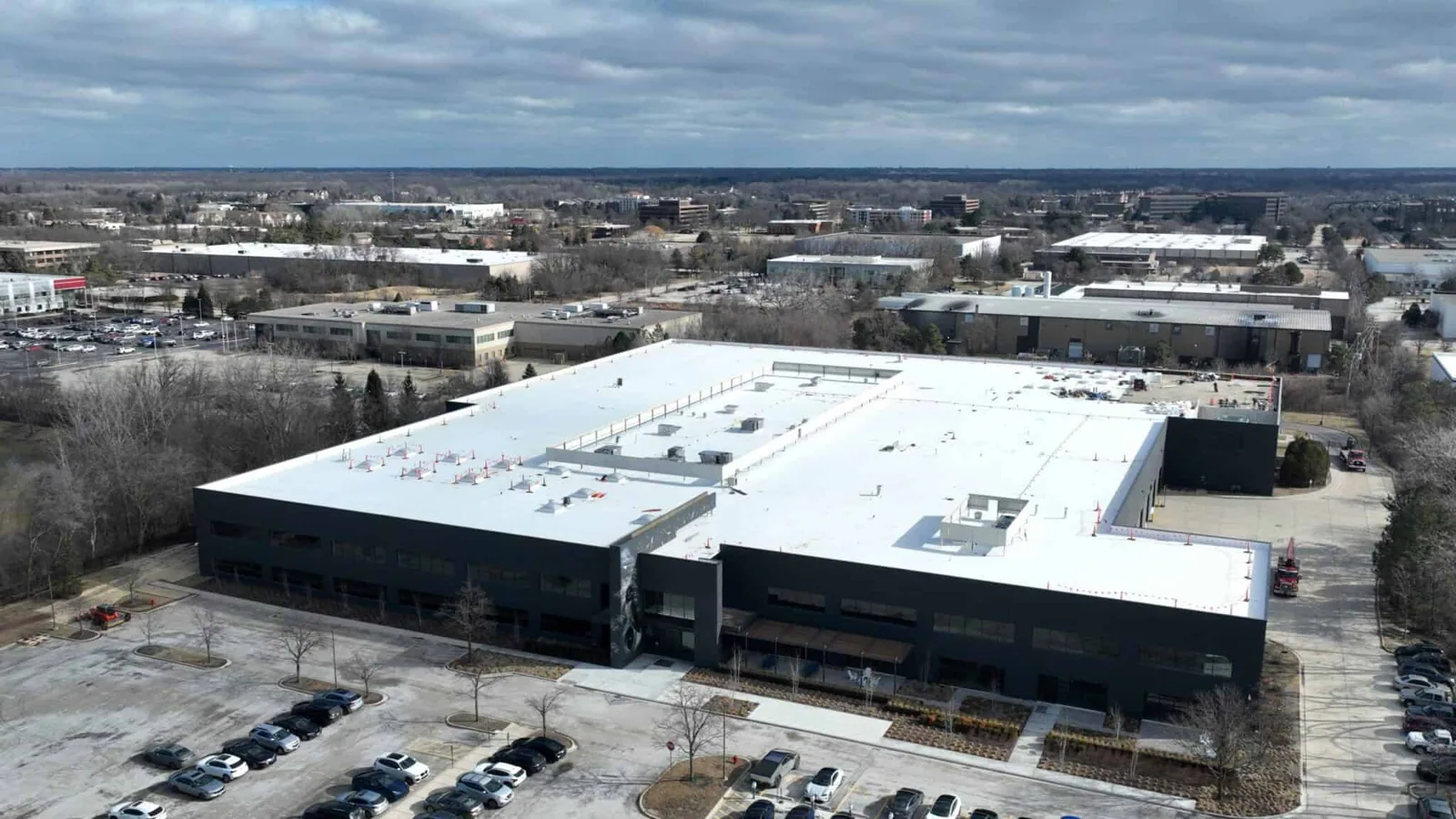
Drone imaging can show roof areas that are difficult to view from a ladder or hatch, especially across a large campus or a building with limited access. It is a visual documentation tool, not a way to verify concealed moisture or replace hands-on inspection. We use flight images to map visible conditions, flag details for closer review and give the owner a clearer record of roof zones. For Richardson, TX properties, the work plan also considers airspace, site access, people below and the decision the images need to support.
Request a Roof Assessment
All fields are required.
Drone Roof Inspection for Commercial Buildings in Richardson, TX
Plan a Roof Imaging Visit
Decide What the Images Need to Answer
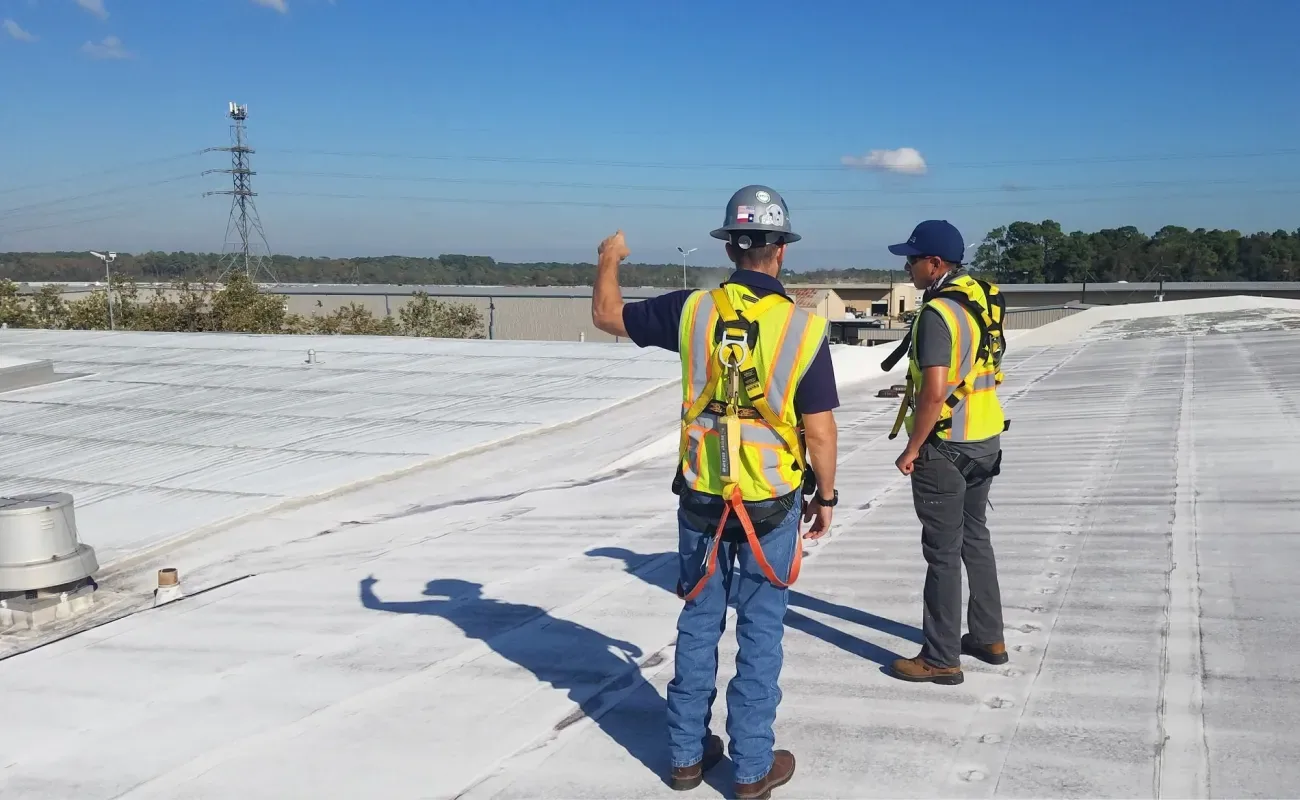
Before launch, we identify the question: Are there visible storm impacts? Which sections need closer inspection? Can the roof layout be documented for a capital plan? Are rooftop units blocking a ground-level view? A focused question helps choose image angles, flight height, overlap and annotations. Without that plan, an owner can receive hundreds of photos and still lack a usable next step.
Drone imaging is useful for broad surfaces, tall elevations, hard-to-reach slopes and large multi-building sites. It can record surface condition, debris, apparent ponding, displaced metal, equipment layout and visible edge details from a safe vantage point. It cannot determine whether insulation is wet beneath a membrane, confirm attachment strength, or show every flaw hidden by equipment and shadows. We mark the boundary between what the camera shows and what needs a person, test cut or moisture survey.
Plan a Controlled Flight Around the Property
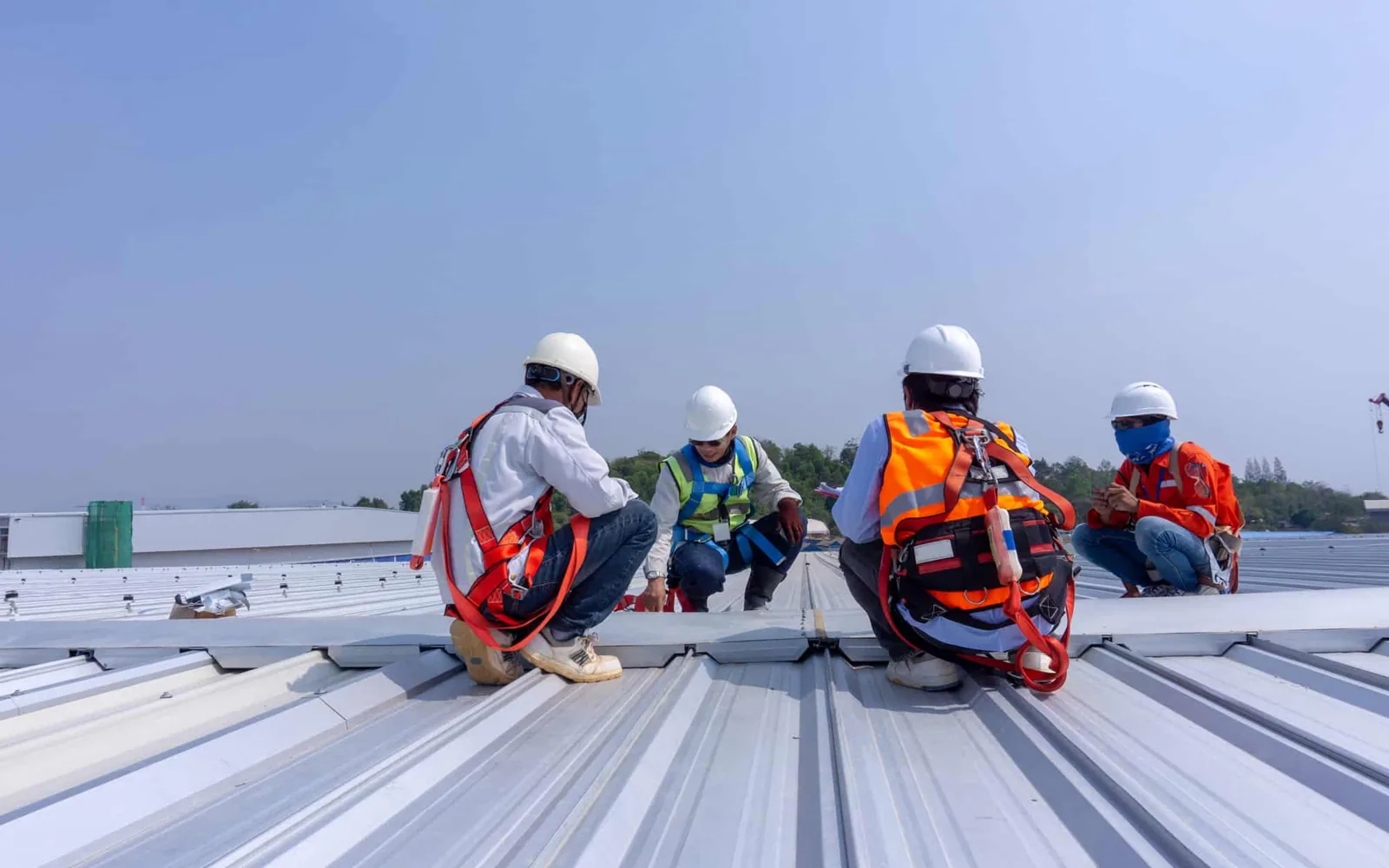
Each property needs a ground plan as well as a roof plan. We coordinate launch and landing space, access, people movement, nearby operations and any site rules. Flights proceed only when conditions allow safe control and the applicable requirements are met. Wind, precipitation, glare and low light can affect image stability or detail. If conditions compromise the result, we reschedule rather than deliver blurry evidence as an inspection finding.
Richardson's transit-connected Galatyn Park Urban Center and the CityLine district have active pedestrian and mixed-use environments. A drone visit at any urban property should account for people, vehicles and access controls below the flight path. These districts do not imply one uniform airspace condition; the operator evaluates the specific site and applicable restrictions. We confirm the property contact, boundaries and any sensitive areas before capturing images, and we avoid recording unrelated private activity.
Read Images as Evidence, Not a Diagnosis
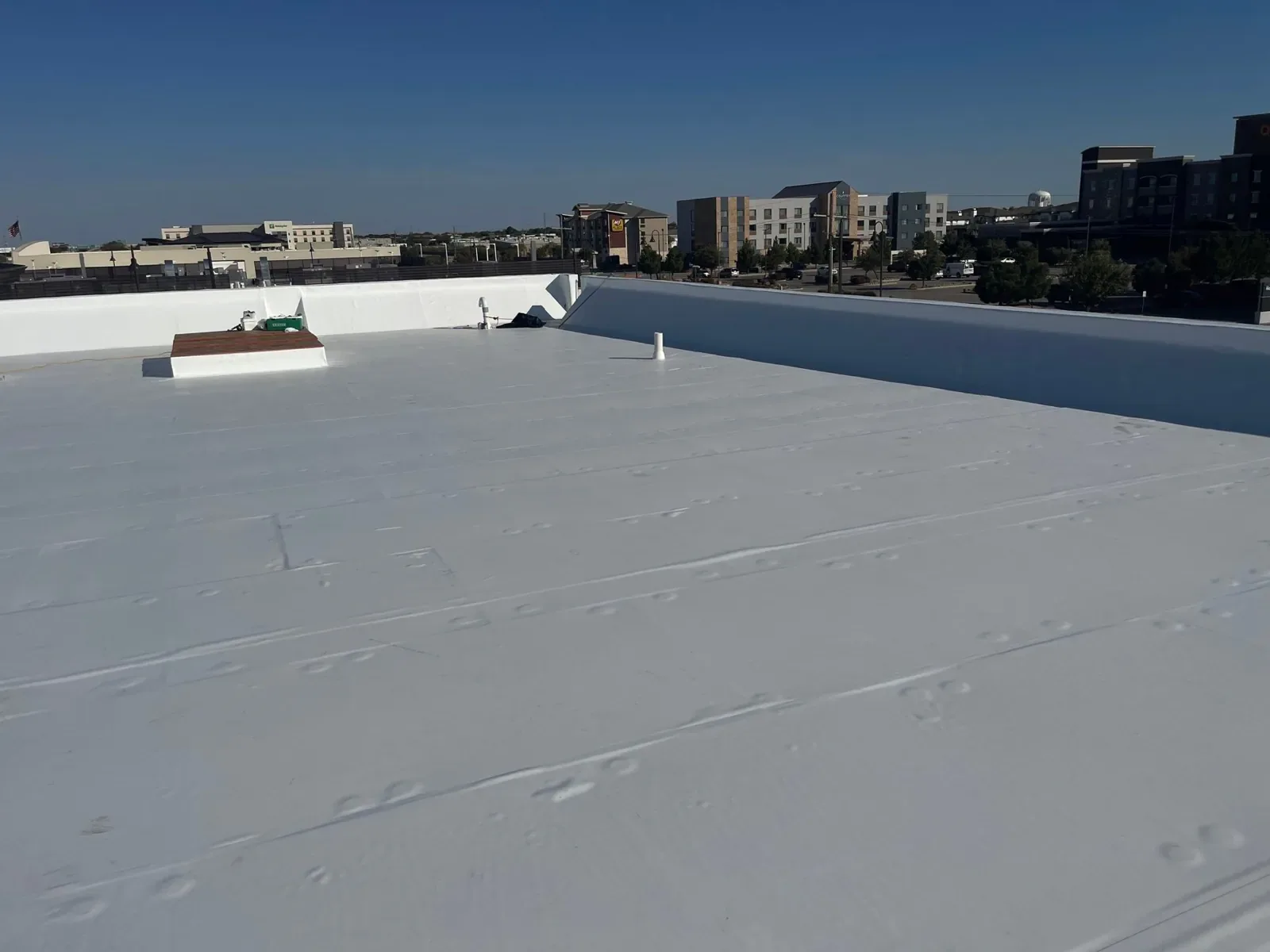
After capture, images are organized by roof zone and reviewed for visible changes or defects. We look for open seams, damaged flashings, punctures, loose edge components, debris, unusual surface patterns and blocked drainage. The annotation should identify what is visible and where it appears, not guess at a hidden cause. A dark patch can be shadow, dirt or a different material; it needs context before anyone calls it moisture or damage.
We compare the images with available roof plans, prior photos and the owner's observations where possible. If an area looks suspect, we recommend the least disruptive follow-up that can answer the question. That might be a close visual review, infrared scan under suitable conditions, selective core or repair visit. If a post-storm image shows a displaced component, the condition still needs safe confirmation before a permanent scope is priced. The value is a better-targeted inspection, not a claim that one flight reveals every defect. Aerial views also make it easier to compare how rooftop units, access paths and drainage zones relate across a large footprint. If image overlap or lighting is insufficient, we identify the gap and arrange a closer view instead of marking the area clear.
Account for Richardson Heat and Storm Conditions
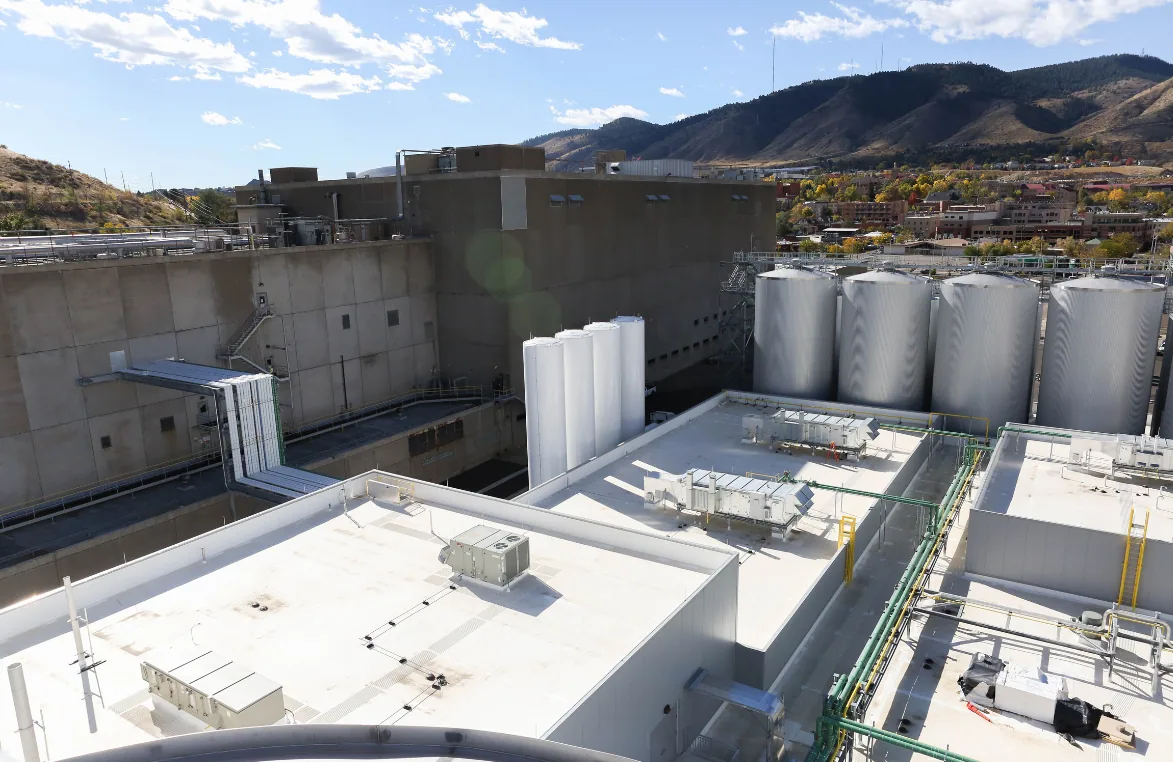
Mid-summer heat can affect both roof surfaces and image capture. Richardson's hottest weeks commonly bring afternoon temperatures around 95°F. Strong roof glare may wash out low-profile details, while shadows from parapets and equipment can conceal a seam from one angle. We plan the image sequence to reduce those blind spots and note the conditions that limit interpretation.
The DFW area sees spring as its peak period for severe thunderstorms, including hail and damaging wind. A post-event flight can document broad visible impact when it is safe and practical, but it cannot determine whether a membrane was punctured beneath debris or whether a seam remains watertight. If there is active water entry, the response should prioritize protection and a closer inspection. A storm-damage assessment can pair visual context with hands-on review where needed.
Receive a Map the Maintenance Team Can Use
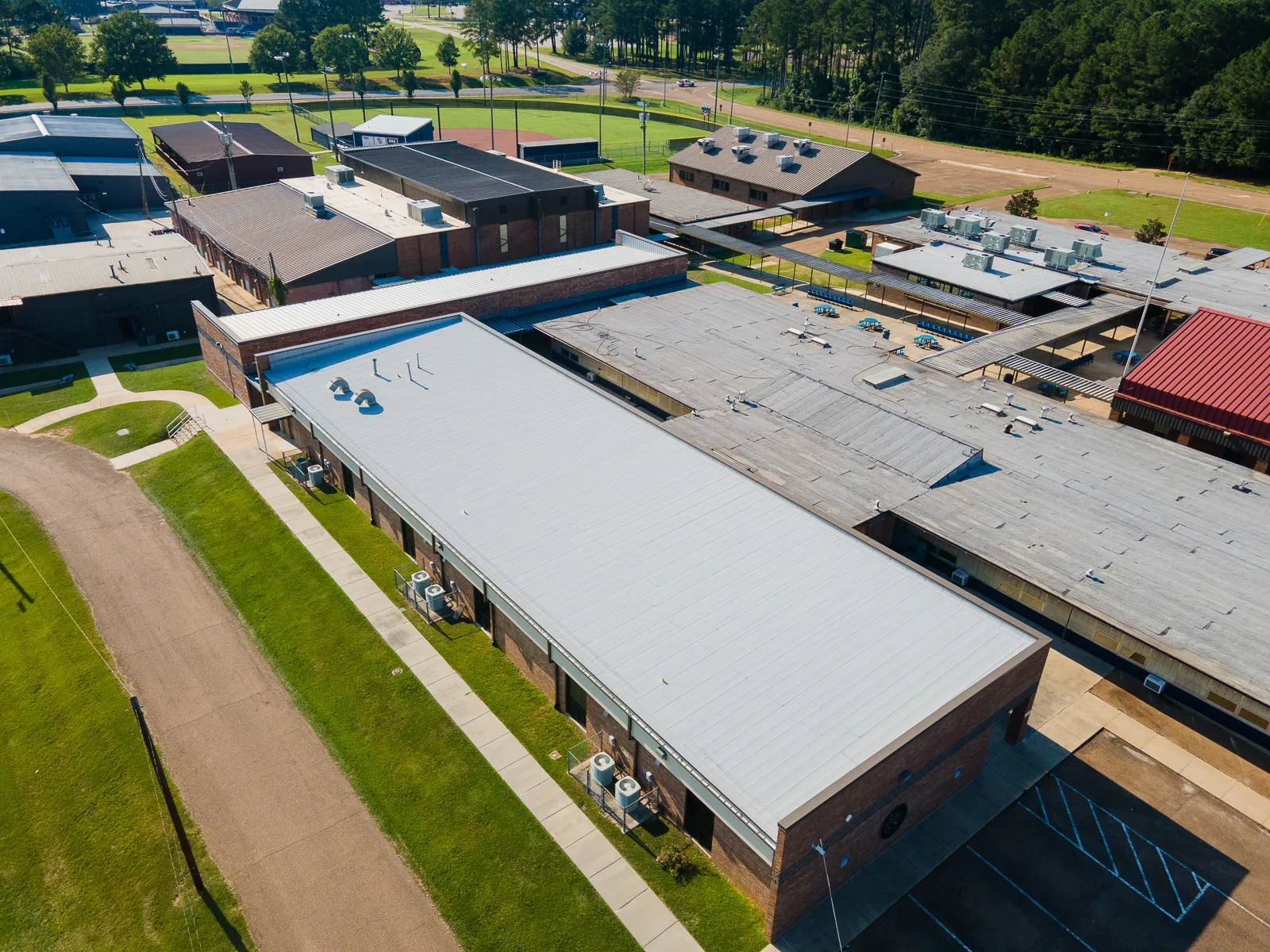
A useful drone deliverable includes labeled roof zones, a concise findings summary, image references and recommended next steps. We note the date, weather, visible limitations and any areas not captured. The owner can match each observation to a building section without searching through unnamed files. If the images are intended for an insurer, lender or design team, confirm the format and question before capture so the deliverable matches their need without implying an engineering certification.
For a portfolio with buildings around Richardson service area and CityLine West, consistent zone naming can help ownership compare imagery from separate visits. We keep recommendations tied to observed conditions. Surface wear may justify monitoring; a visible opening or displaced flashing may need immediate close inspection. A roof condition report can combine the aerial record with hands-on findings and help feed a broader capital plan.
Select the Right Ground Check
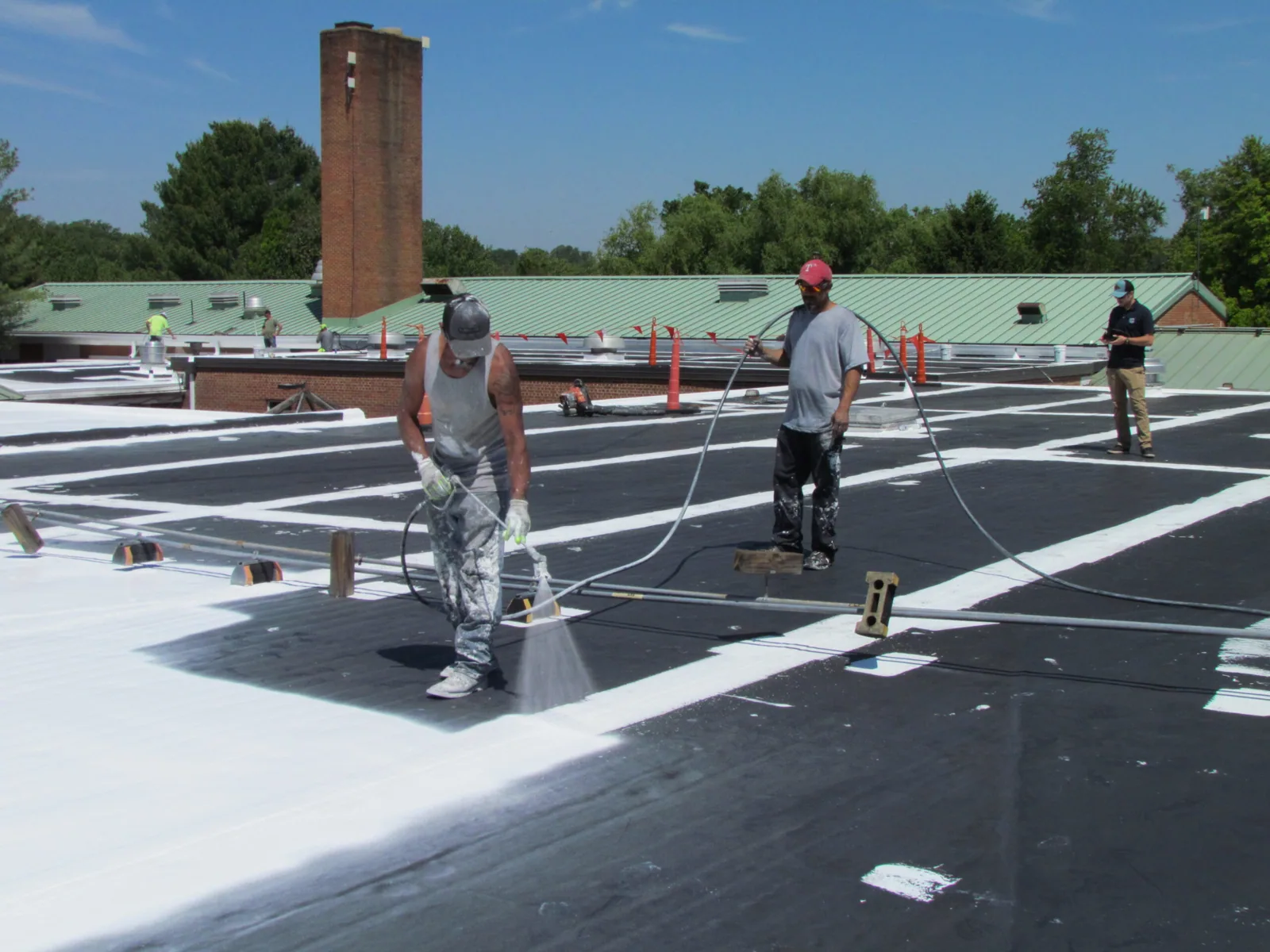
Once images identify areas of concern, we schedule the next step around risk and access. A low-risk surface observation may go on a monitoring list. A possible open seam, damaged curb or blocked drain merits closer review. A suspected moisture pattern may need infrared work followed by selective confirmation. If a roof is inaccessible from the interior, the drone can help decide where to arrange safe access rather than requiring a full-roof walk before the issue is narrowed.
The output is strongest when it answers an operating or budget question. A property manager may need a quick condition map before storm season; an owner planning renewal may need consistent records for several roof zones. We state what the flight established and what remains unknown, then coordinate an inspection or repair only where evidence supports it. Richardson owners can pair periodic imagery with commercial roof inspections and maintenance checks so the aerial record stays connected to actual roof performance.
Related Roofing Work
Storm Damage Roof Repair
Richardson
CityLine West
Commercial Roof Condition Reports
Questions About Drone Roof Inspection for Commercial Buildings
Can a drone inspection tell whether roof insulation is wet?
No. A camera records visible surfaces and conditions from the air. Moisture beneath the membrane needs suitable testing, such as infrared screening with confirmation or selective openings. We use imagery to target that work, not to infer hidden moisture from color alone.
When does drone imaging add value to a roof inspection?
It can help document large, tall or hard-to-access roofs, compare broad roof zones and focus hands-on review. The benefit is strongest when the owner has a clear question and the flight can capture the relevant area safely.
Can you fly over any Richardson commercial property?
No. Site conditions, airspace, weather, access and applicable operating requirements all affect whether a flight can proceed. We review the specific location and coordinate with the property contact before confirming a visit.
Will I receive the original photos or an inspection report?
The deliverable is agreed before capture. It may include selected images, labeled roof zones, annotations and a findings summary. We can align the format to a maintenance or planning question, while noting areas that need closer confirmation.
Should a drone flight replace an annual roof walk?
Usually not. A flight can improve coverage and documentation, but hands-on inspection may be needed to evaluate seams, flashings, attachment, surface movement and drainage. The appropriate mix depends on roof condition and access.
Plan a Roof Imaging Visit
Tell us the building, the roof area you need documented and the decision the images should support. We will confirm site access, flight conditions and any follow-up inspection needed.