A leak above inventory or a dock can turn into a shipping delay before the roof scope is clear. Logistics operators need to protect the load, keep vehicle movement safe, and know how much roof must be opened. We inspect the affected zone, identify temporary protection, and price the permanent work for Richardson, TX. The plan shows the dock or aisle affected, staging limits, close-in point, and who can approve a schedule change.
Request a Roof Assessment
All fields are required.
Commercial Roofing for Logistics and 3PL Operators in Richardson, TX
Protect the Next Shipping Window
Keep Loading Paths Open
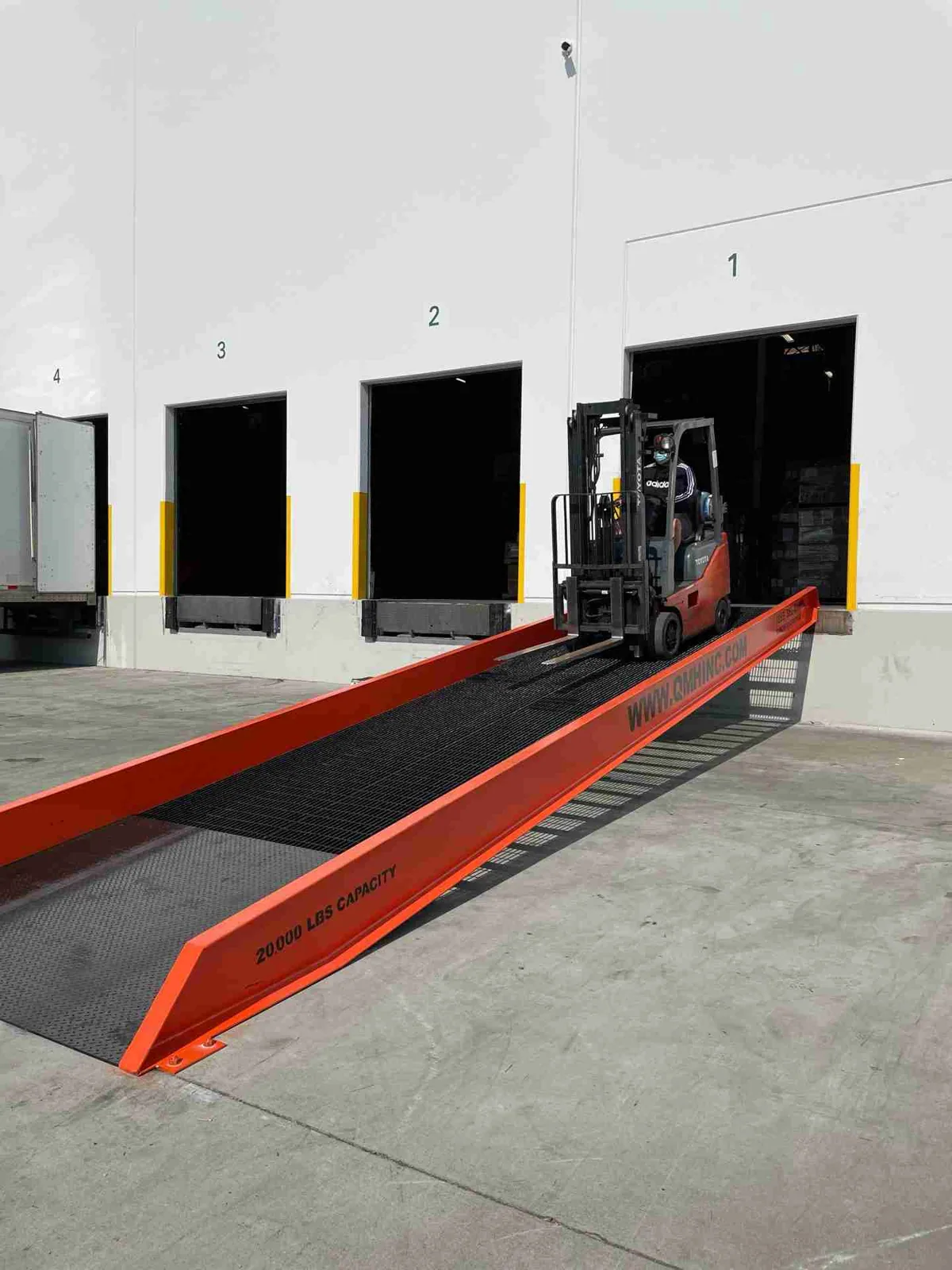
We review dock doors, trailer circulation, pedestrian routes, loading hours, and the location of inventory below the reported leak. A lift, crane, or debris container can change how trucks enter a bay. The facility contact identifies one-way routes, restricted hours, and areas that cannot lose access. If water threatens an active dock, an emergency roof response can protect the interior while we mark a permanent repair boundary.
Confirm who can pause vehicle movement if an overhead lift enters the yard and who releases the area when the crew is clear. Keep one path open for emergency access. These operating details belong in the pre-work meeting because a roofing crew cannot safely infer dispatch priorities from the dock layout.
Do not assume two buildings with similar shipping use have identical roofs. We inspect seams, drains, curbs, edge details, and earlier patches at the actual facility. An inspection record should name each affected bay and identify any route that needs to stay clear. We can divide the work so loading continues in unaffected zones, but the operator sets the safe vehicle and pedestrian plan.
Check Roof Equipment and Dock Transitions
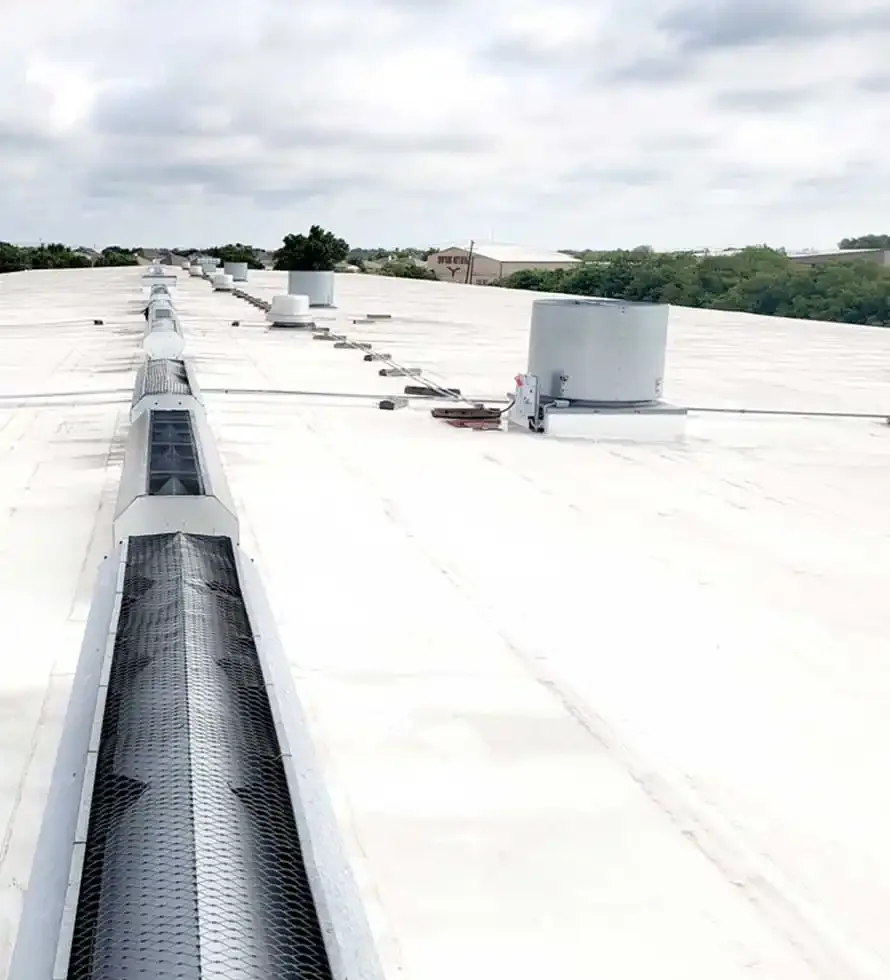
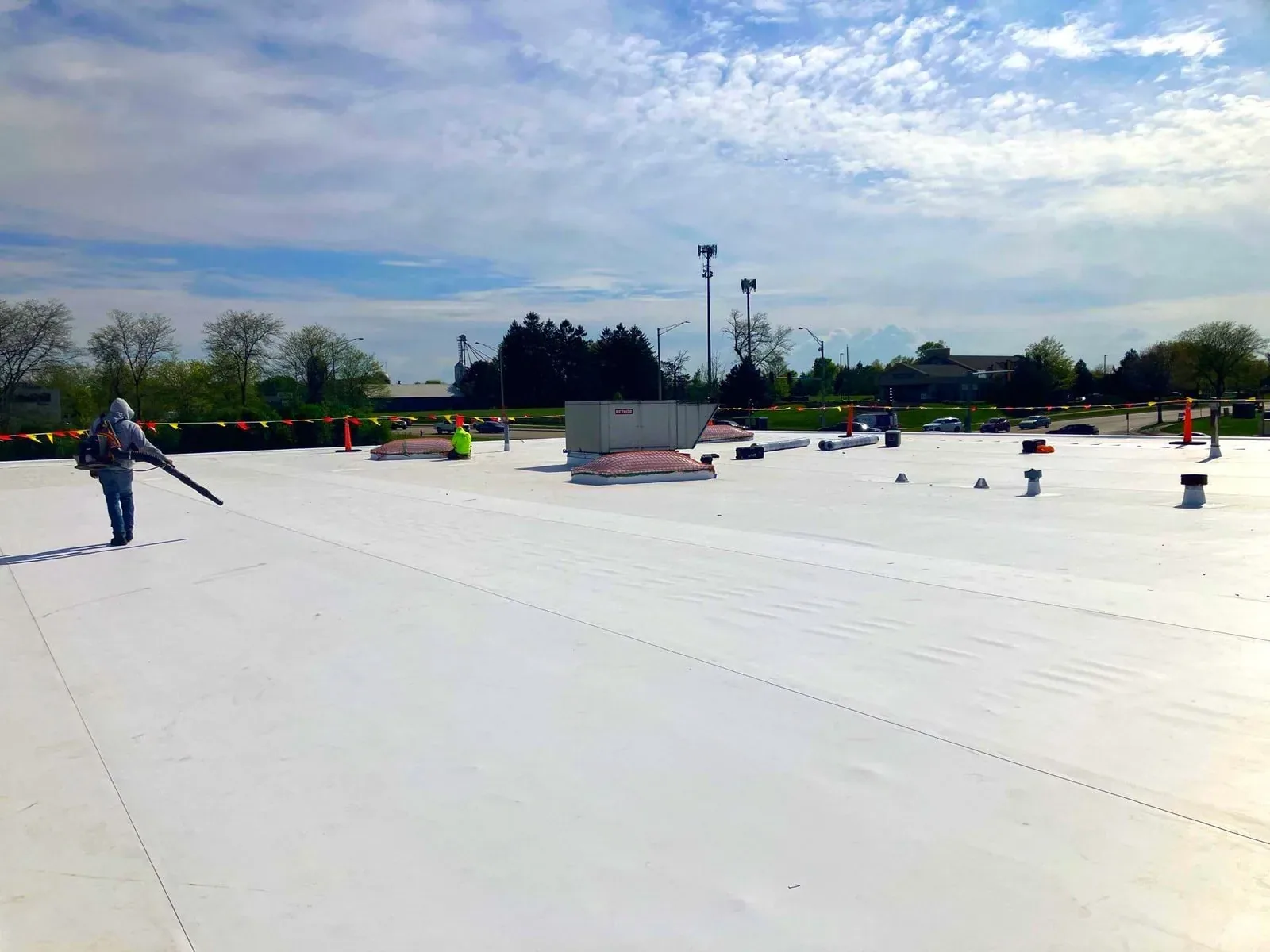
Distribution buildings can have exhaust fans, HVAC units, conduit, vents, and support frames across large roof areas. We inspect curb flashing, membrane seams, attachment, and access routes around that equipment. A future unit move should be coordinated before the roof section is completed. A roof equipment review can include support details and the handoff to the mechanical contractor.
Drainage and dock transitions deserve a close look. Water can collect at a low point, reach a wall or canopy, or enter near a transition above the loading area. We check drain bowls, scuppers, overflow paths, parapets, and the condition around dock-facing roof edges. A drainage correction can be combined with flashing work when the observed path calls for both. The estimate should state what is included and where concealed damage would require a separate approval.
Match the Work Window to the Richardson Network
Richardson's Telecom Corridor includes office, technology, and industrial areas, while the Arapaho Center station area sits by an industrial area within that corridor. These local settings connect property operations with transit and commercial access. A Arapaho Center-area facility still needs its own gate, truck route, and work-hour review. We do not infer loading volume or roof condition from a district name.
Richardson Innovation Quarter includes manufacturers, research, technology, and education organizations. A logistics operator serving those businesses may have strict delivery windows, but the carrier or tenant controls those requirements. We identify staging space, temporary closures, and expected noise with the site manager. A manufacturer roof scope may share process-access coordination, while a property manager can provide tenant notices and building rules. Each job plan remains specific to the facility.
Set a Safe Weather Stop Point
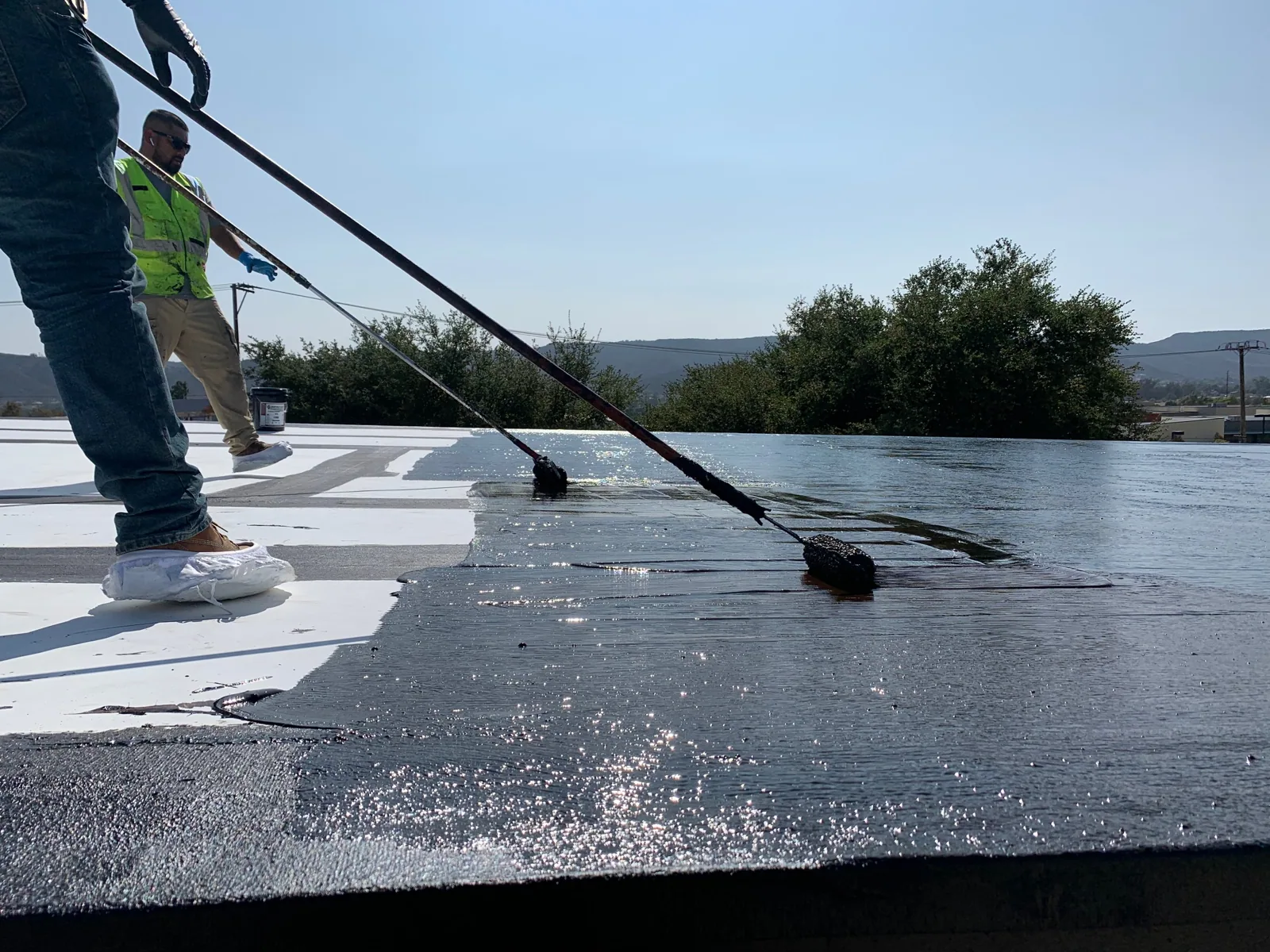
Spring is when DFW sees its most active thunderstorm cycle. Richardson's July and August mean daily highs run above 95 degrees. Heat and storms shape tear-off size, material protection, and the time available to close a section. We set a weather threshold and secure materials before the crew begins. If the forecast forces a stop, the site lead should know which dock or aisle remains affected and when the crew can safely return.
After a reported storm, we inspect the facility for actual punctures, displaced edge metal, open seams, or water entry. A metroplex weather alert does not prove a specific warehouse was damaged. A documented roof inspection can support a repair request with dated photos and zone references. Temporary water control should be identified separately from permanent membrane work, especially if a shipping shift continues below the affected section.
Compare Repair Cost with Downtime
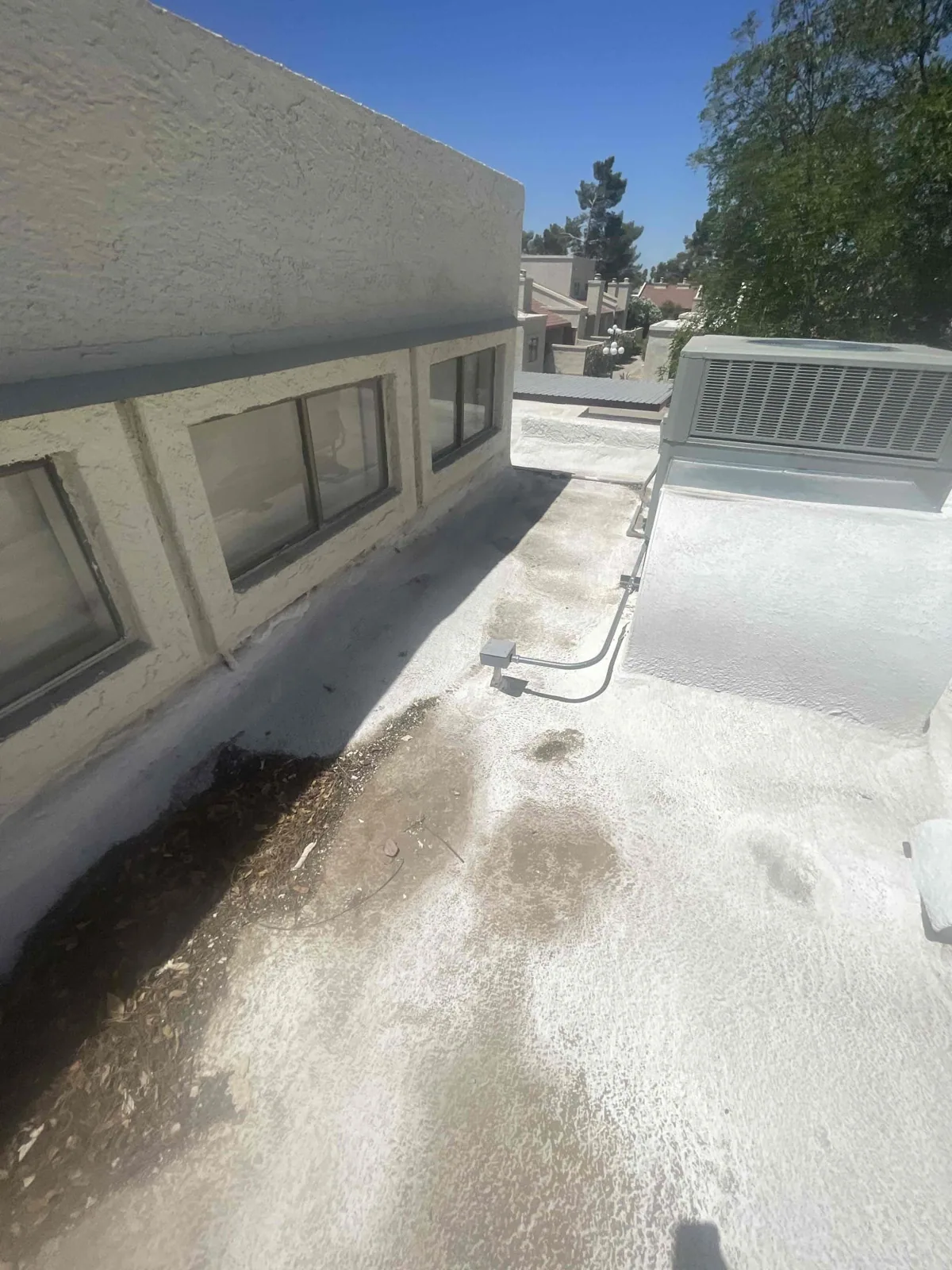
An isolated flashing or seam issue may justify repair if surrounding material is dry and secure. Repeated leakage, wet insulation, loose attachment, or widespread deterioration can move the decision toward replacement. We state what the inspection confirmed and where a test opening could change the work. A repair plan can define the immediate area; a replacement scope can phase removal, insulation, drainage, edge metal, equipment work, and daily protection around dock operations.
For Richardson projects, local code amendments inform the review for the selected roofing scope. Project details determine which documents and approvals the city requires, so we verify that path before procurement. The budget comparison should include lift access, traffic control, trailer circulation changes, loading hours, temporary protection, disposal, and closeout. A recover should be evaluated only when existing layers, attachment, moisture, and roof height at drains and transitions support it. The lowest initial scope is not useful if it leaves water risk above the dock.
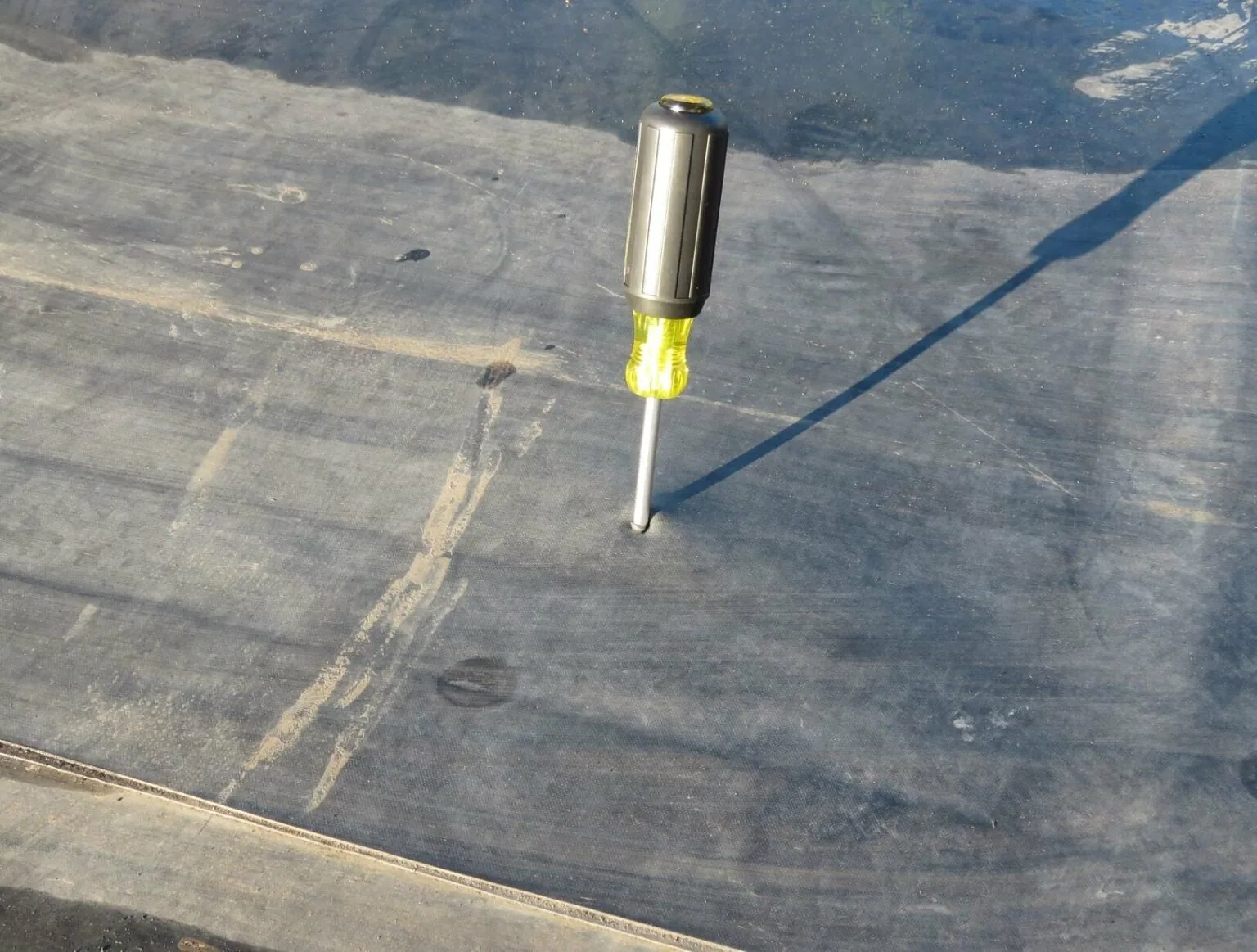
Keep the Roof and Dispatch Record Together
A roof maintenance visit can check drains, seams, curbs, penetrations, and damage around equipment. We log findings by roof zone and connect them to dock reports or prior repairs. A maintenance plan can set follow-up after mechanical work and before a known high-volume season. Keep the dispatch calendar and roofing schedule aligned so future inspections do not block truck access unexpectedly. This handoff keeps safe access and operating restrictions visible after the project closes.
When the roof schedule shifts, tell dispatch which bay is affected and update the expected return to service. If a leak report arrives during the work, record whether it is above the active phase or a different section. That helps the crew respond without losing the approved boundary.
The closeout file should include repaired locations, materials, photos, any remaining concern, and who approved concealed work. That record lets facilities and dispatch see whether a recurring leak is new or tied to a previous repair. If the logistics provider changes, a roof plan with drains and equipment marked helps the next operator preserve safe access. Roof work and material handling need separate supervisors, with an agreed handoff between them.
Related Roofing Work
Emergency Commercial Roof Repair
Rooftop Equipment Curb and Support Roofing
Commercial Roof Drain and Scupper Service
Arapaho Center Station Area
Questions About Logistics and 3PL Operators
How can a warehouse roof be repaired without closing every dock?
We map the leak zone against dock access and divide the work where the roof assembly allows a secure phase boundary. The operator sets traffic routes; our schedule identifies the lift, staging, and close-in areas.
What should the site send before an emergency roof visit?
Send the affected bay, time of water entry, inventory or equipment at risk, access limits, and a safe meeting point. We can then protect the interior and inspect the roof path.
How do you plan roofing around 3PL delivery schedules?
We coordinate lift placement, materials, noisy work, and loading windows with dispatch and facilities. Each daily plan identifies which route changes and when the work zone should reopen.
When should a logistics building compare repair and replacement?
Compare them when leaks recur, moisture spans multiple roof zones, attachment is weak, or transitions keep failing. We document the conditions and price immediate protection separately from the larger capital option.
Can maintenance reduce disruption during peak shipping periods?
A scheduled review can catch blocked drains, damaged flashing, and equipment-interface issues before they interrupt a shift. We set the visit scope around safe roof access and dock activity.
Protect the Next Shipping Window
Send the affected dock or aisle, shipping schedule, access rules, and roof history. We will inspect the roof and return a repair or phased replacement scope with close-in details.