
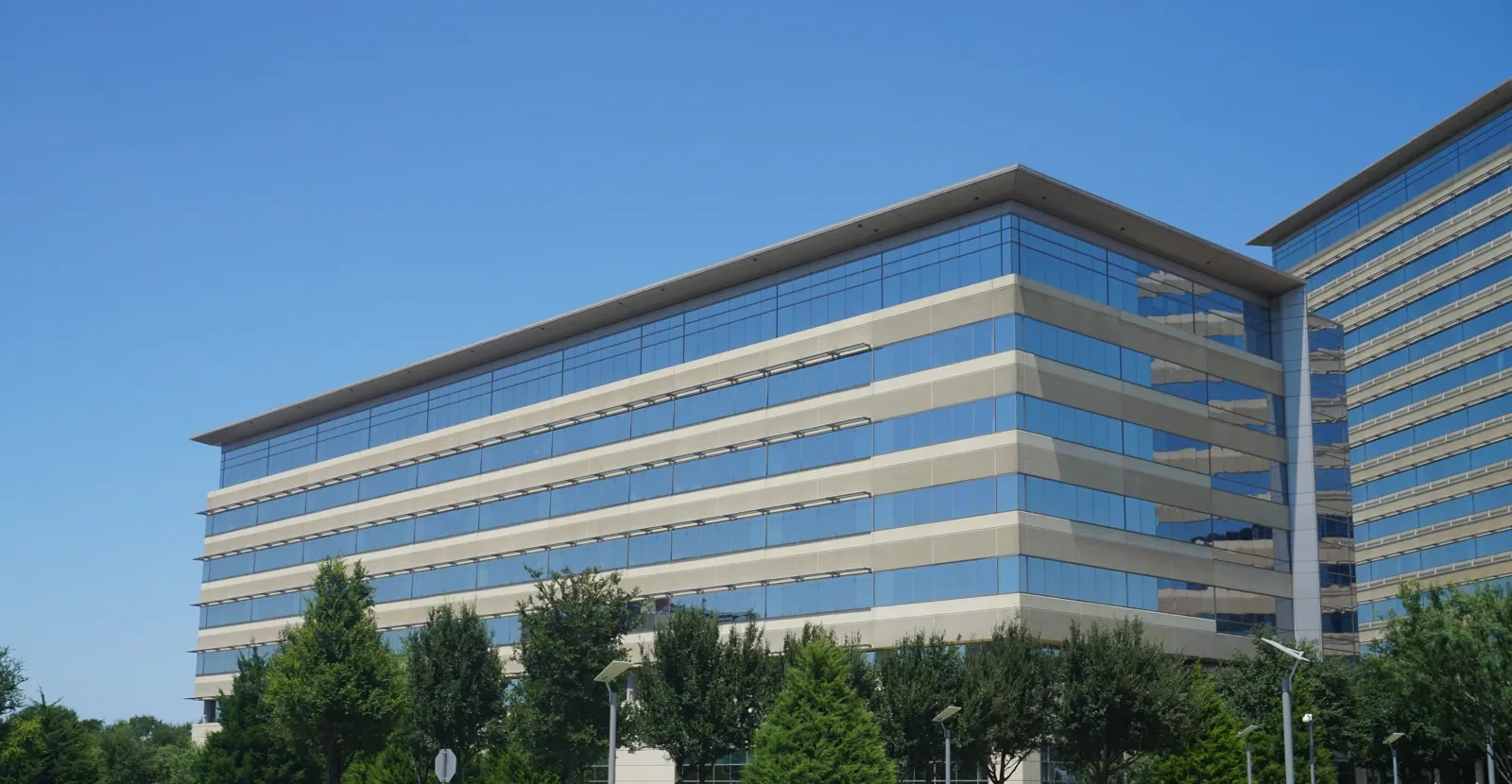
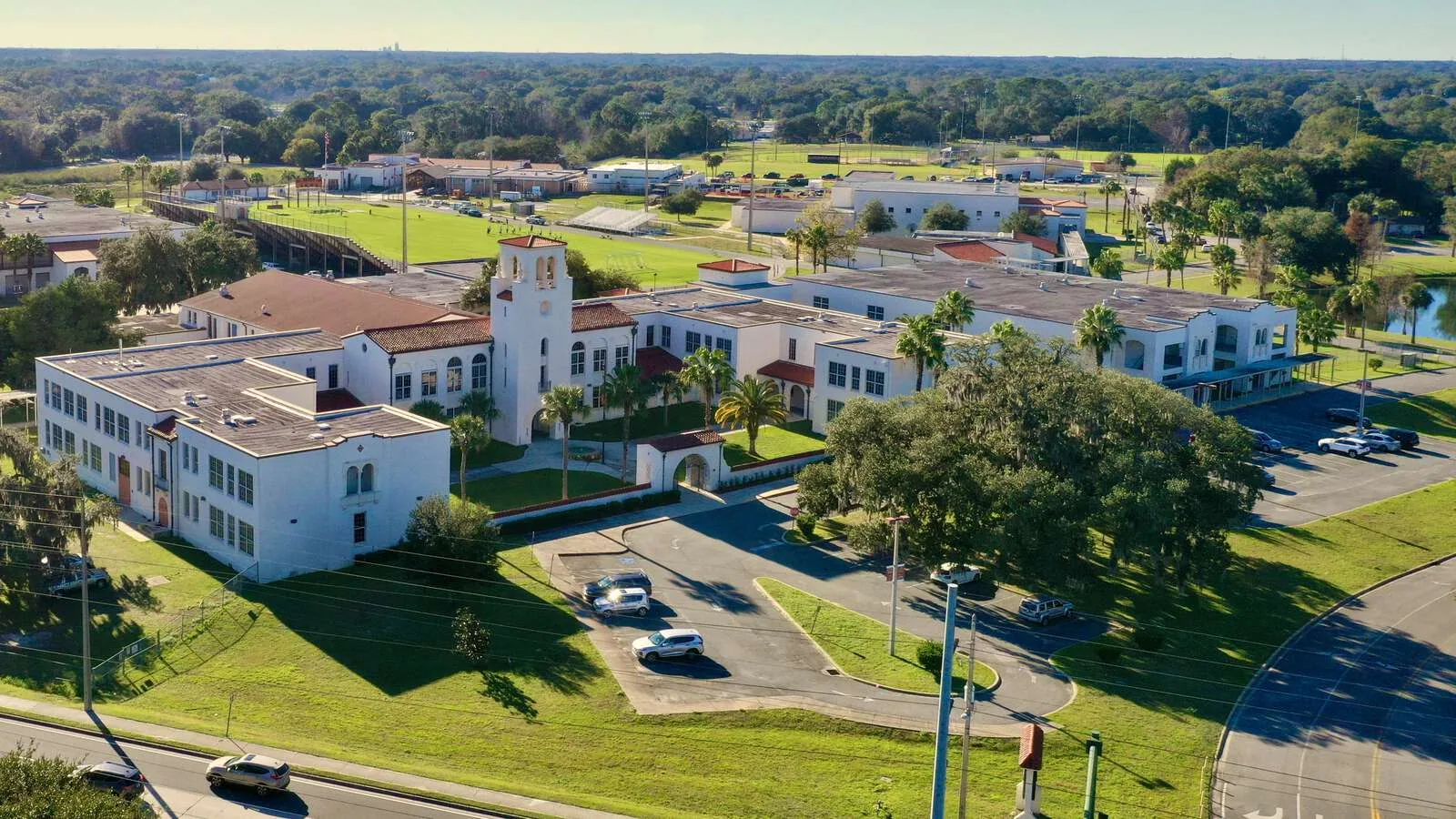
A roof project on an active school property has to protect students and staff while keeping the schedule usable. A leak in a classroom, cafeteria, gym, or administrative space can raise an immediate repair question and a longer capital one. We inspect the roof, map interior reports to building zones, and scope the work for school operators in Richardson, TX. The plan names access restrictions, daily close-in, and who approves a change if demolition finds more damage.
Request a Roof Assessment
All fields are required.
Commercial Roofing for School Districts in Richardson, TX
Reserve a Safe School Roof Work Window
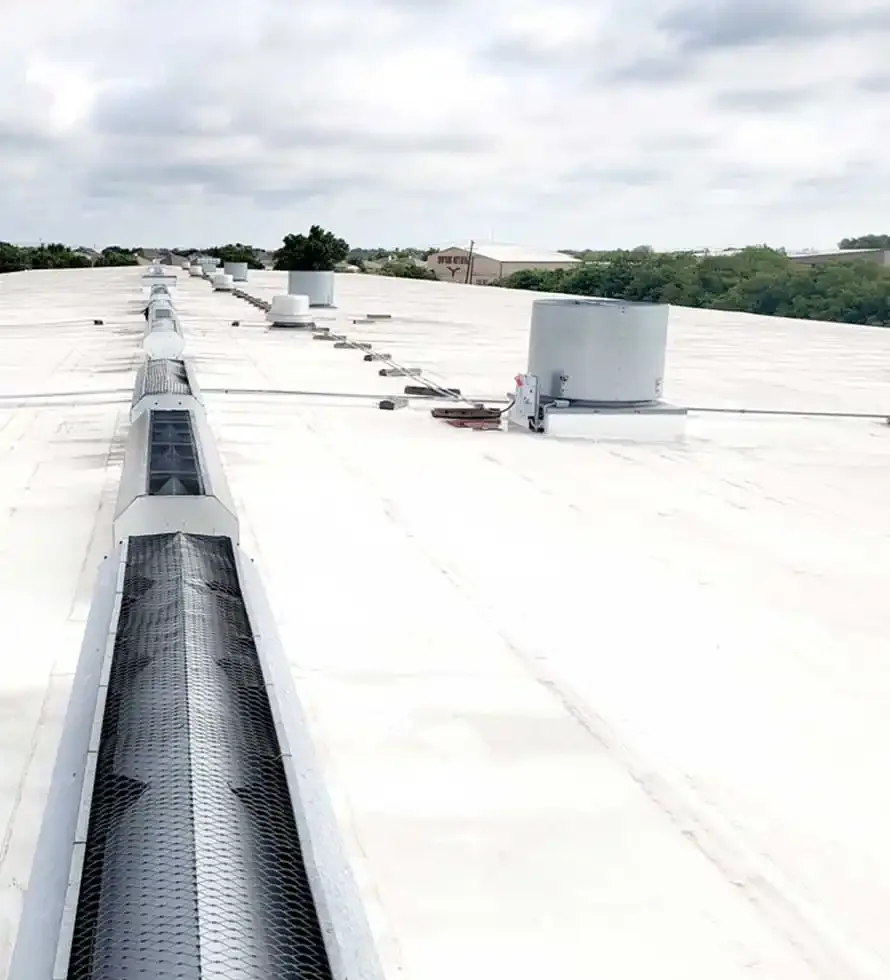
Keep Student Routes Outside the Work Zone
Before a crew arrives, facilities staff identify occupied rooms, pickup paths, bus circulation, accessible entrances, playgrounds, and any area used for after-school programs. We plan material staging and lift movement away from student routes. A roof section needs a stable end-of-shift boundary, especially if a school event or evening program continues beneath it. If active water is reaching classrooms or electrical areas, an emergency repair visit can protect the interior while permanent work is prepared. Mark the anticipated reopening time in the daily notice and update it if the weather plan changes. Share the final notice with facilities and school administrators.
Districts should also tell the crew whether keys, escorts, or visitor screening apply at the work entrance. Confirm how waste containers leave the site and whether the route crosses a student area. These details can change lift placement and labor time even when the roof repair itself is small.
Roof inspection starts with the condition, not the building's name. We check seams, drains, flashing, edges, curbs, roof access, and previous patches, then compare those details with leak reports. A condition inspection can provide photos and a map of affected zones for district review. Keep classrooms, equipment rooms, and the roof section paired in the record so a facilities lead can prioritize work without assuming the source from the ceiling stain.
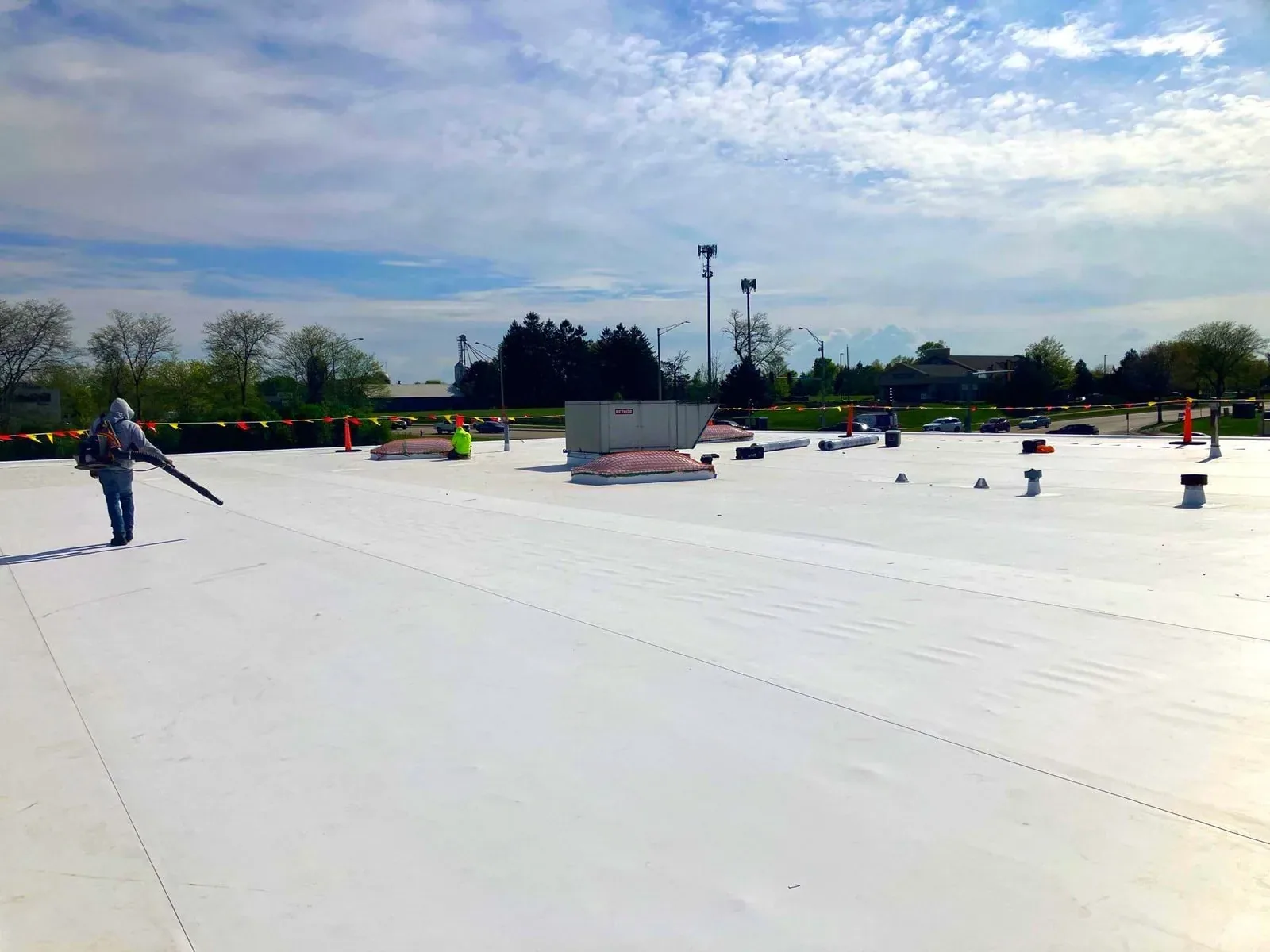
Use Breaks Without Rushing the Scope
Summer recess can provide more open access, but it does not remove the need for a tested schedule. Confirm summer programs, maintenance days, staff return, deliveries, and building reopening before selecting the work window. If a project extends into the term, divide it into phases that keep classrooms and public paths clear. We identify noisy work, lift moves, and temporary closures before the district communicates with families or staff.
Richardson's mid-summer normals exceed 95 degrees; spring is the region's most active period for thunderstorms. Heat can affect crew pace and exposed materials; spring weather can interrupt tear-off or coating work. We set daily protection and secure close-in points before the roof is opened. If weather delays the scope, the project contact should know which rooms are affected and how the building will be protected until work resumes.
Connect Local Context to Building Access
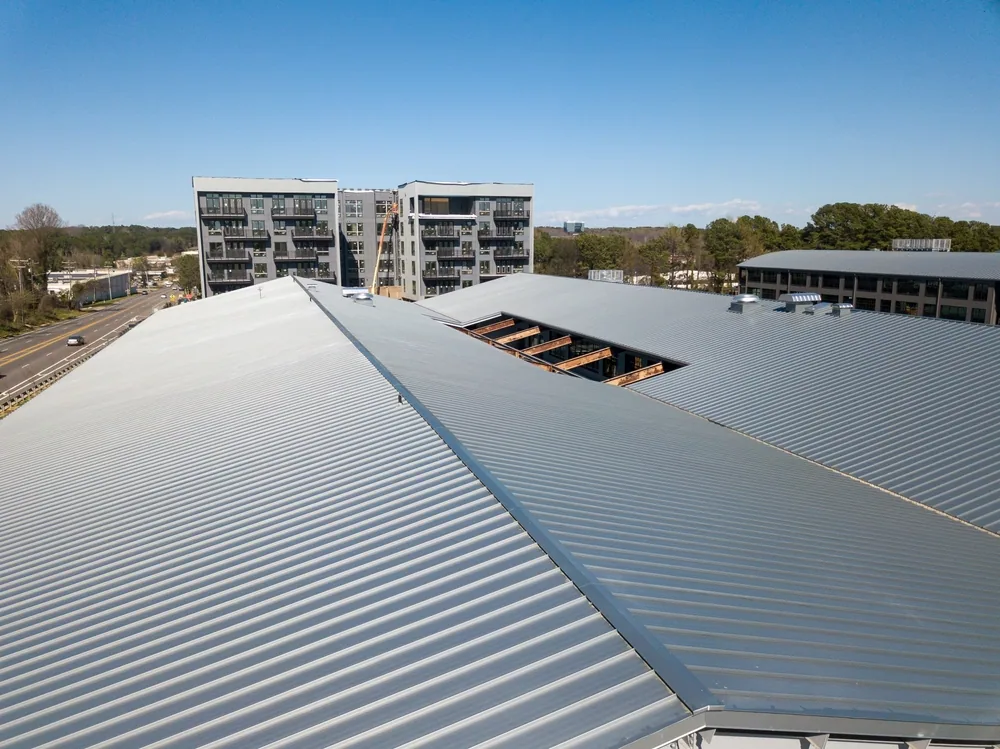
Richardson Innovation Quarter includes education institutions alongside research, technology, manufacturing, and nonprofit uses. The district reflects the range of learning and workplace settings in the city, but does not identify a school building's roof assembly or condition. A school near Richardson Innovation Quarter still requires its own inspection, route plan, and facilities contact. We use local context to prepare better questions, then make recommendations from the site.
CityLine has office, medical, hotel, apartment, retail, park, and civic uses in a mixed-use district. School activity may share surrounding roads or pedestrian paths with other daily destinations, so staging and delivery timing should be reviewed with site staff. For a separate medical or childcare tenant, a healthcare facilities plan can raise similar access questions; a property manager can help coordinate adjacent tenants. The district’s operating rules do not substitute for the school’s safety protocols.
Compare a Repair with a Campus Phase
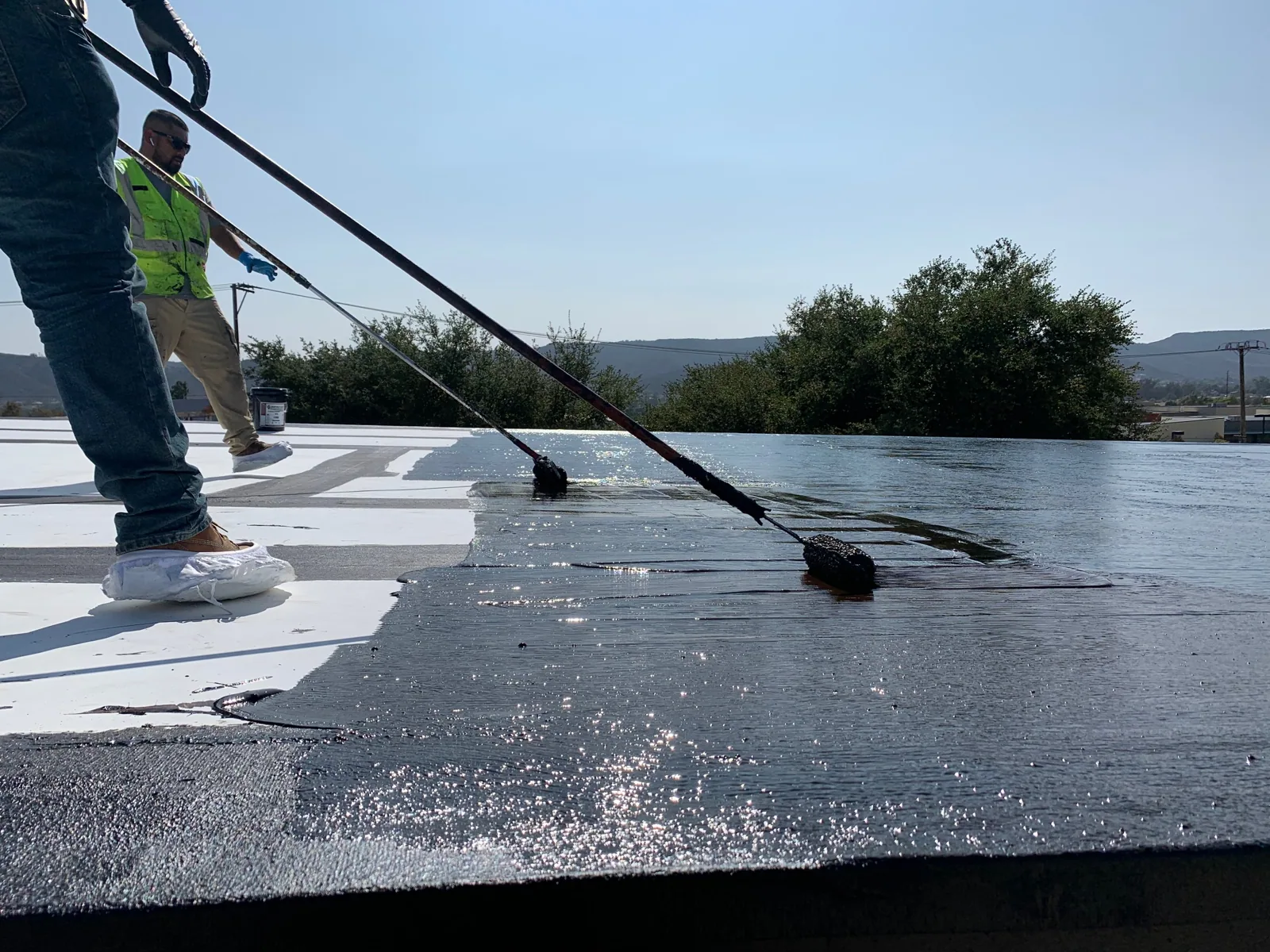
A localized flashing or seam failure may support repair when nearby material is dry, attached, and suitable to remain. Moisture across several areas, recurring leaks, failed attachment, or open roof transitions can shift the choice toward replacement. We document what was observed and where a test opening could change the quantity. A repair scope should include the affected zone and follow-up; a replacement plan should identify tear-off, insulation, edge metal, drainage, disposal, and daily close-in by phase.
For a Richardson school project, local amendments to the adopted code editions are one part of the city review. We confirm permit requirements against the actual work and site details before ordering materials. Cost drivers include lift access, interior protection, staging, weather delays, materials, and after-hours work. A recover is an option only when existing layers, attachment, moisture, drainage height, and project requirements support another roof layer. The district should see assumptions and the concealed-condition process before a bid is compared.
Leave Facilities with a Usable Roof Record
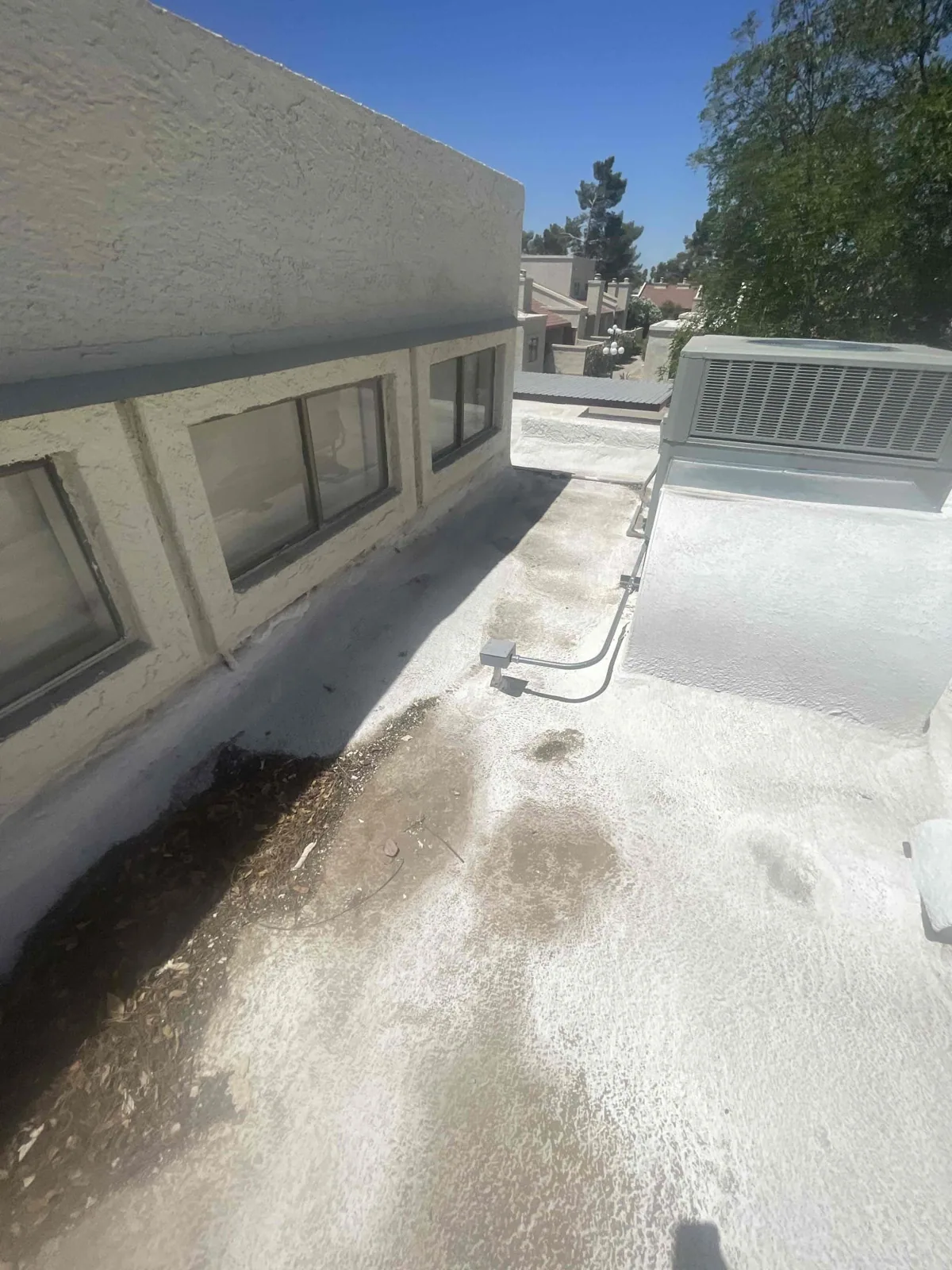
Closeout should include the roof areas repaired, materials used, dated photos, drain and equipment locations, and any follow-up item. We label the plan by building and section rather than relying on a general project name. If a school adds rooftop equipment or another trade penetrates the assembly, record the change and inspect the detail before the next term. This helps facilities distinguish new water entry from an older condition. Preserve the work notice and final photos in the same file. Assign the contact who will confirm the next scheduled review.
Facilities can record the last inspection date and any roof area that could not be accessed. That limit should remain visible to the next reviewer. If an upcoming project changes rooftop equipment or drains, request a coordination check before work begins. A clear follow-up list helps staff plan a maintenance visit without waiting for another leak report.
Keep the updated roof plan with building maintenance records and share it with the staff who handle after-hours calls. Mark roof access points and note any section that requires a special procedure. When a school reports water during a later storm, the facilities contact can provide the right zone and history in the first response rather than rebuilding the file from old work orders.
A maintenance visit can review drains, seams, flashing, and prior repairs before the next school-year opening. A district may also share facilities across a portfolio; general contractors coordinating other work should know the roofing boundary and sign-off point. We keep inspection findings and completed work separate, so the district can budget the remaining roof areas rather than assume a full campus has been resolved.
Related Roofing Work
Emergency Commercial Roof Repair
Commercial Roof Inspection
Richardson Innovation Quarter
Healthcare Systems
Questions About School Districts
What should a school prepare before reroofing starts?
Confirm the calendar, access controls, student routes, after-hours programs, staging locations, and staff member authorized to approve concealed conditions. We add those limits to the phase plan and daily close-in schedule.
Can a roof project continue after students return?
It can when work zones, lifts, and deliveries remain separate from student access and each roof section can be closed securely. We schedule noisy work and room impacts with the facilities contact.
How do you prioritize leaks across several school buildings?
We compare active water, rooms affected, electrical or equipment exposure, and roof condition. Photos and zone labels let district staff approve urgent protection separately from longer replacement work.
Does a summer roof inspection mean the building needs replacement?
No. The inspection documents actual seams, flashing, drainage, moisture, and attachment. We price a repair when the surrounding assembly supports it and present replacement only when the findings justify the larger scope.
What belongs in a school roof replacement bid?
Include assembly, tear-off, insulation, edge details, drainage, interior protection, staging, phase boundaries, daily close-in, permit assumptions, and the process for hidden deck or moisture conditions.
Reserve a Safe School Roof Work Window
Share the building list, school calendar, access controls, and current leak reports. We will inspect the priority roof and develop a phased scope for district review.