
Industrial reuse beside newer commercial activity creates a practical roof question in Richardson's Interurban District: what can stay in service, what needs repair, and what changes the next capital spend? Interurban was historically the city's main industrial and manufacturing area and is now being redeveloped for small businesses and food-and-beverage uses. We inspect each roof before assigning a scope. The district's history does not establish an individual building's roof type or condition.
Request a Roof Assessment
All fields are required.
Commercial Roofing in Interurban District, Richardson, TX
Line Up the Roof With the Reuse Schedule
Separate Existing Conditions From Planned Use
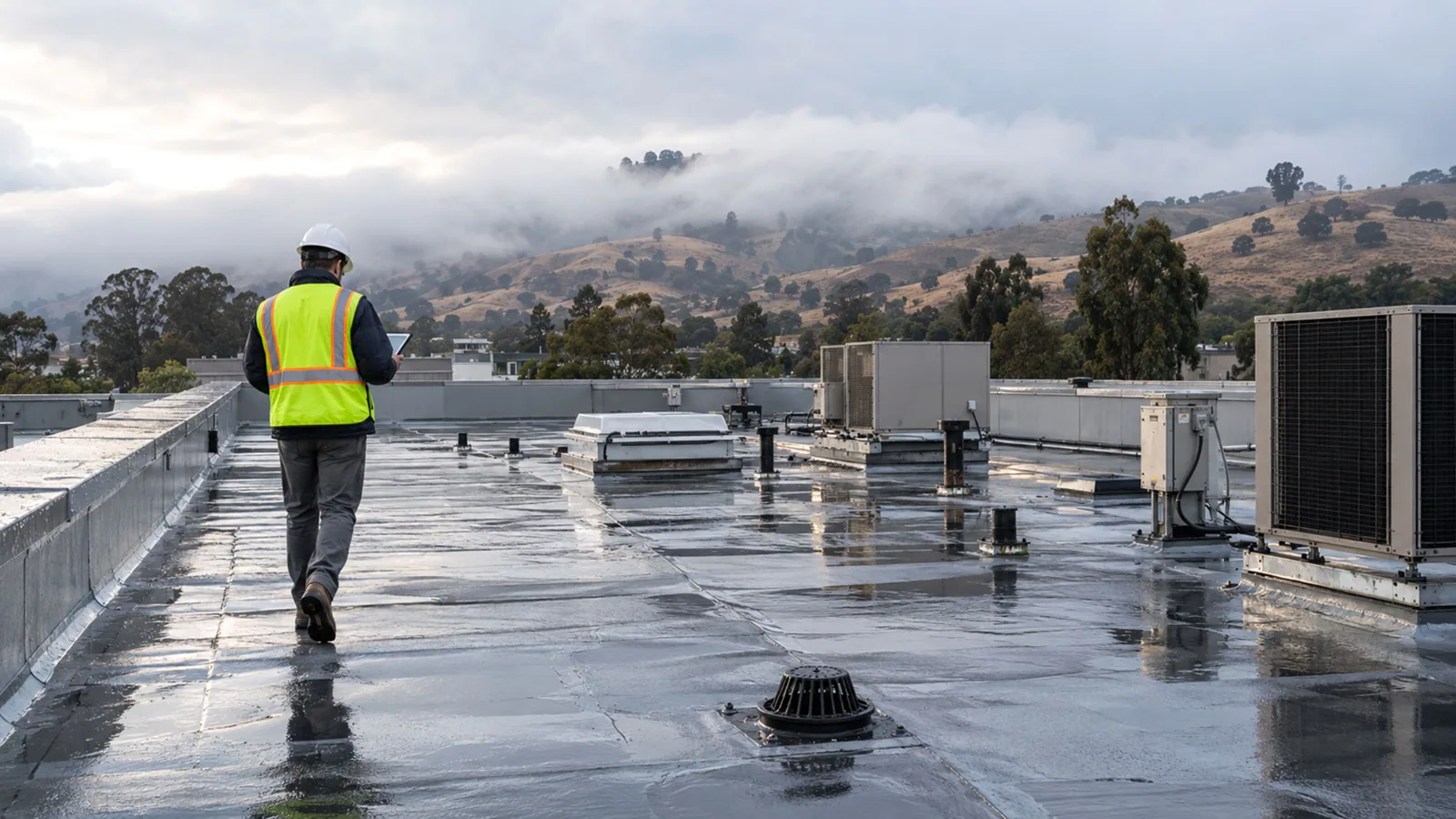
Reuse can preserve part of a building while changing the interior operation. That makes it important to examine current penetrations, abandoned curbs, drainage and prior repairs rather than rely on a building's former use. We identify the membrane or panel, check how it is attached, and map defects by roof zone. A commercial roof inspection gives ownership a condition baseline before a tenant change or construction scope advances.
New food-and-beverage operations may bring exhaust equipment or different service hours, but the district fact does not prove that a given roof has either. We inspect actual curbs, pitch pockets, flashing and equipment supports. The owner can then see whether a proposed tenant improvement touches roofing and whether the work needs coordinated access. A penetration and flashing review identifies details that need replacement, repair or no action.
Industrial buildings may have long roof runs or multiple repair generations, but neither follows from Interurban's past. We document what is visible, note any inaccessible section and recommend testing only when it changes the decision. A photo condition report ties each defect to a roof location, priority and scope boundary. That is more useful during a reuse project than a general statement that the roof needs attention.
Coordinate Roofing With Reuse Work
Interior demolition, mechanical changes and tenant fit-out can compete for the same access routes. Before pricing, we confirm who controls lifts, roof keys, loading areas and daily shutdowns. We identify trades that may open or alter the roof and define who restores the membrane at each transition. Without that boundary, a roof repair can be complete while a later curb or conduit leaves a new exposure.
If a business remains open during work, the plan covers staging, pedestrian protection, debris movement, odor and noise limits, plus the daily watertight area. If a space is vacant, access may be easier, but the replacement schedule still needs a protected end-of-day condition. A phased occupied-building reroof can fit active operations when the project is sequenced by roof zone and the site contact confirms each transition.
Water above equipment or newly finished interiors changes urgency. We trace the reported leak to roof details and protect the interior while separating immediate stabilization from permanent repair. When water is active, emergency roof service can limit additional exposure after safe access is confirmed. The follow-up estimate names the repair area, materials and any adjacent condition that still requires testing.
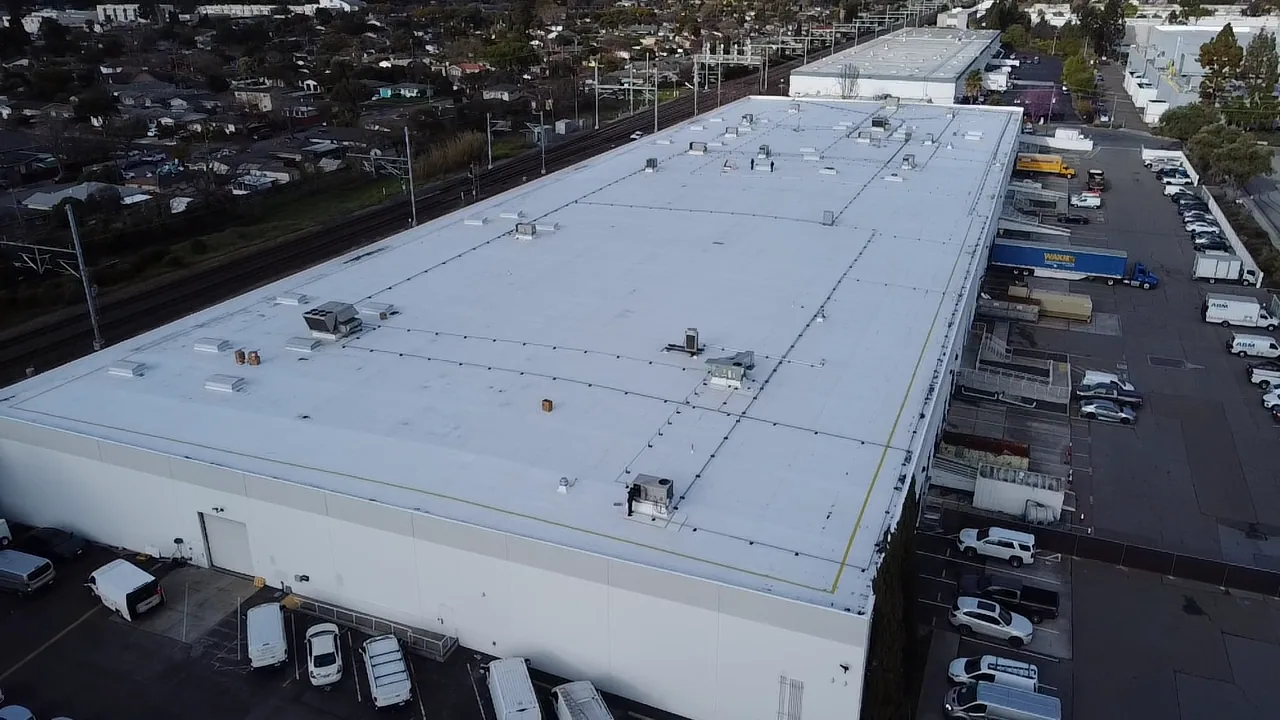
Keep the Repair Line Distinct
A localized seam or flashing failure can often be priced as a bounded repair if surrounding material is dry and secure. We state the preparation, compatible material, tie-in and limitation. If moisture extends into insulation or recurring leaks cross several zones, the work may need a broader investigation. A roof insulation assessment helps locate wet areas and determine whether cover board or insulation belongs in the repair scope.
Coatings, recover and replacement solve different conditions. A coating needs sound substrate, appropriate adhesion and corrected drainage. A recover requires acceptable existing layers, attachment, deck, height and moisture conditions. Replacement allows hidden components to be addressed but adds tear-off, disposal and open-roof planning. We price only the options supported by the roof walk, and separate the known condition from contingencies.
Richardson adopted 2021 building, existing-building and energy codes with local amendments. Permit review follows the actual work and design details. We confirm requirements before material is ordered, especially where tenant improvements change rooftop equipment or penetrations. The proposal identifies the assumed scope so ownership can reconcile roofing with the general contractor's schedule and the next phase of building use.
Owners comparing this work with another CORE property should keep the operating assumptions distinct. Richardson Heights includes boutique retail, dining and entertainment; CORE District Downtown follows a Main Street commercial mix. A Richardson Heights roof review or Downtown roof inspection receives its own zone map and cost basis.
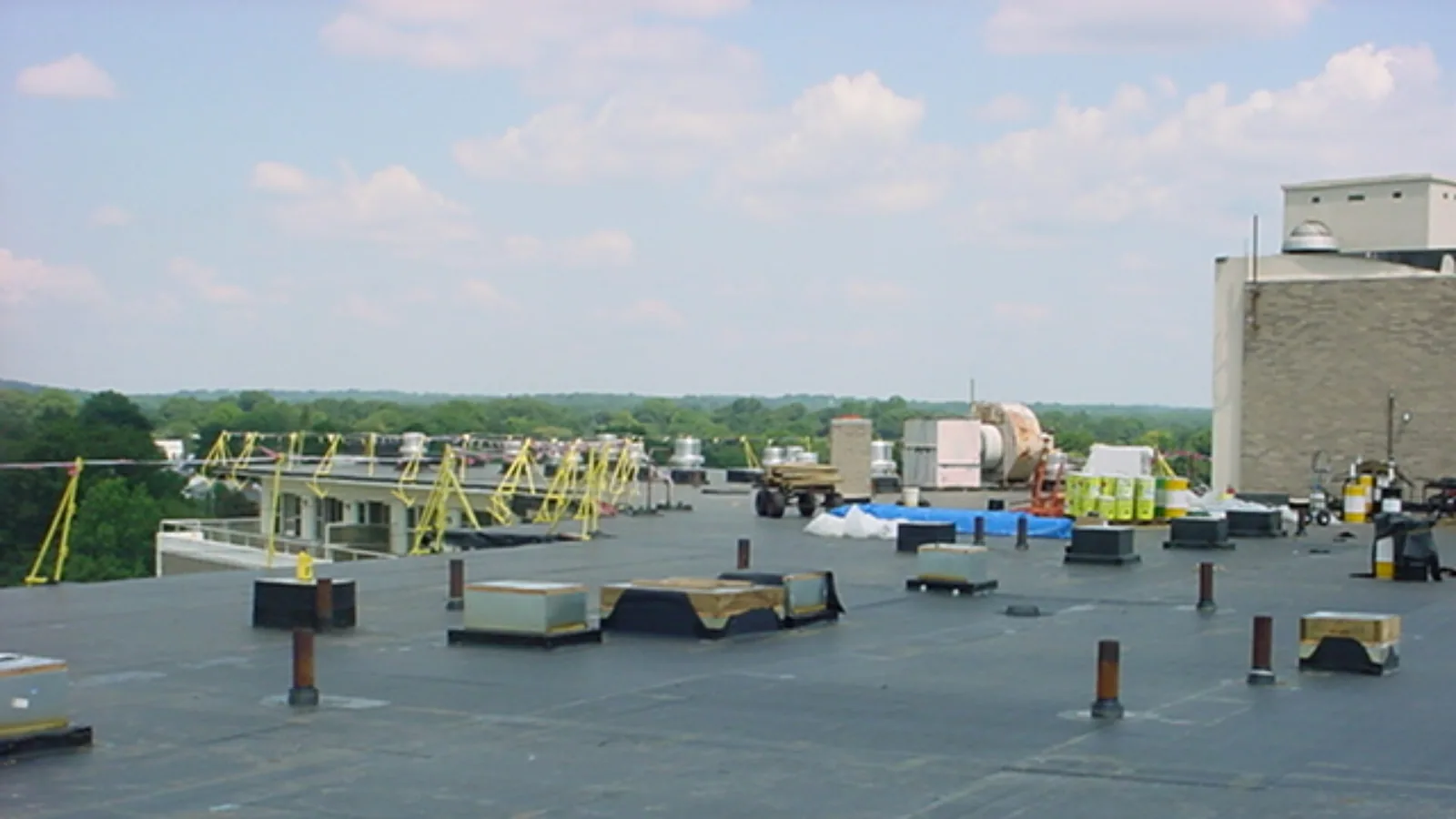
Protect the Open Roof Window
Richardson's summer highs average about 96 degrees in July and August. Heat affects work hours, adhesive handling and the time an exposed section can remain open. Spring is the DFW region's peak period for severe-weather frequency, so we plan each shift to secure the roof before a delay. On reuse work, that daily boundary also protects new interior construction from water and dust.
A regional storm does not establish damage at an Interurban property. We record visible punctures, displaced metal, open seams and water entry, then separate storm-related observations from older wear when the evidence permits. A storm roof inspection can create dated photo documentation by zone. Cause or timing is left undecided where the roof alone cannot support a conclusion.
Schedule and cost also move with rooftop equipment, edge access, disposal route, deck exposure and coordination with other trades. We list the assumptions for lifts, moving equipment and after-hours work. If a concealed deck issue appears after tear-off, a pre-agreed unit price and owner approval step keeps the change understandable. That reduces the chance that a roofing line conflicts with a construction allowance.
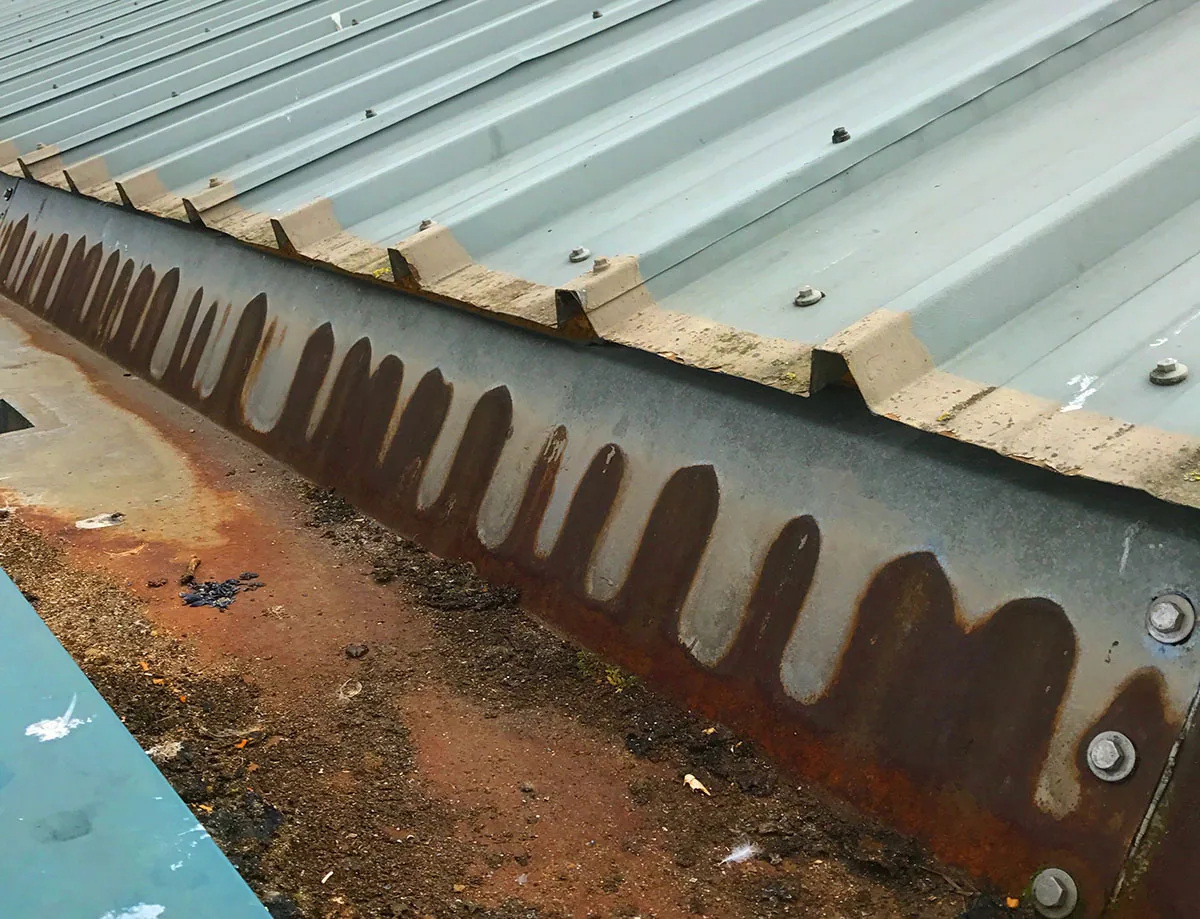
Budget Against the Building's Next Use
Owners often need to decide whether to stabilize the roof for a near-term tenant or replace it before a longer investment. We compare expected work windows, remaining serviceable areas, repair recurrence and the risk of uncovering wet material. A roof capital plan can place a repair beside a larger project phase, with each assumption stated rather than hidden in a broad contingency.
Closeout identifies the zones completed, material installed, dated images and conditions left outside the scope. If other contractors will return to the roof, the record notes the repaired transition and the responsibility boundary. This helps the next project team avoid treating completed flashing or drain work as an open item, while preserving questions that were not inspected.
Share the property, current leaks, planned use changes, trade schedule and date ownership needs a recommendation. The recommendation will identify the observed condition, access limits and work included, giving ownership a clear basis for this capital decision.
Related Roofing Work
Commercial Roof Inspection
Commercial Skylight and Penetration Flashing
Commercial Roof Condition Reports
Occupied Commercial Building Reroofing
Questions About Interurban District
Can roofing work be coordinated with a tenant build-out in Interurban?
We can coordinate access, curb changes, sequencing and the daily watertight boundary with the owner and construction lead. The proposal states which trade handles each roof penetration and who approves concealed-condition changes.
Does Interurban's industrial history mean the existing roofs are industrial systems?
The district's history identifies its former role, not the present assembly on an individual property. We inspect the membrane or panel, attachment, drainage, insulation and repair layers before recommending work.
When is a roof recover worth pricing for a reused building?
A recover is worth evaluating only when the existing layers, moisture, attachment, deck capacity, height and drainage support it. We compare that option with repair and tear-off based on the conditions we find.
What if a leak appears after interior renovation is complete?
We protect the affected area, trace the entry path from the interior report to roof details, and document the repair boundary. If a new curb or penetration is involved, we coordinate responsibility with the project team before permanent work.
How does the estimate handle hidden deck damage?
We identify the deck assumption and set a unit price or approval step for concealed damage before tear-off. That gives ownership a cost decision point without treating unobserved conditions as confirmed quantities.
Line Up the Roof With the Reuse Schedule
Send the property, planned use, trade schedule and decision date. We will inspect the roof and return a scope with a clear work boundary.