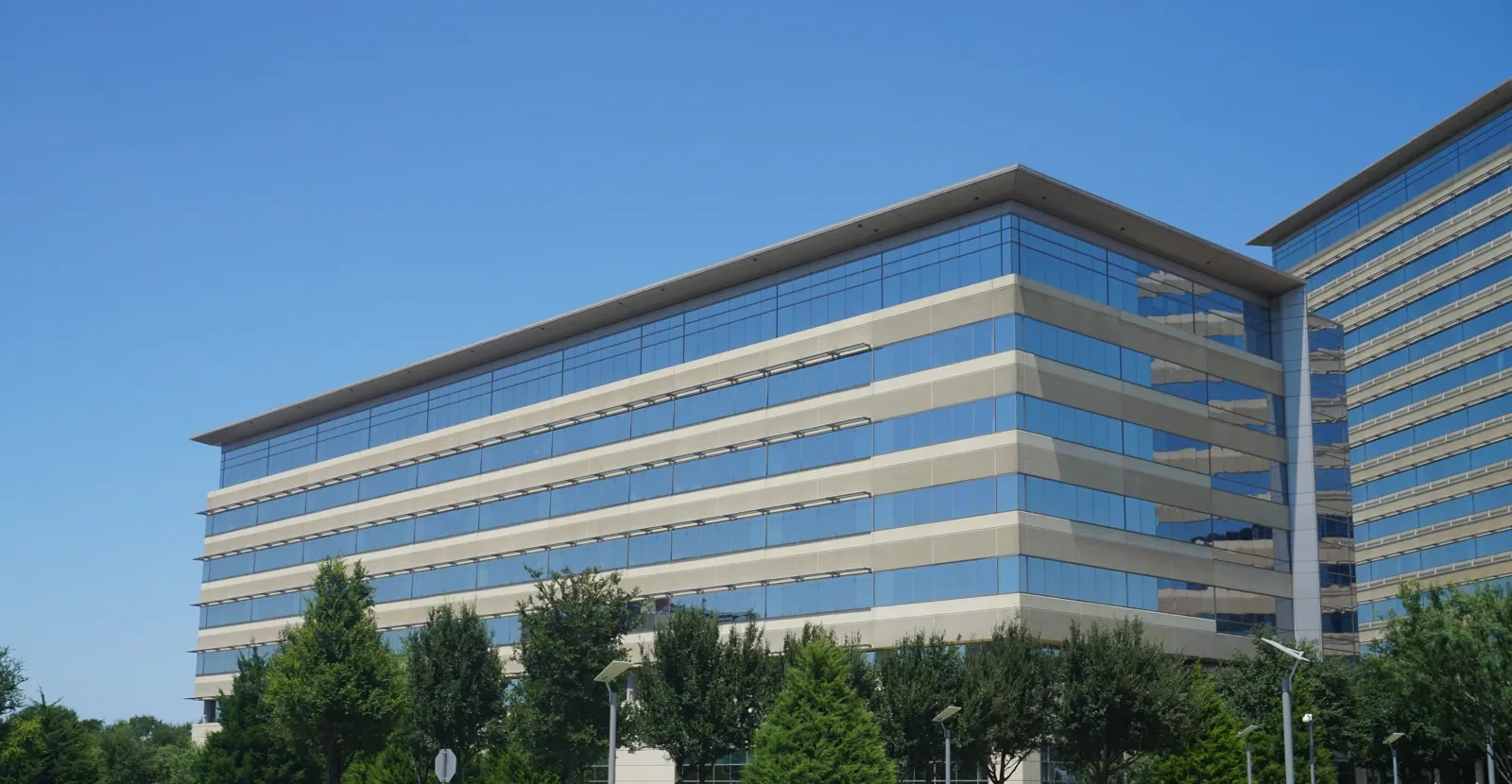
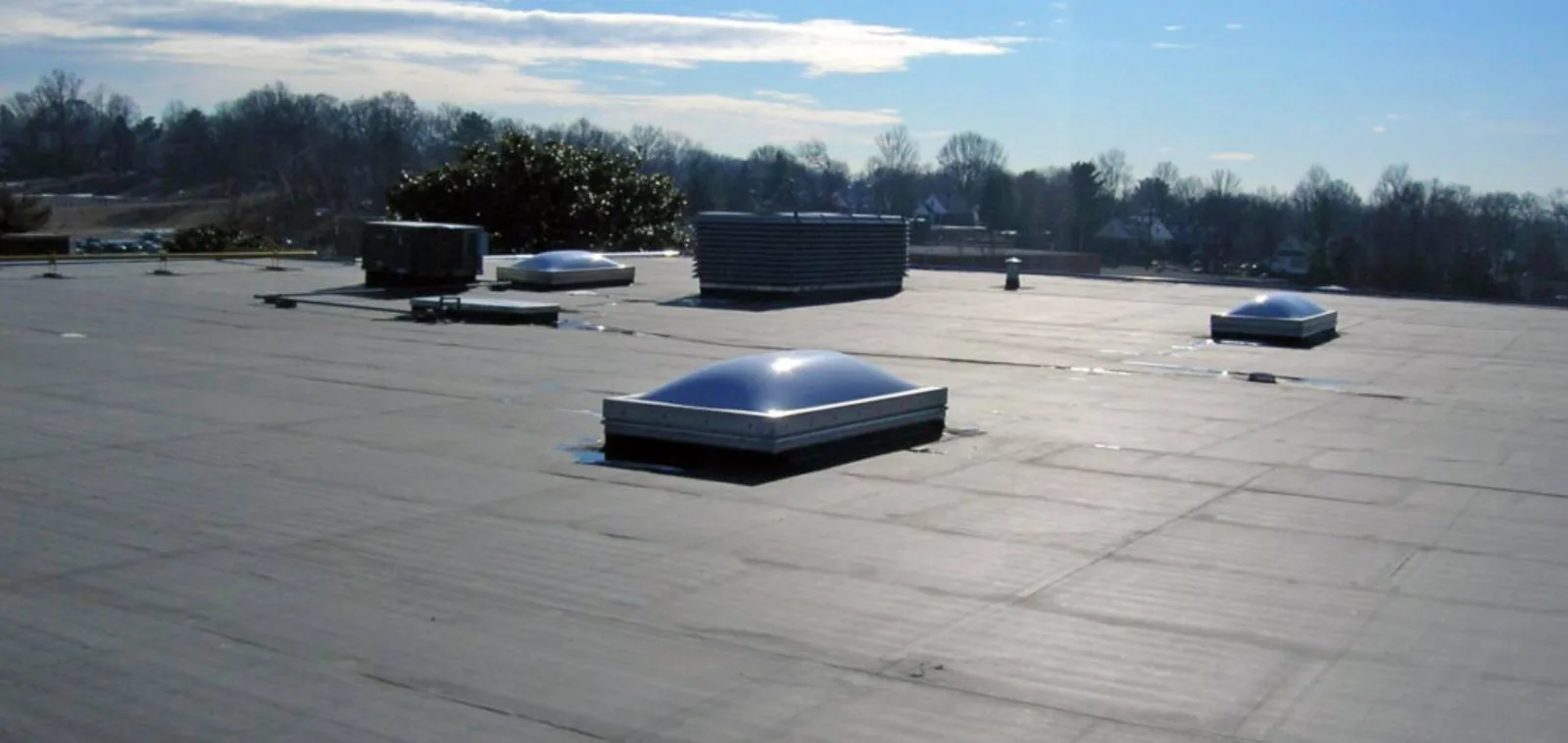
Infrared screening can help narrow where a commercial roof may hold moisture, but the scan is only useful when its limits are understood. We survey Richardson, TX roofs to identify temperature patterns that may point to wet insulation, then use selected core cuts or other confirmation where the owner needs a firmer decision. The result is a map of areas to investigate, not a blanket declaration that every colored region is wet. We connect the findings to repair, recover or replacement choices and explain what remains uncertain.
Request a Roof Assessment
All fields are required.
Infrared Roof Moisture Survey in Richardson, TX
Map Concealed Roof Moisture Before You Price the Work
Check Whether Conditions Support a Useful Scan
Infrared works best when roof conditions create a meaningful temperature contrast between dry and moisture-affected areas. Recent rain, surface materials, roof color, insulation type, solar exposure, wind and the time of day can influence readings. We review the roof and recent weather before scheduling. If conditions are unlikely to produce interpretable data, we recommend a different method or a better survey window rather than treating a weak scan as a diagnosis.
We also ask what decision is pending. A buyer may need to understand the scale of concealed risk; a property manager may be tracing a recurring leak; an owner may be comparing a recover with tear-off. Each purpose affects the area mapped and the locations selected for confirmation. Roof plans, leak history and visible repair notes help target the survey. Where those records are missing, we identify that limitation and use the field observations to build a practical test plan.
Map Patterns and Select Confirmation Points
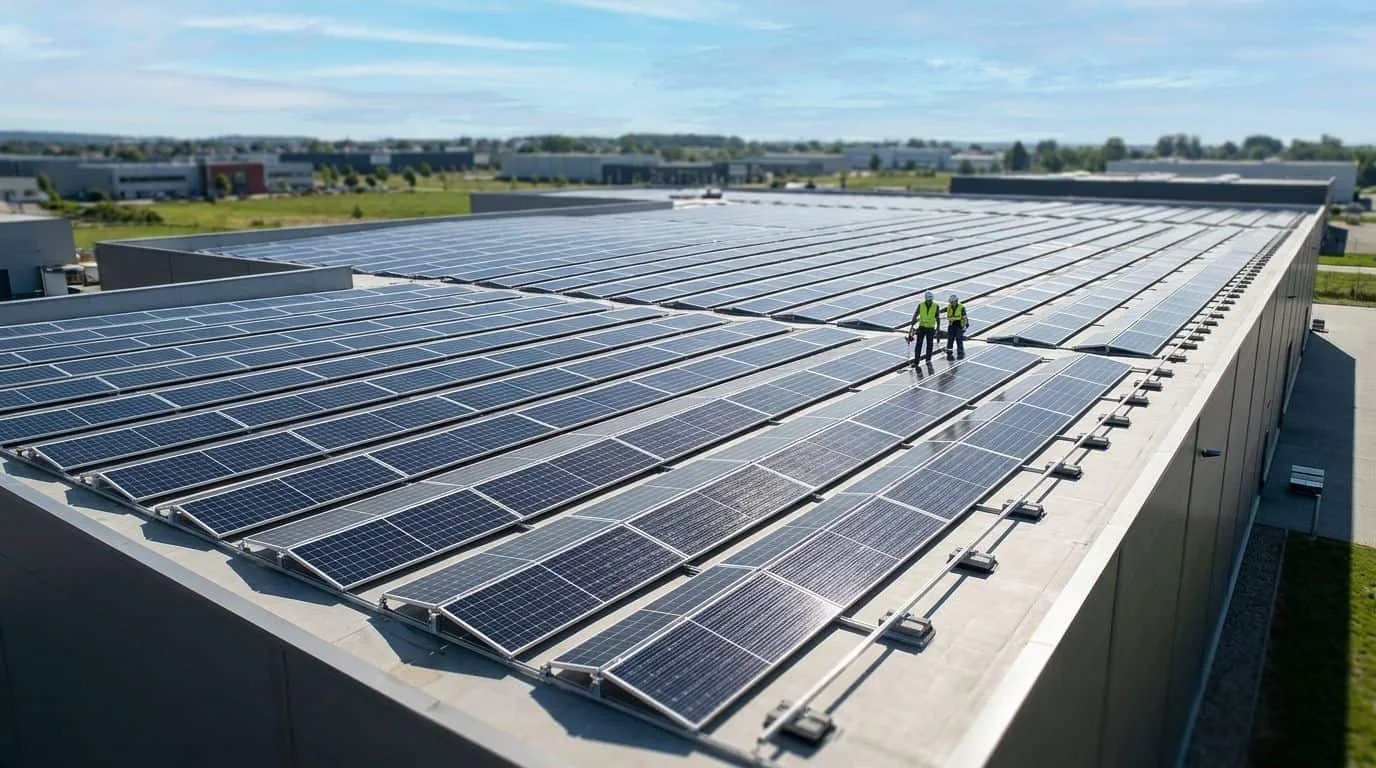
We scan accessible roof sections systematically and record conditions that could affect interpretation. Temperature patterns are compared with roof geometry, drains, curbs, walls, equipment and known leak points. Anomalies are marked by zone and reviewed against the surface. A warm or cool signature can have causes other than moisture, so the pattern is a lead for testing rather than a finding by itself. We note obstructions and areas the instrument could not evaluate.
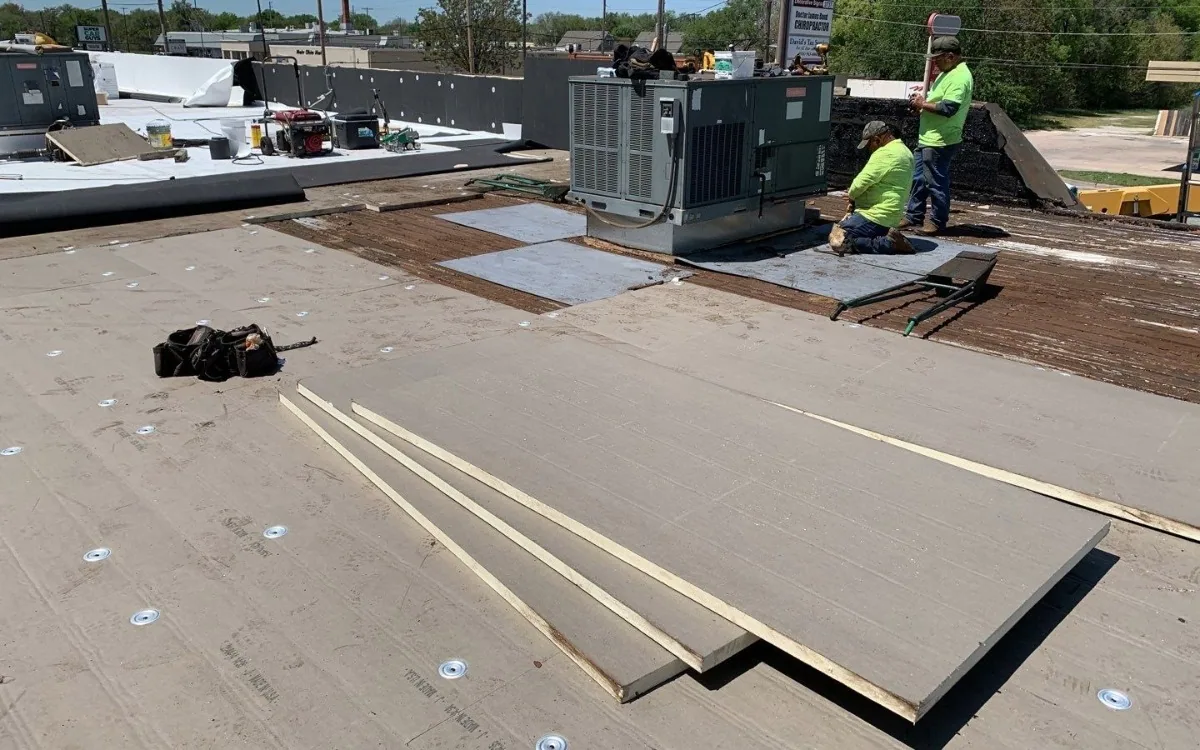
Core cuts provide a direct view of the layers at a selected point. They can show insulation type and condition at that location, but they do not establish the state of the entire roof. We place openings to test representative anomalies and, when useful, nearby control areas. Each opening is repaired after inspection. The owner sees why the points were chosen, which results confirmed moisture and where further sampling could change the decision. If access or warranty terms restrict cutting, we discuss other confirmation options before field work.
Translate the Survey Into a Roof Scope
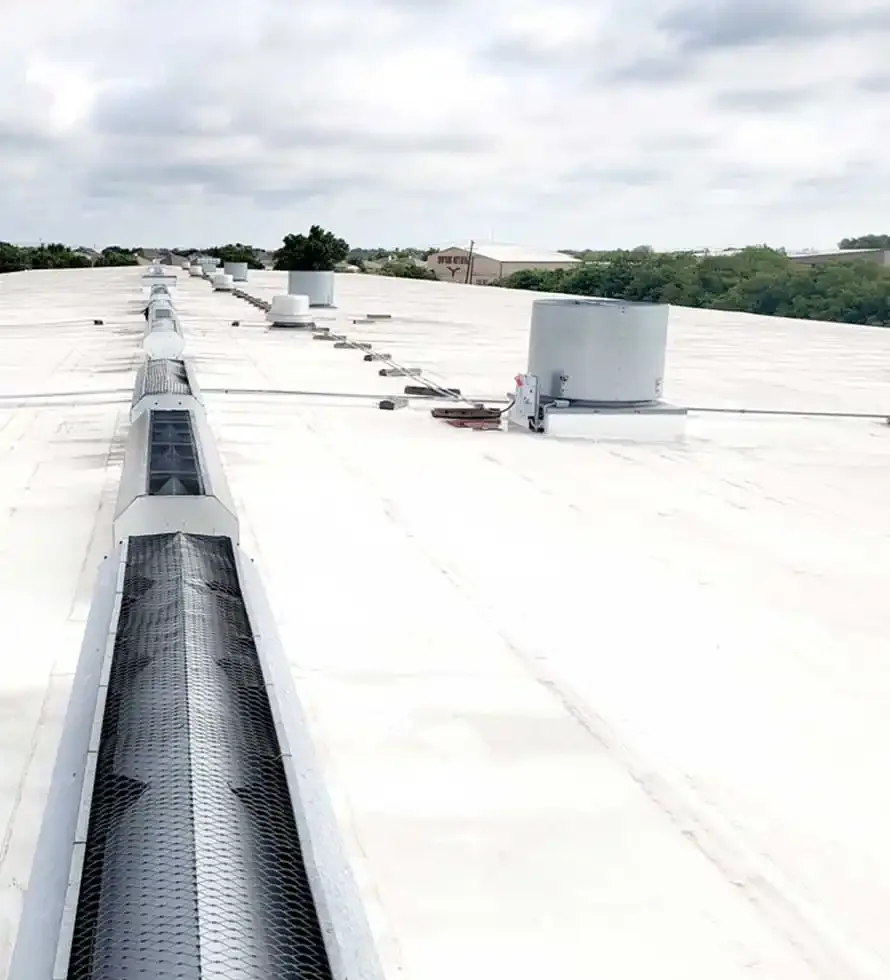
The report groups results by roof zone and distinguishes confirmed wet areas, suspect patterns, dry control points and untested sections. We include the method, surface and weather context, testing locations, photographs and limits. The map should help an owner estimate the likely area for removal or further testing without implying exact quantities where the roof plan or access is incomplete.
If confirmed moisture is isolated, the next scope may remove and replace selected insulation before restoring the surface. A recover may remain possible if the broader assembly meets condition, attachment, layer and code requirements. If wet areas are widespread, or the deck and details show broader deterioration, tear-off may be the stronger comparison. Our recommendations tie the survey result to those options. We do not turn every thermal anomaly into replacement work or treat a few dry cores as proof that the full roof is sound.
Plan Around Richardson Weather and Roof Use
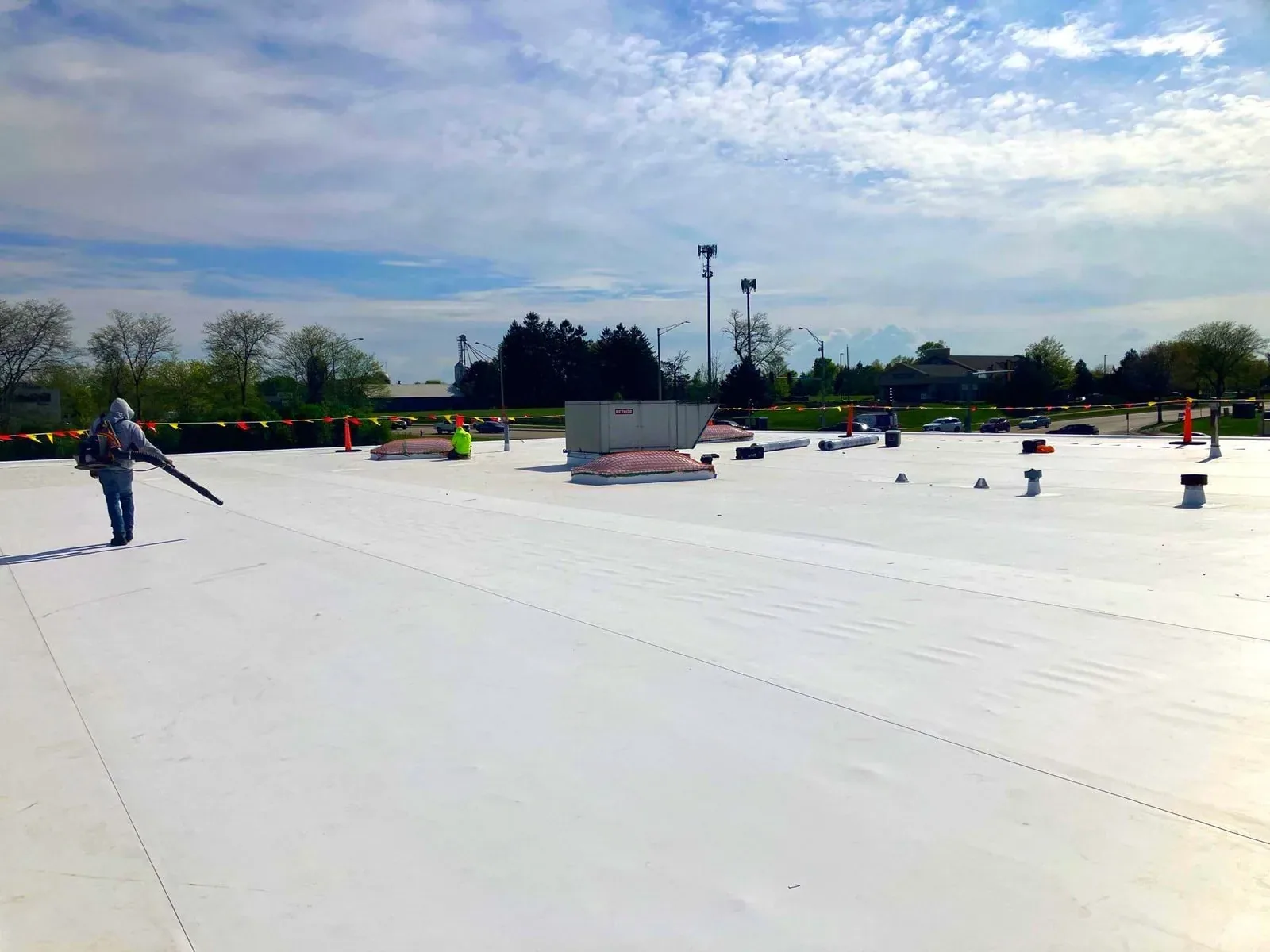
Richardson's commercial roofs face long hot seasons. July and August average highs in the DFW area reach the mid-90s, which can create useful daytime heating but also increases the need to manage exposure, image timing and safe work periods. Recent rain and changing cloud cover can alter the thermal pattern. We document conditions at the time of scanning so an owner can understand how much weight to place on the map.
Survey access can also differ across the city's commercial settings. The Lakeside Office Campus along US 75 is an example of a large office environment where multiple roof zones and active operations may need coordination. The Richardson Innovation Quarter contains office and technology employers, where timing and protection of sensitive interior uses can shape the survey plan. Those facts provide context only; they do not establish a particular building's roof type or moisture condition. We work from the owner's roof information and observations collected on site.
Compare the Cost of Testing With the Cost of Guessing
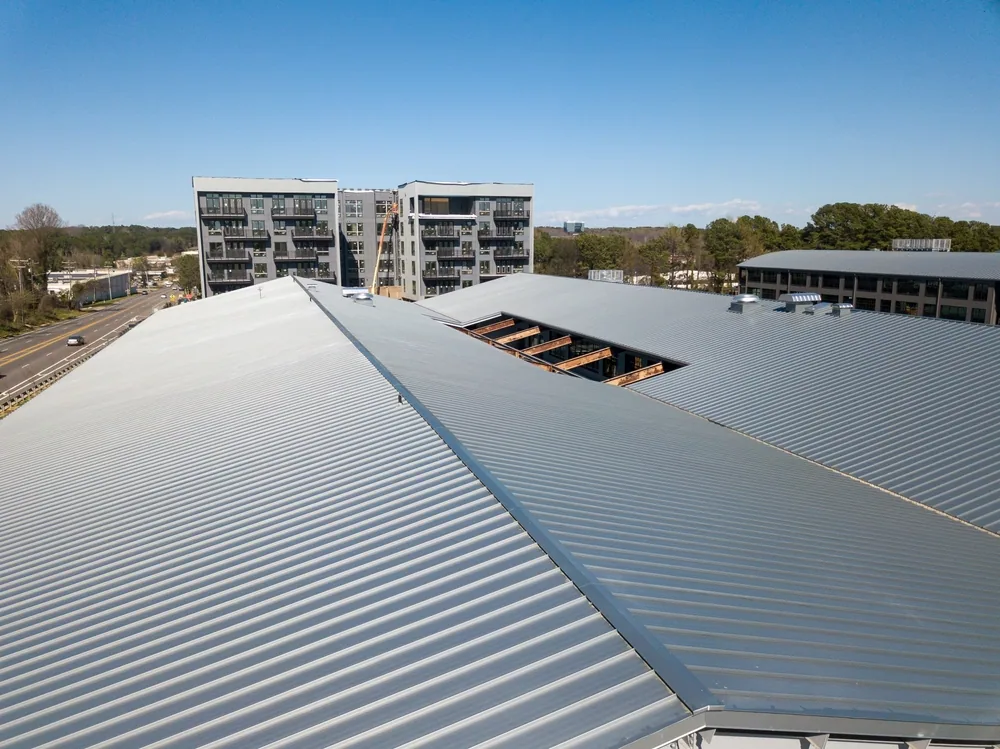
A survey has value when it changes the scope. We estimate the area and number of confirmation points needed to answer the owner's question, then identify any limits that remain. Too few cores may leave uncertainty across a large assembly. Too many can create cost and repair openings without improving the decision. We explain the tradeoff and focus testing where the result could shift repair versus replacement, recover eligibility or budget timing.
For a property with a capital meeting ahead, the report can distinguish a known repair from a reserve allowance for untested areas. If a leak needs immediate attention, temporary protection and a focused inspection may come before a full survey. After the map is reviewed, recover evaluation, replacement planning or a capital plan can use the findings without overstating certainty. A condition report can preserve the baseline for future comparisons.
Know What the Survey Proved and What It Did Not
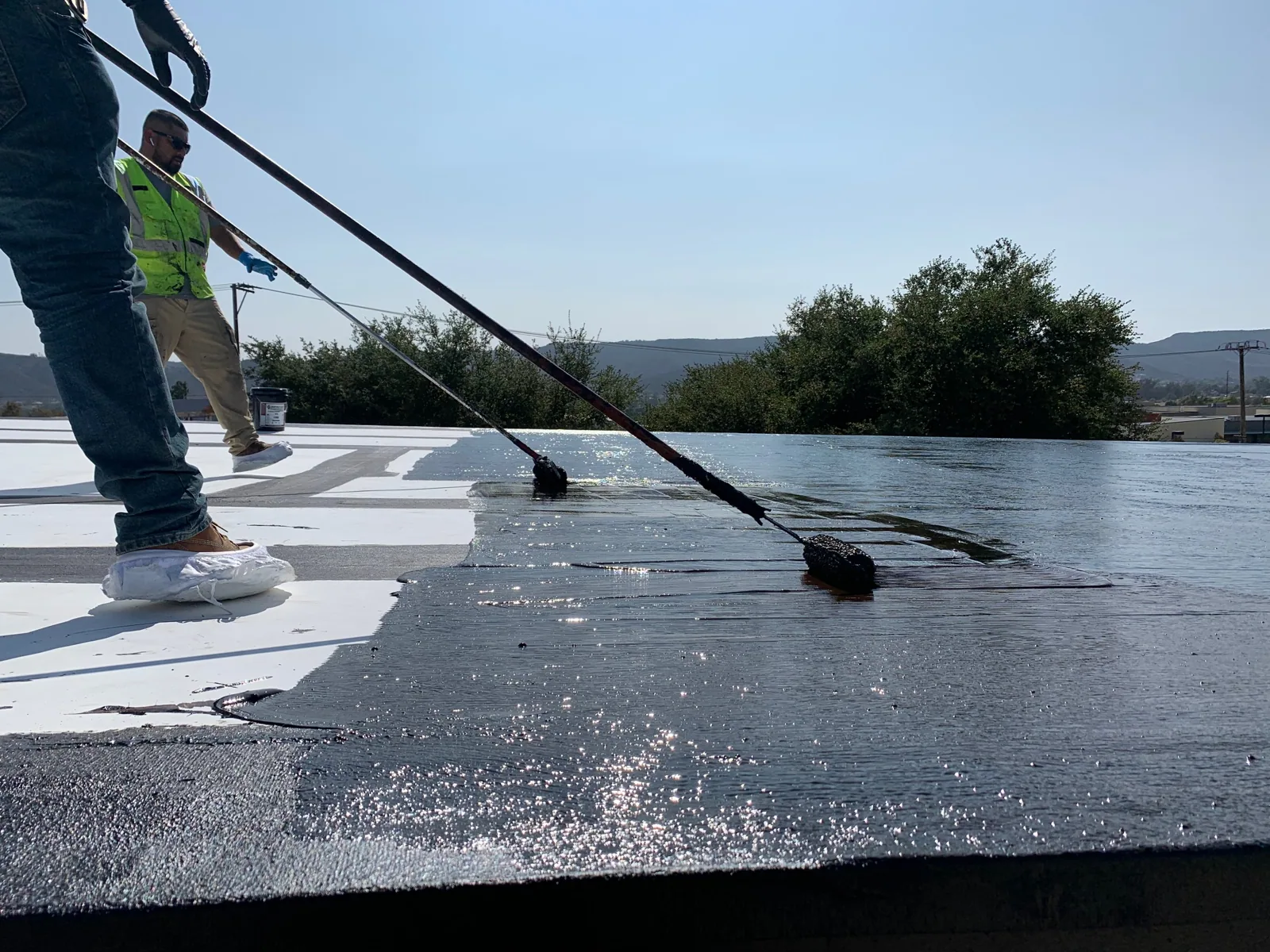
Before closing the survey, we review the map with the property contact and identify any confirmed wet points, untested regions and recommended next actions. The owner should be able to tell the difference between a thermal anomaly and a confirmed wet core. We can prioritize repair zones, propose additional sampling, or recommend that the design team review assembly constraints. If the findings support no immediate construction, they still provide a dated baseline and a clear monitoring question.
A water intrusion report can be compared with future inspection results to see whether the suspected area grows or changes. Keep the map and core locations with the building's roof records, then share them when requesting a repair scope. If work proceeds, closeout should identify which mapped areas were opened and restored. In the Lakeside Office Campus area or the broader Richardson Innovation Quarter, a consistent record can help facilities teams coordinate across buildings while keeping each roof's conclusions tied to its own test results.
Related Roofing Work
Commercial Roof Recover and Overlay
Commercial Roof Replacement
Commercial Roof Capital Planning
Commercial Roof Condition Reports
Questions About Infrared Roof Moisture Survey
Does an infrared scan prove that insulation is wet?
No. It identifies temperature patterns that may correspond to moisture under suitable conditions. Selected cores or another appropriate method verify conditions at specific points. We label the difference between an anomaly and a confirmed wet area.
What weather is best for an infrared roof survey?
The roof needs conditions that create useful temperature contrast, and recent rain, clouds, wind, surface type and scan timing all matter. We review the forecast and roof characteristics before confirming the survey window.
Will you make core cuts during the survey?
Only when the owner authorizes them and the roof, access and warranty conditions allow. We agree on test locations and repair details first. Each cut helps verify one point and should be interpreted with the surrounding map.
Can an infrared survey decide whether I should reroof?
It can improve the evidence by locating areas for confirmation, but reroofing also depends on deck, attachment, drainage, flashing, roof layers, code and the remaining sound area. We connect test results with those conditions before recommending a scope.
How is the survey report delivered?
We provide a roof-zone map, marked anomalies, photographs, test-point results, scan conditions and recommended next steps. The report also lists access limits and areas that could not be evaluated so its conclusions are not broader than the evidence.
Map Concealed Roof Moisture Before You Price the Work
Share the roof plan, leak history and decision deadline. We will confirm whether infrared conditions are suitable, define the confirmation plan and explain how the findings affect repair or replacement.