
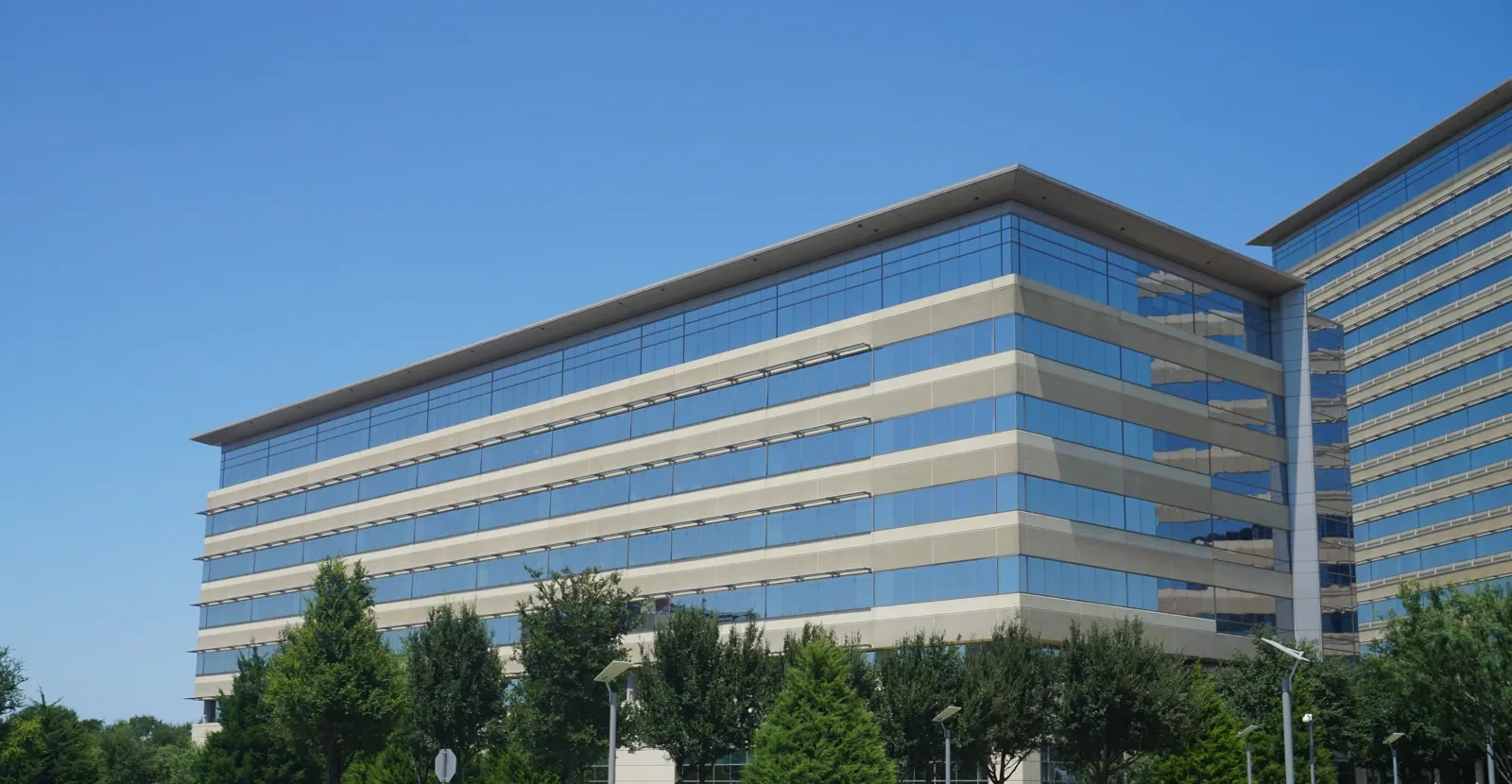
The first hours after an interior leak can shape both repair cost and business disruption. The immediate goal is to limit damage, then identify where water entered. A commercial roof leak in Richardson, TX can travel beneath the membrane and appear well away from the opening. We protect the affected area, inspect likely paths above it and distinguish a temporary dry-in from the permanent repair. The property contact gets a clear update on what is known, what needs access or testing, and when a lasting repair can be completed. That sequence helps control disruption without guessing at the source.
Request a Roof Assessment
All fields are required.
Commercial Roof Leak Repair in Richardson, TX
Trace the Leak and Protect the Building
Protect the Interior and Establish the Leak Pattern
We first ask when the water appeared, whether it followed wind-driven rain, and which rooms or equipment are affected. Those details help set interior protection and roof access priorities. If water is active, we coordinate a safe way to contain it and protect contents while the roof is assessed. Electrical equipment, ceilings, inventory and occupied areas may call for immediate attention from the building team before anyone opens a ceiling or moves materials.
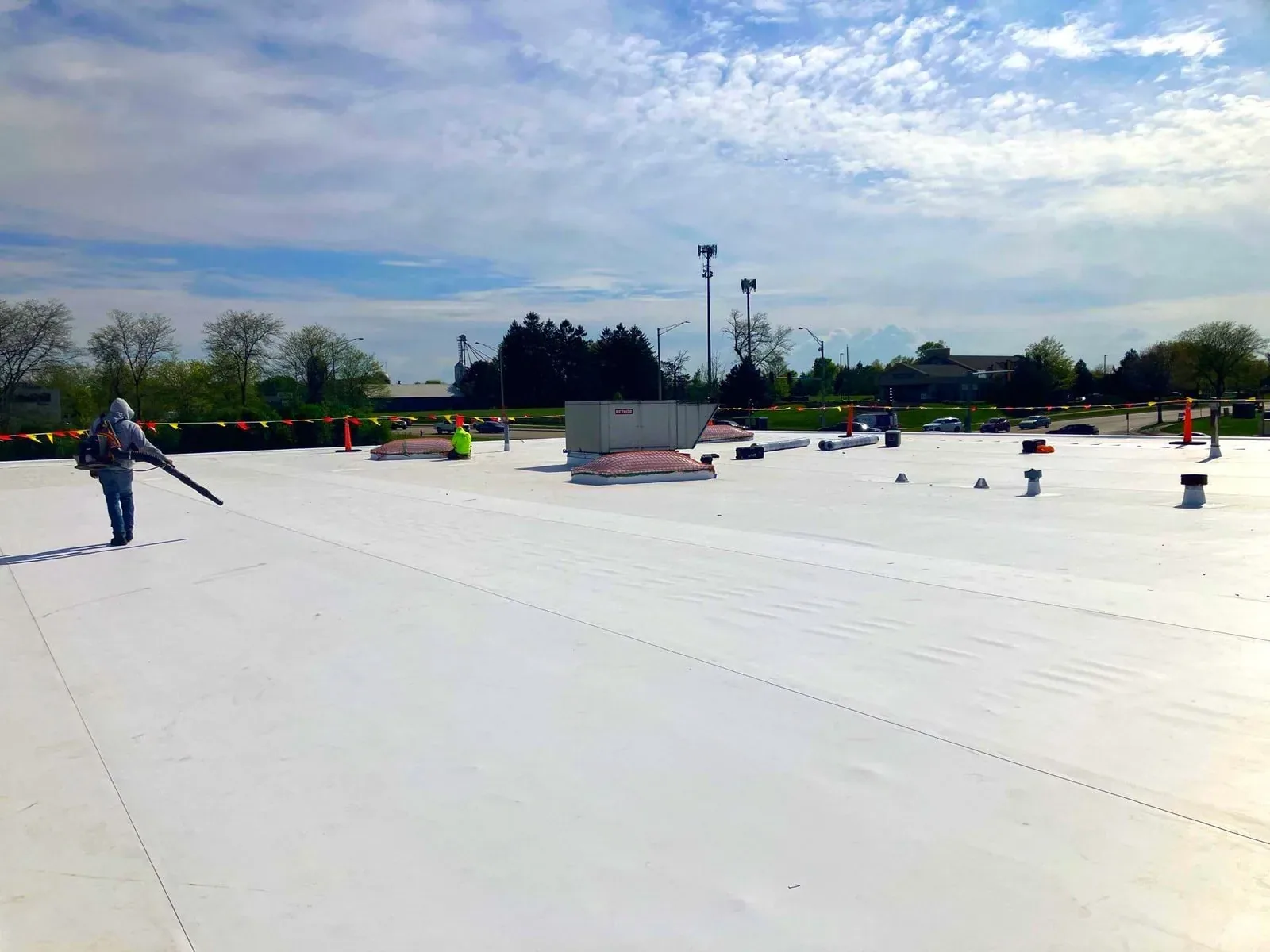
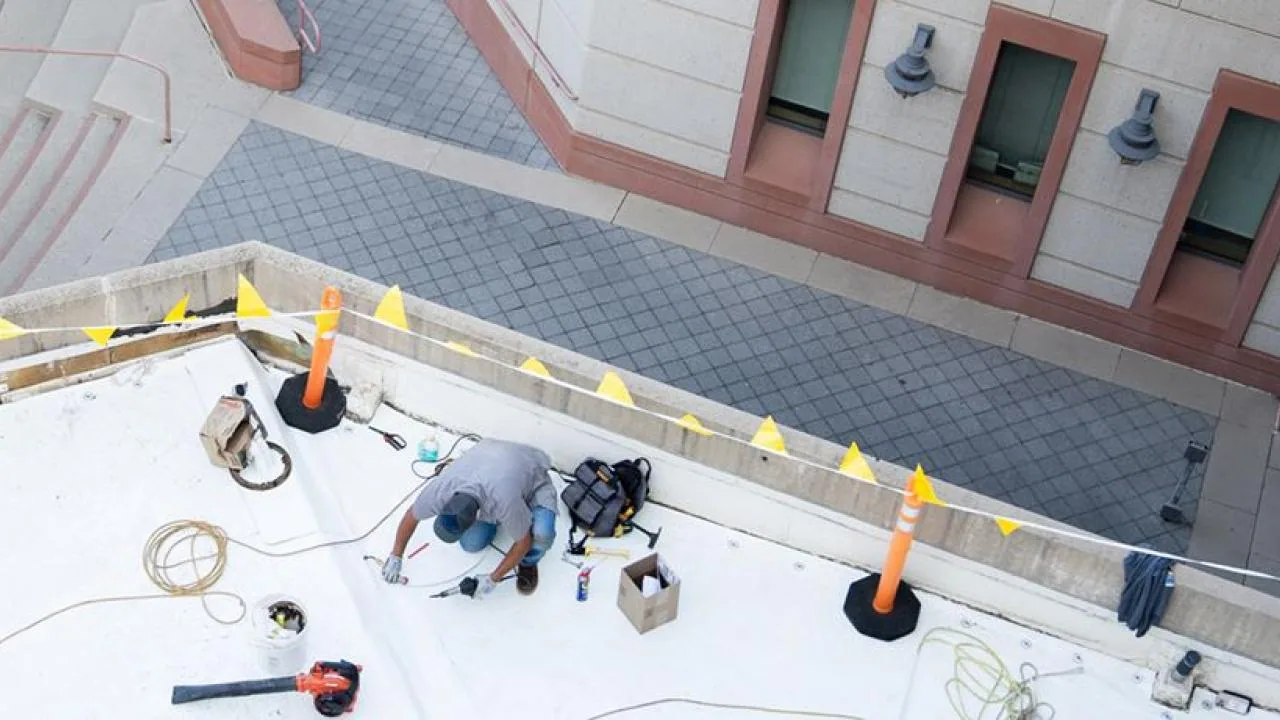
On the roof, we map the stain location against drains, walls, penetrations, curbs, skylights and seams. The entry point may be uphill or several feet away because insulation joints and deck flutes can carry water laterally. We look for fresh water tracks, displaced flashing, split seams, punctures and ponding. The goal is to narrow the likely path and decide whether a visible repair is enough or a wider investigation is warranted.
Trace the Path Instead of Chasing the Stain
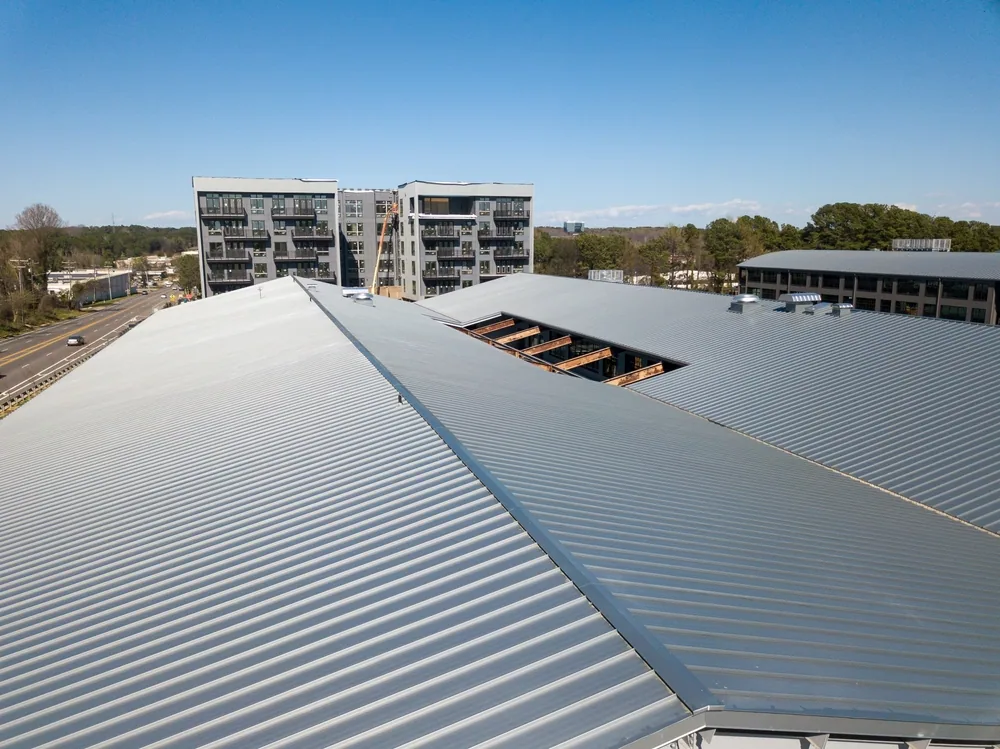
A repeat leak is a signal to expand the inspection, not simply apply a larger patch at the ceiling mark. We compare the leak history with roof conditions and check whether multiple areas become wet during the same storm. A leak that appears only with wind from one direction can point toward perimeter metal, wall flashing or a vulnerable transition. Water that appears after a long rain may relate to drainage or a detail that stays submerged. These patterns guide investigation but do not replace opening the assembly when evidence remains uncertain.
We can use moisture mapping or selective test cuts to identify affected insulation. Infrared imaging can help prioritize locations under suitable conditions, but readings need confirmation and interpretation. A core cut shows the layers at a specific point; it does not prove the entire roof is dry. We explain why a test is proposed, where it will occur and how the opening will be restored. That makes the next cost decision understandable instead of leaving the owner with a technical reading and no practical scope.
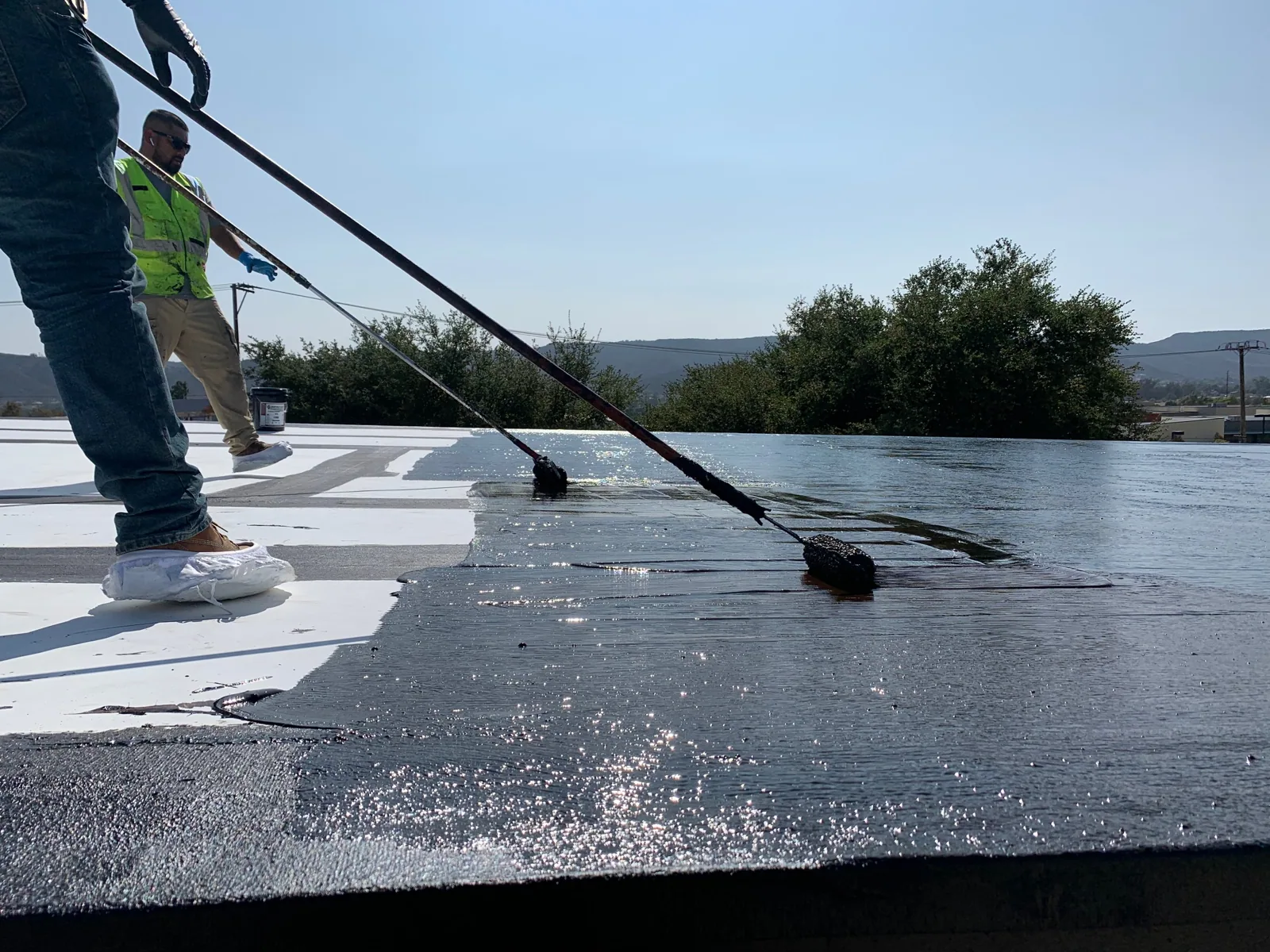
Repair the Detail That Allowed Water In
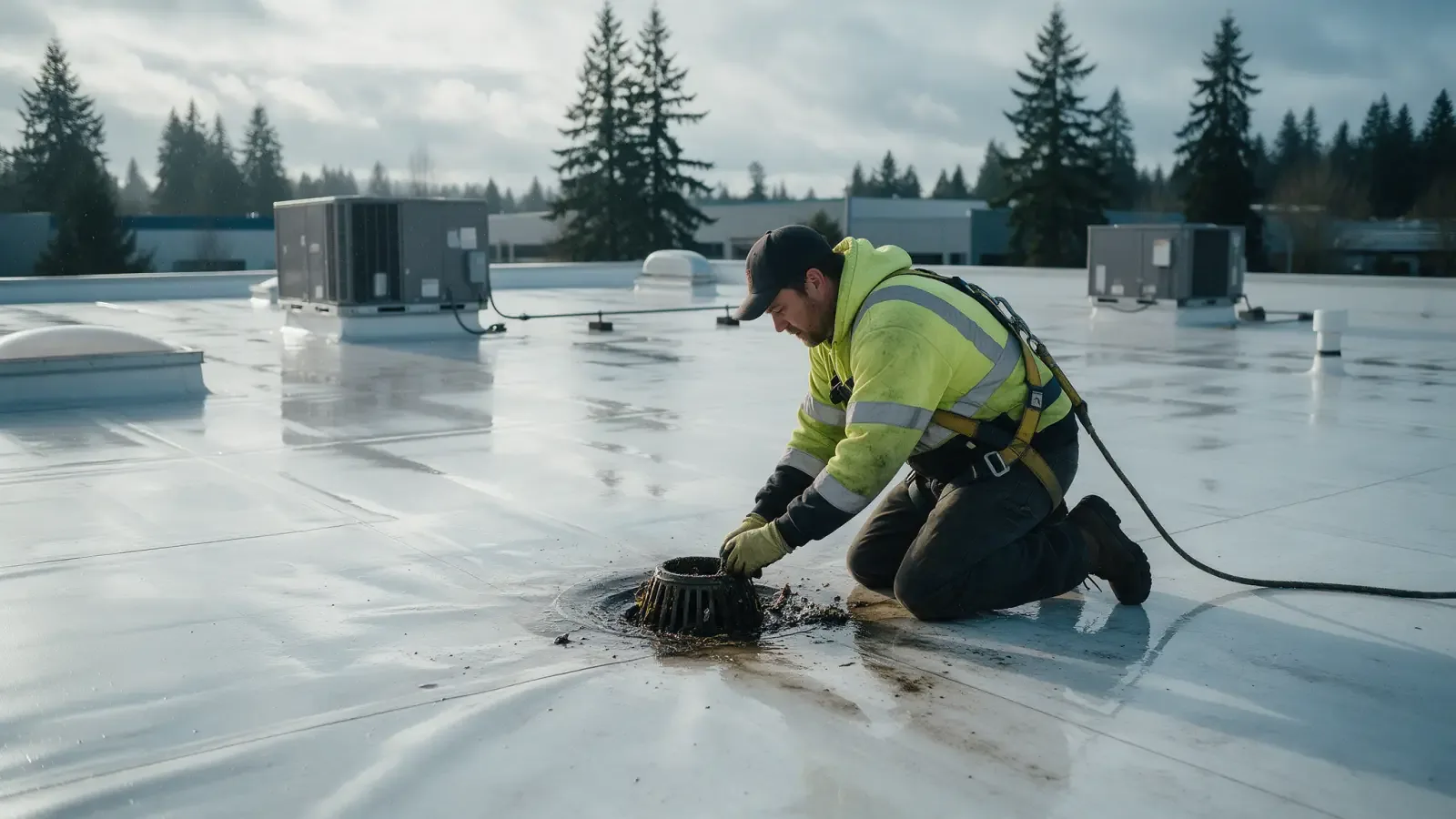
Once the likely source is clear, the repair must match the roof system and the condition around it. A membrane puncture may need a compatible patch over a clean, prepared surface. A failed curb or wall transition may require renewed flashing and secure termination. A loose drain connection, deteriorated pipe boot or split metal joint calls for its own detail work. We inspect beyond the immediate opening to ensure the surrounding material can hold the repair and that nearby seams are not separating.
A focused patch, structural change and full assembly replacement may follow different review paths. If the leak repair grows beyond a like-for-like detail into design or assembly work, we flag that question for the city and design team before setting the permanent scope. We also note whether a hidden wet area needs removal rather than simply sealing the top surface.
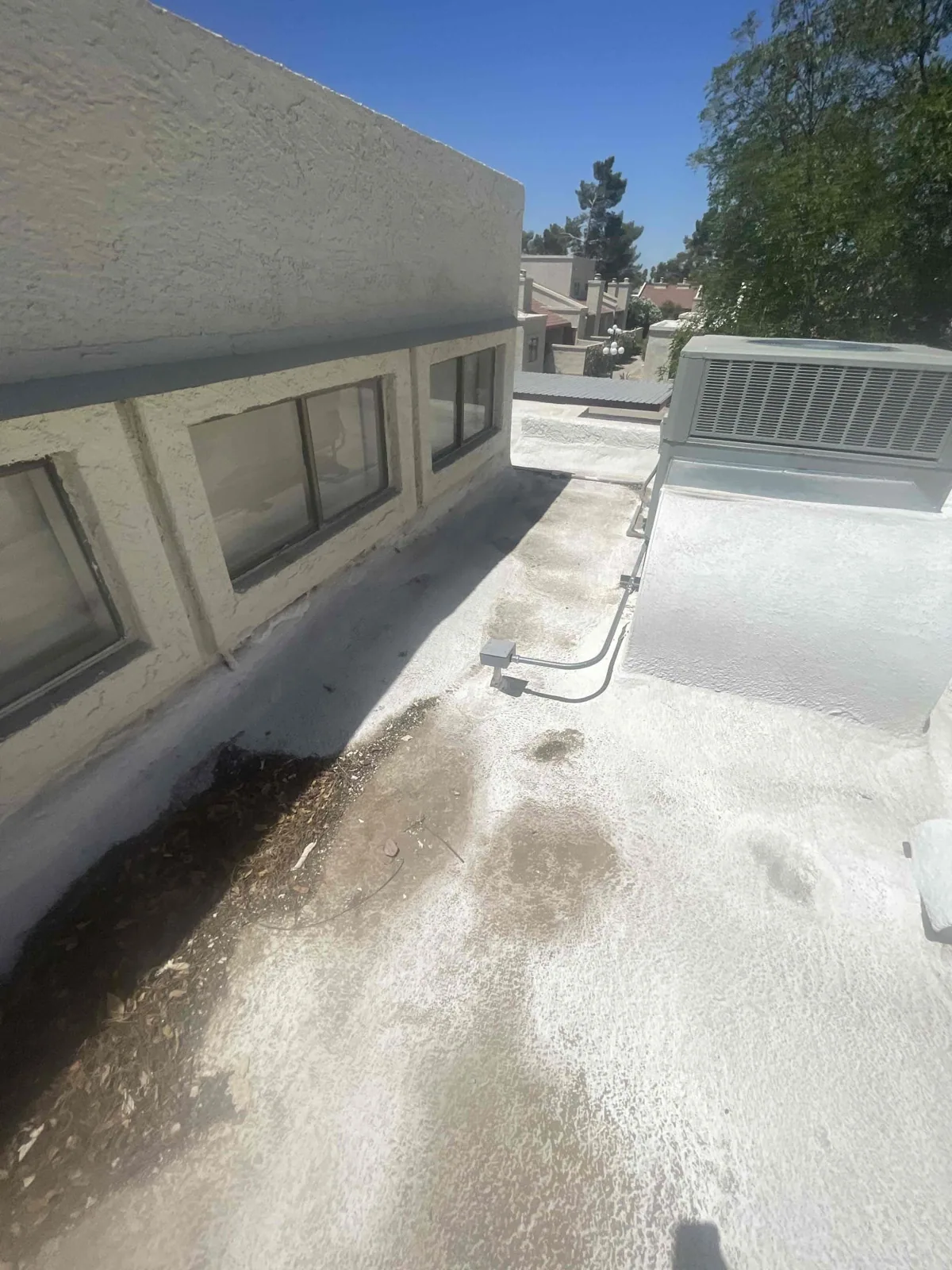
Coordinate Access Across Active Properties
Leak work can involve more than a roof hatch. We confirm keys, escort rules, lift locations, loading access, ceiling access and any hours when noisy work would interfere with occupants. If the leak affects a sensitive room, the property contact can help isolate equipment and identify who needs a status update. We do not promise a repair window until weather and access are clear. If a temporary measure is used, we name it plainly and set expectations for the permanent scope.
Properties around Richardson Innovation Quarter include offices and technology businesses where a roof leak can disrupt work even when water volume is modest. In CityLine, residential, office and retail uses connect within a transit-oriented district, so staging and pedestrian access may need specific coordination. Those examples do not establish a condition at another building, but they show why the site plan belongs in the repair decision. For the owner's property, we document the actual route, work area, protection needs and operating constraints before mobilizing.
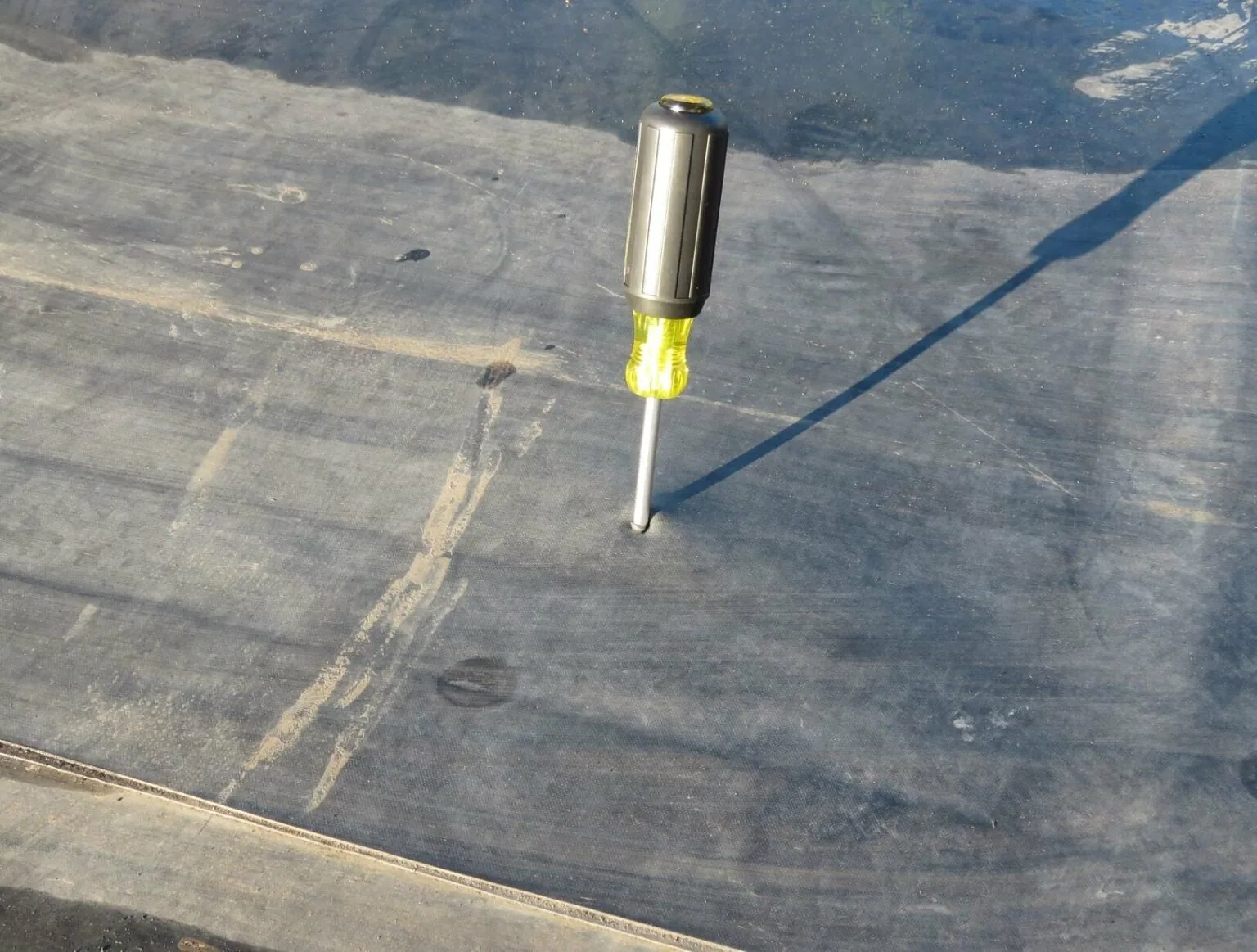
Separate Immediate Protection From Permanent Work
A leak response may have two scopes. The first controls active water and protects the building. The second repairs the roof detail after investigation and weather allow. We identify what each visit includes, whether access or testing is separate, and what condition would expand the work. If moisture extends beyond a small area, the owner can compare localized removal with broader replacement or recover options before choosing a larger spend.
Timing depends on rain, wind, surface condition, material cure requirements and safe access. Spring is the DFW region's peak severe-thunderstorm season, including hail and damaging winds. We account for forecast changes when deciding whether a temporary dry-in will hold and when a permanent detail can be installed. For recurring problems, a commercial roof inspection or infrared moisture survey can help map the wider condition. A commercial roof repair scope can address related details in the same visit when that is practical.
Confirm the Repair and Watch the Right Area
After work, we tell the owner which detail was repaired, what materials were used and whether any moisture or adjacent issue remains under observation. Photos help tie the work to a roof zone and give the next inspection a comparison point. If the leak came from a concealed path, we state what future sign should trigger another look. This is more useful than declaring the roof fixed without noting the evidence or limits of the repair.
For a building in the CityLine Richardson area, project access and tenant coordination can be part of the next visit as well as the first. Owners working across several sites near the Richardson Innovation Quarter can use consistent inspection notes to rank repeat issues without treating every roof as identical. Planned maintenance can clear drains, check sealant and catch deteriorating transitions before the next storm makes them urgent.
Related Roofing Work
Commercial Roof Inspection
Infrared Roof Moisture Survey
Commercial Roof Repair
CityLine
Questions About Commercial Roof Leak Repair
Can you stop an active roof leak the same day?
We prioritize active water entry and can often take protective action when safe access, materials and weather permit. The permanent repair may require a separate visit if the source needs testing or the surface is wet. We state which work is temporary and what remains to be completed.
Why is the ceiling stain far from the roof opening?
Water can move along insulation, deck flutes, framing or other layers before it reaches the interior. We inspect the area around the stain and likely uphill paths, including penetrations and drainage details, then use selective testing if the source remains unclear.
Will a moisture survey find every leak?
No single scan locates every active opening. Infrared imaging can highlight temperature patterns that may indicate moisture under the right conditions, and selective cores can verify specific points. We use those tools to guide a repair decision, not as a substitute for interpreting roof details.
What should staff do while waiting for roof service?
Move contents from the affected area when safe, contain drips without contacting electrical equipment, and alert the property contact about ceiling or equipment risks. Photos and the time of the leak can help the inspection. Avoid accessing the roof unless authorized and trained.
How do you price a leak repair when the source is hidden?
We separate the investigation step from the repair that can be defined after findings. The proposal identifies test openings, temporary protection, restoration of the openings and a clear approval point before concealed conditions trigger additional work.
Trace the Leak and Protect the Building
Share where water is appearing, when it occurs and what spaces it affects. We will prioritize protection, inspect the likely roof path and explain the permanent repair and any testing needed.