Water standing near a drain can point to a blocked outlet, but it may also reveal a problem with slope, deflection or the path leading to the drain. We inspect commercial drains and scuppers in Richardson, TX to identify what is holding water and what work will restore movement without creating a new leak point. The scope can include cleaning, outlet repair, flashing, a cricket or tapered-insulation correction. We separate routine clearing from changes to the roof assembly so the owner sees which decision affects the larger budget.
Request a Roof Assessment
All fields are required.
Commercial Roof Drain and Scupper Service in Richardson, TX
Find the Cause of Standing Water
Trace the Water Path to the Outlet
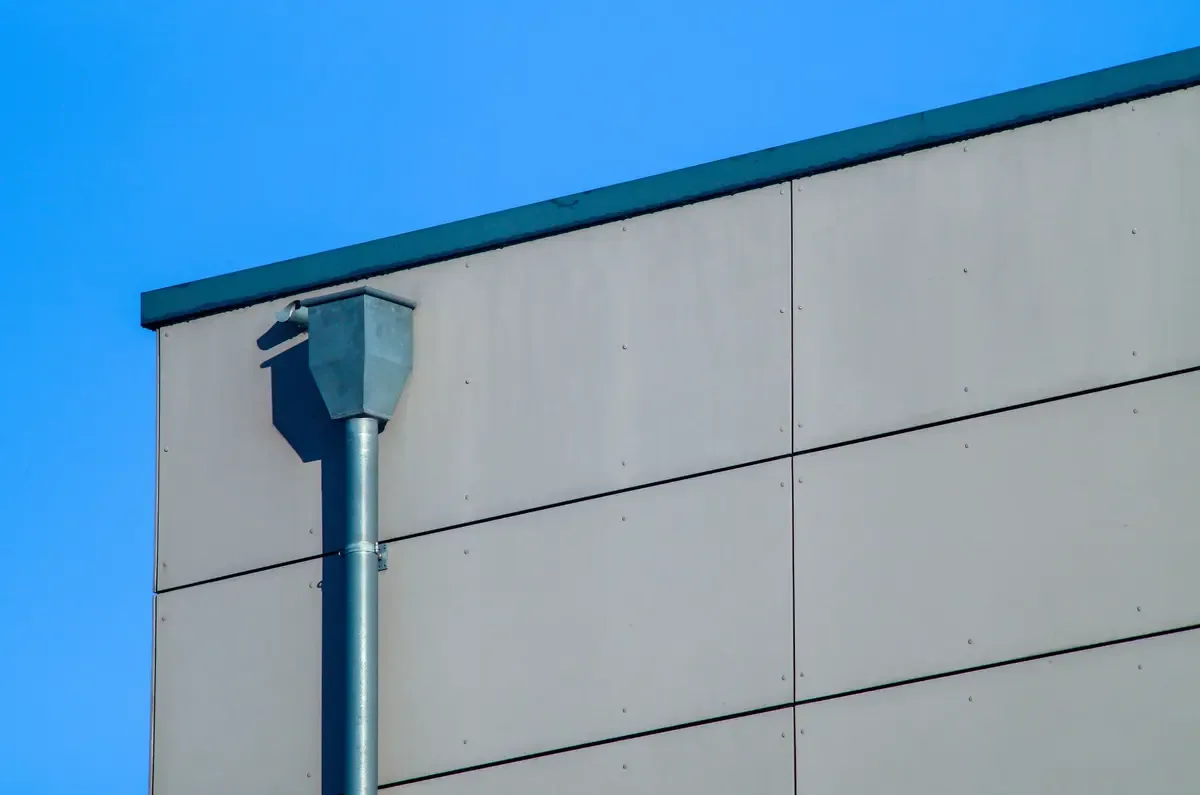
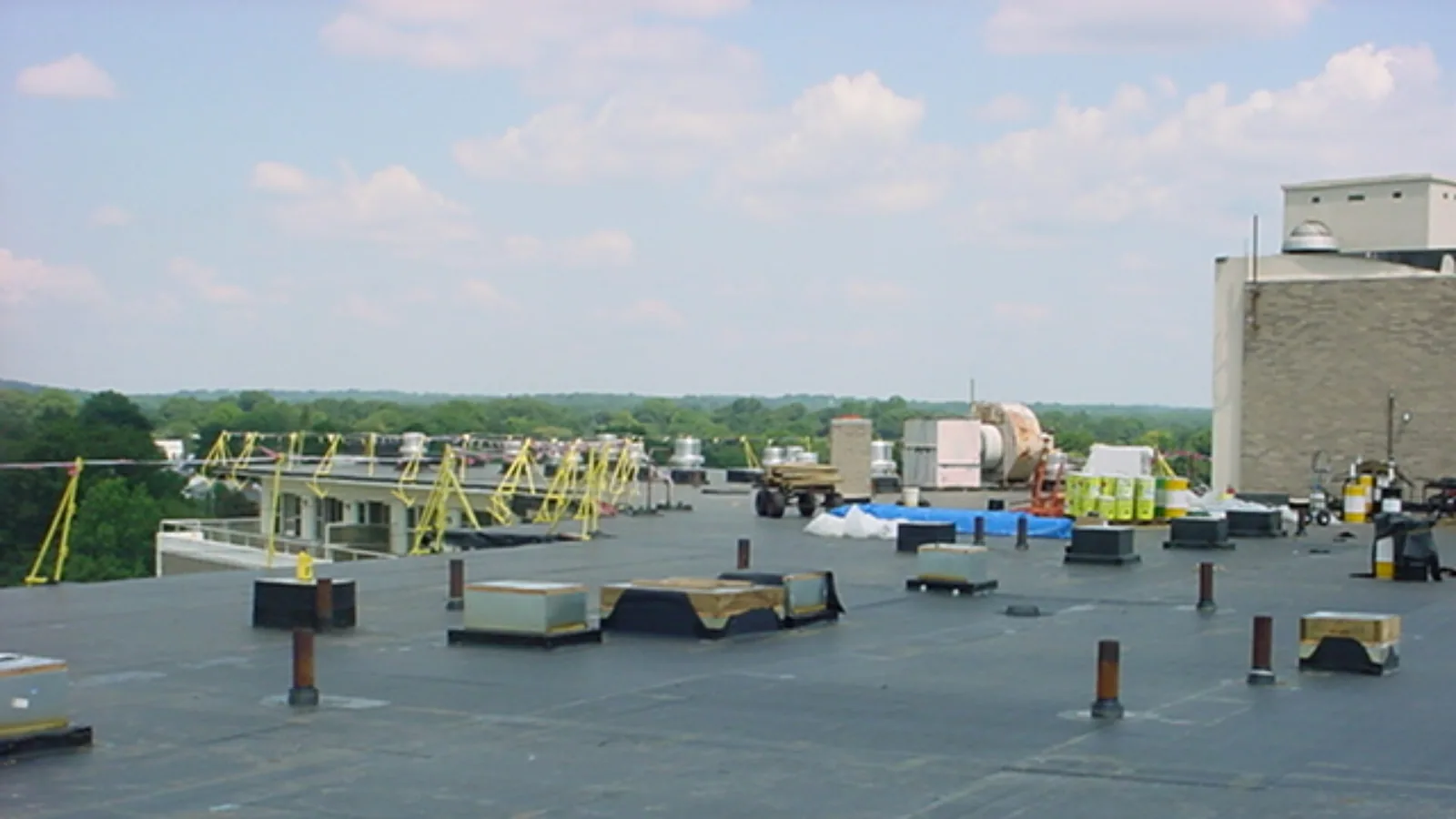
At each drain, we check the strainer or dome, bowl, clamping ring, membrane connection and visible leader conditions. Loose fasteners, damaged components, debris and failed seals can slow drainage or admit water. At scuppers, we inspect the opening, metal sleeve, flashing and exterior discharge path. If the outlet is clear but water remains, the issue may begin farther uphill. We map low areas and look for blocked paths, raised seams, added equipment or changes in roof elevation.
We ask whether ponding appears after every rain, only during heavy downpours, or after nearby work. Photos taken at different times can help show whether water drains slowly or remains trapped. A single dry-day visit cannot confirm how the roof performs under every storm. The report states what was observed and recommends a return after rain or a separate level and slope review if the decision depends on water movement that could not be seen.
Clear Debris Without Hiding a Defect
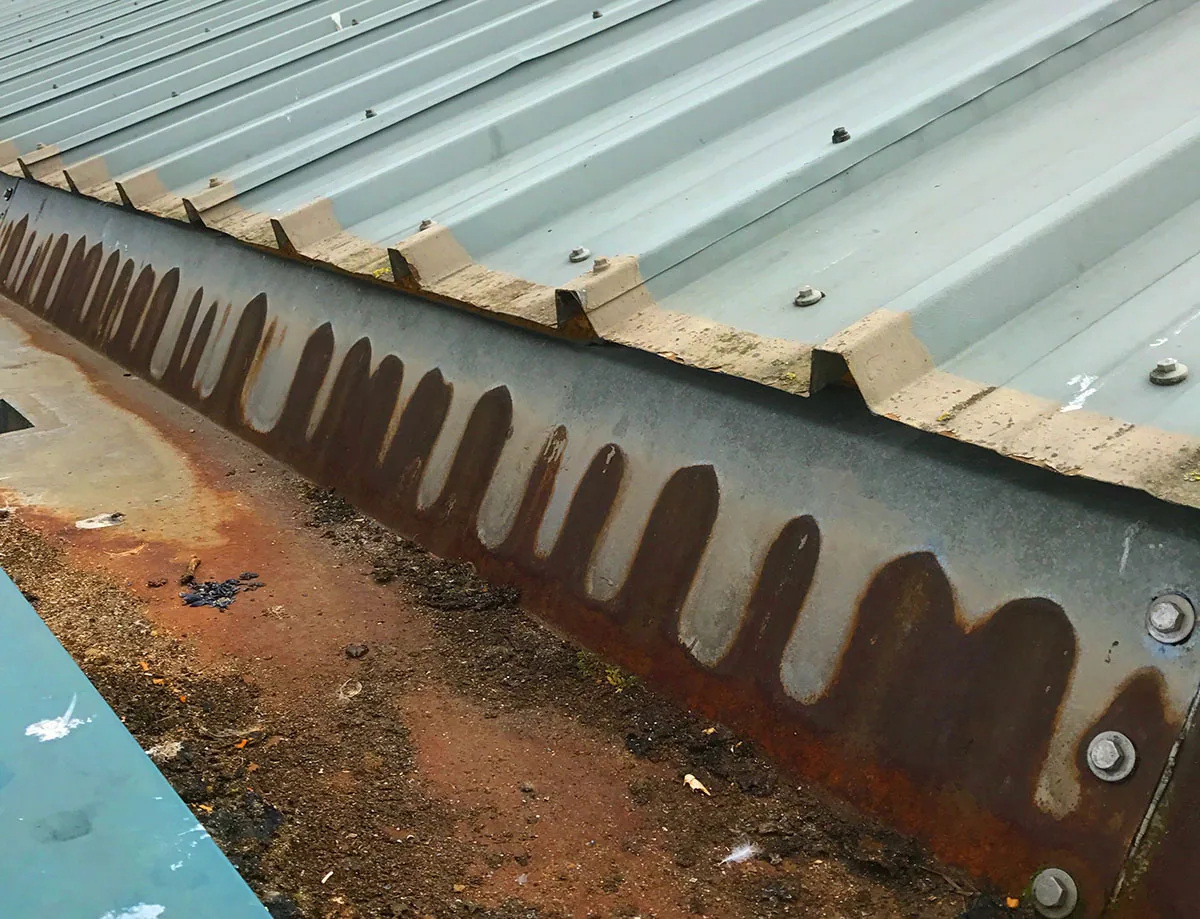
Accessible leaves, sediment and loose material can be removed so outlets work as intended. We avoid forcing debris into a drain line or moving ballast and surface protection without authorization. Once the outlet is clear, we check the bowl connection and nearby membrane for damage. If water remains, cleaning is not the complete repair. The owner may need to address a crushed leader, an undersized outlet, inadequate slope or a low area in the deck.
Clogged drainage can become urgent during a heavy rain event. Standing water adds load, keeps details wet and can find a path through seams or flashing. We note whether overflow paths remain open and whether water can discharge away from entrances and loading areas. A maintenance visit can keep accessible drains clear, while a recurring ponding pattern needs a repair scope that addresses the reason water does not move.
Correct the Low Area Instead of Repeating the Call
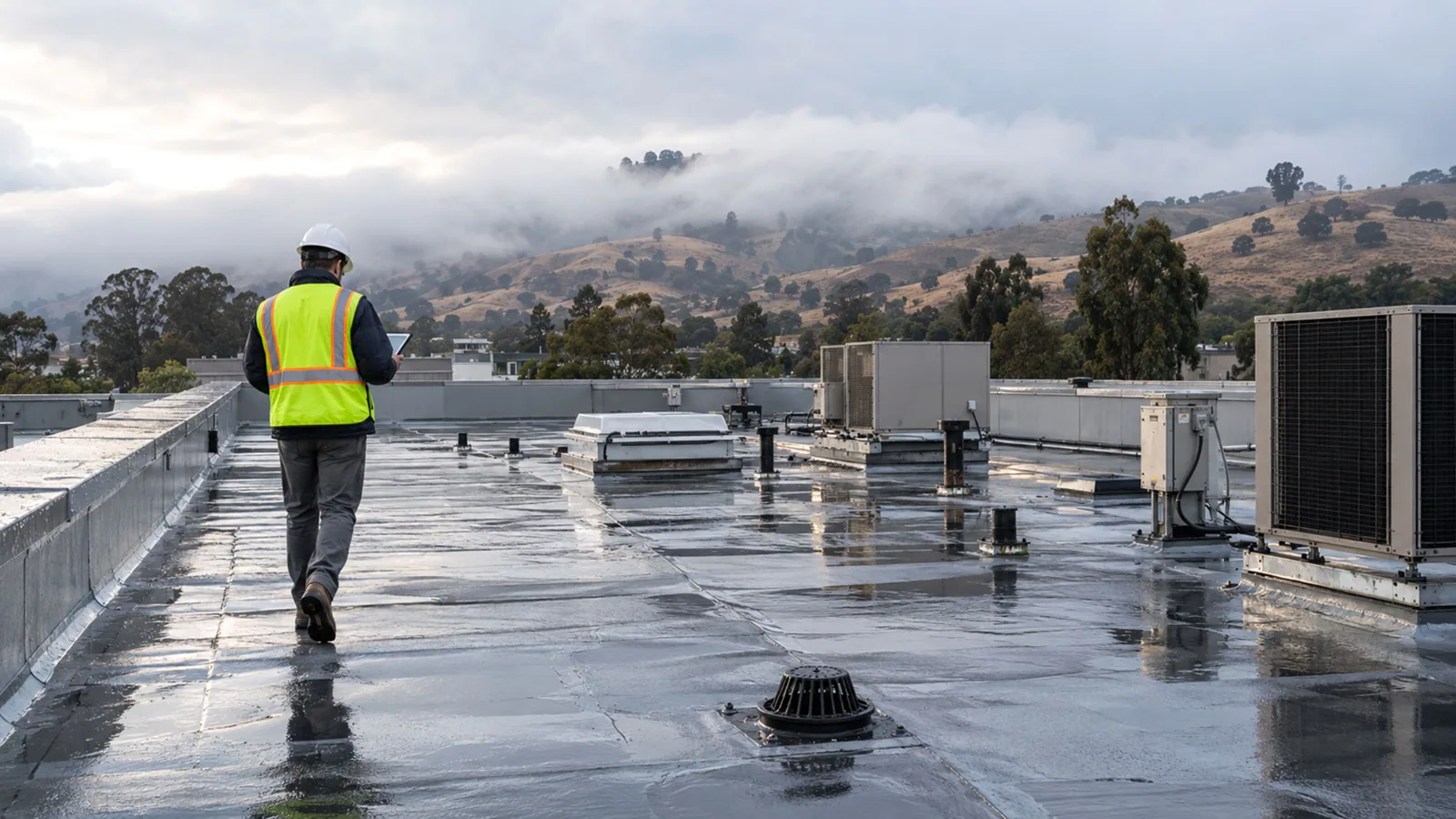
If a roof consistently holds water, the next step depends on the geometry and the assembly. We can evaluate tapered insulation, crickets, drain relocation or a local correction when the structure and system support that work. The scope may require design input or selective opening to understand how the deck and existing layers are built. We do not promise that a thin surface patch will change roof slope; any correction should establish a real path toward an outlet.
Drain work also needs to preserve flashing height and transition integrity. Raising a drain or adding tapered material changes elevations around curbs, walls and doors. We identify those tie-ins before pricing so a correction does not leave too little flashing or create a trip and access issue. If wet insulation or a leak is part of the problem, leak repair or moisture testing can be scoped with drainage work when the findings support it.
Plan Drainage Checks for Richardson Rain and Heat
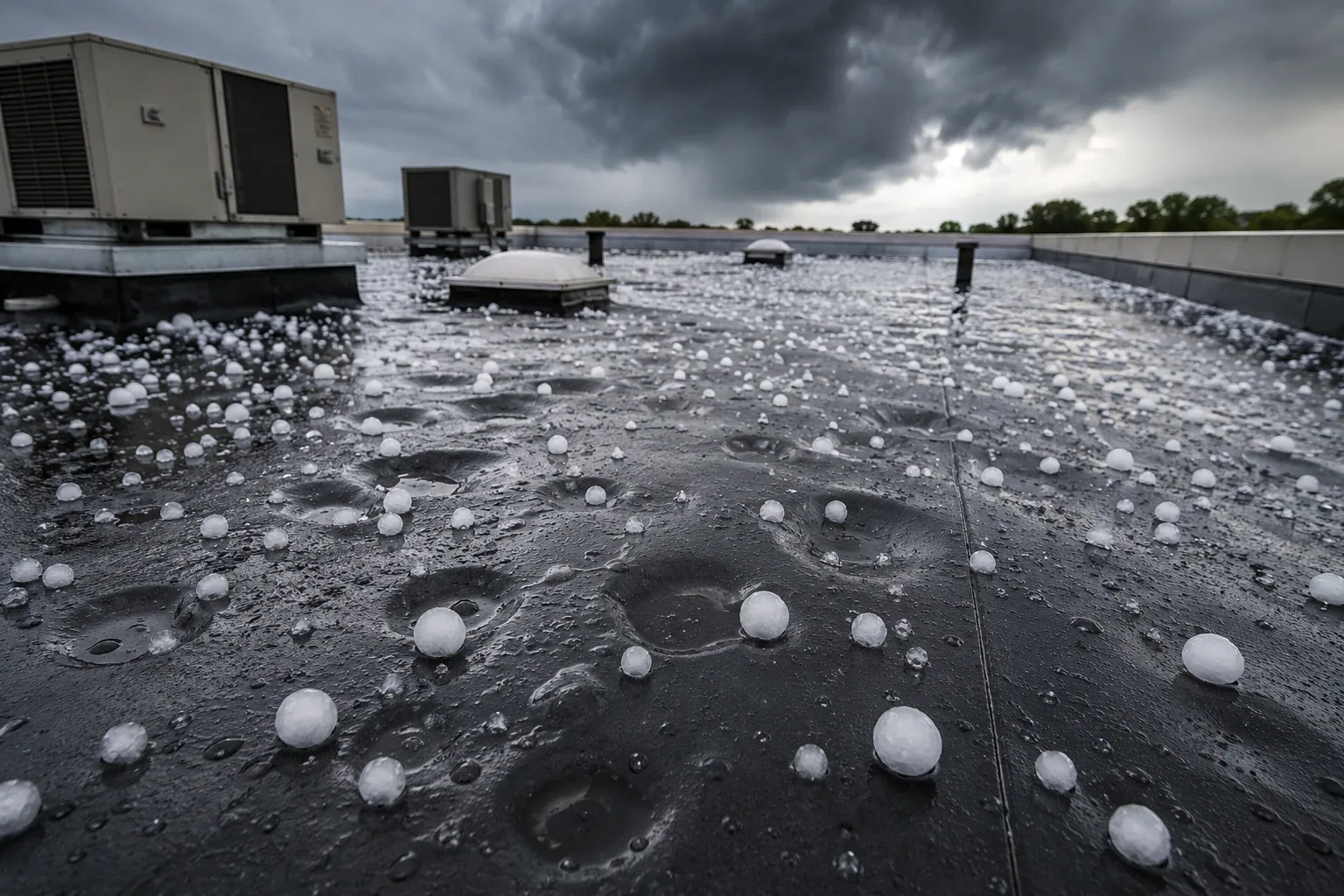
DFW storms can produce intense rainfall as well as hail and wind. Spring is the area's most active severe-thunderstorm period; summer heat also accelerates drying at the surface while water can remain trapped in a low area. Drainage details should be checked before wet weather exposes a slow outlet. We look for open seams around bowls and scuppers, secure strainers and a clear overflow route. Weather history is context, not a substitute for measuring the roof's actual fall.
Richardson's commercial districts vary in how roof runoff reaches the ground. CityLine includes connected retail, residential and office buildings; a property near Richardson Chinatown may have different site drainage, loading and pedestrian constraints. Those area differences affect where water can discharge and how crews access the roof, but the building's design controls the actual drainage plan. We coordinate any work near entrances, sidewalks or service areas and confirm where temporary runoff will go.
Define What Is Included Before Work Begins
A clear proposal says which drains or scuppers will be serviced, how much debris removal is included, what components will be replaced, and whether slope correction or leader work is separate. It identifies access, protection, disposal and any interior ceiling or finish work that is outside the roofing scope. If a drain line cannot be evaluated from the roof, we state that limitation and recommend the appropriate plumbing or drainage review.
Where quantities depend on the roof layout, we map outlets by zone and note the conditions that could alter the scope. For a larger facility, this helps ownership decide whether to address one problem area or group work across buildings. A commercial inspection can review the surrounding roof condition; edge and gutter service can address connected runoff details. We document the completed drain and nearby flashing so the next maintenance check has a usable baseline.
Verify Flow and Keep the Record Current
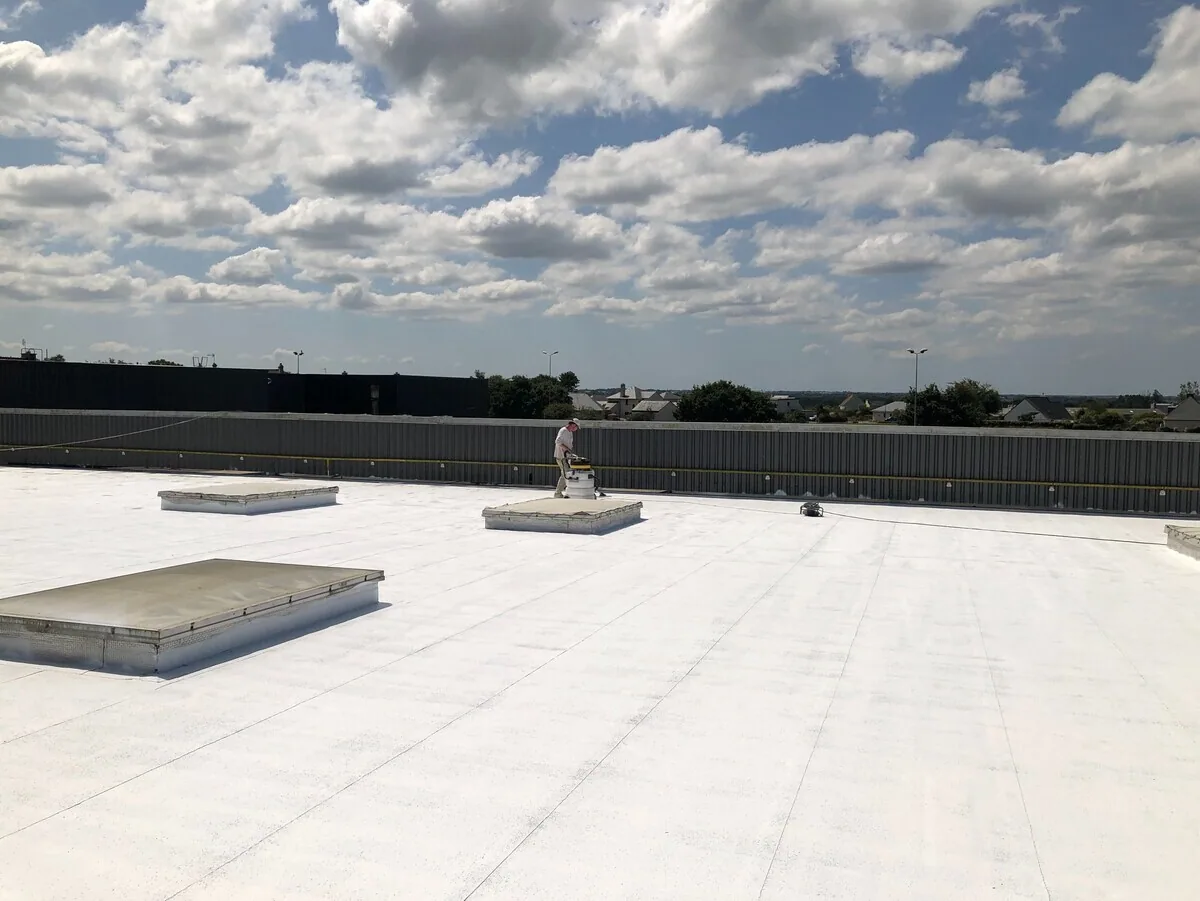
After service, we confirm that the outlet is clear, the visible connection is secure and the roof surface around it remains intact. If the work changes slope, the closeout identifies the correction area and the intended path. Photos should show the drain, adjacent seams and any scupper discharge point. A later rain observation can help verify that water moves as planned; when that check is not part of the initial scope, we state that clearly. The owner can also note how long water remains after ordinary rainfall and report changes in the same roof zone. That observation helps distinguish a recurring low spot from temporary water during a heavy downpour.
Owners can use the record to prioritize future repairs. If the same low area returns, the maintenance log should show what was previously cleared or changed. A condition report can track repeated issues across roof zones, while capital planning can compare a localized correction with replacement timing. Work near the Richardson Chinatown or CityLine Richardson area should still be sequenced around each property's own access and runoff path.
Related Roofing Work
Commercial Roof Maintenance
Commercial Roof Leak Repair
Infrared Roof Moisture Survey
Commercial Roof Inspection
Questions About Commercial Roof Drain and Scupper Service
Does clearing a drain fix ponding on a commercial roof?
It fixes the problem only when debris is blocking an otherwise functional outlet. If water remains after clearing, the roof may have a slope, deflection, outlet capacity or low-area issue that needs separate evaluation.
Can you add crickets or tapered insulation around a drain?
Potentially, after checking roof geometry, assembly, elevations, flashing heights and drainage paths. A slope correction must direct water to the outlet and preserve secure transitions at curbs, walls and equipment.
How do you know whether a scupper is working?
We inspect the opening, sleeve, flashing and discharge path for blockage, separation or damage. Water movement can also depend on the roof's slope and how runoff reaches the scupper, so a clear opening alone may not resolve ponding.
Should roof drains be included in scheduled maintenance?
Yes. Accessible outlets and overflow paths should be checked and cleared as part of an appropriate maintenance plan. The interval depends on debris exposure, roof design and past drainage issues.
Will you inspect the interior after repairing a drain leak?
We can coordinate with the property contact to review the affected area and document visible interior conditions. Ceiling repair or plumbing work may require separate trades and a distinct scope.
Find the Cause of Standing Water
Tell us where water collects, how long it remains and whether a leak has appeared. We will inspect the drain path and define whether the scope calls for clearing, repair or slope correction.