
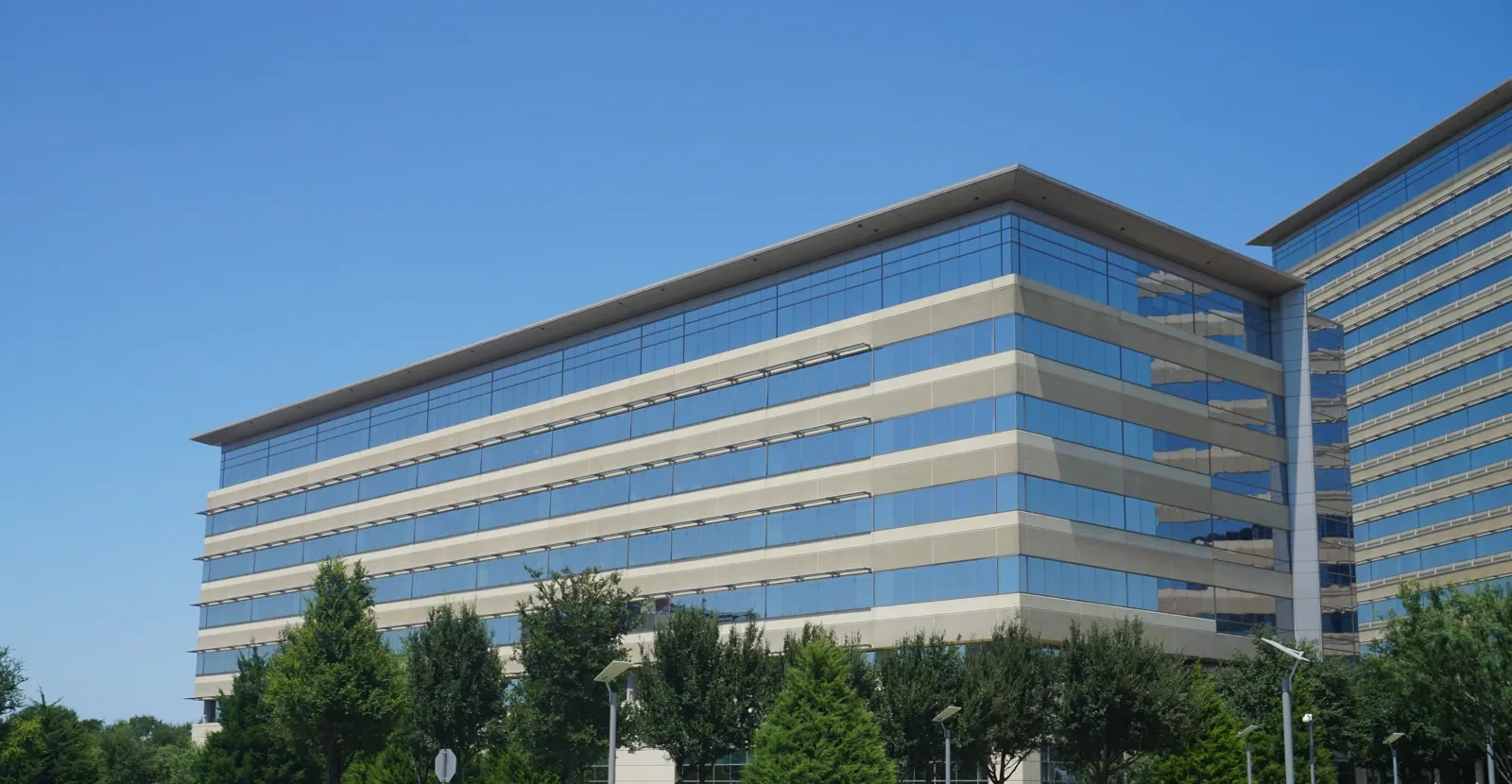
After a storm, visible debris is only one part of the roof assessment. Hail may bruise a membrane or damage metal without creating an obvious opening; wind can loosen edges and flashing; heavy rain can expose blocked drainage or an older seam. We inspect commercial roofs in Richardson, TX to document observable impact, protect active leaks and separate storm-related conditions from existing wear where evidence allows. The owner receives a repair plan that distinguishes urgent water control, permanent work and areas that need additional testing.
Request a Roof Assessment
All fields are required.
Storm Damage Roof Repair in Richardson, TX
Document Storm Damage and Set Repair Priorities
Build a Clear Record of What Happened
We start with the event window, reported leak times, wind direction if known, and the building areas affected. Interior photos and maintenance history help compare new conditions with prior issues. We confirm roof access, occupant concerns and any equipment or contents at risk. If water is active, interior protection and safe access take priority; the permanent assessment can follow when conditions allow a careful inspection.
Richardson and nearby DFW communities have experienced damaging spring storms. The region's severe-weather season includes hail and high winds, and the October 2019 tornado outbreak affected portions of North Texas. We document the roof evidence we can observe, note any access limits and identify where concealed impact may require a closer review. The date, event report and roof condition record can help the owner distinguish current work from a future maintenance item.
Inspect the Details Most Exposed to Wind and Hail
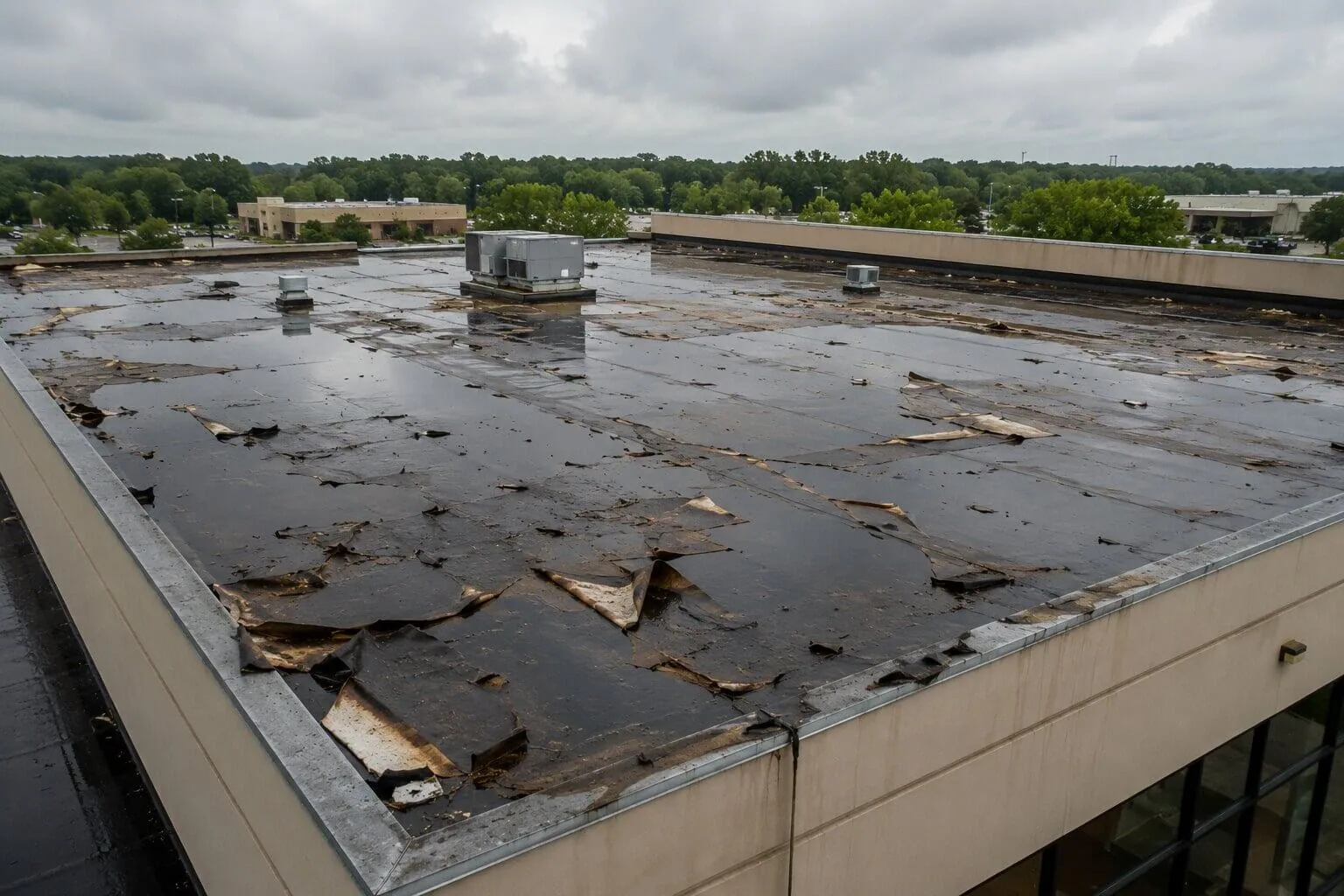
We look for displaced edge metal, lifted flashing, open seams, punctures, crushed or split pipe boots, damaged skylight curbs, loose equipment transitions and debris impact. We inspect the membrane around any visible strike or tear rather than pricing only the point that looks damaged. At metal roofs, denting alone does not prove loss of function; fasteners, laps, panel seams and attachment need review. On single-ply systems, impact may leave a mark without breaching the surface, so the report identifies what is visible and what needs further testing.
Drainage can complicate a storm claim. Leaves and roof debris may block outlets after heavy weather, while standing water can reveal a slope or drain issue that existed before the event. We check strainers, scuppers, overflow paths and nearby seams. If water has entered, we map the interior location to plausible roof paths and inspect uphill details. A drainage review or leak tracing visit can be added when the evidence points beyond a single impact area.
Control Active Water Before It Spreads
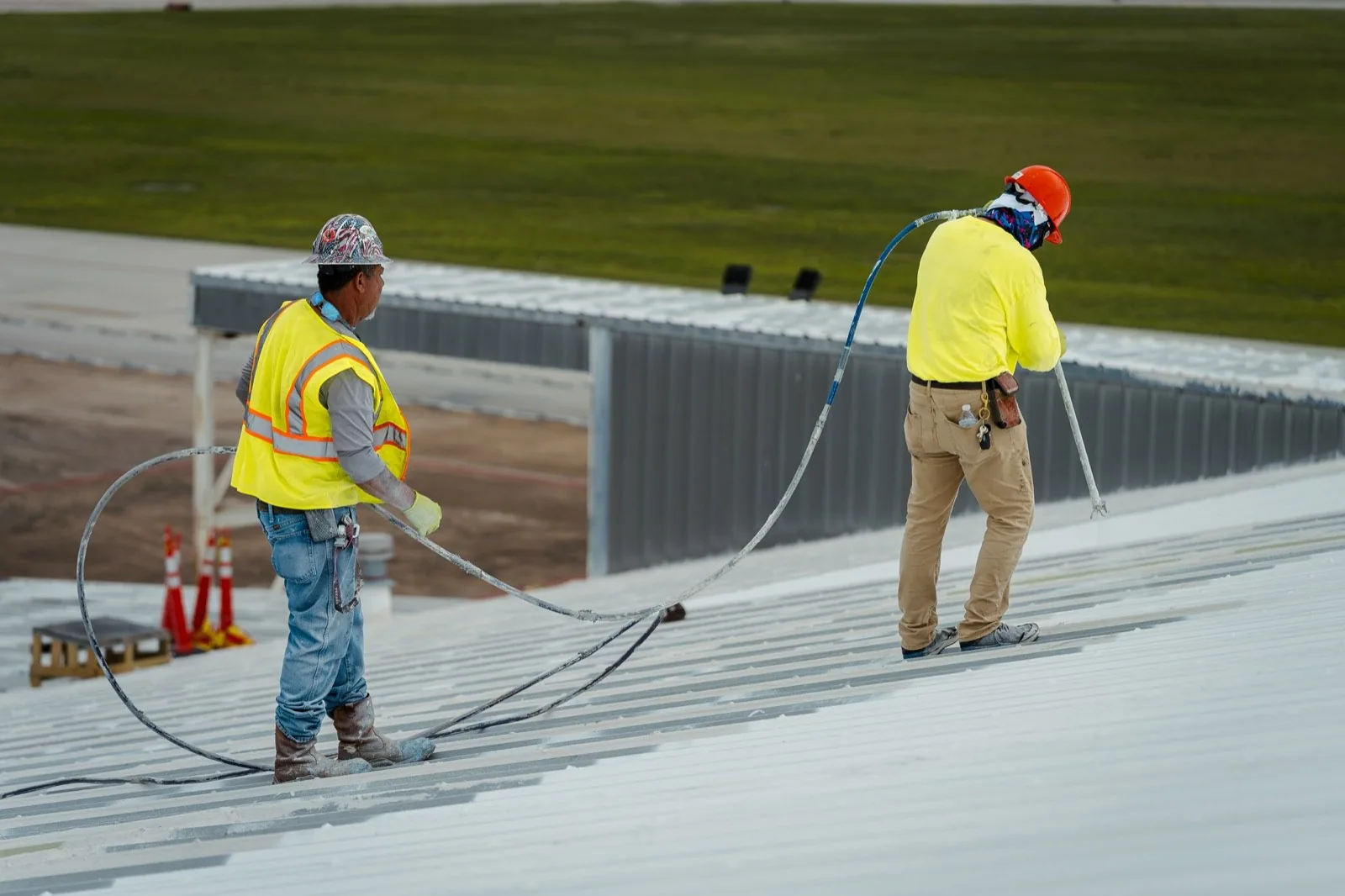
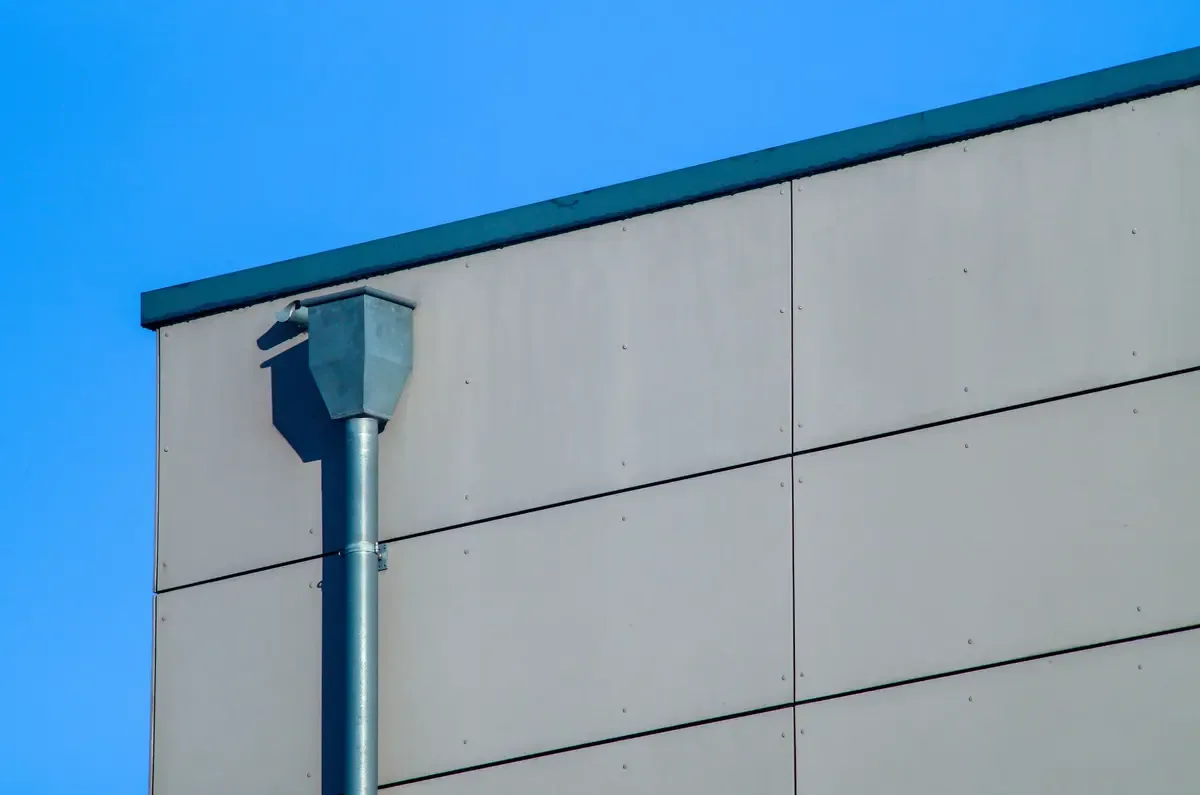
If rain continues to enter, temporary protection can limit additional damage while the permanent repair is scoped. We select a dry-in method that fits the opening, roof type, forecast and safe access. The temporary scope describes the protected area and what could still allow water past it. Interior protection may require the property team to isolate equipment or restrict access below a damaged ceiling. We coordinate those actions with the site contact and avoid roof work when wind, lightning or surface conditions make access unsafe.
Temporary stabilization and final repair should be recorded separately. A tarp or temporary patch can create time for a proper inspection, but does not confirm the condition of insulation or deck. When safe, we photograph the initial condition before work covers it. If a test opening or moisture survey is needed, the owner can decide after reviewing the location and purpose. That sequence protects both the building and the record without delaying urgent steps that are clearly authorized.
Separate New Damage From Existing Roof Needs
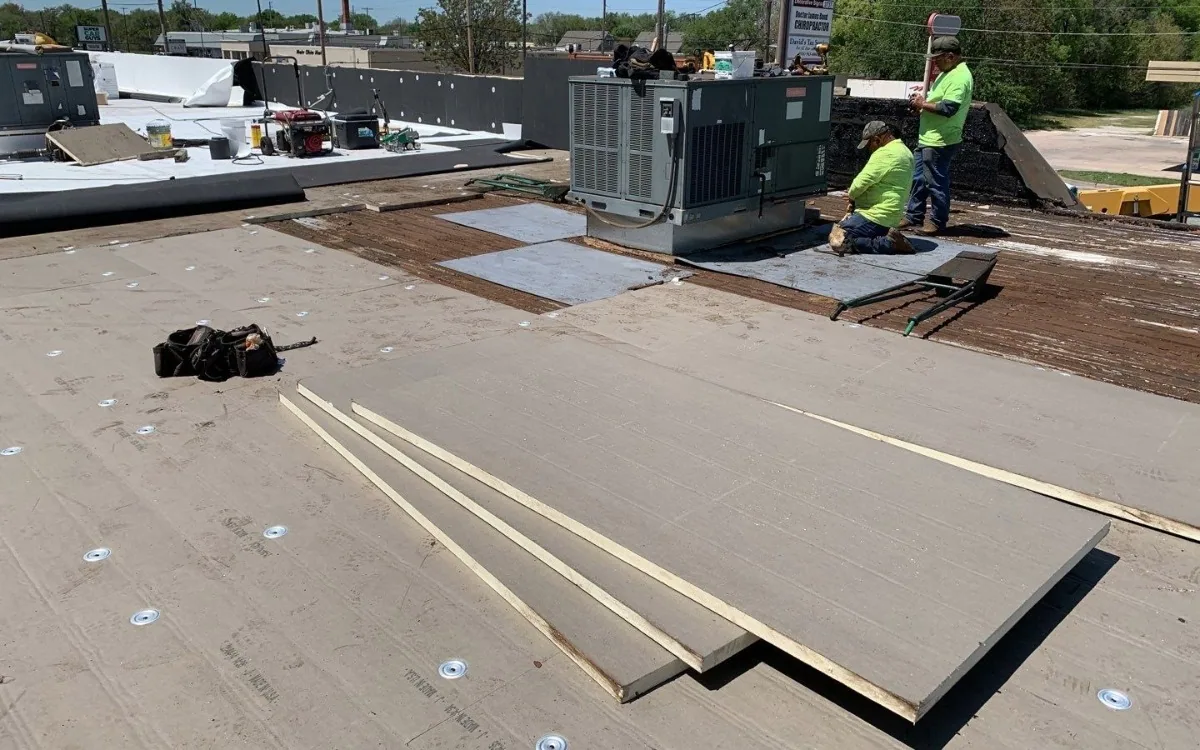
We compare the area with prior photos, patch history and visible aging. A new puncture or displaced cap may be distinct from a long-open seam or deteriorated sealant. Where the timing or cause is uncertain, we say so and describe the evidence rather than assign a cause that cannot be established by inspection. The owner can still receive a useful repair scope even when attribution remains uncertain.
We rank work by risk. Openings that admit water, loose components that could detach and vulnerable areas above critical rooms come first. Surface marks without a visible breach may need monitoring or testing. A broader pattern across roof zones may justify a condition inspection or targeted moisture survey. If the roof is near replacement, we compare repair with an assembly-level option so the owner does not spend on repeated temporary fixes without seeing the alternatives.
Plan Repairs Around Richardson Property Access
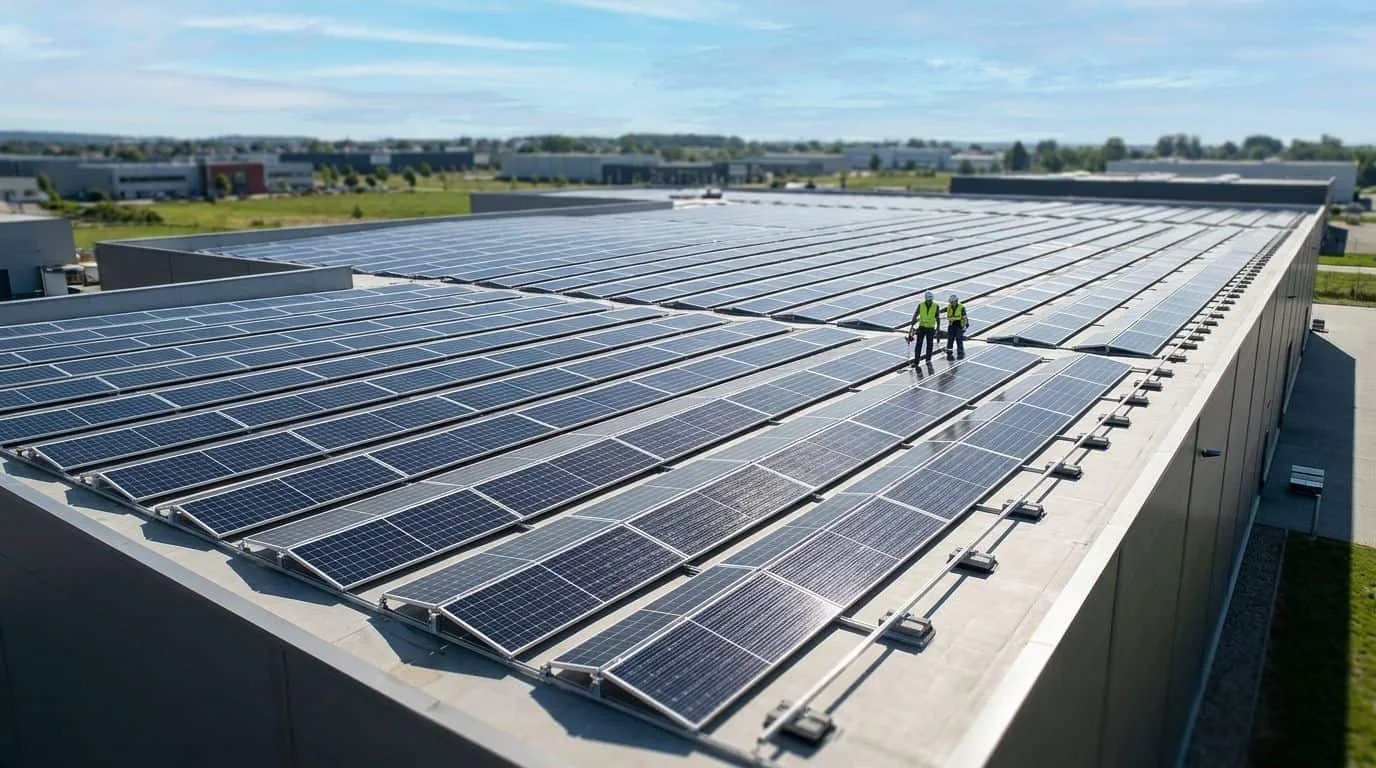
Storm response happens across different operating environments. CityLine West combines residential, retail and office activity, while the West Arapaho Corridor includes neighborhood-serving commercial uses. Roof height, access points, security rules and building occupancy determine how a crew can work. We identify the work area and the sequence before bringing repair materials onto the site.
Weather can change the repair window quickly. DFW's spring pattern brings frequent severe thunderstorms, so we size open work areas to what can be closed safely and plan for a forecast shift. Material cure requirements, wet surfaces and wind exposure affect permanent repairs. If conditions do not support a lasting repair, temporary protection may be the responsible step. We give the owner a return plan and a clear point for approving any work that expands after inspection.
Give Ownership a Repair Scope and Useful Evidence
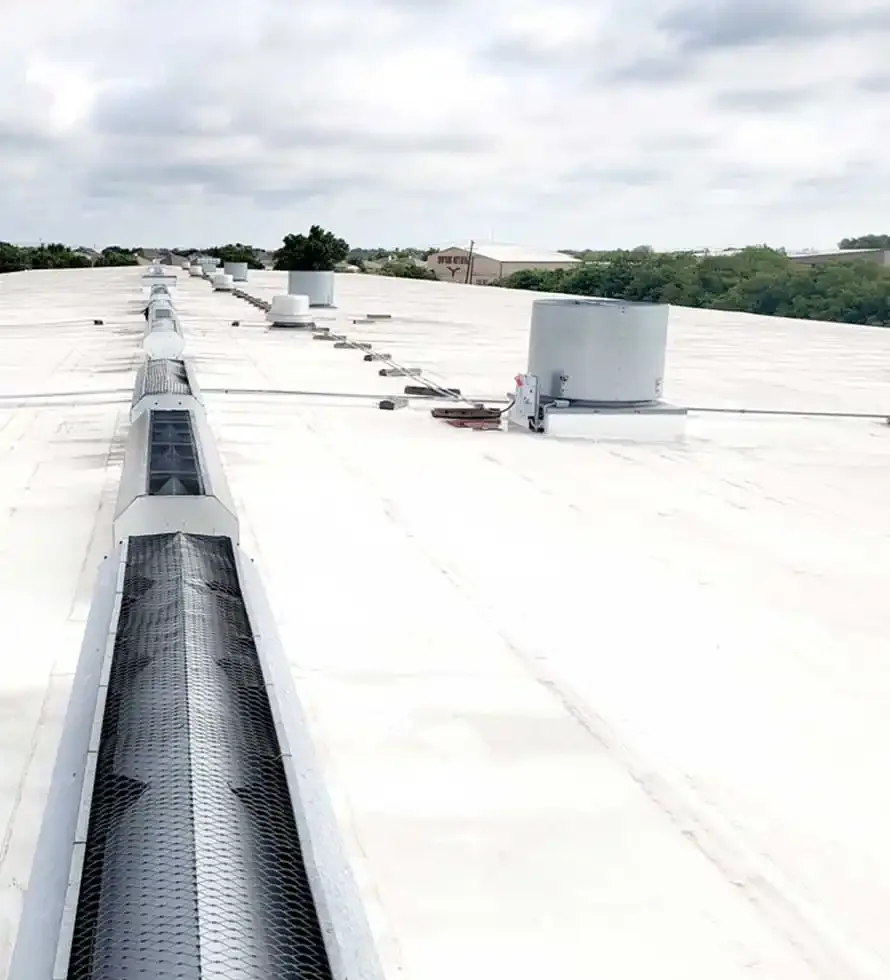
A storm report should identify the roof zone, observed condition, photographs, recommended action, urgency and any limit on access. When repair quantities can be measured, we state them. If a hidden condition could change the scope, we identify the investigation step and approval point. The owner can then share the information with internal stakeholders or an insurer without asking the contractor to make a coverage decision.
For the repair, we list preparation, materials, work boundaries, temporary protection and closeout records. A claim documentation service can organize site notes and repair records when the owner requests help coordinating information. That service supports the owner's process; it does not determine coverage or predict a claim outcome. Future maintenance visits can check exposed details and keep the storm repair record current.
Decide Whether to Repair, Monitor or Replace
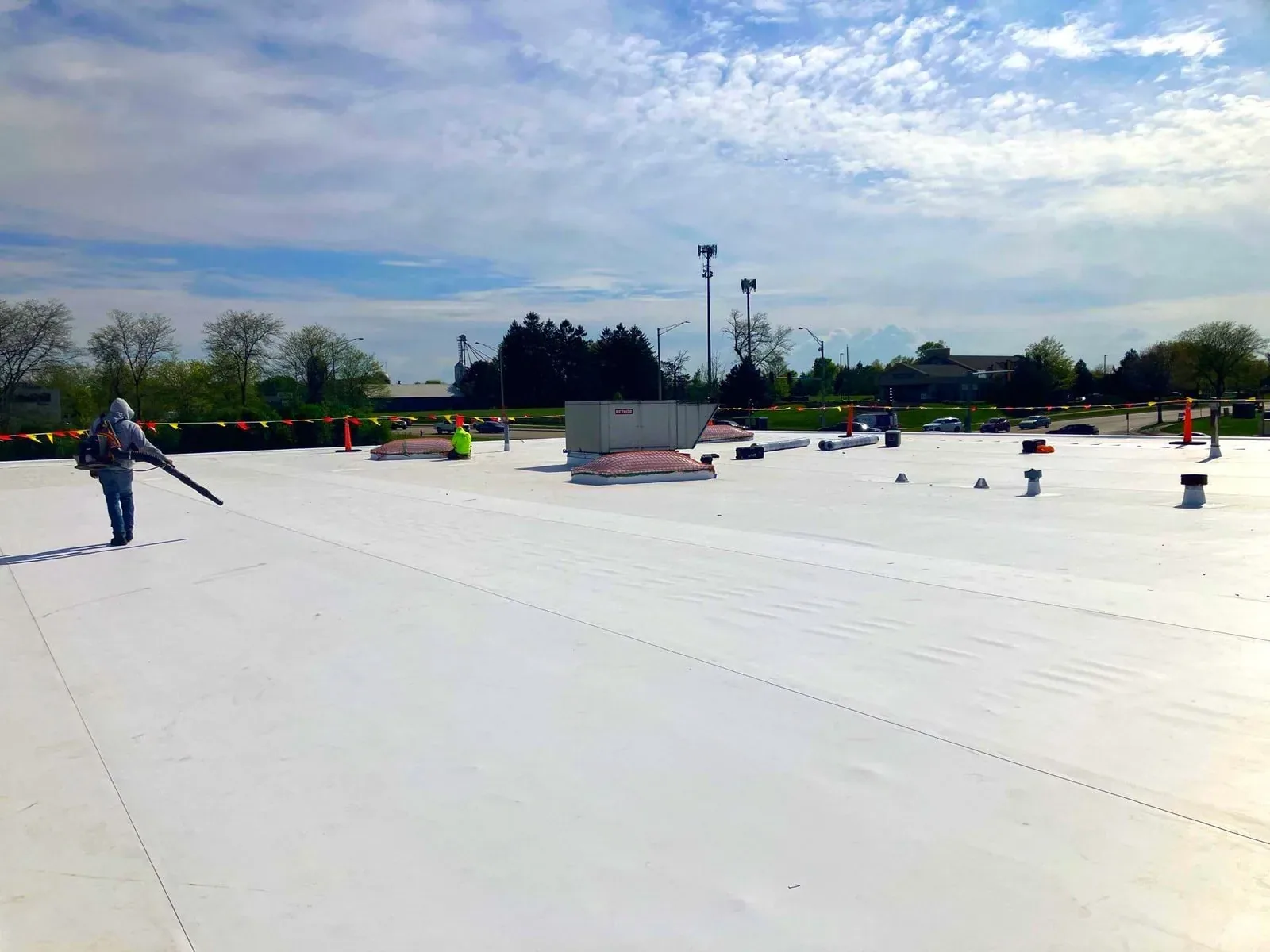
Ownership can decide among permanent repair, targeted testing and broader renewal planning after immediate risk is controlled. One storm-related defect may be straightforward to fix; multiple displaced areas and older repairs can change the economic comparison. We show what is supported by direct observation and where the estimate depends on an assumption. If the roof remains serviceable, a focused repair can protect the building while maintenance tracks aging areas. If failures are widespread, a replacement scope can establish the cost and schedule of a more complete solution.
Our replacement assessment and condition reporting can use the same roof-zone records, making the next budget conversation more specific. For properties near the Galatyn Park Urban Center or Richardson Innovation Quarter, we can coordinate access and tenant impact with the property contact. The final decision belongs to the owner and should reflect the roof's actual condition, operating needs and available budget.
Related Roofing Work
Commercial Roof Drain and Scupper Service
Commercial Roof Leak Repair
Commercial Roof Inspection
Infrared Roof Moisture Survey
Questions About Storm Damage Roof Repair
How soon should I inspect a commercial roof after hail or wind?
If water is active or a component may detach, address safety and protection promptly. Otherwise, schedule an inspection when roof access is safe and the surface can be assessed without creating additional risk. Early photos of visible conditions can help preserve a record.
Can you confirm that every defect came from the latest storm?
Not always. Prior photographs, repair records, event timing and physical evidence can help distinguish new impact from older wear, but some conditions do not have a clear date. We describe the evidence and note uncertainty rather than assign unsupported cause.
Will you tarp or dry in the roof during the first visit?
Temporary protection may be possible when the opening is identifiable, access is safe and conditions allow. We state what area is protected and what limits remain. A permanent repair may need a later visit, testing or dry weather.
Can you tell me whether my insurance claim will be covered?
We can document visible roof conditions and prepare a repair scope or records requested by the owner. Coverage decisions belong to the insurer and policy terms. We do not promise claim approval or act as the coverage decision maker.
What if storm damage is found on an older roof?
We separate urgent storm-related repairs from pre-existing maintenance and broader condition concerns where evidence allows. The owner can compare repair, testing and replacement options before deciding whether the roof remains a practical candidate for continued service.
Document Storm Damage and Set Repair Priorities
Share the event date, affected areas, leak history and access details. We will inspect visible roof conditions, protect active openings where safe and provide a repair scope with clear limits.