
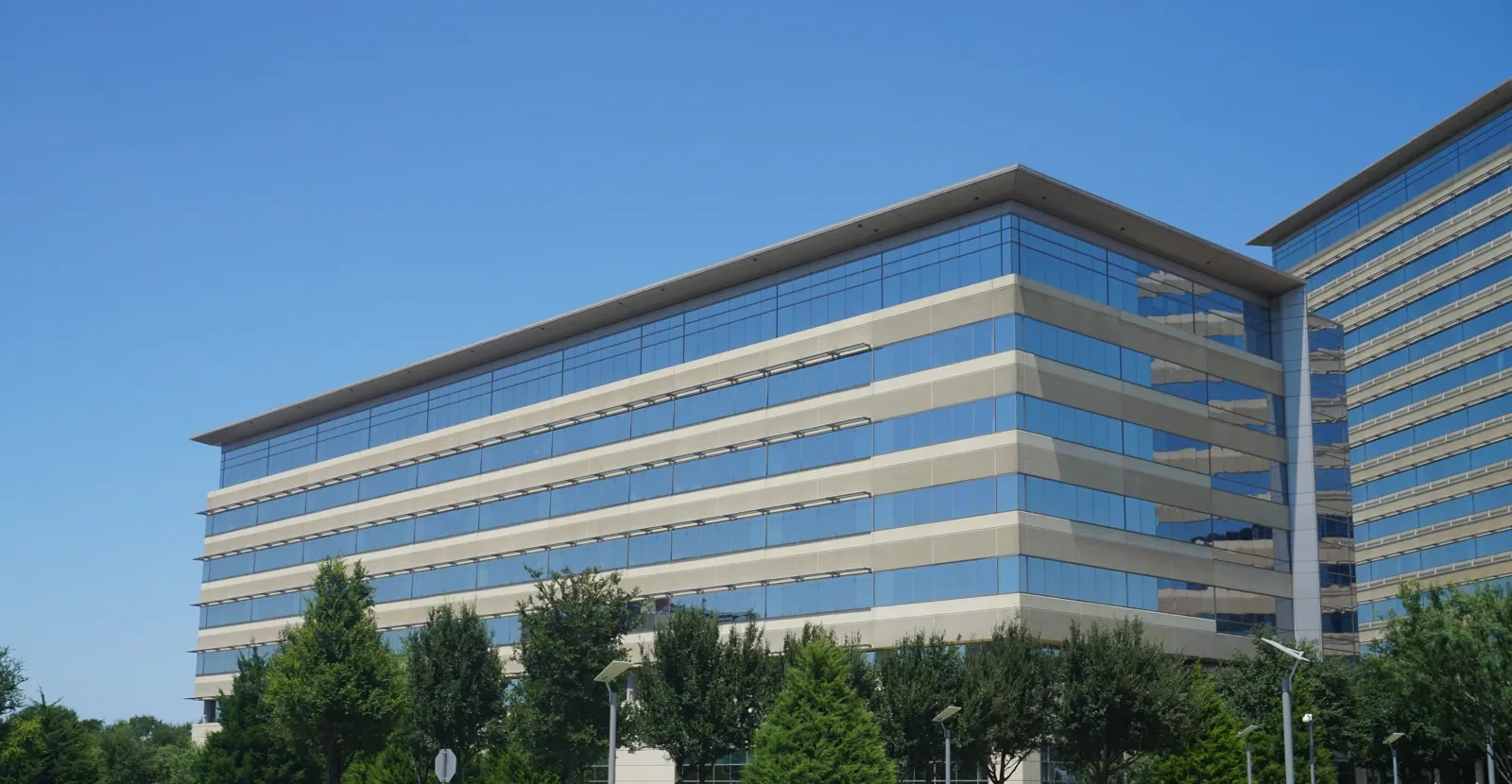
A roof replacement becomes a budget decision before it becomes a construction project. In Richardson, TX, a property manager may be weighing another repair against replacing an aging system while summer heat and spring storms keep testing it. The right scope depends on what is actually under the surface: membrane condition, wet insulation, deck stability, drainage, and edge details. We inspect those conditions first, then map the work to an operating window. That gives ownership a usable comparison: keep repairing, phase replacement, or replace the assembly now.

Request a Roof Assessment
All fields are required.
Commercial Roof Replacement in Richardson, TX
Set the Replacement Decision Date
Start With the Condition That Changes the Budget
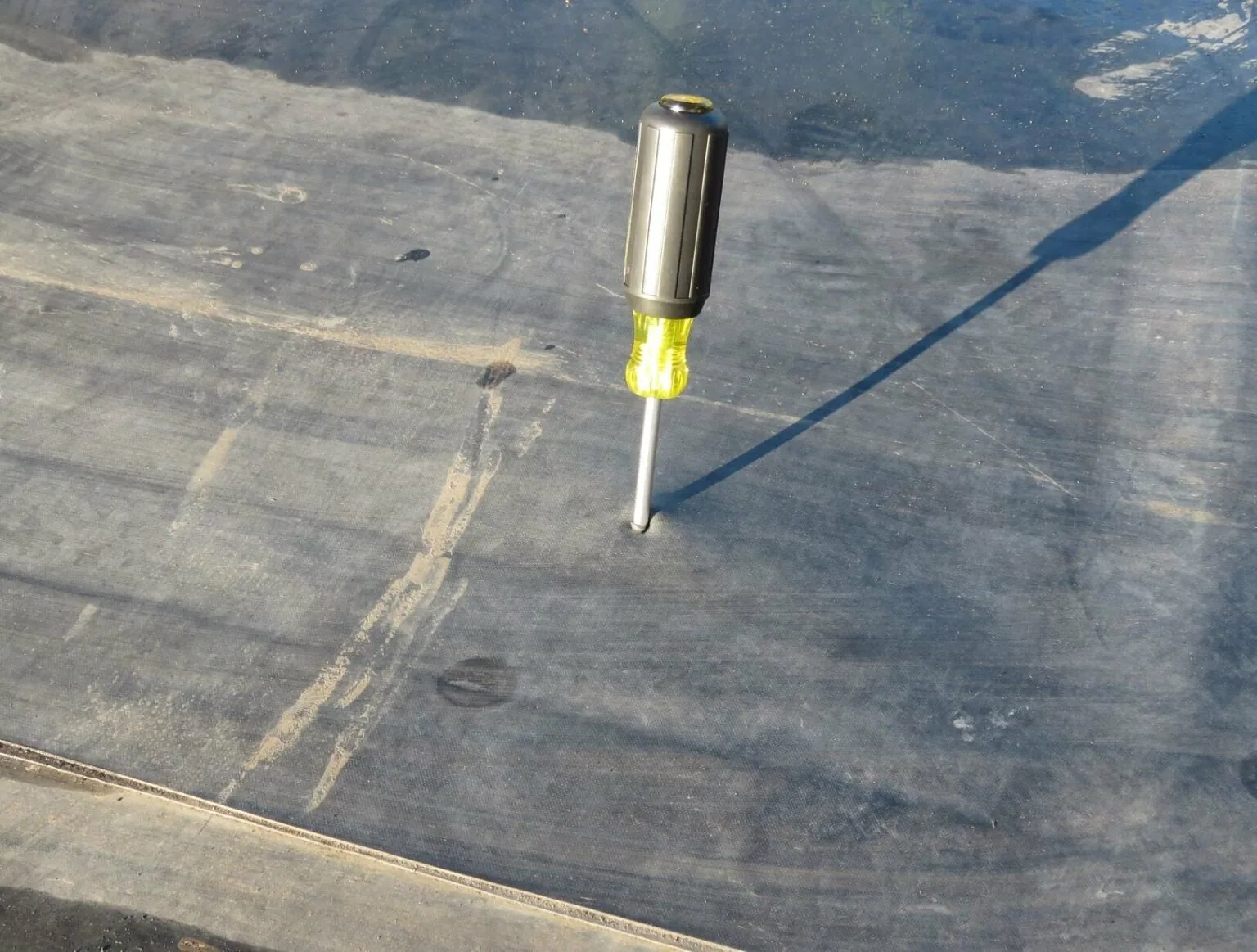
A stained ceiling alone does not establish that the roof needs replacement. Water may travel beneath a membrane before it reaches an interior finish. We trace the leak path, inspect seams and penetrations, and check how water leaves the roof. If damage is local and the surrounding assembly remains sound, a targeted repair may protect the budget. If moisture or failed details extend across several areas, repeated patches can consume funds without resolving the cause.
Richardson’s commercial stock includes established office campuses, technology facilities, healthcare properties, and mixed-use development around CityLine. Those property types put different demands on a schedule. A data or office operation may need a narrow access window; a retail roof may need phased work above active entrances. We note those limits before comparing options. The scope can then separate immediate protection from longer-term replacement, with each cost tied to a specific condition rather than a broad allowance.
Open the Assembly Before Pricing the Tear-Off
The visible membrane is only one layer of the decision. A full replacement may involve removing old membrane, insulation, cover board, vapor-control materials, and deteriorated attachment components before the deck can be evaluated. Core samples or selective openings help determine whether insulation is dry and whether the deck can support the planned assembly. If the existing layers are dry and firmly attached, a recover may be considered separately. If trapped moisture or weak attachment appears, covering it can leave the owner paying for the same failure twice.
We mark roof sections that need repair, replacement, or more investigation. At edges, we check terminations and metal condition. Around rooftop equipment, we look for flashing integrity, service clearances, and signs that trades have disturbed the membrane. Drains and scuppers receive attention because a replacement roof still needs a clear drainage path. We keep findings separated by roof zone before setting a sequence.
Choose the Assembly for the Building
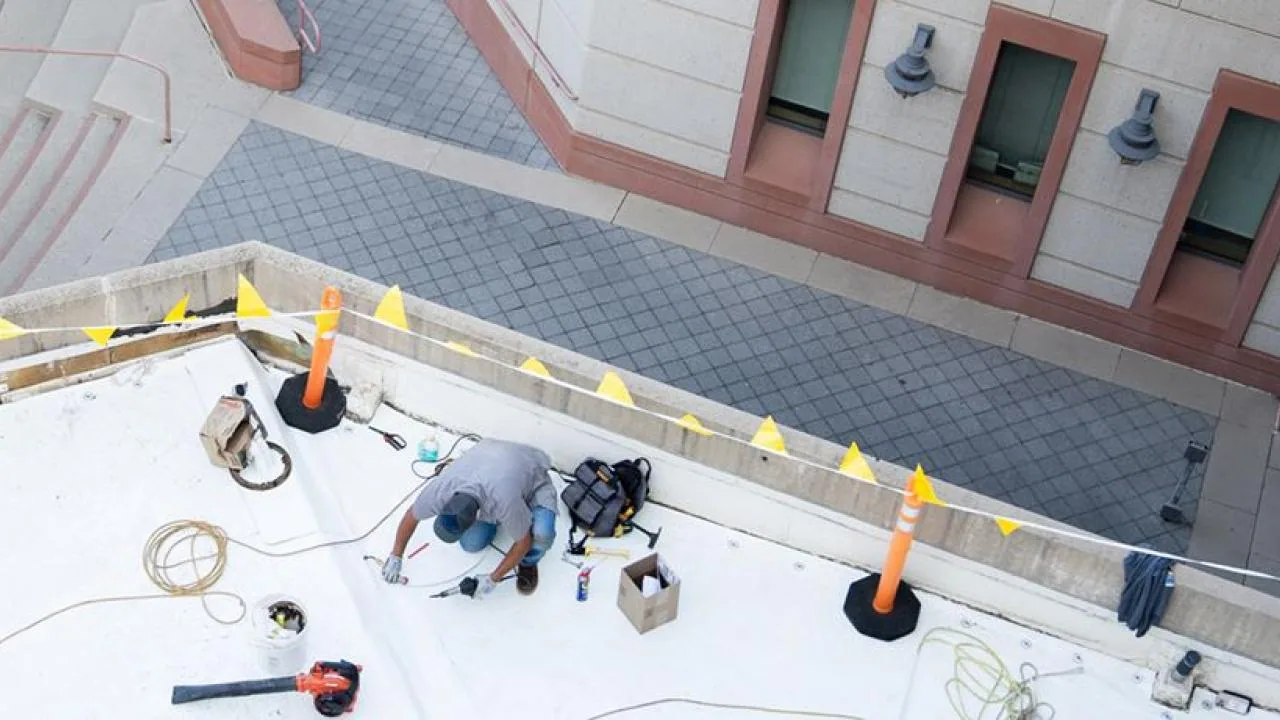
System selection follows the deck, slope, insulation plan, attachment needs, and how the roof is used. A single-ply membrane may suit a broad low-slope area. Modified bitumen or built-up roofing may fit a different existing assembly or detail condition. Metal roofs call for a separate review of seams, fasteners, panel movement, and transitions. We explain the tradeoffs in access, detailing, repairability, and expected maintenance without treating one material as the answer for every property.
Heat exposure matters when planning insulation and reflective surfaces, but it does not replace an assembly review. In July and August, Dallas-Fort Worth average daily highs reach about 96 degrees. That local heat makes material movement, seam condition, and rooftop work windows relevant to the scope. A new system still must match the actual structure and code requirements. A replacement changes the roof assembly, so attachment, insulation and energy details need to be checked against current city requirements. We flag permit and design questions during planning, then confirm project-specific details with ownership and the design team.
Plan for the Open-Roof Window
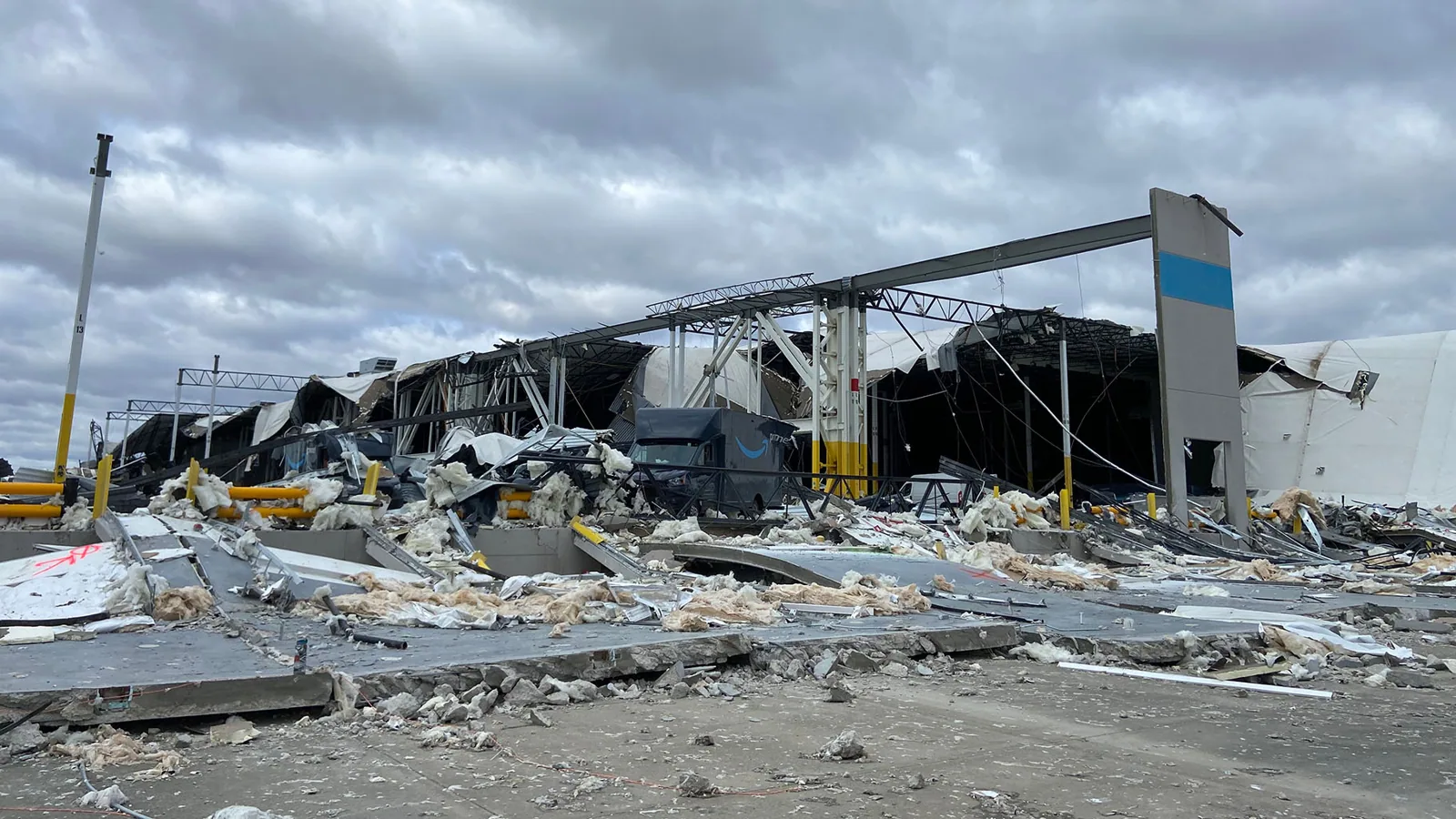
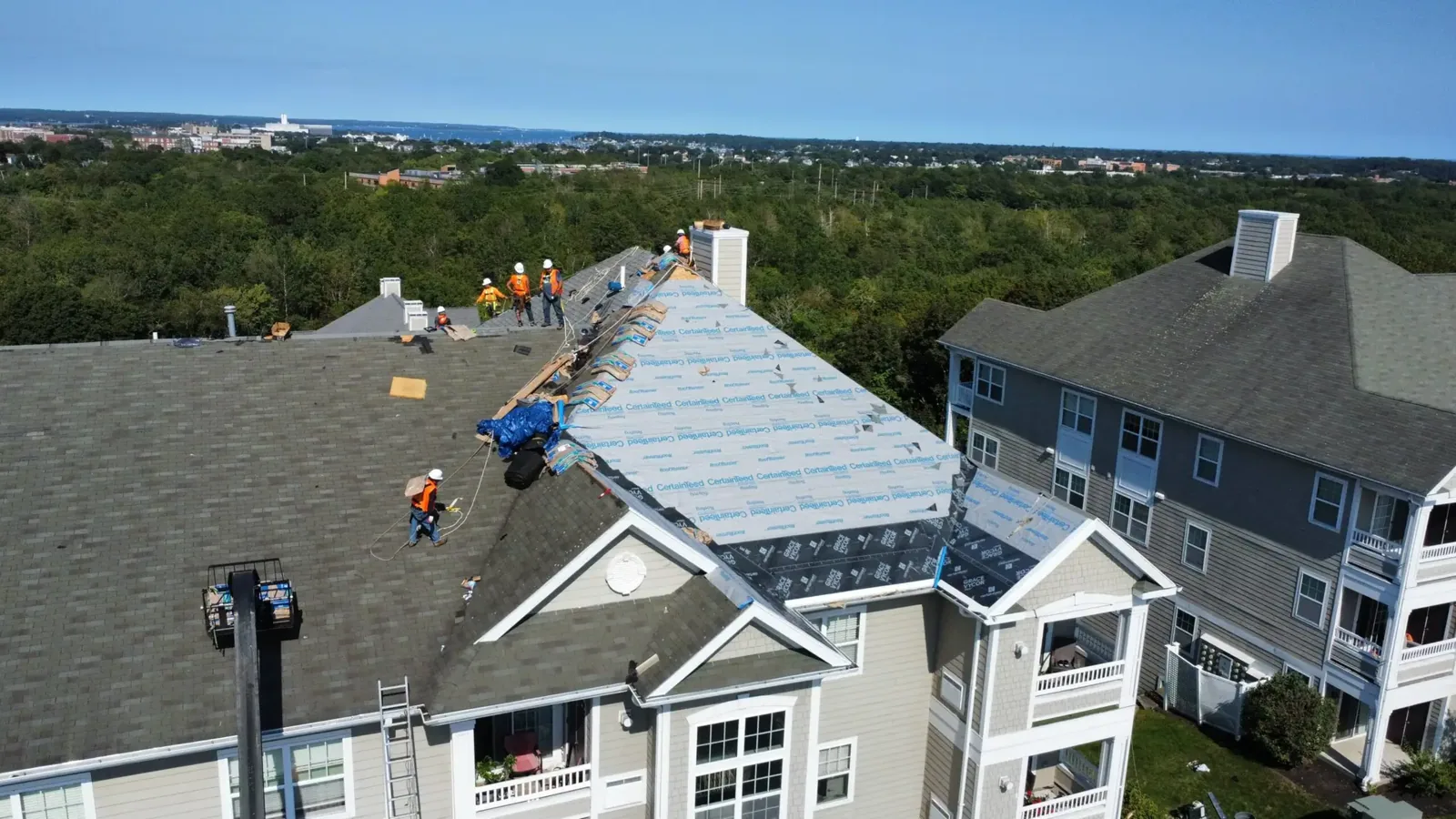
Tear-off exposes the building until the new assembly is secured. We phase work so crews remove only the area that can be made watertight within the planned shift. Forecasts, wind, rain, material staging, and roof access all affect that daily boundary. Spring is the DFW region's peak season for severe thunderstorms, with hail and damaging winds among the hazards. We set contingency steps for a changing forecast instead of leaving a large area open and hoping the schedule holds.
Before work begins, the sequence identifies where materials will be staged, how debris will leave the property, which entrances or mechanical areas need protection, and how tenants will be notified. We coordinate those choices with the property contact. If a hidden deck or insulation condition changes the scope, work pauses at a defined boundary while we document the condition and price the added work separately. Owners planning a specific mixed-use roof can compare access considerations for the CityLine district with the needs of their own site.
Compare Phased Replacement and Full Replacement
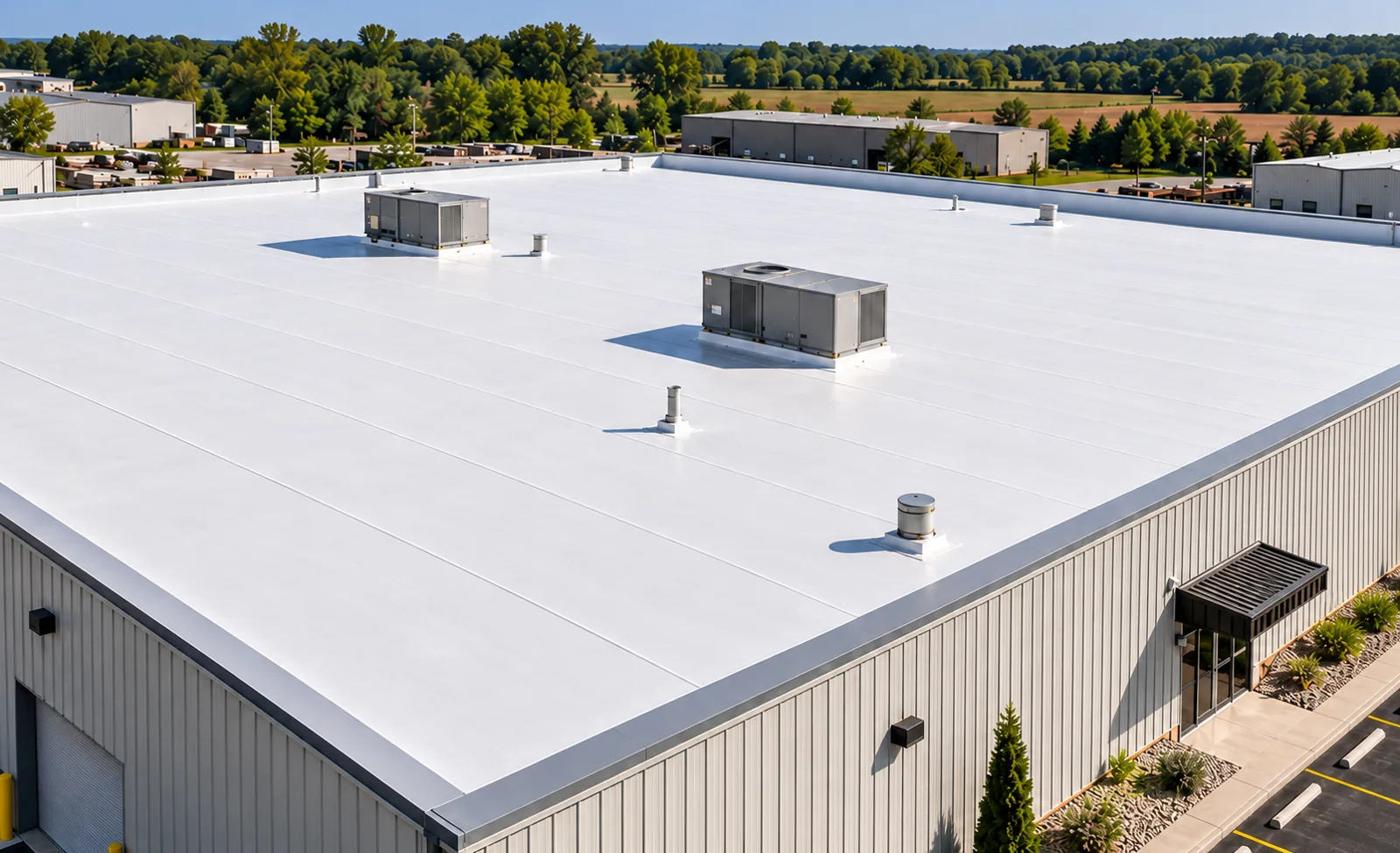
A phased project can spread capital spending and reduce the area affected at one time. It also means transitions between old and new sections need careful design, and the remaining roof continues to age while the next phase waits. A full replacement may consolidate mobilization and restore the assembly across the building, but it asks for a larger near-term commitment and a broader access plan. The comparison should include repair history, moisture findings, remaining serviceable areas, business interruption, and the owner's budget year.
We lay out those options in separate scopes. Each describes the work area, removal limits, deck assumptions, insulation plan, drainage details, protection measures, and items that could alter cost after opening. That format helps ownership compare like with like. The same assessment can inform a recover where the existing roof qualifies, targeted repair work, or a multi-year capital plan. No option is selected until the condition and the operating need line up.
Protect Operations Through the Sequence
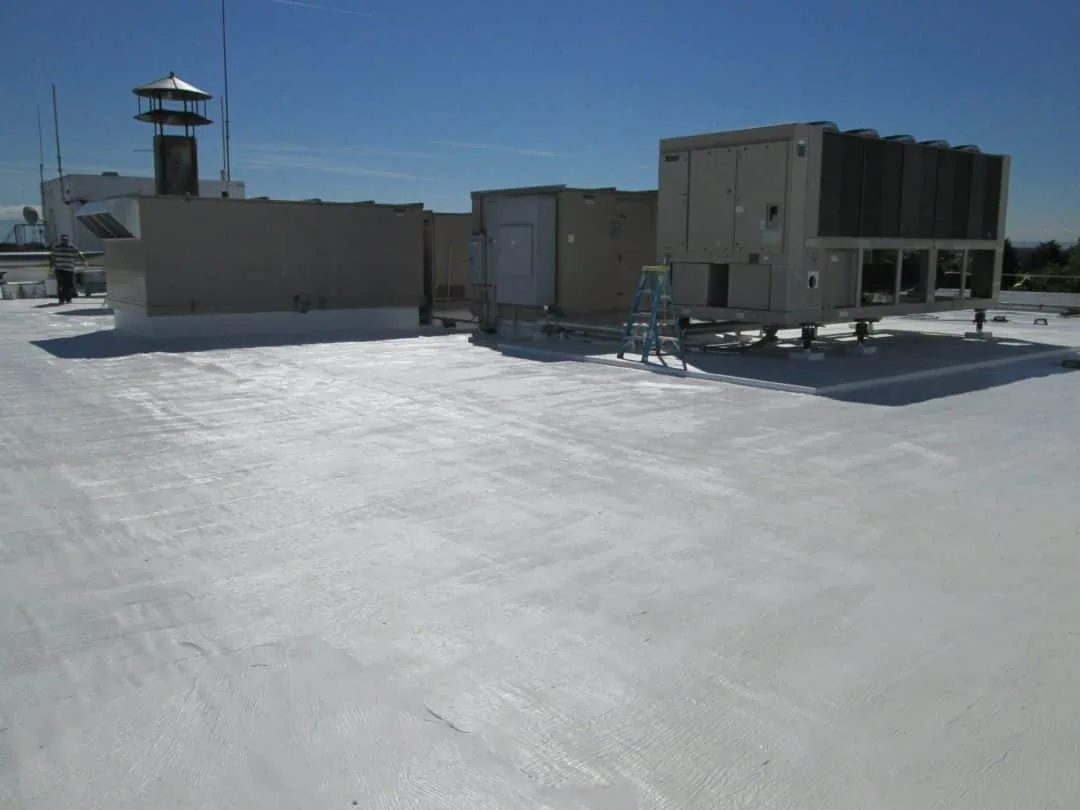
Replacement work can often proceed in sections while a building remains in service, but access and protection need to be planned property by property. We identify sensitive spaces, active equipment, tenant access, loading activity, and hours when noise or vibration would create a problem. Lakeside is a Richardson office campus along US 75 at Lakeside Boulevard. For that or another property, the site contact confirms access limits before we set the order of roof zones. For a smaller commercial building, a short off-hours window may be enough to complete a critical tie-in. We confirm the limits with the site contact rather than promise a schedule before the roof is reviewed.
After installation, closeout should leave the owner with a clear record of completed areas, drainage details, equipment transitions, and maintenance items. Photos and a written condition report make future repair decisions more direct. If a storm later affects one section, a storm-damage inspection can distinguish new impact from existing conditions. Owners managing several Richardson properties can connect this work to roof condition reporting and planned maintenance, keeping each building's next spending decision grounded in its own findings.
Related Roofing Work
CityLine
Commercial Roof Recover and Overlay
Commercial Roof Repair
Commercial Roof Capital Planning
Questions About Commercial Roof Replacement
How do you decide whether to replace the whole roof or only a section?
The deciding evidence is how far moisture, attachment failure, and damaged details extend. We inspect roof zones and use selective openings when needed. If sound areas remain separate from localized damage, a repair or phased scope may be reasonable. If failures repeat across the assembly, replacement can be the clearer budget choice.
Can an existing commercial roof be covered instead of removed?
A recover is considered only after we confirm the existing layers are dry, stable, and suitable for another assembly. Wet insulation, weak attachment, excessive layers, or deck concerns can rule it out. We price the recover separately from tear-off so the owner can see the cost and risk difference.
What can change the replacement cost after work starts?
Deck damage, concealed wet insulation, extra roof layers, or details that differ from the accessible conditions can change the scope. We identify likely exposure before bidding, set boundaries for selective openings, and document a newly found condition before pricing corrective work.
How do you reduce disruption for tenants and building operations?
The sequence accounts for access, occupied hours, equipment, and the area that can be made watertight during each shift. We coordinate deliveries, debris removal, noise-sensitive periods, and tenant notices with the property contact before tear-off begins.
What information should ownership receive after replacement?
Ask for the roof areas completed, assembly details, photos of covered conditions and critical transitions, and any remaining maintenance items. We provide closeout information that helps the next inspection compare the roof with its installed condition and schedule appropriate service.
Set the Replacement Decision Date
Tell us which building is under review and when ownership needs a defensible repair-versus-replacement scope. We will inspect the roof, identify the conditions that change the budget, and map the work to an operating window.