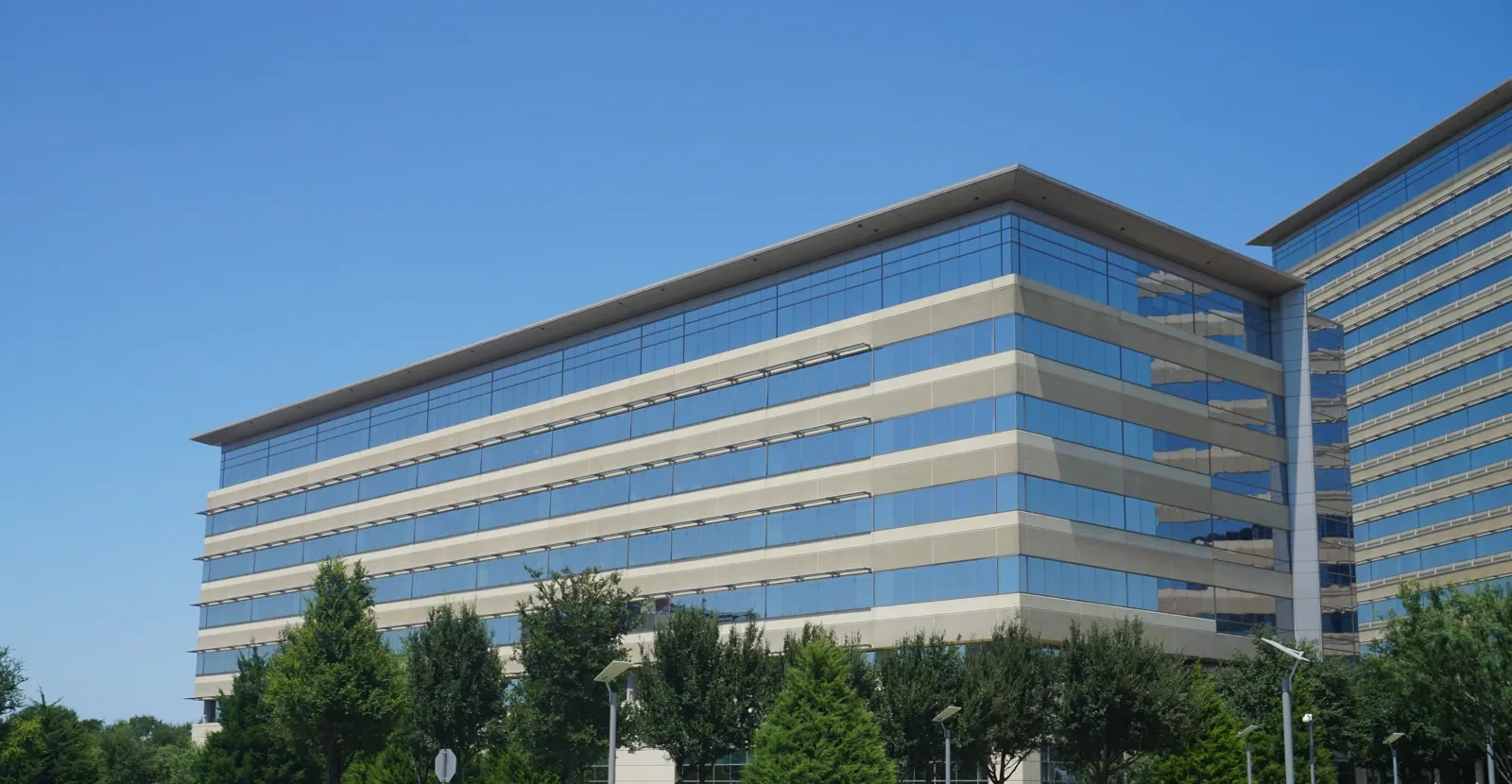
A commercial roof repair should answer two questions: what failed, and what work will prevent that condition from returning soon? In Richardson, TX, a ceiling stain, loose edge or open seam can point to a local detail problem or a wider assembly concern. We inspect the roof around the symptom, trace likely water paths and separate urgent protection from permanent repair. The written scope identifies the affected area, the materials and access required, and any uncertainty that should be resolved before work begins. That helps an owner decide whether repair is the right near-term spend.
Request a Roof Assessment
All fields are required.
Commercial Roof Repair in Richardson, TX
Get a Repair Scope Tied to the Failure
Find the Failure Before Replacing Materials
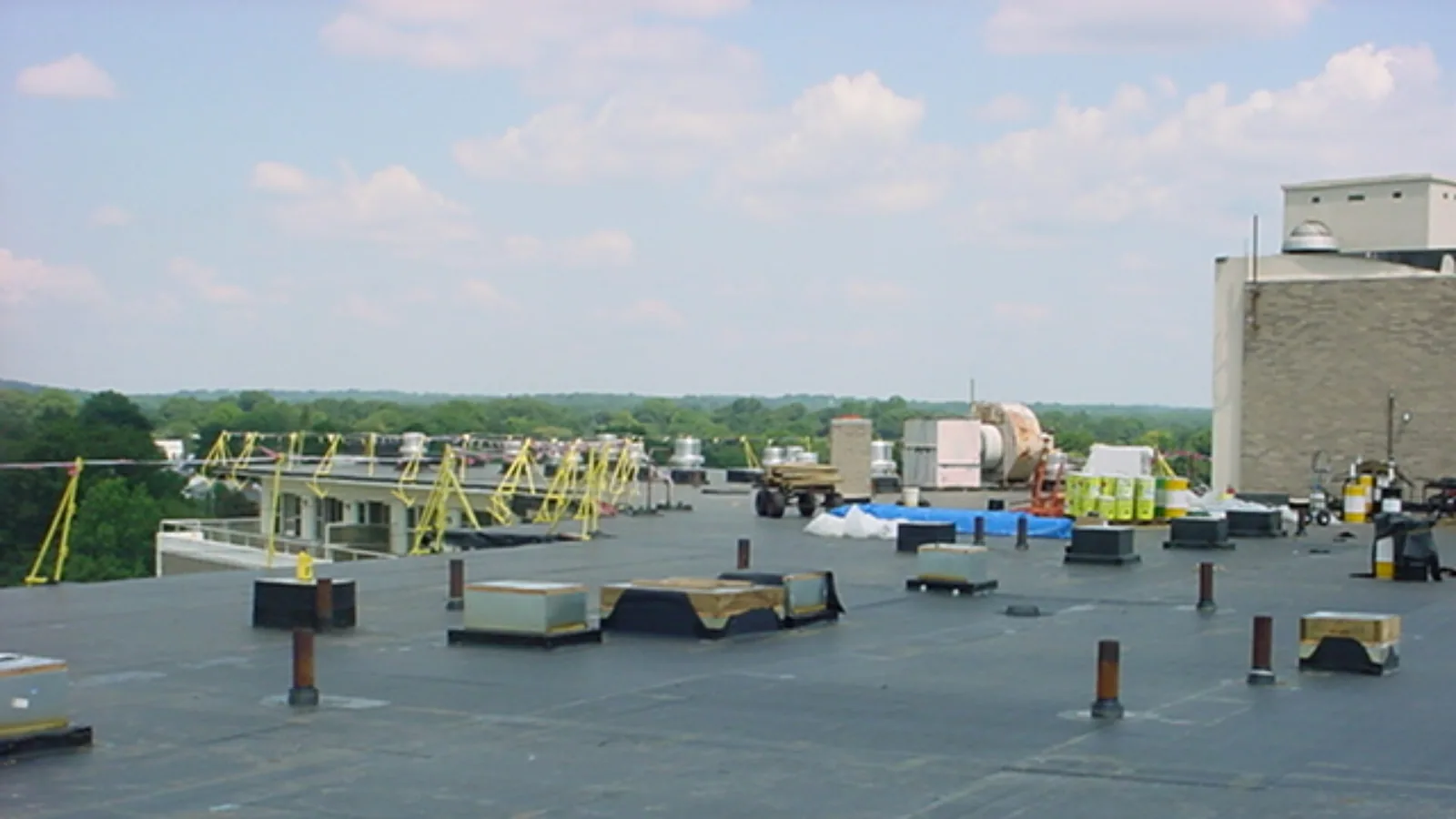
Water rarely follows a straight line from roof opening to ceiling stain. It can travel along a deck flute, insulation joint or framing member, then appear far from the defect. We start at the interior symptom and work outward, looking for related signs above: displaced seams, open laps, split sealant, damaged flashing, punctures, soft insulation and blocked drainage. Around rooftop equipment we check whether service work disturbed the membrane or left a curb transition vulnerable.
Not every condition needs the same test. A visible puncture may call for a direct repair after the surrounding membrane is checked. A recurring leak with no obvious opening may need a wider inspection or selective moisture testing. We document strong evidence and concealed questions. A leak over an electrical room may require faster protection than a stain in storage.
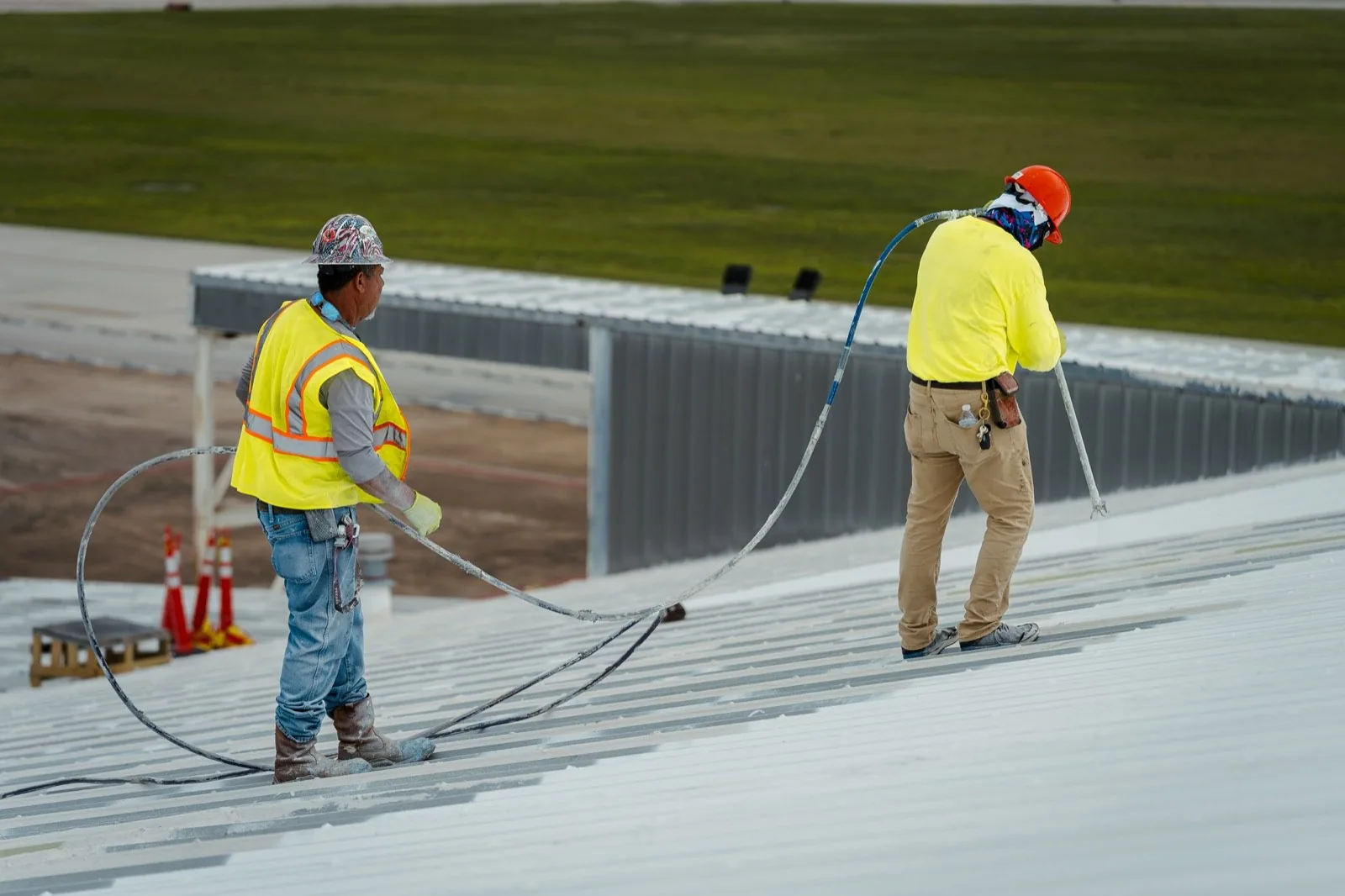
Rank Repairs by Water Risk and Business Impact
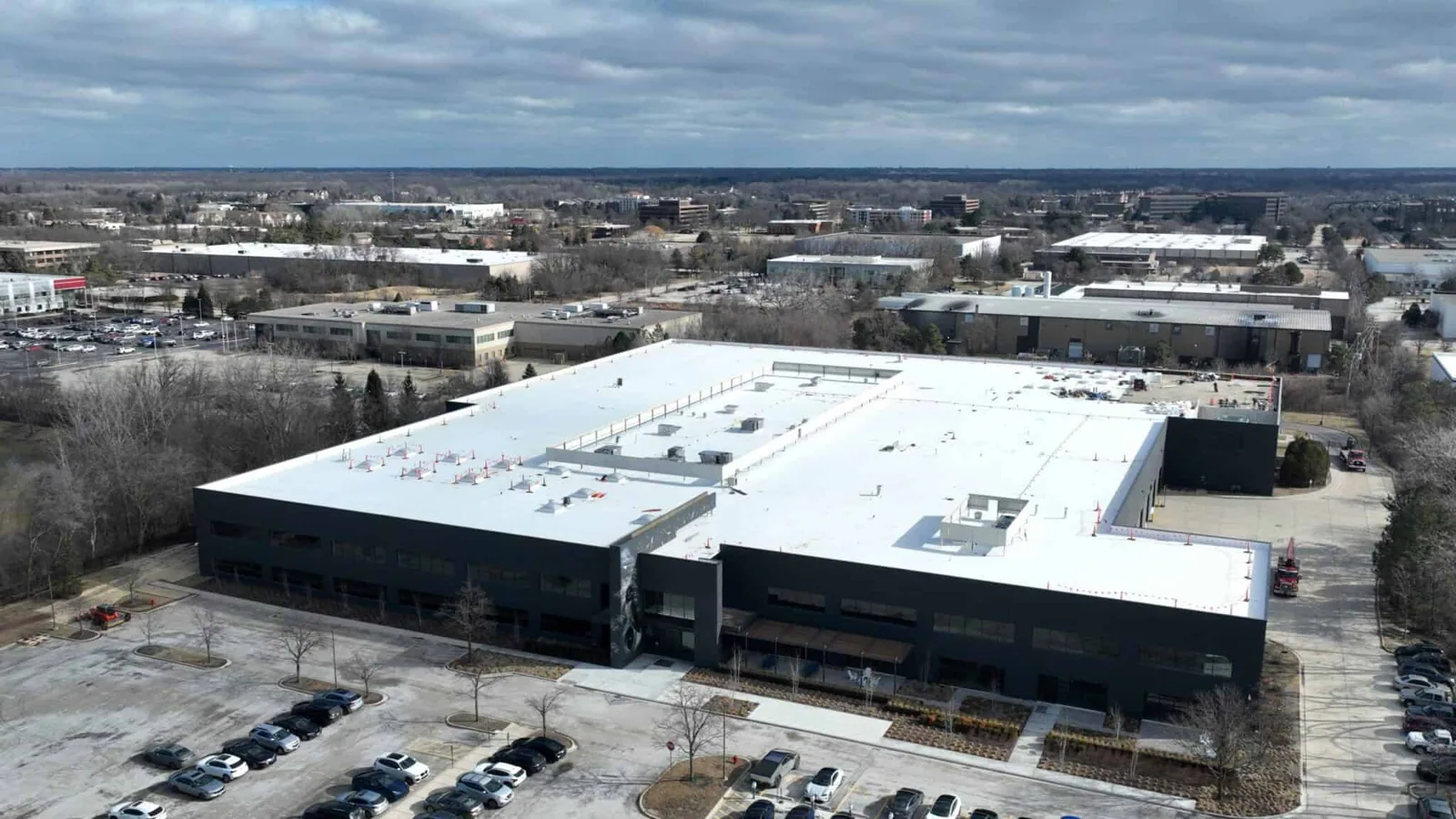
We sort findings into immediate water-entry risks, deteriorating details and routine maintenance. A loose perimeter termination or open flashing deserves prompt attention before wind-driven rain reaches the assembly. Debris at drains may need removal and a drainage check even when no interior leak is present. A worn surface without active water entry may be documented for planned repair rather than treated as an emergency. This sequence keeps the repair budget tied to evidence instead of a flat list of every visible imperfection.
The order can also reflect building operations. A property with occupied suites may need interior protection and a work window before crews open a ceiling or move through tenant space. A loading area or rooftop mechanical zone can affect lift access and staging. We confirm those limits with the site contact. If inspection finds wet insulation or widespread seam failure, we explain where a repair still makes sense and where replacement or a broader restoration comparison may be more useful. Commercial properties near the Richardson Innovation Quarter may need a repair sequence that protects critical interior operations, but the scope remains specific to each building's observed conditions.
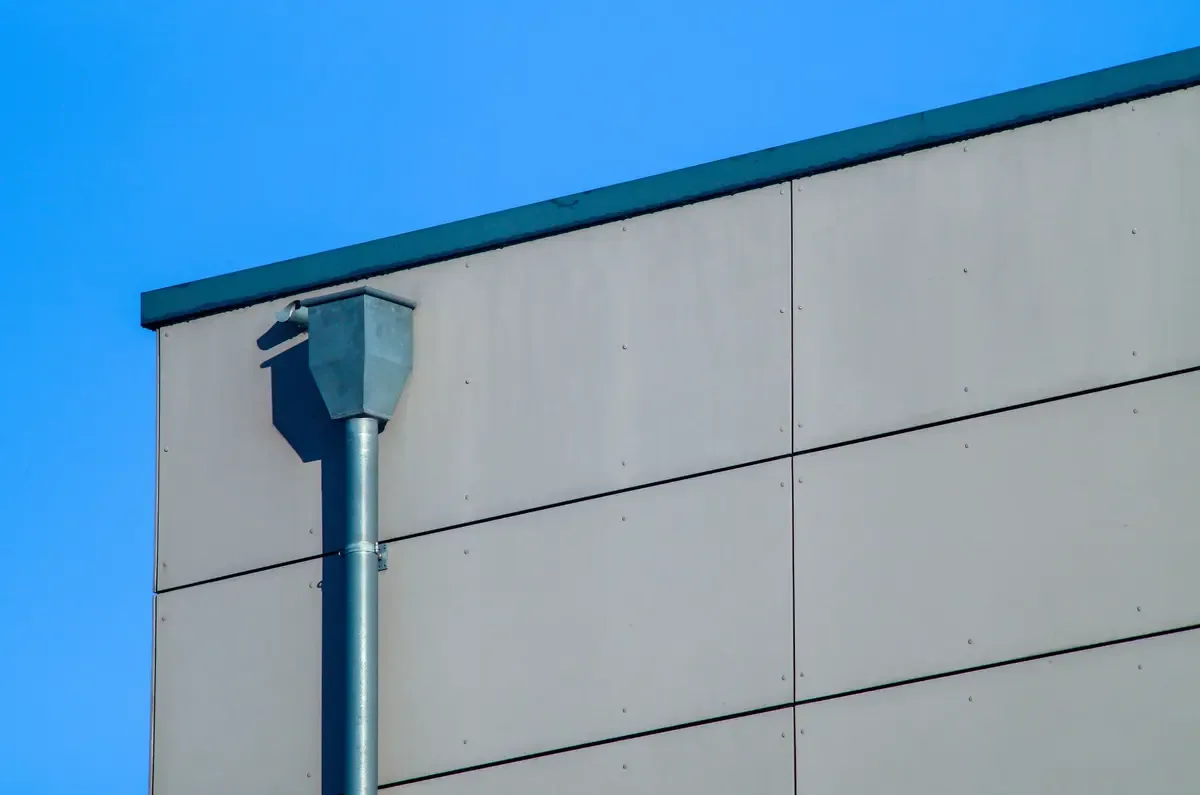
Use a Repair Method That Fits the Roof
Repair materials must be compatible with the existing assembly and prepared correctly. A patch that adheres to the wrong surface or bridges a moving joint may fail even when the leak appears closed at first. We identify the membrane or roof type where possible, clean and prepare the area, and detail the repair to suit the system. We do not assume a coating or sealant is a universal fix.
High summer temperatures in the Dallas-Fort Worth area affect work planning and material handling. The region's hottest stretch brings afternoon temperatures near 95°F, so we consider substrate temperature, shade, cure time, forecast and access when selecting the repair window. Permit review can vary with the scope: a localized patch may raise a different question from work that changes insulation, attachment or the full assembly. We flag that distinction with the owner and design team before setting a closeout date.
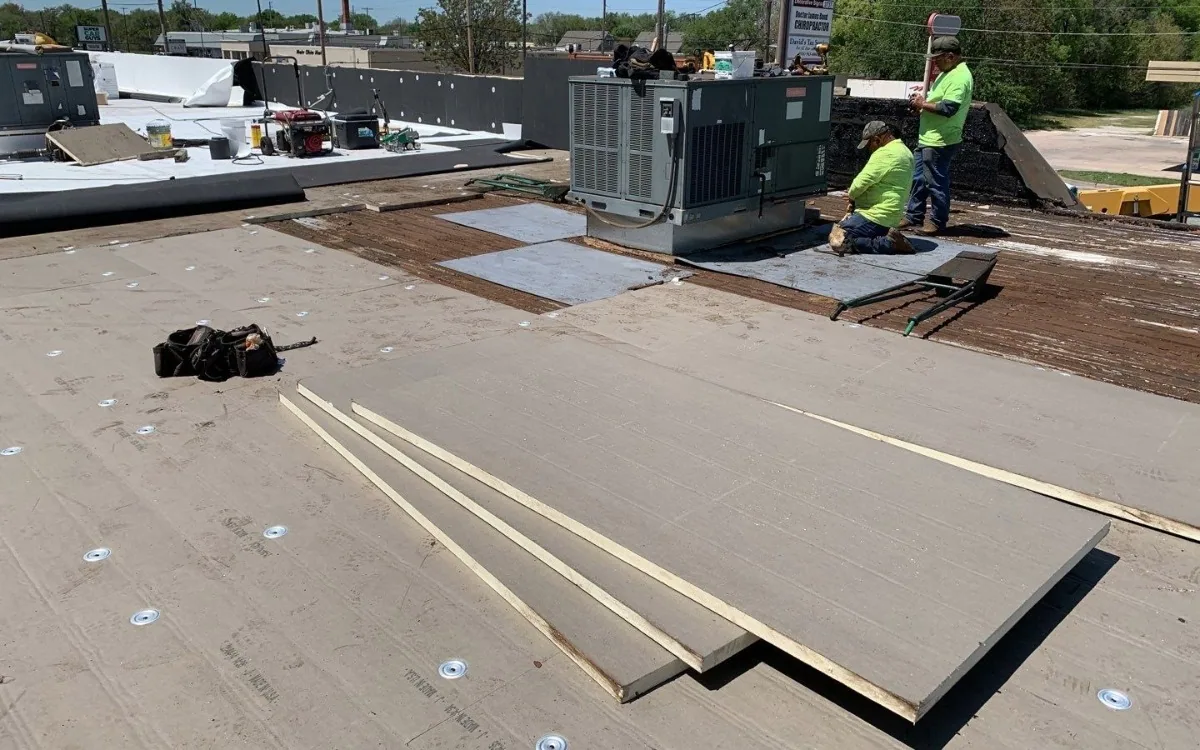
Check the Details That Feed Repeat Leaks
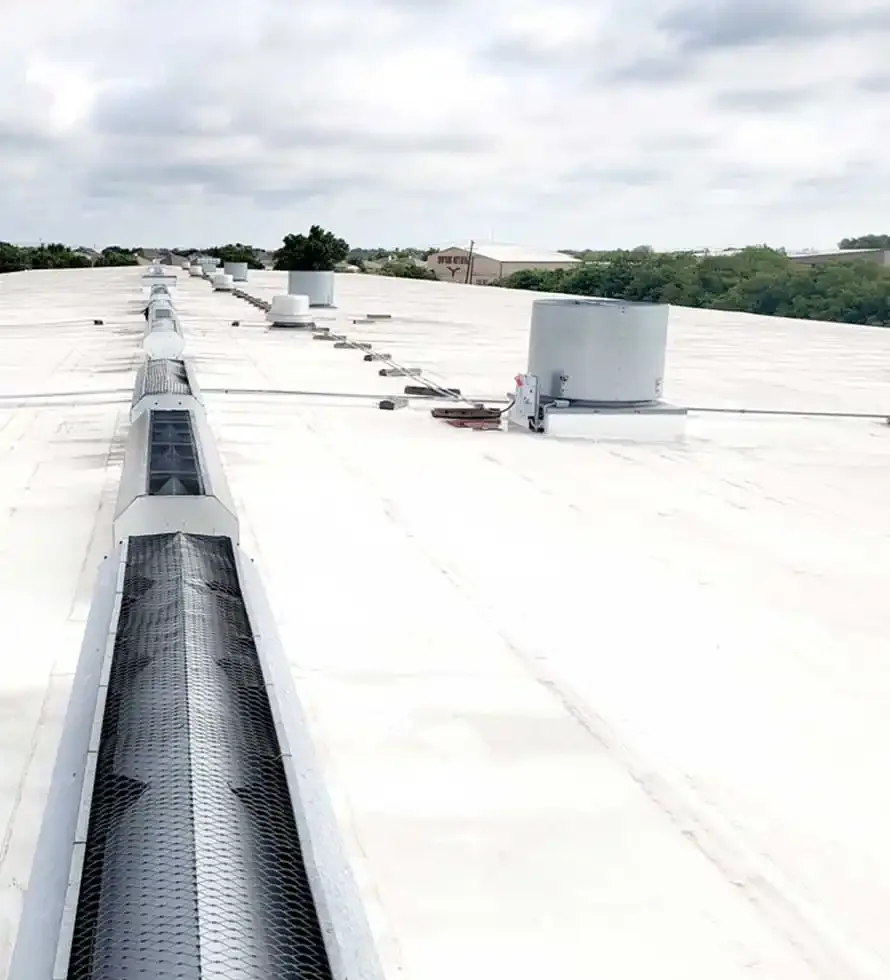
We look at drains and scuppers for debris, damaged bowls, loose strainers and signs of standing water. At walls and curbs, we check flashing height, termination bars, counterflashing and the way the membrane turns the corner. Roof edges need secure metal and sound attachment. Skylights, pipe boots and equipment penetrations need compatible transitions rather than surface caulk applied over a moving joint.
Richardson's CORE District includes downtown commercial activity along Main Street, where occupied mixed-use buildings can require coordination among tenants, property staff and access providers. We document the actual detail, note the route for materials and debris, and identify any adjacent interior area that needs temporary protection. If a drain or scupper issue is part of the failure, our drain and scupper service can be scoped with the repair instead of deferred as an unrelated item.
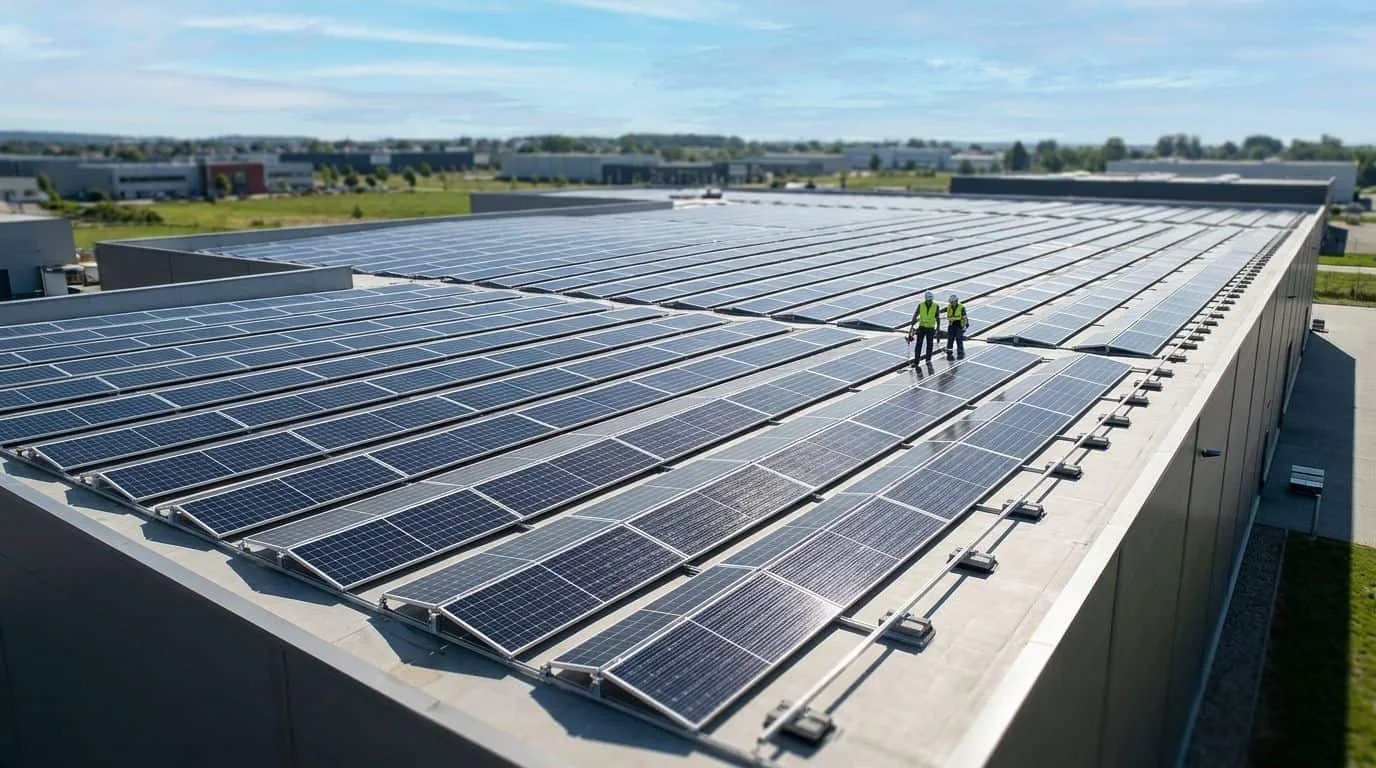
Make the Repair Scope Easy to Approve
A repair proposal states what will be opened, repaired, made watertight, and left outside the scope. We show labor and access needs, identify the repair area, and distinguish confirmed quantities from conditions that cannot be seen yet. If a small opening is needed to check wet insulation, the proposal should explain the purpose, repair of the test area and next decision if moisture is found. That is more actionable than a broad allowance with no stated trigger.
Timing depends on leak severity, forecast, roof access, material compatibility and building schedule. We can prioritize temporary protection where active water threatens operations, then return with a permanent repair after conditions permit. A planned repair can be bundled with an inspection or maintenance visit when that reduces mobilization without delaying a critical fix. For owners tracking several properties, roof condition reports make it easier to compare repair needs and capital planning can separate immediate work from future replacement allowances.
Verify the Repair and Set the Next Check
After repair, the owner should know which area was addressed, what materials were used, and whether any nearby condition remains on the watch list. Photos of the repaired seam, curb or perimeter help establish a reference for the next visit. Where practical, we check the completed detail after the repair has set and confirm that drainage remains open. If the source of water was uncertain, we explain what observation would indicate that further investigation is needed rather than promise that the work eliminates every possible future leak.
Weather can expose a second weakness after the first one is repaired. Spring storms across DFW can bring hail and strong gusts, so we check exposed details after severe weather. After a major event, a storm damage assessment can document new impacts separately from the existing repair record. Richardson owners can also schedule preventive maintenance to clear drainage paths and catch deteriorating details before they interrupt building operations. For downtown properties, the CORE District Downtown page outlines area context while each repair remains based on the roof's actual findings.
Related Roofing Work
Richardson Innovation Quarter
Commercial Roof Drain and Scupper Service
Commercial Roof Condition Reports
Commercial Roof Capital Planning
Questions About Commercial Roof Repair
How do you find a leak that is not directly above the ceiling stain?
We use the interior location as a starting point, then inspect roof seams, penetrations, curbs, edges and drainage paths around it. Water can travel beneath the membrane or along the deck before entering the building. If visual findings are inconclusive, selective testing may help narrow the source.
Can you make a temporary repair during an active leak?
When access and weather allow, we can install temporary protection to reduce further water entry, then define the permanent repair after inspecting the affected assembly. The temporary measure is identified as such, with the next step and any limits explained to the property contact.
Can one repair stop a leak that returns after every storm?
It can if the recurring entry point is identified and the surrounding materials are sound. Repeat leaks may also indicate a longer water path, failed flashing, ponding or moisture beneath the membrane. We widen the inspection when the history suggests that a surface patch would miss the cause.
Will you repair different commercial roof systems?
We assess common low-slope membrane, modified-bitumen, built-up and metal systems. The repair method depends on the installed material, its condition and the detail involved. We confirm compatibility before applying a patch, coating or replacement flashing.
What should I send before requesting a repair visit?
Share the building location, when the leak appeared, where water is visible inside, and whether it changes with rain or wind. Photos can help identify access and protection needs. We still inspect the roof before finalizing a permanent repair scope.
Get a Repair Scope Tied to the Failure
Tell us where water or damage appeared and what the building needs to keep operating. We will inspect the related roof details, rank the work, and state which findings could change the scope.