
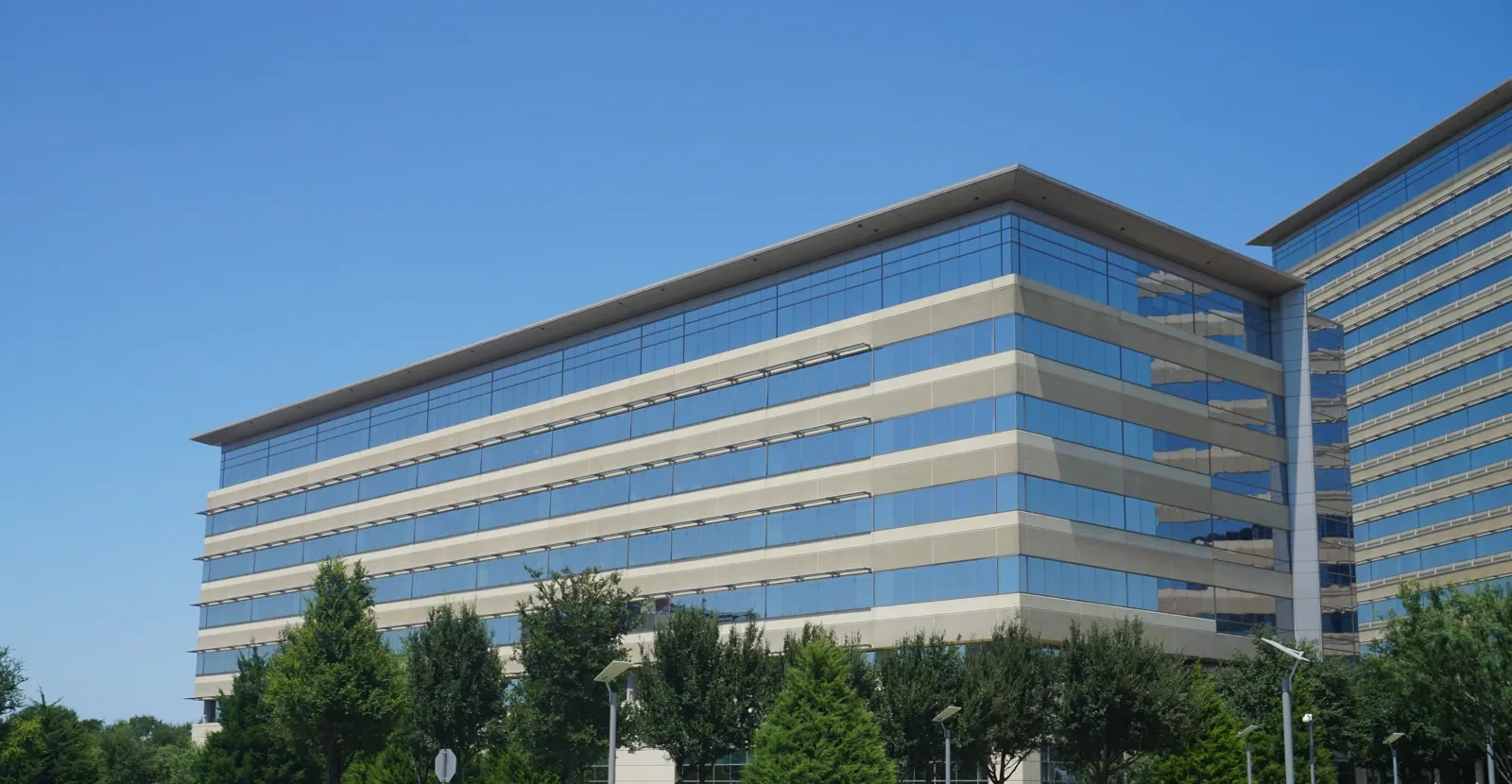
A cold-storage roof has two climates to manage: hot, humid air outside and refrigerated conditions below. A leak or air path can affect insulation, product handling, and energy use before it becomes a visible ceiling stain. We inspect vapor-control details, penetrations, seams, drainage, and interior observations before recommending a repair or replacement in Richardson, TX. The estimate should make the building's temperature zones part of the roof plan, not leave them out as an operating detail.
Request a Roof Assessment
All fields are required.
Cold Storage Roofing in Richardson, TX
Set the Roof Plan Around Refrigeration Operations
Look for Moisture Where Temperatures Change
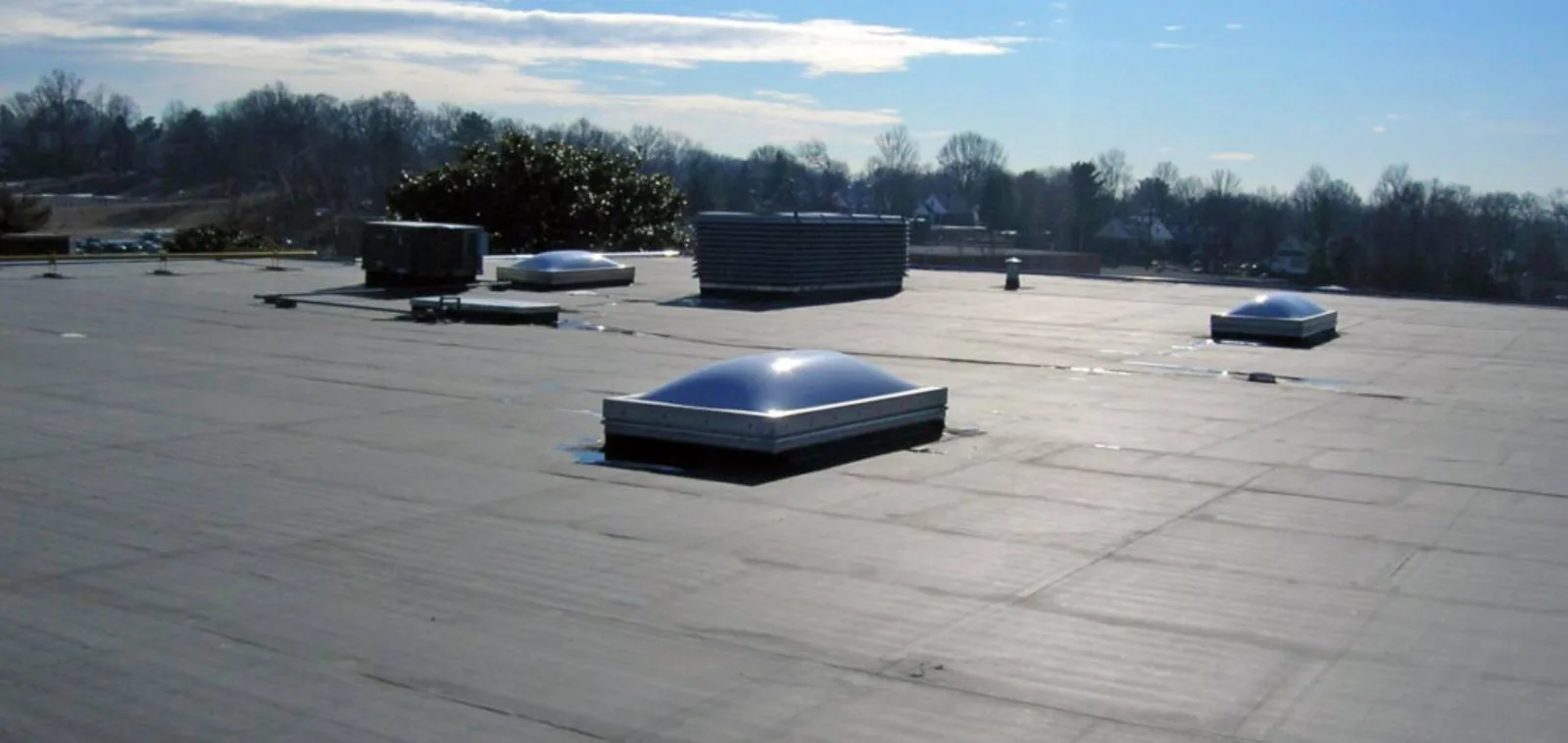
Warm air moving into a cold roof assembly can create condensation inside the layers. That makes air leakage, vapor control, insulation continuity, and curb details important. We compare staining, frost or condensation reports, wet insulation, and leaks around refrigeration lines or exhaust equipment. The roof surface may appear intact while moisture builds below it. If the evidence points to concealed wet material, a selective opening can confirm the extent before the repair limit is set.
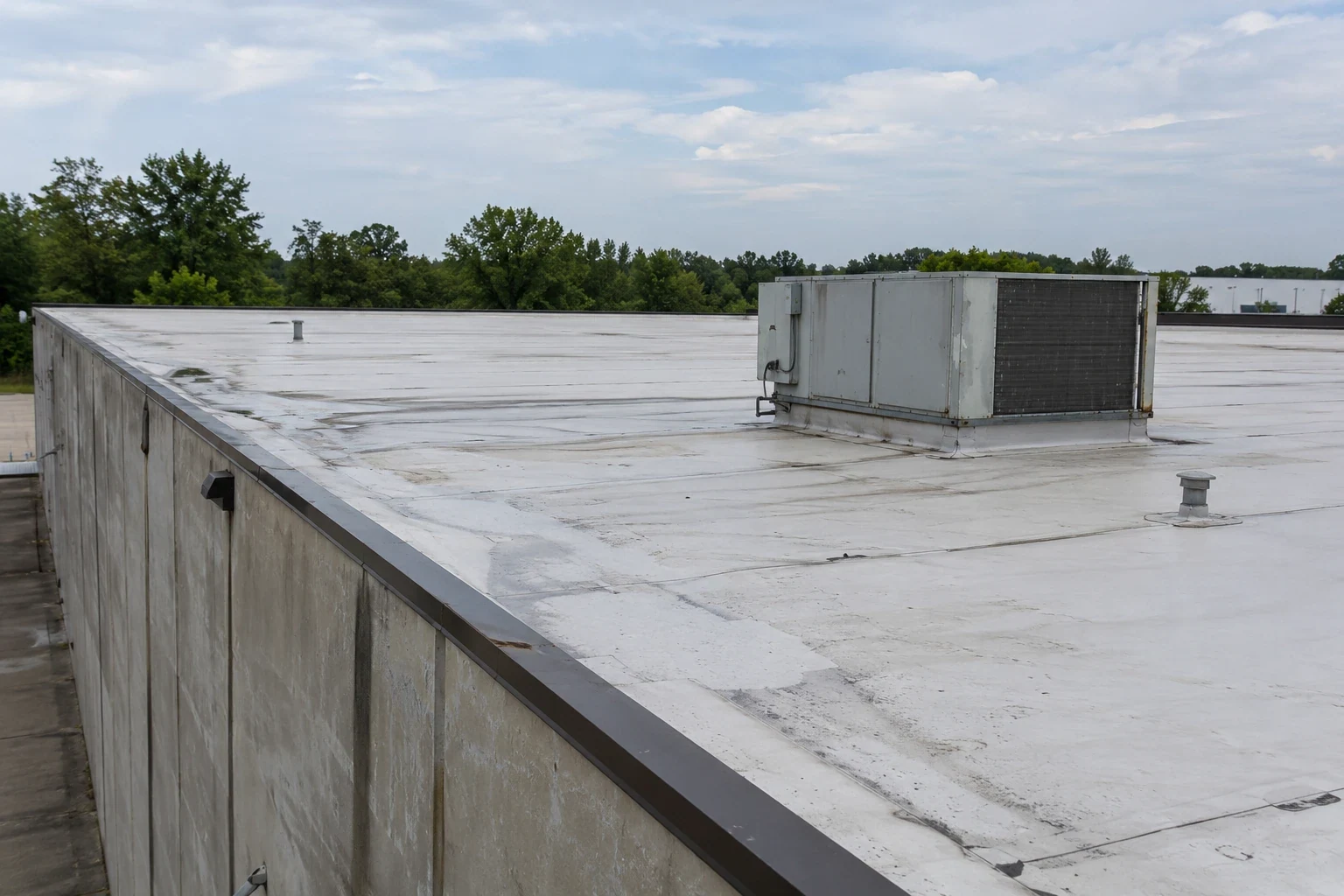
Around pipes and mechanical curbs, we check flashing and sealing for movement, service damage, and breaks in the insulation plane. A patch must restore the weather barrier and work with the thermal detail, not only cover the opening. We record which areas are confirmed wet and which require further testing. A moisture survey can help locate anomalies, with test cuts used to verify findings. The facility manager can then compare targeted removal with a larger replacement scope based on evidence rather than an assumed leak path.
Protect Curbs and Refrigeration Lines
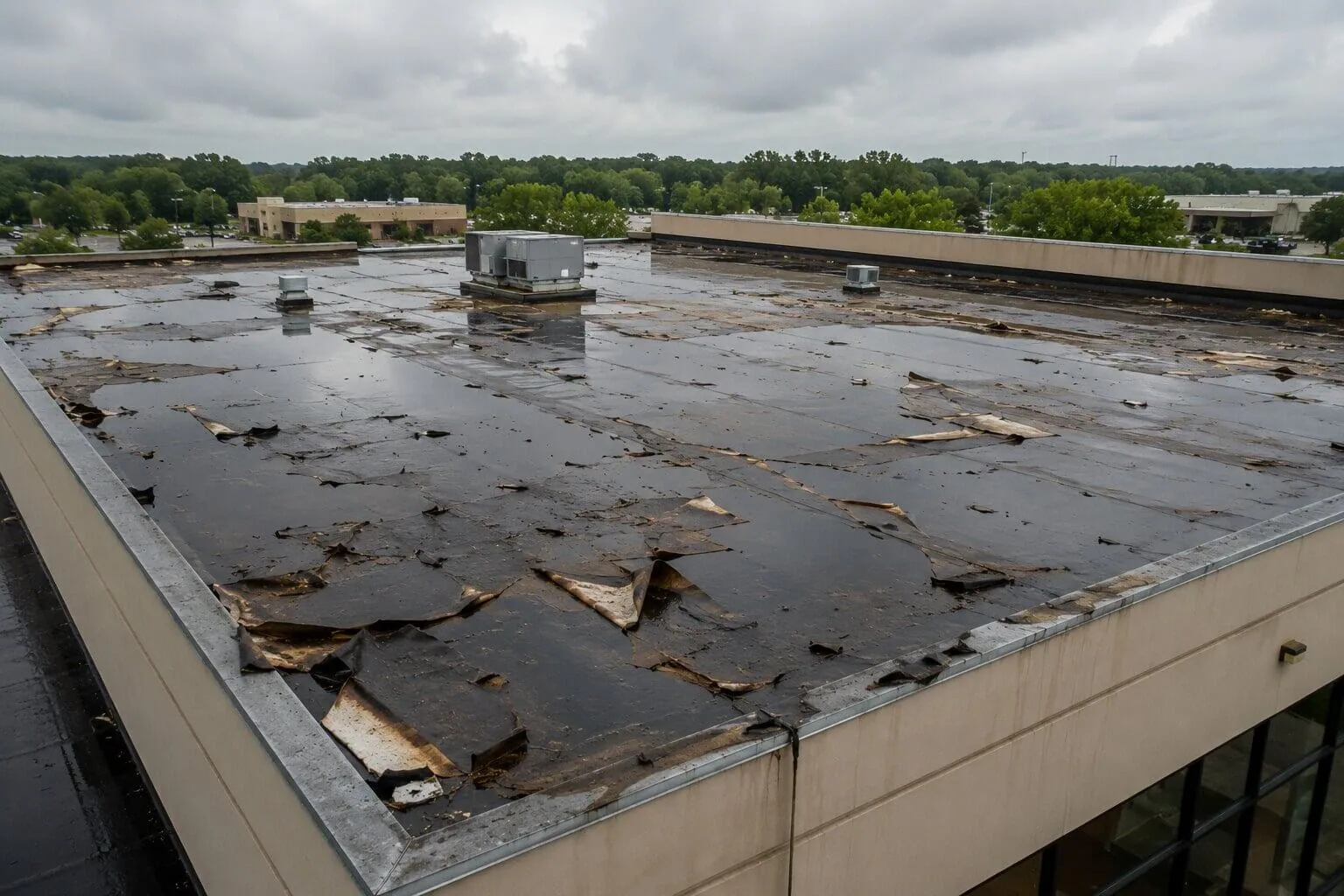
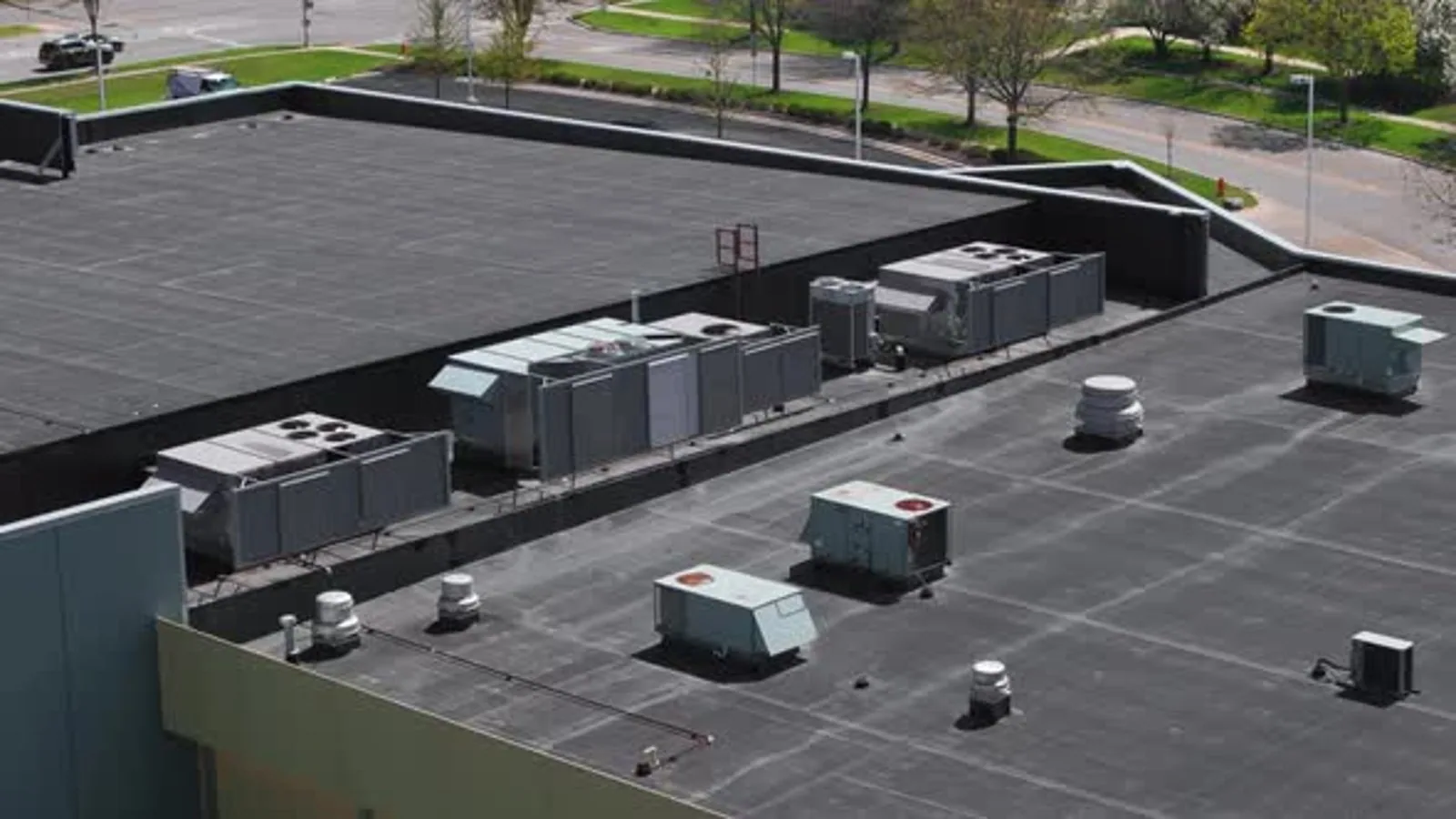
Cold-storage roofs carry piping, condensers, exhaust, and service platforms that can complicate reroof sequencing. We inspect the flashing around each penetration, the support below equipment, and the route technicians use. If a unit must be lifted or temporarily disconnected, that scope needs mechanical coordination. A roofing bid that assumes equipment stays untouched may omit a cost or schedule requirement that becomes urgent after mobilization.
At the Richardson Innovation Quarter, manufacturing and research uses sit alongside technology and education organizations. Richardson's commercial base also includes healthcare, office, and advanced manufacturing. Those facts describe the local economy, not a specific cold-storage building. For the property at hand, we confirm temperature requirements, equipment dependencies, safe roof access, and any restricted work periods. A curb and equipment-support review can be coordinated with the membrane. Compare an ordinary warehouse roof plan with a distribution-center scope only when refrigeration and temperature-control needs are accounted for.
Keep Drainage and Insulation in the Same Scope
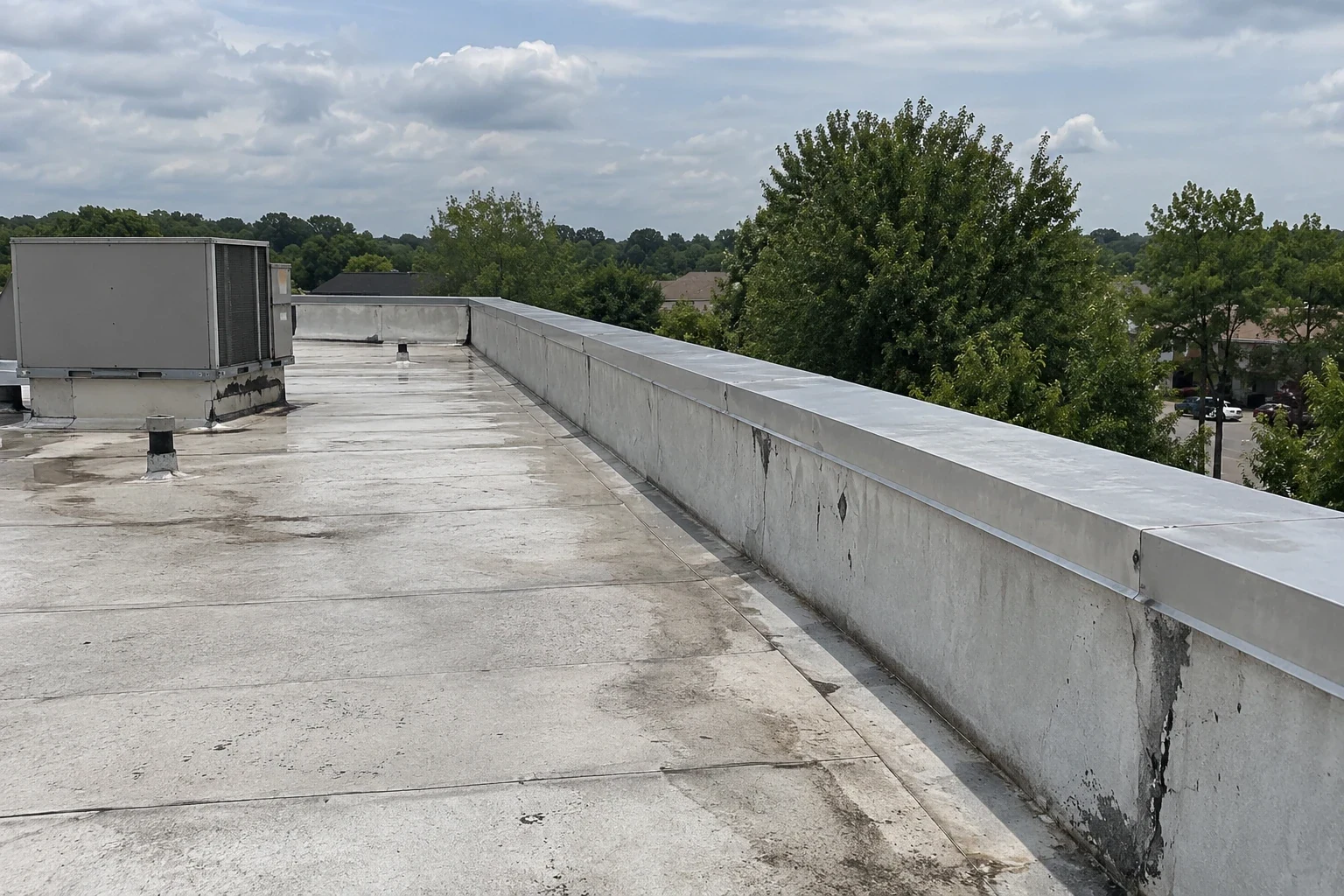
Cold storage replacement should address both water movement and thermal continuity. We inspect drains, scuppers, overflow routes, roof slope, insulation joints, and edge conditions. Added insulation changes height at curbs, door transitions, and parapets. If the new plane does not drain, ponding may remain above the vapor-sensitive area. The proposal should show insulation type and continuity, flashing sequence, and drain elevations, with a plan for keeping refrigeration service lines accessible.
DFW's wettest seasons are spring and fall, while Richardson's summer heat raises outdoor temperatures sharply. That seasonal swing increases the importance of protecting the roof as sections are opened. We define daily close-in points and weather limits before tear-off. If the work is phased, each boundary needs a water-tight termination and a sealed thermal transition. A roof insulation scope and drainage work should be reviewed together so neither becomes a change order after the new membrane arrives.
Select Materials for the Operating Temperature
Membrane and insulation selection need to match the building's design, temperature exposure, deck, attachment, and manufacturer requirements. We review the vapor retarder, insulation layers, cover board, seams, and perimeter details as one assembly. A roof system that works on a standard office does not automatically suit a freezer or refrigerated warehouse. The proposal should identify the system and the temperature-related requirements that affect installation, cure, and service access.
We compare TPO, PVC, and other options based on actual exposure and project documents. Chemical or grease resistance may matter if the site has food processing or exhaust exposure, but it should be tied to the specific product. Walk pads and protected routes can limit damage from service technicians. A roof inspection before design can identify existing layers, previous moisture issues, and equipment routes that need to be preserved.

Schedule Work Around Refrigerated Operations
Cold-storage facilities may operate around the clock. We coordinate roof zones with receiving, shipping, refrigeration maintenance, sanitation, and temperature-sensitive inventory. The plan identifies air intakes, equipment shutdown needs, and interior protection. Where operations cannot pause, a small, controlled work zone and a daily close-in limit may cost more than one broad phase, but it can protect building function. The owner should see that tradeoff before approving the schedule.
CityLine combines medical operations, hotels, retail, office, apartments, a park, and public space. The Richardson Innovation Quarter includes research, technology, manufacturing, and education activity. These local districts show why operating needs vary across Richardson. We confirm the actual site's shifts, access control, staging, and noise restrictions directly with its manager. A facility near Richardson Innovation Quarter still needs its own work-window plan. If rain or a refrigeration issue interrupts installation, we identify who decides whether to pause and how the open area will be protected.
Make the Thermal Assumptions Visible
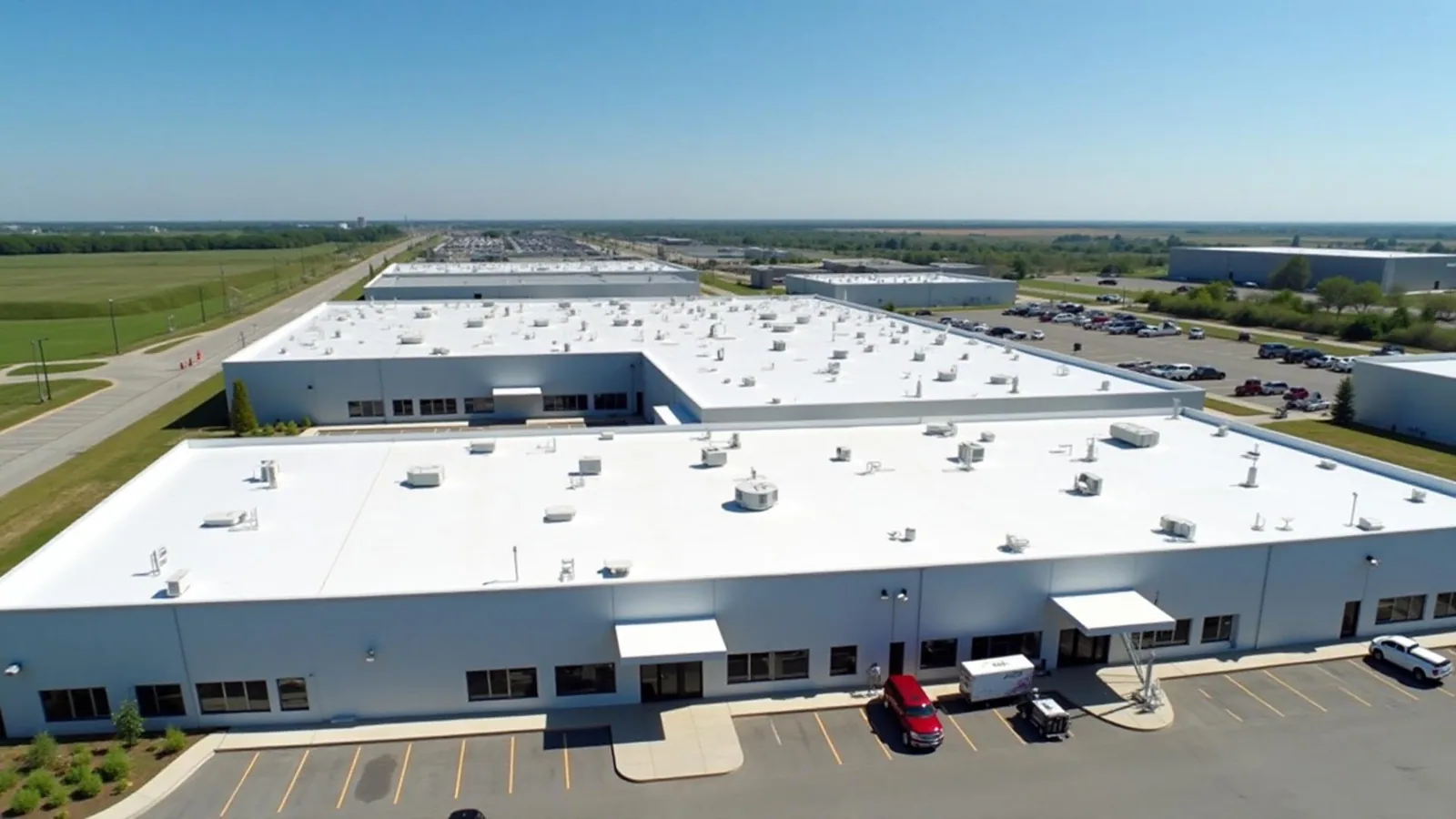
Richardson applies local amendments to the 2021 building, existing-building, and energy-code editions. A cold-storage reroof may need review of insulation, vapor-control details, roof height, and mechanical coordination. We confirm the applicable project path before final procurement. The scope should not assume that a maintenance coating and a full replacement receive the same review.
Compare the total assembly: demolition, deck repair, vapor retarder, insulation, cover board, membrane, curbs, drains, temporary protection, and equipment coordination. State what is included if tear-off finds wet insulation or corroded supports. A recover review can determine if the existing assembly may remain, while replacement planning can set the removal and close-in sequence. Condition documentation can support the capital decision with photos and zone maps. A maintenance plan can then monitor drains, flashings, and penetrations without disrupting product handling.
Keep Roof and Refrigeration Records Together
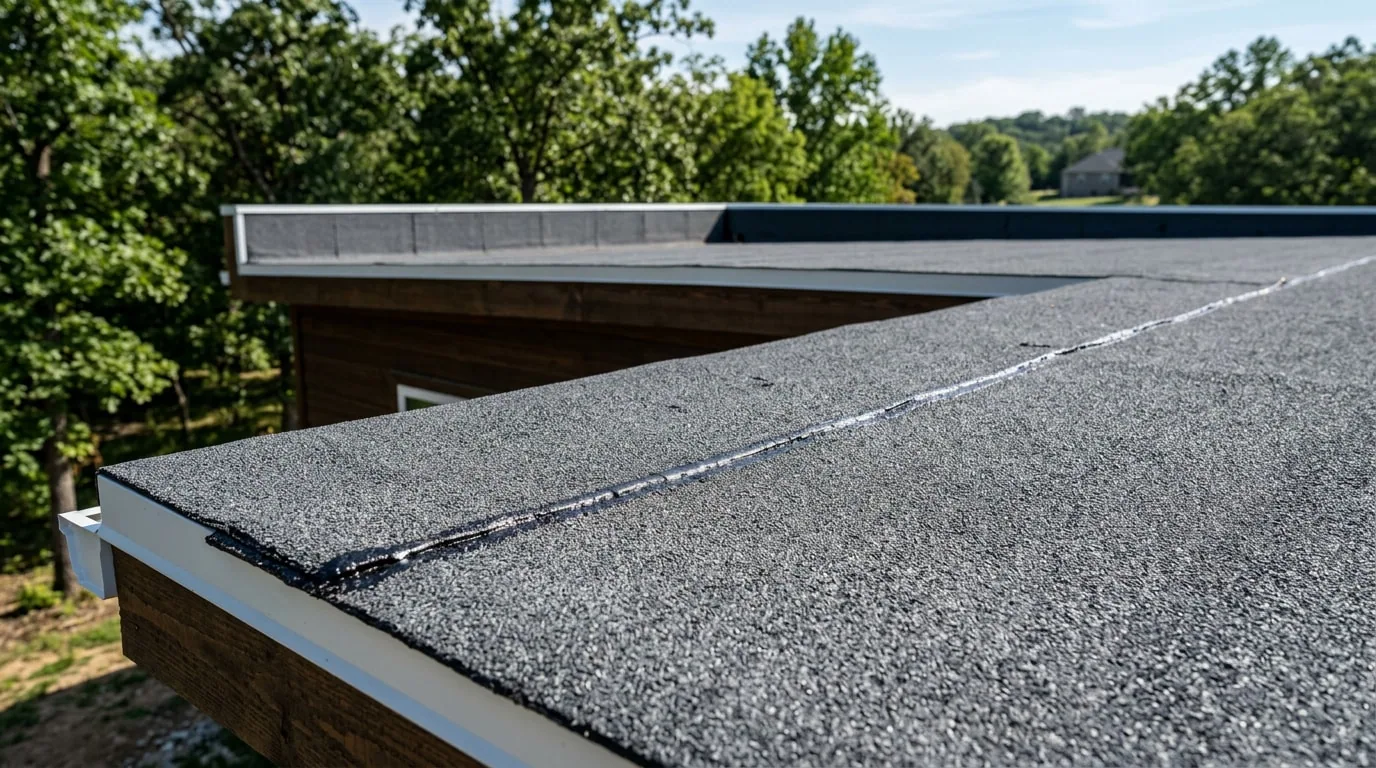
After the project, keep roof product data, insulation details, equipment changes, and repair records in one building file. Note where refrigeration piping enters the roof and identify approved service paths. When a future technician works near a curb, the record helps prevent a cut into a critical membrane or vapor detail. Periodic inspections should document moisture signs and any changes in surface temperature or condensation below.
Richardson Innovation Quarter reports a substantial base of technology and research employers, while CityLine has medical and mixed-use buildings. Those settings can place high value on stable environmental controls. A cold-storage operator has its own operational demands, which should guide timing and access. The roof log should record leak dates, affected areas, tests performed, and repairs completed. That history helps management decide whether another repair is justified or a capital replacement has become more predictable than repeated temporary work.
Related Roofing Work
Infrared Roof Moisture Survey
Rooftop Equipment Curb and Support Roofing
Commercial Warehouse Roofing
Distribution Center Roofing
Questions About Cold Storage Roofing
Why does condensation matter on a cold-storage roof?
Warm air entering a cold assembly can create moisture within insulation or at a vapor-control layer. We review air leakage paths, penetrations, and wet material before setting the repair boundary.
Can roof work happen while refrigeration stays on?
Often it can be phased, but equipment access, air intakes, operating temperature, and interior protection need coordination. We set a roof-zone sequence and identify any shutdown requirement before mobilization.
What should be inspected around refrigeration piping?
We check curb attachment, pipe boots, flashing, insulation continuity, movement, and the service path. If lines must be lifted or adjusted, coordinate that work with the mechanical team before roofing starts.
Can a cold-storage roof be recovered?
Possibly, if the existing layers are dry, attached, and suitable, and the added height preserves curbs and drainage. Moisture or a compromised vapor detail can make removal necessary. Testing informs that choice.
What belongs in a cold-storage reroof budget?
Include vapor control, insulation, cover board, membrane, equipment coordination, curbs, drains, protection, phasing, and closeout. State how concealed wet material or damaged supports will be handled.
Set the Roof Plan Around Refrigeration Operations
Share roof records, condensation or leak reports, temperature constraints, and service windows. We will inspect the assembly and scope work around the facility's operating needs.