
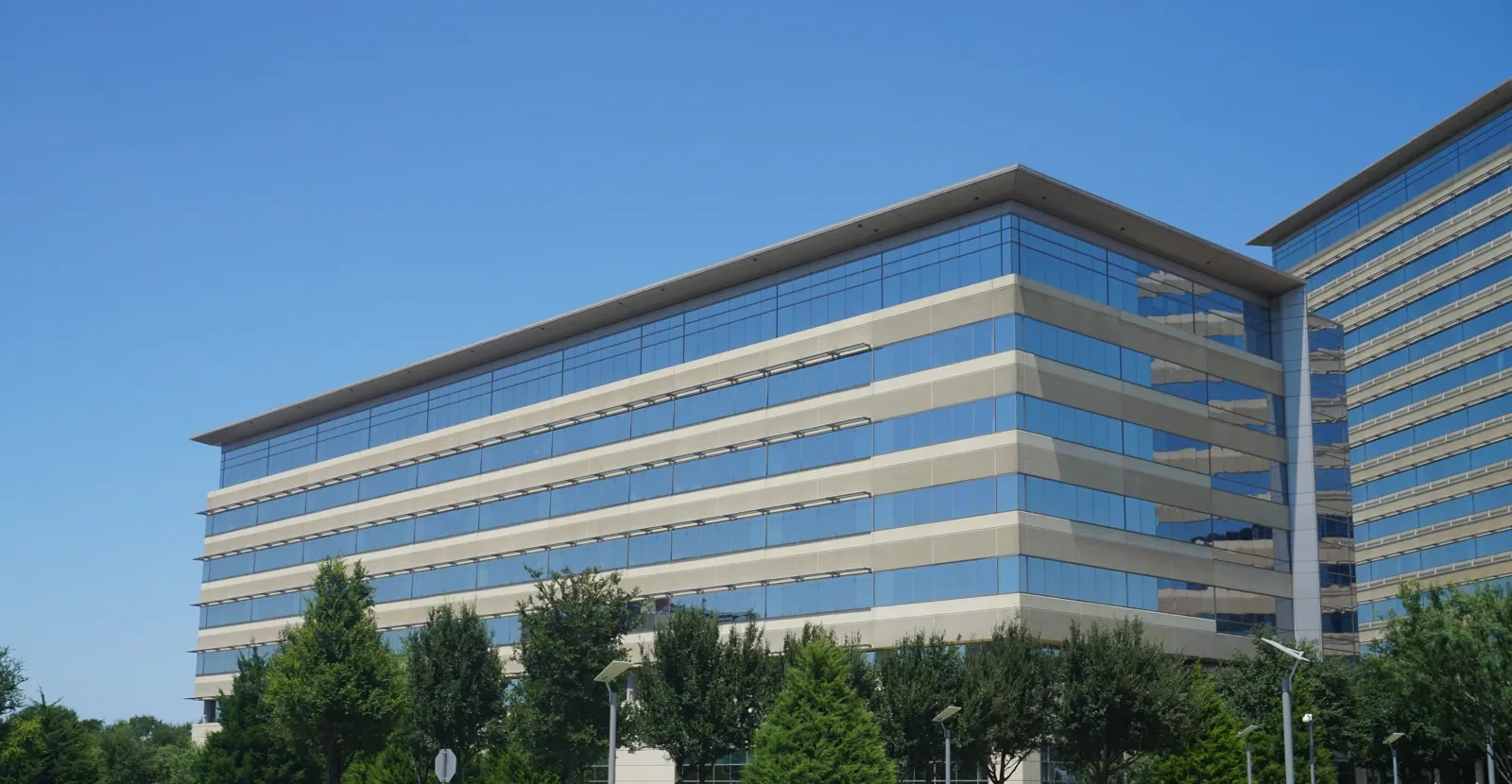
An active roof failure can threaten inventory, equipment, tenant areas or a scheduled operation before a permanent repair is possible. Our emergency commercial roof repair service in Richardson, TX is available around the clock for urgent response. We first help the property contact protect people and interior assets, then assess whether roof access is safe and install temporary protection where conditions permit. The response scope states what the dry-in can address, what remains exposed, and when the permanent repair should follow. That keeps urgency from turning into an open-ended promise.
Request a Roof Assessment
All fields are required.
Emergency Commercial Roof Repair in Richardson, TX
Request Urgent Roof Response
Triage People, Contents and the Active Leak
Before a crew climbs to the roof, we need a basic picture of the incident: where water is entering, whether it is still active, which rooms or equipment are affected, and whether wind, lightning or electrical hazards remain. The property contact should restrict access around a compromised ceiling and move contents only when it is safe. Do not touch wet electrical equipment or enter a roof area with uncertain structural conditions. If emergency responders or utility staff are needed, contact them first.
We coordinate with the building representative to identify roof access, escorts, key spaces and any work-hour restrictions that still apply. A leak over a server room, clinical suite or electrical space may need immediate interior coordination before roof work begins. A commercial property near the Dallas North Tollway or US 75 may have different access and staging constraints from a campus with a secured loading area. We confirm the actual route and conditions instead of relying on a citywide assumption.
Check Weather and Roof Access Before Work
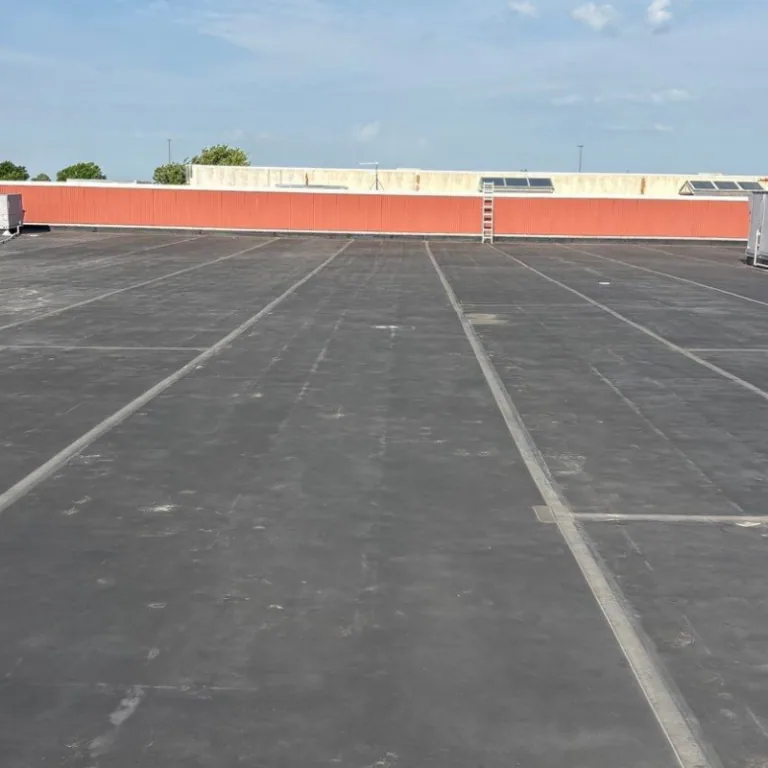
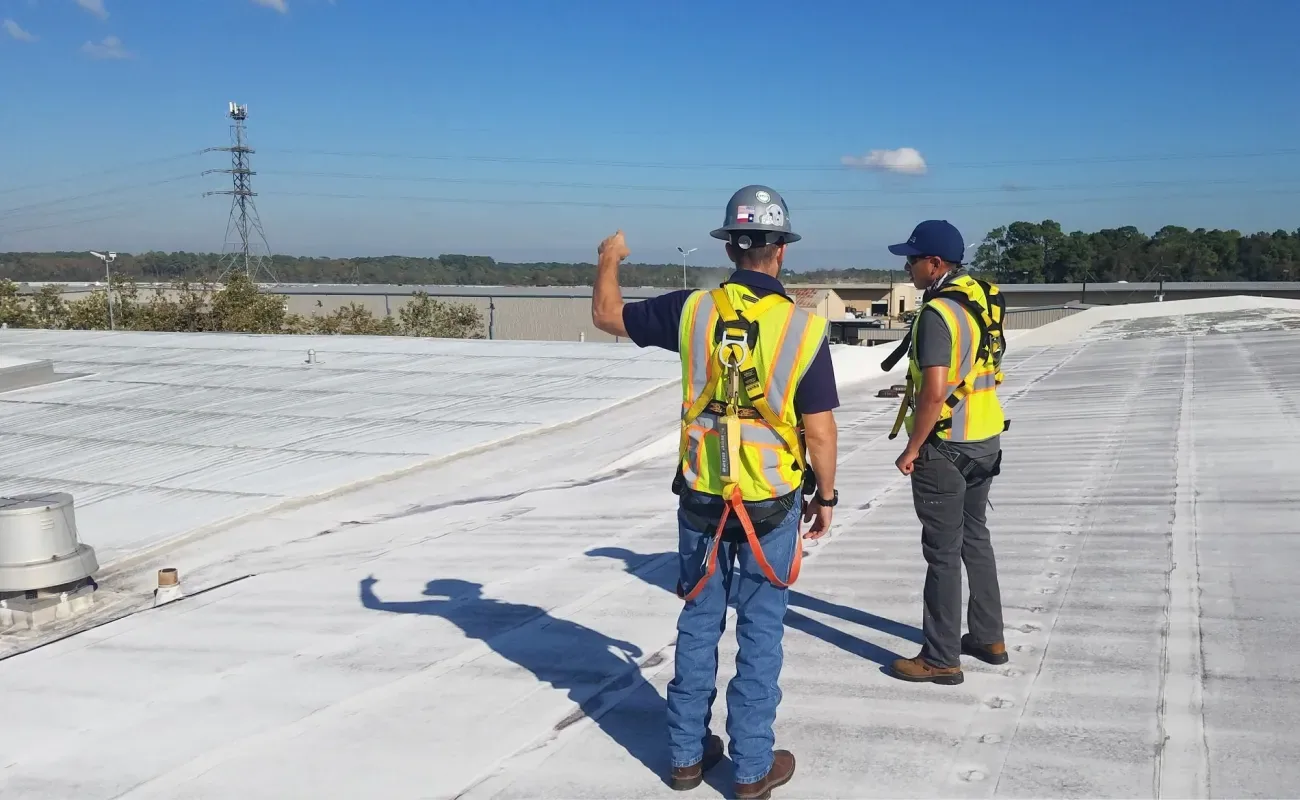
Emergency does not mean every roof is safe to enter. Wind, lightning, standing water, damaged panels, unstable ladders and poor visibility can make roof work more dangerous than the leak itself. We evaluate access conditions and choose a response that fits the risk. If the roof cannot be reached safely, we explain the limit and focus on interior protection or a later return when conditions improve. We do not place crews on a wet or wind-damaged surface simply to meet an arbitrary arrival promise.
Richardson and the broader DFW region can see severe spring thunderstorms with hail and damaging wind. A storm may affect several roof details at once, including edges, penetrations, skylights and rooftop equipment. We look for the likely breach without walking across visibly damaged or unstable areas. Where practical, photos from a safe vantage point can help document impact before temporary materials cover it. A later inspection can map hidden damage and distinguish storm impact from pre-existing wear.
Install a Controlled Dry-In
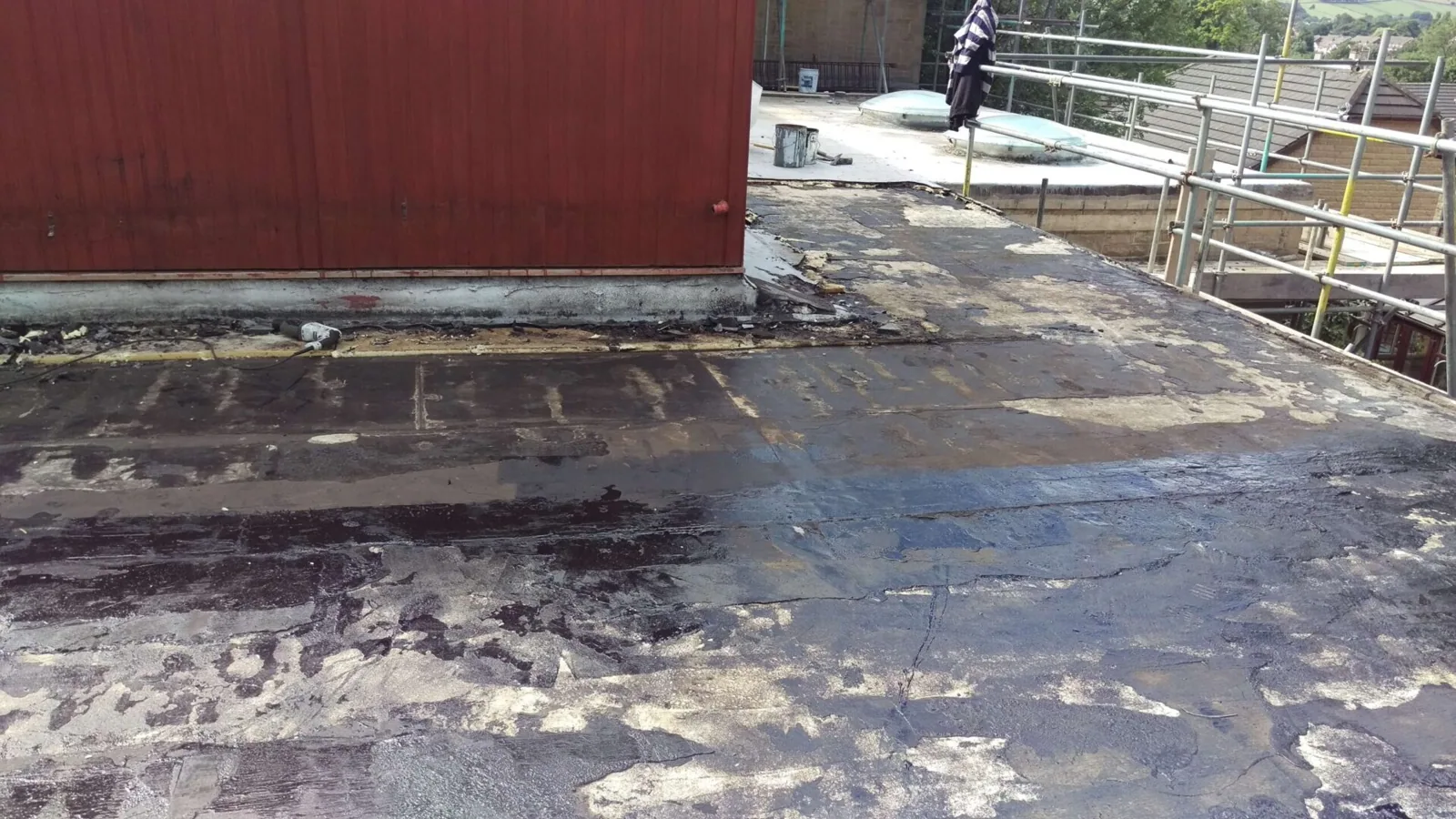
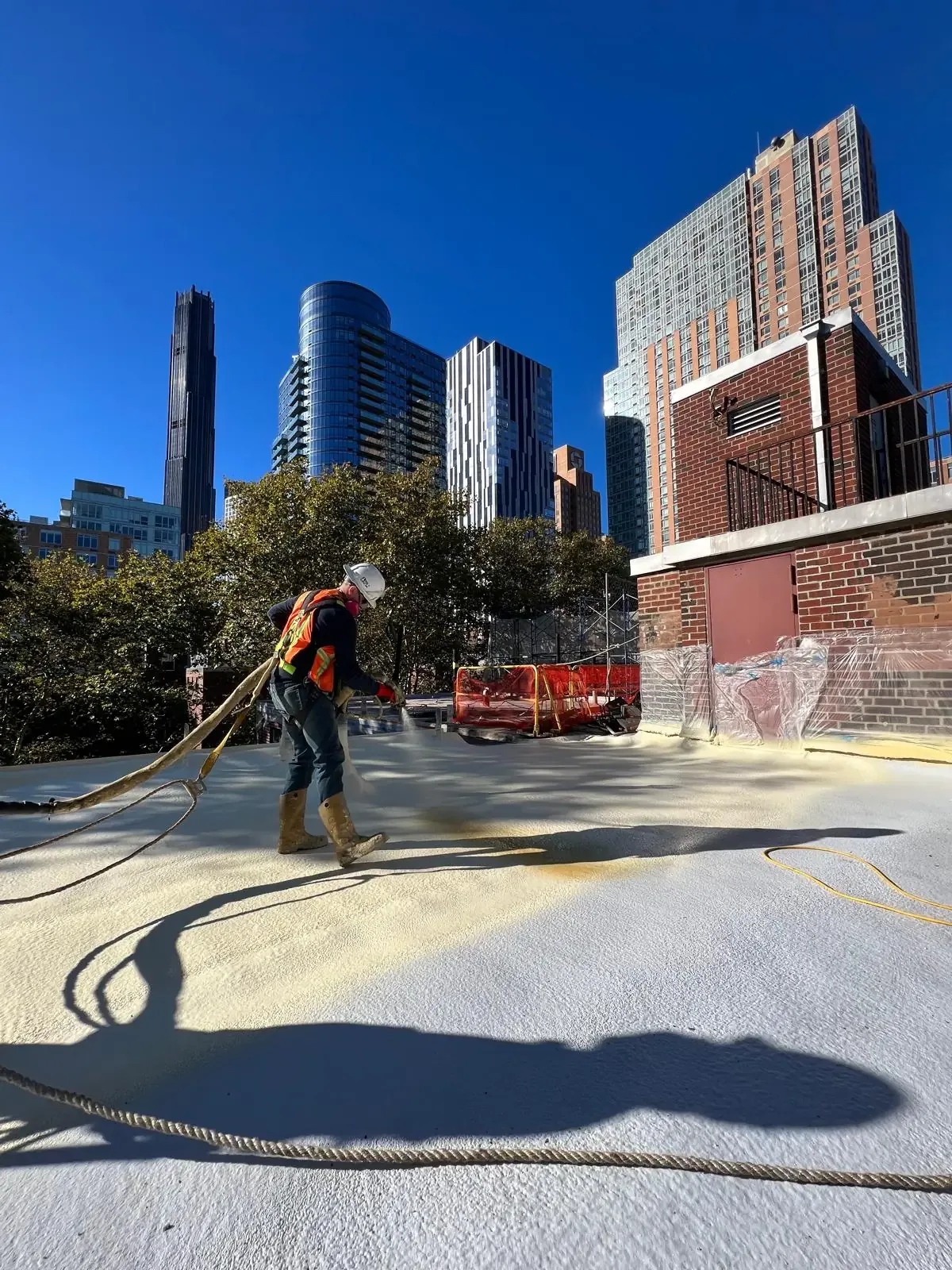
A temporary dry-in aims to reduce water entry until permanent repairs can be made. The method depends on the opening, wind exposure, roof type and safe attachment points. A tarp needs secure attachment and a plan for runoff; loose material can become a hazard in gusts. For a membrane puncture or displaced flashing, a compatible temporary patch may be more appropriate if the surface and conditions permit. We identify the protected area and the limits of the measure so the owner knows what conditions could still allow water through.
Temporary work does not replace investigation. Water may have moved beyond the visible stain, and wet insulation or damaged deck may remain concealed. We record where protection was installed, what was visible and which areas need a permanent repair or additional testing. If the issue appears to extend into the assembly, moisture mapping or a full roof inspection can help define the next scope after immediate risk is controlled.
Turn the Emergency Visit Into a Lasting Repair
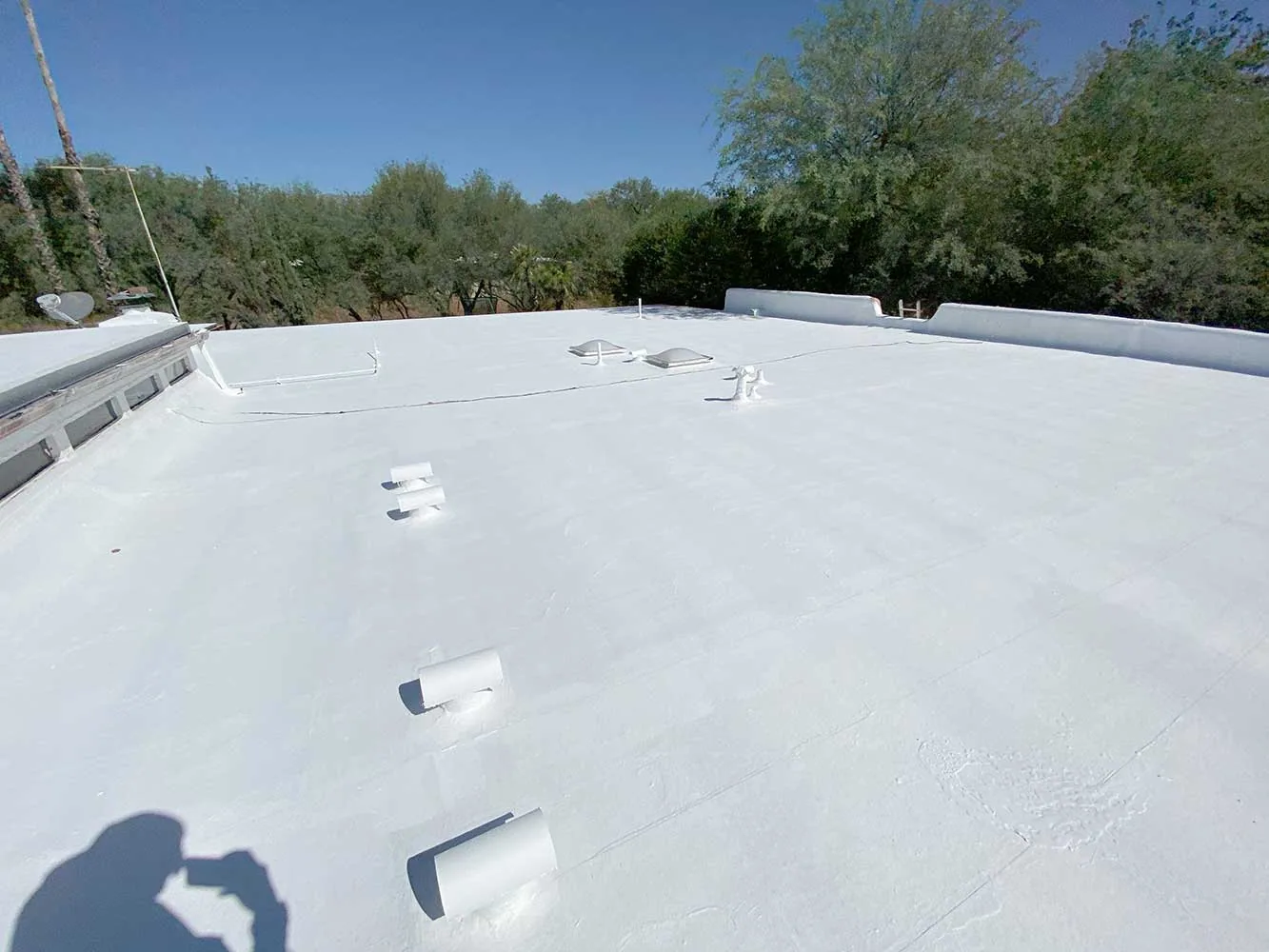
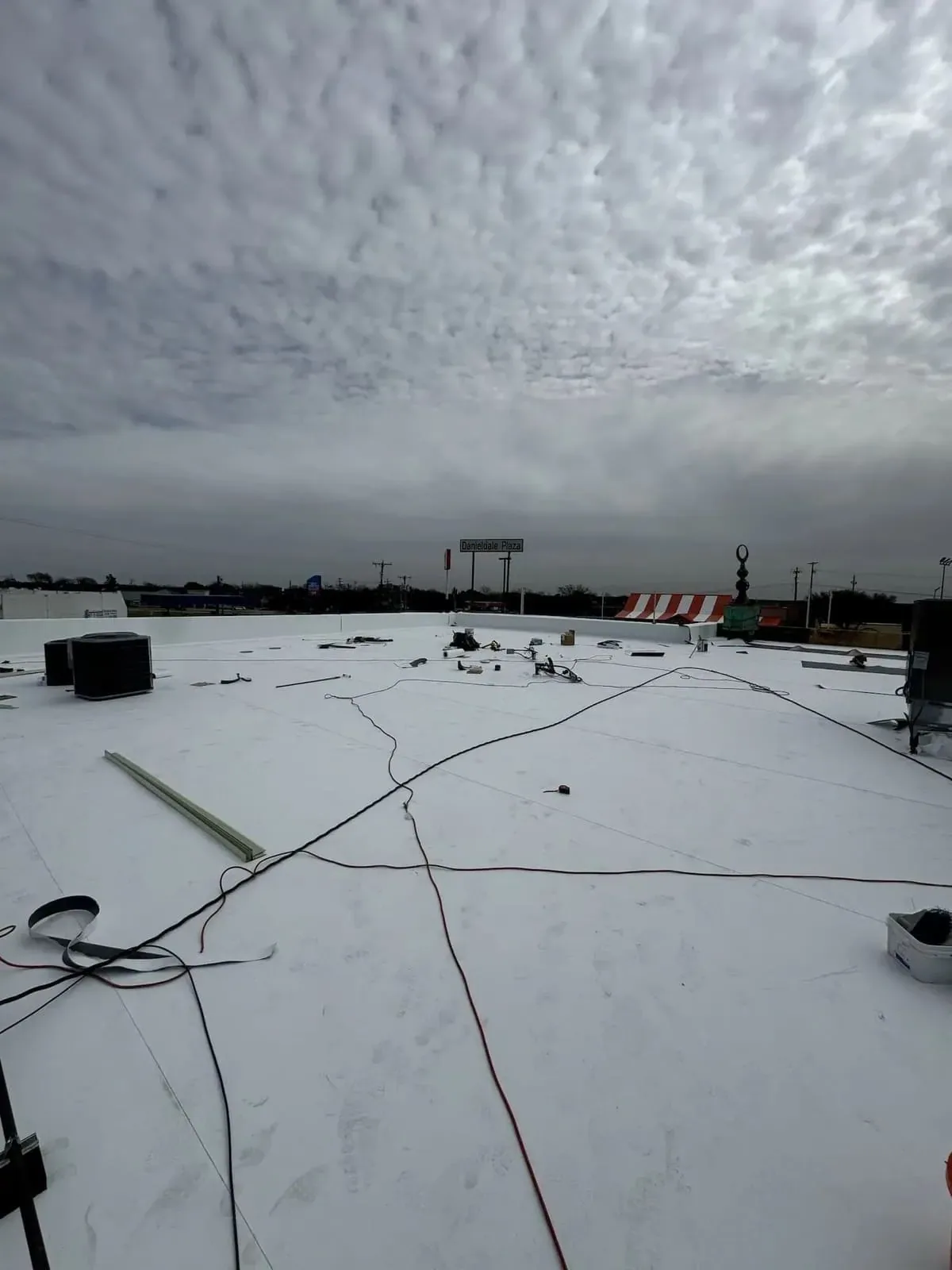
The permanent repair should address the failure point and the conditions around it. We identify the existing system, prepare the repair area and use materials suited to the membrane, metal or flashing detail. If wind lifted edge metal, the scope should examine attachment and adjoining transitions. If a branch or debris punctured a membrane, we check whether insulation beneath it is wet. If a drain backed up, we investigate the drainage path as well as the interior leak. The written recommendation separates confirmed repairs from areas that need approval for opening.
An emergency patch and later structural or system work may require different municipal review. We identify when the permanent scope goes beyond temporary stabilization and coordinate that question with ownership and the appropriate design or permitting contacts. The owner receives a practical sequence: stabilize, inspect, approve the permanent scope, then close out the repair with photos and any remaining watch items.
Keep Decision Makers Informed Under Pressure
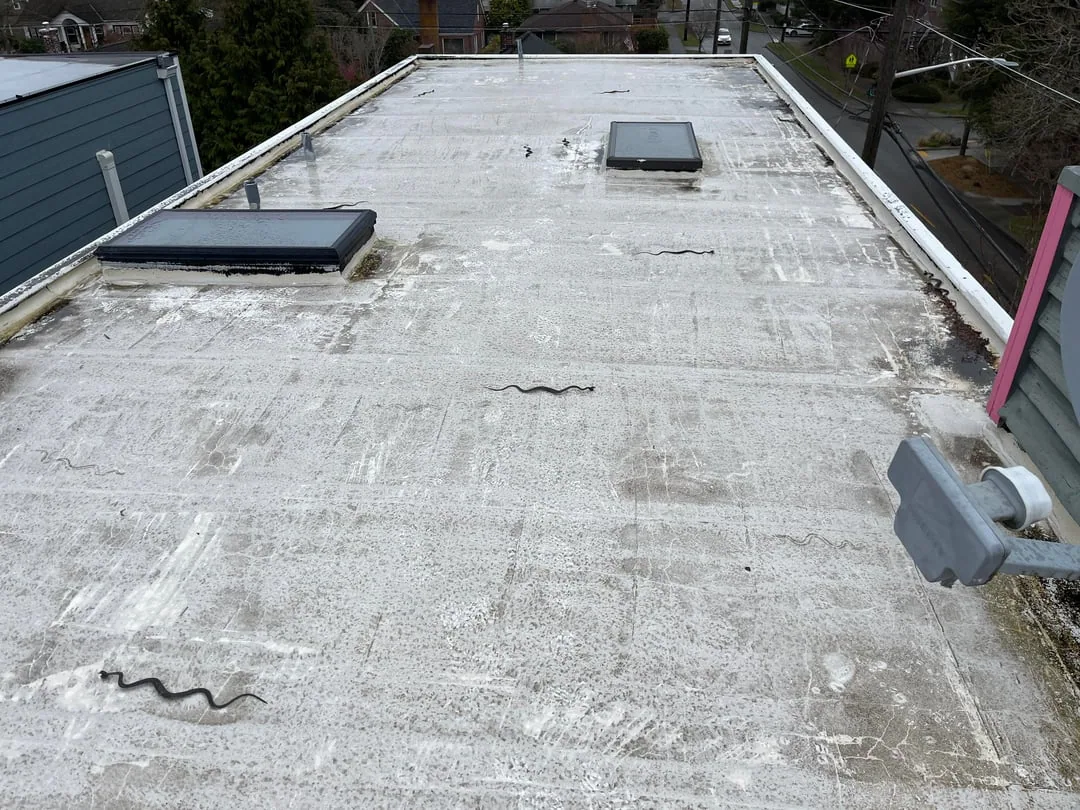
Urgent work can require decisions before every detail is known. We state the immediate objective, cost basis, access assumptions and approval limit before proceeding when circumstances allow. If an active leak requires quick protection, the property contact should understand what is included and what will require a second authorization. After the initial response, we provide a written account of the area protected, roof conditions observed, materials used, and follow-up recommended.
For multi-building owners around Richardson IQ, the response record can help compare incident severity without assuming each asset has the same assembly. A property in the West Arapaho Corridor may have different access controls or roof elevations from an office in the Galatyn Park Urban Center. Those area details are context, not a substitute for a site visit. We confirm who can authorize work, who receives updates and how crews can protect occupied areas before moving beyond the approved emergency step.
Schedule the Next Weather-Safe Visit
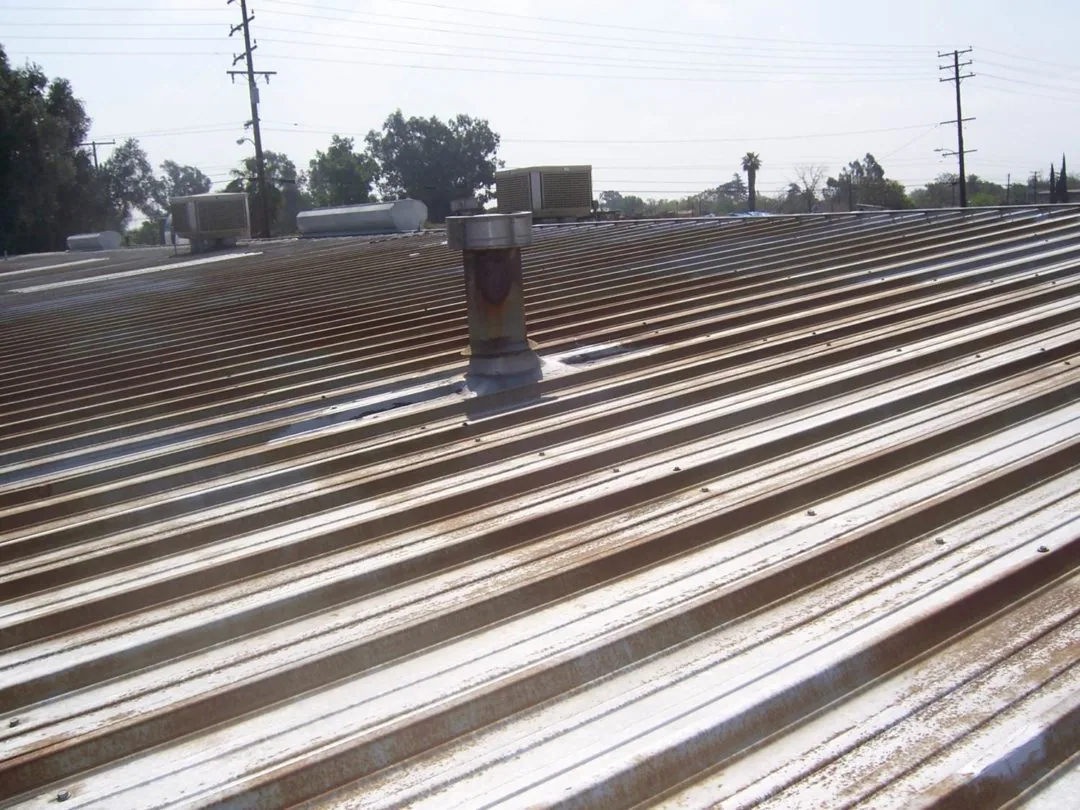
A dry-in buys time; it does not close the repair file. We set the next inspection or permanent-work step based on weather, material requirements and access. The follow-up should verify that the temporary cover remains in place, inspect the underlying detail when it can be opened safely, and determine whether insulation or interior finishes were affected. If water reappears before that visit, the owner should report where and when it occurred so the response can be adjusted.
Once the immediate issue is resolved, a storm-damage assessment can document related wind or hail conditions, while scheduled maintenance can address drains and exposed details that may be vulnerable in the next event. Photos and repair notes become a useful baseline for later condition reporting. That record helps ownership plan the next expense based on what happened rather than treating each emergency call as a separate mystery.
Related Roofing Work
Infrared Roof Moisture Survey
Commercial Roof Inspection
West Arapaho Corridor
Galatyn Park Urban Center
Questions About Emergency Commercial Roof Repair
Do you provide 24/7 emergency commercial roof response?
Yes. We take urgent commercial roof calls around the clock and assess response options based on current conditions, safe access and the information available. Arrival and repair timing depend on location, weather and whether the roof can be reached safely.
Can a tarp stop every roof leak until permanent repairs?
A temporary cover cannot promise that all water entry will stop, especially in high wind or when water is moving beneath the surface. We choose a dry-in method suited to the opening and explain its protected area and limits.
What information helps when I call after hours?
Give the property address to dispatch, your callback number, where water is appearing, whether it is active, and any access or safety concerns. Mention affected electrical or sensitive spaces. Photos are useful when they can be taken safely from inside.
Can you perform permanent repairs during the emergency visit?
Sometimes, if the failure is clear, safe access is available, materials are compatible and weather allows proper installation. Other situations call for temporary protection first, followed by a closer inspection and permanent scope.
What happens after the emergency dry-in?
We document the work and schedule a weather-safe follow-up to inspect the temporary measure, evaluate concealed conditions and define permanent repairs. The owner receives any remaining risks and approval points in writing.
Request Urgent Roof Response
Call with the property location, active leak area and access details. We will assess safe response options, protect the building where conditions allow and set the permanent repair step.