
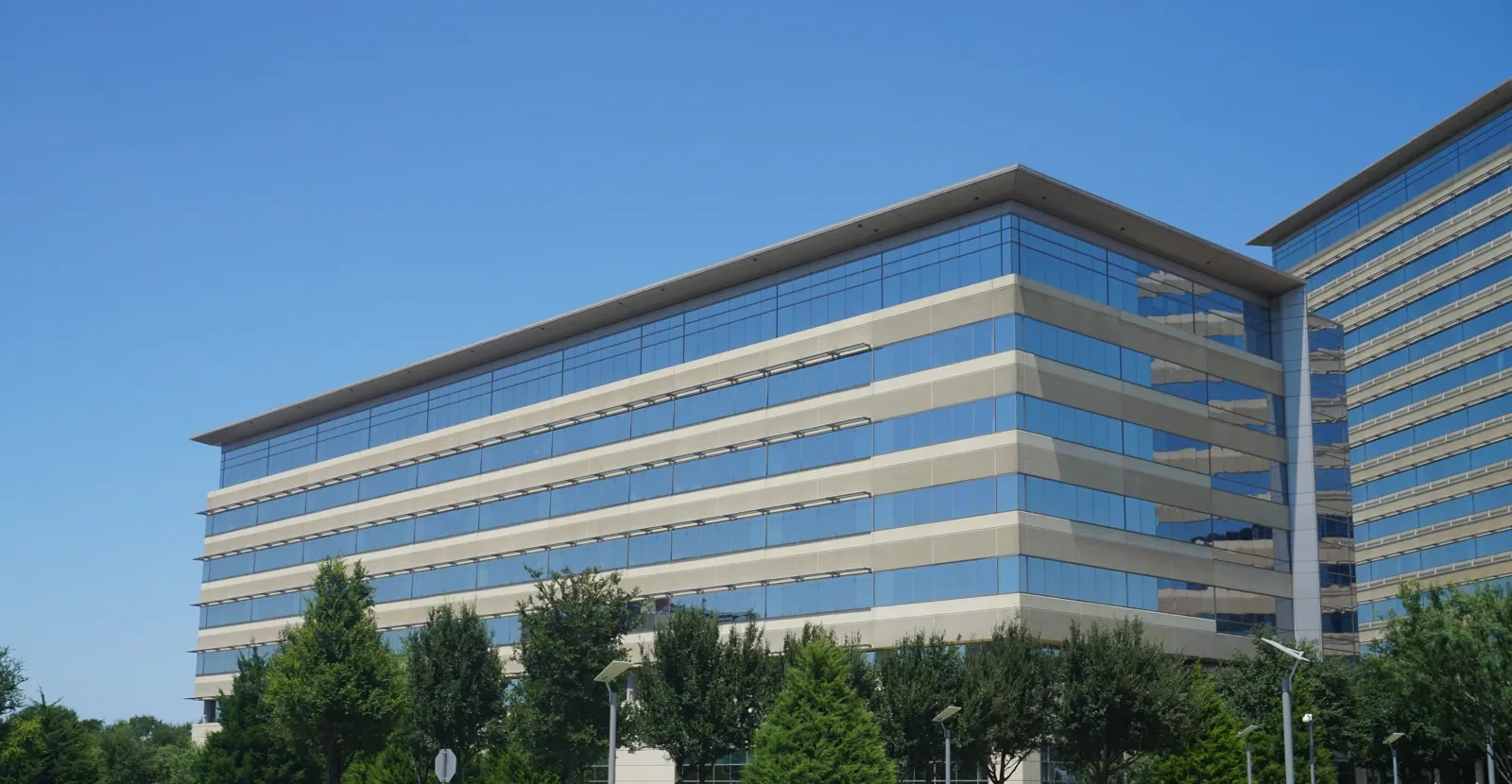
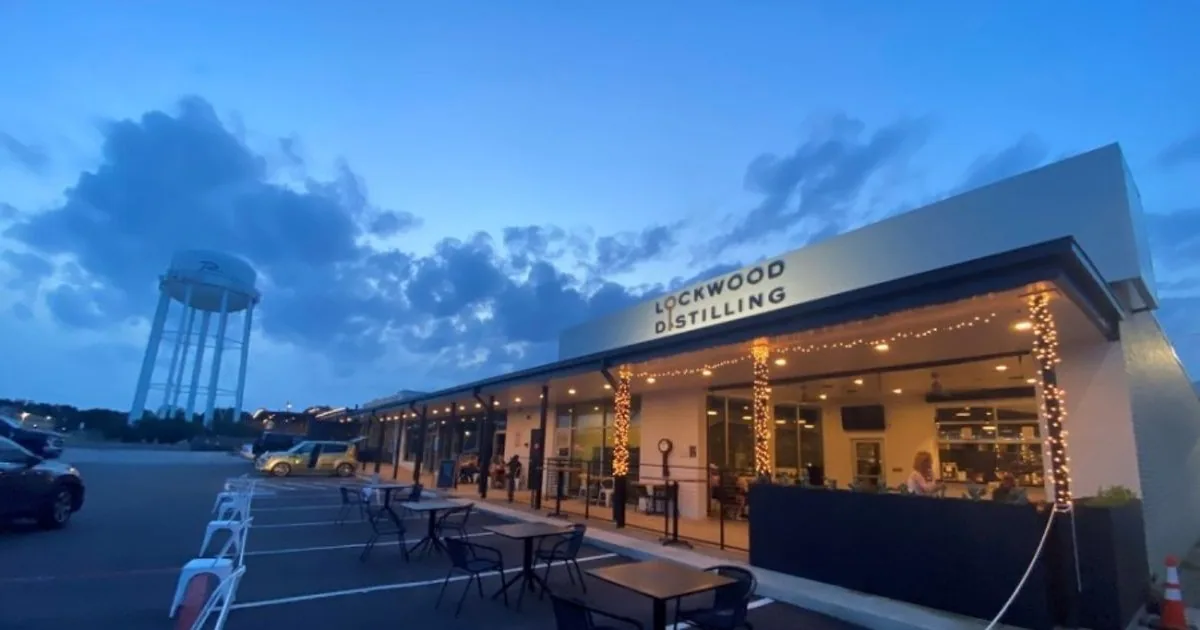
Adaptive reuse can put a new business inside an existing building while leaving roof questions unresolved. Lockwood is the newest neighborhood within Richardson's CORE District and includes reused buildings for brewery and restaurant uses, along with a craft distillery. We inspect the existing assembly before setting a repair line or replacement window. A new tenant does not establish the roof's age, prior work or capacity for added equipment.
Request a Roof Assessment
All fields are required.
Commercial Roofing in Lockwood District, Richardson, TX
Set the Roofing Scope Before Fit-Out Moves
Check the Roof Before a Tenant Change
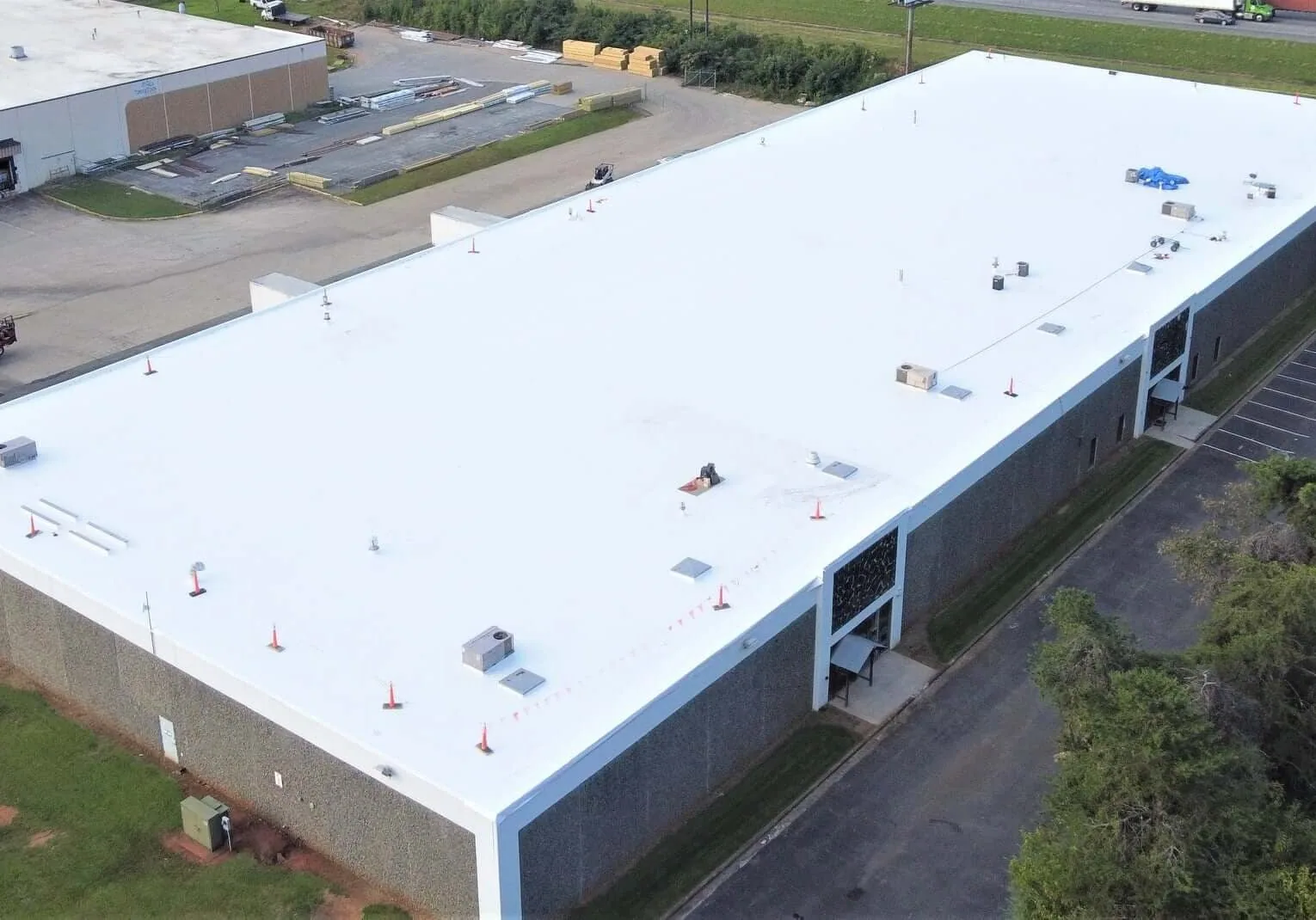
Before fit-out begins, we inspect the membrane or panels, seams, drains, parapets, curbs and previous penetrations. A reuse project may need new exhaust or mechanical equipment, but we only scope what the plans and roof show. The inspection identifies whether a curb is active, abandoned or newly proposed, then clarifies flashing and structural coordination. A commercial roof inspection can establish that baseline before a construction schedule depends on roof access.
Where the building will remain occupied, the report also records staging, interior protection and limits on noise or odor. A coating, repair and replacement each have different preparation and close-in needs. We do not price a coating as a shortcut for wet insulation or loose attachment. A restoration evaluation begins with adhesion, moisture and drainage checks, then separates surface preparation from any membrane repair.
Existing building details can set the budget. Multiple roof layers, concealed deck condition, old curbs and transitions between additions may add labor or material. We identify those visible conditions and describe what must be opened to confirm the rest. The estimate distinguishes known quantities from unit-price contingencies, giving the owner a clear approval point if a hidden condition appears after work begins.

Protect the Business Below
A restaurant or production space can have narrow access and delivery windows. We confirm when a lift can arrive, where materials may be staged, which doors remain available and whether the work area sits above active operations. If the project requires interior protection, the scope identifies the rooms and the crew's cleanup boundary. These limits affect schedule, even when the roof repair itself covers only a small area.
A reported leak needs a sequence: protect the interior, trace the roof path, stop active entry and decide what permanent repair is supported. Water may travel beneath a membrane before it appears indoors, so we compare the stain with seams, walls and penetrations. If a leak remains active, emergency response can limit further water entry once the property contact confirms a safe roof route.
After the immediate risk is contained, a commercial leak repair scope identifies material compatibility, preparation, tie-in and the area not included. If new rooftop equipment or a flue caused the failure, responsibility for resetting it must be clear before permanent flashing work. That keeps the roofer's work boundary separate from mechanical changes during tenant improvement.
Separate New Work From Existing Wear
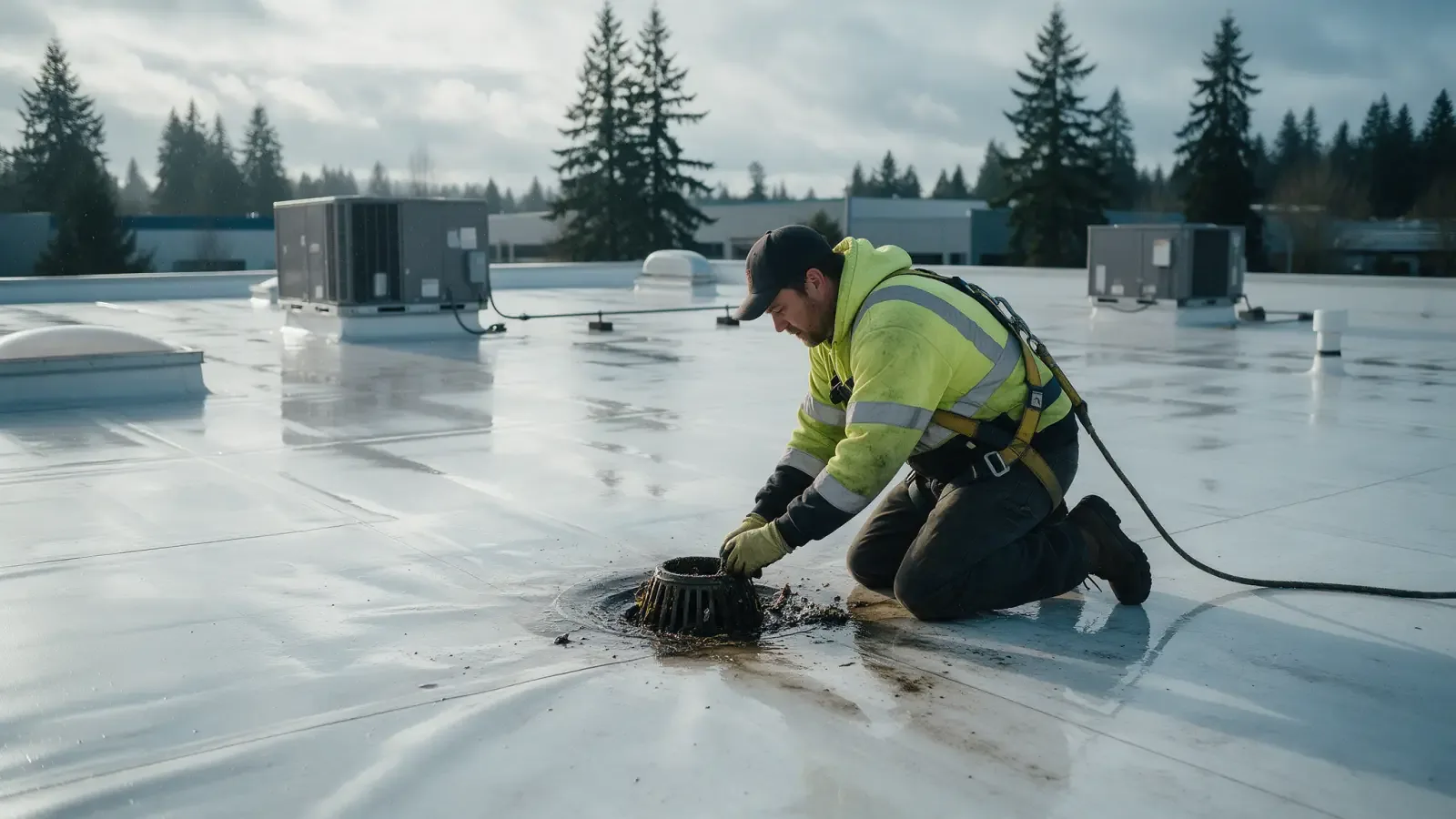
Roof records can be incomplete during a change of use. We photograph current seams, flashing, edges, drains and repair patches, then note access limits and any moisture testing. A roof condition report keeps those observations tied to a date and roof zone. If another trade returns to the roof, the record helps identify which transition was repaired and where new work begins.
Lockwood's documented business mix includes brewery and restaurant reuse and a craft distillery. Those facts make ventilation, equipment service and operating hours reasonable inspection questions, not assumed roof conditions. We inspect actual exhaust details and ask which units will change. Where the scope needs a curb modification, the proposal states whether roofing, mechanical work or both are included, and what needs owner approval before cutting the membrane.
A leak near an exhaust curb does not prove the curb caused it. We check the membrane tie-in, curb corners, fasteners, nearby seams and any condensate path. If a test opening is needed, we describe the location and decision first. The owner can then weigh the investigation against immediate repair without paying to open a larger area than the evidence supports.
Set a Defensible Work Window
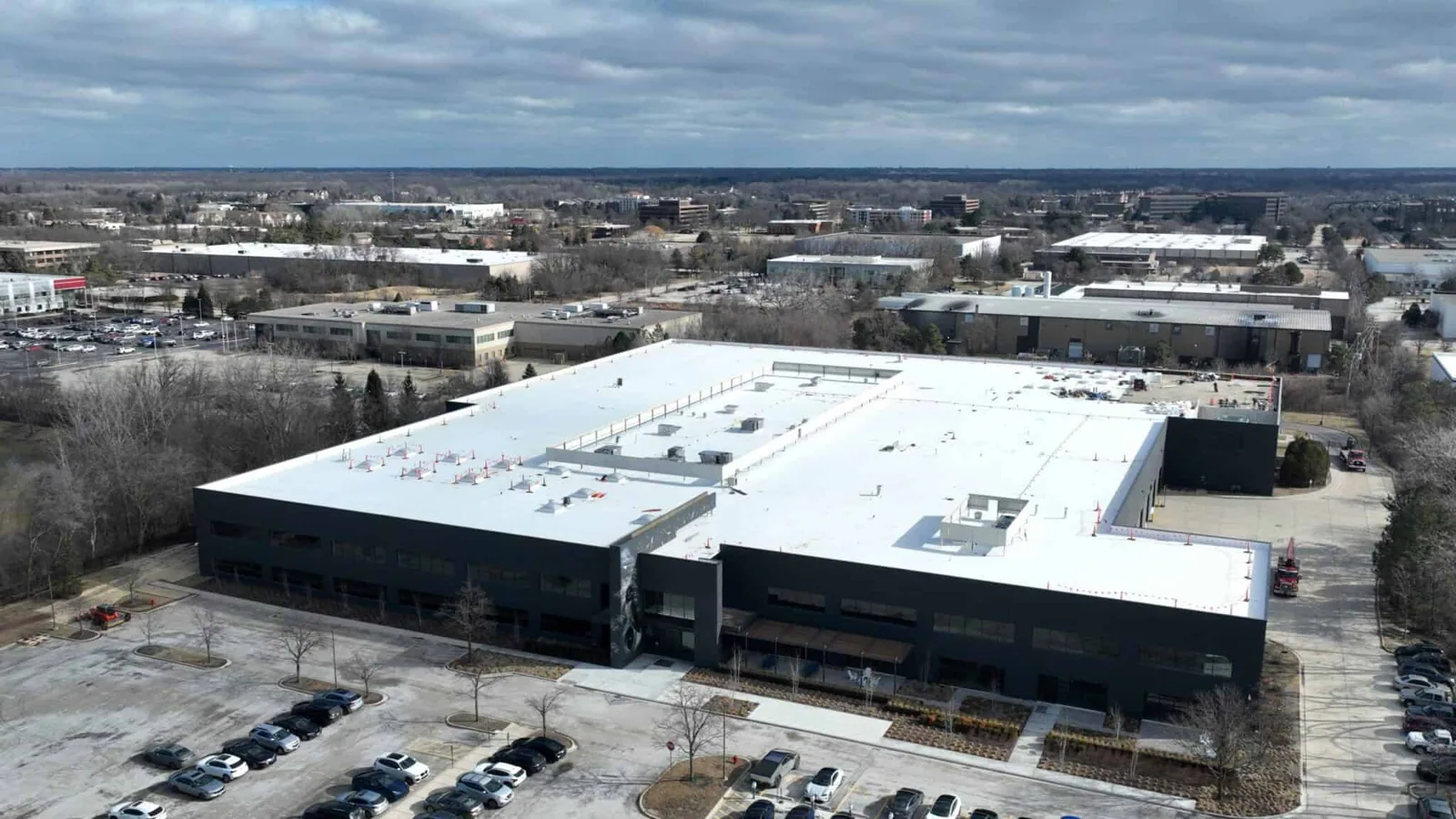
Richardson's July and August average highs are near 96 degrees. Heat can affect crew hours, membrane handling and how long an opened section remains exposed. Spring is the DFW area's peak period for severe-weather activity. We phase work by a daily watertight boundary, then build a weather buffer into tear-off and close-in. That planning matters when new interiors or equipment are also exposed to rain risk.
A storm in the region does not prove damage at a Lockwood property. We document the specific roof condition, inspection date and any evidence of displacement, puncture or open seam. A storm-related roof inspection can record the visible conditions for owner review. We separate fresh observations from older wear only when the details support that distinction.
For a replacement, the work plan covers tear-off, disposal, substrate review, insulation, membrane and flashing. We show where the roof must close each day and what happens if deck damage appears. If the schedule includes tenant fit-out, the critical path should name which trade has roof access and when. A clear sequence avoids reopening a newly finished area because the curb or flashing work was scheduled too late.
Keep the Capital Decision Clear
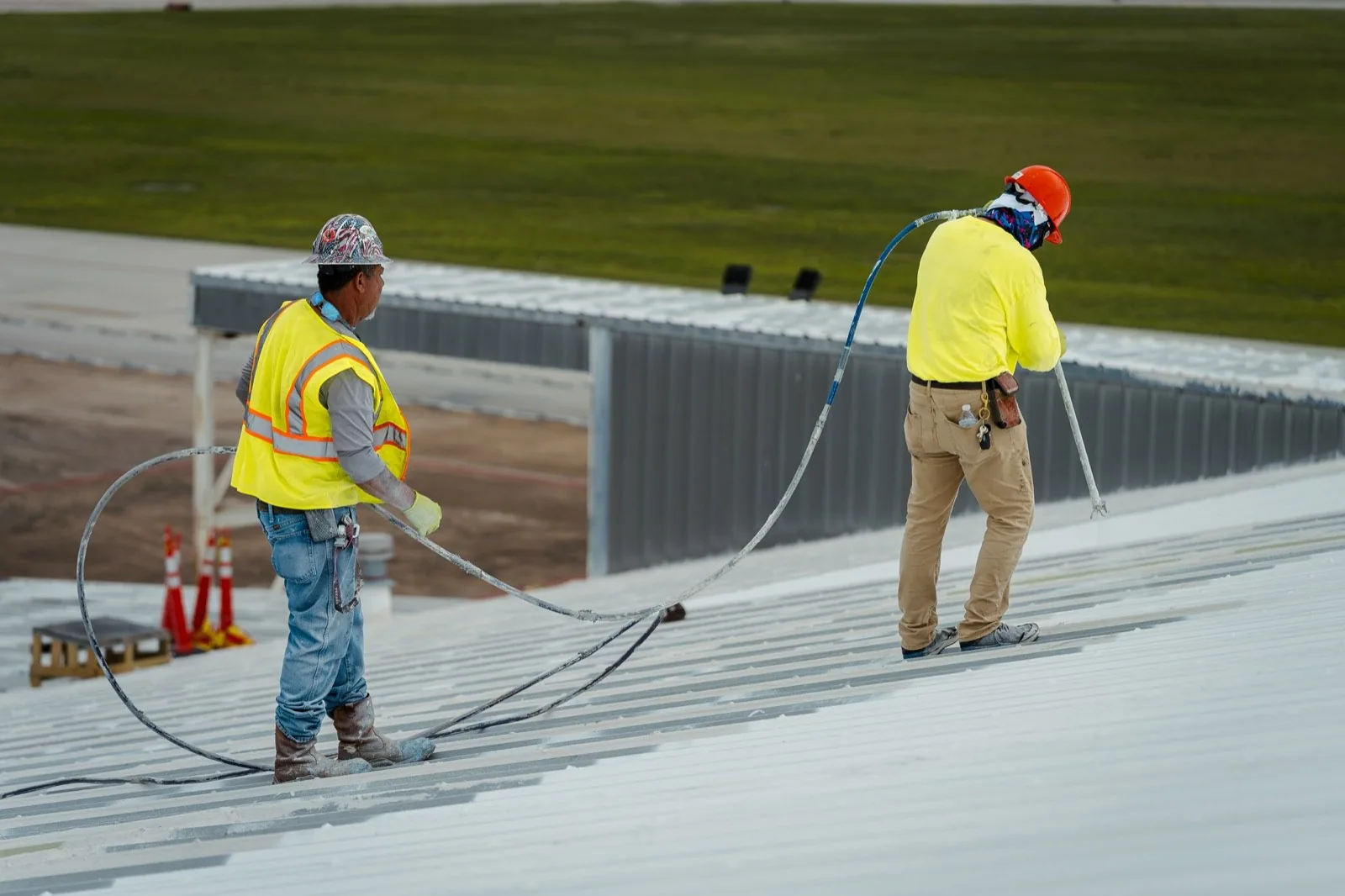
Repair makes sense when the defect is contained and surrounding material remains stable. Repeated leaks, widespread wet insulation, failed attachment or deteriorated edges may support a larger scope. We compare only options supported by inspection. A recover review checks existing layers, moisture, attachment, deck and drainage; replacement is priced separately when tear-off better addresses the roof's condition.
City permit review uses the 2021 building, existing-structure and energy codes as amended locally. The proposed roof and tenant work determine which provisions apply. We confirm city requirements before ordering material or opening a section. The proposal states assumptions about equipment movement, access, work hours, waste route and concealed conditions so an owner can compare bids on equivalent scope.
Lockwood shares the CORE District with Chinatown and Heights, but the operating mix differs. Chinatown includes restaurants, bakeries and markets along Greenville Avenue north of Main Street; Heights includes boutique retail, dining and entertainment. A Chinatown property scope or Heights roof assessment starts with that building's observed conditions rather than a copied Lockwood detail.
Closeout records completed zones, materials, dated photos and items left outside the scope. Tell us the building, planned use, leak history, access window and decision deadline. We will return a repair or replacement recommendation with the work boundary and timing assumptions stated plainly.
Related Roofing Work
Commercial Roof Inspection
Commercial Roof Coating and Restoration
Emergency Commercial Roof Repair
Commercial Roof Leak Repair
Questions About Lockwood District
Can a reused building support new rooftop exhaust equipment?
That requires a review of the proposed equipment, curb, structure, membrane and flashing scope. We coordinate the roof portion with the mechanical plans and identify who handles each transition before cutting or fastening through the roof.
Does a brewery or restaurant use mean the roof needs special coating?
The use alone does not answer that. We inspect the current assembly, heat and exhaust details, moisture and drainage. A coating is considered only where the substrate and preparation support it.
How do you keep a roof project from disrupting a new tenant fit-out?
We confirm access, staging, daily close-in and the order of mechanical and roofing work with the project lead. The schedule identifies the roof zones that must be complete before interior finishes or equipment commissioning proceed.
What if a leak appears during renovation?
We protect the interior, trace the water path and inspect nearby seams and penetrations. The estimate separates urgent stabilization from a permanent repair and defines the area that remains untested or outside the work.
When should Lockwood ownership compare repair with replacement?
Compare them when inspection finds recurring failures, moisture across several zones, unstable attachment or extensive edge deterioration. We state what a repair fixes, what remains and which findings justify a replacement window.
Set the Roofing Scope Before Fit-Out Moves
Share the planned use, roof access window and project deadline. We will inspect the existing assembly and identify the roofing work that belongs in the schedule.