
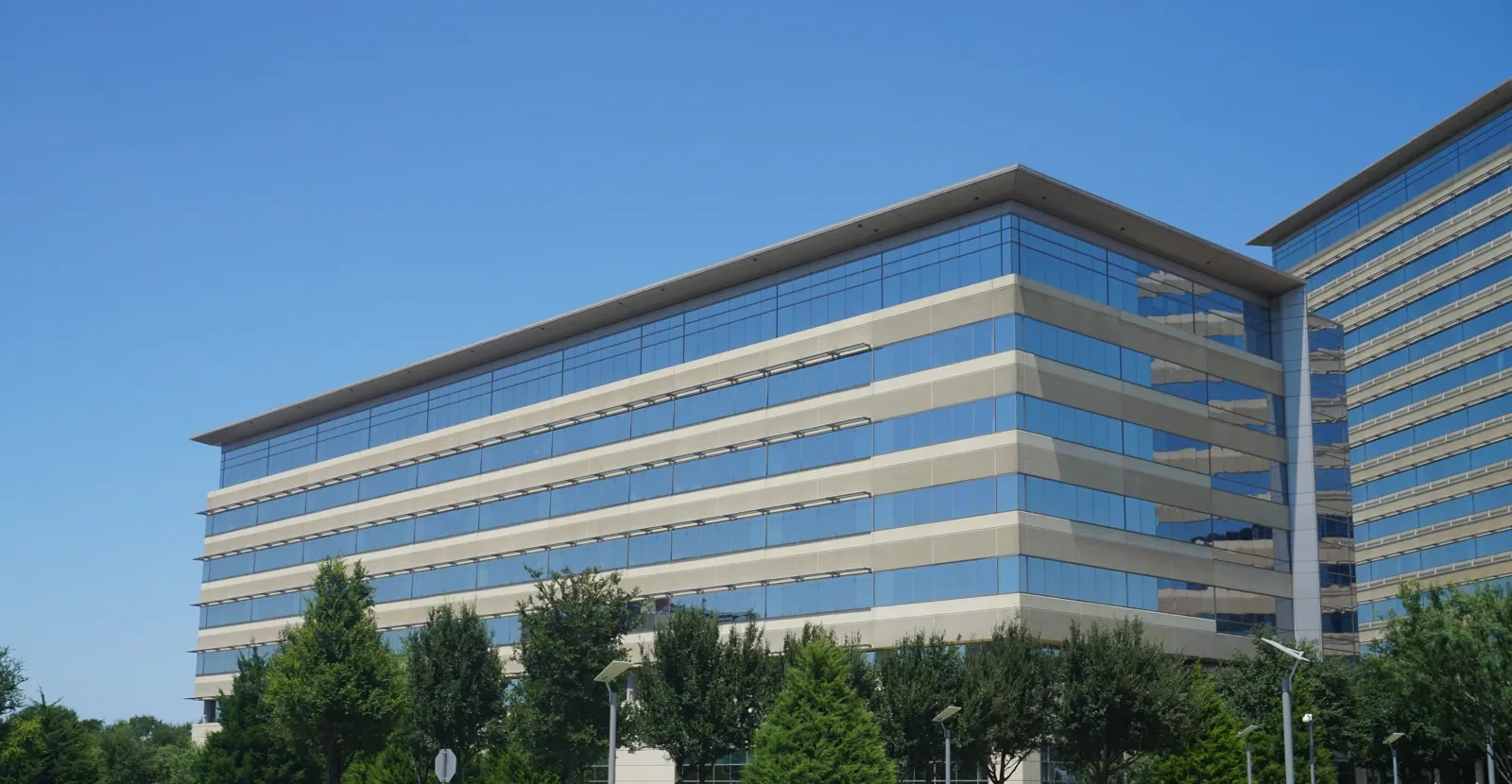
TPO is a single-ply membrane used on many low-slope commercial roofs, but the material name alone does not determine whether it fits a building. We assess commercial TPO roofing in Richardson, TX by reviewing the deck, insulation, attachment, drainage, seams, penetrations and operating needs before recommending repair or replacement. The owner receives a system choice tied to roof conditions and budget timing. We explain what installation requires, which details deserve inspection and what the proposal assumes about concealed layers.
Request a Roof Assessment
All fields are required.
Commercial TPO Roofing in Richardson, TX
Review a TPO Roof Against the Building's Needs
Check Whether TPO Fits the Existing Roof
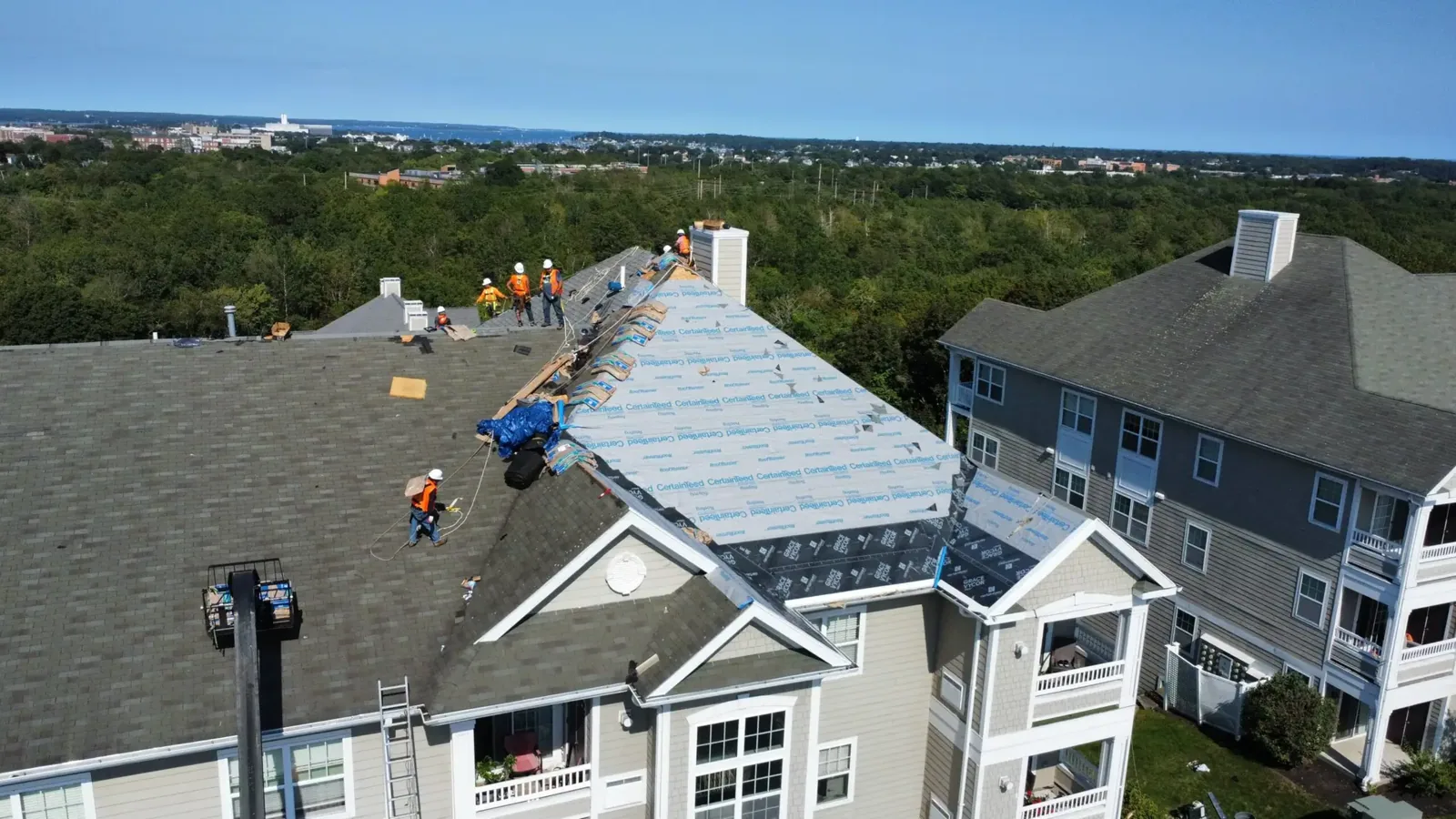
TPO may suit a low-slope building that needs a reflective membrane and welded seams. Fit still depends on roof geometry, wind design, deck, insulation, edge details and rooftop activity. We identify the existing assembly and determine whether the project is a new installation, recover or tear-off. If prior layers are wet or poorly attached, a new membrane can cover a problem rather than solve it. Selective cores or other testing may be needed before the owner chooses an option.
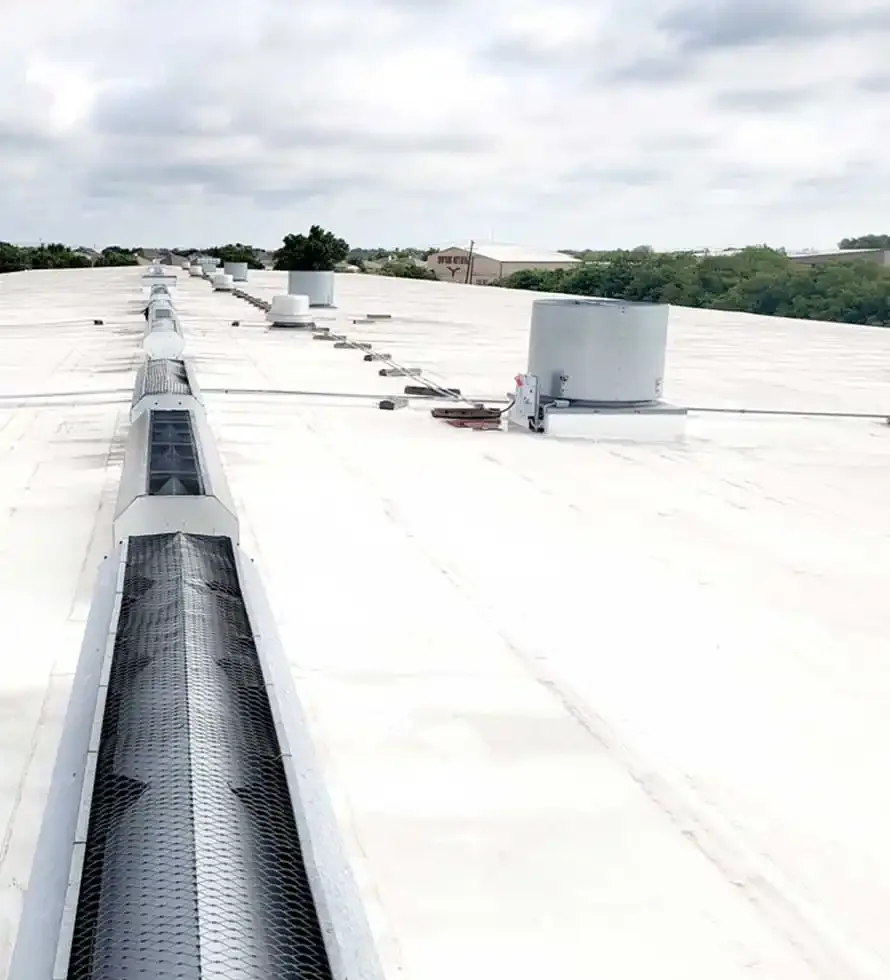
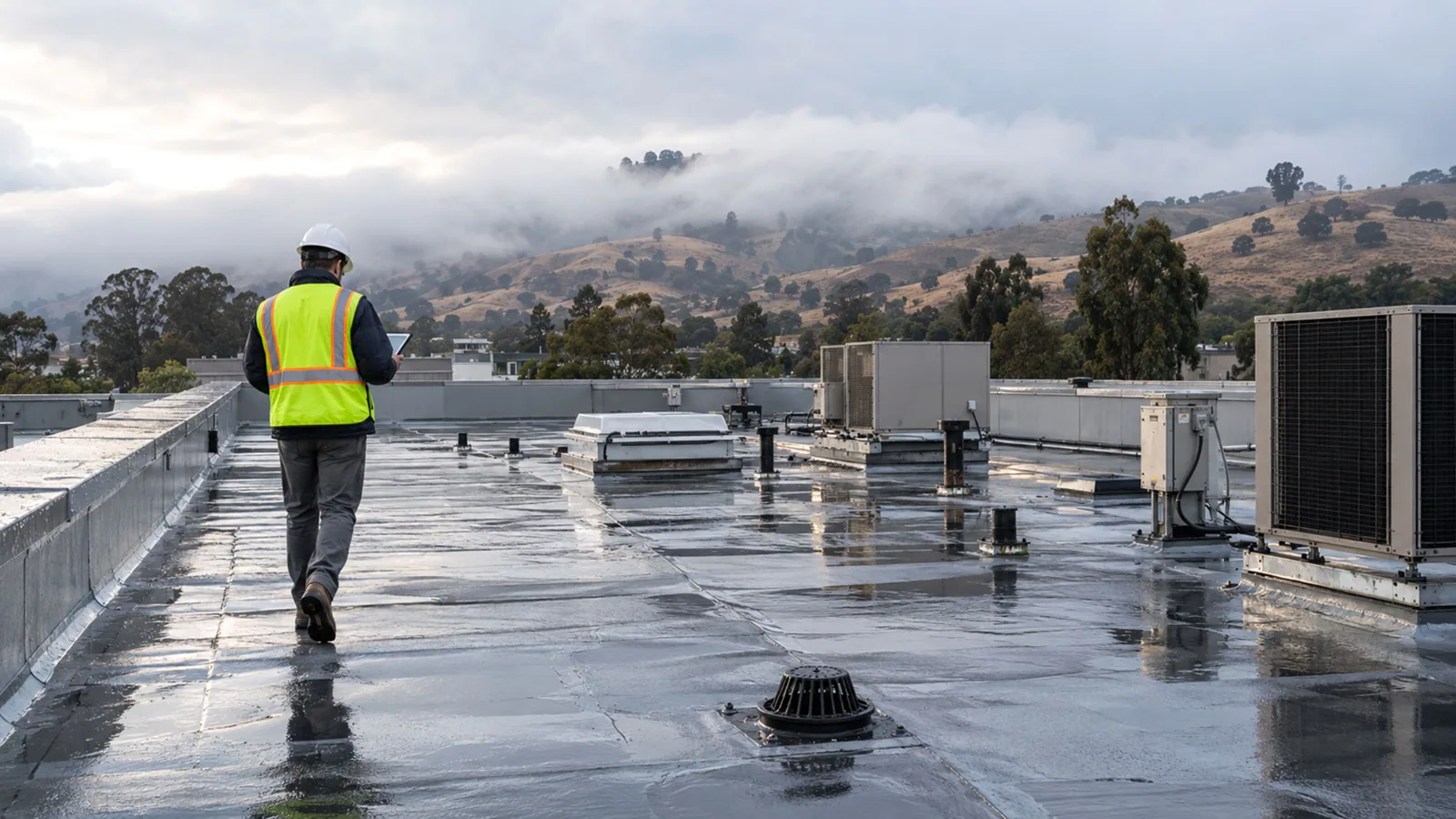
For an existing roof, we inspect seams, patches, flashings and areas around rooftop units. We look for shrinkage, puncture, surface wear and movement at transitions. When comparing proposals, look beyond membrane thickness: reinforcement, attachment pattern, cover board, edge securement and flashing scope also affect the installed assembly. A thicker sheet does not correct a weak deck or a loose perimeter, and a reflective color does not establish that the roof drains properly. A TPO layer can be a practical replacement system, but system thickness, reinforcement, color, attachment and cover board should be selected for the project. Our commercial inspection can map the current condition; a recover assessment can determine whether another layer is allowable and suitable.
Evaluate Welded Seams and Field Details
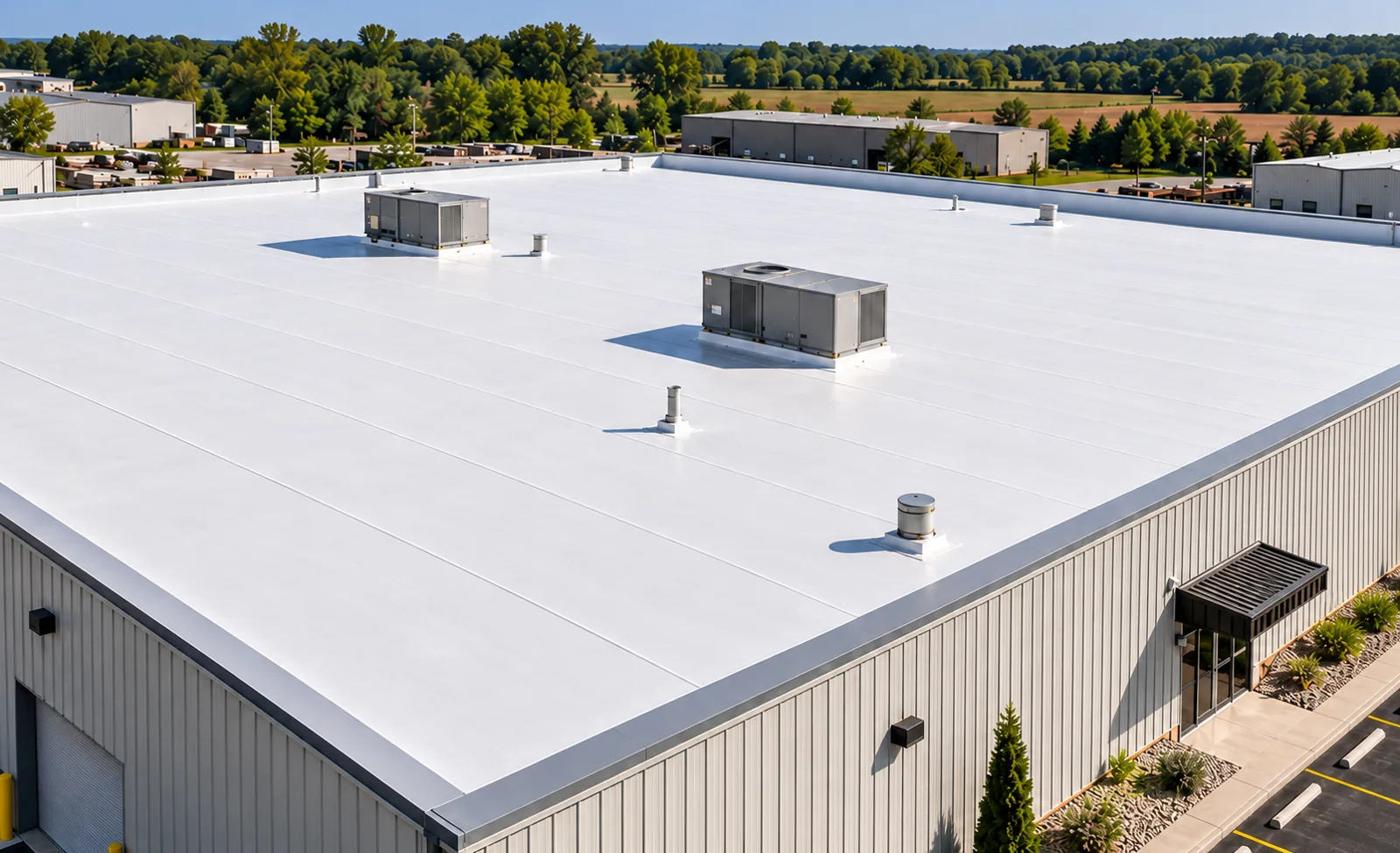
TPO seams are joined with heat, so installation conditions, equipment settings and technician technique matter. A seam should be prepared, welded and checked according to the system requirements. We inspect laps, corners, patches and transitions for incomplete welds, contamination, fishmouths or separation. A roof may have sound field seams but weak details at curbs, parapets, pipes or drains; the assessment should not stop at a broad surface view.
When repair is needed, we identify the membrane and use a compatible detail. A small patch can be effective when the surrounding surface is sound and the leak path is understood. Repeated seam problems across zones may call for a broader assembly review. We record the repair location and nearby conditions so later inspections can compare the same detail. The owner should also keep product, installation and warranty records with the building file. Record seam direction, membrane markings and patch locations where visible; those references can help an inspector distinguish a repaired area from a new opening. Maintenance staff should also note any contractor or equipment work that crosses the roof after installation.
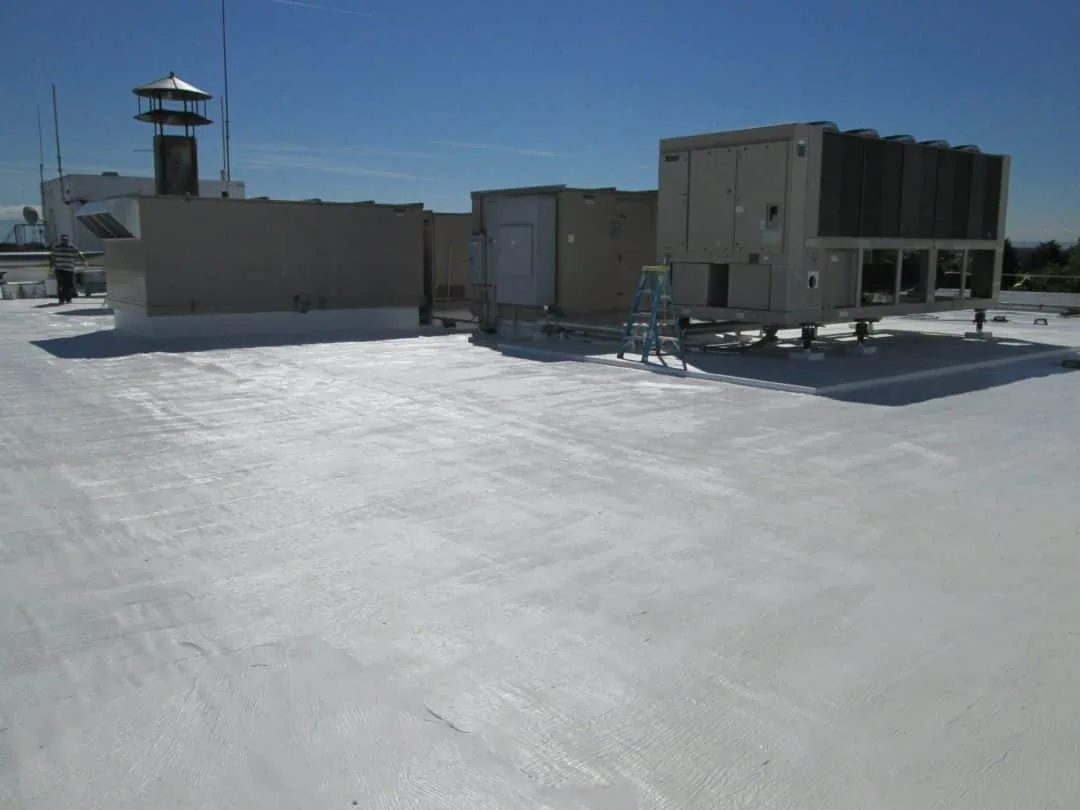
Match Attachment and Insulation to the Building
Mechanically attached, adhered and ballasted systems place different demands on the deck and insulation. Wind uplift design, roof height, parapets, edge zones and substrate strength influence the attachment plan. We coordinate the selected assembly with project design documents and verify that insulation and cover board provide a suitable surface. If a deck type or fastening capacity is uncertain, testing or design review can clarify it before material quantities are fixed.
Richardson's current energy requirements and project review path depend on the scope and building conditions. Added insulation can affect roof height, curb elevations and flashing at perimeters. We review drains, equipment curbs, skylights and access points so a new TPO system does not leave short flashing or blocked service routes. Insulation and cover-board planning can be coordinated with the membrane scope. For a property where solar is under consideration, future mounts and roof access can be coordinated before membrane work begins.
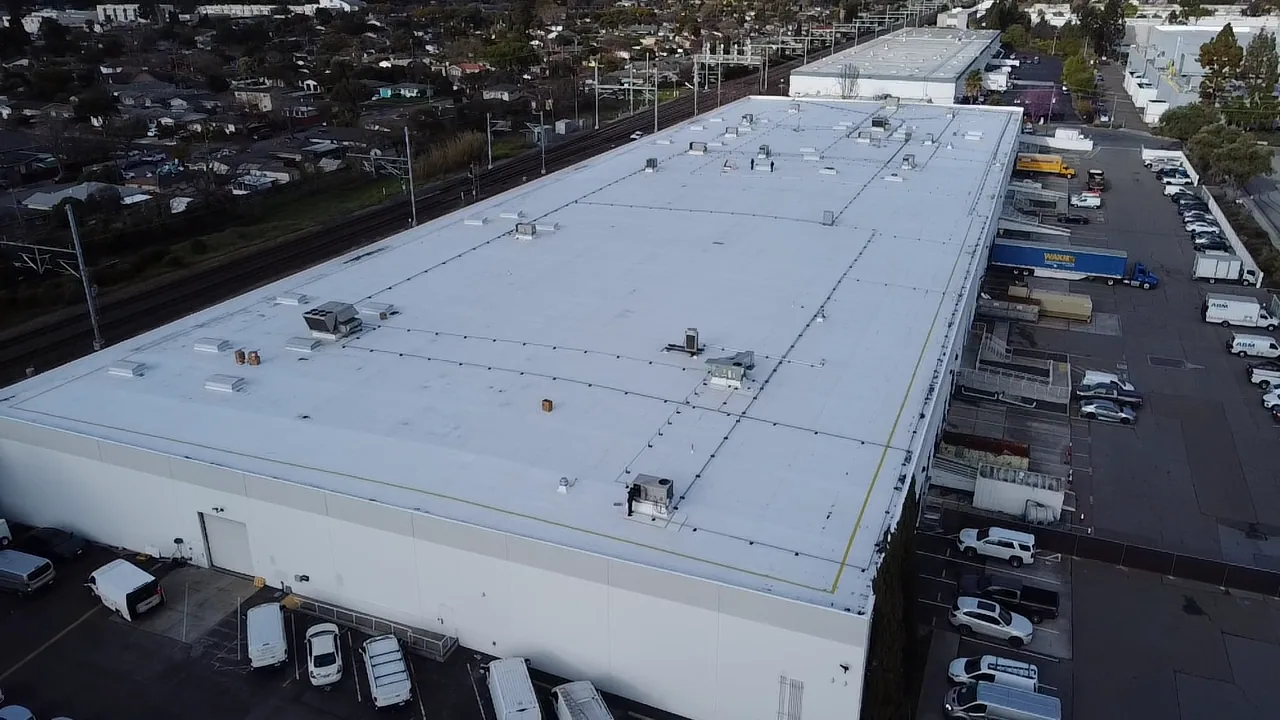
Plan for Richardson Heat and Spring Storms
North Texas summers expose roof surfaces to prolonged heat, while spring storms can bring hail, wind and heavy rain. Those conditions make secure edges, welded seams, drainage and safe installation windows important. We plan daily work limits around the system's installation requirements and forecast. A crew should not install membrane on an unsuitable wet or contaminated surface merely to preserve production. We establish stop points that leave each zone protected if weather changes.
Commercial settings around Richardson Innovation Quarter include office and technology operations that may have equipment or access constraints. CityLine's connected mix of residential, office and retail uses can also affect deliveries and tenant movement. Those district facts inform planning but do not establish a specific property's roof type or conditions. We confirm the actual schedule, entrances, loading areas and sensitive spaces with the owner before staging material. If a storm occurs during the project, we inspect completed and open zones separately.
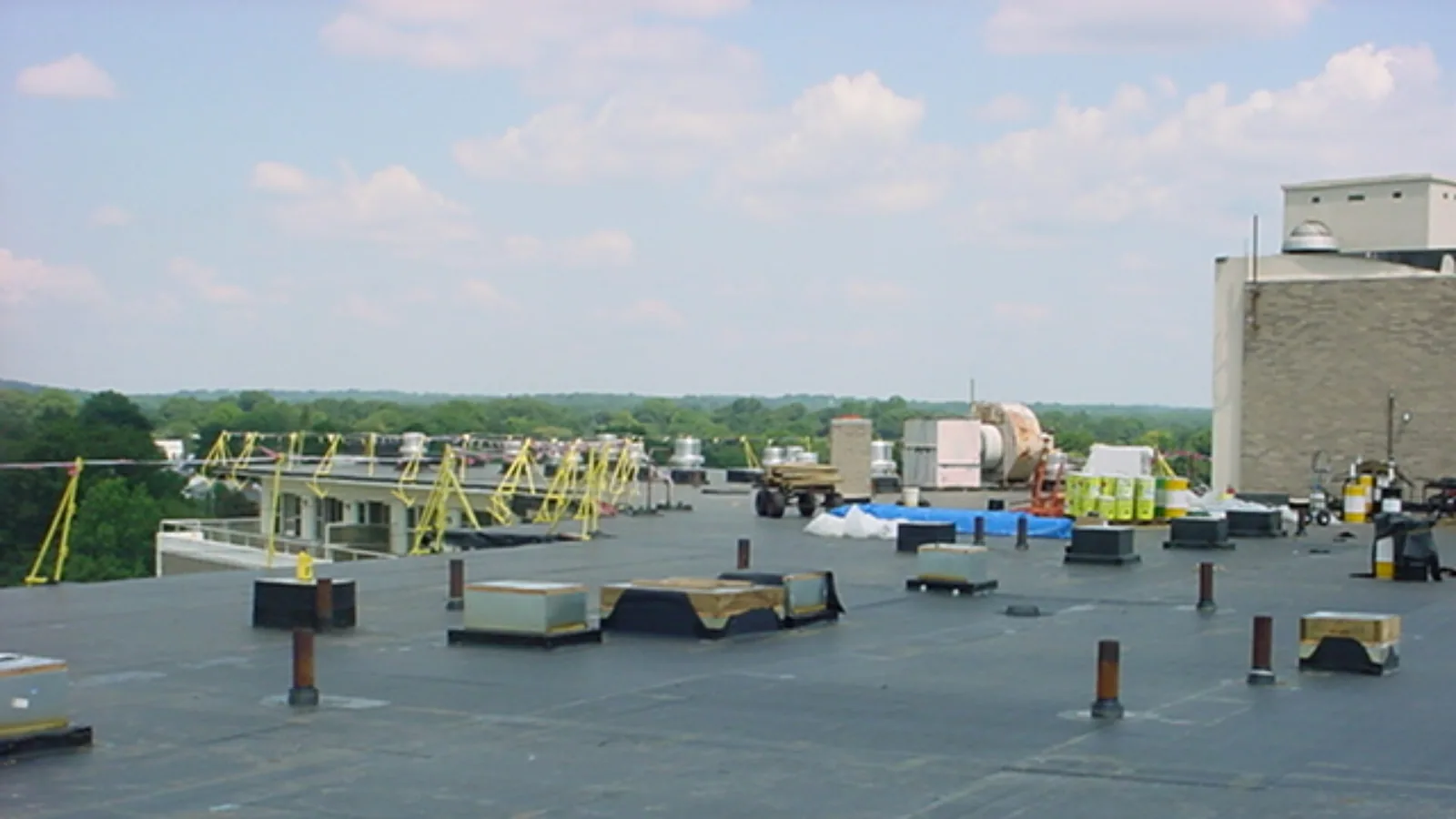
Keep TPO Details Visible After Installation
Routine checks focus on seams, penetrations, drains, edge metal, rooftop equipment and places where other trades work. A puncture may be small but can admit water into insulation; a blocked drain can keep a seam wet. Maintenance should record debris removal and repairs, with photos tied to roof zones. If leak history changes, the inspection should broaden to trace water rather than assume the closest seam is responsible.
After installation, owners should retain system information and understand any maintenance requirements tied to the selected assembly. A maintenance visit can review accessible details and drainage, while a repair scope can address isolated damage. If a major storm affects Richardson, a storm assessment can document new conditions separately from prior wear. These steps keep future decisions tied to the roof's actual performance rather than a material label.
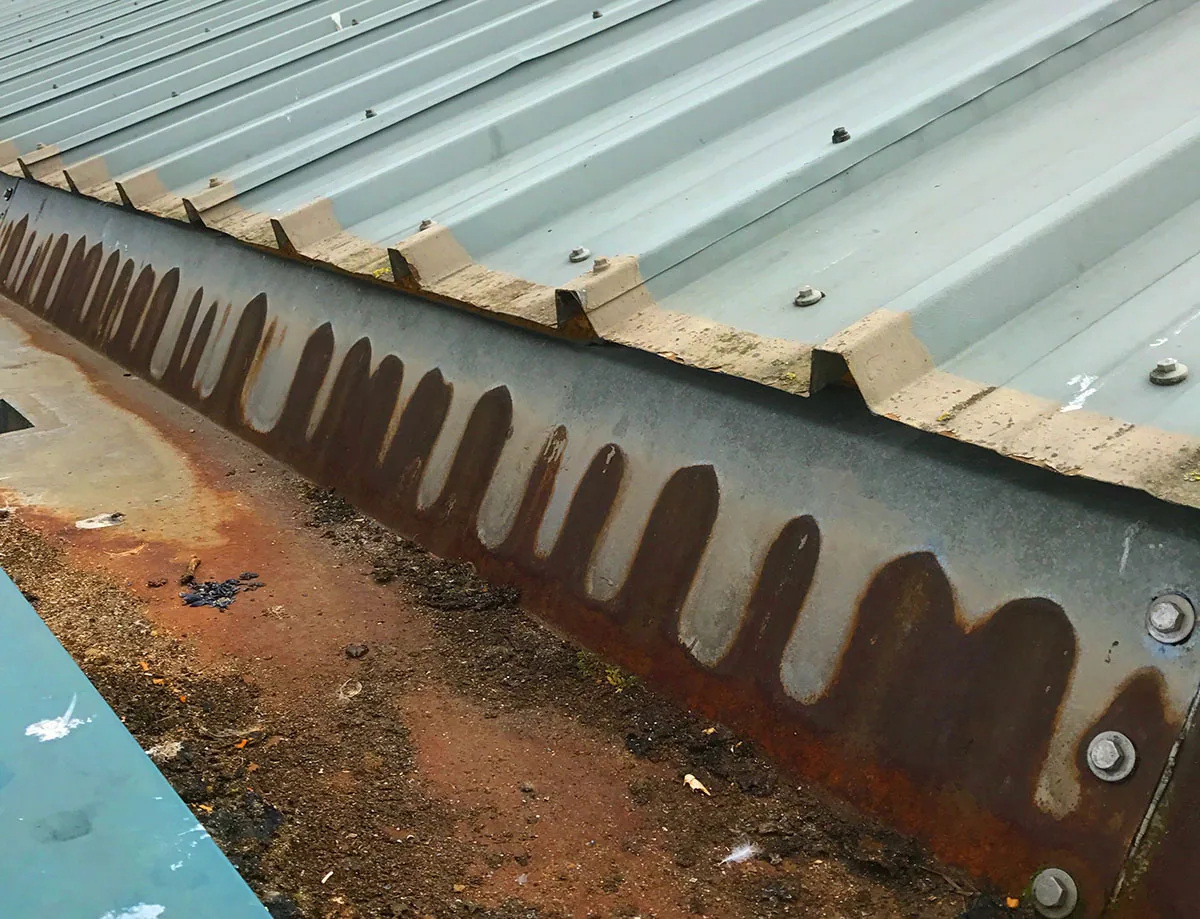
Compare TPO With Other Roof-System Options
A complete TPO estimate identifies removal, insulation, cover board, attachment, membrane thickness, flashings, drains, access, protection and disposal. It states which hidden conditions could change scope and how owner approval works. Compare the same items across bids. A low initial number that excludes edge metal or wet insulation may not represent the installed assembly the building needs.
Owners may compare TPO with PVC, EPDM or modified bitumen based on use, details, compatibility, repair approach and installed scope. The best fit depends on project design and operating requirements; we do not present one membrane as right for every property. Closeout should identify installed zones, system components, photos and any retained roof sections. A condition report can preserve a baseline for future inspections.
Related Roofing Work
Commercial Roof Inspection
Commercial Roof Recover and Overlay
Commercial Roof Insulation and Cover Board
Richardson Innovation Quarter
Questions About Commercial TPO Roofing
Is TPO a good choice for every commercial roof?
No. Suitability depends on roof geometry, deck, attachment design, insulation, drainage, equipment and the property's maintenance needs. We review the assembly and project conditions before recommending TPO.
How are TPO seams installed?
The membrane laps are heat-welded under controlled conditions and should be checked against system requirements. Surface preparation, equipment settings and detail work at corners and penetrations affect seam quality.
Can TPO be installed over my current roof?
A recover may be possible if the existing roof is dry, stable, attached and within allowable layer limits. Testing and code review may be needed. Wet insulation or a damaged deck can make removal the better option.
What can damage a TPO roof after installation?
Foot traffic, dropped tools, later trade work, wind stress at edges, neglected drains and aging details can affect performance. Scheduled checks help identify small punctures and seam concerns before they develop into interior leaks.
What should a TPO roofing proposal include?
Look for membrane and insulation details, attachment, edge and penetration work, drainage, removal assumptions, access, protection, closeout and change boundaries. Those items allow the owner to compare installed scopes instead of material names alone.
Review a TPO Roof Against the Building's Needs
Share the roof history, leak locations, deck information and project timing. We will inspect the assembly and compare TPO scope options with clear assumptions and detail requirements.