
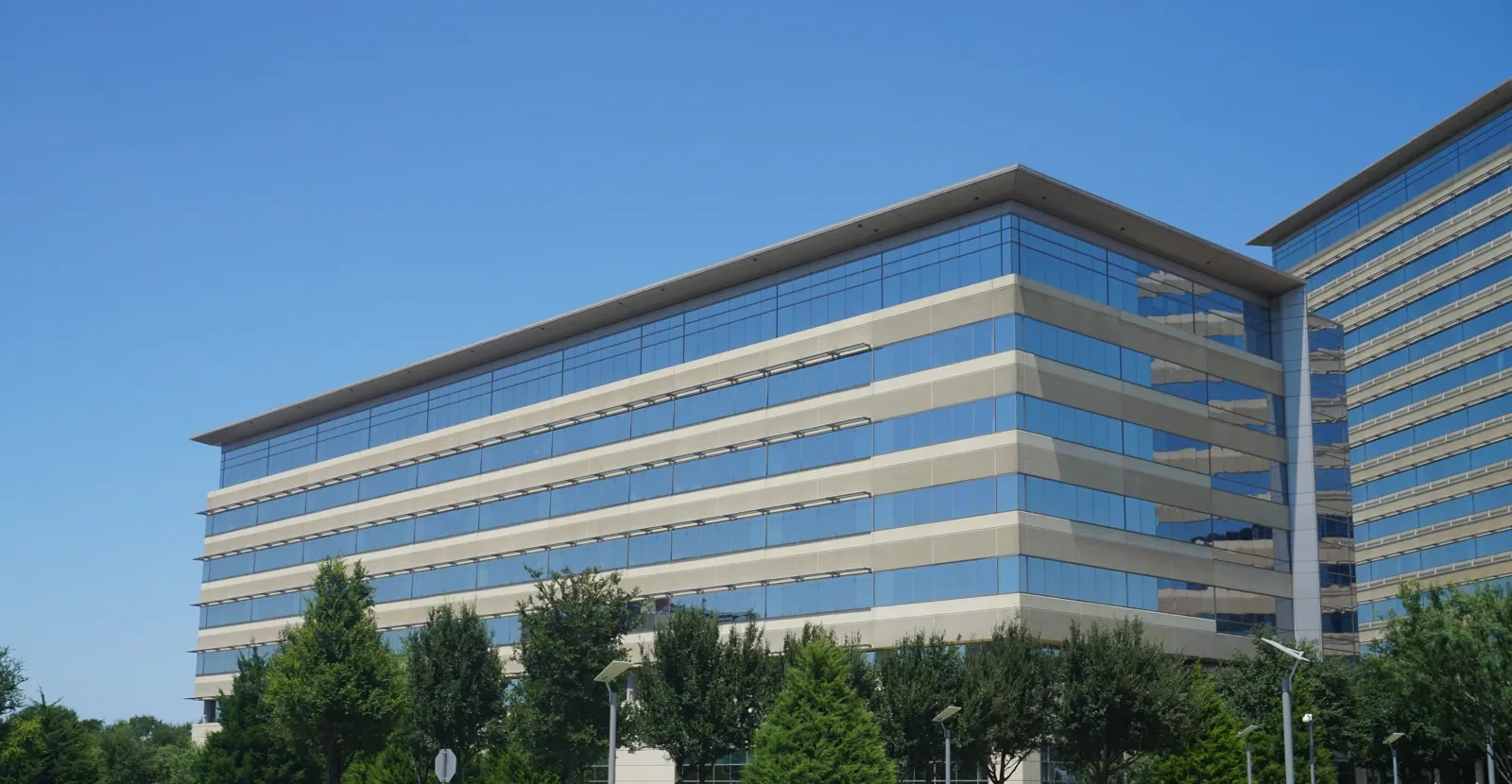
A modified-bitumen roof can stay repairable while its seams, surfacing, and flashings still hold. The budget decision in Richardson, TX is whether the weak points are local or spread through several plies. We inspect the membrane, transitions, drains, and prior patches, then compare a defined repair with recover or replacement. The proposal identifies the selected SBS or APP product, its application method, and the conditions that could change the price once the existing roof is opened.
Request a Roof Assessment
All fields are required.
Modified Bitumen Roofing in Richardson, TX
Put the Modified-Bitumen Decision on a Clear Scope
Read the Layers Before Pricing the Repair
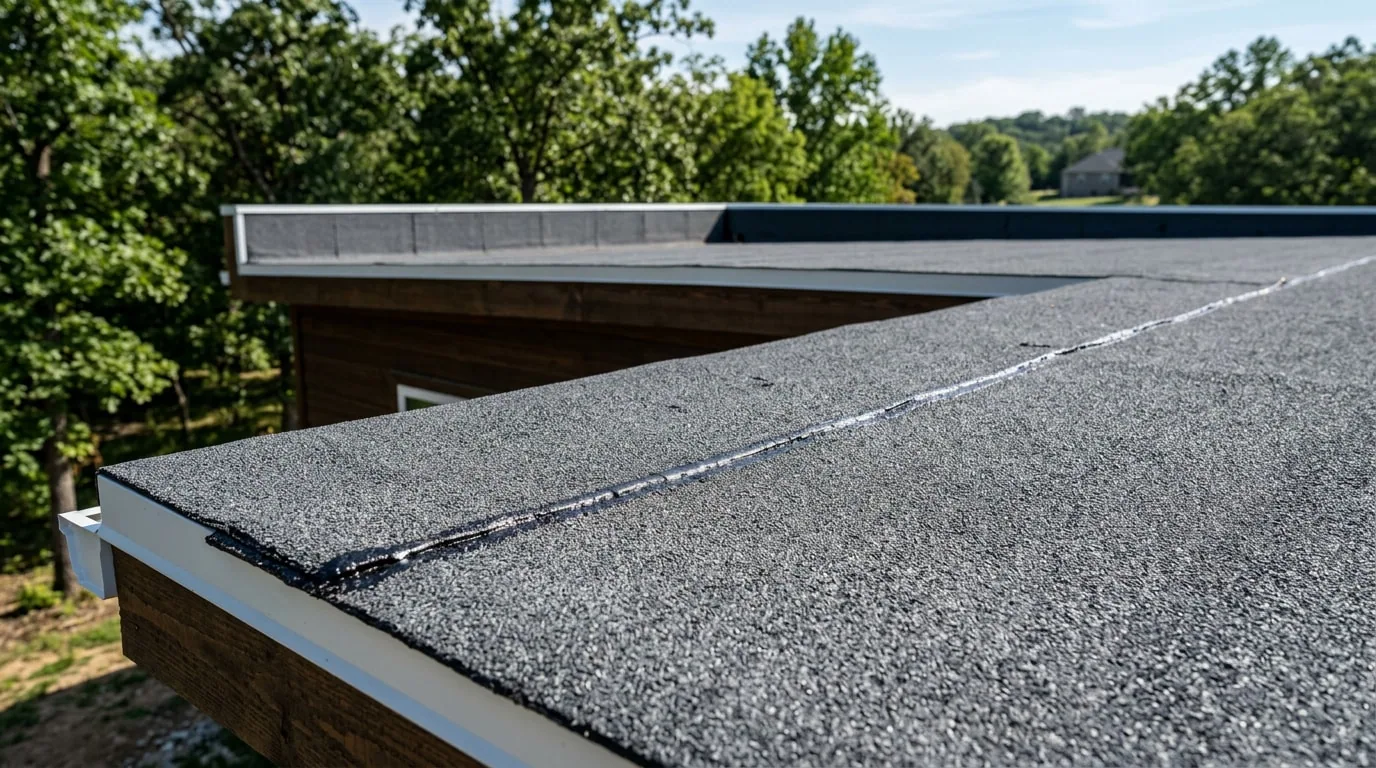
Modified bitumen uses asphalt modified with polymers and reinforced sheets, commonly installed in one or more plies. SBS and APP are different modifiers, and each named product has its own installation requirements. Surface granules, mineral cap sheets, coatings, and exposed bitumen can make two roofs look similar while concealing different assemblies. We review available roof records and inspect test cuts where layer depth, attachment, or moisture changes the repair-versus-replacement call.
On the surface, look for open laps, blistering, displaced granules, splits, punctures, and areas where traffic has cut or crushed the cap sheet. Those conditions need different responses. A loose lap may be repairable if adjacent material remains sound. A blister should not simply be sliced and covered without understanding moisture and adhesion below it. We mark defect locations and ask whether they follow a drain, wall, equipment route, or prior patch. That map helps the owner distinguish the repair line from a roof-wide replacement window. A commercial inspection can record the areas that should be priced separately.
Check Laps at Walls, Curbs and Drains
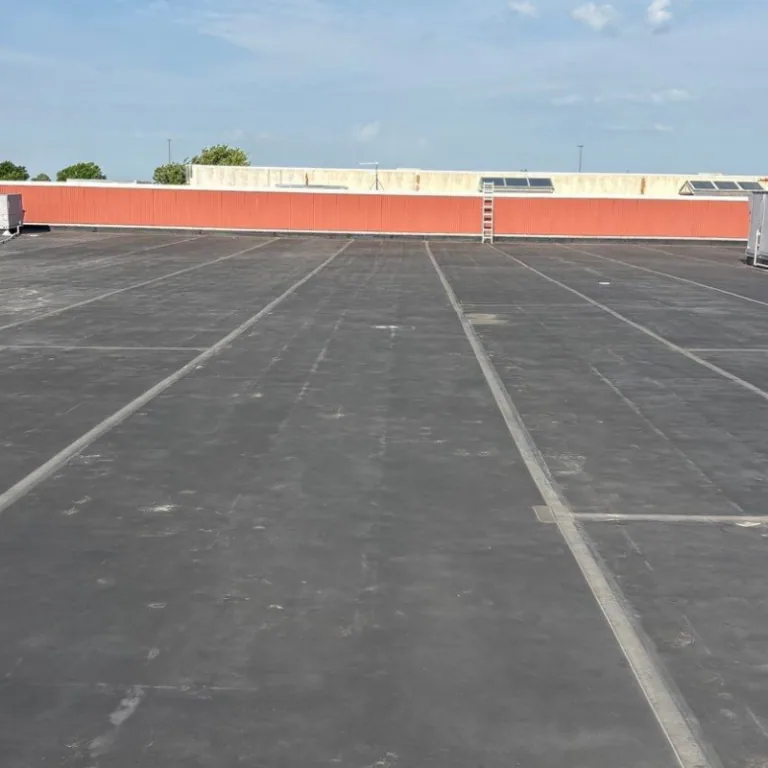
Water often enters where the field membrane meets a vertical detail. We check base flashing height and attachment, counterflashing, drain bowls, penetrations, expansion joints, and roof edges. A patch that bridges a moving transition can crack again even when the nearby field sheet looks intact. If a different material was used on an earlier repair, we verify compatibility before applying heat, adhesive, or a new ply. The repair scope should identify what gets removed and how the transition will be rebuilt.
Drainage conditions affect both service life and project sequence. Debris can block a drain, while a depressed area may retain water after the outlet is cleared. We review slope, drain capacity, scuppers, and overflow paths before specifying new membrane. If tapered insulation is needed, the design should direct water without creating an abrupt curb or door transition. A drainage correction may belong in the same proposal. Owners considering another layer should first review recover eligibility and the consequences of added thickness at edges and penetrations.
Select the Application Method for the Site
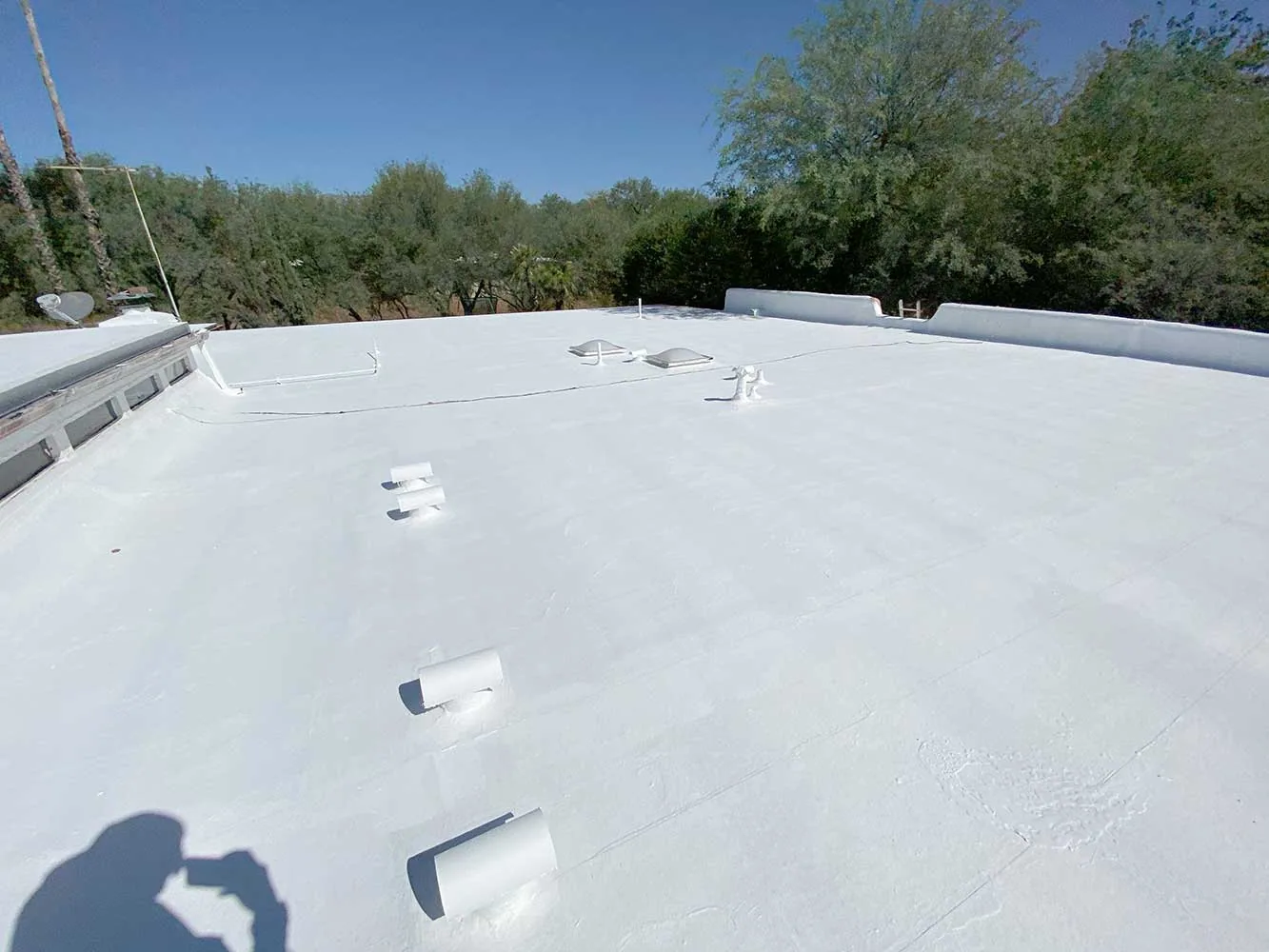
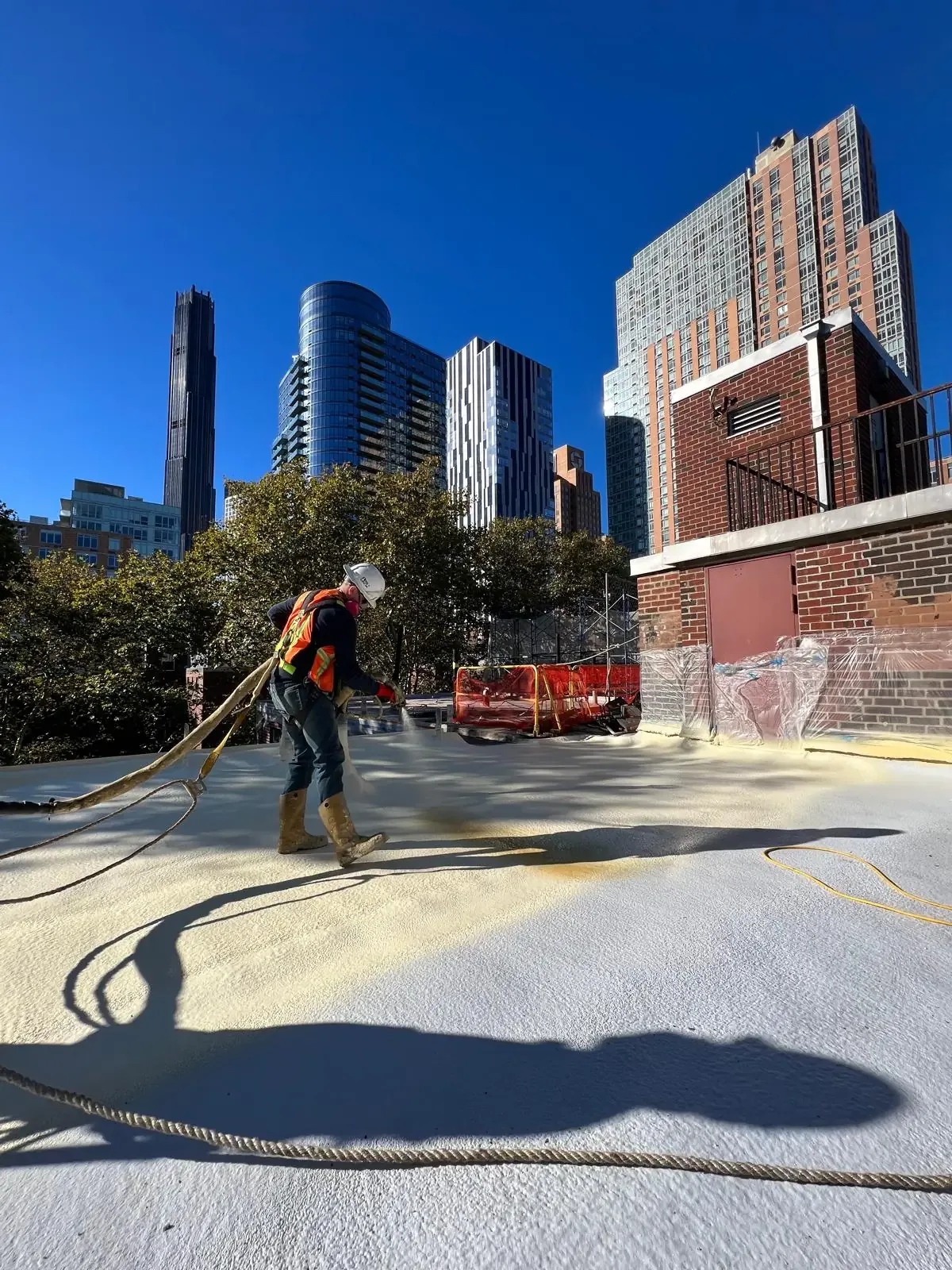
Modified-bitumen products may be torch-applied, adhered, or installed with other approved methods. The choice depends on the specified system, substrate, building use, fire-safety controls, and the contractor's installation plan. A torch method requires active precautions around combustible materials, wall cavities, and concealed openings. An adhesive method has its own temperature, surface, and cure limits. A proposal should state the system and method rather than leaving the crew to decide after mobilization.
Richardson's commercial stock includes office campuses, advanced manufacturing, retail, healthcare, research, and transit-oriented mixed use. That range makes rooftop equipment, tenant operations, delivery routes, and interior protection important to planning. We set roof zones, material staging, fire watch where required, and a daily close-in point. On an occupied property, work timing can influence labor and temporary protection. The sequence should account for weather holds, access rules, and the route for removing tear-off without blocking active entrances.
Account for Heat and Storm Exposure
DFW's July and August average daily highs are above 95 degrees. Heat cycling can stress laps, flashings, and surface coatings, particularly where older material has lost flexibility or reinforcement. Spring brings a higher concentration of thunderstorms in the metroplex, including hail and damaging wind events. Those regional patterns support timely inspection, but they do not prove that a specific Richardson roof took damage. We document actual punctures, displacement, open seams, and wet areas before recommending a repair.
Richardson has a documented tornado damage path near Audelia Road and Buckingham Road from October 2019. That local event is a reason to keep storm records and inspect after a nearby severe-weather report, not a reason to treat every roof as damaged. A storm inspection should separate visible impacts from pre-existing wear. A roof near Richardson Innovation Quarter also needs a property-level check of access, equipment, and work hours. We can then compare a focused repair with wider work if multiple sections have failed. Keep photographs, dates, and invoices together so the next budget meeting starts with a usable condition history.
Make Removal and Concealed Conditions Clear
The city adopted locally amended 2021 building and energy provisions. We confirm which ones apply to this reroof scope. Whether a repair or reroof triggers plan review depends on the actual work. We coordinate the assembly, insulation, edge attachment, and permit documents with the project scope. Re-covering an existing roof can affect layer limits, drainage height, equipment curbs, and access clearances. Those impacts belong in the decision before the owner selects a lowest-line price.
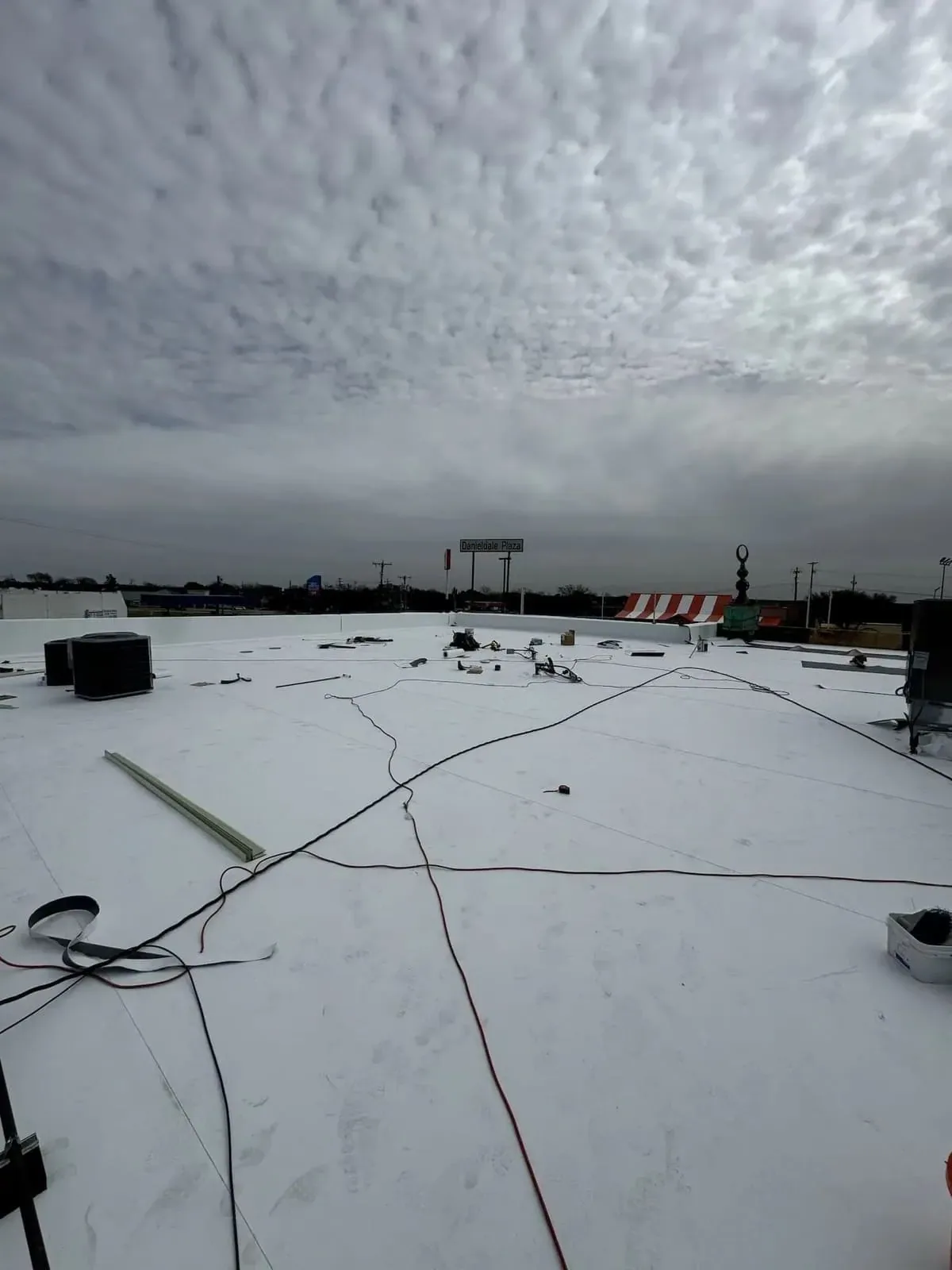
A replacement estimate should identify demolition, disposal, insulation, cover board, membrane plies, flashing, metal edge, and closeout. It should also state what happens if tear-off reveals wet insulation or a damaged deck. Unit-priced concealed work can preserve a decision point instead of forcing an unplanned approval. Compare that scope with complete replacement and an eligible recover. If there is a sound area and a localized defect, a scoped repair may preserve budget for another year. The evidence should decide the line.
Keep a Record That Supports the Next Spend
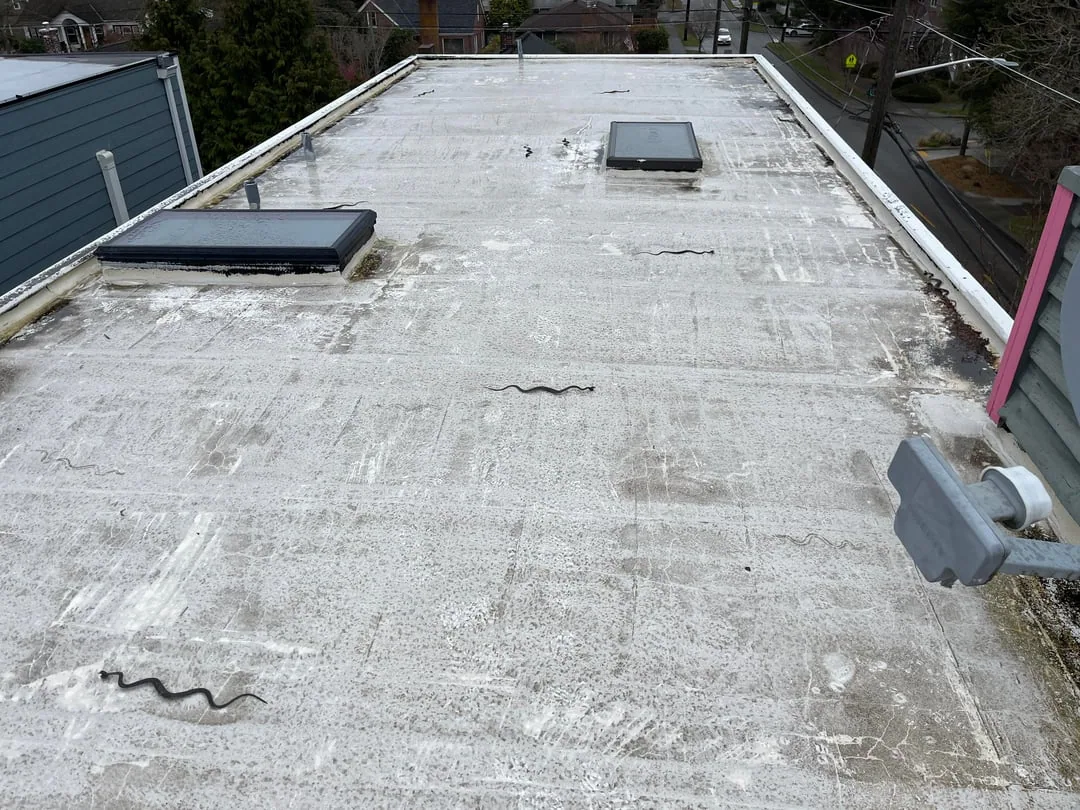
Routine checks should focus on the seams, flashings, drains, surface wear, and places where trades have crossed the roof. Modified-bitumen roofs can collect debris near equipment, and small cuts can hide under loose granules. A roof log should identify the zone, observed condition, repair material, and date. That record helps a future crew avoid incompatible patching and lets the owner see whether a defect is stable or growing.
At CityLine, a mix of offices, medical operations, retail, hotel uses, apartments, and public space creates an example of the varied scheduling needs found in Richardson. At the Richardson Innovation Quarter, technology and research uses may create separate equipment and access considerations. Neither district tells us a particular property's roof assembly, so the field inspection remains the basis for scope. Preventive maintenance can preserve condition photos, while roof reporting can organize repair priorities for a capital plan. Compare this assembly with built-up roofing or EPDM only after documenting the existing layers.
Related Roofing Work
Commercial Roof Inspection
Commercial Roof Drain and Scupper Service
Commercial Roof Recover and Overlay
Richardson Innovation Quarter
Questions About Modified Bitumen Roofing
How can I tell whether modified bitumen needs repair or replacement?
The distribution of failures matters more than one open lap. We map splits, blisters, wet insulation, failed flashing, and prior patches, then state whether the affected area is isolated or repeated across the assembly. That evidence supports the budget choice.
Are SBS and APP modified bitumen interchangeable?
They are distinct modifiers with product-specific properties and installation instructions. We identify the proposed manufacturer system and application method, then compare it with the substrate and site requirements rather than treating the abbreviations as a complete specification.
Can another modified-bitumen layer go over my current roof?
A recover can work only if the existing assembly is dry, securely attached, and within applicable limits. Added thickness can affect drains, curbs, edges, and doors. We check those conditions before including an overlay price.
Does Richardson heat shorten the life of this roof?
Hot summers expose seams and flashings to repeated thermal movement. The roof's actual condition, product, drainage, installation, and maintenance determine the repair need. We inspect those details instead of assigning an age or failure from climate alone.
What should be included in a replacement proposal?
The proposal should name the plies, application method, insulation, cover board, flashing, edge details, drainage work, demolition, and concealed-condition process. It should also show how the crew will protect the building and close each roof zone.
Put the Modified-Bitumen Decision on a Clear Scope
Share leak locations, repair history, roof records, and the budget deadline. We will inspect the assembly and price repair, recover, and replacement options with stated assumptions.