
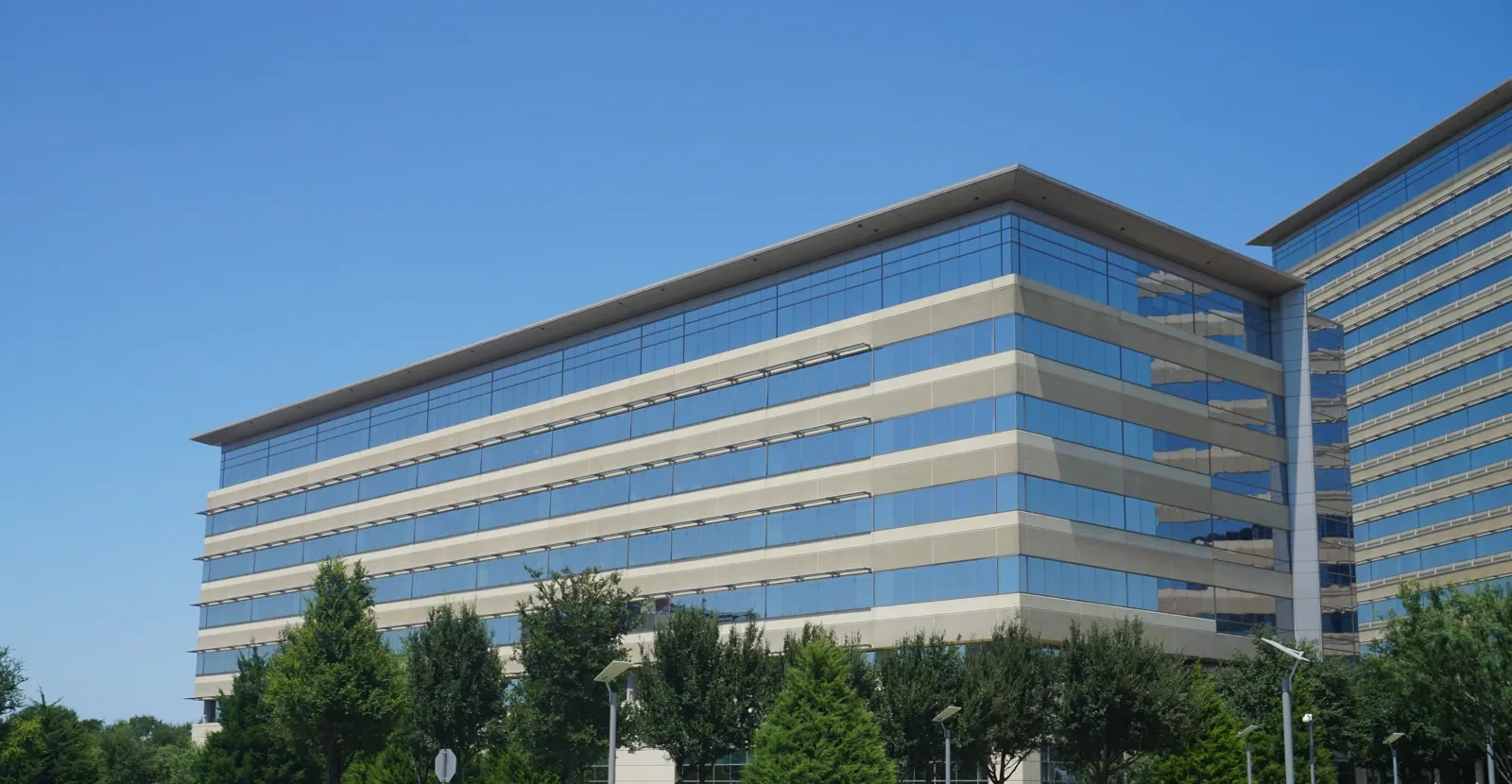
A roof budget gets harder to defend when the estimate says replace, but the inspection cannot show why. Commercial roof capital planning in Richardson, TX starts with conditions, not a calendar guess. We document active failures, repairable areas, concealed risks and operating limits, then separate work that must happen now from work that can enter a later budget year. Ownership can compare options with quantities and decision dates rather than one broad allowance.
Request a Roof Assessment
All fields are required.
Commercial Roof Capital Planning in Richardson, TX
Set the Capital Decision Date
Build the Budget From Roof Evidence
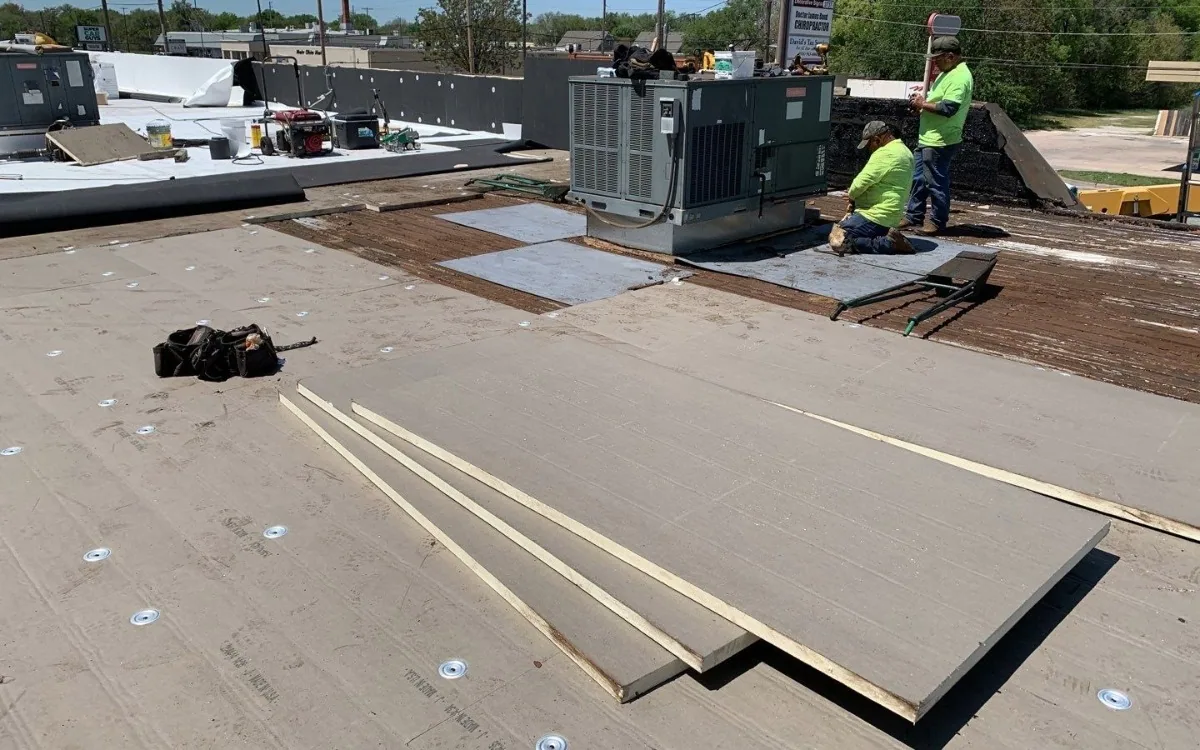
We review available roof records, service calls, previous replacements and current inspection findings. Each concern is tied to a building and roof zone. The scope notes what is visible, what needs testing, and what could change once a surface is opened. If age is not supported by a reliable record, we do not use it as the reason for replacement. The decision should rest on attachment, moisture, drainage, detail condition and the cost of continued repair.
Richardson’s commercial stock spans technology, research, manufacturing, healthcare, offices, retail and mixed-use properties. Richardson Innovation Quarter and CityLine shows that range at district scale, but neither tells us what roof assembly a particular building has. We confirm use and access with each property manager. A portfolio can include one site with active interior leaks and another with a stable but aging surface; each receives a distinct scope before ownership compares totals.
A condition report can connect photos to observed quantities. For an active opening, repair work may hold the near-term line while testing or design continues. Where failure is broad, a replacement estimate can separate removal, insulation, deck assumptions, drainage and edge details. Each alternative needs the same boundaries so the cost comparison is useful.
Set the Work Order by Risk
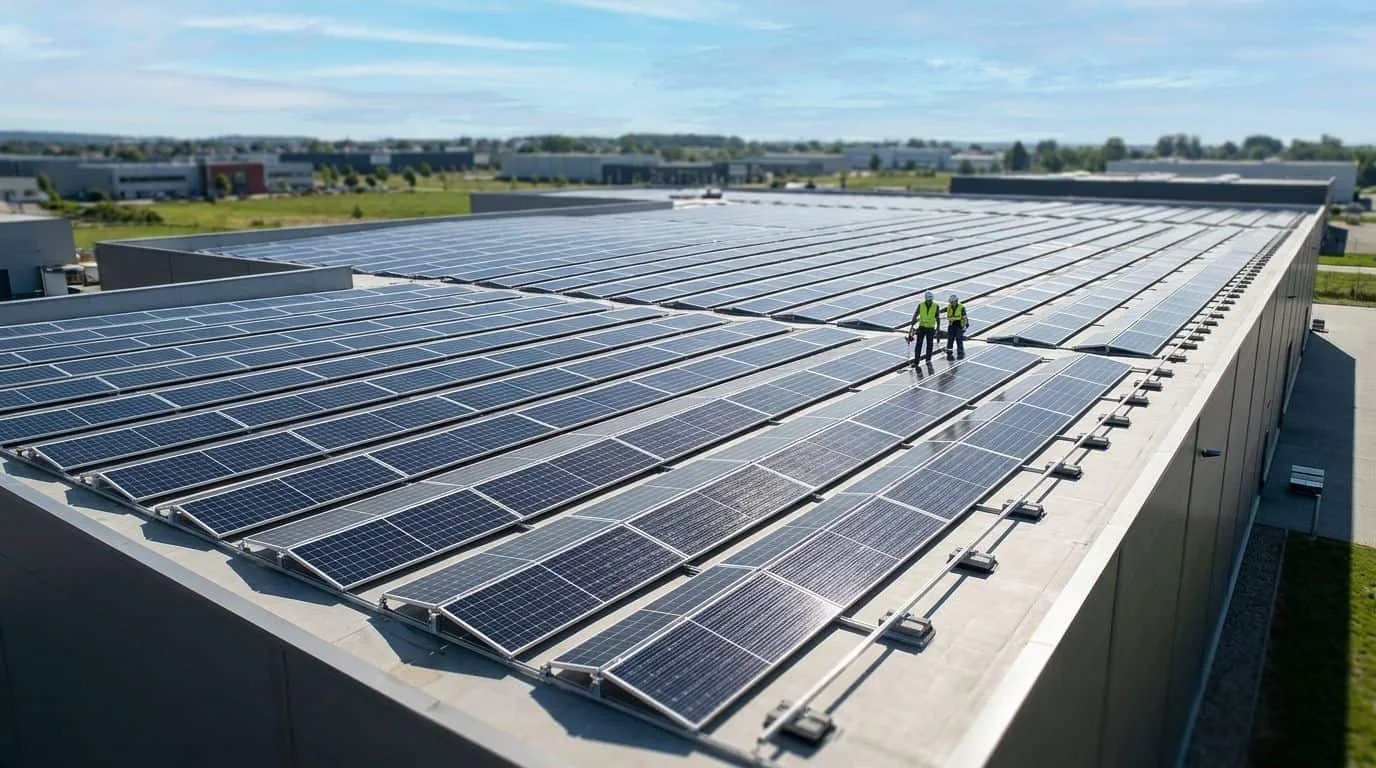
Sequence starts with current exposure. Active water, loose material, an open edge or a condition affecting occupied space may need prompt action. A stable roof with isolated wear can remain on a monitored repair path. We identify what would change that status, such as a new leak, a failed seam, a wet test result or a change in equipment. That gives facilities a short trigger list rather than a vague instruction to watch the roof.
DFW summer highs average around 96 degrees in July and August, while spring is the strongest severe-thunderstorm period. Those regional patterns affect scheduling and inspection priorities, but they do not establish a roof's condition. We plan heat-sensitive work windows and pre-storm checks around the actual property, with a maintenance visit timed to drainage, penetrations and edge details. After a reported event, a storm assessment records whether new work belongs in the plan.
For an occupied property, sequencing also depends on service routes, deliveries, tenant hours, sensitive equipment and open-roof limits. At CityLine, office, medical, retail, residential and civic uses share a mixed-use district. Managers confirm the constraints for each building before the schedule is priced. A phased reroof plan can divide work by zone, but the boundary must allow each shift to finish watertight.
Compare Repair, Recover and Replacement
Each option should answer a different question. Repair restores a defined condition. A recover adds a new roof layer only when the existing assembly is suitable. Replacement removes the current system and rebuilds from a confirmed boundary. The cost model should include access, debris, temporary protection, insulation, deck exposure, drainage adjustments, equipment coordination and closeout. Unknown conditions stay visible as allowances or decision points, not buried inside a single number.
A recover review checks layer count, attachment, moisture, existing height at drains and curbs, and compatibility. Wet insulation or unstable material can make another layer a poor choice. For an assembly change, Richardson's adopted 2021 building, existing-building and energy-code editions include local amendments. We confirm the city review before procurement and identify when design input is needed.
The option with the lowest first cost may not create the clearest spending path if it leaves repeat failures unresolved. Conversely, replacing every roof zone because one area failed can consume capital without evidence. We show the area each option covers, the work deferred, and the next inspection or decision date. Owners can then compare a focused scope with a broader capital project in the same format.
Make Timing Match the Funding Cycle
Once conditions are mapped, we place actions against the owner’s budget year and approval sequence. Immediate stabilization may be funded separately from design or replacement. A roof with moisture findings may need additional investigation before a final quantity is reliable. Another area may be suitable for planned work next season. The schedule states which decision is due first and which assumptions could affect that date.
Some properties need after-hours or weekend access; others can accept daytime work with clear tenant notices. Material lead times, weather exposure, lift access and the area that can be made watertight each day affect duration. A portfolio asset register can hold the inspection date, open repair, approval status and next review for each building. That record prevents deferred work from disappearing during a staff change or annual budget handoff.
If several Richardson buildings compete for the same capital, rank by confirmed severity and consequence, then show where more evidence is needed. A priority response may protect one occupied area while a larger scope is developed. The budget note should distinguish the emergency amount from the permanent project so ownership does not confuse temporary stabilization with resolution.
Keep the Approval Basis Intact
A capital recommendation should remain understandable after the person who ordered the inspection moves on. We include dated photos, roof-zone names, quantities, the assumptions behind pricing, and unresolved items. If ownership selects a phased approach, the record states which areas were completed and which remain exposed to future cost. New inspections update the condition rather than silently overwriting an earlier view.
Richardson has locally amended 2021 building and energy-code provisions. A replacement or insulation change can involve review steps that a patch does not. We confirm those requirements against the final work description and include the responsible design or permit milestone in the schedule. The estimate should not promise an approval date before the scope and submittals are settled.
For a multi-building owner, a multi-site roof program can standardize report fields while leaving each property’s assembly and access needs intact. A roof inspection before the next budget deadline can close gaps in the current list. Tell us which buildings are competing for funds, what decision date matters, and whether active leaks are present. We will return defined alternatives tied to those constraints.
Related Roofing Work
CityLine
Commercial Roof Condition Reports
Commercial Roof Replacement
Commercial Roof Maintenance
Questions About Commercial Roof Capital Planning
What should a roof capital plan show beyond a replacement year?
It should list current findings, repairable areas, unresolved tests, scoped alternatives, cost drivers, work sequence and the date ownership must decide. We tie each item to a roof zone so the plan can change when new evidence arrives.
Can a capital plan include repair and replacement options together?
Yes. We can price a defined repair and a broader replacement boundary against the same inspection findings. The comparison states what each option corrects, defers or leaves uncertain.
How do you rank several roofs competing for one budget?
We look at active water, safety, extent of deterioration, effect on occupied operations, and the evidence needed to finalize each scope. Ownership can see both urgent actions and items that need more investigation.
Does an older roof automatically belong in the replacement budget?
No. Age is useful only when records support it. We inspect condition, attachment, moisture, drainage and repair history, then show whether those findings support repair, testing, recover or replacement.
When should the inspection happen for a budget request?
Set it early enough to resolve access, testing, design and city-review questions before approval. We work backward from the decision date and identify which findings could change the quantity or schedule.
Set the Capital Decision Date
Send the property list, budget deadline, and known roof concerns. We will inspect the priority buildings and return repair, testing, and replacement options with clear boundaries.