
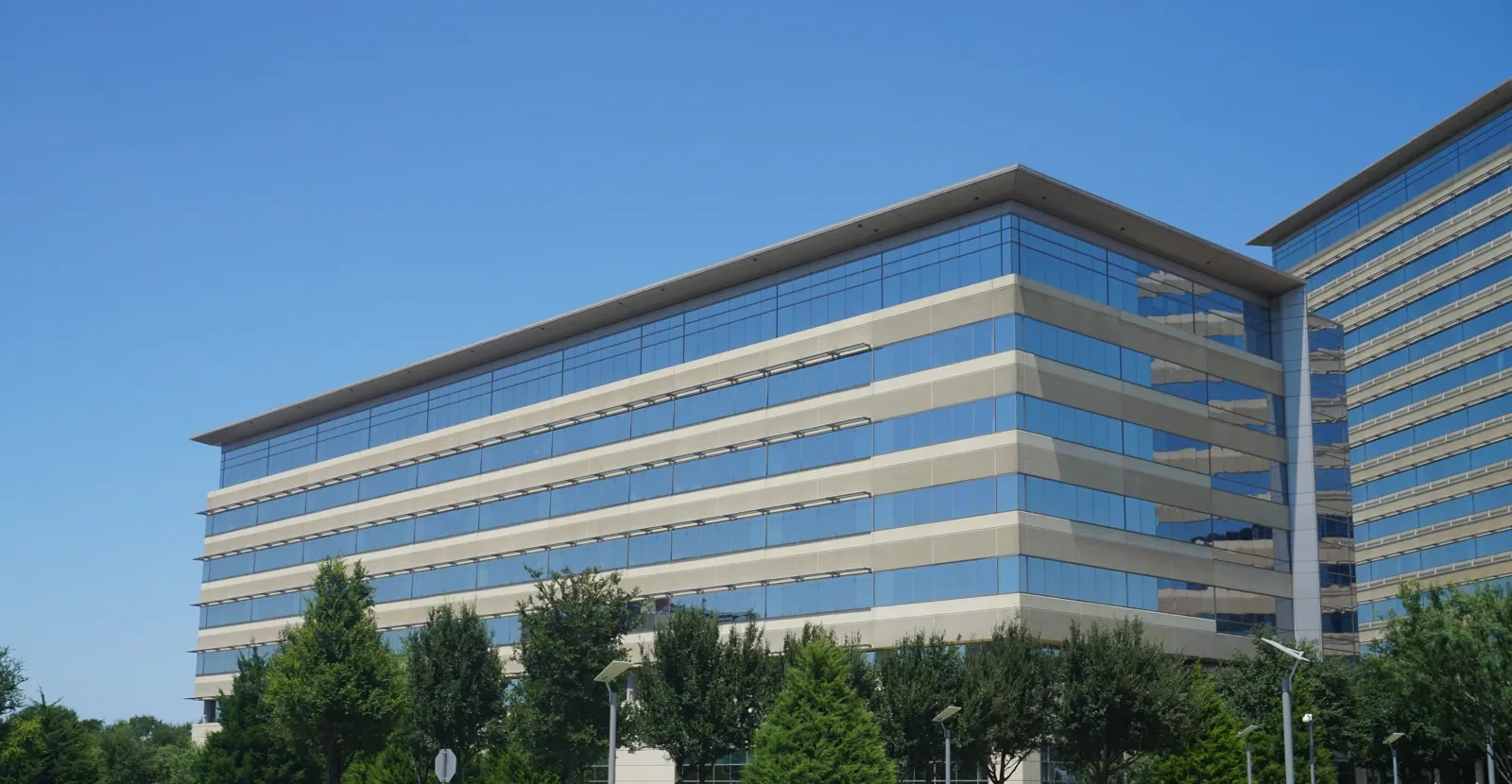
A useful roof inspection turns visible conditions into a decision the owner can act on. We inspect commercial roofs in Richardson, TX for leaks, aging details, drainage issues, storm impact and conditions that may affect a future repair or replacement. The report connects each observation to a roof area, explains its urgency and separates confirmed defects from items that need testing. That lets a property manager decide what to approve now, what to monitor and what belongs in the next capital cycle instead of receiving a photograph folder without priorities.
Request a Roof Assessment
All fields are required.
Commercial Roof Inspection in Richardson, TX
Schedule an Inspection With a Clear Purpose
Set the Inspection to the Owner's Decision
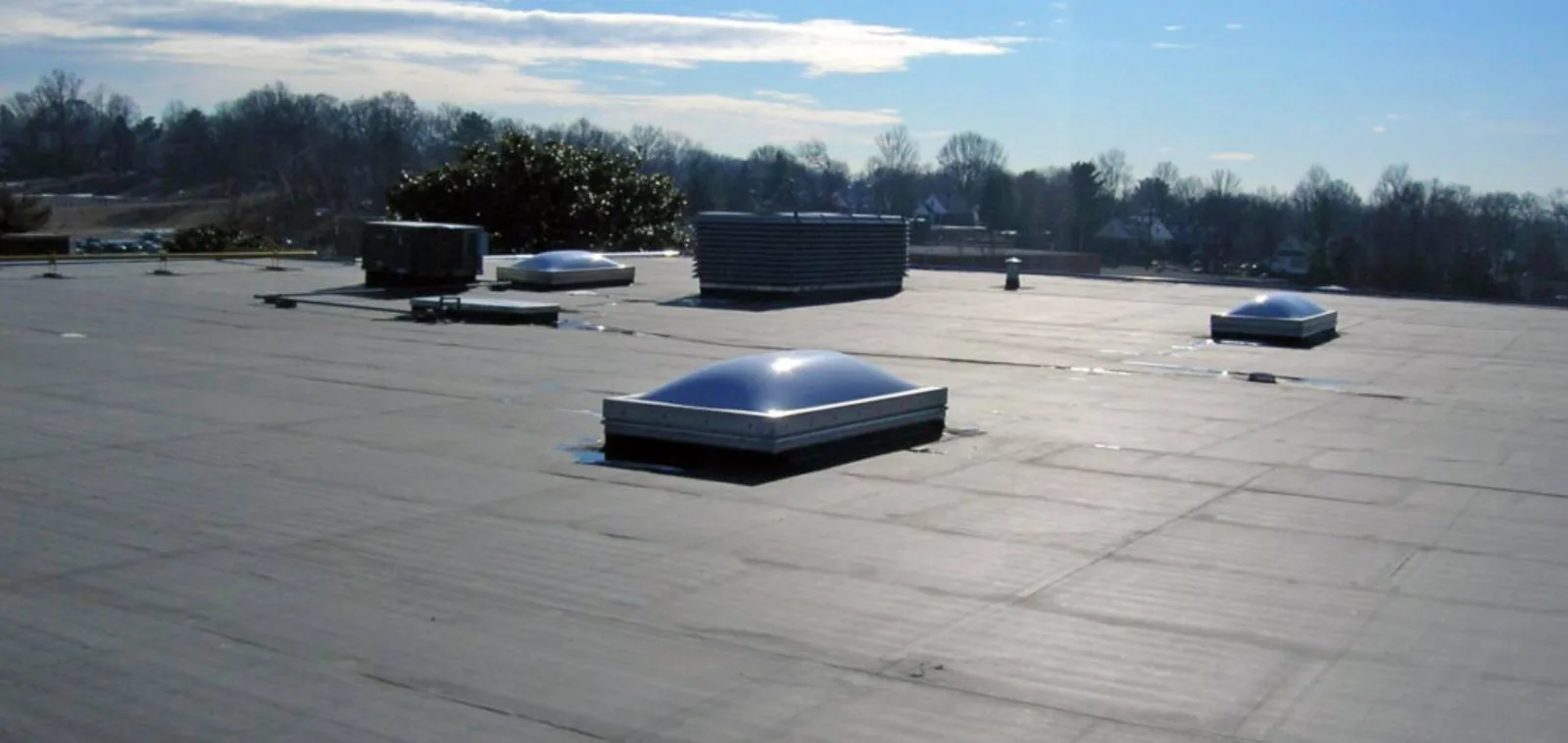
Before walking the roof, we ask why the inspection is needed. A pre-purchase review, annual condition check, post-storm assessment and leak investigation call for different emphasis. We review available roof age and repair history, known leak locations, warranties and any planned work. If the owner has a specific budget meeting or transaction date, we focus the report on the decisions that must be made by then. The scope still notes material conditions outside that narrow question when they pose a material risk.
Access and safety determine where we can inspect. We confirm roof hatches, ladders, escorts, fall protection needs, tenant restrictions and equipment that limits travel. For a large campus near US 75, separate buildings may have different roof systems and access requirements. Around the Arapaho Center Station Area, an occupied site may have transit or pedestrian coordination to account for. We identify which areas were observed and any area that could not be reached so the report does not imply complete coverage where access was limited.
Inspect the Assembly From Edge to Drain
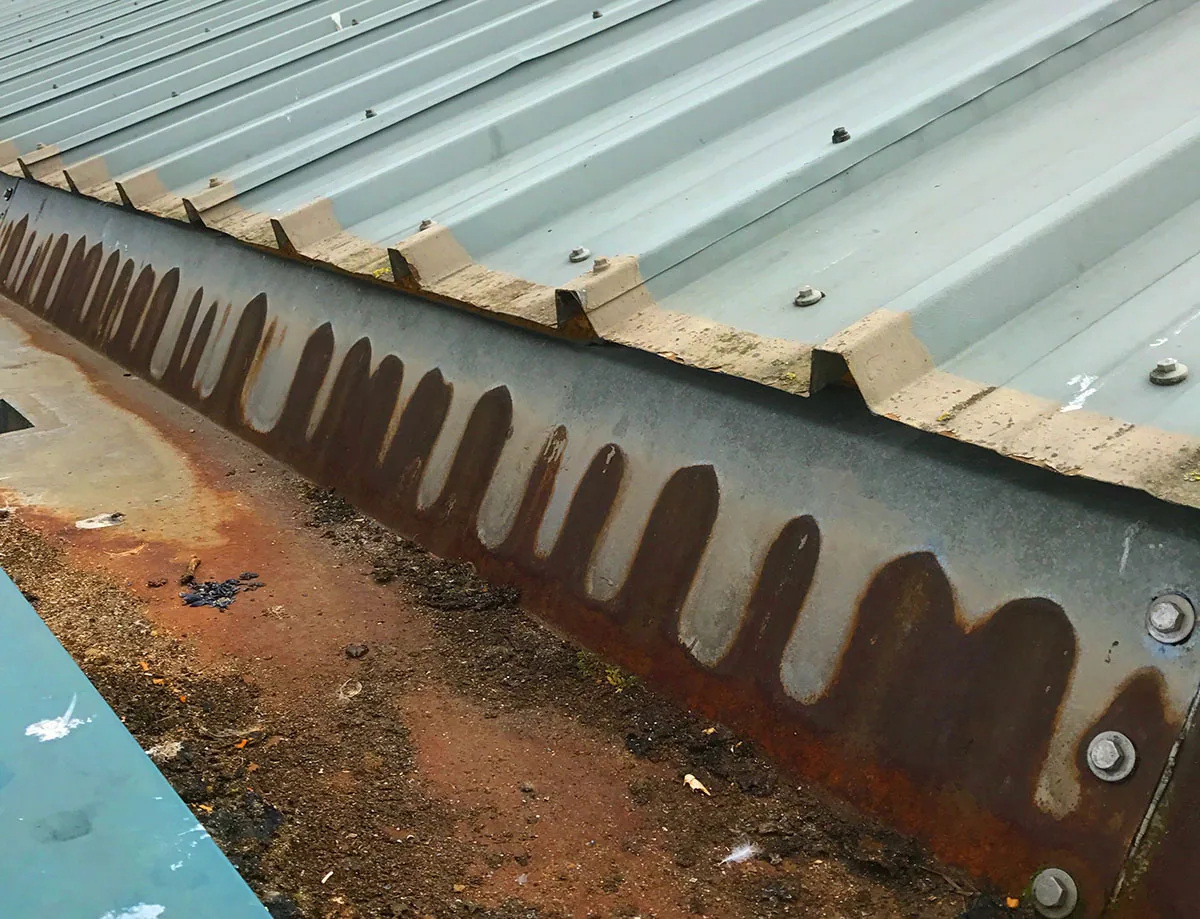
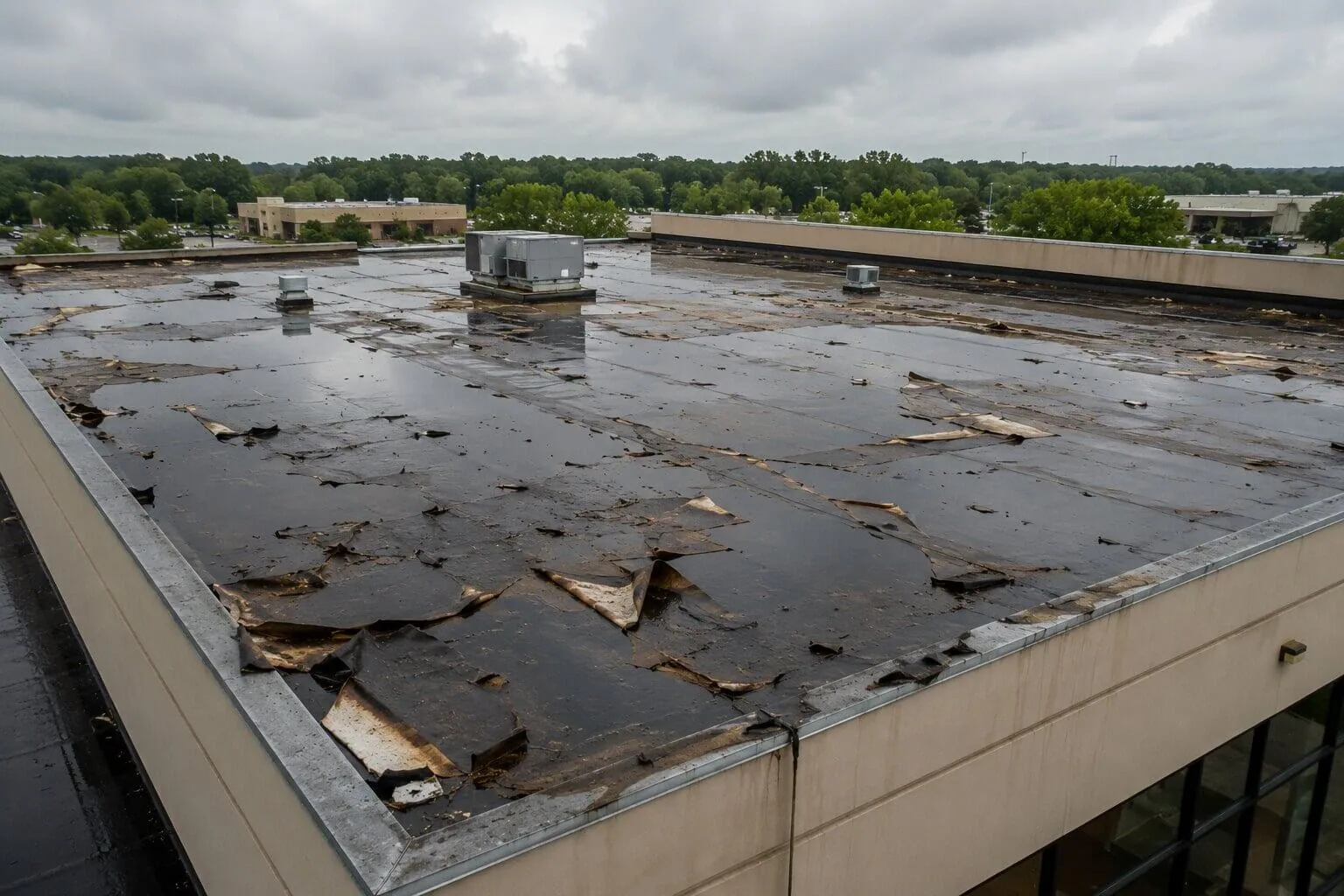
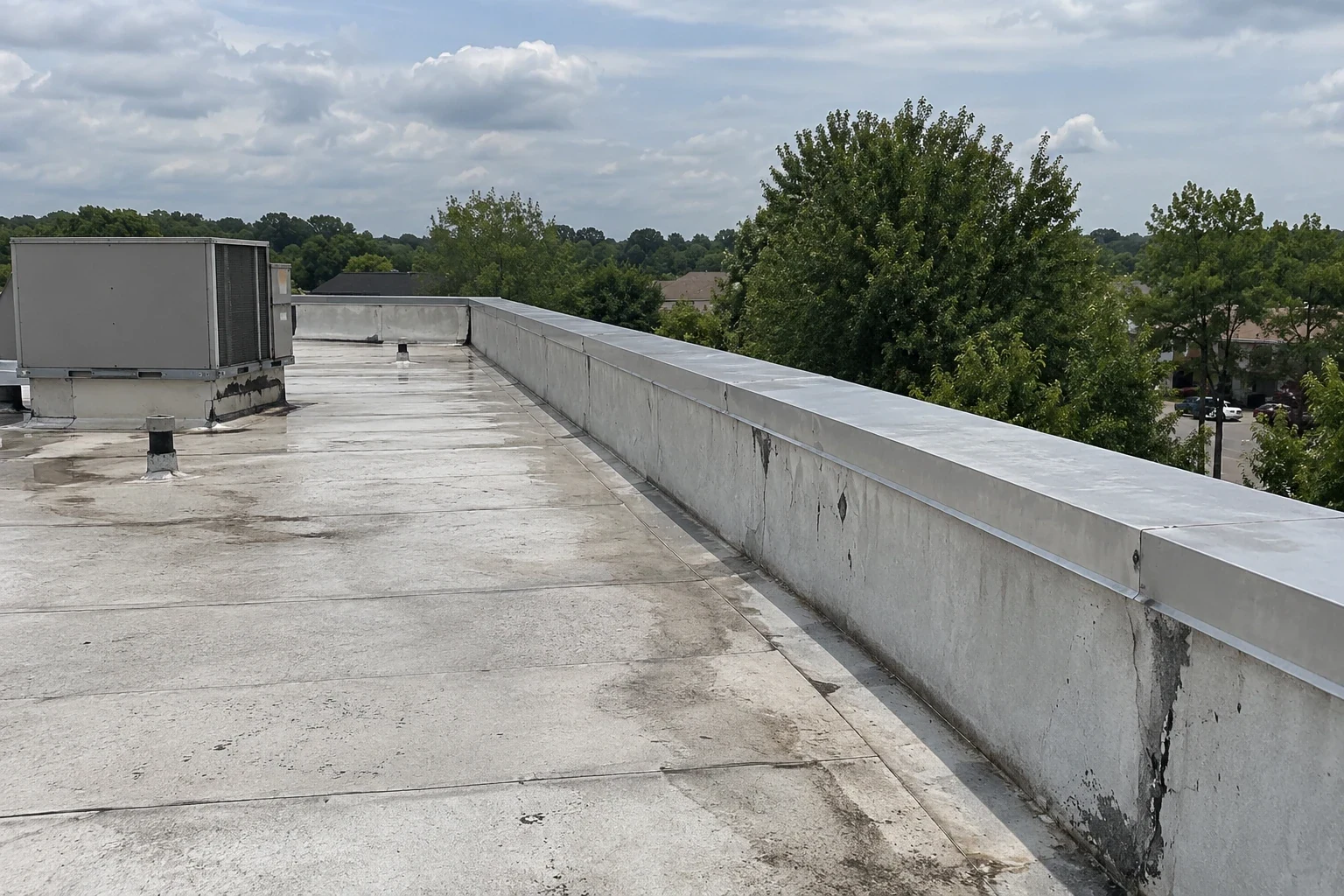
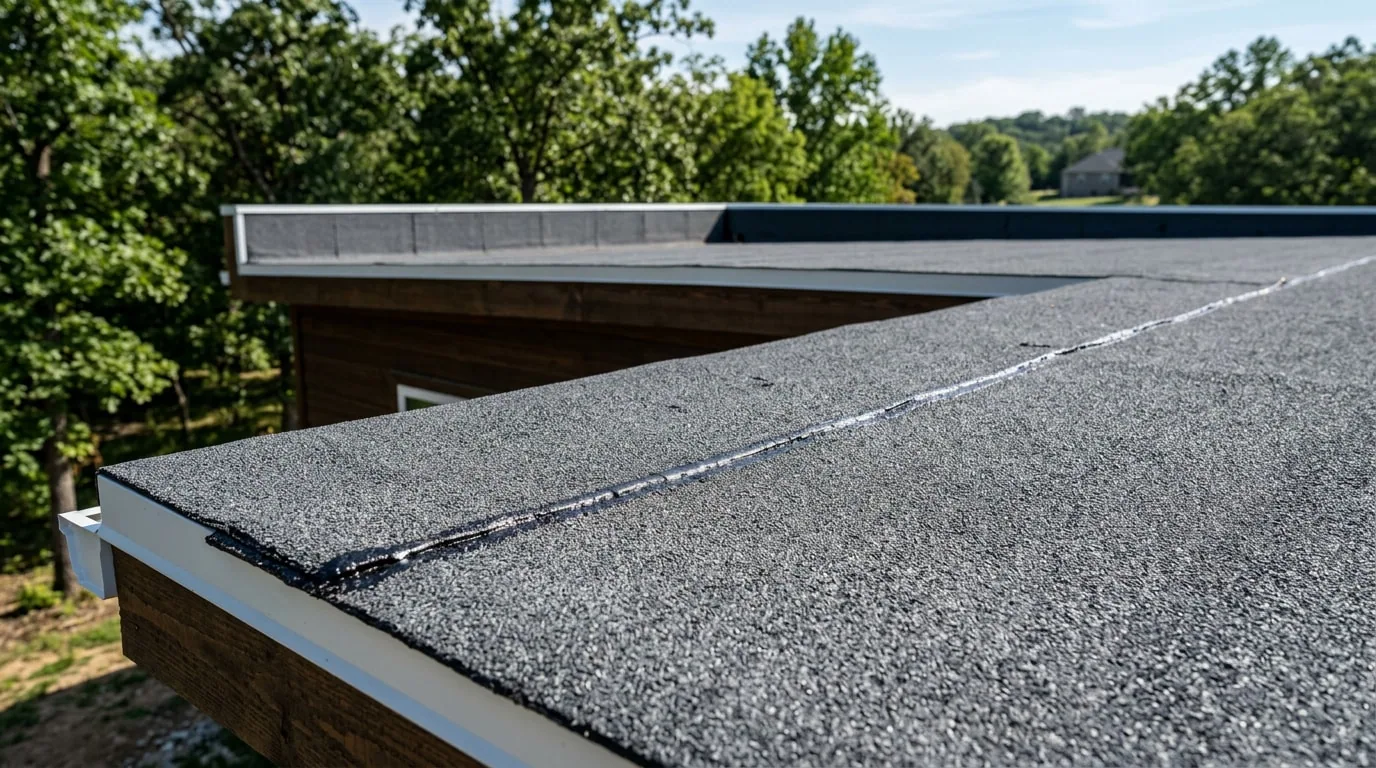
The inspection follows the roof's water-control path. We check membrane seams, laps, patches, blisters, punctures and exposed reinforcement. At walls and curbs, we review flashing height, terminations and signs of movement. Roof edges and parapet caps need sound attachment and weather-shedding details. Penetrations, pipe boots, skylights and equipment supports can create leak paths when sealants age or other trades disturb the original detail.
Drainage receives a separate pass. We note obstructed drains, damaged strainers, debris accumulation, scuppers, overflow provisions and signs of recurring ponding. A roof can remain watertight today yet carry a maintenance issue that increases risk after heavy rain. Where the surface is soft or the interior has a leak history, we identify where selective testing may be appropriate. The report labels what we saw, what we infer, and what requires an opening or additional survey. That boundary helps owners avoid treating a visual inspection as proof of concealed conditions.
Rank Findings by Consequence and Timing
Every defect does not carry the same urgency. We group findings into immediate water-entry risks, near-term repairs, planned maintenance and long-range renewal considerations. A loose edge or open flashing may deserve prompt action before wind-driven rain. An isolated area of surface wear may be monitored if the surrounding material remains sound. Ponding, repeated patches and widespread seam issues may justify testing or an assembly-level review. The recommendation explains why the item is in its category and which observation should change the priority.
We distinguish repairable details from signs that may indicate broader deterioration. A leak at one curb is different from multiple wet zones spread across a roof. If the evidence points to a larger issue, we may recommend moisture mapping or selective cores before pricing a replacement. A moisture survey can help direct testing, while a repair scope can address defined details. The report avoids turning every condition into a project; it gives ownership enough context to select a next step.
Plan Inspection Priorities for Richardson's Heat and Storm Season
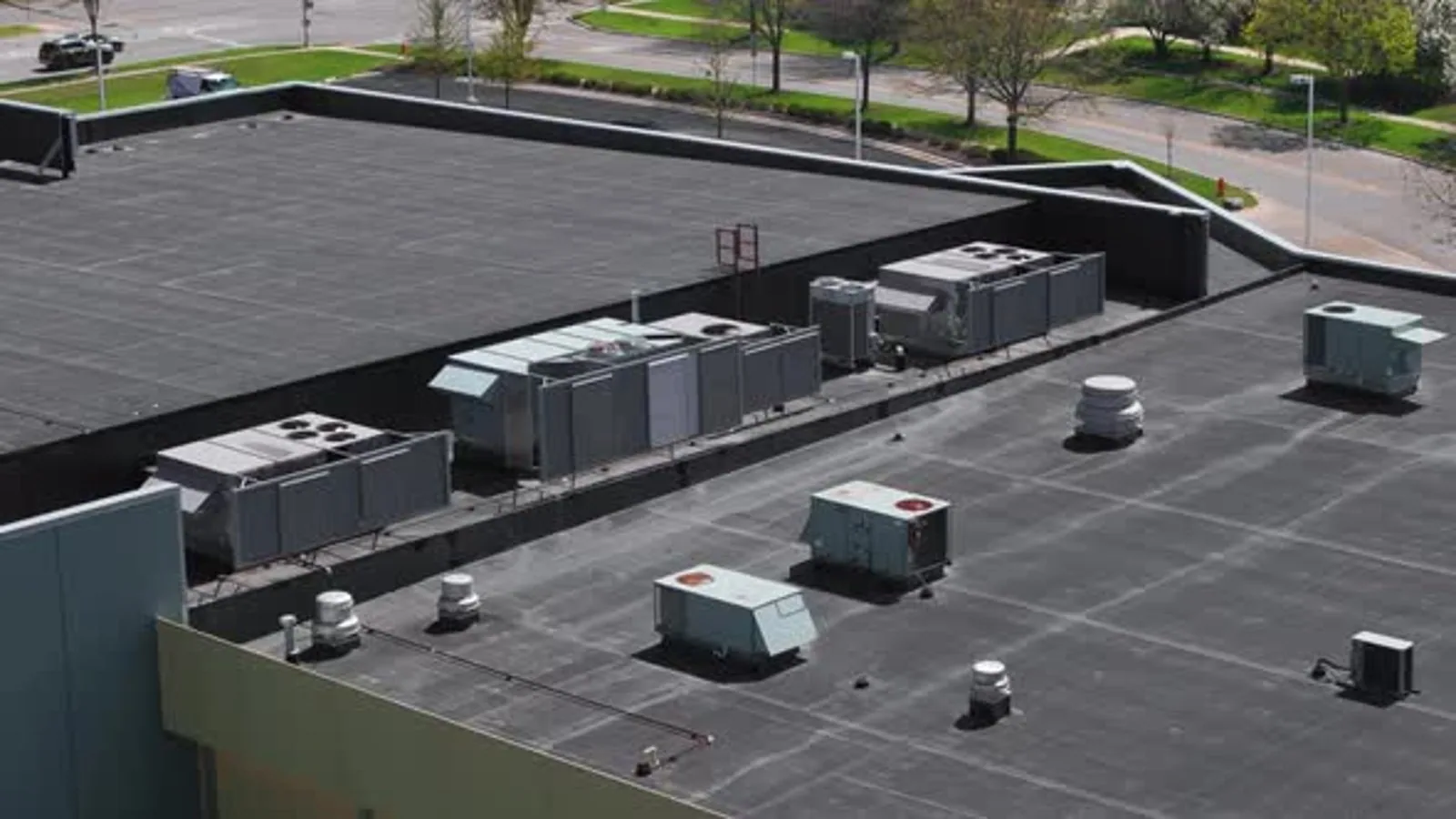
In the middle of summer, DFW afternoons commonly climb to around 95°F. March through May brings the region's most frequent severe thunderstorms; hail and damaging wind deserve attention. Those conditions make heat exposure, secure perimeter details and storm readiness sensible inspection topics. They do not reveal the roof's material, age or condition. We assess the specific assembly and look for evidence of movement, UV wear, hail impact or wind-related displacement before making a recommendation.
Richardson includes different commercial settings, from the transit-connected Galatyn Park Urban Center to the CityLine mixed-use district and technology offices in Richardson Innovation Quarter. Each site's operating needs affect access and work sequencing, but roof findings remain building-specific. Richardson applies the 2021 building, existing-building and energy code editions with local amendments; code questions become especially relevant when inspection points toward a recover or replacement. We state when a design or permit review should be part of the next step.
Receive a Report That Supports a Budget Decision
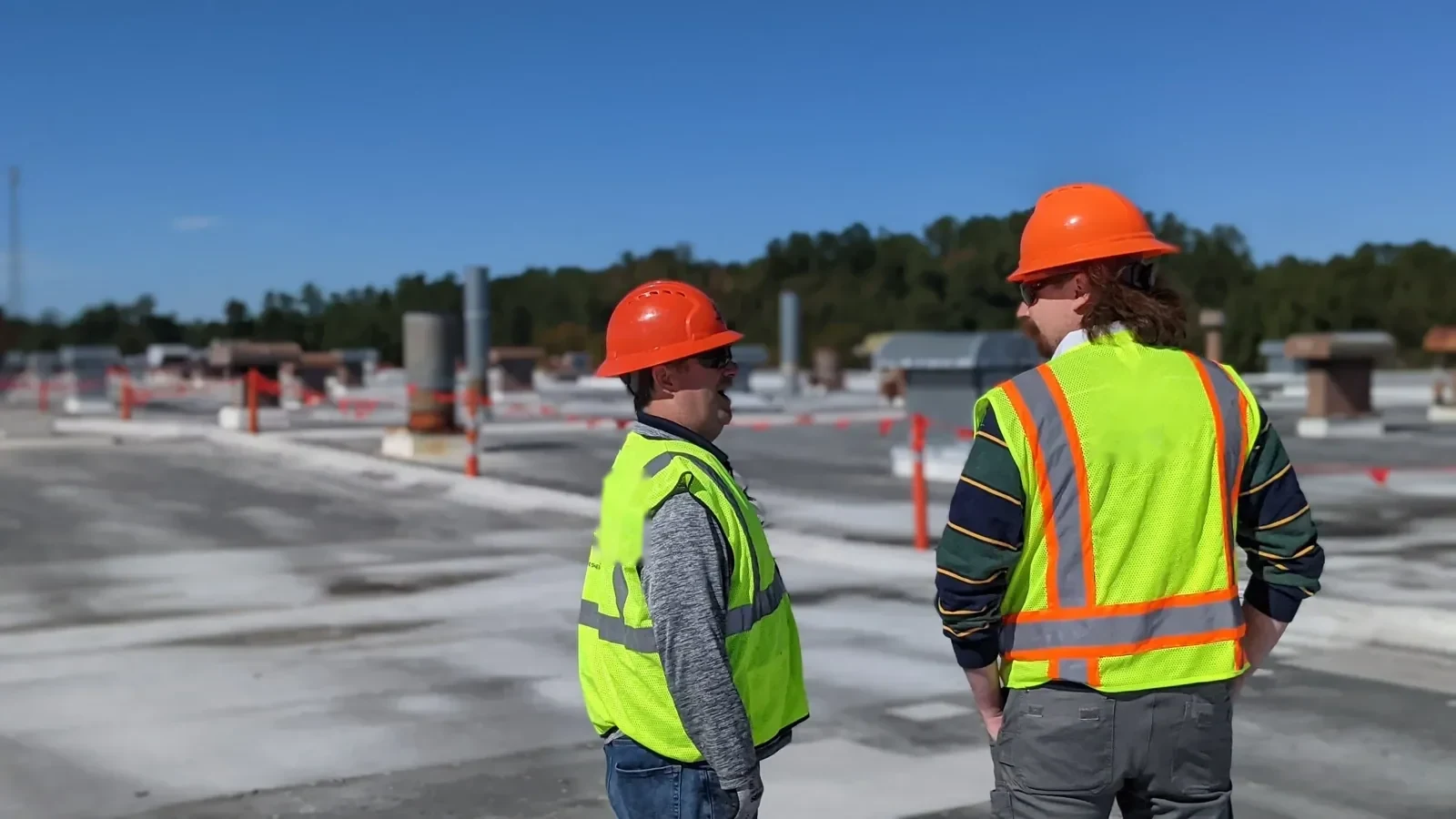
The deliverable should make it easy to find each condition again. We organize observations by roof zone, include photographs and concise descriptions, and note whether the item needs immediate action, planned work or further investigation. When quantities can be estimated from accessible conditions, we identify them. Where an opening is needed to see insulation or deck, we do not present a visual estimate as a confirmed repair amount.
For owners with multiple buildings, consistent labels and condition categories help compare risk across properties. A report can support near-term repair approvals and feed portfolio condition reporting or capital planning. It should also state the inspection date, weather context, areas accessed, limits and any records reviewed. If a lender, insurer or buyer has a required format, share it before the visit so the inspection scope can be aligned without implying a certification that was not requested.
Set the Next Inspection Around the Roof's Risk
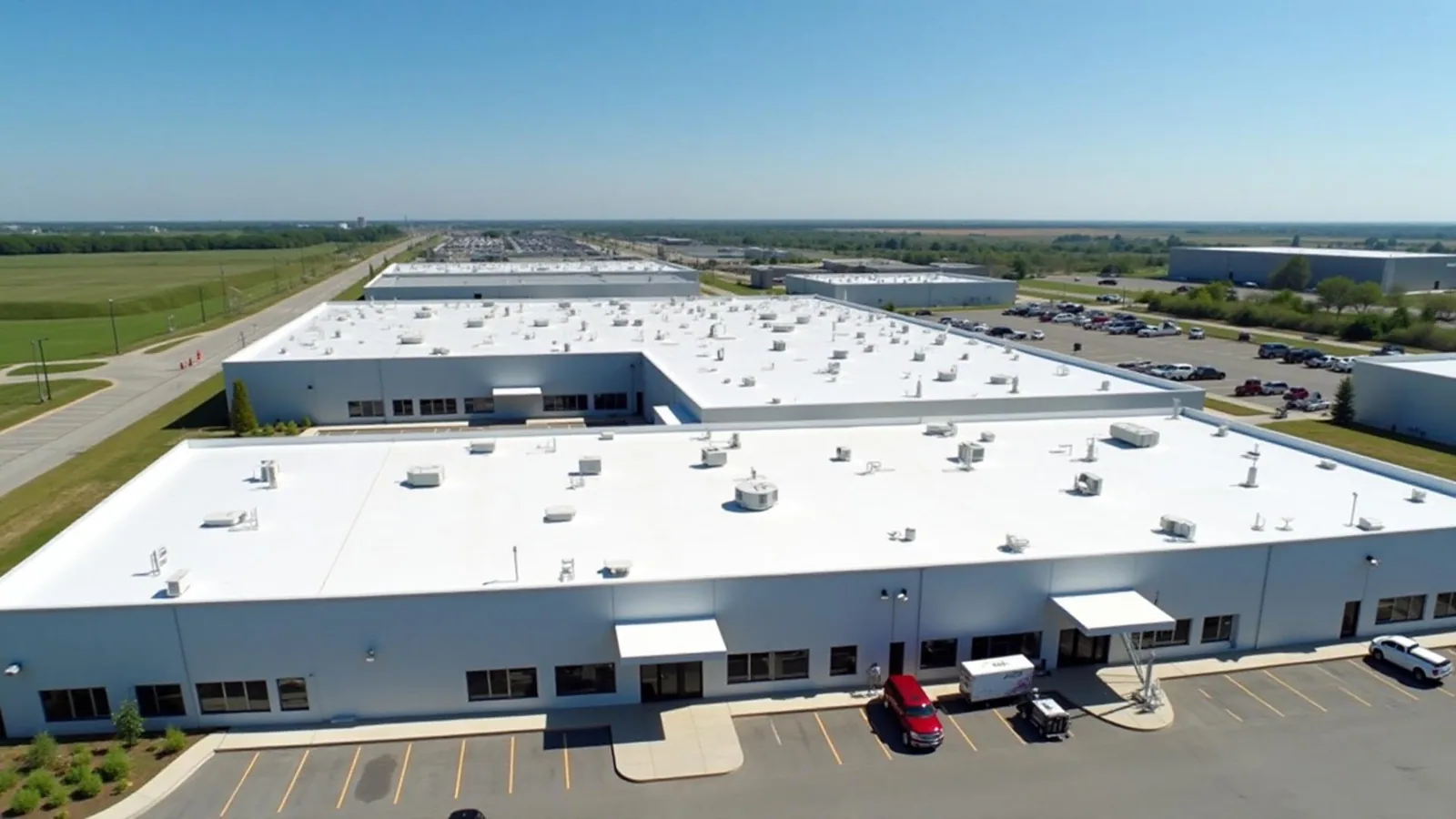
Inspection frequency depends on roof age, leak history, occupancy, storm exposure and the owner's risk tolerance. A new roof with clean drainage may need a different cadence from an older assembly with recurring repairs. We can recommend a next review window based on the findings and note which details are worth checking after severe weather. Maintenance visits can remove debris and address small defects before they become active leaks, but they do not replace a condition inspection when the owner needs a broader decision.
Richardson's CORE District Downtown has commercial and mixed-use activity near Main Street, while the West Campbell Corridor includes a different commercial context. Those areas may bring varied building access and tenant schedules. We plan each visit around the property instead of applying one checklist to every site. To request an inspection, provide roof access details, known leak locations, recent repair history and the decision the report needs to support.
Related Roofing Work
Infrared Roof Moisture Survey
Commercial Roof Repair
Richardson Innovation Quarter
Commercial Roof Condition Reports
Questions About Commercial Roof Inspection
What does a commercial roof inspection cover?
We review accessible roof surfaces, seams, flashings, edges, penetrations, equipment transitions and drainage, then connect findings to priorities and next steps. The report states access limits and whether concealed conditions require testing.
Can a visual inspection confirm that insulation is dry?
No. Surface observations can identify clues, but concealed moisture may need infrared mapping, selective core cuts or another suitable test. We explain the purpose and limits of any additional investigation.
How long does a commercial roof inspection take?
Duration depends on roof area, number of buildings, access, system complexity and how much documentation is needed. We confirm the site plan and inspection purpose first, then provide a practical window for the visit and report.
Can the report help with replacement budgeting?
Yes, when it identifies observed conditions, repair priorities, known quantities and assumptions that still need confirmation. A visual inspection is not a final reroof bid, but it can show where testing or a scope comparison should begin.
Should I schedule an inspection after a Richardson storm?
A post-storm review can document visible hail or wind effects and identify details needing closer evaluation. Timing matters if water is active; protect the building first, then arrange an inspection when roof access is safe.
Schedule an Inspection With a Clear Purpose
Tell us which property needs review, what decision is coming up and what roof history is available. We will define the access plan and deliver findings that separate urgent repairs from planned spending.