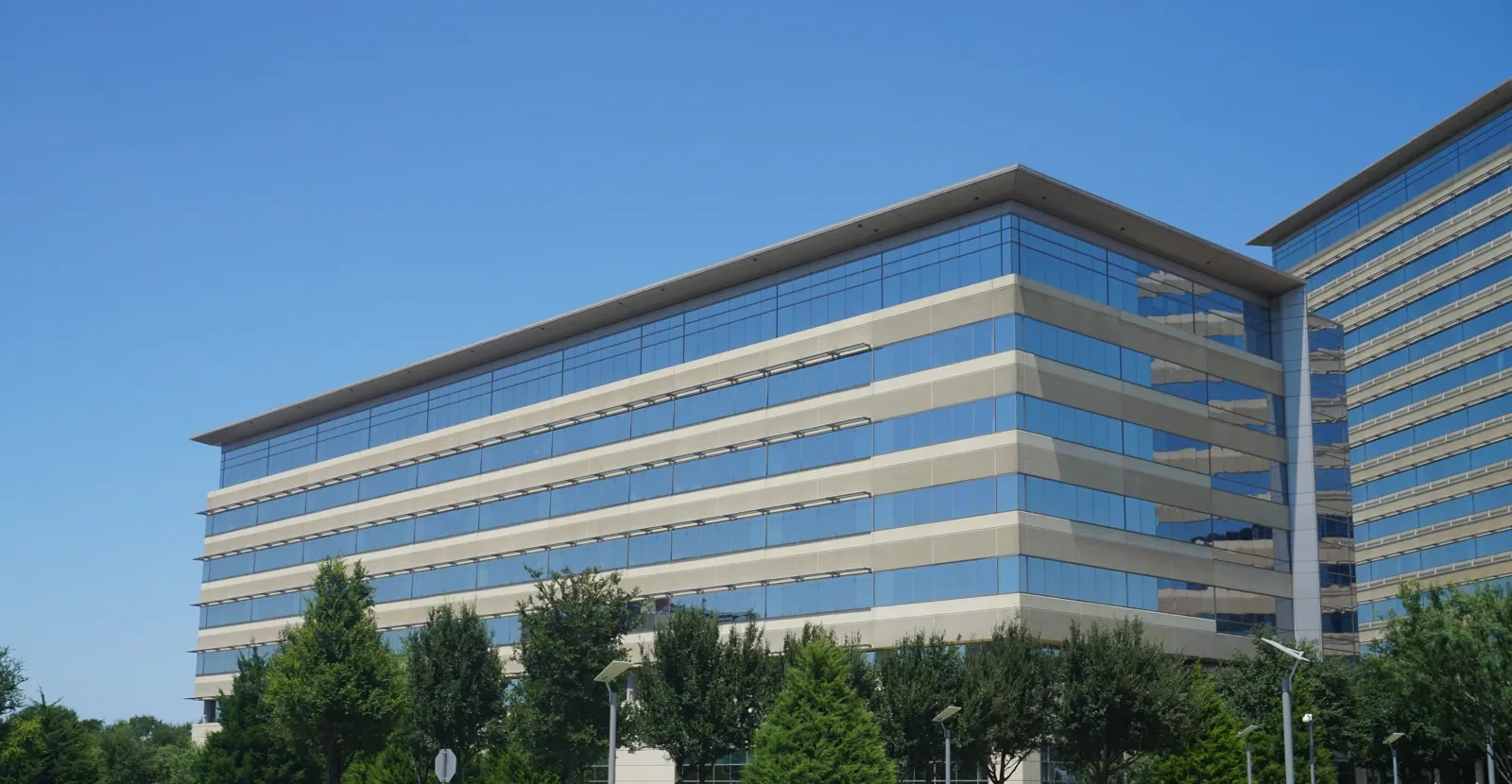
A roof decision should connect a visible condition to a repair line, replacement window or budget year. Commercial Roofing Richardson works on commercial low-slope and metal roofs across Richardson, TX. We inspect, repair, recover, restore, coat, replace and maintain assemblies, then document what was seen and what remains uncertain. The building's access, occupied hours and decision date shape the sequence. We do not treat a leak call as permission to price a larger project before the roof evidence supports it.
About Commercial Roofing Richardson
Explore Our Roofing Work
Commercial Roof Replacement
Compare tear-off and replacement options for Richardson commercial roofs. We assess deck, insulation.
Commercial Roof Recover and Overlay
Compare a commercial roof recover with tear-off in Richardson. We check moisture, attachment, layers.
Commercial Roof Repair
Repair commercial roof leaks, seams, flashing and drainage in Richardson with a condition-based scope, clear.
Commercial Roof Leak Repair
Trace active commercial roof leaks in Richardson, protect interiors and repair the failed roof detail.
Emergency Commercial Roof Repair
Get urgent commercial roof response in Richardson for active leaks and storm damage, with interior.
Commercial Roof Inspection
Get a commercial roof inspection in Richardson with mapped findings, repair priorities, drainage checks.
Start With the Roof in Front of Us
We begin with the property contact, the reason for the visit and the available roof history. Is water entering now? Did a repair fail again? Is ownership preparing a transaction, a budget request or a replacement window? Those answers set the inspection emphasis. On the roof, we check field seams, flashings, penetrations, edges, drains, rooftop equipment and prior patches. Inside, we connect reported water to the affected area and note conditions that may need immediate protection.
A commercial roof inspection records accessible zones with photographs, condition notes and priorities. We identify where access was limited and where the surface alone cannot confirm what lies below. When signs point to concealed moisture, an infrared moisture survey or selective opening may help target the next step. We describe those tools by their purpose and limits, so an owner can decide whether additional testing belongs in the current scope.
The report distinguishes a visible defect from a condition that needs confirmation. A lifted edge, open seam or failed flashing has a location and repair boundary. A stain inside a suite may have several possible paths. We state what the inspection supports and avoid turning an unresolved clue into a fixed quantity. The owner receives a usable basis for approval, not a list of observations with no recommendation.
Protect the Building Before the Larger Decision
When water is active, the first task is to reduce exposure safely. We coordinate roof access, interior protection and temporary measures, then make the building watertight enough to support the next decision. Emergency response is available around the clock, including weekends and holidays. The emergency roof service handles stabilization; the permanent scope follows an inspection of the assembly and affected transitions.
For a defined failure, a commercial roof repair identifies preparation, compatible material, tie-in and the boundary of work. If water repeats or several zones show deterioration, we compare a localized fix with testing, recover or replacement. A proposal explains what the repair line resolves and what exposure remains, including any adjacent area that could not be opened or confirmed.
Coatings and drainage corrections are not shortcuts around diagnosis. A coating needs a suitable substrate and preparation; drainage work must address the path water takes and the outlet condition. We check roof elevation, flashing heights and connected details before describing a correction. If a project involves moving rooftop equipment, the scope names which trade handles the unit and who restores each penetration. Clear responsibilities help prevent a newly completed roof from being opened by later work.
Compare Options Against the Owner's Calendar
Repair, recover and replacement have different costs, risks and open-roof time. Repair can make sense when the failure is limited and surrounding material remains serviceable. A recover may be considered after confirming the existing system is dry, stable, compatible and detailed so drains and flashings still work. Replacement may be the better comparison when moisture, attachment, seams or edge failures extend across a wider area. We state why the recommendation fits and what would change it.
Replacement pricing should show tear-off, disposal, insulation, cover board, membrane or metal, flashing, equipment coordination, access, testing and protection. If quantities could change when the roof is opened, we set an owner approval point and explain the basis for any allowance. That makes it possible to compare bids on scope instead of headline numbers alone. A replacement proposal identifies the work sequence and daily close-in as well as the material assembly.
For owners responsible for more than one property, condition reporting can keep roof areas, photographs and priorities consistent. A capital plan can compare near-term repairs with renewal timing across budget years. The report still preserves each property's system, access limits and repair history instead of turning different roofs into one average.
Bring Richardson Conditions Into the Plan
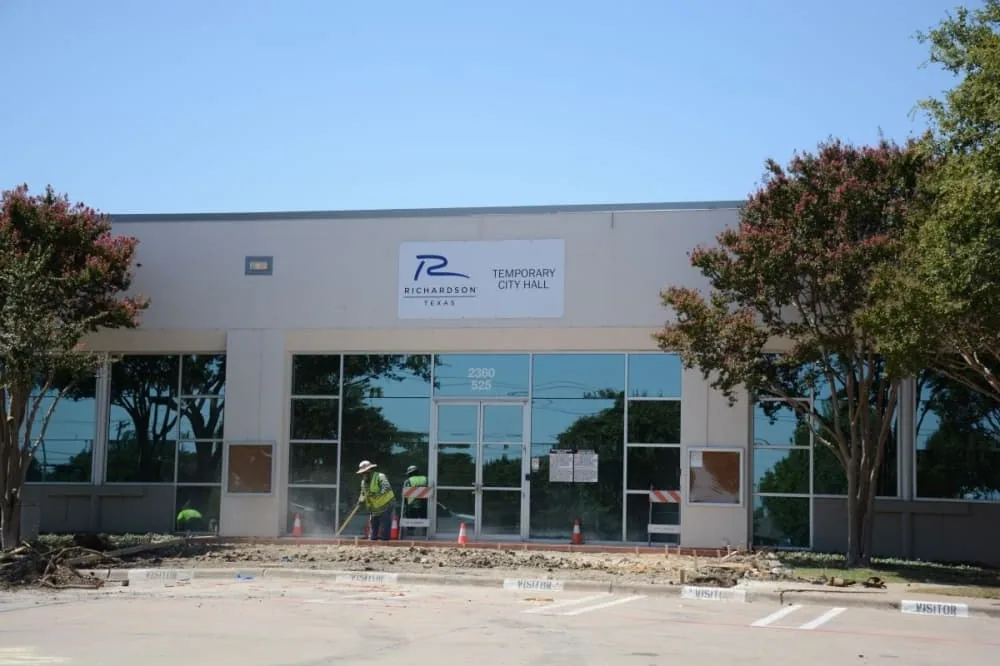
Richardson's summer average highs reach the mid-90s, and spring is the region's peak severe-thunderstorm period. Heat and storms affect installation windows, drainage review and temporary protection. They do not prove damage to a particular building. The October 2019 tornado track included documented damage near Audelia Road and Buckingham Road; that local history makes readiness relevant, while each roof still needs an individual assessment after a storm.
The city's commercial settings also vary. Richardson Innovation Quarter brings technology and office activity; CityLine combines offices, residences and retail. Galatyn Park and Arapaho Center Station have transit-oriented development contexts. These local facts help shape questions about tenants, access and scheduling, but they do not tell us what an individual roof contains. We work from confirmed property records and field conditions.
Richardson adopted 2021 building, existing-building and energy code editions with local amendments. Which requirements apply depends on the property and scope, especially when a project changes insulation, structure, equipment or roof layers. We flag when permit or design review belongs in the schedule and confirm the responsible jurisdiction before treating a requirement as settled.
Coordinate Access, Occupancy and Close-In
Occupied buildings need a work sequence that protects people and contents below. We confirm roof access, escorts, fall-protection requirements, delivery windows, noise limits, tenant notices and which doors or loading routes must remain available. Material staging and lift placement may change the price as much as the roof area. If another trade must disconnect equipment, the proposal makes that handoff clear. If a section is opened, the crew's planned work must remain within a safe daily close-in boundary.
We discuss weather delays before mobilization. If conditions change, the response explains how the active area will be secured and when the team can return. At mixed-use or transit-oriented properties, public routes and operating schedules can shape the phase plan.
Closeout records the installed material, completed zones, tie-ins, dated photographs and exclusions. If a concealed condition changed the scope, the approval and added work remain in the project record. If a later trade alters the roof, the closeout helps show where the roofing responsibility ended. That history gives the next inspection a starting point and helps ownership compare what changed over time.
Serve Owners Across the Richardson Market
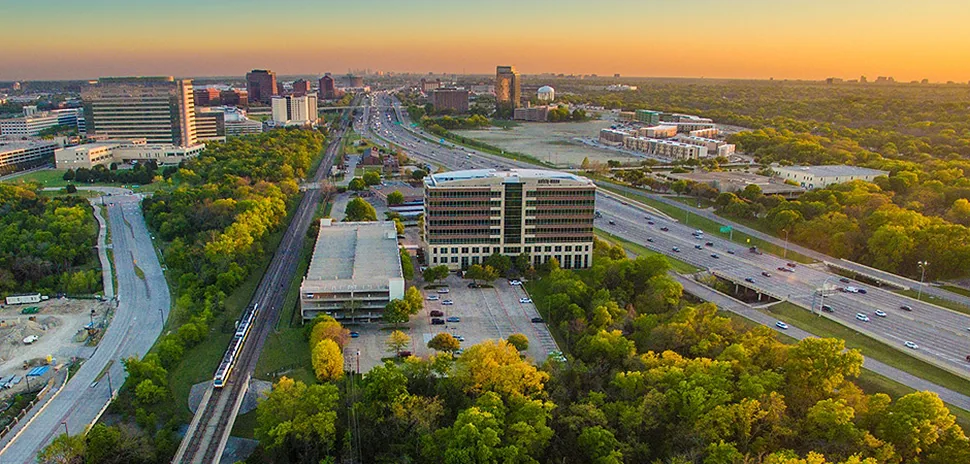
Our work supports owners, property managers, facilities teams, asset managers and general contractors responsible for commercial buildings. The service area includes Richardson neighborhoods and business districts as well as nearby cities such as Garland, Allen and Addison. A request from Wylie or a property near the Innovation Quarter begins the same way: confirm the property, access, roof history and decision date.
We provide service on low-slope membranes, built-up and modified-bitumen assemblies, metal roofs, spray foam, and silicone and acrylic coating systems. We also provide drone review, infrared moisture surveys, written condition reports with photographs, preventive maintenance and insurance claim documentation. The specific method depends on the roof, the safe access plan and the result the owner needs. We do not promise a system, warranty or outcome until the relevant documents and conditions support it.
To request an inspection, send the building location, active leak details, available roof plans or warranty information, and the date a decision is due. We will confirm the access plan and explain what a field review can answer. If more testing is needed, we identify why before it becomes a surprise line item. If repair can address the known condition, we price that option and explain what risk stays beyond its boundary.
Common Questions
What kinds of commercial roof work does the company handle?
We inspect, repair, maintain, recover, restore, coat and replace low-slope and metal roofs. The specific service follows the installed system, observed condition and property requirements.
How do you decide between a repair and replacement?
We compare the spread of failures, condition of adjoining areas, moisture, attachment, drainage, flashing and remaining risk. A report explains which observations support the recommended spend.
Can roof work continue while a building is occupied?
Often, if the scope and access support phased work. We coordinate occupied hours, public protection, tenant notices and daily close-in with the property contact.
What should I provide before requesting a roof inspection?
Share the building location, leak dates, repair history, roof records, access requirements and decision deadline. Those details help focus the field visit and report.
Set an Inspection Around Your Repair Window
Send the building, roof concern, access contact and budget date. We will inspect the assembly and return a practical scope with clear priorities and limits.