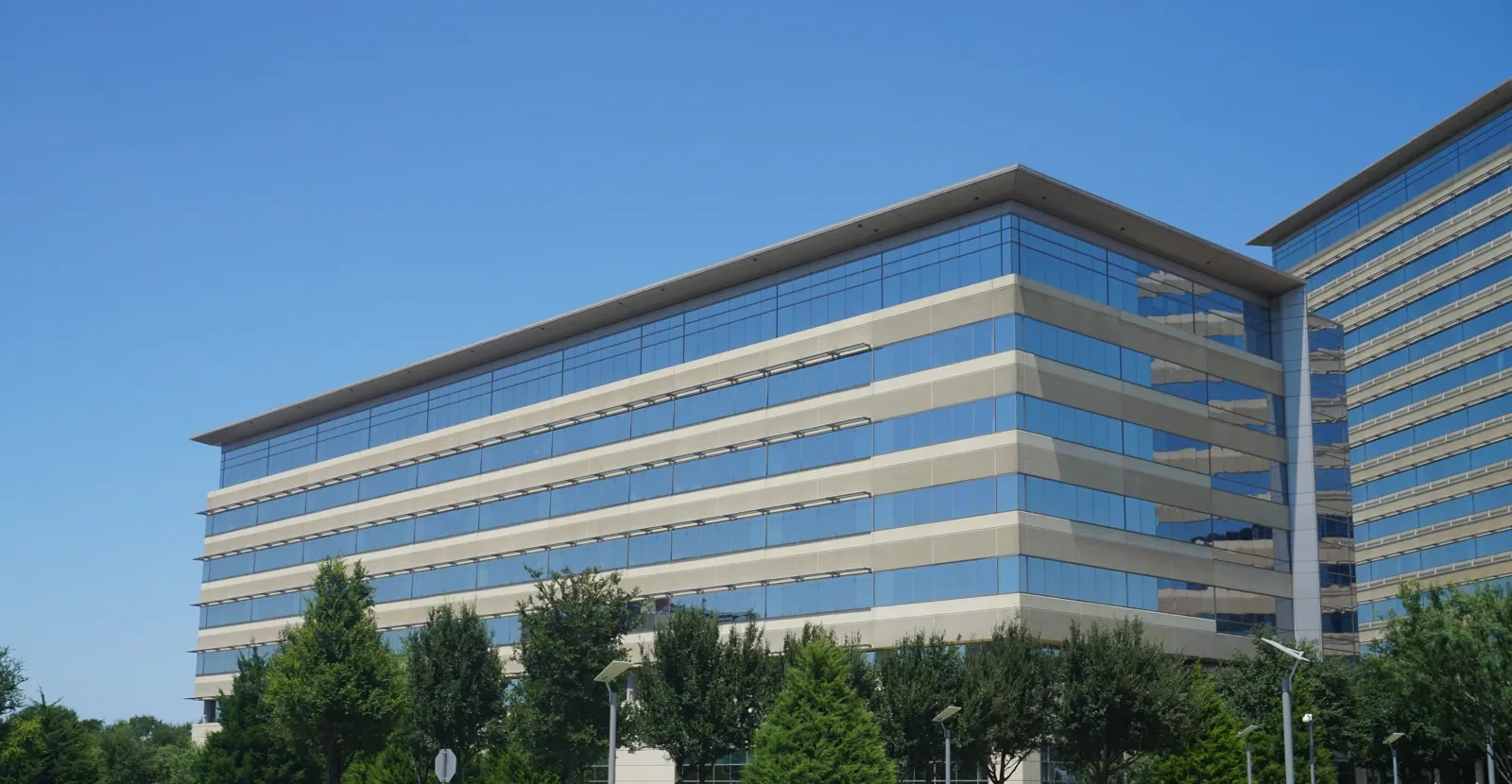
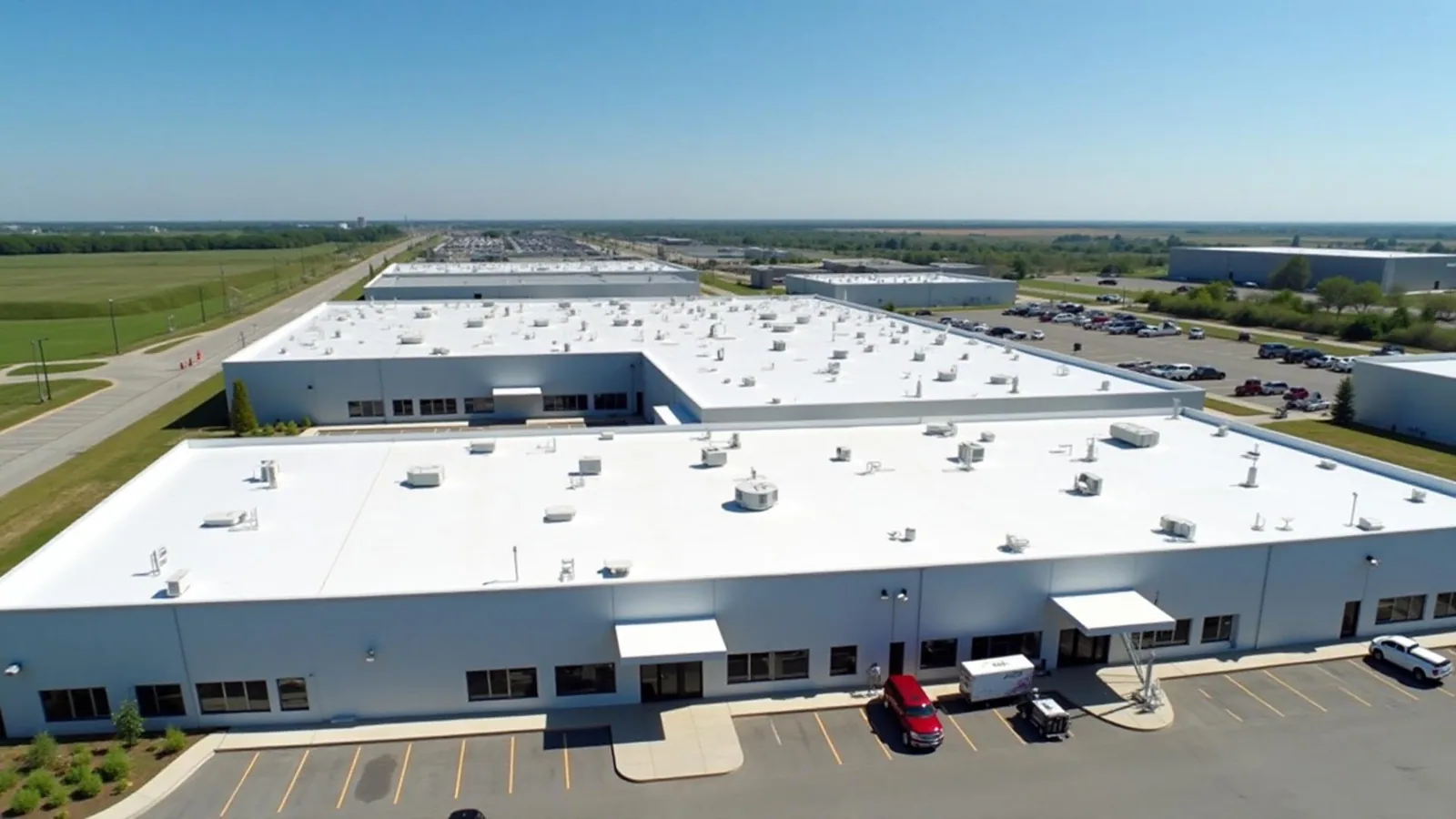
PVC roofing can suit commercial buildings where a heat-welded membrane and resistance to certain rooftop contaminants are part of the design need. It still has to fit the deck, insulation, edge details and the way the building operates. We assess PVC roofing in Richardson, TX by reviewing those conditions before recommending a new system, repair or replacement. The scope identifies where the membrane is exposed to kitchen exhaust, service chemicals, equipment traffic or standing water, then matches the detail to that use.
Request a Roof Assessment
All fields are required.
Commercial PVC Roofing in Richardson, TX
Review PVC Against the Roof's Real Exposure
Identify What Reaches the Roof Surface
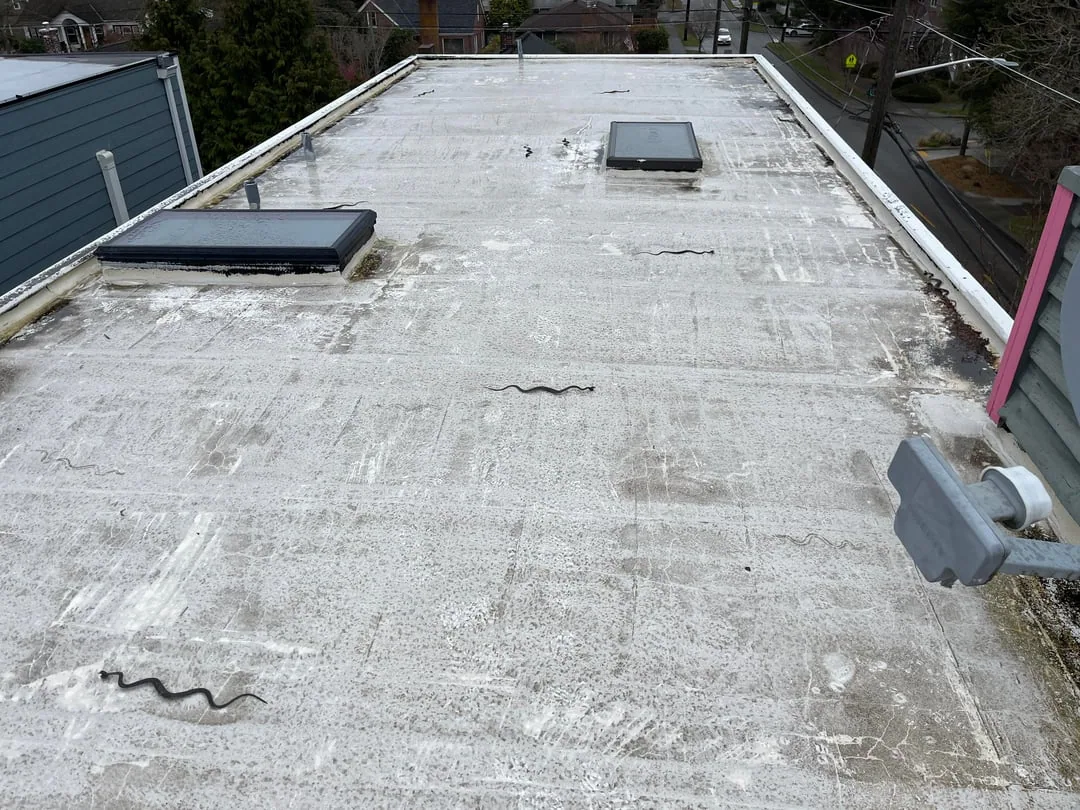
Some commercial roofs see oils, grease, cleaning agents or exhaust discharge that can affect the membrane choice. We ask about restaurant exhaust, mechanical equipment, maintenance practices and any process that vents to the roof. PVC may be considered where the system design calls for a membrane with chemical-resistance properties, but exposure should be defined rather than assumed. We identify where discharge lands, how often the roof is cleaned and whether the existing system has changed color, become brittle or separated near an outlet.
Buildings around Richardson's commercial centers include varied office, retail and food-service uses. A roof near Richardson Chinatown may have different exhaust and service conditions from an office along CityLine. That location context helps prompt the right questions; it does not tell us what a specific tenant discharges onto its roof. We inspect the building's actual exhaust points and work with the owner or mechanical contractor to determine whether a PVC system is suitable for the observed environment.
Inspect Heat-Welded Seams and Roof Transitions
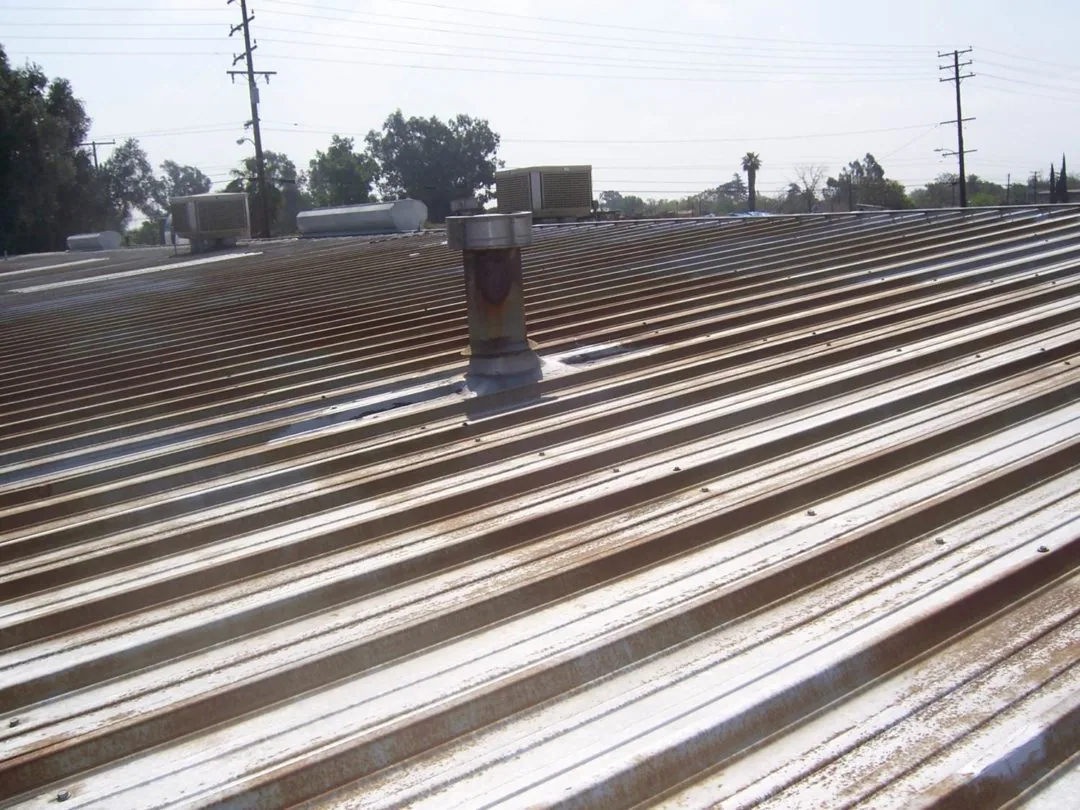
PVC membrane seams are heat-welded. Clean surfaces, correct equipment settings and consistent technique affect the bond. We inspect field laps, corners, patches and terminations for openings or weak welds. The roof's most demanding points are often at curbs, drains, pipe penetrations, parapets and perimeter metal. A membrane can be intact across a broad field while one transition provides a path for water.
Repair should match the installed membrane and condition. We identify the material and prepare the area before welding a patch or rebuilding a flashing. Contamination or residue may need extra cleaning so a new weld can take. A repair that bridges moving equipment or a failed curb may not address the source of movement. We check the nearby assembly and record any limit that requires a mechanical, structural or drain specialist. The owner should keep product details and service records for future compatibility checks.
Select Thickness, Reinforcement and Attachment for the Roof
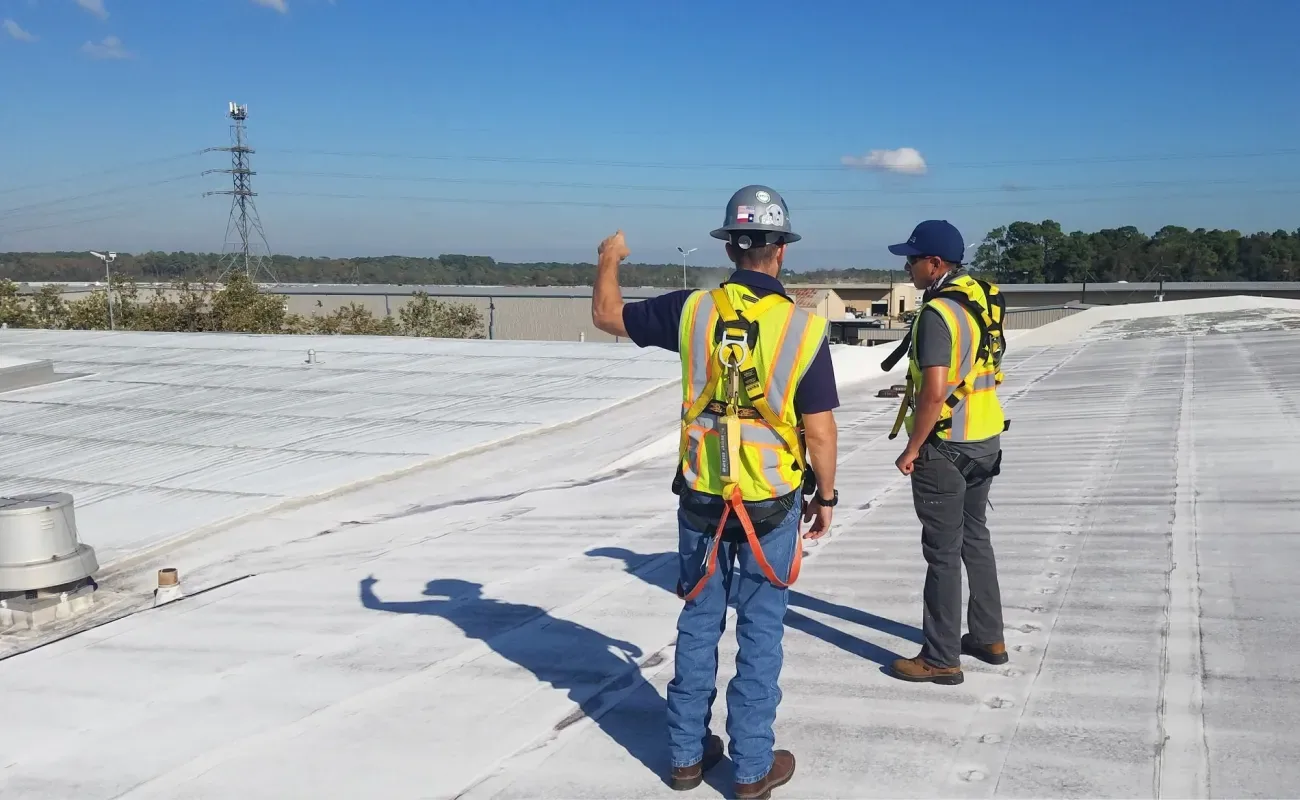
System design considers the roof's use, wind exposure, deck, insulation, cover board and edge conditions. Mechanical attachment, adhesion and ballast are not interchangeable choices. The design team determines uplift requirements and the attachment layout; we review how those details meet actual substrate and perimeter conditions. PVC thickness and reinforcement should be compared alongside flashing accessories, edge metal, cover board and installation scope. A membrane specification alone does not describe the complete roof.
Added insulation raises roof height and can affect equipment curbs, skylights, doors, drains and parapets. Before a PVC reroof, we verify the locally amended code provisions and permit requirements that apply to the specified work. We identify questions for the design professional before ordering materials. Insulation and cover-board work can be coordinated with the membrane. If the roof contains older or wet layers, targeted testing may help define what needs removal before the final assembly is priced.
Protect the Membrane From Heat and Water Stress
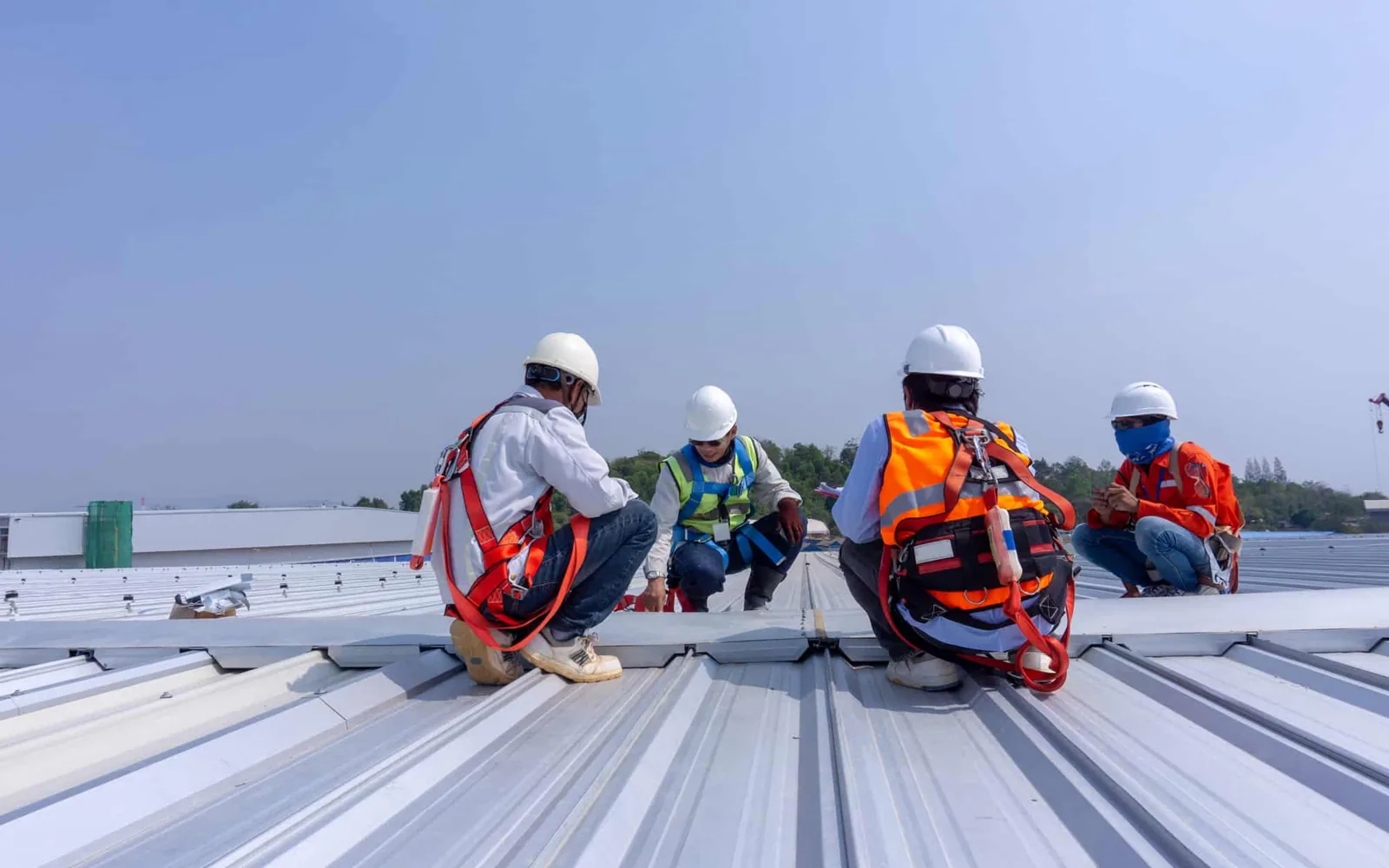
Richardson's summer weather keeps roof surfaces exposed to prolonged heat. Seams, flashing and edge securement should remain stable through repeated heating and cooling. Water that remains around a drain or curb can keep a detail under stress and hide a slow leak. We review outlet paths, overflow details, tapered areas and signs of ponding as part of system selection. If slope correction is needed, resolve the layout before installing a new membrane.
Day-to-day roof use matters too. Service paths around exhaust fans, HVAC units and grease interceptors should be planned so technicians do not drag equipment or spill products across the membrane. Walk pads can protect common routes, but they must not block drains or become a debris trap. Owners should resolve drainage and equipment transitions before a reroof closes the field. The proposal should identify any roof area where exposure needs a separate protective plan.
Plan for Compatible Repairs and Routine Review
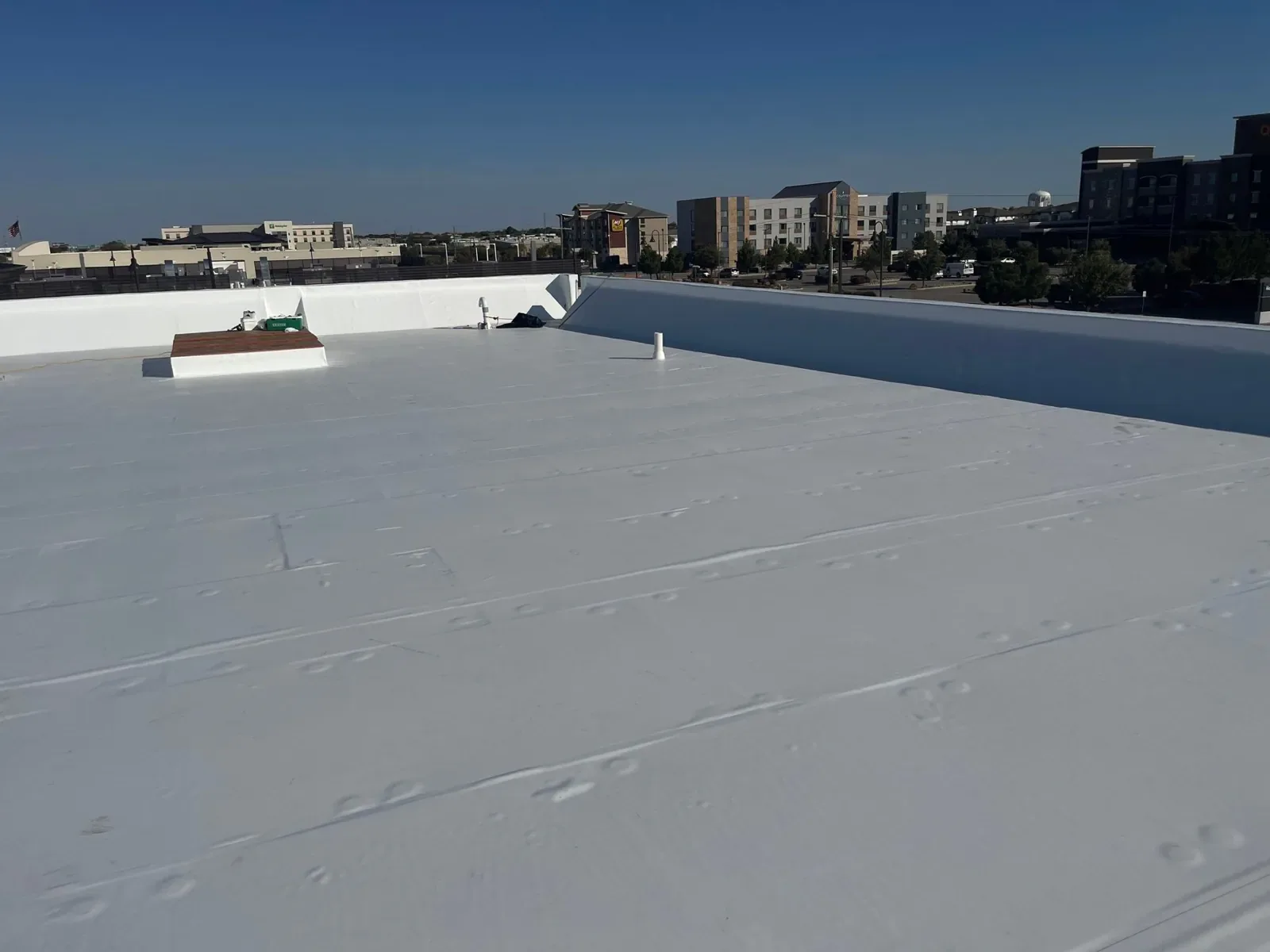
After PVC is installed, future repairs need compatible material and surface preparation. Keep membrane identification, manufacturer documents, installer details and warranty information with the building record. A patch from a different system may not weld properly. Record equipment work and any spills, cleaning agents or roof traffic that could affect the surface. A maintenance visit can check seams, flashing, drains and edge metal before water reaches the interior.
For an isolated puncture, a system-specific repair can restore the membrane if the surrounding material remains sound. Repeated separation across several roof zones may indicate an installation or substrate concern that warrants closer review. A roof inspection can map the condition; targeted repair can address defined details. If the roof is near its budget horizon, a replacement plan can compare PVC with other assembly options.
Compare the Installed PVC Scope, Not Just the Sheet
A sound estimate describes removal, insulation, cover board, attachment, membrane, flashing, drains, edge details, access, protection and disposal. It also states what testing is included and how concealed wet materials or deck issues affect price. Compare proposals using the same assembly and detail assumptions. A lower quote may exclude perimeter metal or equipment transitions that the building needs to complete the system.
For an owner with offices near Galatyn Park Urban Center or CityLine West, access planning may influence crew sequence and tenant communication. Those districts have different development patterns; the roof scope remains specific to each building. Closeout should include roof-zone photos, installed components, repair details and maintenance recommendations. Scheduled maintenance can track changes, while condition reporting can keep findings available for the next capital decision. A membrane comparison should also state why one polymer fits the building's discharge and cleaning conditions. PVC, TPO and KEE differ in formulation and repair approach; the roof designer should confirm exposure compatibility and the installer should document the selected detail. Choose by the system specification and project requirements, not a broad claim that one material handles every rooftop environment.
Related Roofing Work
Commercial Roof Insulation and Cover Board
Commercial Roof Inspection
Commercial Roof Repair
Commercial Roof Replacement
Questions About Commercial PVC Roofing
When should a building owner consider PVC roofing?
It may fit a low-slope commercial roof where the design calls for welded membrane seams and the expected exposures are compatible with the system. We review the actual deck, chemicals, equipment, drainage and project requirements before making a recommendation.
Does PVC tolerate every chemical or kitchen exhaust?
No membrane should be selected without understanding the specific exposure. Identify the product, concentration, temperature, discharge point and cleaning practice, then confirm compatibility with the system manufacturer and design team.
Can a PVC seam be repaired with any heat-weldable patch?
Repair material should be compatible with the installed membrane. We identify the roof system, prepare the area and inspect surrounding material before welding a repair detail.
Can PVC go over the roof that is already there?
A recover depends on dry, stable and securely attached existing layers, allowable build-up, drainage and compatible transitions. Testing or selective openings may be needed to confirm conditions before the owner chooses that option.
How can the owner protect PVC after installation?
Keep service routes clear, use approved protection for repeated traffic, control rooftop spills and schedule checks of seams, penetrations and outlets. Retain system details so future repairs use compatible materials.
Review PVC Against the Roof's Real Exposure
Tell us about rooftop equipment, exhaust, cleaning practices, leak history and the next budget decision. We will review system fit, detail work and the assumptions in a complete PVC scope.