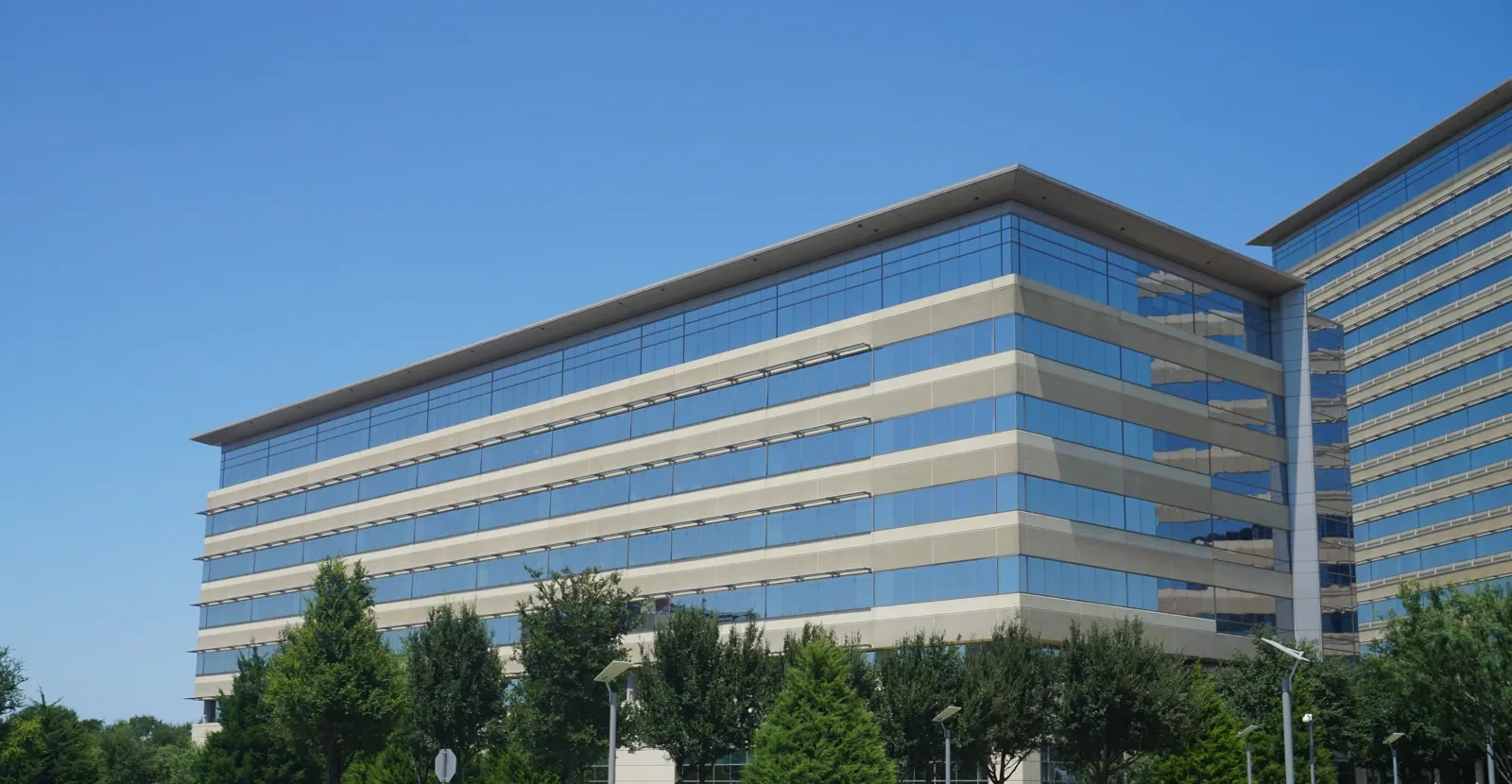
A roof issue over a production line can threaten equipment, inventory, and a scheduled run. The first decision is how to contain the risk without opening more roof than the weather window allows. We inspect the affected assembly, map the interior exposure, and price a defined repair or planned replacement for manufacturers in Richardson, TX. The scope identifies the work boundary, production access needs, and who approves a concealed condition.
Request a Roof Assessment
All fields are required.
Commercial Roofing for Manufacturers in Richardson, TX
Protect the Next Production Window
Keep Production Areas in the Work Plan
Before mobilization, facilities staff identify process lines, sensitive controls, inventory, overhead cranes, and routes used by employees and forklifts. We compare leak reports with roof seams, drains, curbs, penetrations, and prior repairs. Water may travel along a deck before it appears inside, so a ceiling stain alone does not set the repair boundary. If an active leak threatens production, an emergency response can protect the interior while a permanent correction is documented.
Inventory protection should be specific. Identify what materials cannot be exposed to dust or water, whether a process must stay energized, and which routes remain open for forklifts or overhead material handling. We can phase work to protect those spaces, but the plant team sets the process controls and authorizes shutdowns. A roof plan should list the person who can approve a temporary interruption so the crew does not wait for an unclear decision while the assembly is open.
Richardson Innovation Quarter includes manufacturers alongside research, technology, and education organizations. Lakeside Campus contains corporate office buildings along US 75, where tenant schedules and site access affect field planning. At a plant, facilities staff identify production bays, overhead equipment, controlled rooms, forklift routes, and shutdown windows before we set the work zone. The sequence then ties each shift to the space below, the material path, and a watertight stopping point. Operations can move exposed product, isolate sensitive equipment, and approve an interruption before the roof is opened. A bay-by-bay plan makes it clear which area returns to service first and what remains protected while work continues. When a production line must stay active, we can place its roof zone in an after-hours or separate phase, then document the boundary before the shift ends. If the schedule cannot absorb permanent work immediately, limited stabilization can create time to plan the lasting correction, with the temporary measure and its limits stated in the scope.
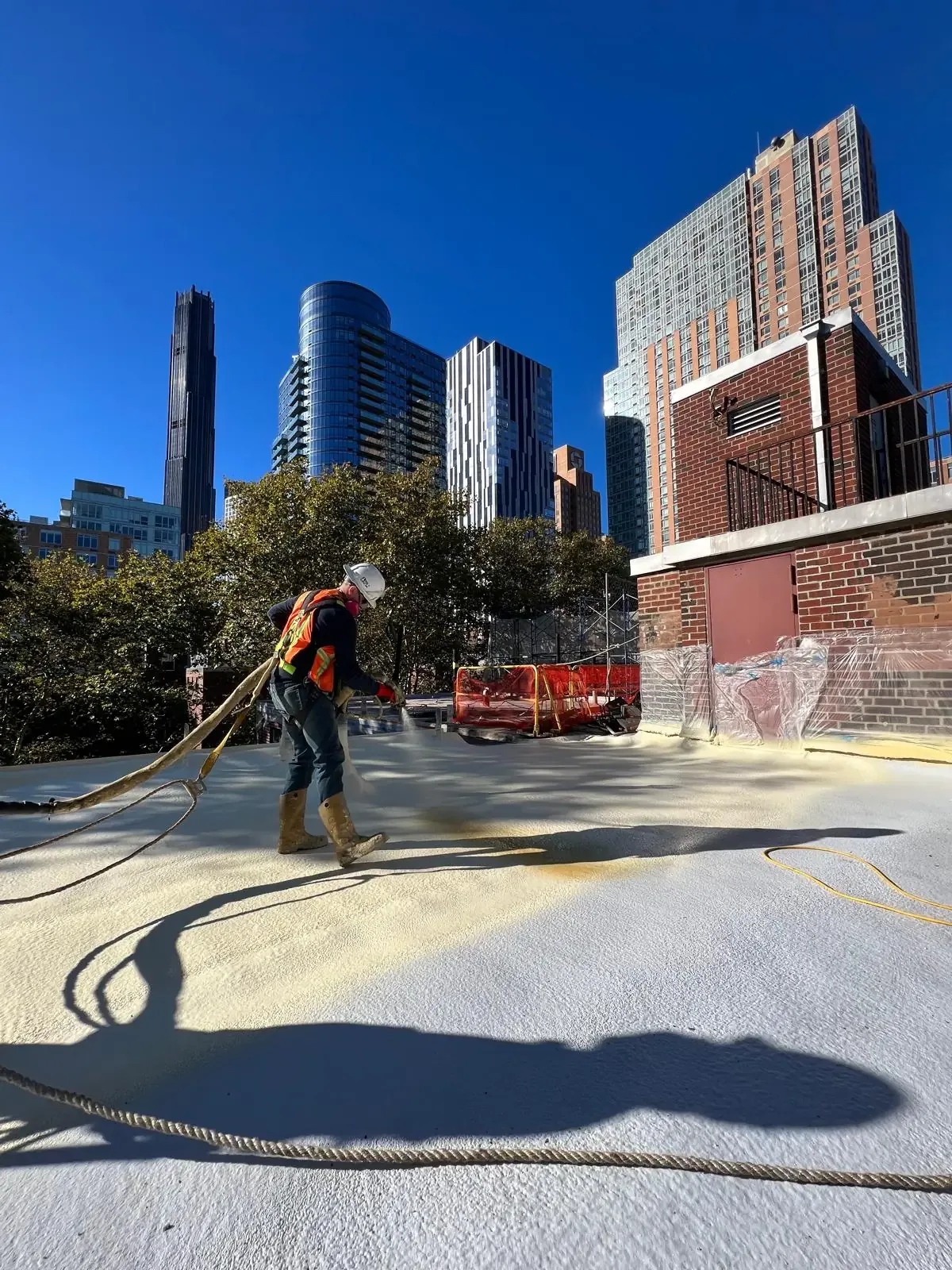
Check Penetrations and Roof-to-Process Interfaces
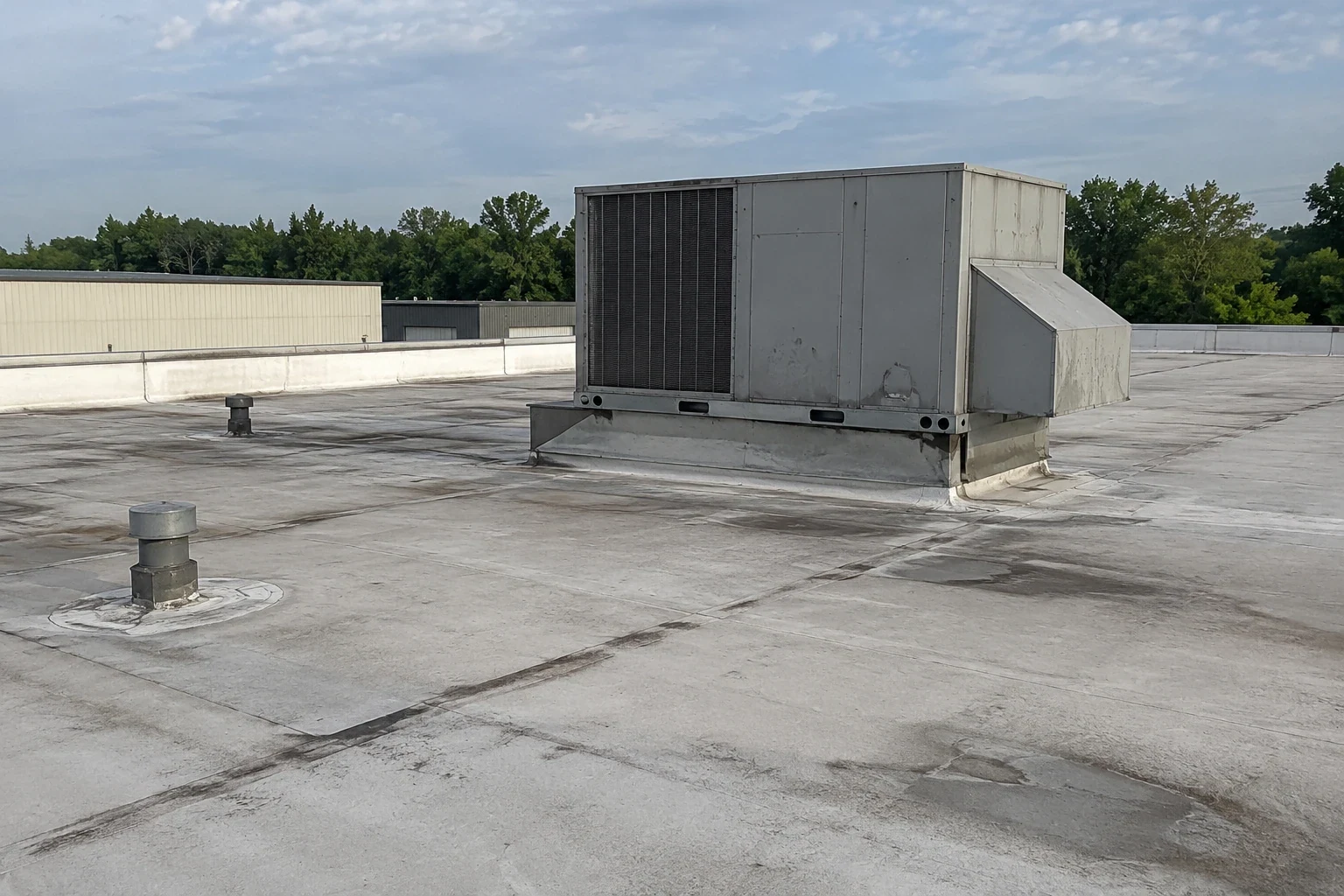
Manufacturing roofs often have exhaust, make-up air, piping, electrical conduits, dust collection, and service platforms. We inspect how each curb and penetration meets the membrane or metal panel, then note signs of movement, failed sealant, corrosion, or patching. If equipment will be moved, coordinate mechanical work with flashing and close-in. A curb and support scope can prevent a new unit from cutting across a completed roof zone.
Drainage needs the same attention. Water that backs up near an equipment base or interior column can interrupt a line even before a ceiling stain appears. We check strainers, low points, overflow routes, parapets, and transitions at additions. A drainage correction may belong in the roof scope when outlet height or blockage contributes to the condition. If the membrane type is unclear, inspection and approved test cuts should establish it before a system-specific repair is priced.
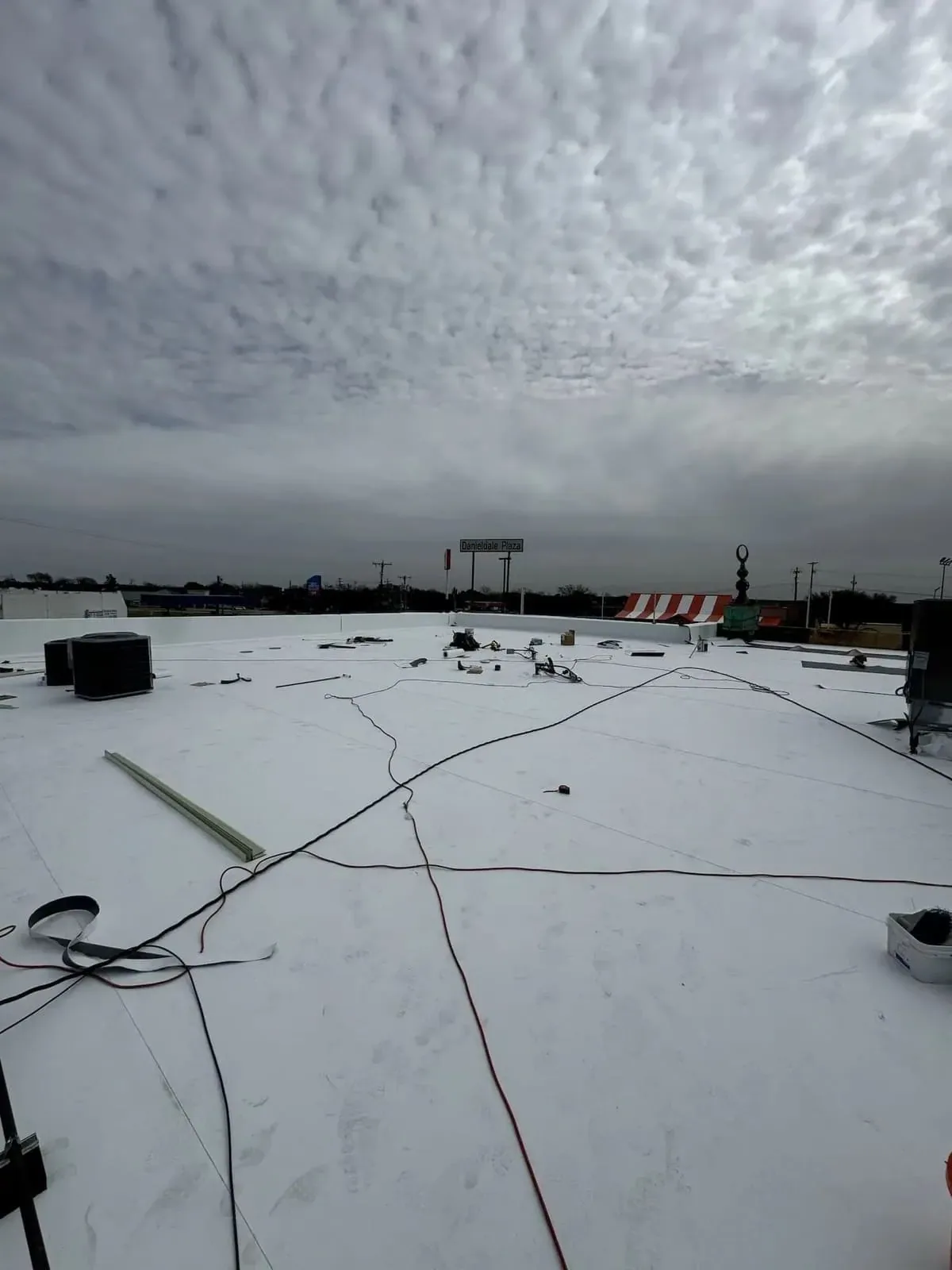
Set Shutdown and Close-In Limits
Manufacturing schedules may run across shifts, planned maintenance stops, and shipping windows. We identify the hours when noise, vibration, lift movement, or interior access cannot overlap with production. Each open section needs a secure end-of-shift boundary and a weather plan. A phased scope can work one bay or elevation at a time if the assembly and transitions allow independent closure. The schedule names the site contact who can approve a stop or extension when conditions change.
Richardson's summer mean daily highs exceed 95 degrees in July and August, while DFW spring carries its most active thunderstorm period. We plan tear-off and temporary protection with those conditions in mind. After a storm report, we inspect the actual property for punctures, displaced edge metal, and water entry. Regional conditions alone do not show whether a production roof needs repair. A condition inspection can document observed damage and support a scope tied to the affected bay.
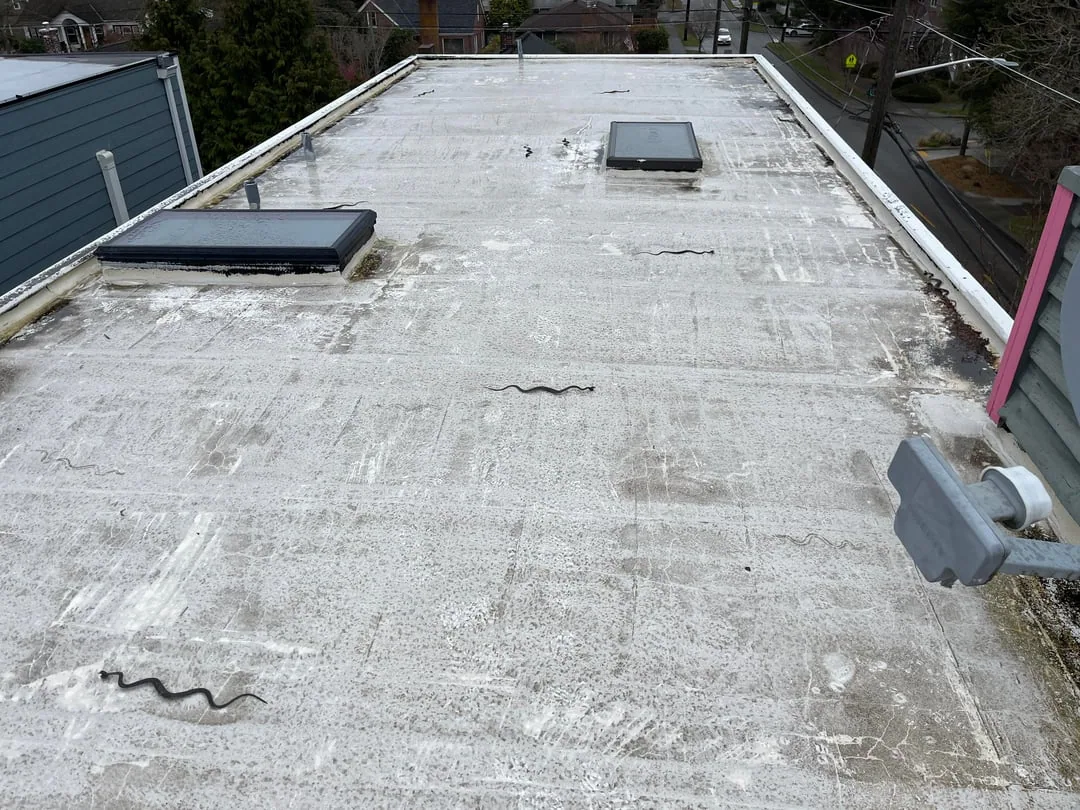
Compare a Production Repair with a Reroof
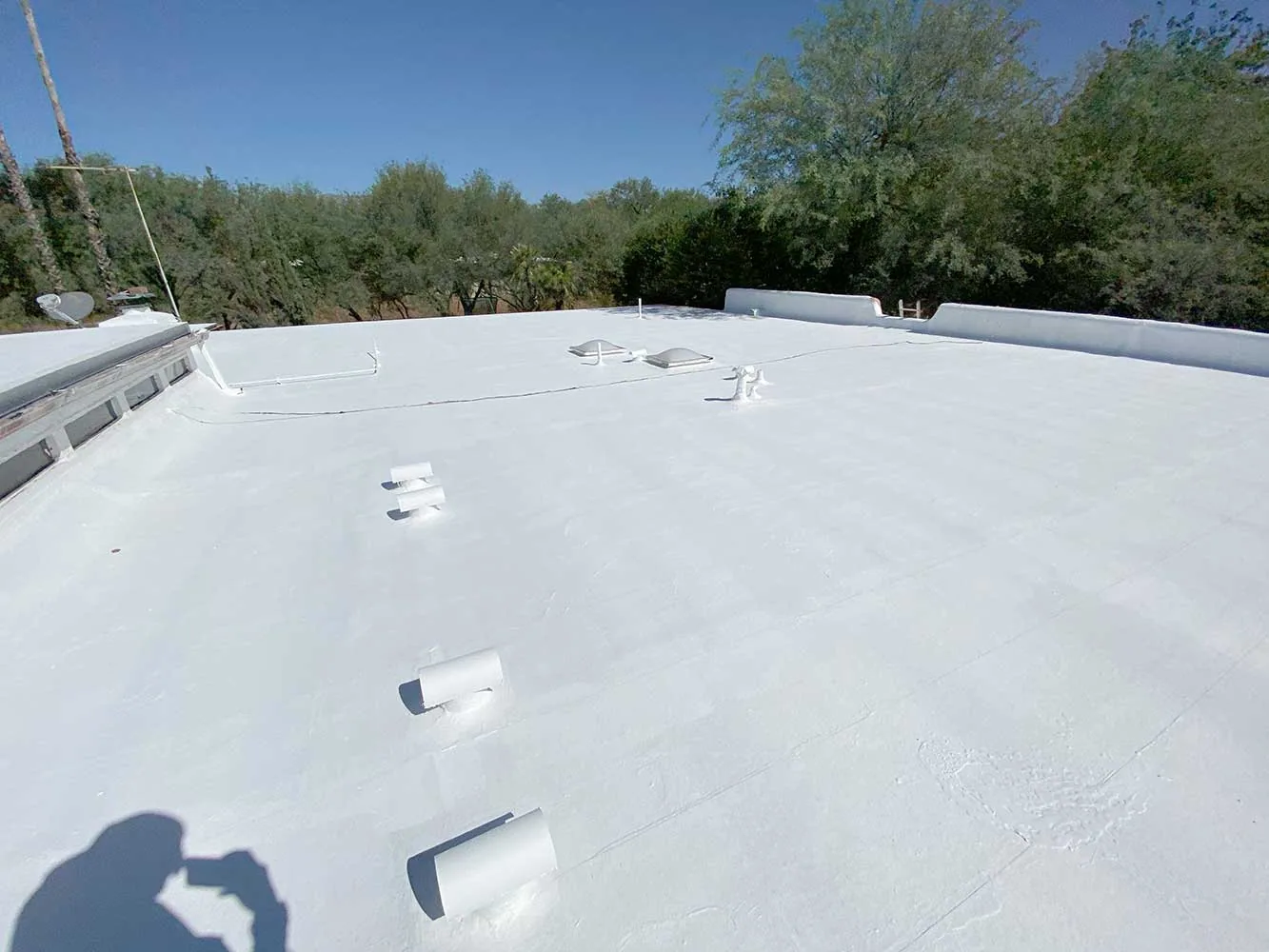
A repair may be the right first spend when the defect is isolated and the surrounding assembly remains dry and attached. Recurring leaks, wet insulation across multiple areas, failed seams, or weak edge details can make repeated patches a poor use of downtime. We document each roof zone and distinguish confirmed work from areas that need testing. A repair proposal should include material compatibility and follow-up, while a separate replacement plan can define tear-off, insulation, deck assumptions, equipment sequencing, drainage, and daily close-in.
Richardson's building rules include local adjustments to the 2021 code editions. We confirm the permit requirements that attach to this plant's proposed work before materials are ordered. The cost comparison should show access equipment, temporary protection, disposal, shift restrictions, and coordination with process shutdowns, not just the membrane. If a recover is considered, verify existing layers, attachment, moisture, and height at equipment and drains before accepting it as a lower-disruption option.
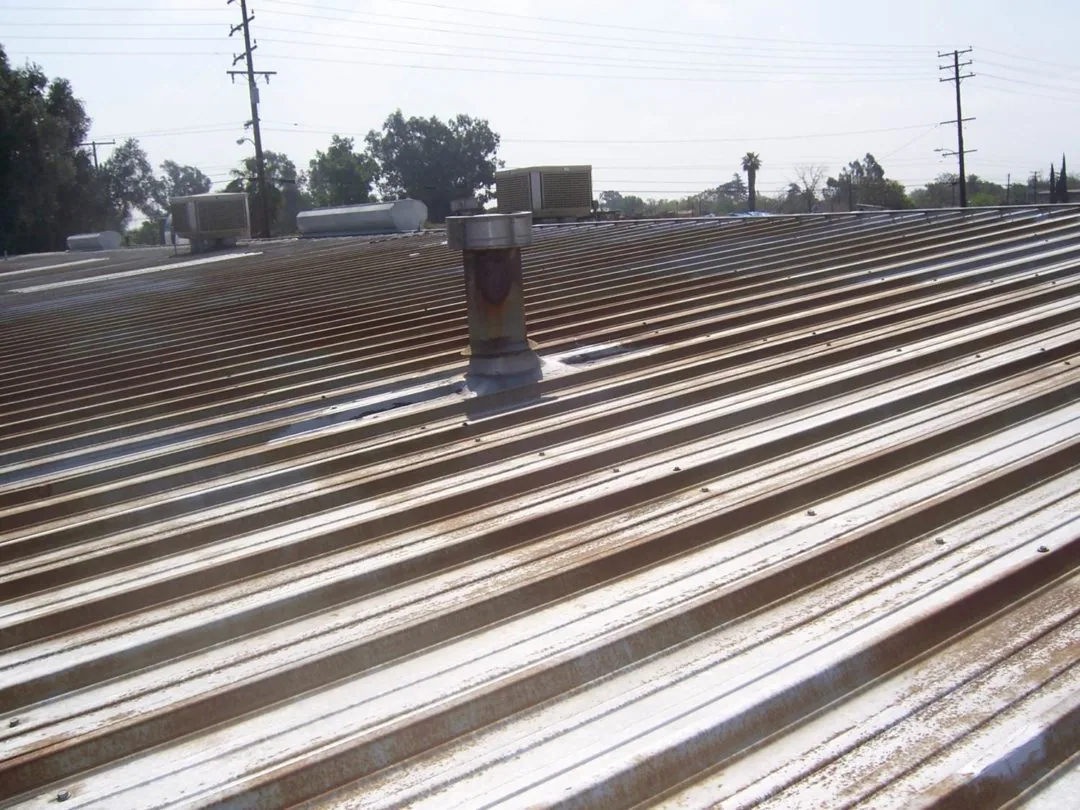
Keep Roof Maintenance Aligned with Plant Changes
New rooftop equipment, exhaust modifications, or process expansion can change how water moves and where penetrations occur. Schedule a roof review before the trade cuts or moves a curb. A maintenance program can track seams, drains, flashing, metal edges, and prior repairs. Keep dated photos with a roof plan so the next facilities manager can identify the repair zone and the remaining exposure without restarting the inspection history. Keep the inspection interval and follow-up owner visible in the plant maintenance log. The plant can then plan inspections against shutdown dates and process changes.
After a roof project, confirm that maintenance routes are restored, drains are clear, and any temporary protection has been removed or converted into an approved detail. The closeout file should note open items and the party responsible for them. That gives operations a clean handoff before the next production cycle starts.
Manufacturing owners may also coordinate roof phases with logistics partners, contractors, or a property manager. A logistics operator can have loading constraints that affect staging; a general contractor may sequence adjacent construction. We identify the roofing boundary and handoff point clearly. The plant team retains control of production access and process safety, while the roof scope addresses assembly, weather exposure, and closure of each work area.
Related Roofing Work
Emergency Commercial Roof Repair
Richardson Innovation Quarter
Rooftop Equipment Curb and Support Roofing
Commercial Roof Drain and Scupper Service
Questions About Manufacturers
How do you protect production equipment during roof repair?
We map the area below the defect, confirm what can be covered or moved, and set the work zone with site staff. The scope separates interior protection from the permanent roof correction.
Can a manufacturer reroof during a scheduled shutdown?
A planned stop can provide a useful window if the roof zone, material delivery, and close-in sequence fit the available hours. We confirm the boundary and weather contingency before staging.
What should a plant do before rooftop equipment is replaced?
Have the roofer review the curb, support, flashing, and access route before the mechanical trade begins. Coordinating the two scopes reduces the chance of opening finished membrane later.
How can facilities tell whether a leak is a roof problem?
We compare the timing and interior location with roof penetrations, drains, seams, and mechanical equipment. Condensate or process piping can also contribute, so the inspection should trace the likely water path.
When should a production facility consider full replacement?
Consider it when inspection finds broad moisture, repeated failures, weak attachment, or repair areas that keep returning. We document what is known and price the replacement phase separately from immediate protection.
Protect the Next Production Window
Share the plant schedule, access limits, leak reports, and planned shutdowns. We will inspect the roof and return a repair or phased replacement scope with close-in and staging details.