A roof finding can change a property’s acquisition model, refinance file, or annual capital plan. Investors need to know whether a defect is isolated, recurring, or part of a larger assembly problem. We inspect the roof, separate confirmed conditions from assumptions, and show how each option affects timing in Richardson, TX. The useful output is not a generic condition label. It is a repair boundary, a replacement trigger, and a dated next step.
Request a Roof Assessment
All fields are required.
Commercial Roofing for Real Estate Investors in Richardson, TX
Put the Roof Decision in the Investment File

Price the Condition Before the Hold Decision
During diligence, confirm roof type where visible, drainage layout, prior repair records, rooftop equipment, and any active interior reports. A visual review can identify seams, flashings, edges, and obvious moisture indicators, but concealed deck conditions may require a test opening. We describe what the inspection establishes and what remains unconfirmed. A due-diligence roof survey can connect each finding to a property zone and a scope assumption the acquisition team can price.
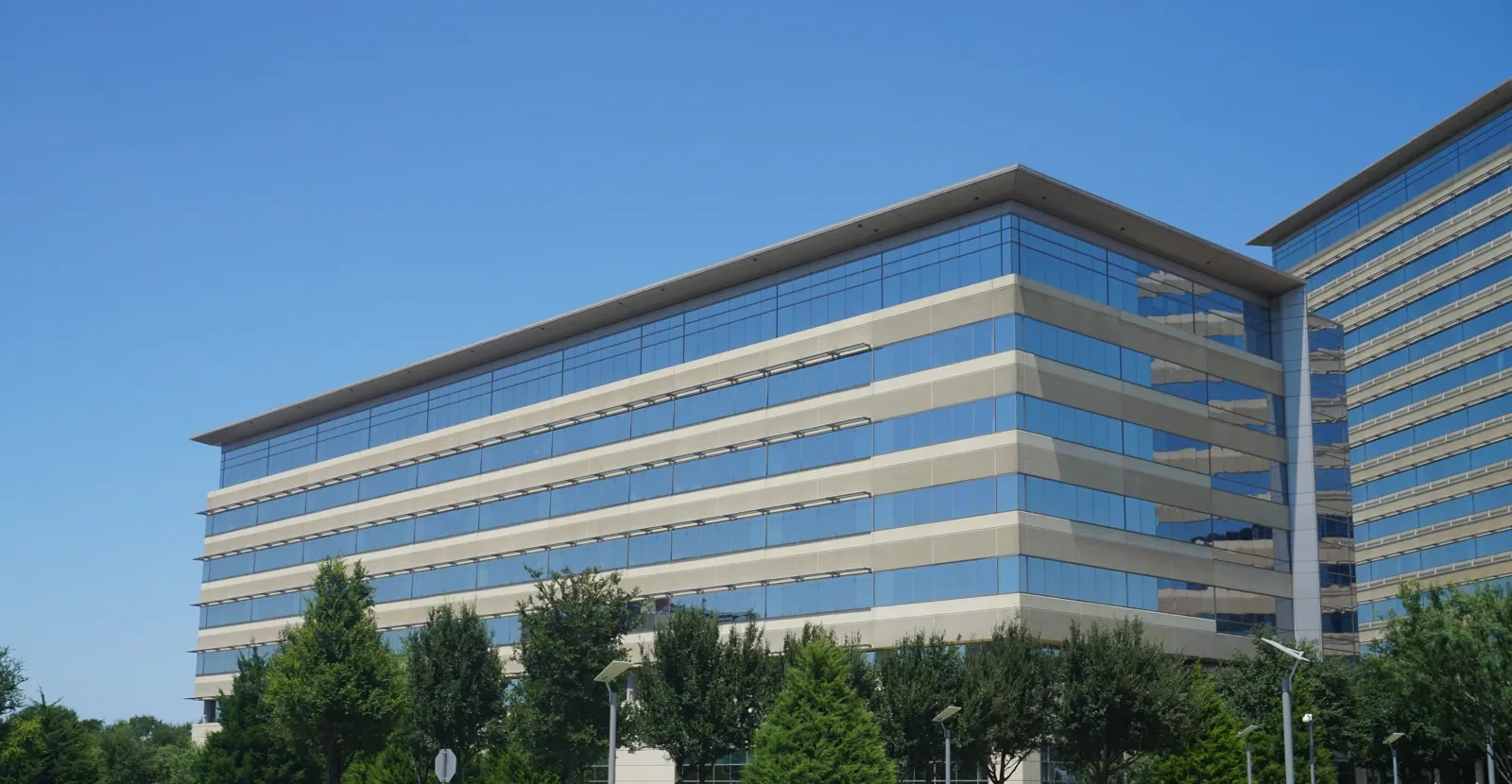
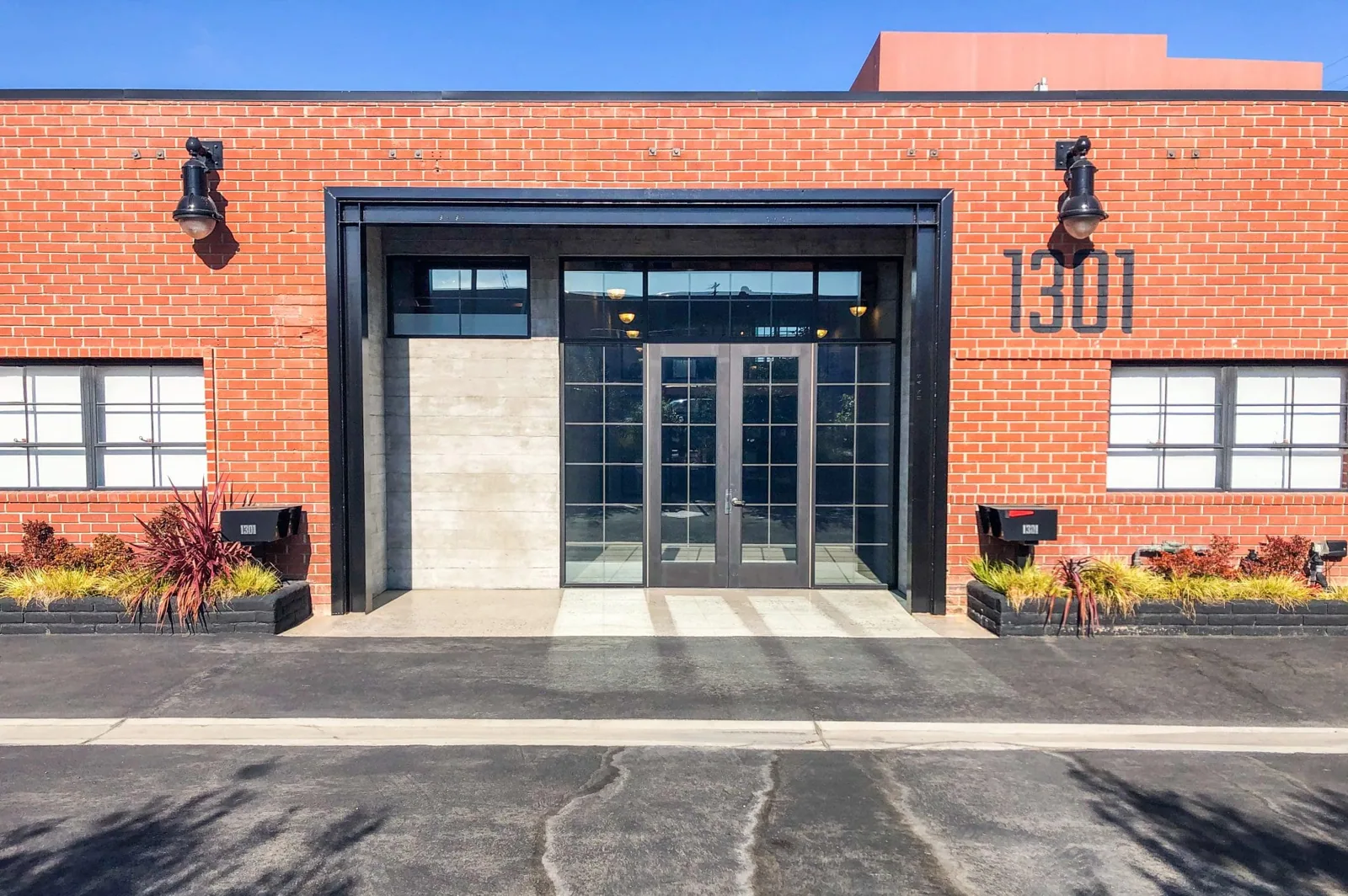
Richardson's commercial stock spans office campuses, technology and research uses, manufacturing, healthcare, retail, and mixed-use development. Lakeside Campus contains corporate office buildings along US 75; Richardson Innovation Quarter includes manufacturers, education institutions, and research organizations. Those distinct property uses do not predict a roof type or condition. The acquisition file should keep each building's roof record specific, particularly when a portfolio uses one reserve schedule for unlike assets.
Separate Immediate Exposure from Long-Term Risk
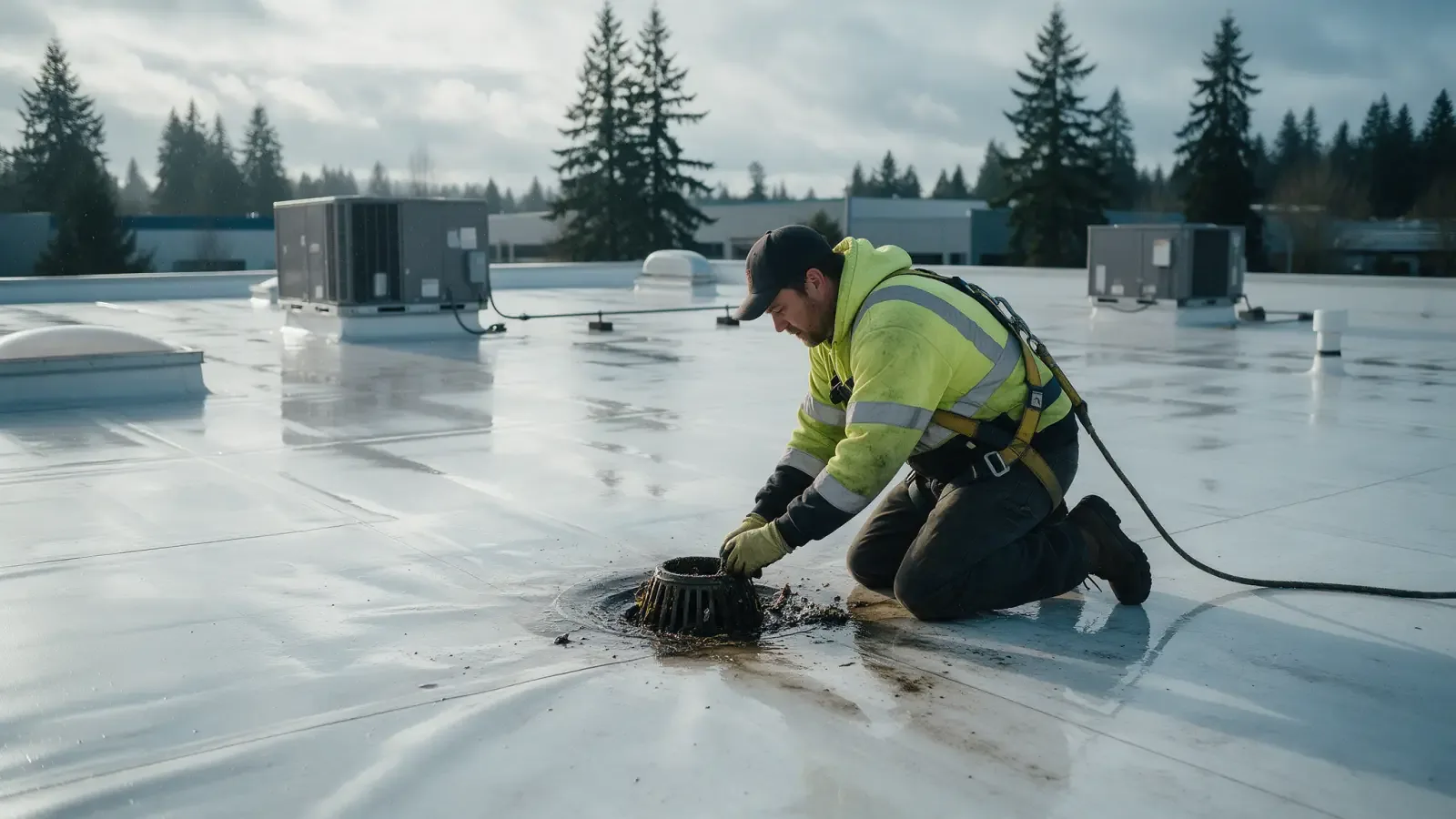
One active leak and widespread moisture are different underwriting problems. A localized flashing correction may protect a building while a longer replacement scope is planned. Repeated leaks, wet insulation, weak attachment, or failing edge details may signal broader risk. We map the known condition, note how much adjacent material remains serviceable, and identify what a test cut or structural review could change. A roof inspection can supply photos and a roof-zone map; a repair scope should state the limits of work and any follow-up check.
For a lender or buyer, the report should distinguish an observed defect from a future allowance. We can identify where a test cut would confirm wet insulation or deck condition, then price that investigation separately. If access is restricted or equipment cannot be moved, state that limit beside the affected zone. Clear assumptions make the review usable without implying that unseen material is sound.
Heat and storms affect the timing of exterior work. Richardson's July and August mean daily highs are above 95 degrees, and spring has the most active severe-thunderstorm period in DFW. We plan roof openings with a weather stop and close-in method. After a reported event, inspection records actual damage rather than treating a metro-wide alert as a property finding. This distinction matters in a portfolio review, where one claim or repair should not be carried across other assets without inspection.
Build a Replacement Trigger into the Reserve Plan
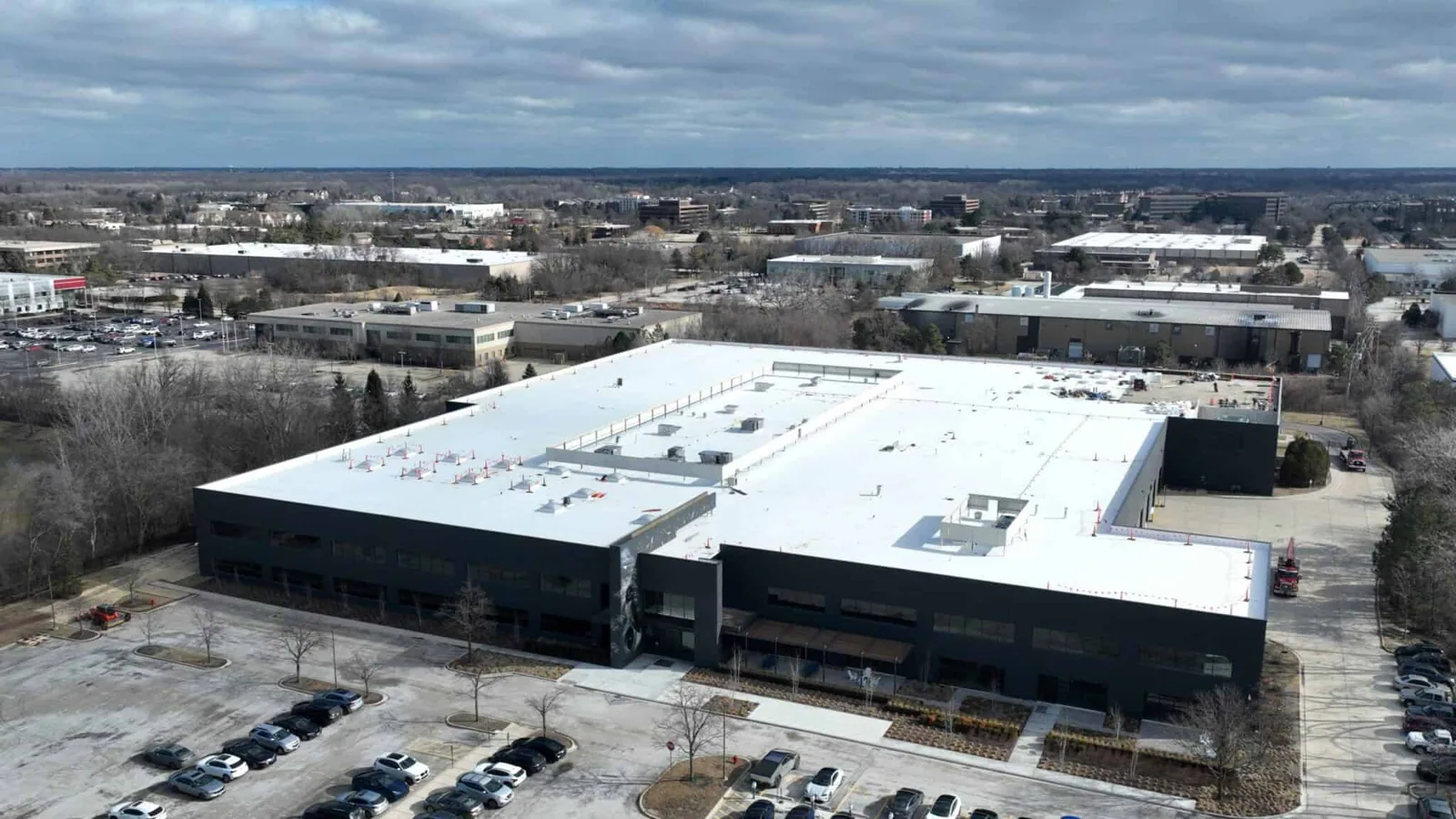
A capital schedule is more useful when the next trigger is explicit. It might be recurring leakage in the same zone, moisture extending beyond one repair area, failed attachment, or drainage changes that prevent a reliable patch. We document which condition would move the asset from repair to replacement. A replacement plan can separate demolition, insulation, membrane, edge metal, mechanical coordination, disposal, and closeout, then phase work around tenant renewals or a refinance date.
For a property under contract, state whether the seller or buyer will authorize any repair discovered before closing. That timing can affect safe access and the scope included in a bid. Keep this responsibility in writing alongside the inspection assumptions.
Richardson applies local amendments to the adopted 2021 building and energy-code editions. Project scope and building details determine the review path. We confirm permitting requirements before setting procurement assumptions. The capital model should keep known work separate from concealed conditions, access costs, temporary protection, and other unknowns. A recover is considered only if the existing assembly, drainage height, attachment, and project requirements support another layer. A lower initial price is not a useful comparison if the plan leaves unresolved moisture or transition details.
Compare Properties Without Blending Their Roofs
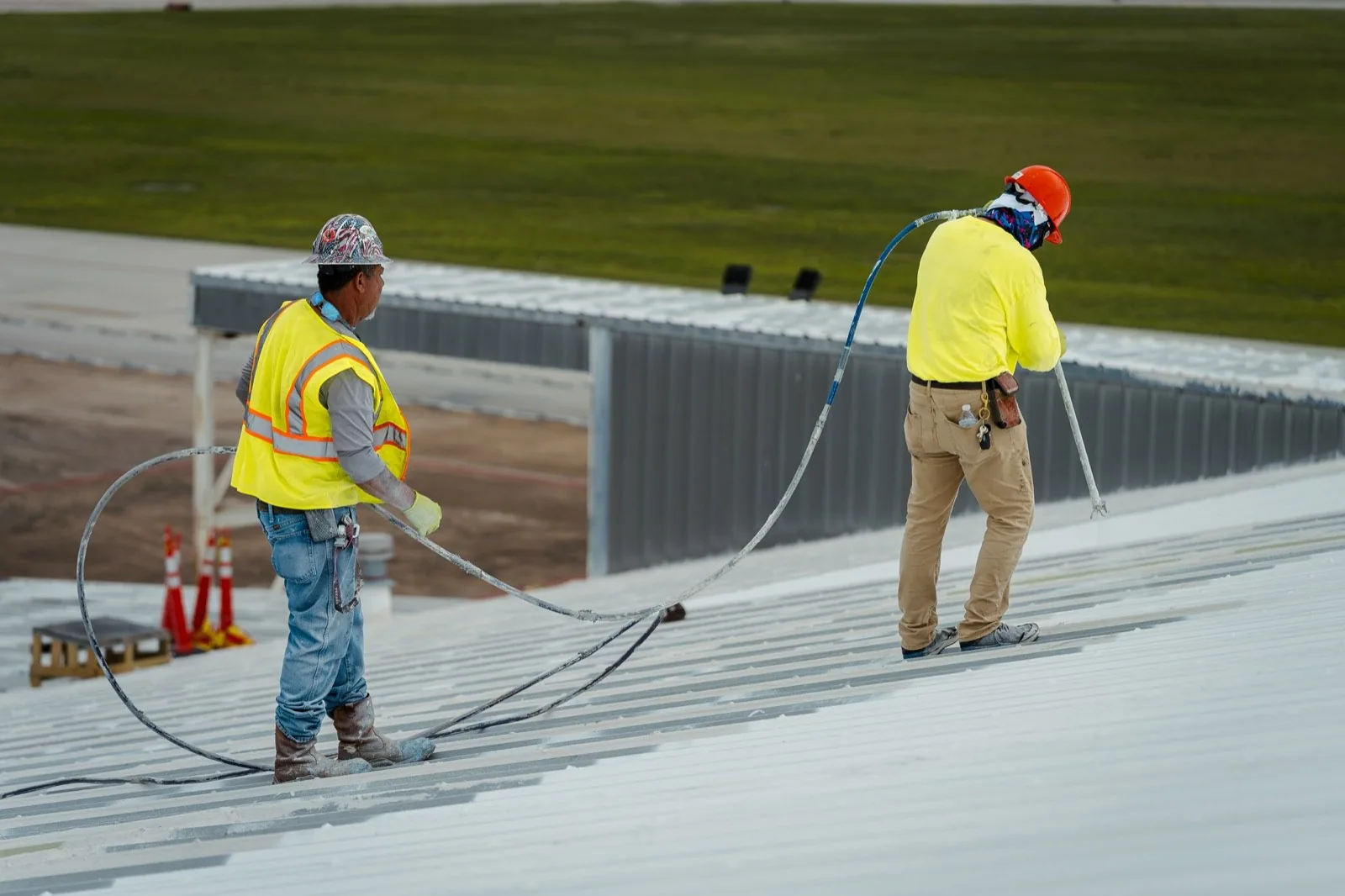
Multi-asset owners may want a common scorecard, but roof conditions still belong to individual buildings. Use consistent fields for membrane or metal type, active leaks, open repairs, drain status, equipment changes, and next review date. Do not carry a roof type, installed year, or storm condition from one asset to another. A condition report can present the evidence in a repeatable format while keeping each property's photos and repair history attached to its record.
CityLine mixes offices and medical uses with hotel, apartment, retail, park, and civic activity. That is a local example of why ownership can face varied operating hours inside one Richardson portfolio. A CityLine property still needs an individual inspection and tenant coordination plan. Healthcare-system operators may coordinate multiple facilities, but each roof report stays tied to the building inspected. A property manager can provide access details and tenant schedules; an investor can use those records to set approval limits and reserve priorities. Define who authorizes emergency protection, who approves a concealed-condition change, and what evidence belongs in the quarterly asset review.
Keep Repairs Visible Between Acquisitions
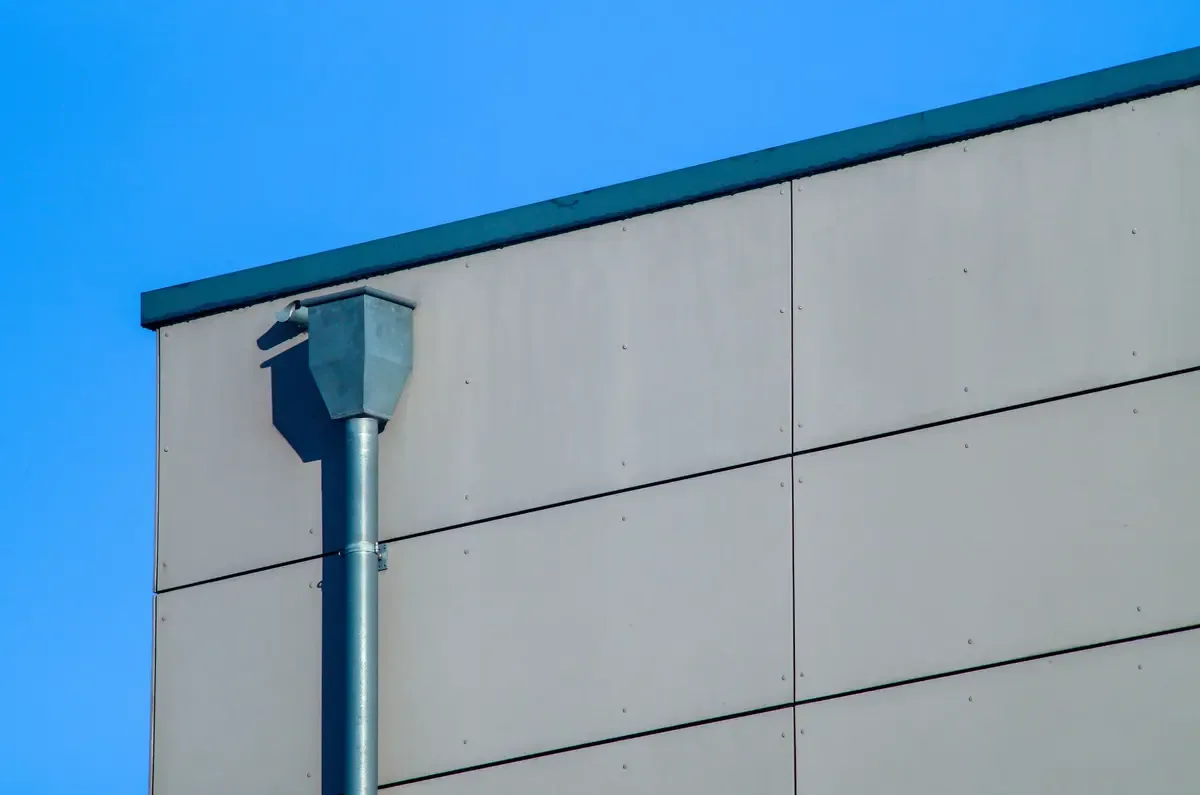
Roof condition can change after a new HVAC unit, sign, antenna, or other trade penetrates the assembly. Maintenance should include drains, seams, flashings, curbs, perimeter metal, and evidence of prior patches. We record the inspection date, work performed, and any area that still requires attention. A scheduled maintenance visit helps keep small work separate from a future capital replacement and can reduce uncertainty during later diligence.
When a property changes hands, include the open repair list, warranty documents if available, drain map, and date of the last inspection in the handoff. Do not combine notes from multiple locations into a single roof history. The buyer can decide whether to commission a fresh review, but a well-kept file prevents known conditions from disappearing between ownership teams.
Investors should ask how a proposed repair changes the reserve view, not only whether it stops water today. We explain the observed defect, the serviceable area around it, and the conditions that could shorten the repair's usefulness. If the roof remains open after a storm or test opening, the close-in plan must address weather exposure and tenant operations. That gives asset management an action list: approve the repair, fund a follow-up investigation, or schedule phased replacement for a defined budget period.
Related Roofing Work
Commercial Roof Due Diligence Surveys
Commercial Roof Inspection
Commercial Roof Repair
Commercial Roof Replacement
Questions About Real Estate Investors
What belongs in a roof review during acquisition diligence?
Record the assembly where identifiable, current leaks, prior repairs, drainage, equipment penetrations, and visible moisture or attachment issues. We state what is confirmed and what would need testing before the purchase model assumes a larger scope.
How should an investor compare two roof proposals?
Compare the repair boundary, included materials, access, tear-off assumptions, drainage work, concealed-condition process, and closeout record. A lower number may omit a condition that changes the next capital decision.
Can roof replacement be phased by building or tenant?
Yes, when each section can be closed securely and transitions remain watertight. We map the phases, daily stop points, tenant access changes, and approval steps before scheduling work.
Does a recent storm justify replacing the roof?
A storm report alone does not establish roof damage. We inspect the property for actual impact, document the affected areas, and separate covered-event repairs from existing wear or deferred maintenance.
When should a portfolio reserve move from repair to replacement?
Move the decision when inspection shows repeated failure, broad moisture, compromised attachment, or repair costs that no longer protect a reliable service window. We document the trigger and phase options for ownership review.
Put the Roof Decision in the Investment File
Share the property, available roof records, inspection deadline, and capital decision date. We will document conditions and price the repair or replacement path with clear assumptions.