
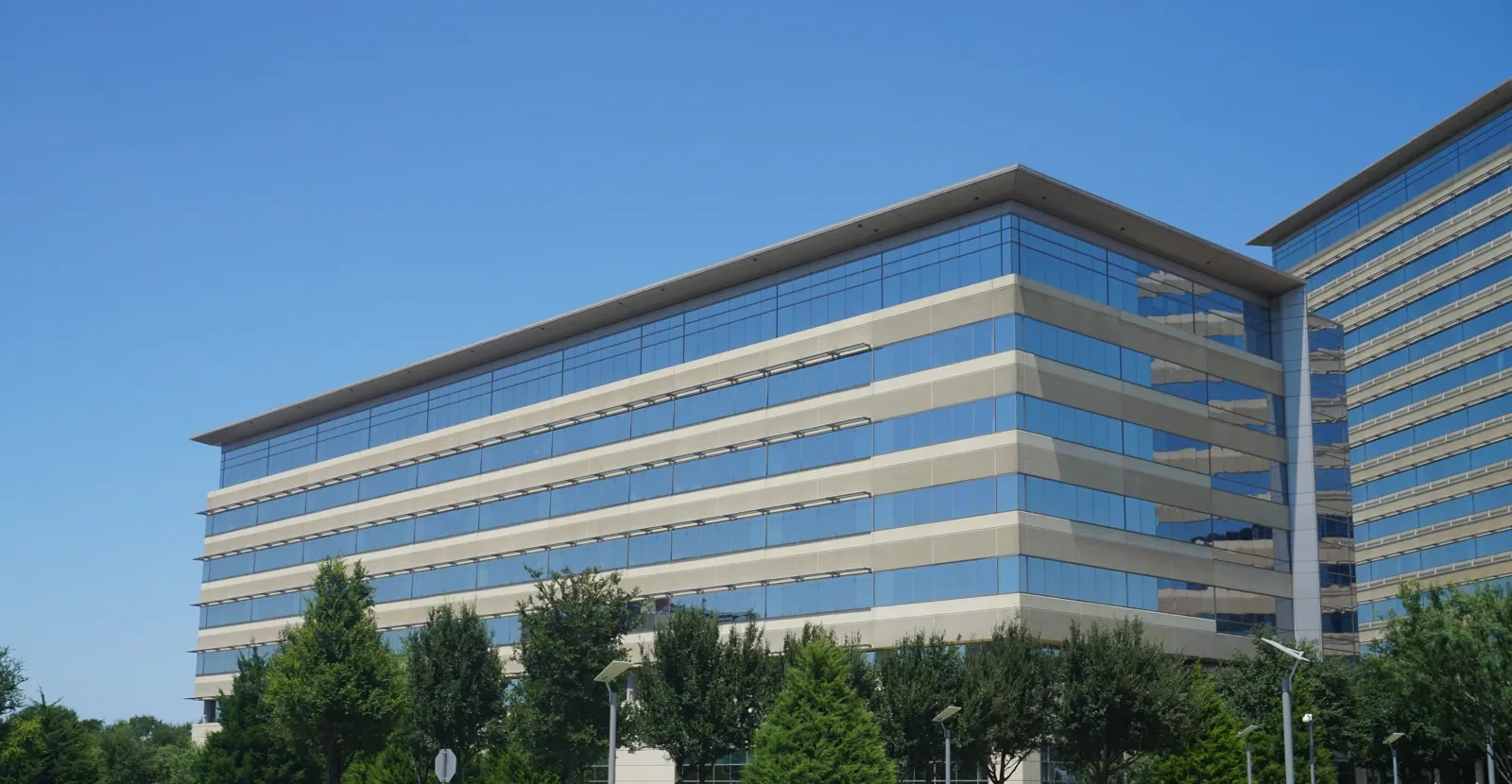
A data-center roof protects more than interior finishes. Water at an electrical room, cooling line, or cable pathway can create a continuity problem. We inspect the membrane, drains, curbs, penetrations, and roof access before preparing a repair or replacement scope in Richardson, TX. The facility team should see the work zone, protection plan, and stop conditions before an opening is made. Schedule and containment belong in the cost decision from the first estimate.
Request a Roof Assessment
All fields are required.
Data Center Roofing in Richardson, TX
Set the Roof Plan Against the Uptime Calendar
Map Roof Work to Critical Systems
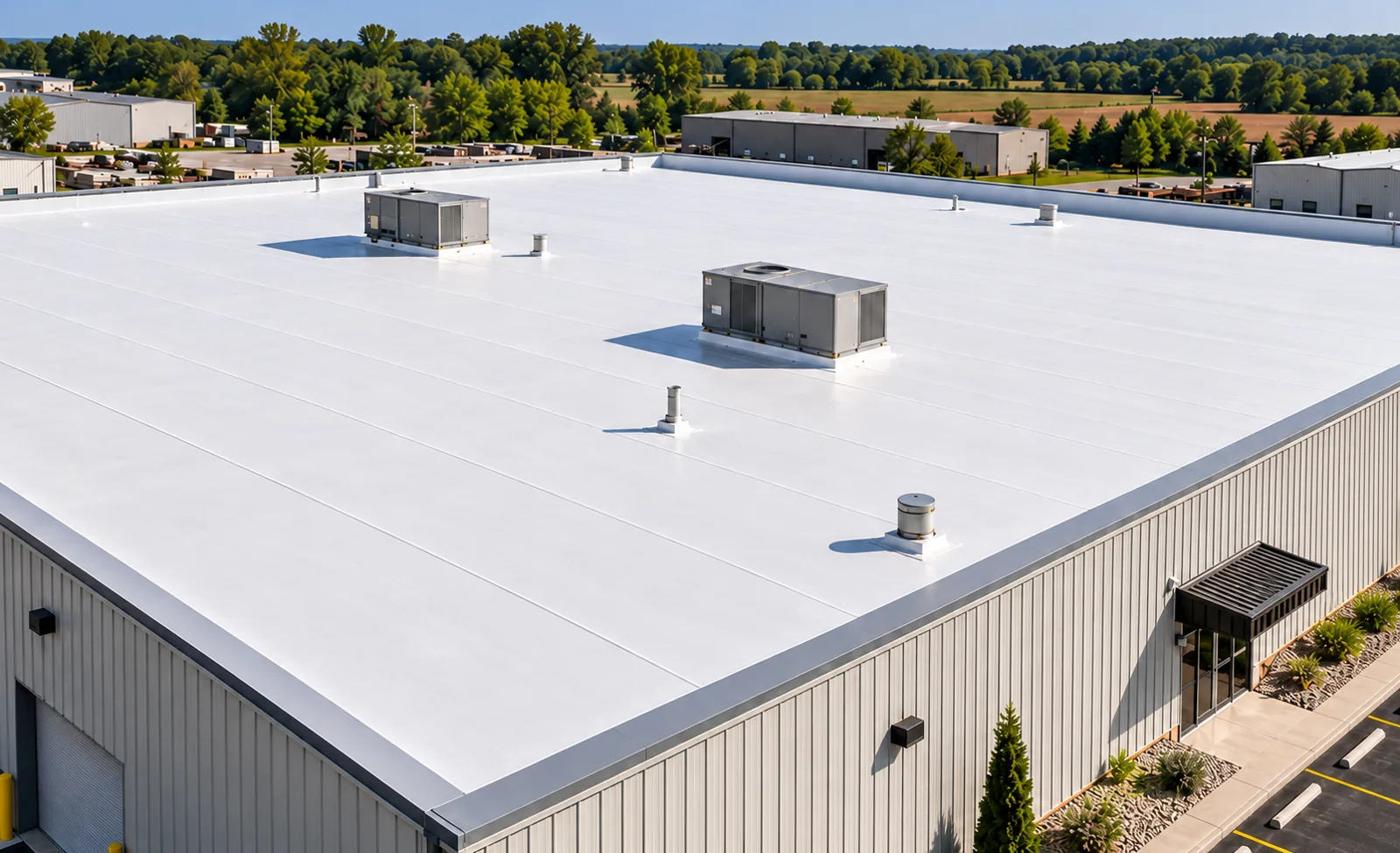
Before a repair, identify what sits below the affected roof zone: power distribution, battery rooms, cooling equipment, network pathways, or occupied technical space. We compare leak reports with roof seams, curb flashing, pipe supports, drains, and prior service work. The visible stain may not align with the opening above it. A mapped investigation keeps the repair boundary tied to evidence and lets facility staff protect sensitive equipment before material is removed.
Roof access can be controlled, escorted, or limited to specific hours. We confirm badging requirements, security contacts, tool controls, approved paths, and communication protocols before mobilization. If an active leak requires rapid stabilization, the emergency plan should name who authorizes entry and what interior area needs protection. A condition inspection can document the system and establish a baseline before a larger project. For an urgent opening, emergency service can focus on containing water while permanent work is scoped.
Inspect Cooling Curbs and Cable Penetrations
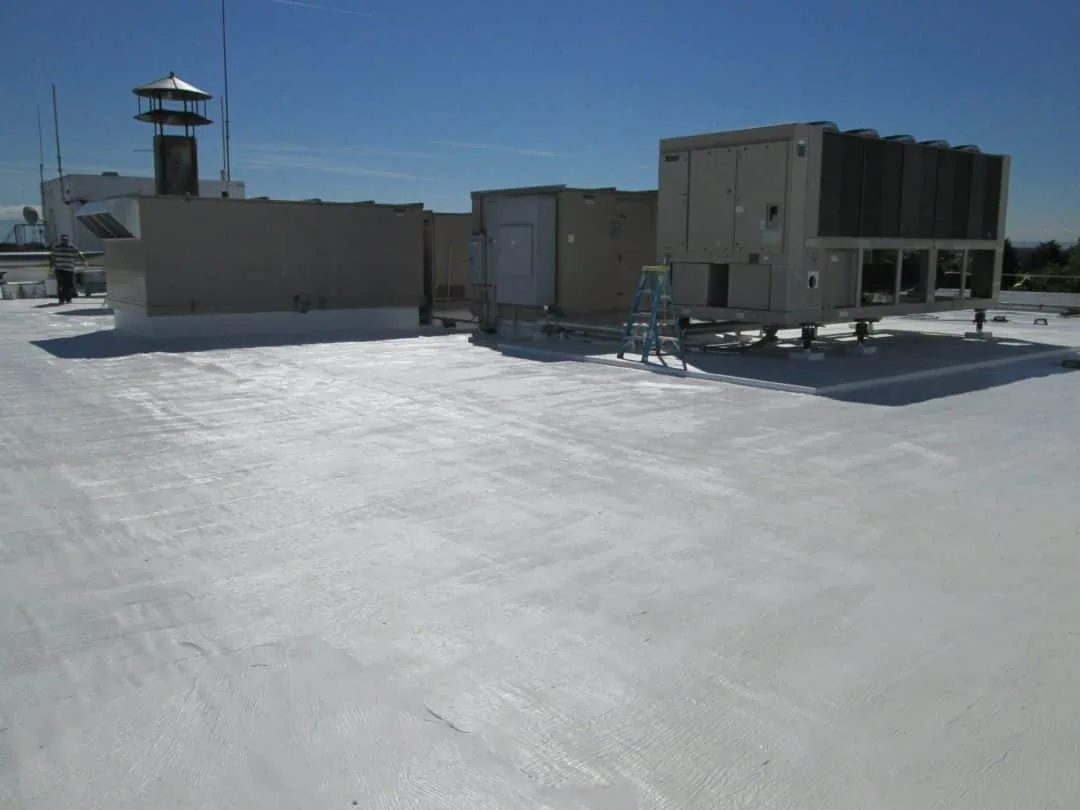
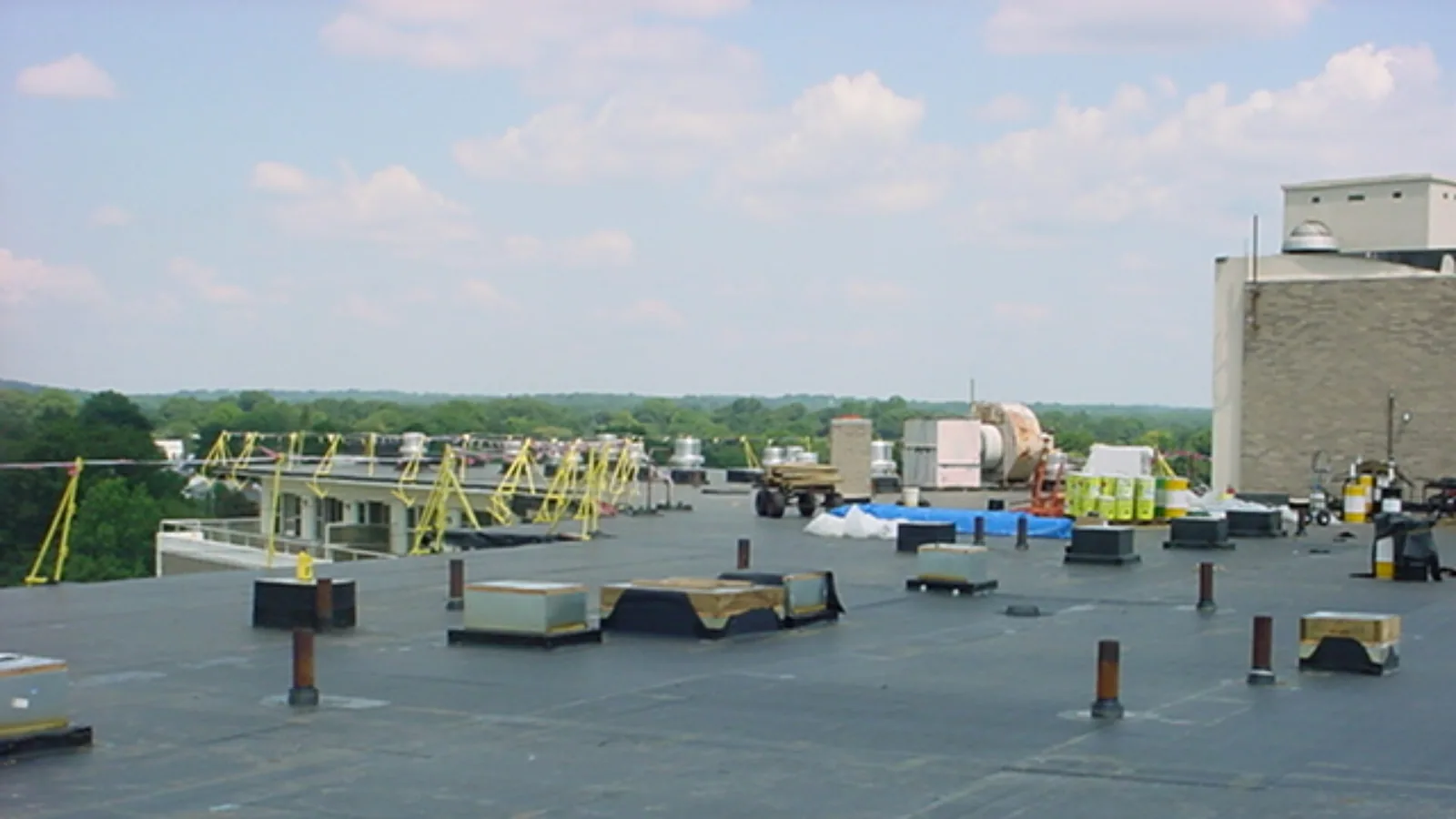
Data-center roofs can carry chillers, condensers, piping, exhaust, conduits, and monitoring equipment. Each penetration must preserve a watertight detail without obstructing maintenance. We check curb height, flashing, support attachment, equipment movement, and the condition of adjacent membrane. A new cooling unit may require a larger curb or altered pipe path. If that work is planned, roofing and mechanical teams should coordinate the sequence so no abandoned opening remains exposed.
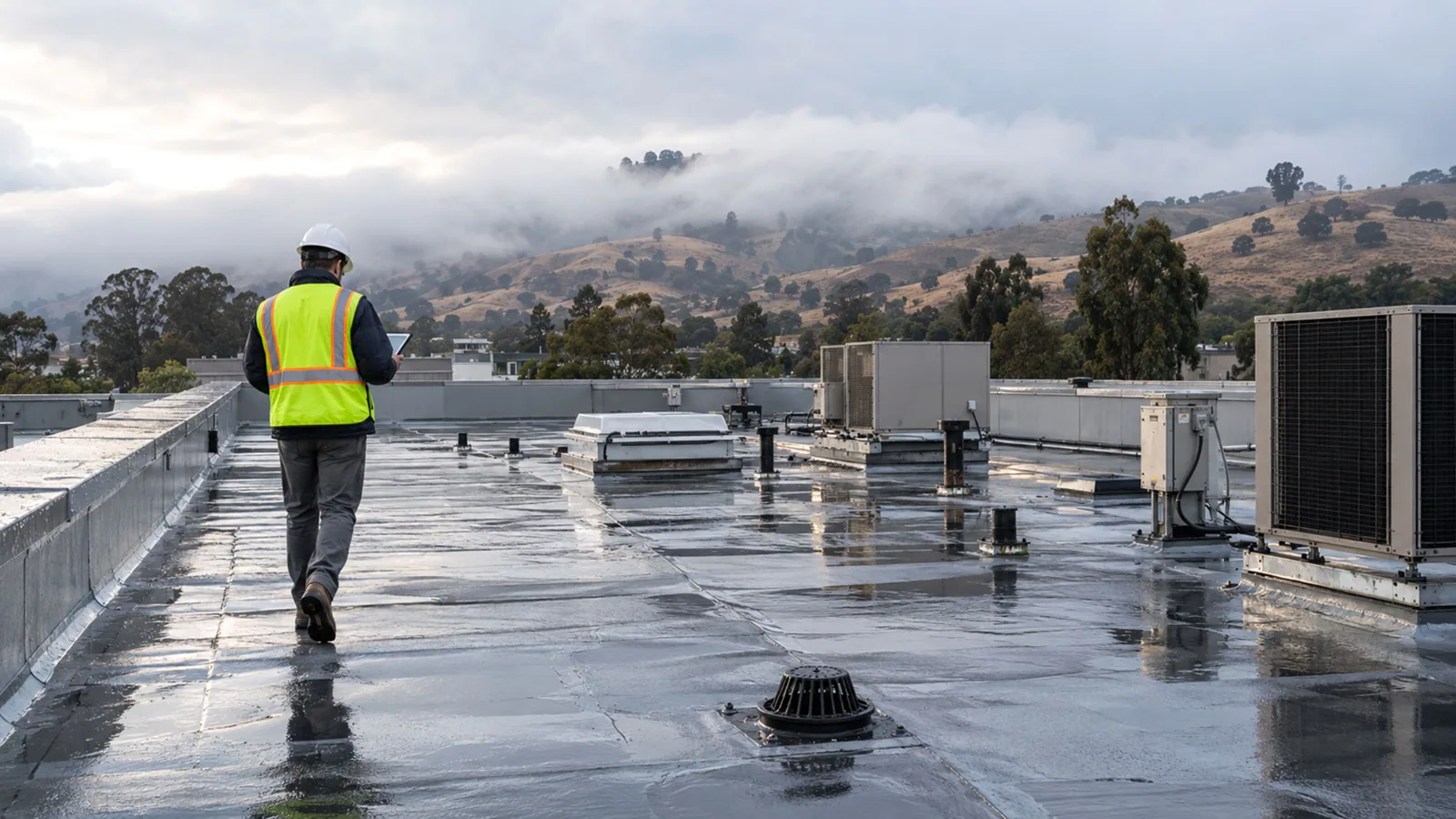
Equipment service routes can wear the membrane and introduce tools or fasteners that create punctures. We identify where walk pads or a defined route would protect the assembly. A support and curb review can be coordinated with the roof project. We also check drains and overflow paths around equipment, where cooling lines or supports can collect debris. A drainage assessment should confirm that water still reaches the outlets after insulation or curb changes.
Specify a Roof System for Access and Uptime
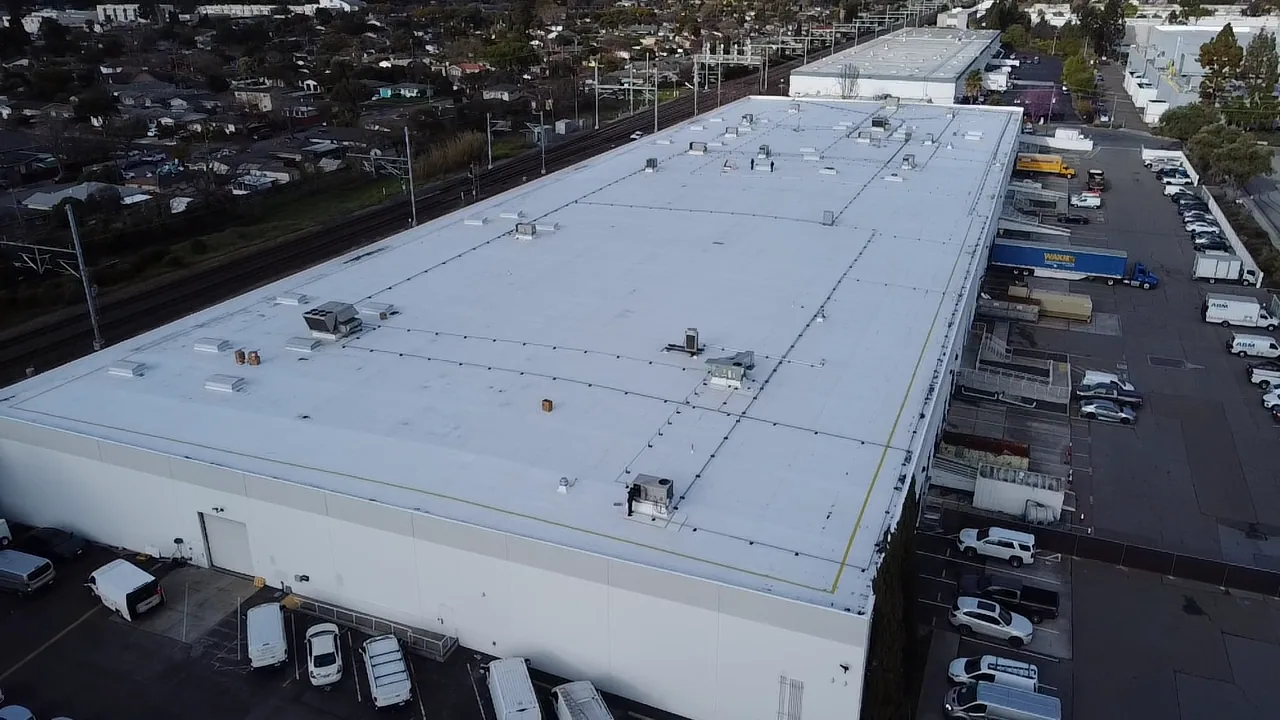
The roof assembly must match the deck, wind design, equipment loads, insulation goals, and service plan. We compare the membrane, attachment, cover board, flashing, edge metal, and repair method. A high-traffic service area may need more protection than an inaccessible roof zone. Details around cooling equipment and cable paths need a planned sequence, since moving or covering a component can affect maintenance access later.
Richardson Innovation Quarter includes technology startups, corporate research and development, manufacturers, education institutions, and nonprofits. That local concentration makes facility uptime a relevant planning concern, though it does not identify the design of a particular data center. We review the property's own continuity requirements. Compare warehouse roofing and manufacturing-plant roofing only where building operation and equipment access are comparable. A PVC or TPO system is selected from the project design and exposure, not from the building label alone.
Set Weather Limits and Temporary Protection
Richardson records average daily highs of 95.6 degrees in July and 95.8 in August, while spring brings the region's most frequent severe storms. Heat affects work hours and material handling. Rain or lightning can require an immediate stop while the crew has an opening in the roof. The installation plan should set weather thresholds, temporary cover methods, and the person who can approve a pause or extra protection.
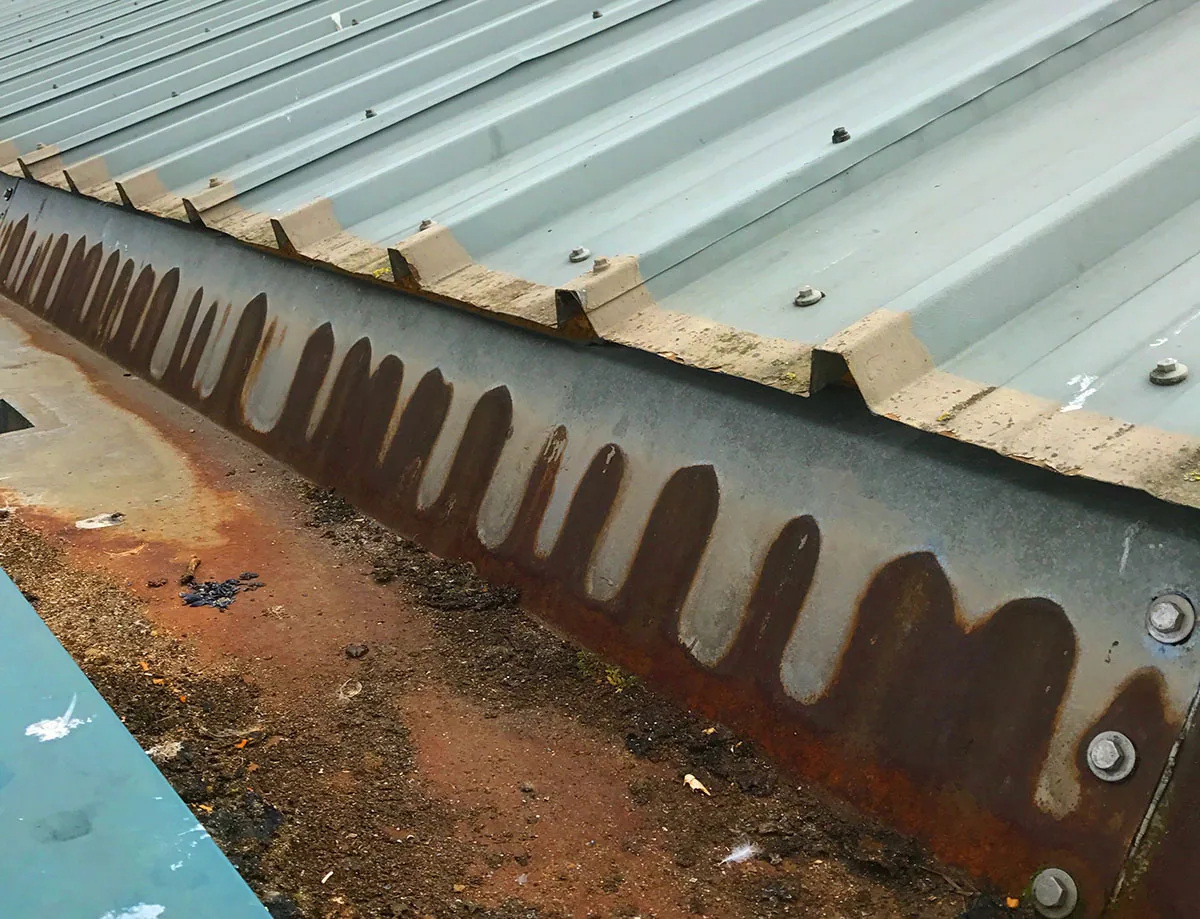
Regional hail and wind reports call for inspection but do not establish damage at a specific facility. We document impacts, punctures, displaced flashing, and interior moisture. A tornado damaged parts of Richardson in October 2019 along a path near Audelia and Buckingham Roads. That event is regional context, not a finding about another facility. A wind assessment can record actual field conditions after an event. The facility should preserve photos and incident dates in its roof log so later work can separate new damage from ongoing wear.
Build a Roof Schedule Around Redundancy
A data-center reroof may need small phases, redundant cooling, and a daily close-in rule. We review the facility's change-control calendar and coordinate roof zones with operations, security, and mechanical teams. If a work area affects an intake, exhaust, or service path, that interface belongs in the plan. The proposal should identify noise, vibration, odors, lift locations, and the time required before equipment can return to normal service.
CityLine includes medical, office, hotel, retail, residential, and civic uses, while the Lakeside campus is a long-standing corporate and technology facility undergoing reinvestment. Those local examples reinforce that occupied properties carry different access and operating schedules. For a data-center project, we work from its continuity plan and define the decision chain. A replacement scope should show phase limits, temporary protection, and restart checks. If a recover is viable, compare overlay planning against tear-off with the same equipment and access assumptions.
Carry the Review Through Closeout
Before work is released, we match insulation, attachment, and edge details to Richardson's locally amended 2021 code package and the selected reroof classification. Data-center work may also require an internal engineering review, security approval, and change control separate from a building permit. The schedule should distinguish those approvals so a crew is not waiting on an unresolved access step.
Closeout should include product data, approved submittals, photos by roof zone, test results, drainage observations, and instructions for future equipment work. Record any limits on access or temporary protection. A roof condition record can give facilities staff a usable baseline. Planned maintenance can inspect seams, penetrations, drains, and service routes in a scheduled window. A capital plan can then account for observed condition instead of carrying an not confirmed roof assumption forward.
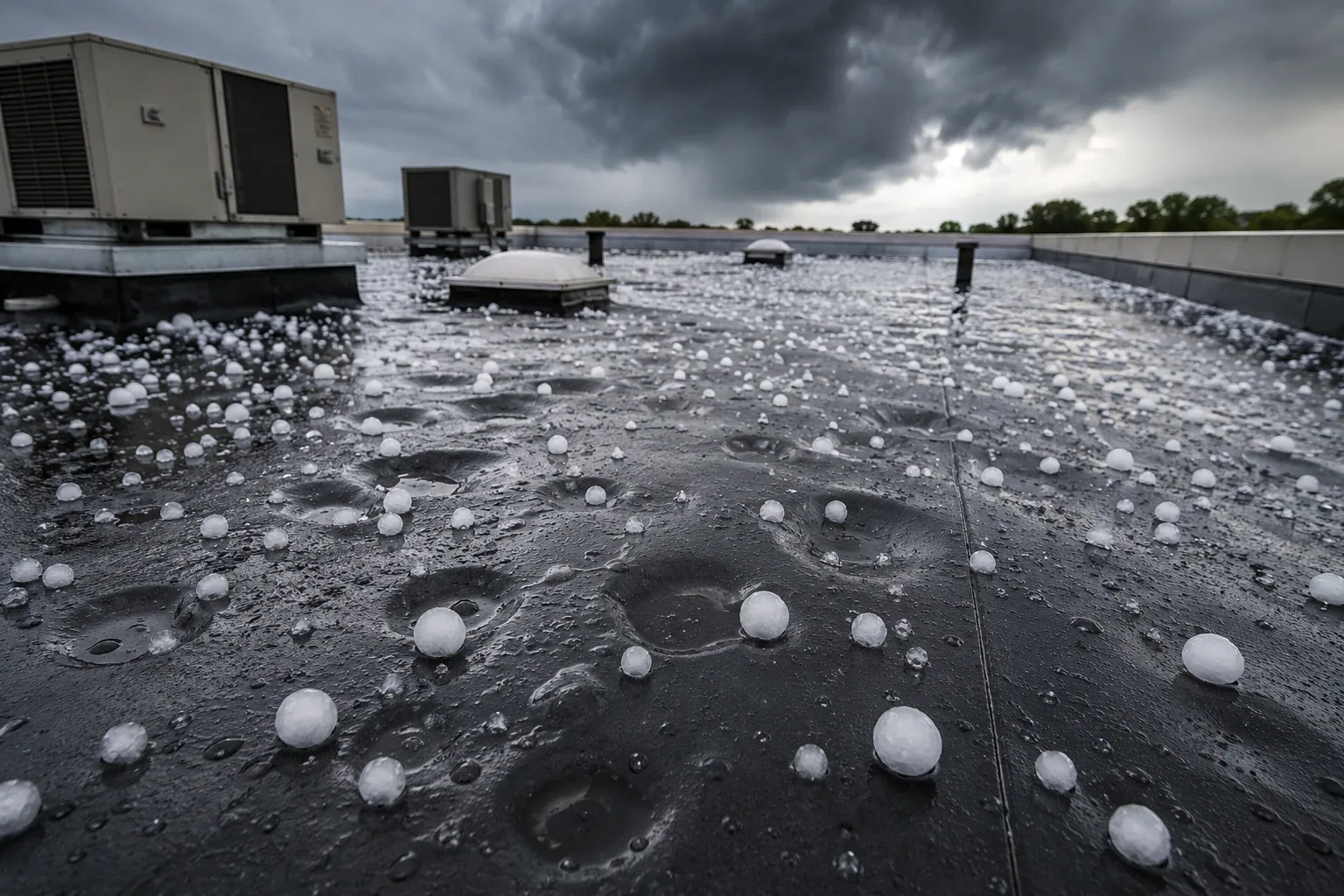
Compare Immediate Protection with Replacement Timing
A local repair is appropriate when the failure is isolated and surrounding material remains sound. A recover or coating may work when the existing assembly passes moisture, attachment, and compatibility checks. Replacement may be the safer capital decision when multiple zones leak or concealed wet layers threaten critical spaces. We state the evidence and define the next approval point for conditions that remain hidden.
For data-center management, the estimate should identify material, insulation, equipment interfaces, access restrictions, temporary protection, and closeout tests. It should also show work that can be deferred without compromising the roof and the risk of waiting. A capital-planning review can organize near-term repair and future replacement priorities. The owner can then compare the next spend with continuity requirements and the site's planned equipment changes.
Related Roofing Work
Commercial Roof Inspection
Rooftop Equipment Curb and Support Roofing
Commercial Roof Drain and Scupper Service
Richardson Innovation Quarter
Questions About Data Center Roofing
How can roof work protect data-center uptime?
We coordinate roof zones with operations, security, cooling equipment, and change-control windows. The work plan sets access, temporary protection, daily close-in points, and who approves a pause if weather or concealed damage changes the scope.
What should be checked around cooling equipment?
Inspect curbs, pipe and cable penetrations, support attachment, flashing, service routes, and drainage. We coordinate any unit movement with mechanical staff so roofing work does not block maintenance access or leave an opening unprotected.
Can a data-center roof be replaced in small phases?
Often, if the roof layout and drainage permit complete, watertight phase boundaries. We define the order, daily termination details, protection below, and checks required before returning an area to service.
What belongs in a data-center roof proposal?
Include system and attachment, insulation, cooling interfaces, access control, security steps, weather limits, temporary protection, testing, and closeout documents. State how concealed moisture or deck damage will be approved.
Should we repair now or budget for a full reroof?
We compare the affected zones, wet insulation, repeated failures, system age records, and equipment plans. A limited defect may support repair, while widespread issues or critical exposure can make replacement timing more predictable.
Set the Roof Plan Against the Uptime Calendar
Share access protocols, cooling-system changes, leak zones, and change-control dates. We will inspect the roof and prepare a work sequence with clear protection and approval points.