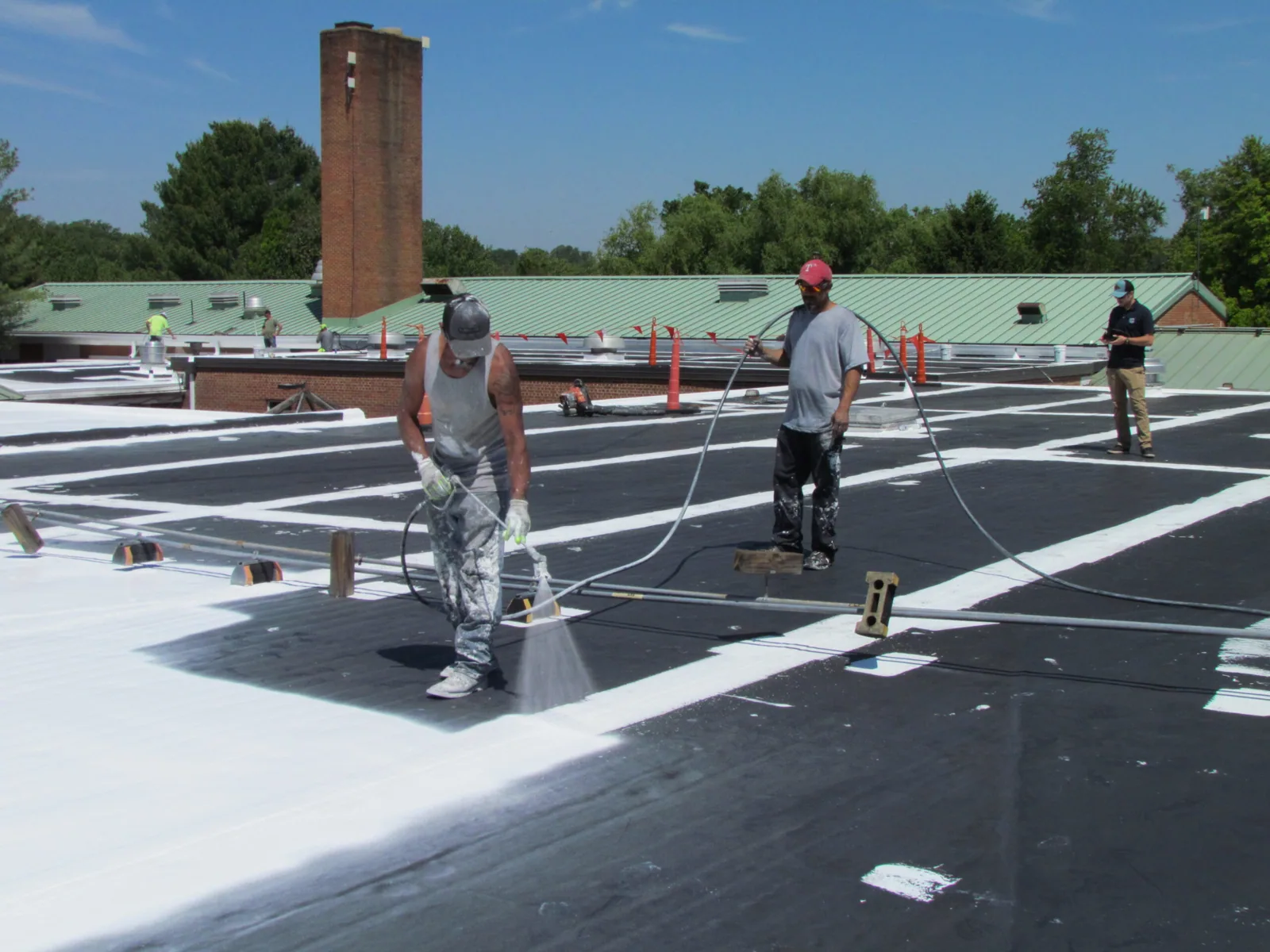
A recover can reduce tear-off and keep a building operating, but it is only a sound choice when the existing roof qualifies. In Richardson, TX, the first decision is whether the current assembly is dry, stable and compatible with another system. A new layer cannot correct trapped moisture, weak attachment, a failing deck or unresolved drainage. We inspect those conditions, identify what needs opening, and compare recover with repair and removal. The owner gets a scope that explains what the lower-disruption option includes, what it leaves in place, and which findings would change the price.
Request a Roof Assessment
All fields are required.
Commercial Roof Recover and Overlay in Richardson, TX
Check Whether Your Roof Qualifies
Confirm the Existing Roof Can Carry Another Layer
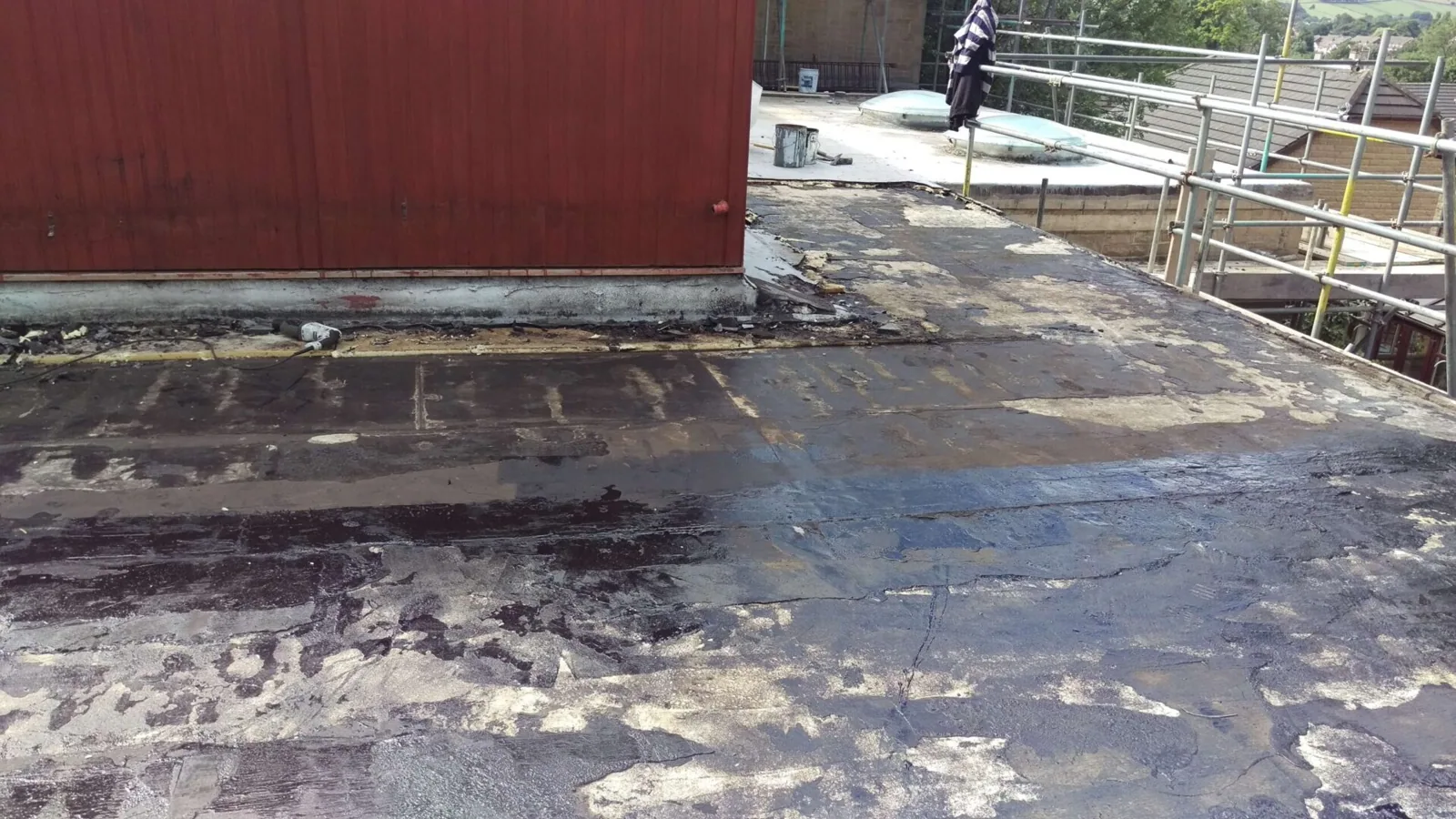
We begin with the roof history and visible condition. Previous repairs, known leaks, ponding, soft areas, open seams, loose edges and movement around equipment all help identify where to look closer. A walkover can map concerns, but it cannot show every layer beneath the membrane. Selective cores or openings may be needed to identify the assembly, check insulation condition and evaluate attachment. If the roof contains wet materials, a recover can seal that moisture inside and make the next failure harder to find.
The inspection also checks the deck and the details that a new layer must tie into. Perimeters, penetrations, curbs, drains and expansion joints need a workable height and secure termination. Extra roof layers can affect allowable construction and detailing. Richardson's current building, existing-building and energy requirements use the 2021 editions with local amendments; project-specific review still depends on the proposed assembly and details. We flag questions for the design professional and building department rather than assume that a low-slope roof automatically qualifies.
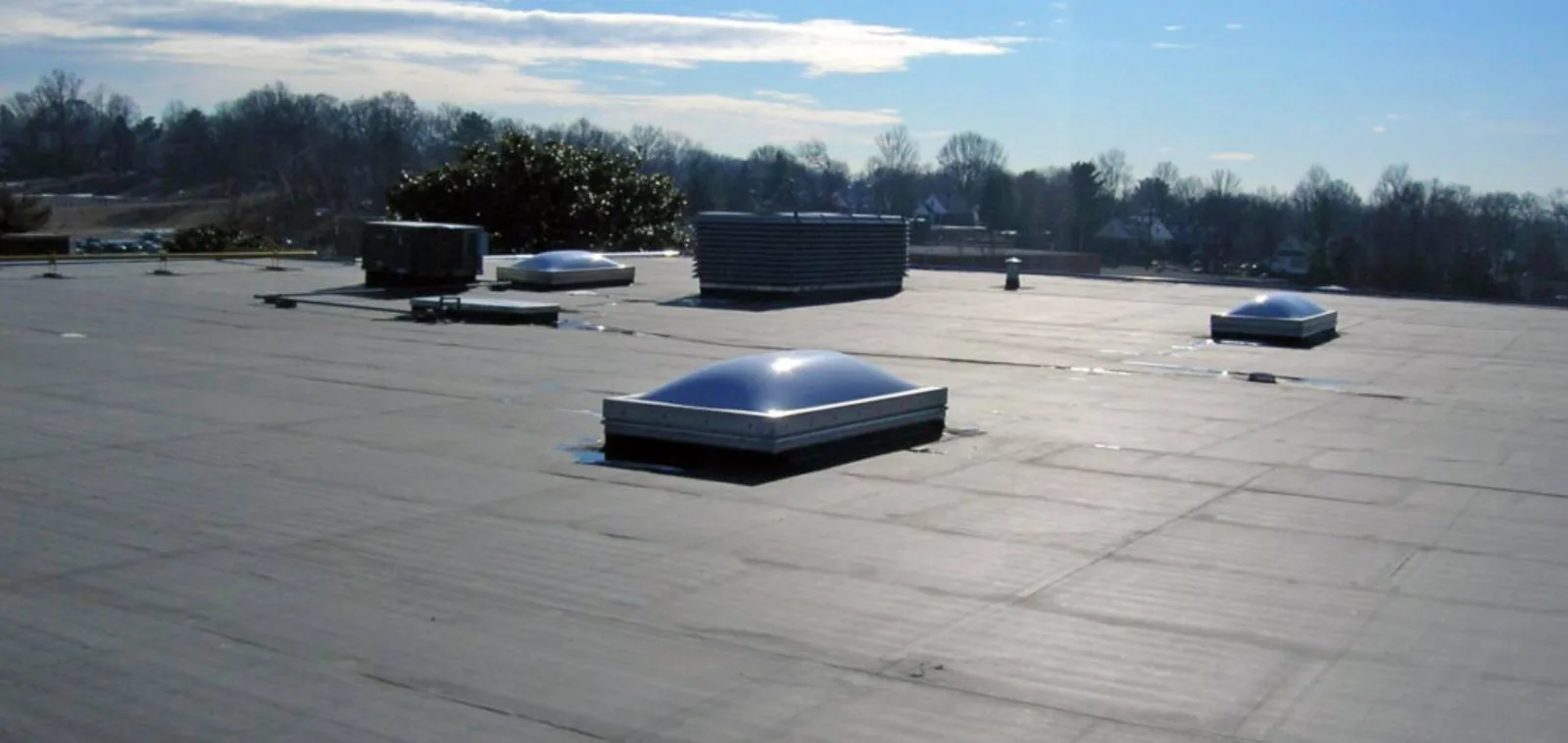
Separate Dry Areas From Wet Insulation
Moisture is often the deciding factor. A roof may show one interior stain while water has moved laterally through insulation. Conversely, a stained ceiling does not prove that the whole roof is wet. We map visible conditions and use appropriate testing to locate areas that need confirmation. Depending on the roof and access, that may include infrared scanning followed by core cuts at selected locations. The test plan should answer a question, not collect readings without a decision attached.
If wet insulation is isolated, the scope can show removal and replacement of those areas before the recover proceeds, subject to code and assembly requirements. If moisture is widespread or the deck has deteriorated, a tear-off may be the more dependable comparison. We document the limits and assumptions so ownership can see which cost is known and which depends on opening the roof. For offices and technology properties around the Richardson IQ district, clear zones and work boundaries also make it easier to coordinate access with operations.
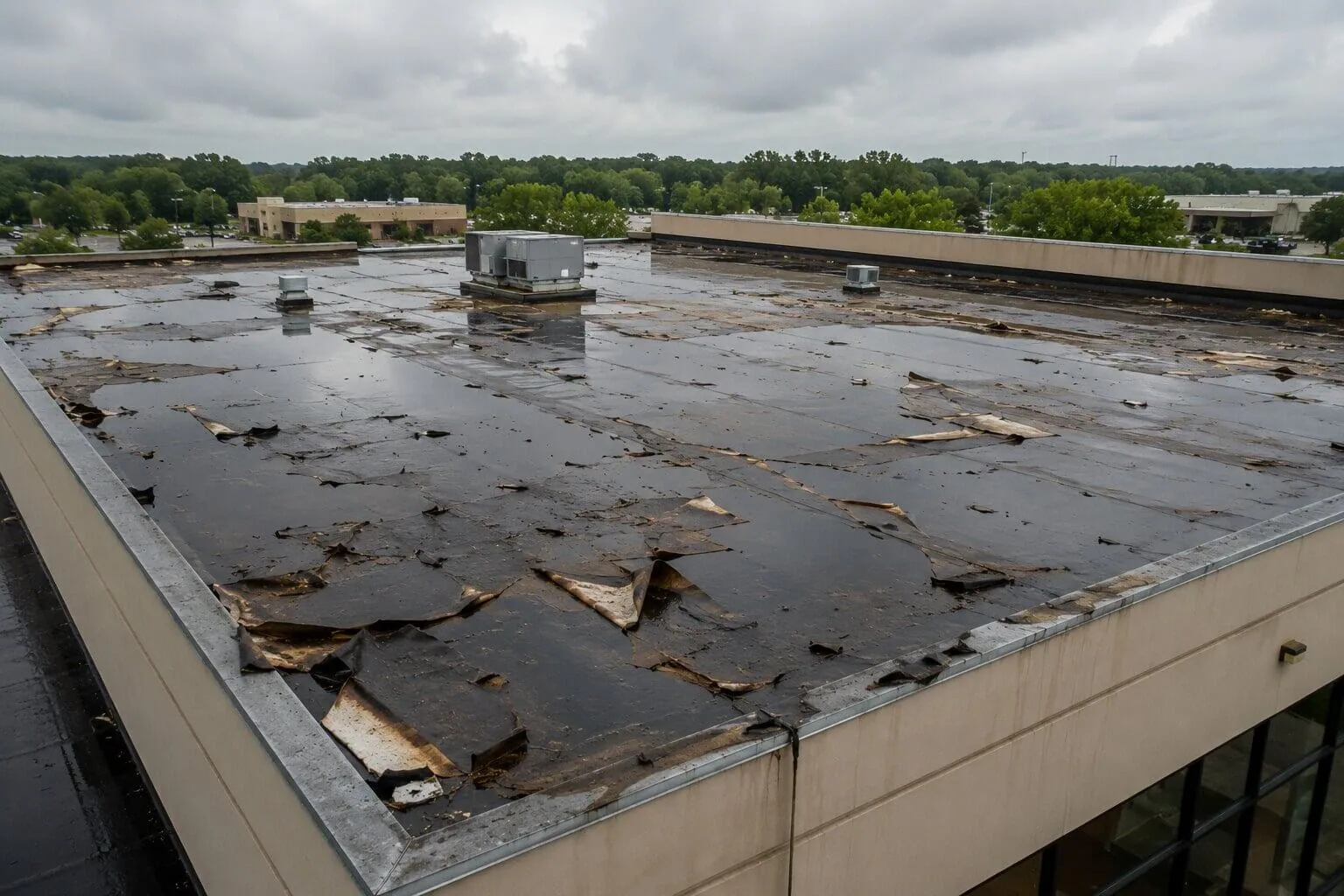
Match the New Assembly to the Existing Conditions
A recover is not one material choice. The existing membrane, insulation, slope, attachment and rooftop use all affect the new assembly. A mechanically attached system may require a suitable substrate and a fastening plan. An adhered system has its own surface preparation and compatibility requirements. Some roofs call for added cover board or targeted removal before installation. We explain how those choices affect wind resistance, detailing, repair access and future inspection instead of reducing the recommendation to a membrane name.
Richardson's hot summers put repeated expansion and ultraviolet exposure on roof surfaces. Midsummer afternoons in North Texas can reach about 95°F. That climate makes secure edges, compatible flashing and planned maintenance relevant to the recover decision; it does not establish which system a specific building needs. We review the roof's actual exposure, equipment layout and drainage before comparing assemblies. Owners who want to examine other system options can compare TPO roofing and EPDM roofing against the existing roof's requirements.
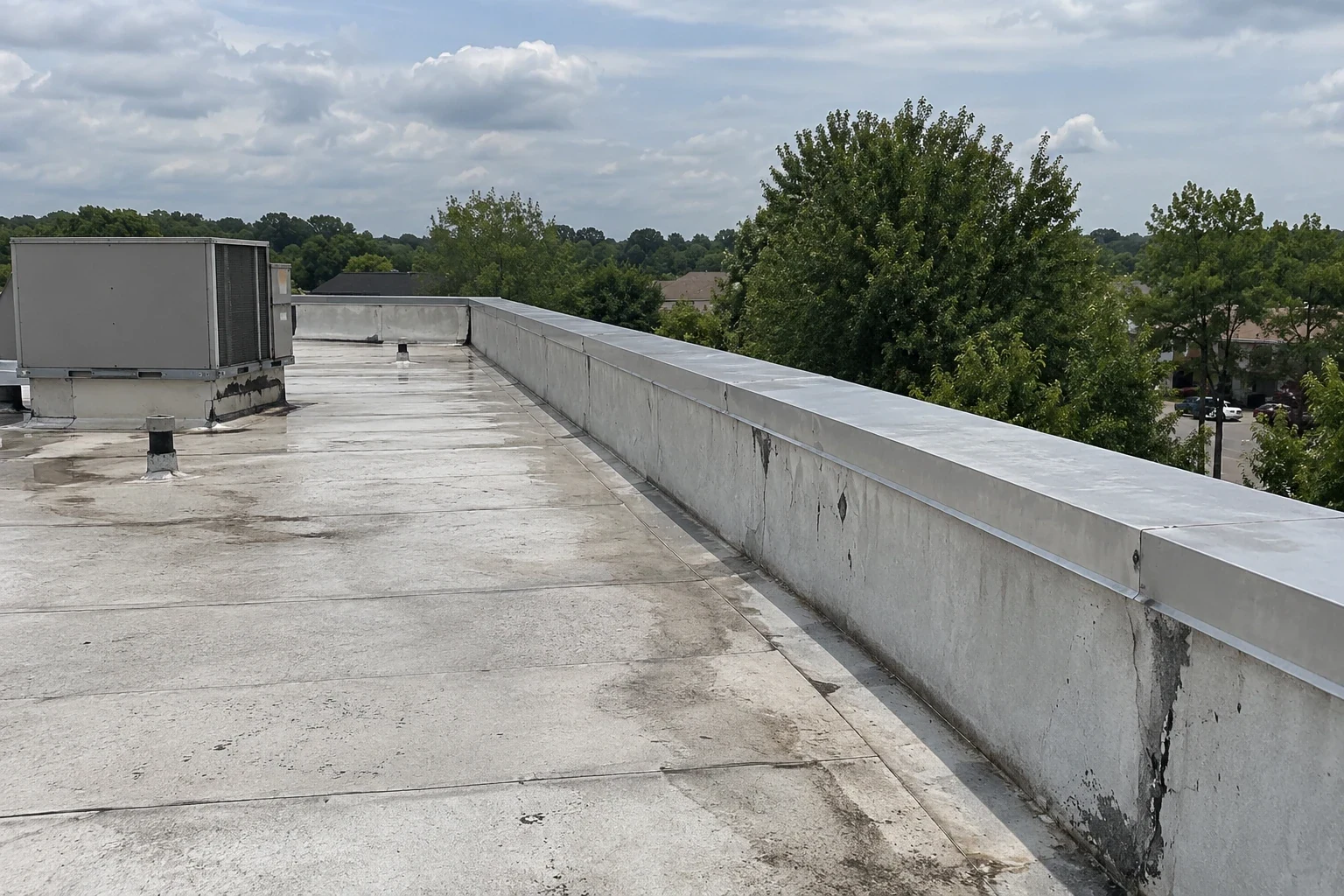
Resolve Drainage and Tie-In Details Before Covering
A new layer changes elevations at edges, drains and transitions. We check whether the recover will preserve positive drainage, leave drains accessible and maintain adequate flashing height at curbs and walls. Ponding should be assessed before the new assembly conceals the old surface. Where a drain bowl or scupper needs work, that detail belongs in the scope rather than in a vague allowance. A recover that leaves water standing against a seam can trade one visible problem for a more expensive concealed one.
The perimeter also needs a plan. Metal edges, parapet caps, expansion joints and wall transitions must remain secure and watertight after the added material is installed. We identify where existing components can stay, where they require modification, and where replacement is prudent. The CityLine West mixed-use district illustrates how office, residential, retail and public spaces can share a connected district; an active building elsewhere in the market may have similar coordination needs even when its roof assembly differs. Site access and tenant circulation should shape the sequence before materials arrive.
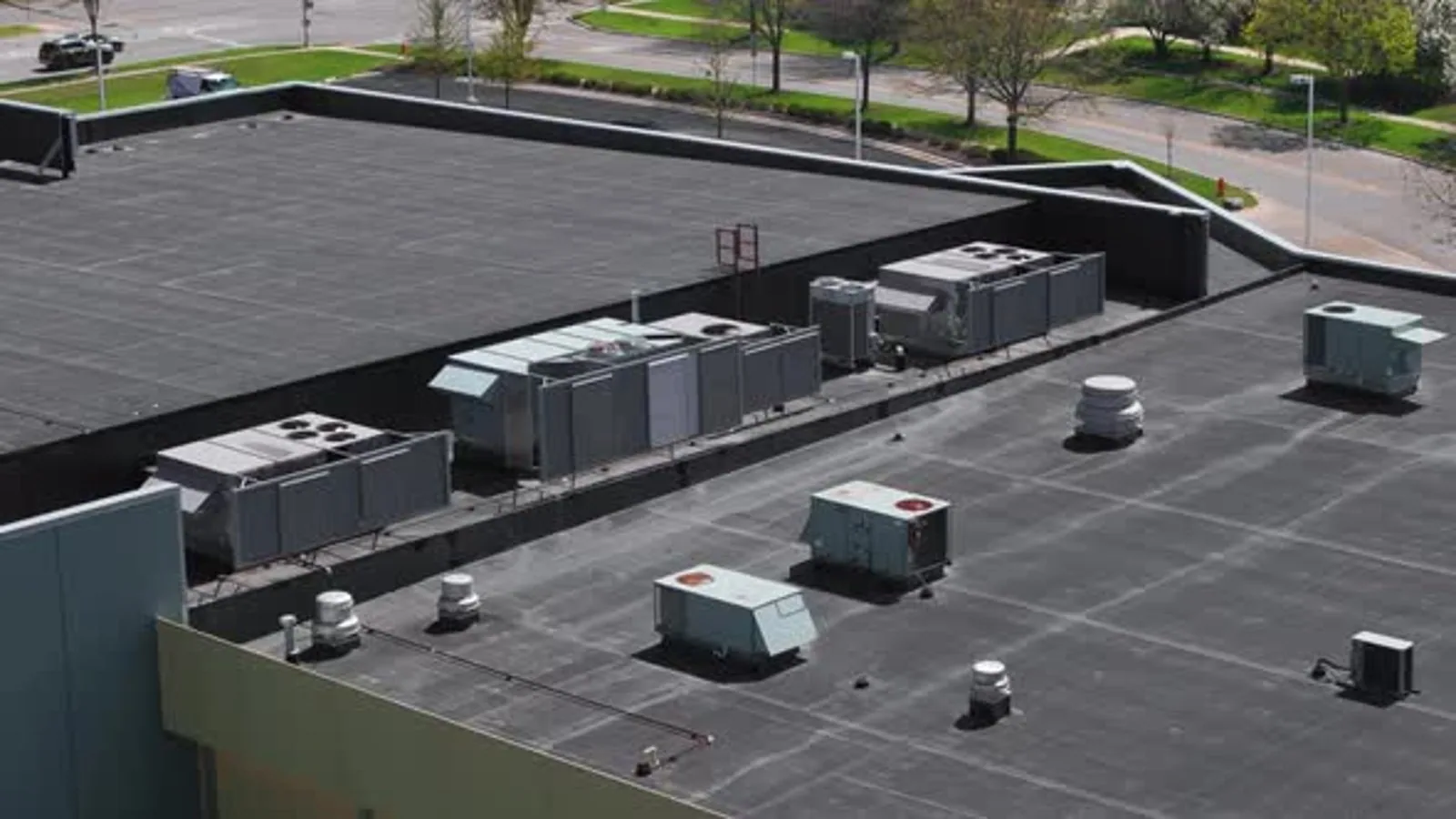
Compare Recover Cost With the Cost of Keeping Risk
A recover can avoid some removal and disposal expense, but the lowest initial number is not always the lowest-risk choice. Compare the recover price with a tear-off option that includes deck review, insulation replacement assumptions, new flashings and disposal. Include any wet-area removal, cover board, perimeter upgrades, drainage correction, testing, access equipment and protection. If those items are excluded from one option, the estimate is not yet an equal comparison.
We separate firm quantities from allowances and state what could change after opening. The owner can then decide whether a targeted investigation is worth the cost before committing to the broader assembly. A phased approach may fit a campus with separate roof zones; it can also leave older sections in service longer and require careful transitions. We lay out the sequence and expected decision points, including any period when the building needs added protection. When project timing intersects with budget planning, roof capital planning can help place this scope beside other known roof needs.
Keep the Building in Service During Installation
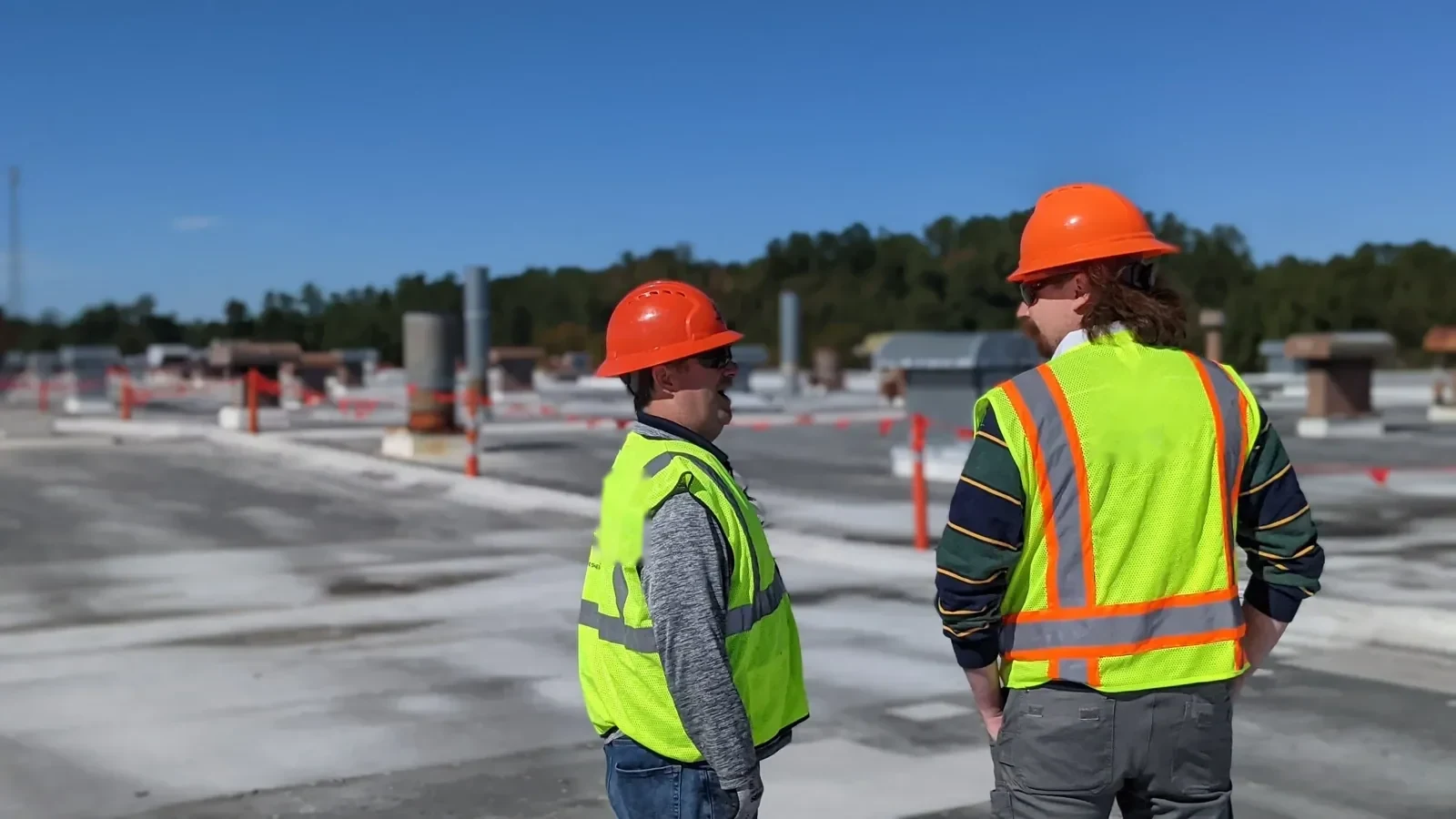
Recover work can reduce tear-off noise and debris, but crews still move materials, work around rooftop equipment and make weather-sensitive tie-ins. We identify loading areas, roof access, tenant entrances, sensitive spaces and hours that require coordination. For a property near US 75, delivery access and crane or lift locations depend on the specific site; we confirm them with the property contact instead of assuming a standard setup. The plan should also state how the crew protects the building if a forecast changes before an area is closed.
After installation, closeout should identify the new assembly, repaired or replaced details, any areas left in place, and maintenance items that need follow-up. Photos at drains, curbs, perimeters and tie-ins give the next inspector a useful baseline. A commercial roof inspection can track how the roof performs, while drain and scupper service can address drainage details before debris or wear creates a new leak path. The recover decision is strongest when the owner knows what was covered and what remains part of the roof's future plan.
Related Roofing Work
Richardson Innovation Quarter
Commercial TPO Roofing
Commercial EPDM Roofing
Commercial Roof Capital Planning
Questions About Commercial Roof Recover and Overlay
When is a recover a reasonable alternative to tear-off?
It may fit when the existing assembly is dry, stable, securely attached, within allowable layer limits, and compatible with the new system. We verify those conditions and the applicable details before recommending it. Widespread moisture, deck damage, poor drainage or unresolved flashing issues can favor removal.
Do you need to take core samples before a recover?
Selective openings can confirm the layers, insulation condition and substrate where visible inspection cannot answer those questions. The number and placement depend on roof size and observed conditions. We explain what each opening is meant to verify and include patching in the investigation scope.
Can you recover only one section of a large roof?
A section may be considered when it can be separated with sound transitions and the remaining roof is still serviceable. Drainage paths, edge conditions and differences in elevation need review. We show the boundary and explain how future phases would connect.
Will a recover correct standing water?
Not by itself. We first determine why water remains and whether the slope, drains or scuppers need correction. The recover design must preserve drainage and provide secure flashing heights. If the existing geometry is unsuitable, that work belongs in the comparison before installation.
What could make the recover price change after work begins?
Hidden wet insulation, deck deterioration, extra roof layers, loose attachment or incompatible details can alter the work. We set investigation points and change boundaries in advance, then document newly exposed conditions before pricing corrective work.
Check Whether Your Roof Qualifies
Share the building's repair history and the timing of the next budget decision. We will inspect the assembly, identify the tests needed, and compare recover with removal using clear conditions and cost boundaries.