
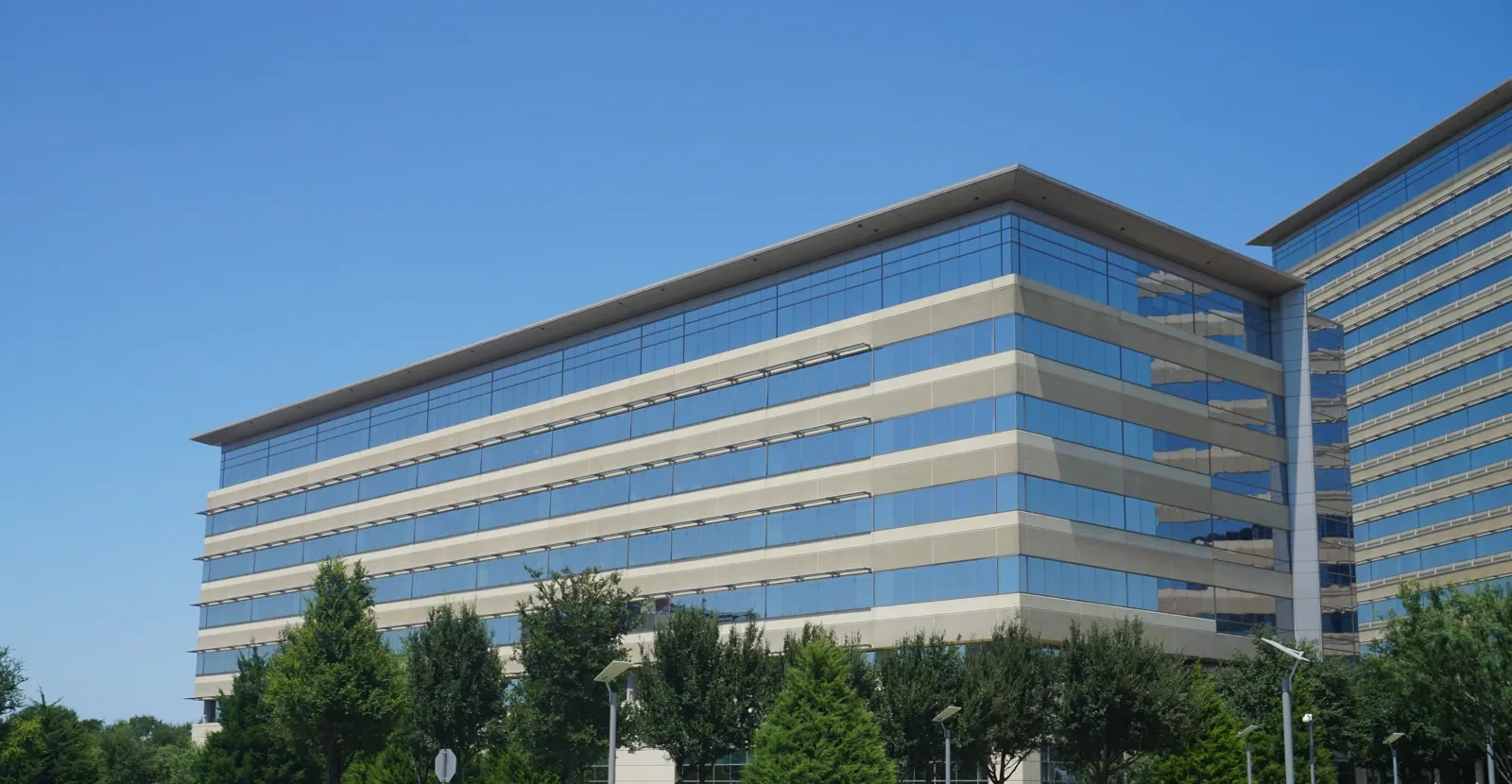
A distribution center loses time when a roof issue blocks a lane, threatens inventory, or pulls staff into water cleanup. We inspect the assembly and map affected zones before recommending a repair or larger project in Richardson, TX. The proposal should fit the facility's loading pattern, operating shifts, and access rules. We identify which work can be completed in a planned window and which conditions could force a wider scope after removal begins.
Request a Roof Assessment
All fields are required.
Distribution Center Roofing in Richardson, TX
Set the Roof Work Window Around the Shipping Plan
Map Roof Risk to the Operating Floor
A leak above a sort area may affect electrical controls or conveyor equipment before water reaches visible storage. We compare interior observations with seams, drains, curbs, roof penetrations, and prior repairs. The roof map should locate defects by bay or zone and record whether the water path is confirmed or still needs investigation. That keeps a repair crew from opening a broad area when only one transition has failed.
We also identify where forklift charging, automation, refrigeration, or high-value inventory may limit access below the roof. Those conditions affect protection, work hours, and sequence. If the leak is active, temporary water control can stabilize the immediate problem while a permanent scope is prepared. A roof inspection can record the material, detail, and repair history in one visit. If moisture reaches insulation, the estimate should show the boundary for removal and how additional wet material will be handled.
Protect Openings and Dock Transitions
Dock doors, canopies, wall joints, and low roof transitions can concentrate wind-driven rain. We check the flashing, counterflashing, membrane termination, and discharge path where the roof meets loading areas. A patch over a moving metal joint may fail again if the movement is not addressed. The work scope should identify whether the correction includes a new curb detail, edge metal, wall flashing, or canopy interface.
Spring storms are the most active thunderstorm period in the DFW area, and hail or high winds can occur somewhere in the metroplex nearly every year. We inspect the facility for actual punctures, displaced trim, open seams, and leaks rather than assuming a regional storm caused damage. After an event, a wind-damage review can record observed impacts. Drainage is part of the same assessment; a drain and scupper correction can reduce water exposure at the dock side where outlets or overflow paths are involved.
Select Materials for Service Traffic
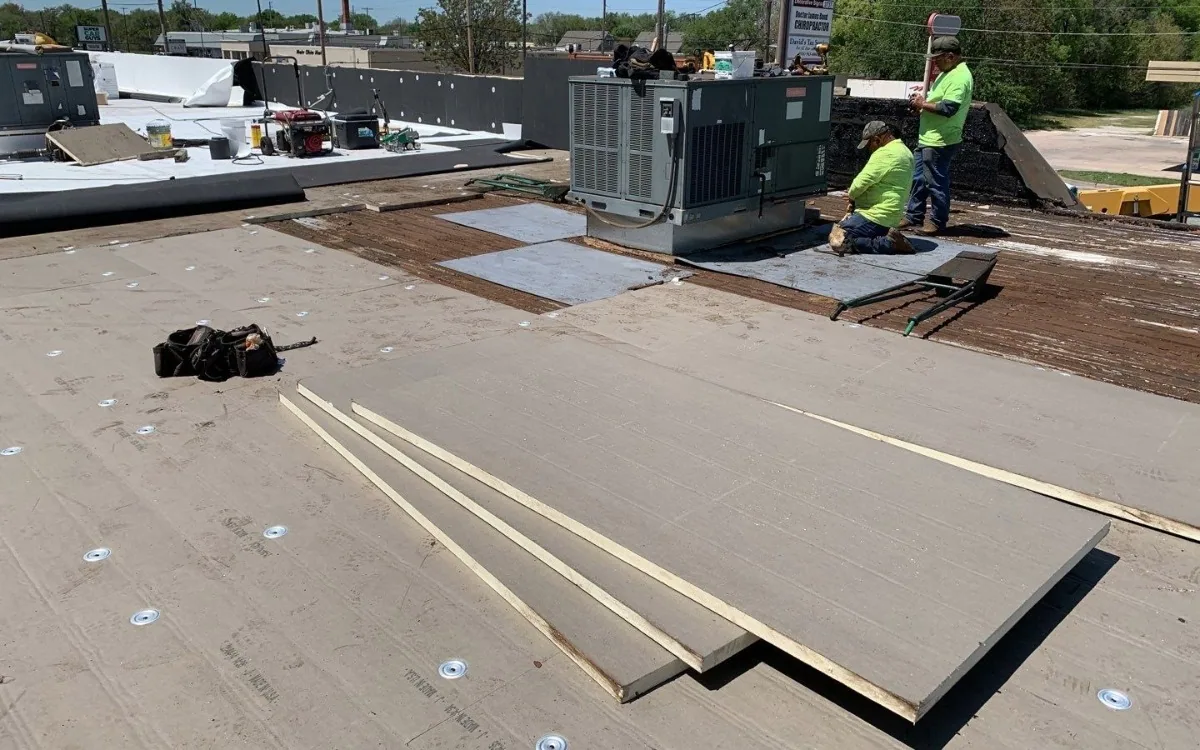
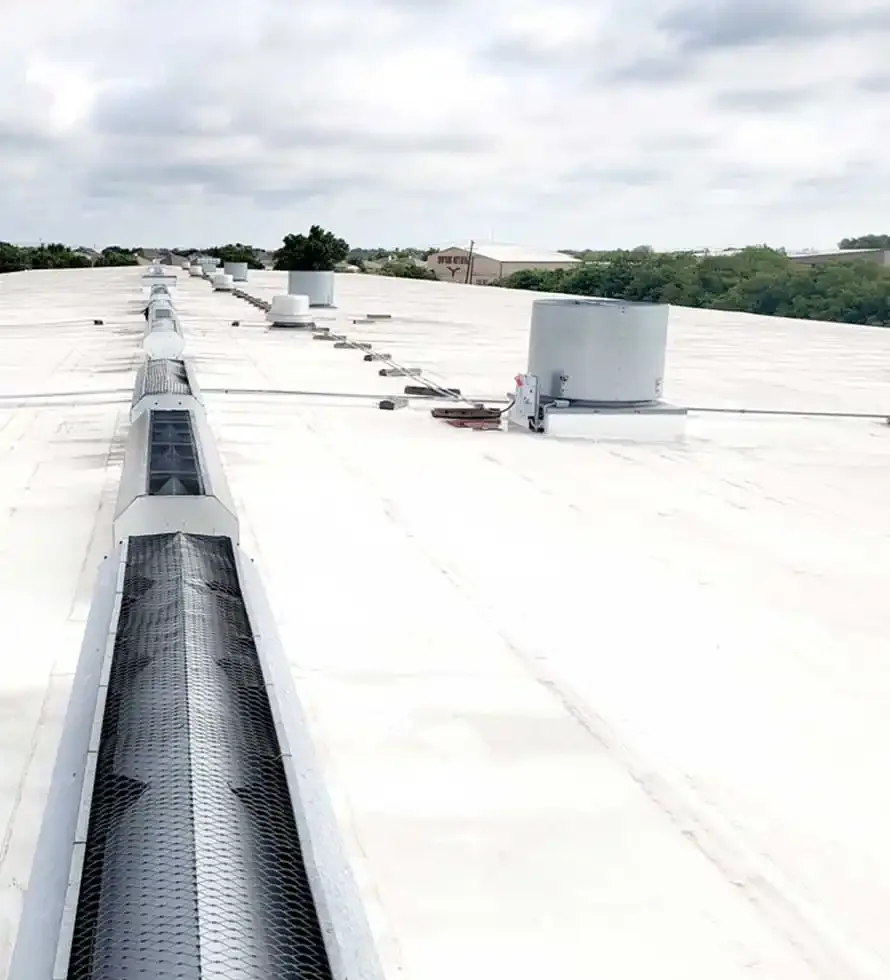
Distribution roofs often have frequent visits to HVAC units, exhaust fans, antennas, and rooftop controls. A service route can create punctures or loosen flashing when technicians have no protected path. We review the membrane, seams, attachment, insulation, and equipment supports together. The chosen system should match the deck and wind design, with walk pads or designated access where maintenance traffic warrants them.
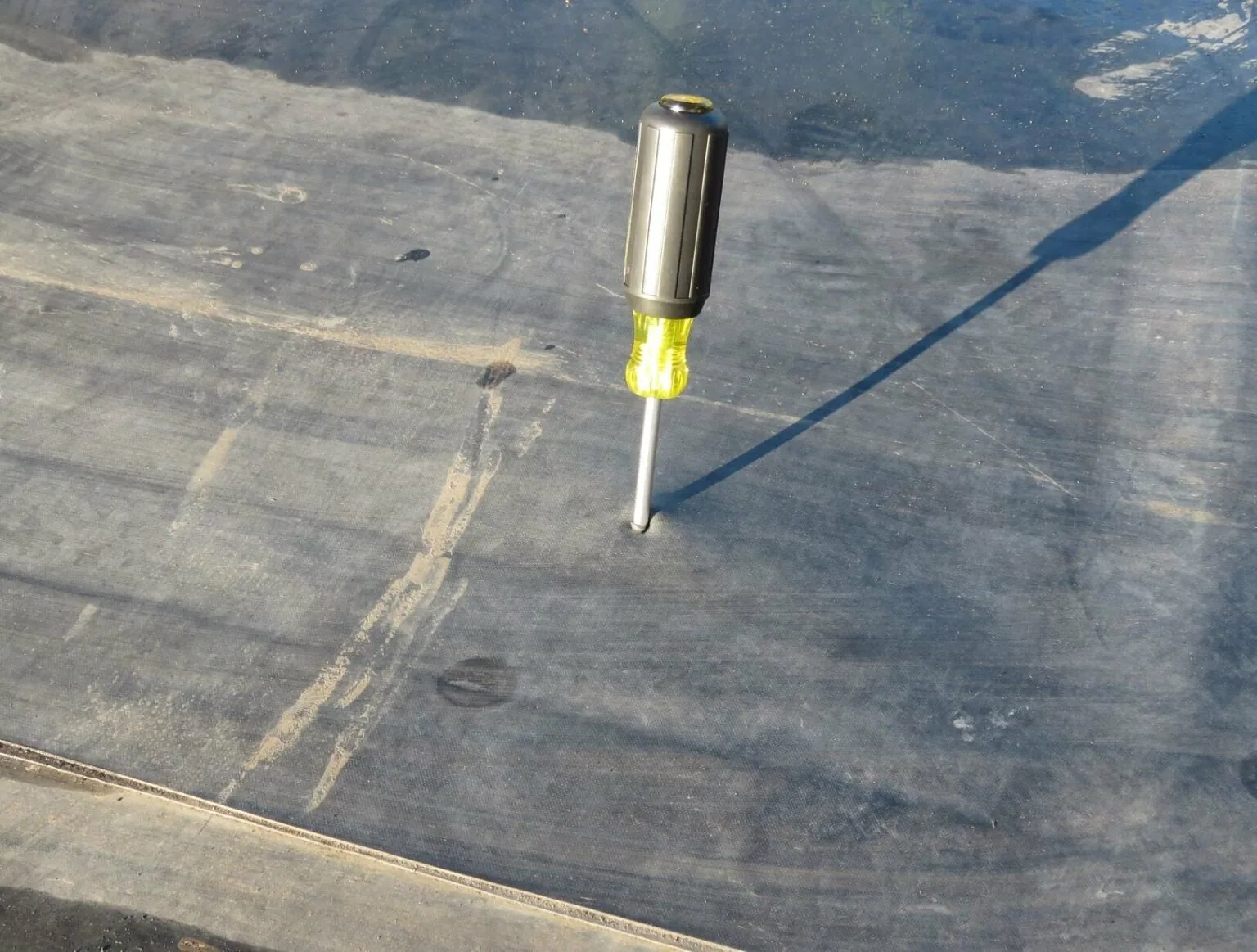
Different systems create different repair requirements. TPO, PVC, EPDM, modified bitumen, metal, and coatings cannot be compared by material name alone. We review the actual assembly and explain where seam welding, adhesives, mechanical attachment, or coating preparation changes the schedule. A TPO system or EPDM assembly may each suit a project if the deck, exposure, and design align. A detail repair should remain compatible with the installed membrane and manufacturer instructions.
Coordinate Material Flow with Facility Flow
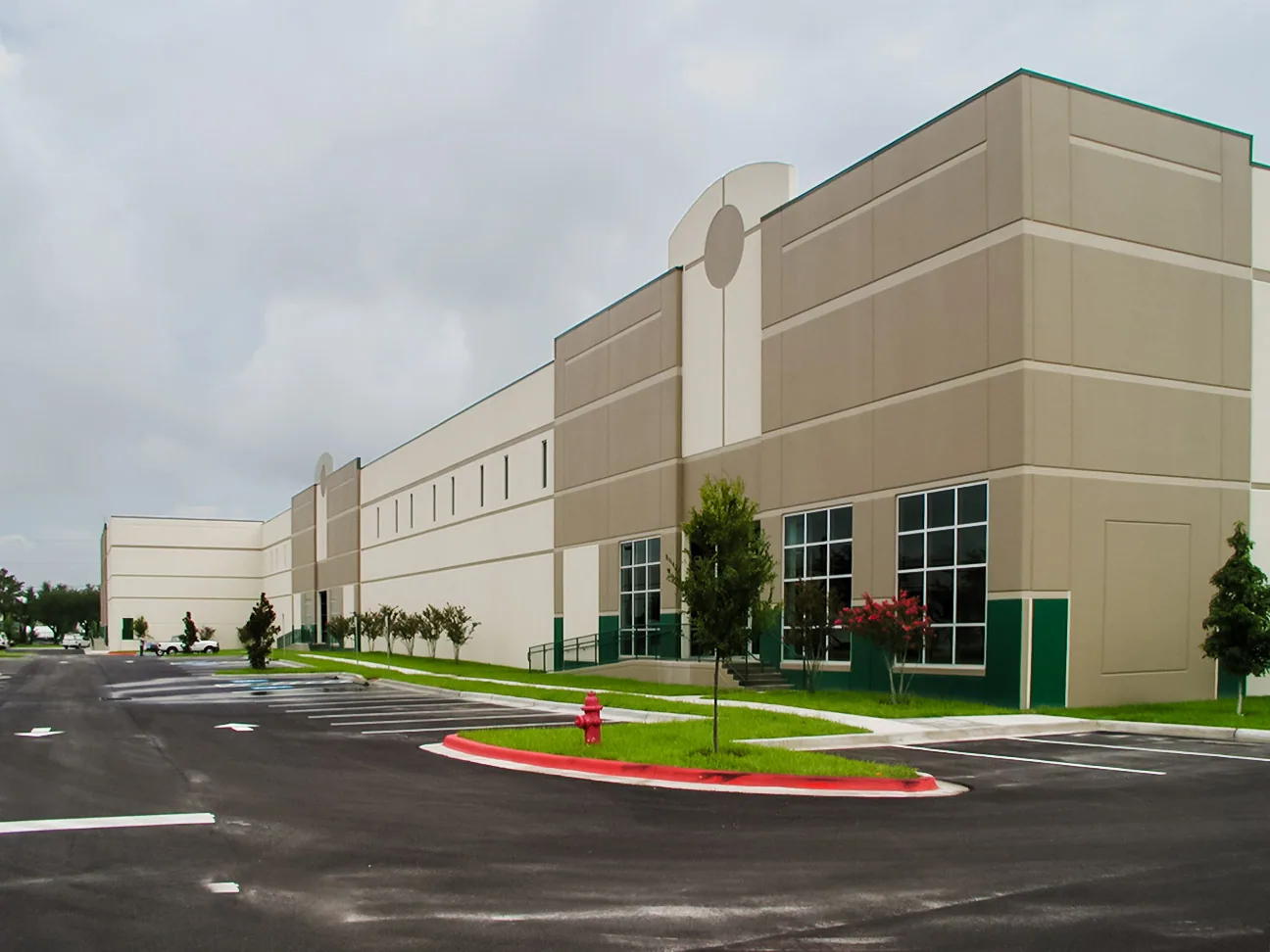
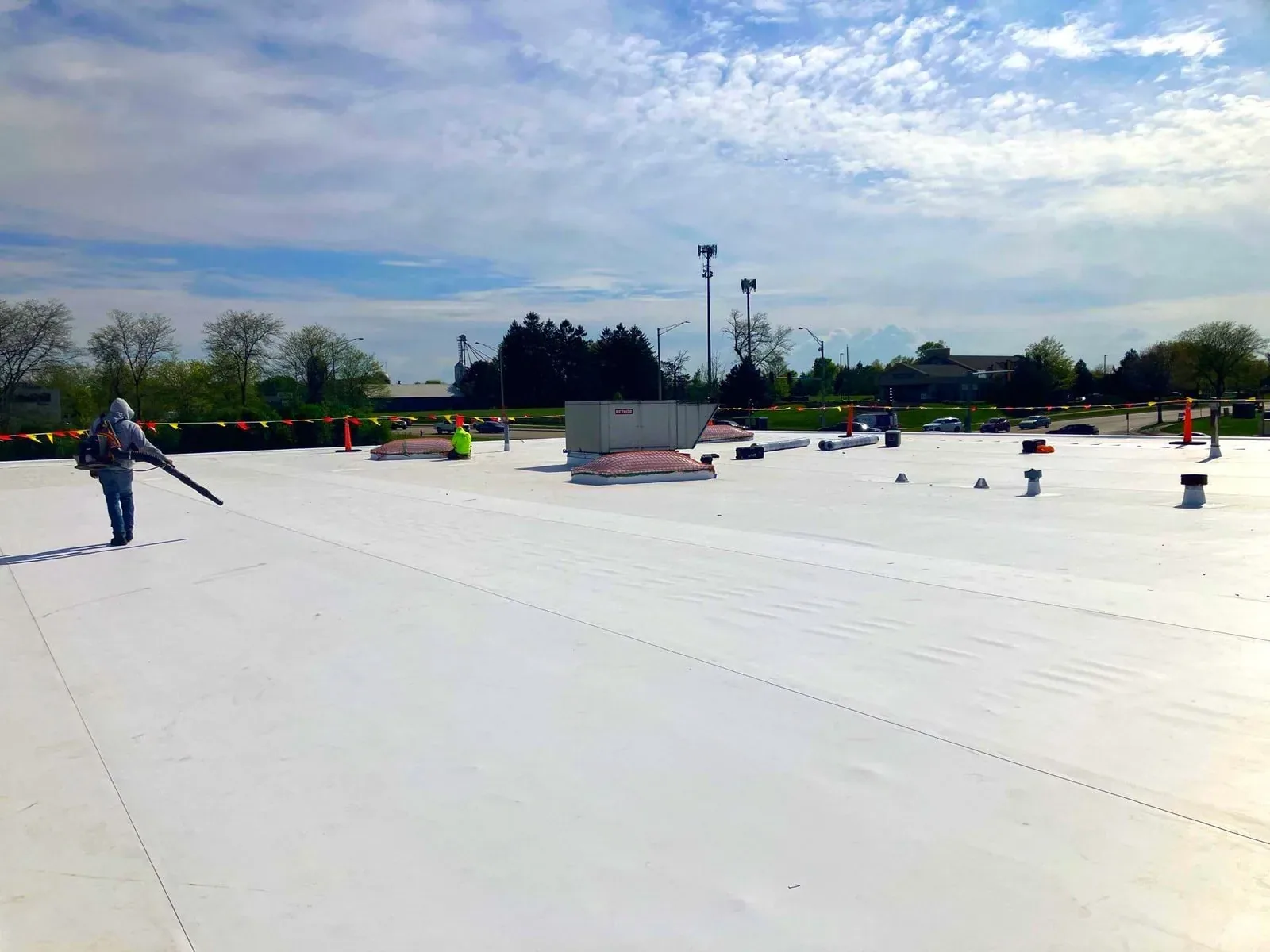
The planned Wylie Logistics Park is described as a warehouse and distribution area near Highway 78, with heavy-haul road access and industrial-grade utilities. That local planning context does not establish any individual roof's construction or condition. It does underscore how roof deliveries interact with truck circulation and continuous logistics operations. We confirm which gate, dock, staging area, and crane route the facility will allow before setting a start date.
Richardson's own employment base includes technology, telecommunications, manufacturing, and medical activity, connected by US 75 and President George Bush Turnpike. A property near the planned logistics park still needs site-level coordination rather than a standard schedule. We coordinate deliveries with inbound and outbound peaks, establish a debris path, and preserve emergency access. If a lift occupies a truck lane, the owner needs to approve the time window and traffic controls before materials arrive.
Set Daily Stop Points for Phased Work
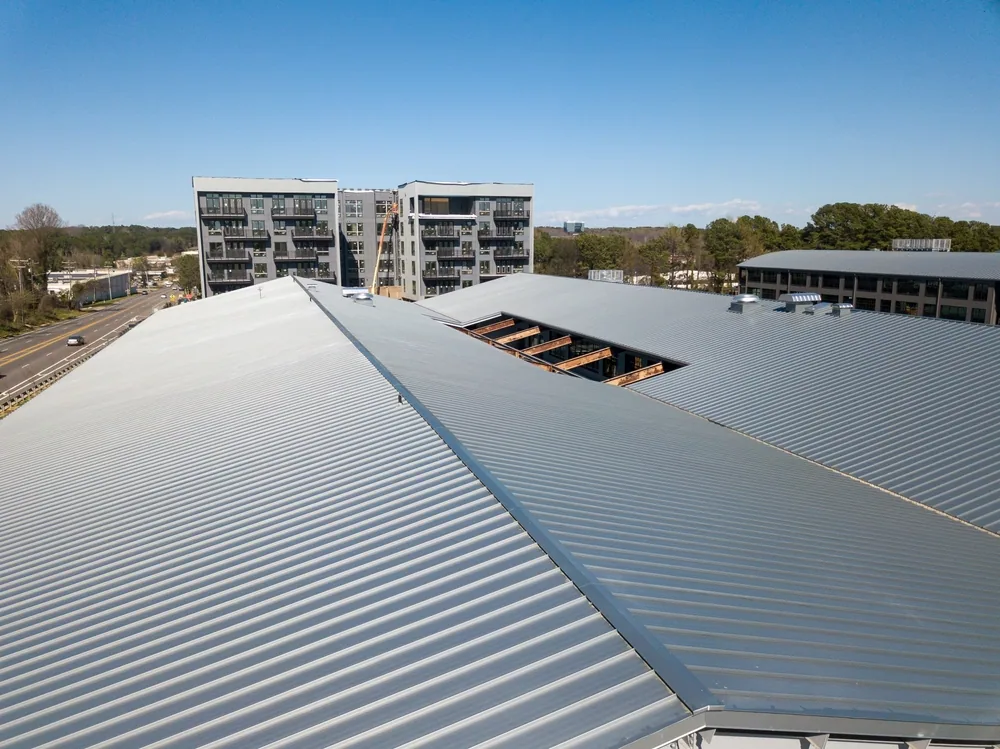
Phasing can protect operations when the roof is too large to open and close safely in one shift. We divide work by drainage zone, structural bay, or operational area, then set a limit for each day. The crew closes each exposed area at the planned stop point and documents any condition that needs owner approval. The sequence must account for weather, equipment relocation, and access for maintenance staff who still need to reach the roof.
Richardson includes mixed-use areas such as CityLine, where offices, medical uses, shops, lodging, housing, and public space run on different schedules. The Richardson Innovation Quarter brings research, manufacturing, and education activity. These districts show why a facility's hours and sensitivity matter; they do not provide a substitute for the operations meeting. We confirm roof access, noise limits, air intakes, and interior protection with the manager. A replacement plan should list each phase and how the building remains protected overnight.
Compare an Immediate Repair with a Capital Project
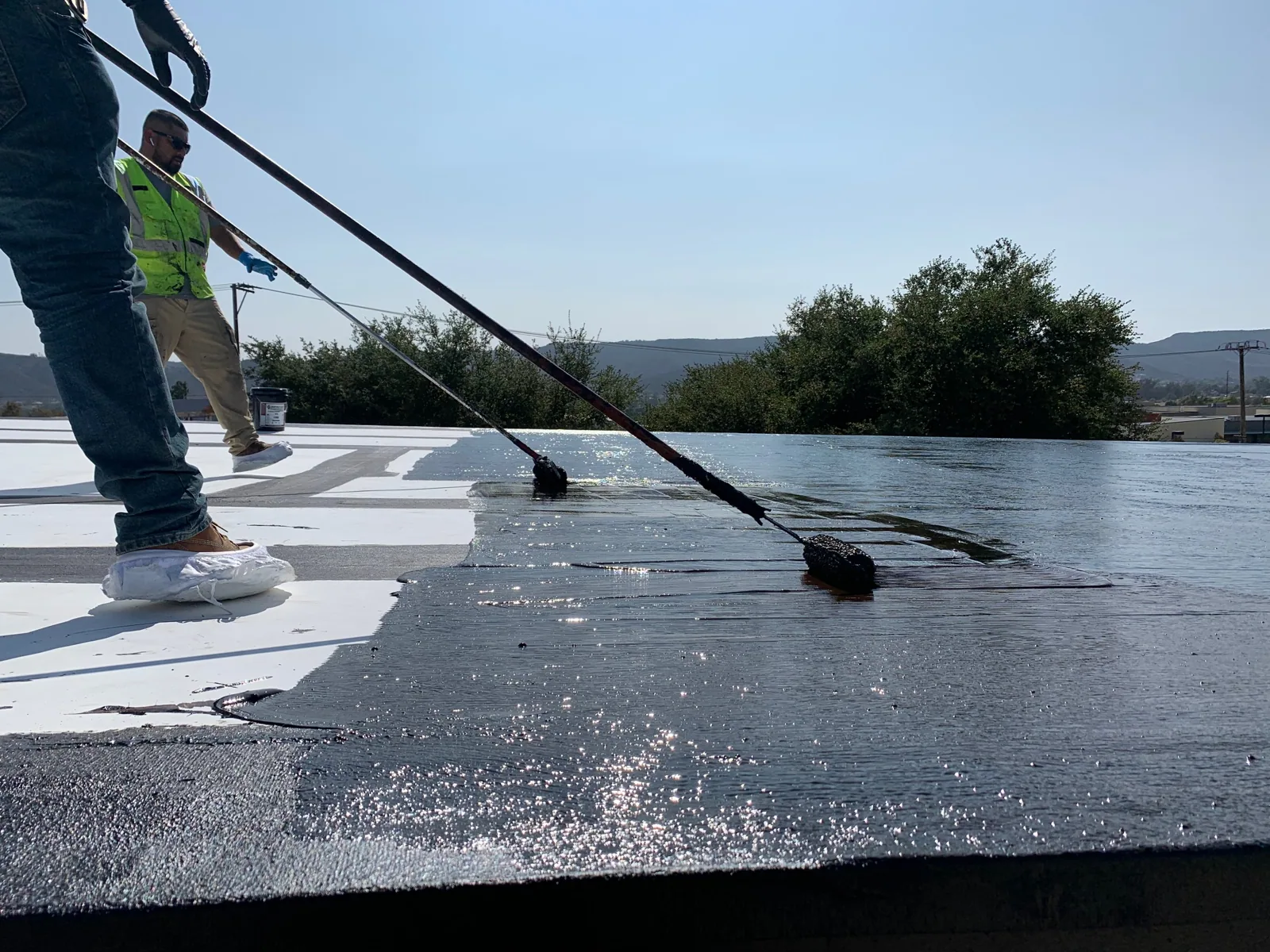
A repair budget should identify the exact zones, materials, and work-window assumptions. A recover estimate should show what layers remain and how drains, curbs, and edges change. Replacement should itemize demolition, insulation, cover board, attachment, flashing, temporary protection, and disposal. We separate known conditions from those that need confirmation so a low initial number does not defer a necessary approval until the roof is open.
Richardson applies its locally amended 2021 building and energy code provisions based on project scope. Permit and insulation questions should be reviewed before procurement. For a facility with recurring leaks, a recover assessment can test whether the existing assembly is eligible to remain. Capital planning support can organize immediate repairs and future replacement into budget windows. If the work includes an active leak, commercial roof repair may protect operations while a full project is scheduled.
Build a Roof Log for Shifts and Contractors
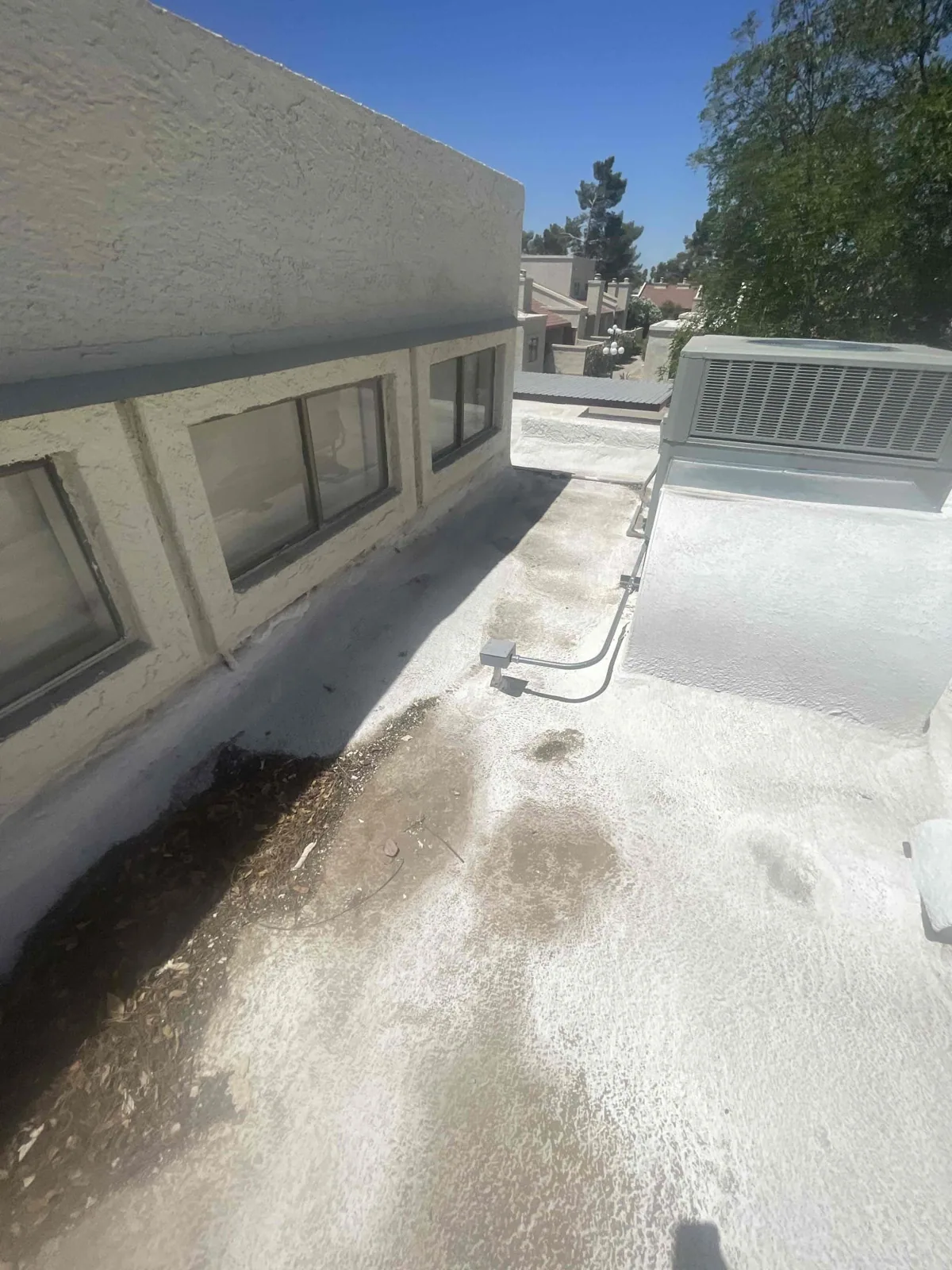
Use a roof log that shows which zones were inspected, what material was repaired, and when the work occurred. Mark drains, walk paths, equipment, and recurring leak locations on a simple plan. After a storm, the facility team can compare new impacts against earlier photos. That saves time during troubleshooting and can make a claim review more precise. Keep product data with the log so later repairs do not combine incompatible materials.
At the Richardson Innovation Quarter, technology and manufacturing employers operate alongside research and education institutions. At Wylie Logistics Park, planned warehouse and distribution development includes a highway and rail logistics connection. For either operating context, maintenance windows and roof access should reflect the actual tenant and property rules. Compare a warehouse roof plan with a manufacturing-facility roof plan when operating needs differ. A scheduled roof visit can inspect seams, drains, edges, and equipment flashings. Pair those observations with claim documentation when a covered event is suspected, while keeping ordinary wear separate.
Related Roofing Work
Commercial Roof Inspection
Commercial Roof Drain and Scupper Service
Commercial TPO Roofing
Wylie Logistics Park, Wylie
Questions About Distribution Center Roofing
How can roof repairs fit a distribution center's shipping schedule?
We coordinate the work zone with the site's dock peaks, shift changes, access rules, and delivery routes. A phased plan sets daily close-in limits and identifies when a lift or debris container affects truck movement.
What roof areas should a distribution center inspect after a storm?
Check drains, edge metal, penetrations, dock transitions, and interior areas above controls or inventory. We document damage visible at the property and separate new impacts from earlier wear before recommending repair or replacement.
Can a distribution roof be repaired in sections?
Yes, if the assembly and drainage layout allow each section to be safely closed and remain watertight. We set phase boundaries, daily termination details, and an approval process for concealed damage.
How do rooftop service routes affect the roof system?
Repeated access can damage membrane, flashing, and equipment curbs. We identify travel paths and consider walk pads or other protection, then make sure future service crews know which areas are intended for foot traffic.
What belongs in a distribution-center roof budget?
Compare the assembly, drainage, edge work, equipment transitions, access, temporary protection, and phase schedule. The estimate should show removal and concealed-condition assumptions as well as the immediate repair line.
Set the Roof Work Window Around the Shipping Plan
Share the dock schedule, roof access rules, leak map, and project deadline. We will inspect the assembly and prepare a phased scope for repair or replacement.