
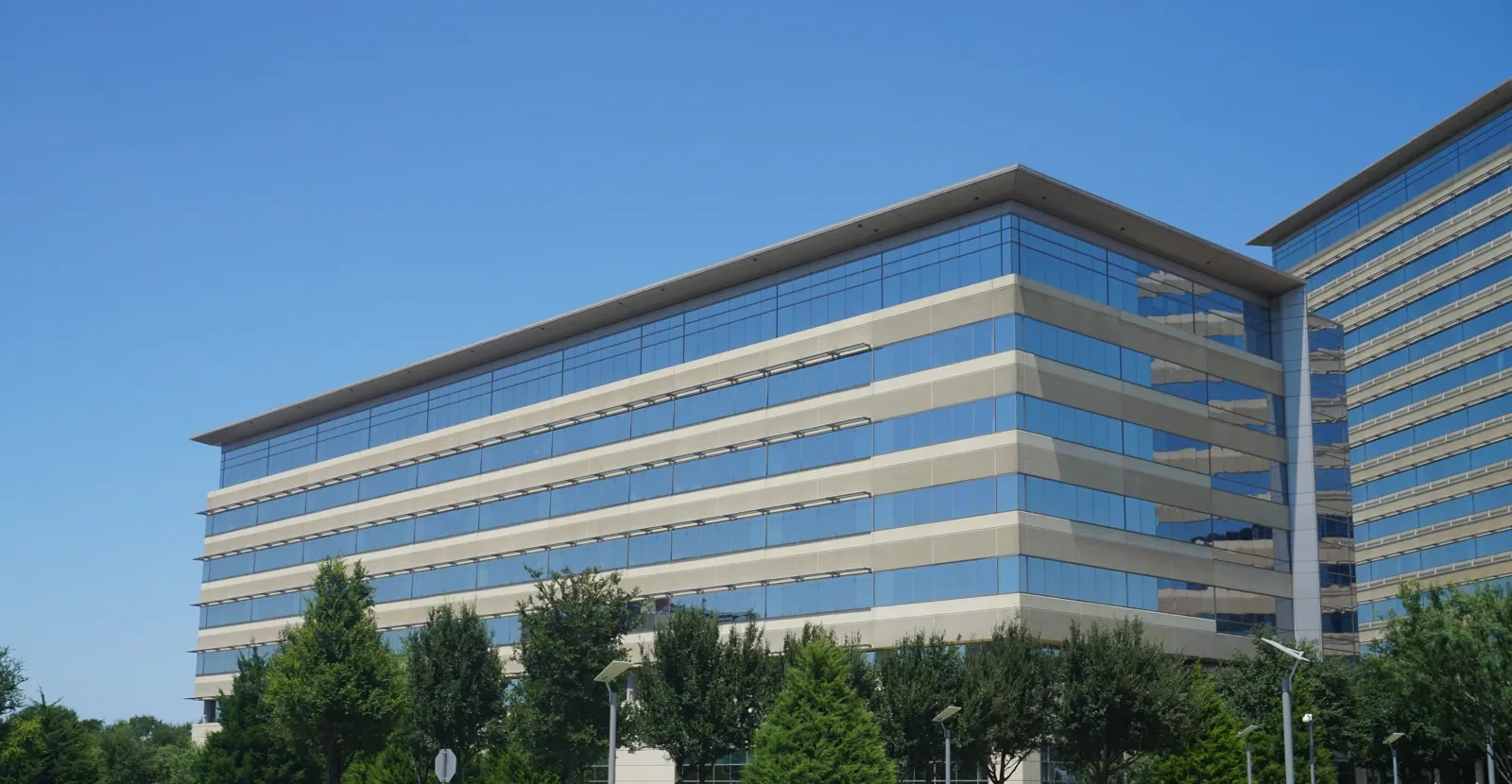
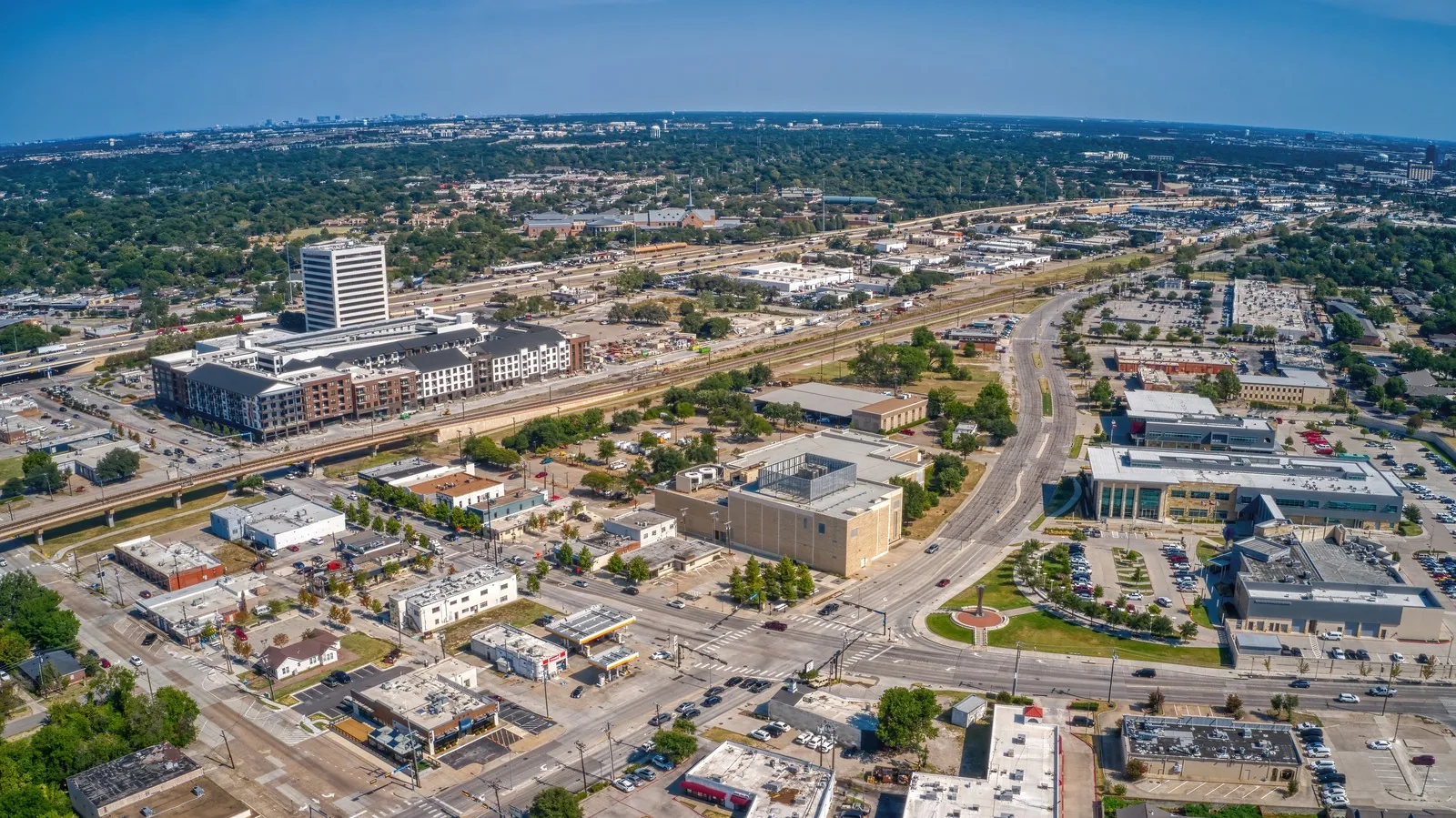
Commercial buildings in CORE District Downtown need roofing scopes that account for Main Street access, occupied businesses and each roof's actual assembly. In Richardson, TX, the district forms the central part of the CORE District and combines historic character with newer commercial activity. We inspect the roof, map repairs by zone and plan material movement around the property contact's confirmed operating hours. That gives owners a clear repair line or replacement window without treating every downtown building alike.
Request a Roof Assessment
All fields are required.
Commercial Roofing in CORE District Downtown, Richardson, TX
Plan the Downtown Roof Work Window
Set Access Around the Main Street Block
Main Street businesses include locally owned restaurants and food concepts serving visitors from across the metroplex. That commercial activity makes delivery routes, pedestrian protection and work hours worth confirming before a roof project. We ask the manager where a lift or material drop can occur, which entrances need to stay open, and when noise would affect customers. Those are site-specific limits; the district name does not establish a building's roof type, condition or access path.
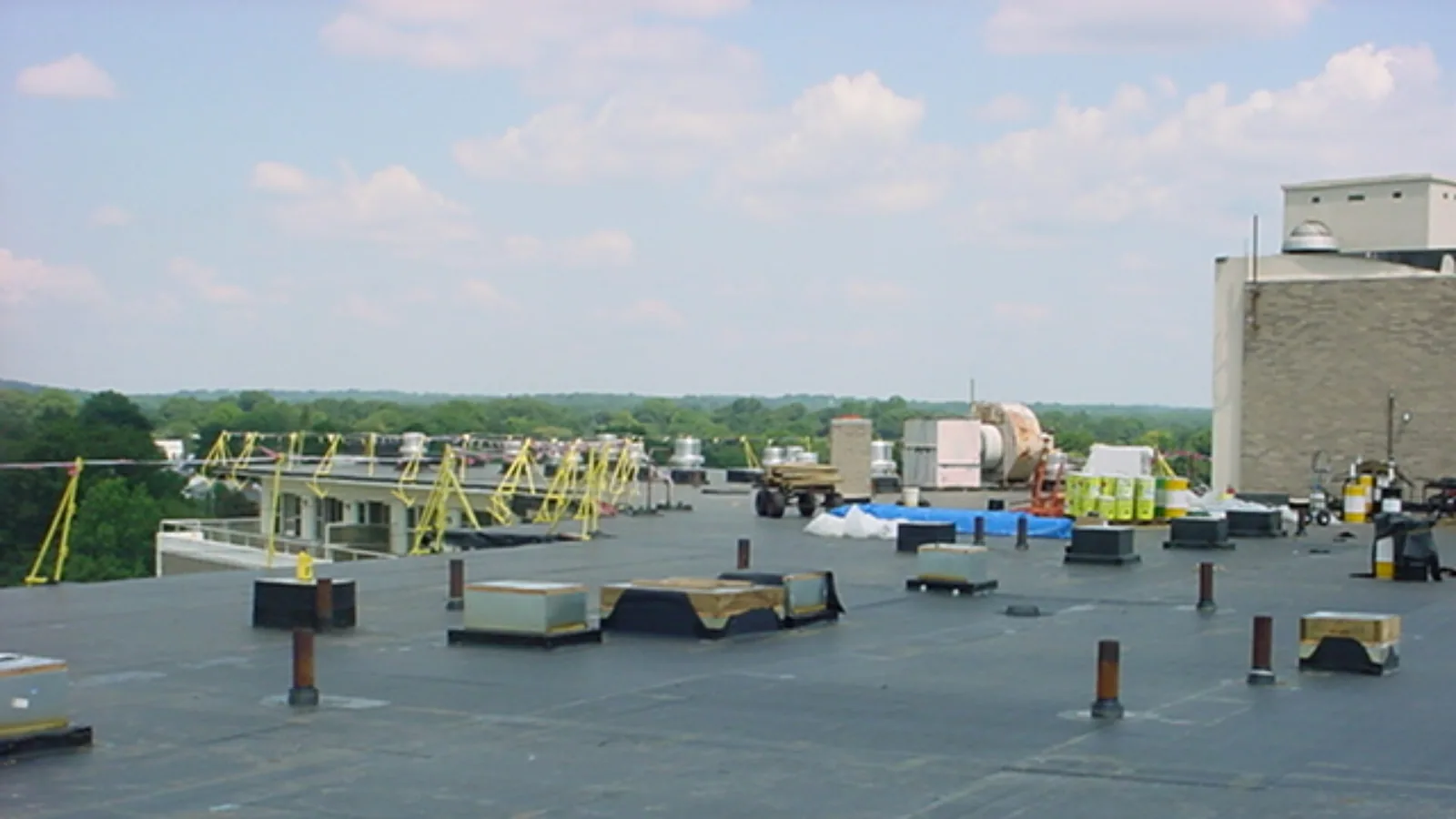
Older and newer commercial uses can sit within the same broader area. Before pricing work, we inspect the roof surface, prior repairs, drains, parapets, penetrations and equipment transitions. We identify which areas can be reached and what might change the scope after opening. A commercial roof inspection provides the zone map, while a photo-based report keeps findings tied to the building rather than a block-level assumption.
If ownership is reviewing more than one CORE property, Chinatown along Greenville Avenue north of Main Street has a distinct commercial mix that includes restaurants, bakeries and markets. Its operating pattern should not be transferred to a Downtown building. A Chinatown-area roof review and this Main Street assessment each start from their own access and roof conditions.
Protect Active Businesses First
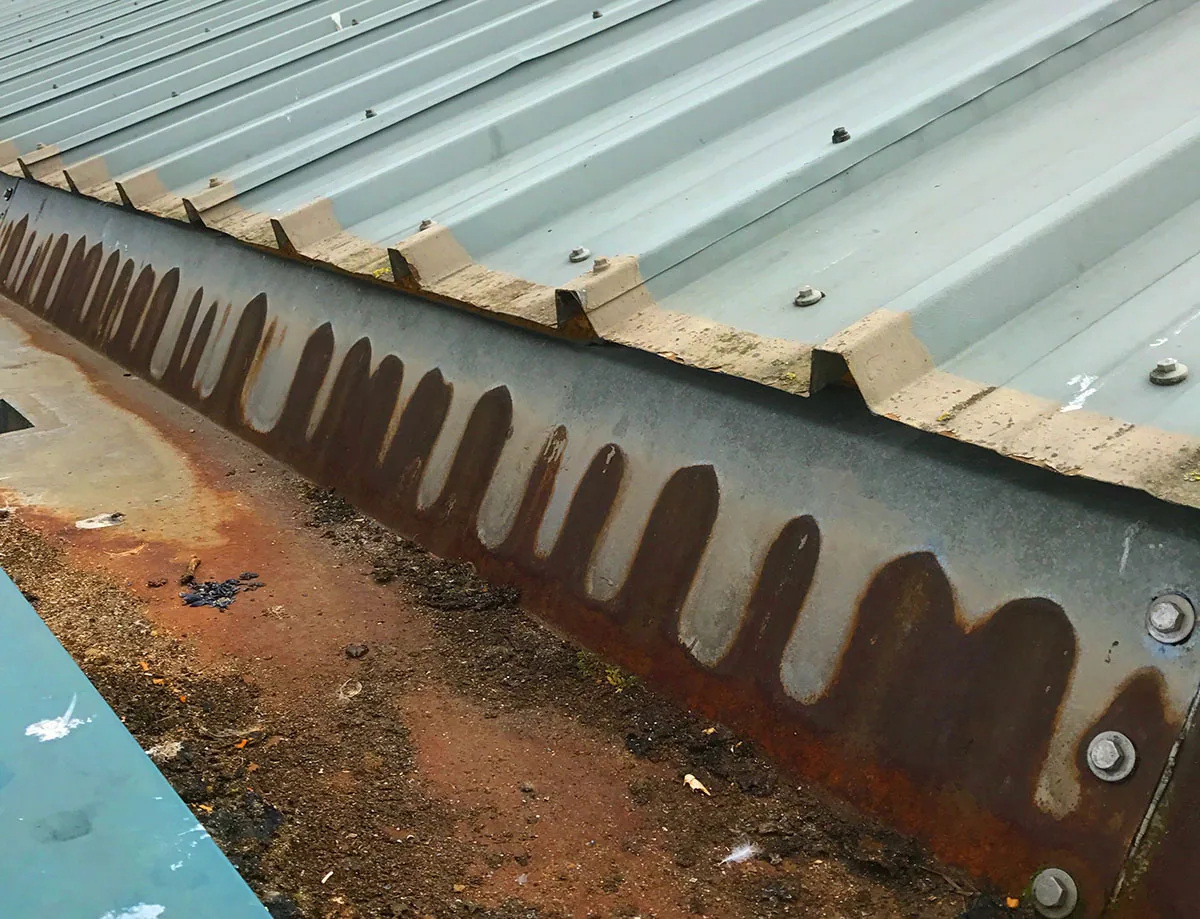
Active water above a dining room, storage area or electrical space changes the order of work. We trace the likely water path from the interior report to roof features, then distinguish immediate protection from a permanent repair. A ceiling stain may be offset from the opening. We check seams, drains, walls, curbs and previous patches before deciding whether to open a surface or test for moisture below.
For a localized failure, the repair estimate names preparation, compatible material, tie-in and the boundary that remains outside the work. If water is active, an emergency response can stabilize the exposed area after safe access is confirmed. Permanent work follows with the surrounding assembly in view. A measured repair scope helps ownership compare a targeted correction with continued monitoring.
Drainage deserves its own check. Debris, a blocked outlet or a low area can keep water at a roof detail and complicate repair. We inspect the drain bowl, overflow path, membrane and nearby flashing. If the issue is isolated to the outlet, drain and scupper work can be priced with the affected roofing rather than left as an unexplained follow-up.
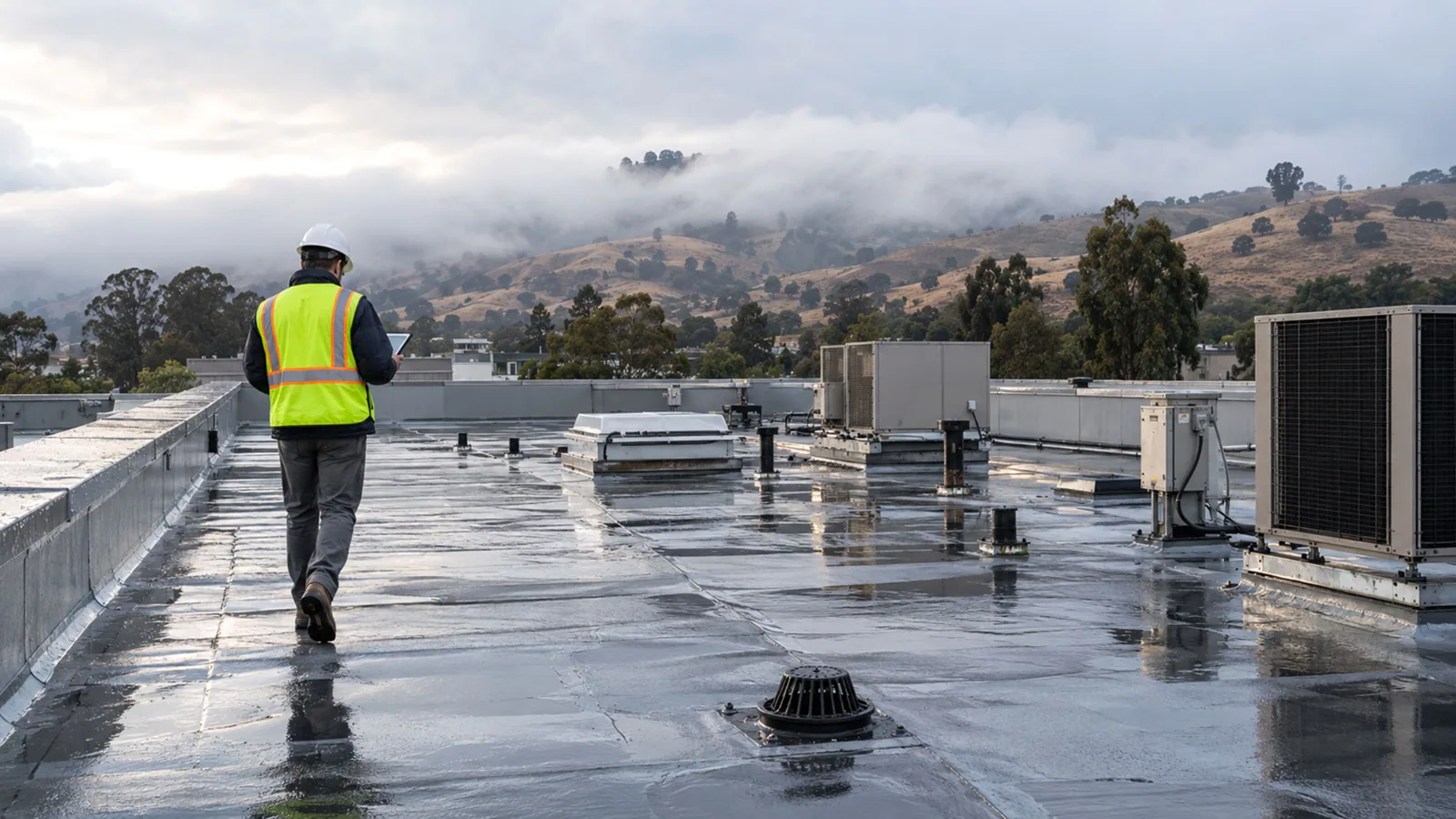
Choose a Work Window for Richardson Weather
Richardson's summer average highs approach 96 degrees, while spring is the DFW region's peak period for severe thunderstorms. Those conditions affect material handling, crew timing and the open-roof boundary. They do not prove that a Main Street building has heat or storm damage. We inspect the actual membrane or panel, then set the shift so the crew can complete and secure each work area before leaving.
If a reported storm precedes a leak, we photograph the roof details and record the inspection date. A regional weather event does not establish when a particular opening formed. We separate visible wear, prior repair and newly observed displacement where evidence allows. A storm-damage assessment can document findings by roof zone and leave uncertain cause or timing unresolved.
A replacement adds an open-roof risk that a small patch does not. We phase tear-off so the daily section can be made watertight, identify tenant protection needs, and state what hidden deck or insulation conditions could change the quantity. The estimate includes staging, debris movement, close-in and weather contingencies. A work schedule tied to those limits is more useful than a start date without a secure daily boundary.
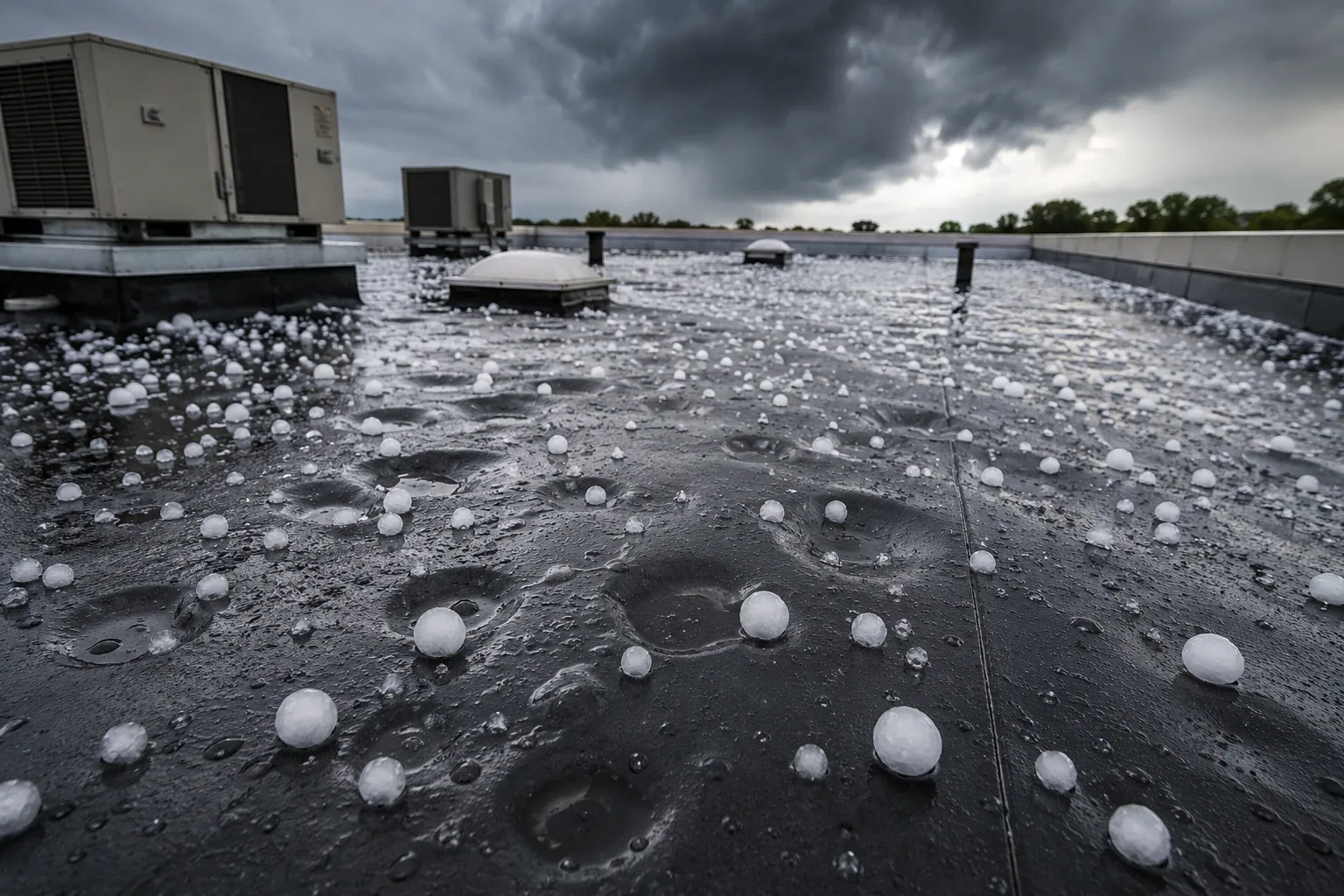
Compare Repair With a Broader Project
A recurring leak may need a wider assembly review if nearby seams, flashing or insulation show related failure. We document the condition that supports a repair and the evidence that would justify broader work. If the existing roof is stable and dry, a recover evaluation may be considered after checking layers, attachment, roof height and drainage. Wet insulation or unstable details can rule out that approach.
When deterioration reaches several roof zones, a replacement scope can show tear-off, deck assumptions, insulation, cover board, edge metal and equipment transitions separately. For Richardson work, the governing code set pairs 2021 building, existing-building and energy editions with city amendments. We confirm city review requirements against the selected work before materials are ordered. The permit question follows the proposed scope, not the neighborhood's building history.
Owners managing a property near Richardson Heights may have a different access arrangement; that district's commercial mix includes boutique retail, dining and entertainment. Those facts help identify questions for the site walk, but do not establish the condition at this Downtown property. A Heights-area property receives its own inspection and cost boundary.
For bid review, ask each contractor to price the same roof zones and state the assumptions that separate base work from contingencies. The comparison should show whether protection, interior cleanup, temporary dry-in, disposal, traffic control and after-hours labor are included. Where an occupied business needs uninterrupted entry, list that requirement before pricing so the schedule and staging plan can be compared fairly. If concealed deck damage is possible, ask for unit pricing and an approval step before added work proceeds. This keeps a low initial number from hiding a different scope or an unpriced interruption risk.
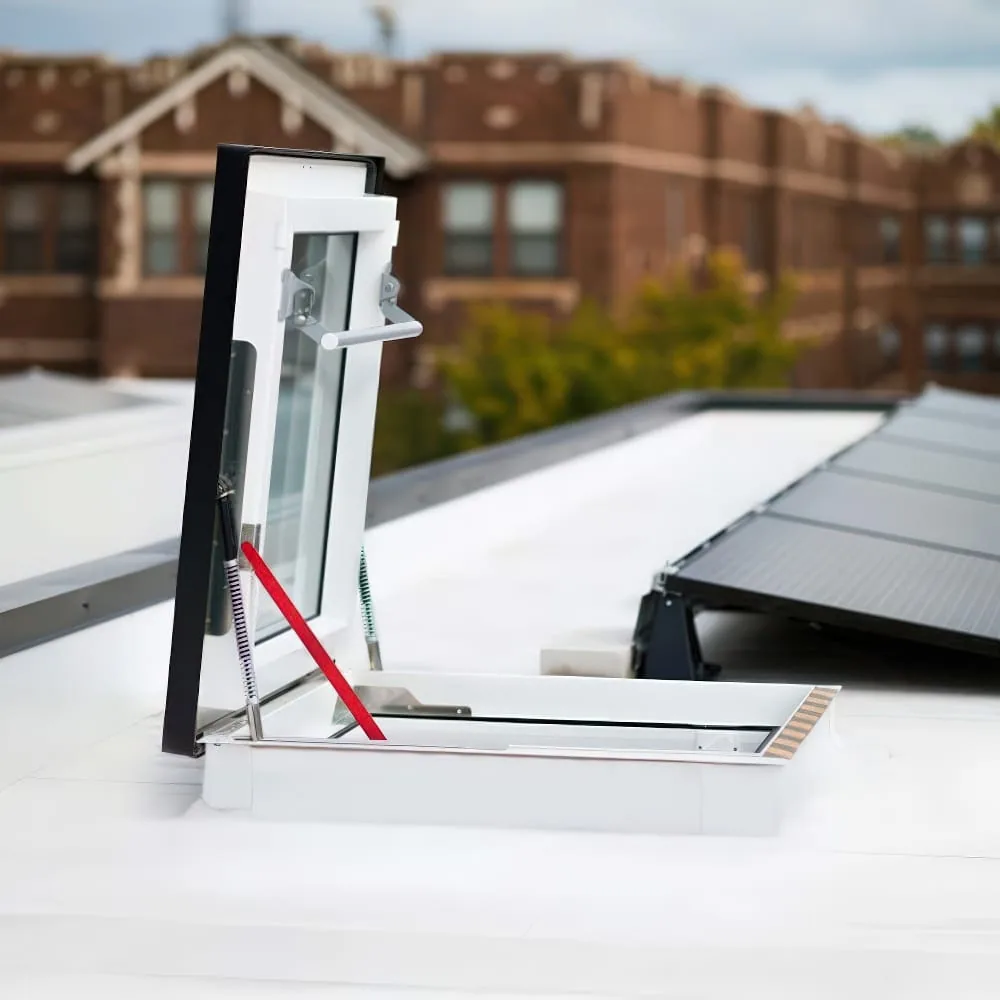
Leave a Record for the Next Decision
After work, the closeout identifies the roof zone, material installed, repair detail, dated photos and any condition left outside the scope. That record helps a new manager distinguish completed work from an item that still needs testing. If a test opening was made, note the location and what it established. If access was limited, state which area remains unreviewed.
For owners with several properties, a roof asset record can connect this inspection with repair history and the next budget date. The summary can show which action is urgent without blending a Downtown building with a second CORE address. Tell us the property, current water reports, access window and decision deadline. We will return a scope that reflects the actual roof and how the building operates.
Related Roofing Work
Commercial Roof Inspection
Commercial Roof Condition Reports
Richardson Chinatown
Emergency Commercial Roof Repair
Questions About CORE District Downtown
Can roofing work happen during Main Street business hours?
Often, if the property contact confirms roof access, staging and customer routes. We plan lifts, deliveries, noise and close-in around the business schedule and the area that must remain open.
Does a historic or older downtown building need full replacement?
Age or district context alone does not decide that. We inspect the assembly, moisture, attachment, drainage and repeated failures, then compare a defined repair with broader work when findings support it.
What information helps locate a leak in a Downtown building?
Share the room, timing, weather, prior repairs and whether water is active. We compare those details with roof seams, drains, walls and penetrations, then identify what is confirmed and what needs testing.
How do you limit interruption for restaurant or retail operations?
We agree on delivery routes, entrances, noise periods, debris movement and the daily watertight boundary with the site contact. Each property sets its own constraints before scheduling.
Can one repair estimate cover several CORE District buildings?
We can coordinate visits, but each building needs a separate condition record and roof-zone scope. The estimate keeps material, quantities and operating constraints attributable to the correct property.
Plan the Downtown Roof Work Window
Share the Main Street property, current leak details, access restrictions and decision date. We will inspect the roof and return a scope with repair limits and operating assumptions.