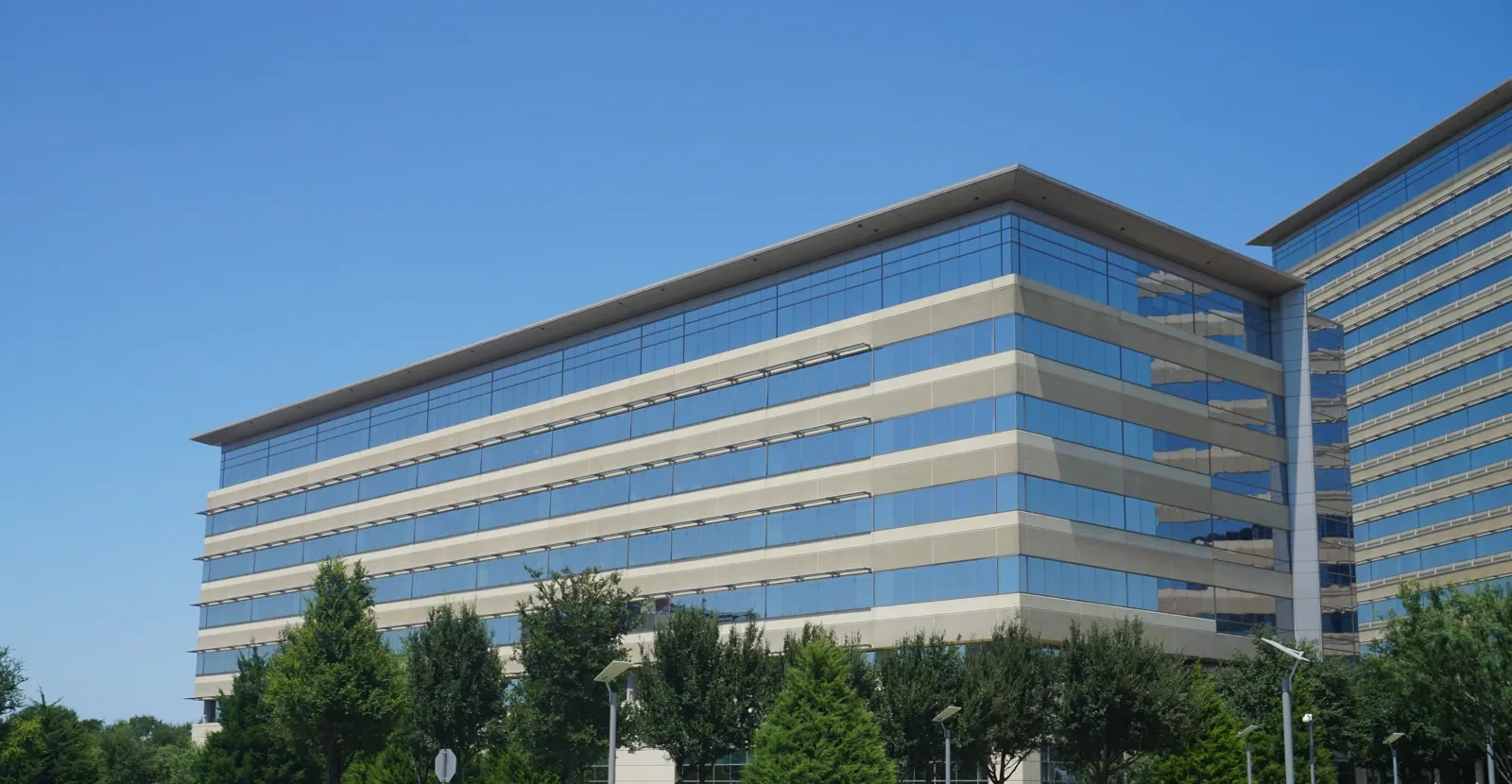
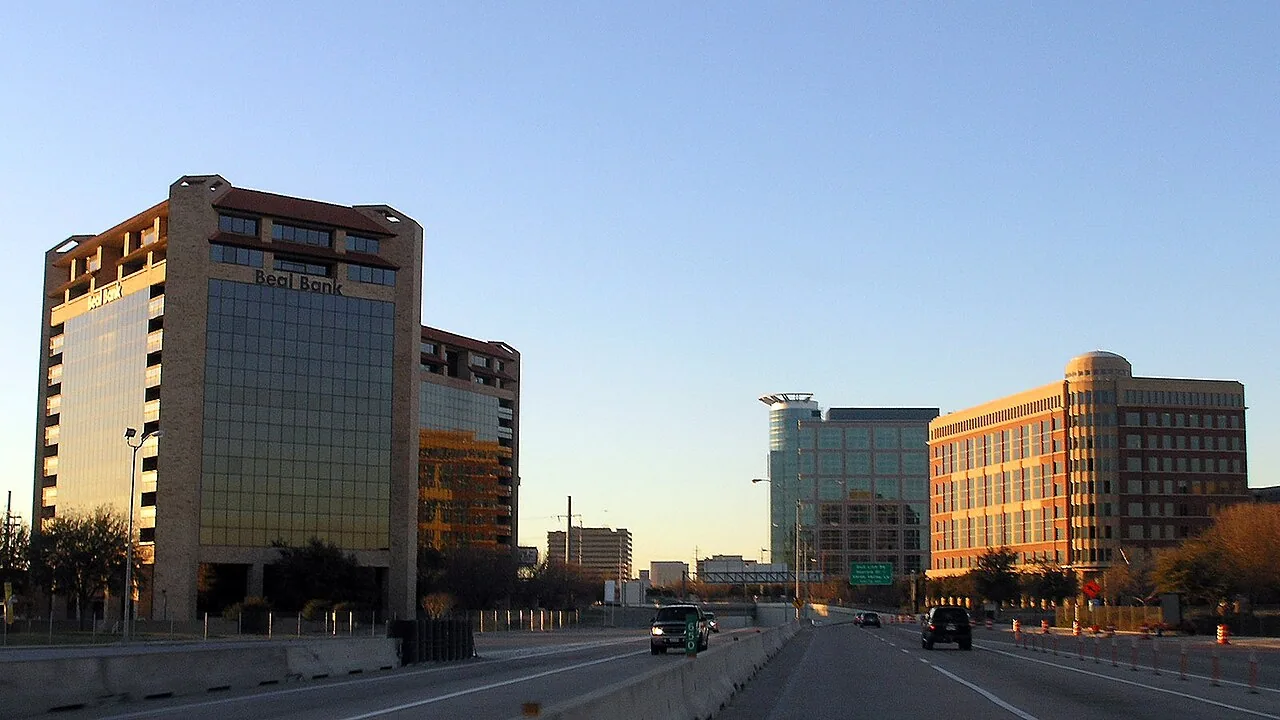
A roof schedule on West Arapaho has to fit a corridor that mixes restaurants, offices, auto-related businesses, retail and a grocery store with City Hall and the public library. The area spans about 157 acres along Arapaho Road between Central Expressway and Newberry Drive. We plan from the actual building, service route and occupied hours. The corridor's mix helps set inspection questions; it does not reveal a specific roof's assembly or condition.
Request a Roof Assessment
All fields are required.
Commercial Roofing in West Arapaho Corridor, Richardson, TX
Plan the Work Around the Corridor Property
Set Access Around the Operating Property
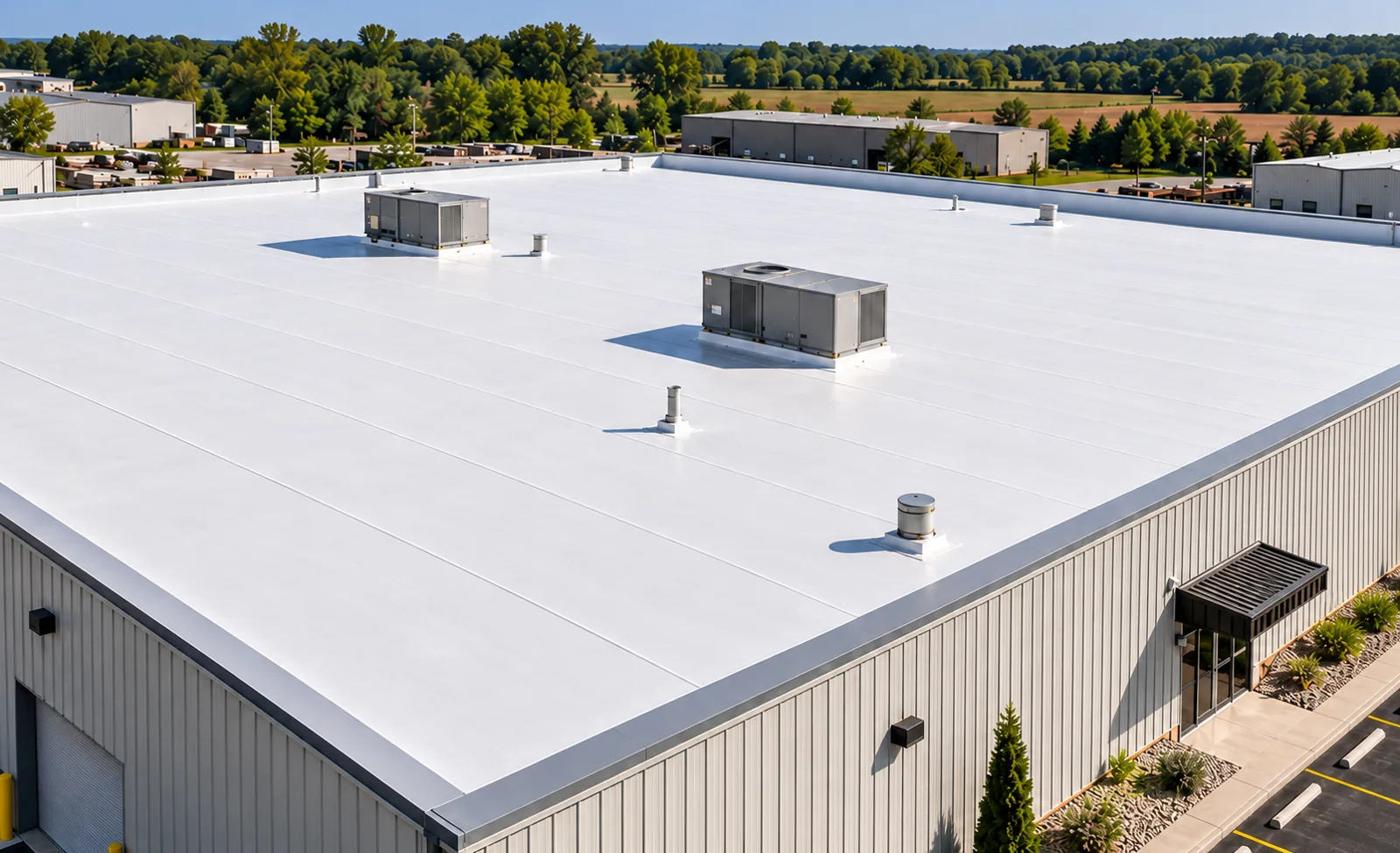
Traffic, deliveries and civic operations can shape when a lift, dumpster or material truck can use a property entrance. We confirm the delivery route, staging area, door access and noise limits with the site contact. When the roof sits over active public or business space, the plan includes interior protection and pedestrian control. These requirements affect crew hours and close-in sequence and should be clear before a proposal is compared.
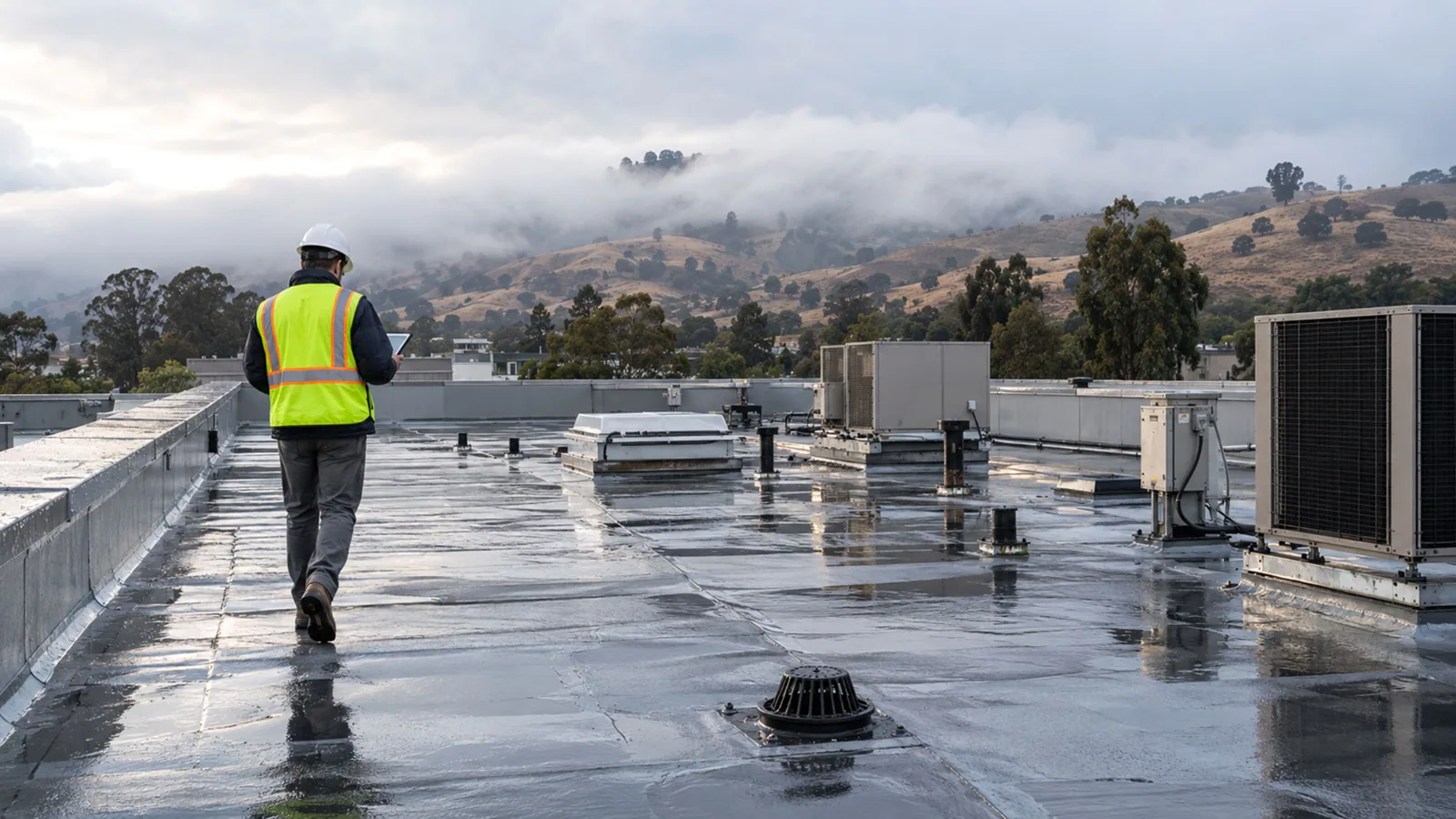
We begin by documenting membrane or panel type, seams, drains, walls, curbs and previous patches. A commercial roof inspection can locate defects by roof zone and identify where testing is warranted. We do not infer the construction or roof type from the nearby civic buildings or business categories. The owner receives observations from the inspected property, with access limitations stated.
For a leak over an office or public counter, the interior mark may not sit below the roof opening. We compare the report with flashing, seams, drains and equipment details, then check whether moisture has moved through insulation. A roof report with photos shows the evidence, recommended action and boundary of a proposed repair. That helps a property manager explain the decision to a tenant or department head.
Distinguish a Local Repair From a Roof Cycle
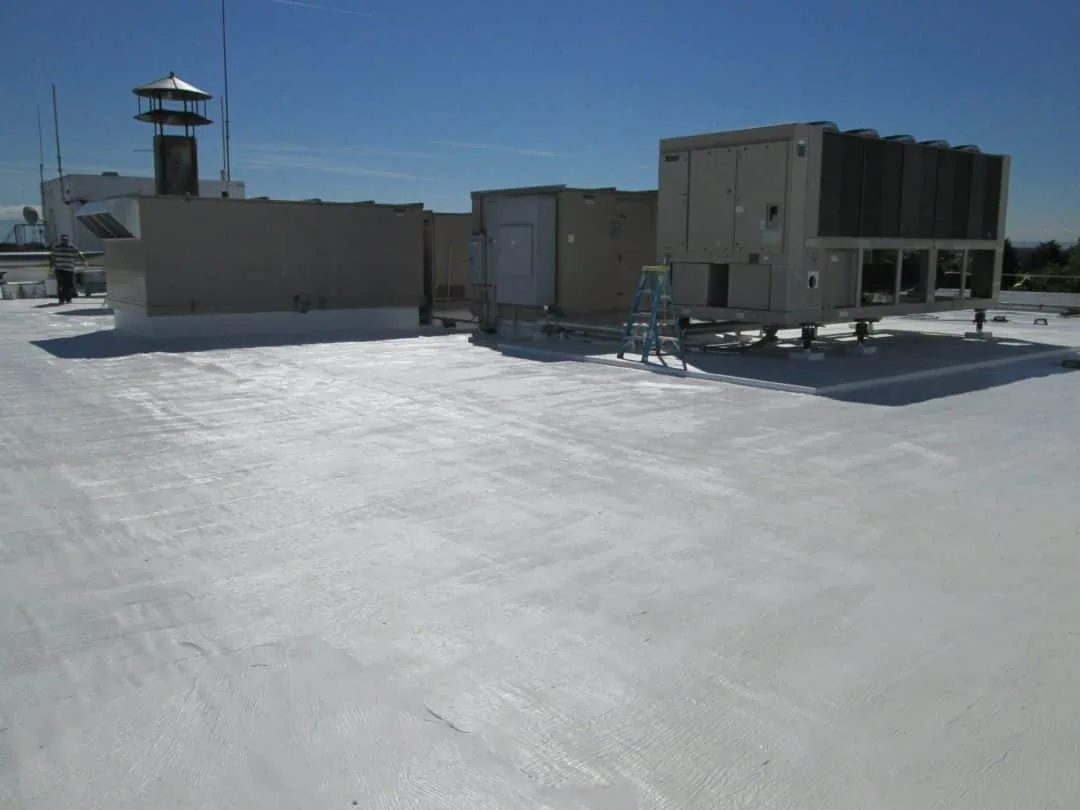
A small puncture or open seam can support a repair when surrounding material is dry and secure. If leaks recur across several zones, insulation is wet, or attachment is failing, the cost of repeated service may change the decision. We show the repair area and the risk that remains outside it. Commercial roof repair names preparation, compatible material and tie-in instead of treating every roof condition as a full replacement.
A recover only works when the existing assembly can support another layer and drainage remains adequate. We inspect layer count, deck, attachment, roof height and moisture before considering a recover option. If those findings do not support it, we price tear-off and replacement as a separate path. That comparison helps ownership decide whether to use current maintenance funds or schedule a capital project.
For replacement, the estimate lists tear-off, disposal, deck assumptions, insulation, cover board, membrane, edge metal, flashing and equipment work. A concealed deck condition gets an approval step and a unit price when practical. We also set the daily watertight boundary. Civic or retail operations need a schedule that identifies when each entrance or service area may be affected.
Keep the Roof Secure Between Shifts
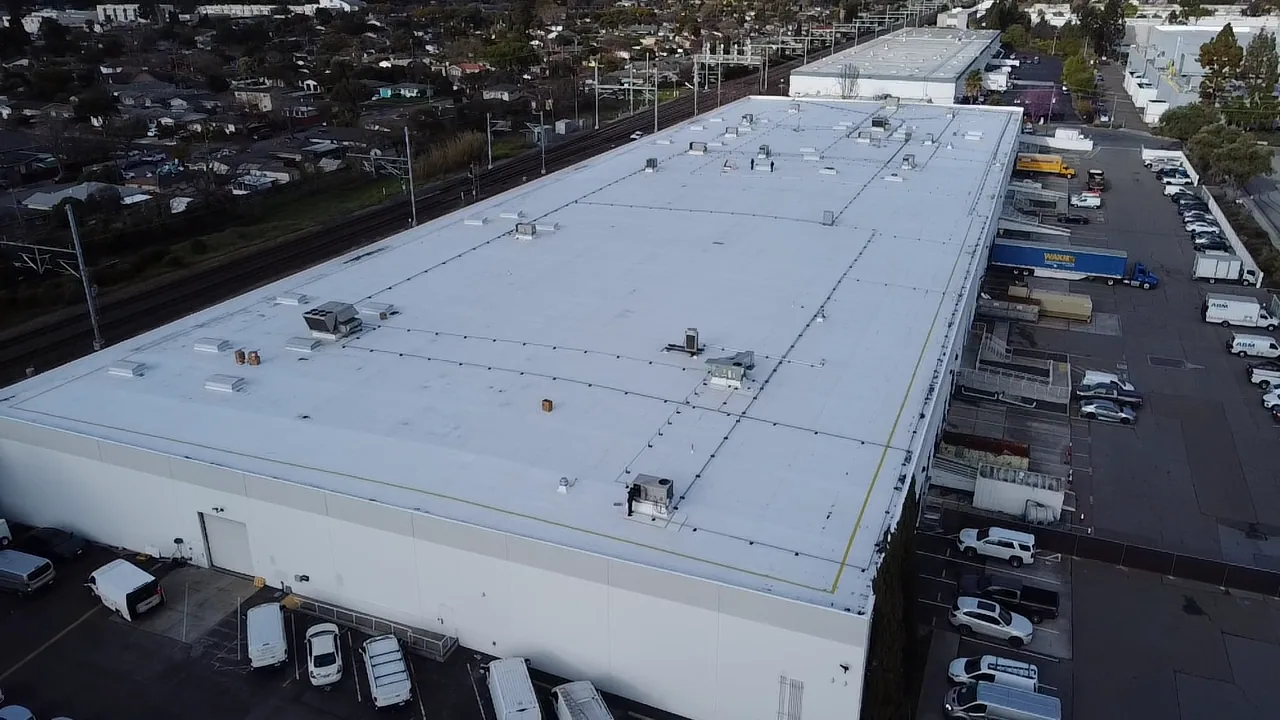
Richardson's July and August average daily highs run near 96 degrees. Heat affects surface preparation, material handling and the hours crew can work efficiently. Spring is the most active period for severe-weather frequency in the DFW region. We sequence tear-off in sections sized for a secure close-in before the end of the workday, then protect the section if a forecast delay changes the plan.
Regional hail or wind reports do not establish damage on West Arapaho. We photograph what is present at the property, record the visit date and note punctures, open seams, displaced metal or water entry. A storm damage roof review can document the inspected condition without attributing a cause the roof cannot establish. Ownership then has a defined record for its repair decision.
Water flow also needs an on-roof check. We inspect drains, scuppers and overflow routes for blockages or failed flashing and note low areas that hold water. Where an outlet or adjacent detail is the confirmed issue, drainage repair can be priced with the necessary membrane tie-in. We do not assign a drainage correction based only on an interior stain or a wet-weather report.
Use Code Review for the Proposed Work
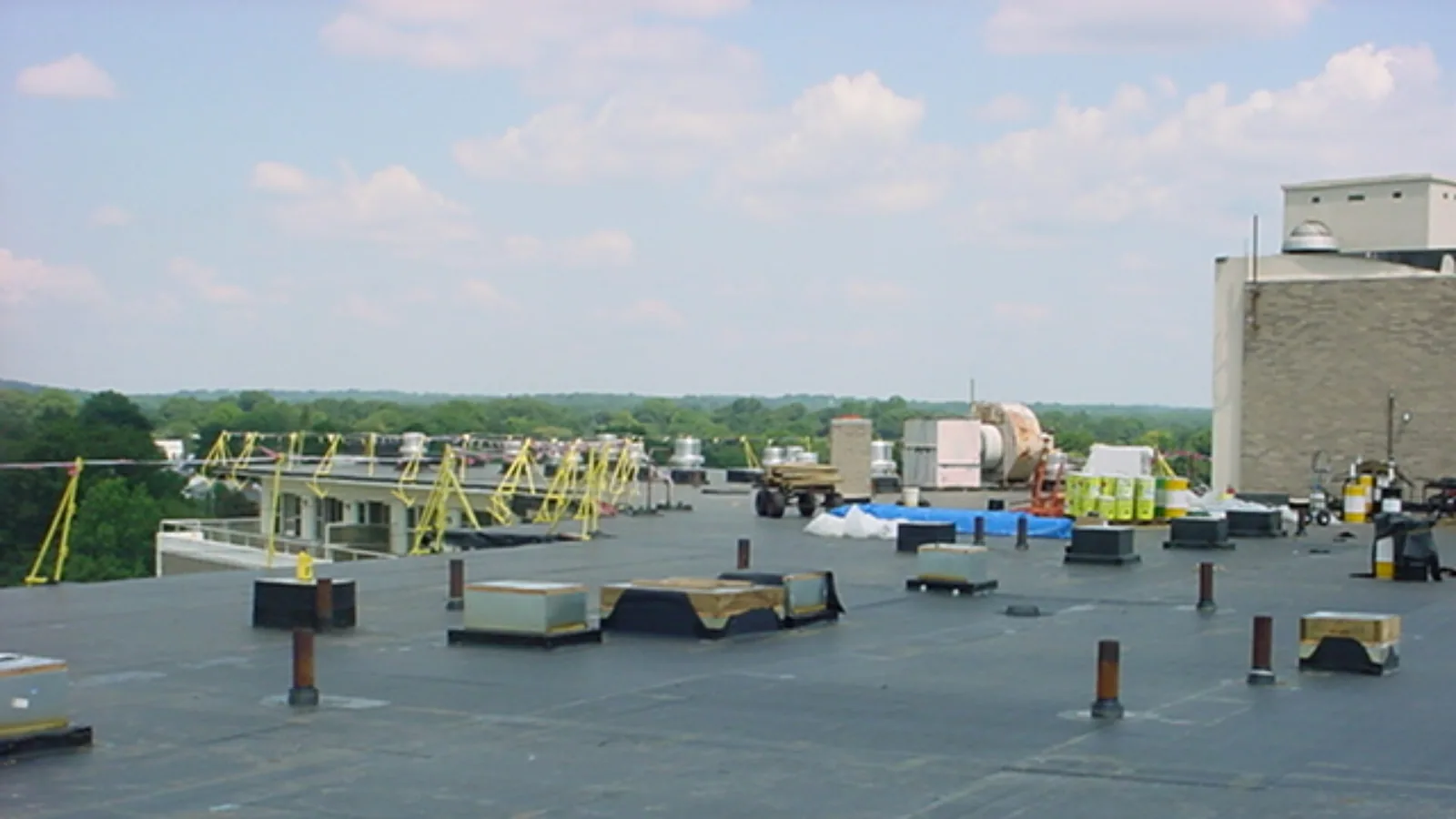
Richardson's code set uses 2021 building, existing-building and energy editions with local amendments. Permit requirements depend on the scope, assembly and related structural or mechanical changes. We confirm the applicable review path before ordering materials. If a project also changes rooftop equipment, the estimate states whether curb, flashing and trade coordination are included or assigned elsewhere.
Roof coating may extend a serviceable assembly, but only after adhesion, moisture, drainage and repair needs are checked. A coating restoration evaluation separates surface preparation and membrane repair from the area coated. Where wet insulation or unstable attachment exists, restoration may not address the failure. We price only options supported by observed conditions.
West Campbell is a separate Richardson corridor with neighborhood retail, restaurants and small office buildings; West Spring Valley includes older apartment properties and aging retail within its study area. A West Campbell roof visit or West Spring Valley condition check must use each property's own access and roof map. Shared city standards do not make their scopes interchangeable.
For a grocery or retail roof, we also note cooler or sign equipment that may affect access and flashing, but only when those items are present on the inspected building. The owner gets a list of observed transitions and any unit that needs coordination before work. That keeps a possible trade conflict from appearing as an unpriced change after mobilization.
Write the Scope for the Owner's Decision
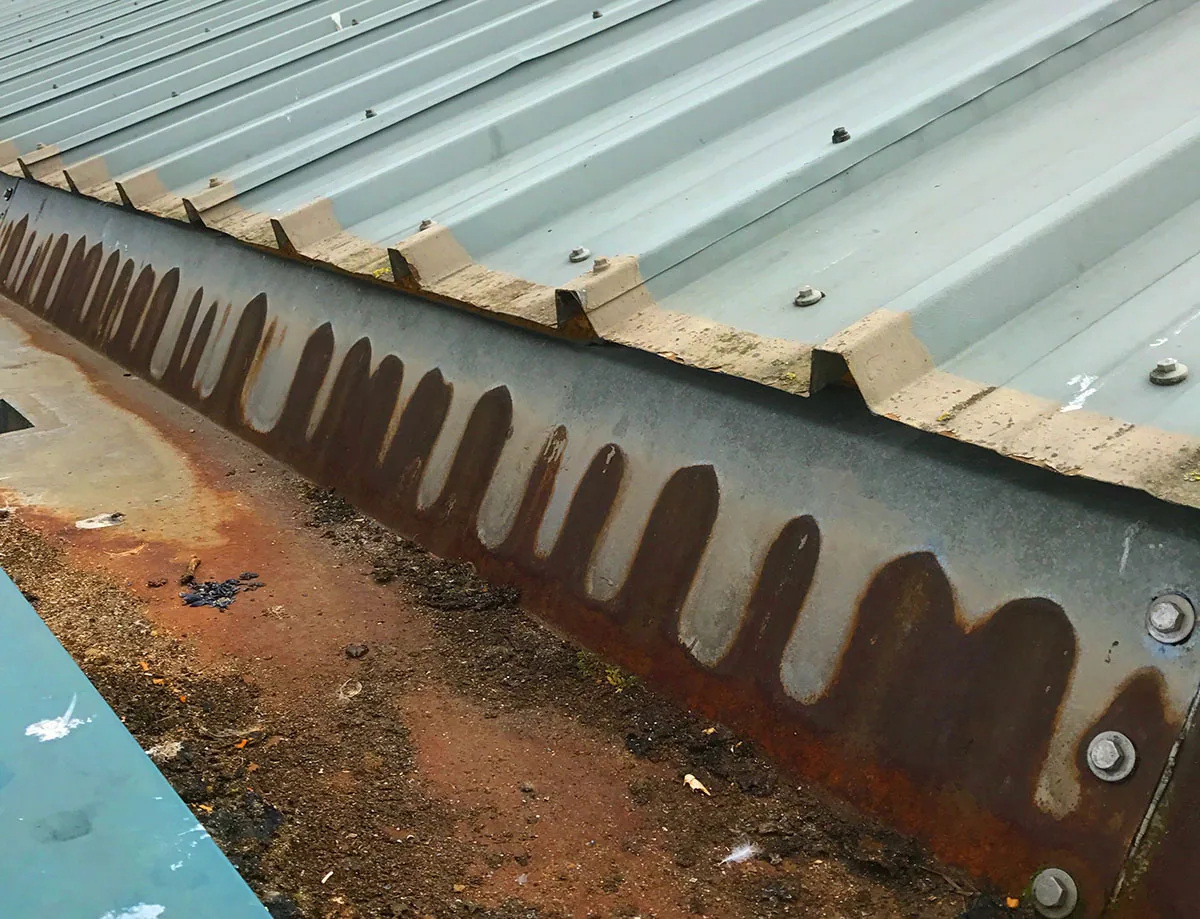
Cost can shift with the lift route, occupied hours, after-hours labor, equipment movement, waste path and the amount of substrate that needs repair. We state these assumptions and separate them from measured roof quantities. If access to one area is blocked, the report says so. Ownership can decide whether to authorize a second visit or hold that zone outside the present work.
Closeout lists the repairs performed, material installed, dated photographs and any uncompleted item. When the roofer and another trade share a penetration, it identifies which party completed the flashing and who must approve a later alteration. The record helps a future facilities contact distinguish a repaired curb from an open coordination item.
Send the building, leak history, operating window and decision date. We will inspect the property and return a repair, recover or replacement scope linked to the observed roof. The recommendation will show what can be addressed now and what condition would justify a larger spend later.
Related Roofing Work
Commercial Roof Inspection
Commercial Roof Condition Reports
Commercial Roof Repair
Commercial Roof Recover and Overlay
Questions About West Arapaho Corridor
How do you keep West Arapaho business entrances accessible during roof work?
We confirm the lift and delivery path, active entrances, staging boundary and debris route with the property contact before scheduling. If access needs a temporary change, the work plan names its timing and restoration.
Does having City Hall and the public library in the corridor change every roof scope?
No. Those civic uses are part of the corridor context, but the inspected building determines roof assembly, access and work hours. We document the property-specific conditions before recommending a repair or replacement.
What should happen when a leak appears in a civic or retail space?
We protect the interior, locate the likely roof path, inspect nearby details and separate active stabilization from permanent work. The estimate identifies what is confirmed and what still needs testing.
Can you coordinate roofing with auto service or grocery deliveries?
We can plan around the operating schedule after the site contact confirms access, loading and noise limits. Those conditions can change staging and labor, so they are recorded in the proposal assumptions.
When is a coating not a suitable alternative to replacement?
Wet insulation, poor adhesion, failing attachment, unresolved leaks or blocked drainage can make coating unsuitable. We inspect the substrate and list the repairs needed before deciding whether a restoration scope is viable.
Plan the Work Around the Corridor Property
Share the building, operating limits, current roof concern and decision deadline. We will inspect the roof and return a defined schedule and scope boundary.