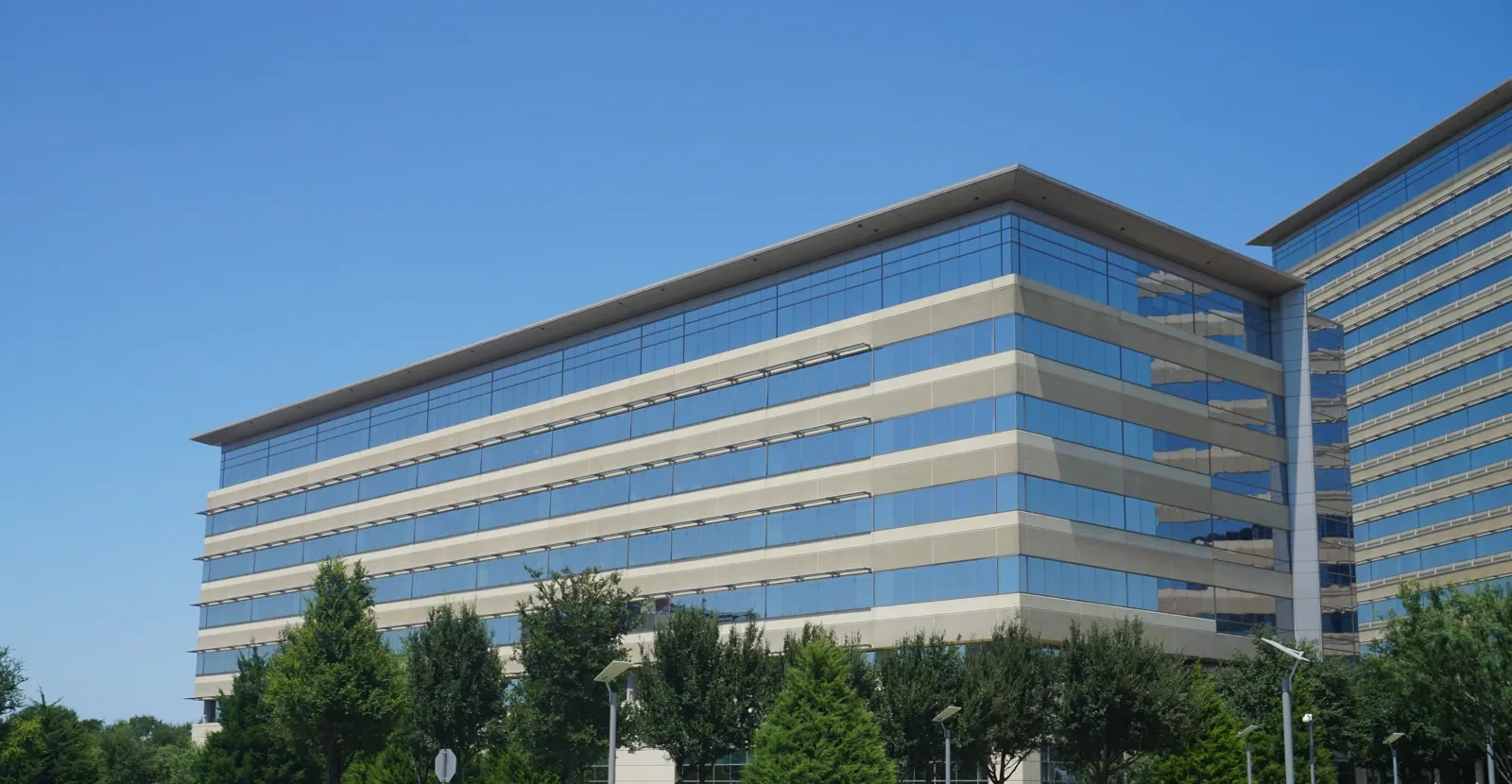
A roof report should help an owner decide what to repair, test or budget next. For commercial properties in Richardson, TX, we connect observations to the roof zone, photograph the detail, and explain what the finding changes. The record separates visible conditions from test results and unresolved questions. That gives facilities, ownership and a future manager a usable basis for action instead of a stack of unlabeled photos.

Request a Roof Assessment
All fields are required.
Commercial Roof Condition Reports in Richardson, TX
Get Findings Ownership Can Use
Record the Roof by Zone
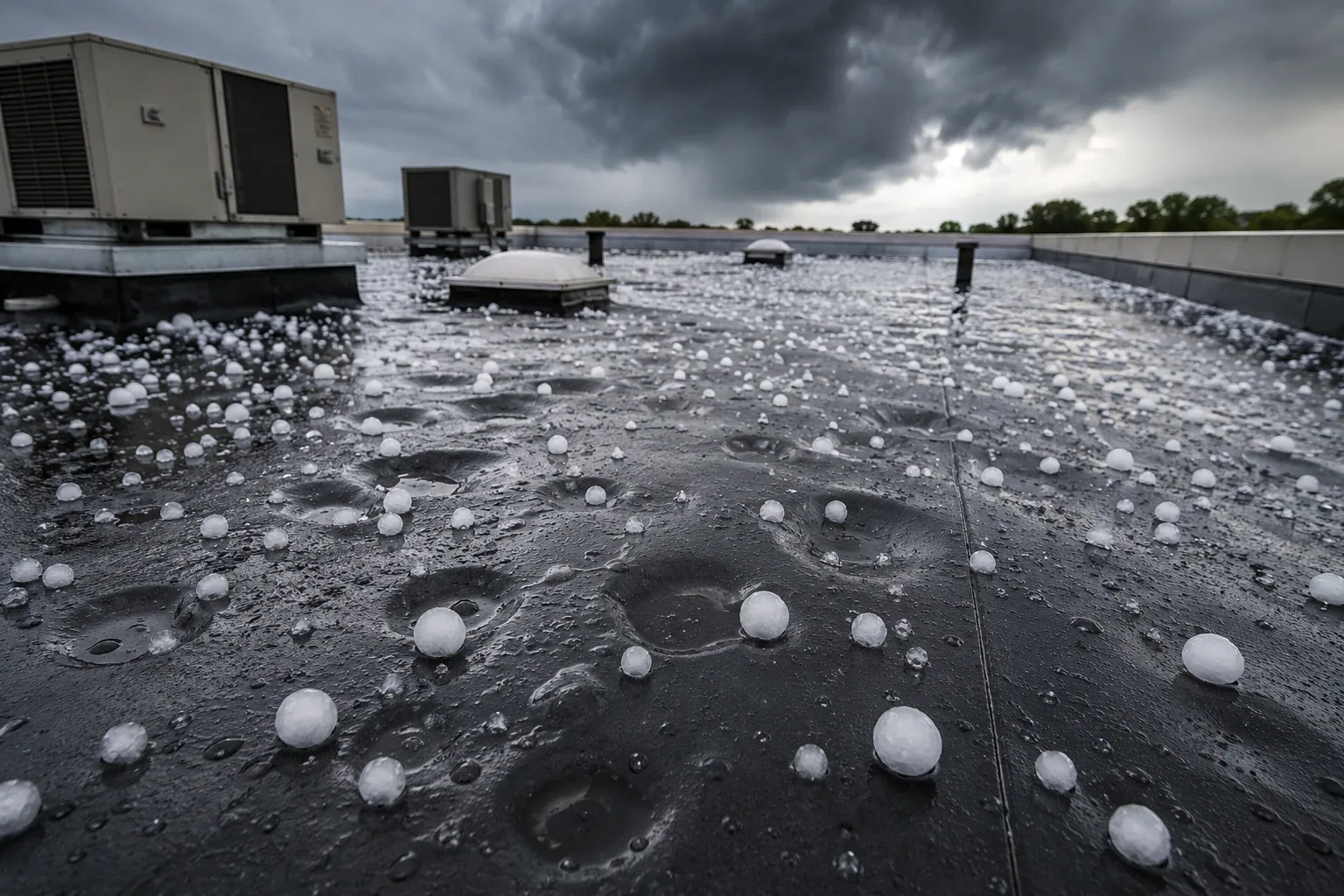
Before the walk, we confirm roof access, building contacts, known leaks, recent work and any area that cannot be entered. The inspection then follows a defined route through field membrane or panels, edges, penetrations, equipment curbs, drains, scuppers and transitions. We note the roof surface, condition and location of each issue. If an area is blocked or unsafe, the report says so instead of implying the entire roof was reviewed.
Richardson Innovation Quarter includes technology, manufacturing, education and research organizations; CityLine includes office, medical, residential, retail, hotel and civic uses. Those district facts indicate that site rules and operating hours can differ. The property manager confirms the conditions at the building being inspected. If access must avoid an equipment shutdown or an occupied suite, we include that window in the visit plan, not in a generic assumption.
A commercial inspection can capture a visual condition, while an infrared moisture survey or selective opening can add a different evidence type. The report labels which method supports each conclusion. It does not treat a thermal image as proof of a leak or a surface photograph as a view of concealed insulation.
Make Every Photo Explain a Finding
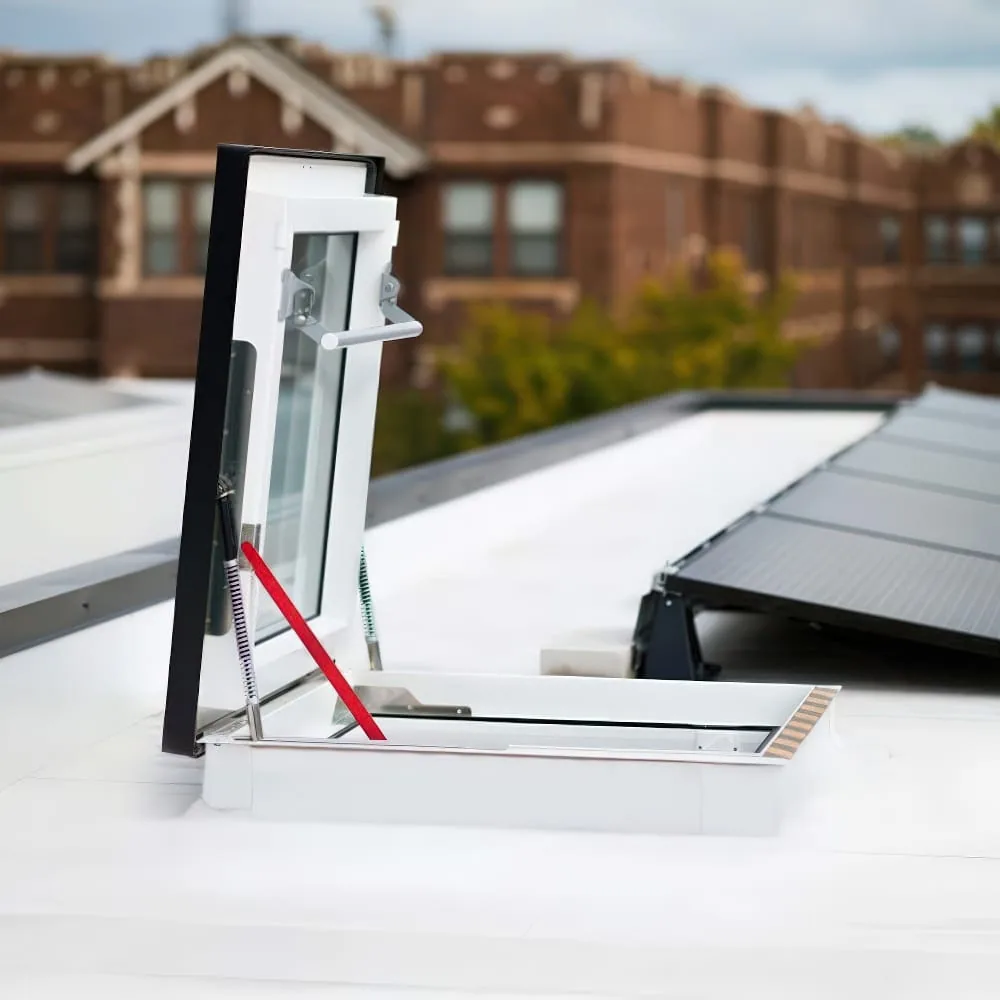
A useful image needs a close view of the defect and enough surrounding context to locate it. We label each photo by property, roof zone, direction and inspection date. A note can identify a split seam, lifted termination, open flashing, debris at a drain or a suspect patch. We pair it with a plain statement: what is visible, what may be affected, and whether further testing is needed. That lets ownership compare a later image with the same location.
For moisture concerns, we record interior reports and where they sit relative to roof features. Water can travel beneath a membrane before appearing inside; the ceiling stain may not sit below the opening. We map the suspected path and state what supports it. If the observation is not conclusive, we describe the next check rather than label a cause prematurely. For active water, an emergency repair visit may protect the space while a permanent scope is prepared.
The report also records repair limits. If we inspected only a portion of the roof, the remaining area stays outside the conclusion. If a test cut was made, we record the opening location, result and restoration. The reader should be able to tell what was observed, what was measured and what remains unknown without interpreting a contractor's shorthand.
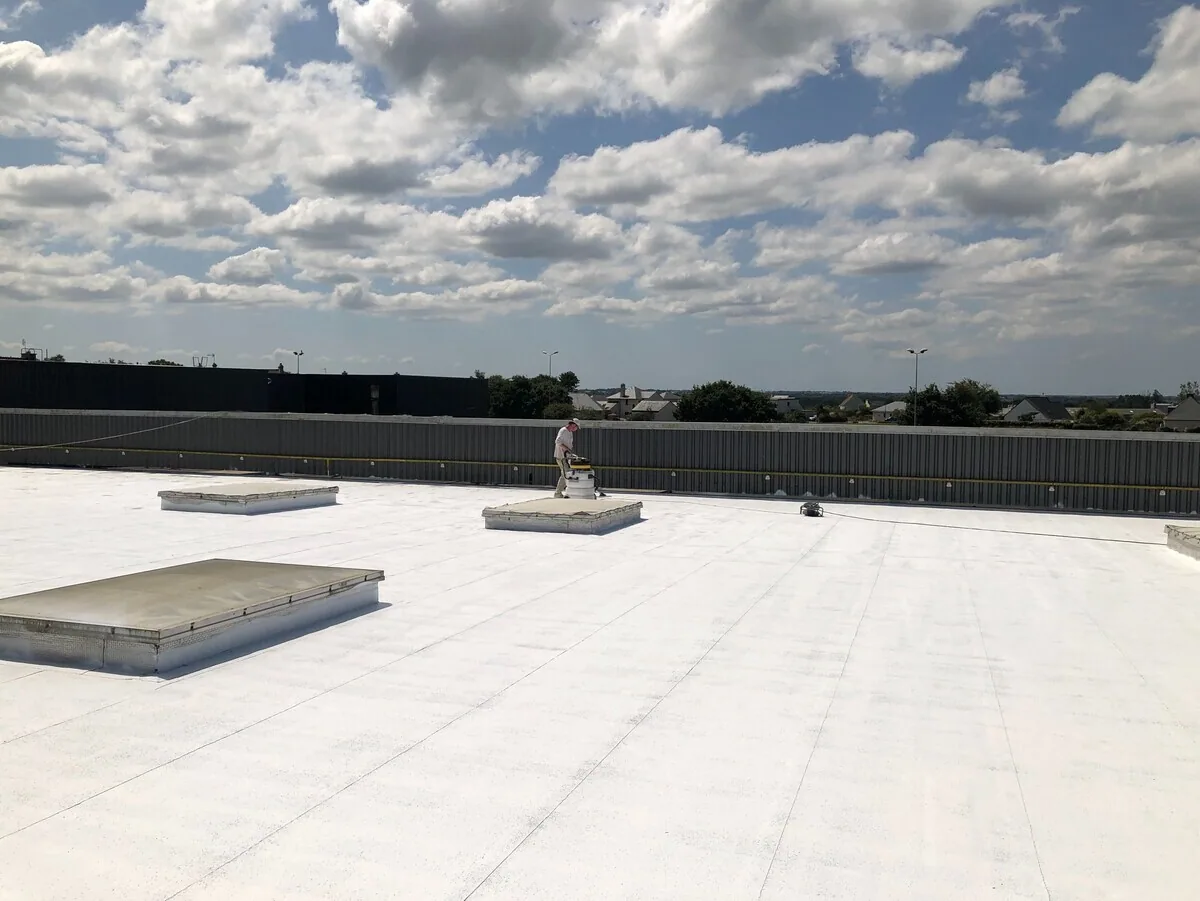
Tie Findings to an Action
Each item receives a practical next step: monitor, maintain, repair, test, or consider replacement. The action follows severity and evidence, not a color code alone. Active water, loose material or an exposed transition may need prompt work. Stable wear can be scheduled with the next maintenance visit. A repair scope names the included roof area and materials; a recover evaluation requires separate confirmation of existing layers, attachment and moisture.
Richardson's average July and August highs approach 96 degrees, and spring brings the DFW region's peak severe-thunderstorm period. These patterns make seasonal inspection timing useful, but weather does not prove the condition of a specific property. We tie recommendations to field evidence and note when a post-storm visit would add value. An owner comparing alternatives can connect the findings to capital planning with a decision date and cost basis.
If a roof appears to need replacement, the report should explain why localized work may not resolve the condition. It can list repeated failures, wet test results, attachment concerns or broad deterioration by zone. The reader can then compare a defined repair with a replacement scope that includes removal, deck assumptions, insulation and drainage. Each option stays attached to the evidence that supports it.
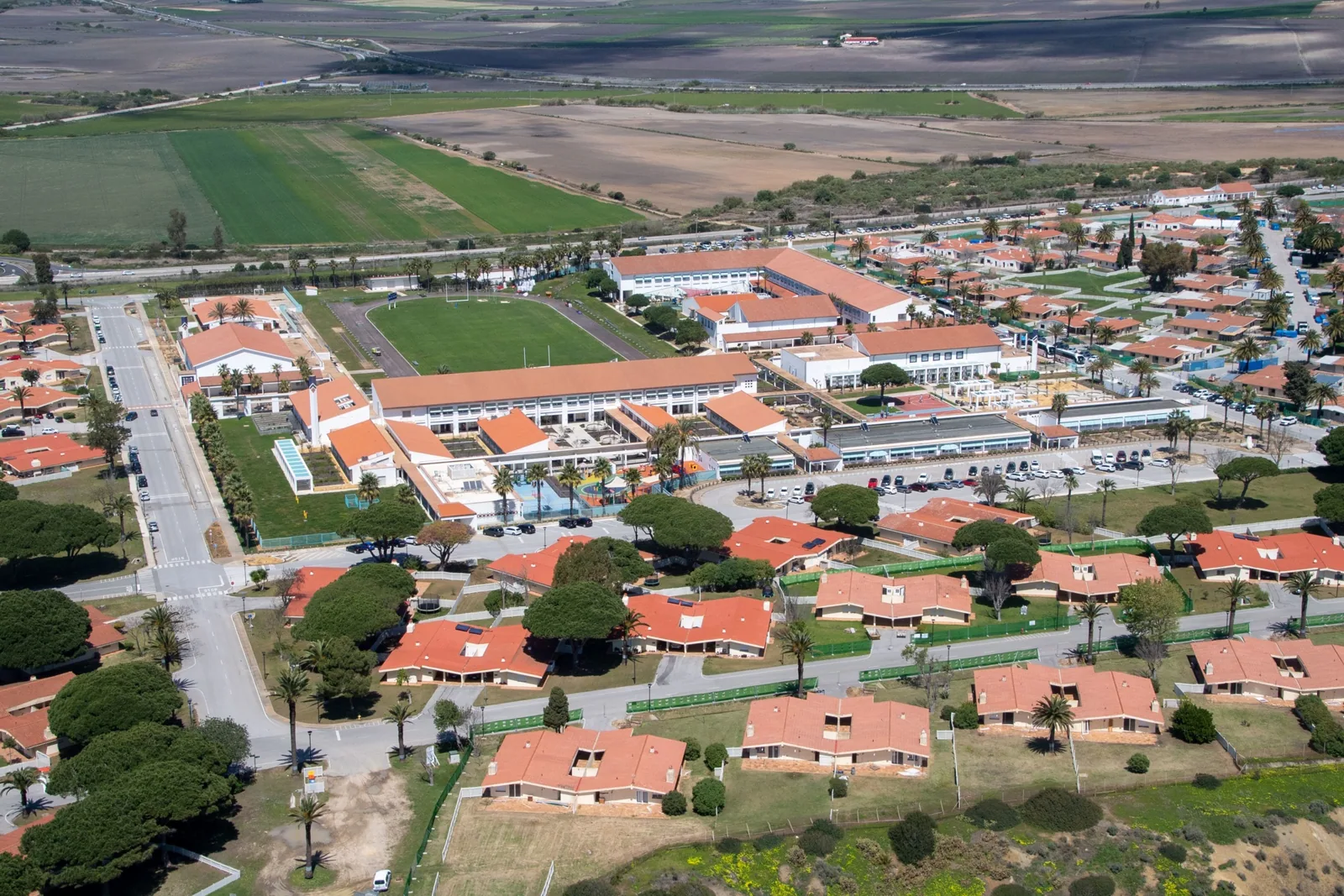
Make the Record Work After Turnover
Reports often outlast the person who requested them. We keep building name, inspection date, access limits, roof-zone labels, findings, photographs and open actions together. The property contact can assign each item and due date, then provide the record to a new facilities manager without translating informal notes. A roof asset register can connect the report with prior repairs and the next review date.
For multiple buildings, the summary can group similar needs, such as drain maintenance or repeat seam repairs, while keeping each property’s evidence separate. We do not transfer a finding from one building to another. CityLine's mix of office, medical and retail uses illustrates why shared district context is not a substitute for a building-level inspection.
When the report supports insurance documentation, we distinguish observed roofing conditions from interior restoration and coverage decisions. The record can include storm date supplied by the owner, inspection timing, photos and work completed. It should not imply that a weather event caused every condition or that an insurer will accept a claim. If permanent work follows, closeout photos can be added to the same roof-zone record.
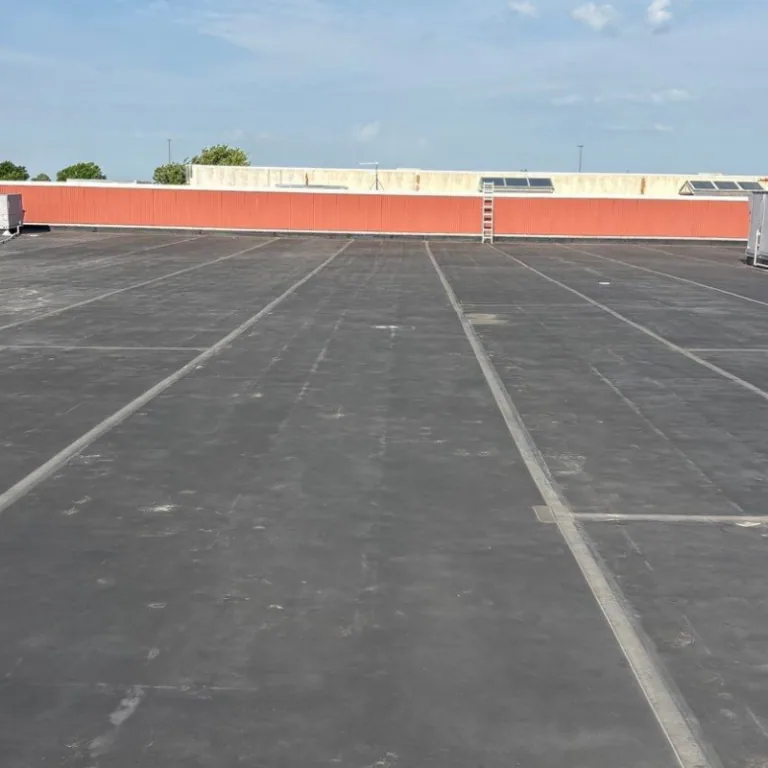
Deliver a Clear Decision Record
The completed report should let an owner find the important items quickly, then open the details behind each one. We organize urgent protection, defined repairs, additional investigation and longer-term planning separately. Quantities are tied to observed boundaries, and any assumption that could change cost appears next to the recommendation. If access prevented a complete review, that limitation is visible on the first read.
Richardson adopted 2021 building, existing-building and energy-code editions with local amendments. When a recommendation changes roof assembly, insulation or height, we identify that a city review may be needed and confirm the appropriate path before procurement. A simple repair may raise different questions than replacement; the report connects the permit step to the proposed work, not to an unselected option.
We can provide the inspection record alongside a maintenance schedule or multi-site program when ownership needs recurring reviews. Tell us which buildings are under consideration, what decision deadline applies, and whether interior water is active. We will return findings organized for the person who must authorize the next spend.
Related Roofing Work
CityLine
Commercial Roof Inspection
Infrared Roof Moisture Survey
Commercial Roof Repair
Questions About Commercial Roof Condition Reports
What makes a commercial roof report useful to an owner?
It ties each finding to a roof zone, dated photo, inspection method, action and decision deadline. We state what was visible, what required testing, and any area we could not reach.
Can photos alone confirm that insulation is wet?
Usually not. Surface images document visible conditions; moisture may require testing or a selective opening. We label the method used and avoid presenting one type of evidence as another.
Will the report identify the source of an interior leak?
We trace the report to roof features and identify the strongest observed path. If the evidence is incomplete, we state what further inspection or testing could resolve it.
Can the report support a roof insurance file?
It can organize dated observations, photos and roofing work. It does not decide policy coverage or assign a cause that the inspection cannot establish.
Can we use one report format across several properties?
Yes. Standard fields make portfolio review easier, while each building keeps separate photos, findings, repair boundaries and access notes.
Get Findings Ownership Can Use
Send the property list, inspection access details, known leak locations, and decision deadline. We will document each roof zone and return photos tied to practical next actions.