A manufacturer name matters when it identifies the membrane, accessory or repair method already on the roof. It does not by itself establish condition, warranty coverage or the right replacement. We inspect the assembly, read available product and warranty records, then match materials to the work. Richardson's long summer heat and spring storms put seams, flashing and edges into the project discussion, while building access and the budget year determine when work can proceed.
Verify the Product Before You Approve the Repair
Start With the Existing Assembly
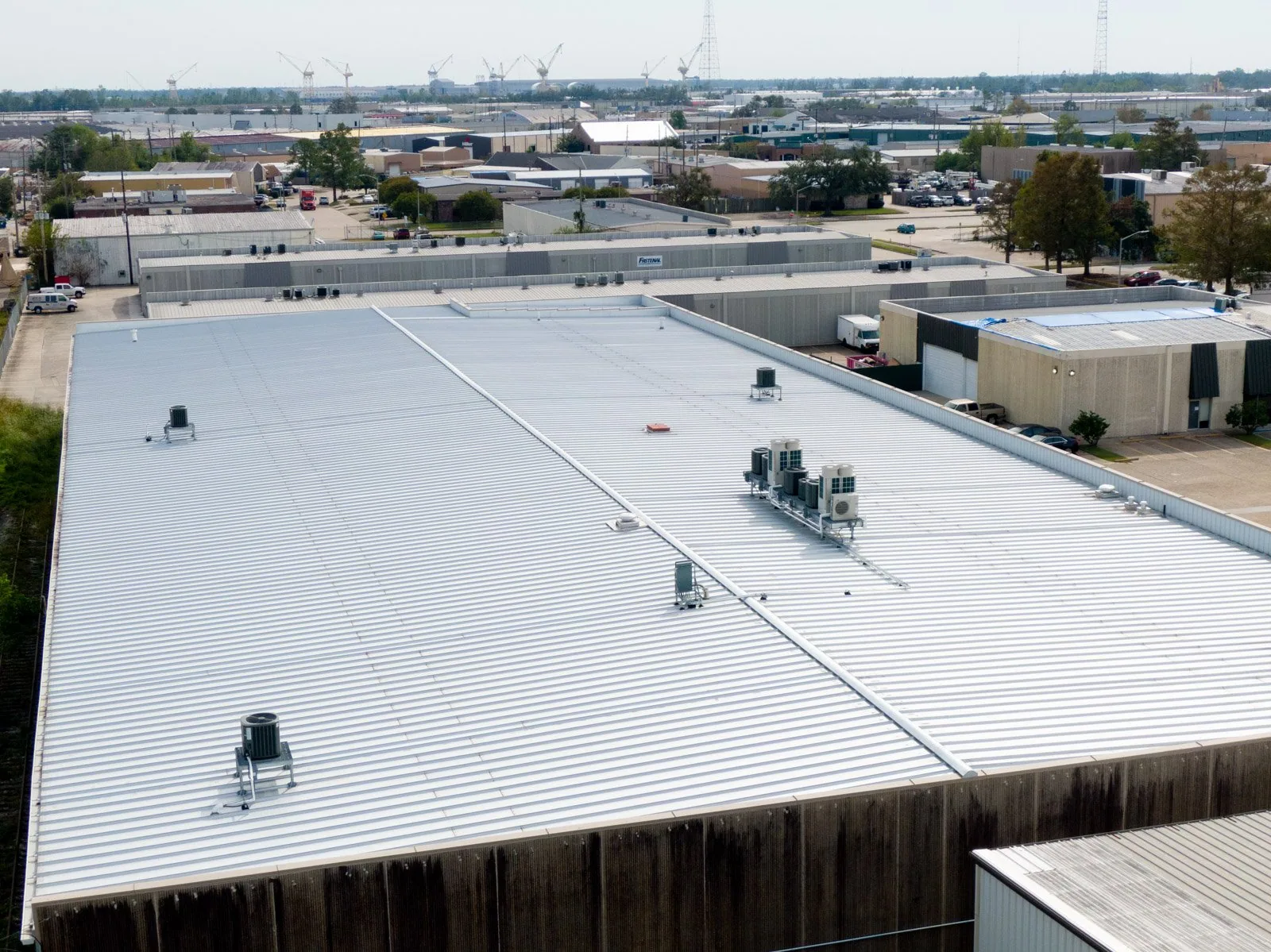
We confirm whether the roof uses a single-ply membrane, modified bitumen, built-up layers, metal, foam or a coating before choosing a repair product. The GAF, Carlisle SynTec and Johns Manville systems have product-specific components and installation details. A similar-looking roll or flashing material is not automatically compatible with the existing roof.
Keep the Tie-In Compatible
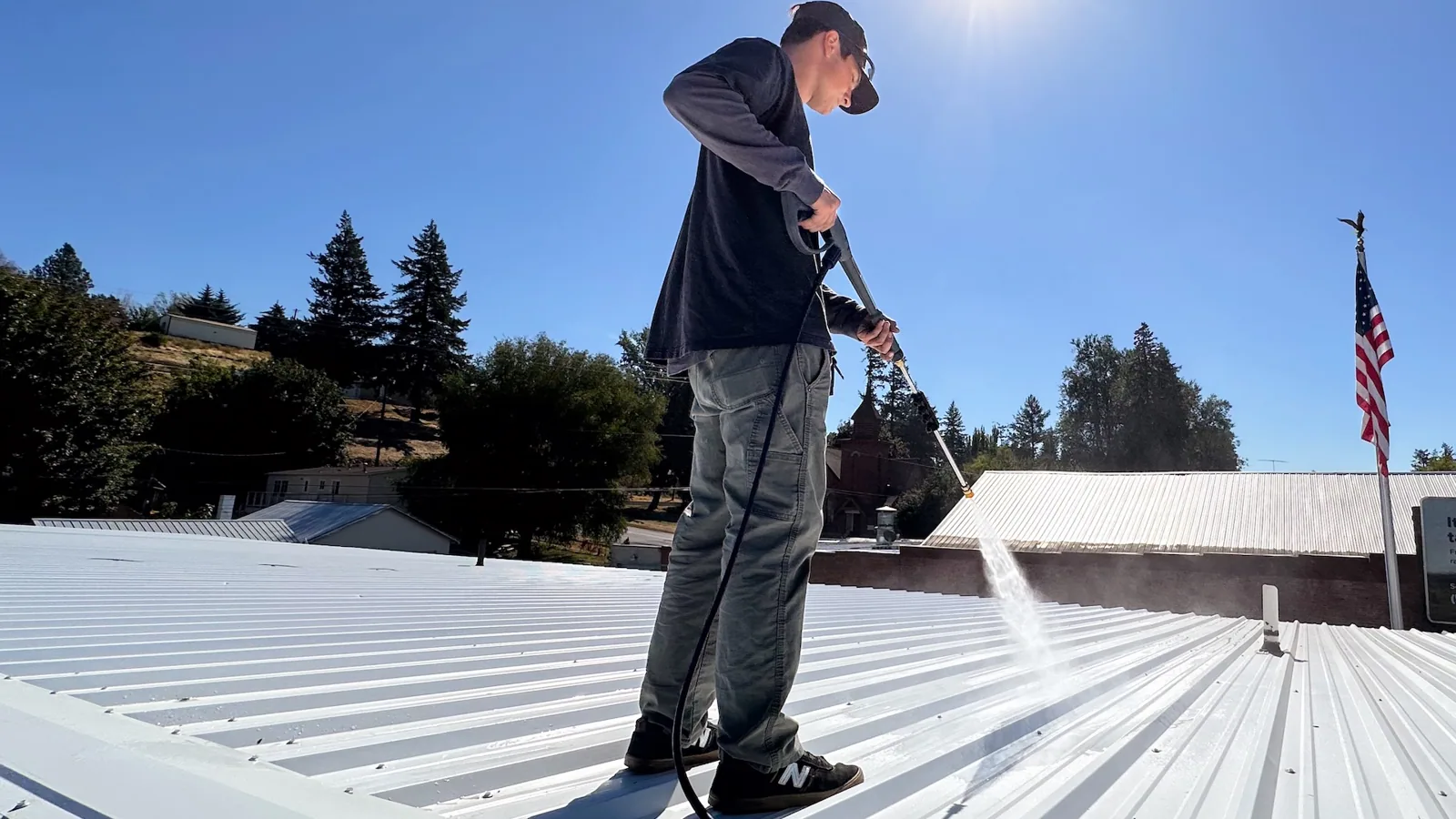
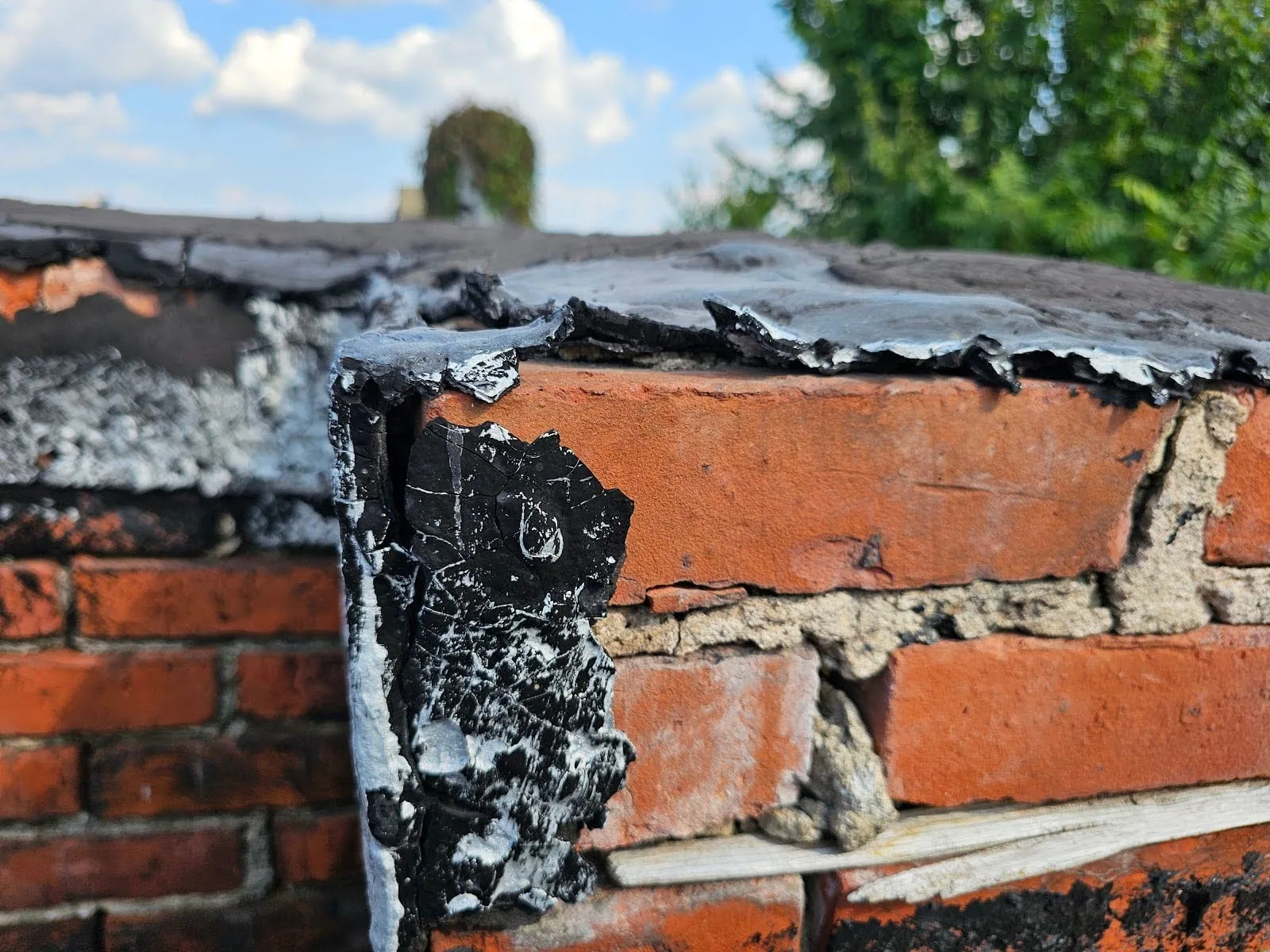
At a seam, curb, edge or drain, the substrate and existing material govern preparation. We identify what must be cleaned, primed, welded, adhered or mechanically secured according to the system and scope. Holcim Elevate, Sika Sarnafil and Versico each represent product lines that should be specified by exact system rather than brand shorthand. The field report names the material observed and flags missing records before a warranty-sensitive repair.
Read the Warranty Before Changing the Roof
Warranty requirements may set inspection, notice, repair and documentation steps. We review available documents with the owner and define what records or manufacturer review may be required. Work recommendations should distinguish the roofing contractor's scope from a manufacturer's decision about coverage. Soprema and Duro-Last systems also have product-specific accessories and details that need confirmation against the actual roof.

Connect Product Choice to the Building's Use
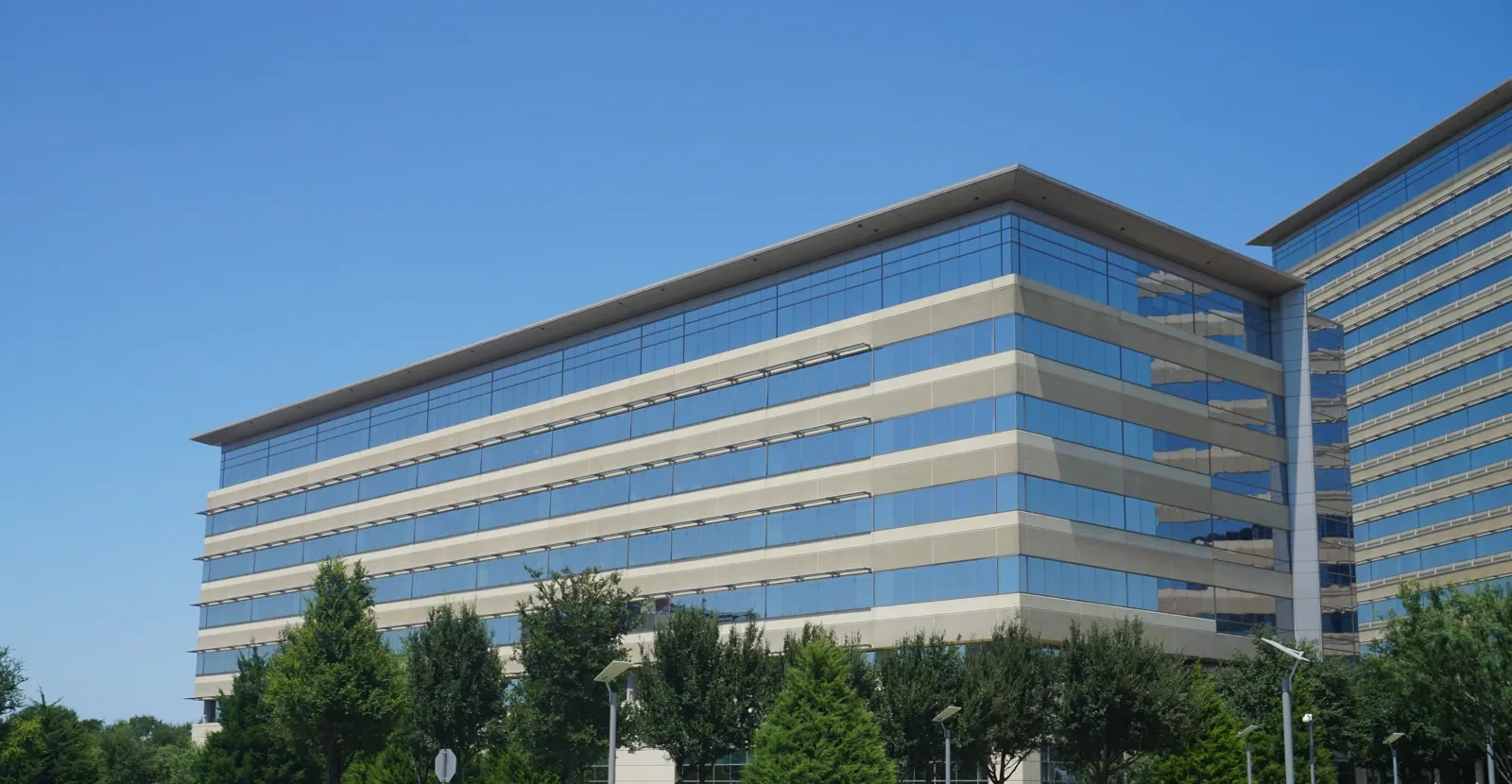
Richardson includes technology and office employers in Richardson Innovation Quarter and mixed-use buildings in CityLine. The roof assembly, tenant schedule and equipment layout determine how a product can be installed there. We consider heat exposure, spring storm timing, drainage, access and open-roof limits, then compare repair, recover and replacement. A roof inspection sets the known condition before a product or warranty assumption enters the estimate.
Keep Product and Scope Records Together
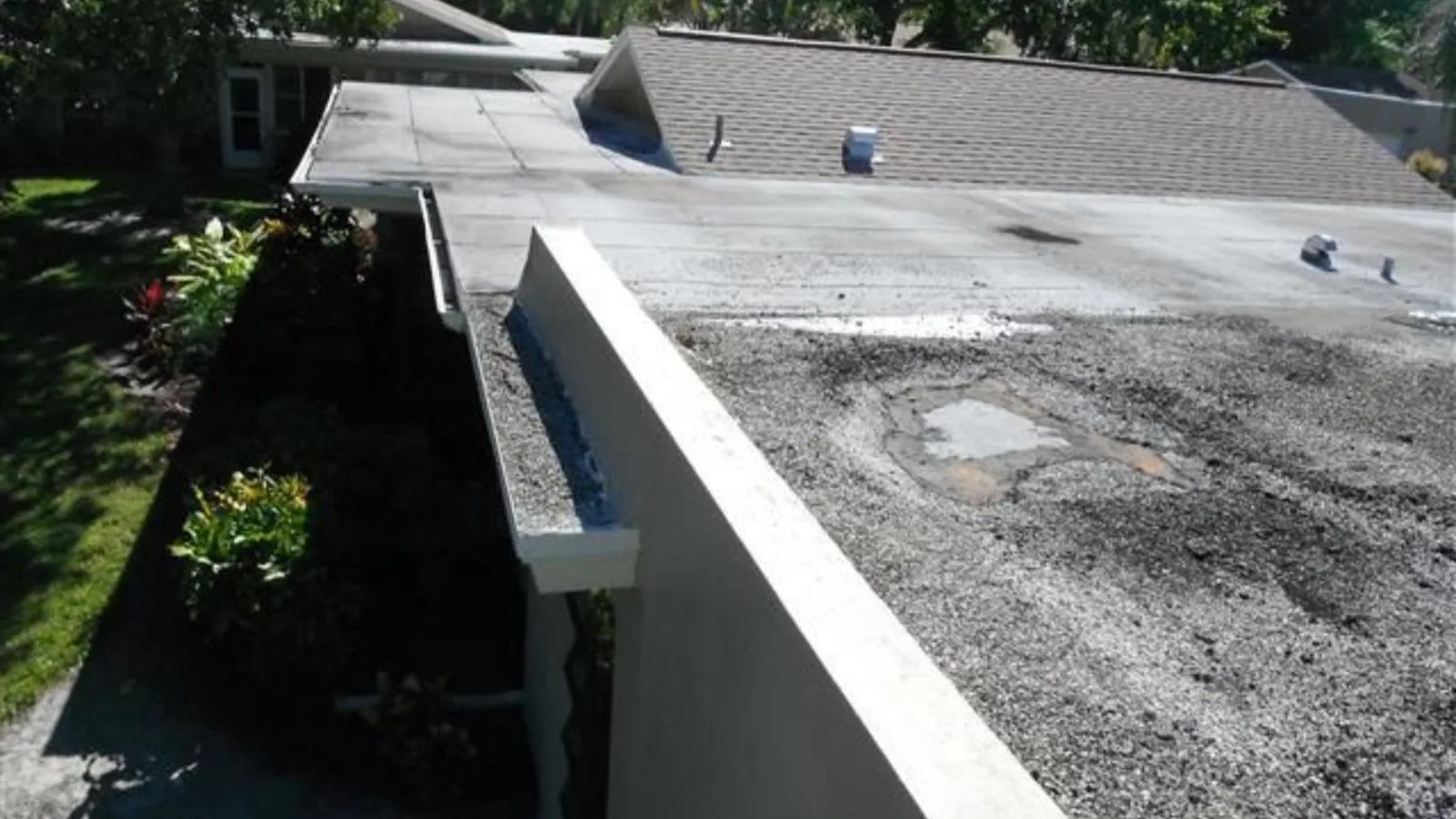
Ask for material descriptions, photos, repair locations, accessory details and warranty documents at closeout. Those records help the next maintenance visit avoid an incompatible patch and clarify what was installed. Provide any product submittals or warranty requirements before mobilization so the proposal can state the correct scope and approval steps.

Roofing Manufacturers: Common Questions
Does the manufacturer name identify what is installed on my roof?
Not always. Records may be incomplete and roofs can have repairs or later layers from different products. We check labels, documents and field details before identifying the assembly.
Can any compatible-looking material repair a single-ply roof?
No. Surface chemistry, preparation, attachment and accessory requirements matter. The repair detail must match the confirmed assembly and current manufacturer documentation.
Will a repair keep the existing manufacturer warranty in force?
That depends on the actual warranty terms and whether the work meets its requirements. We review available documents and identify when the owner should seek manufacturer review.
What records should be kept after a roofing project?
Keep the approved scope, product descriptions, installation and repair photos, inspection dates and warranty documents together. The record helps future service work match the installed system.
Request a Roof Assessment
Share the roof records, warranty documents and known failure area. We will identify the installed assembly and define a compatible, documented scope.