
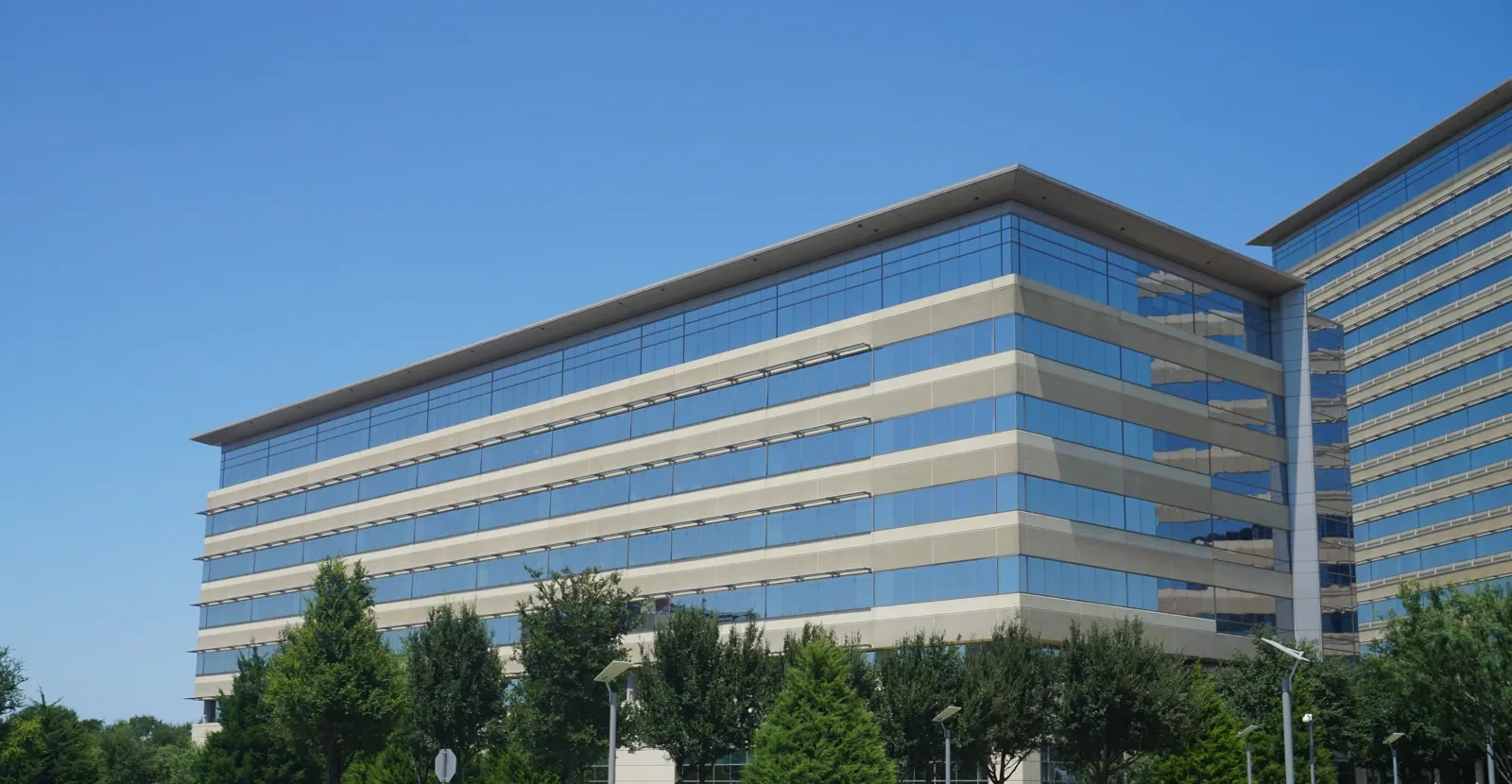
A property manager needs the next roof decision to fit the building calendar and ownership budget. One leak can trigger a tenant call, an emergency visit, and a capital question before the source is known. We inspect the assembly, map conditions by roof zone, and separate immediate protection from permanent work in Richardson, TX. The owner gets a defined repair line, the evidence behind it, and a realistic schedule for occupied space.
Request a Roof Assessment
All fields are required.
Commercial Roofing for Property Management Companies in Richardson, TX
Set the Next Portfolio Roof Decision
Rank Buildings by Condition and Exposure
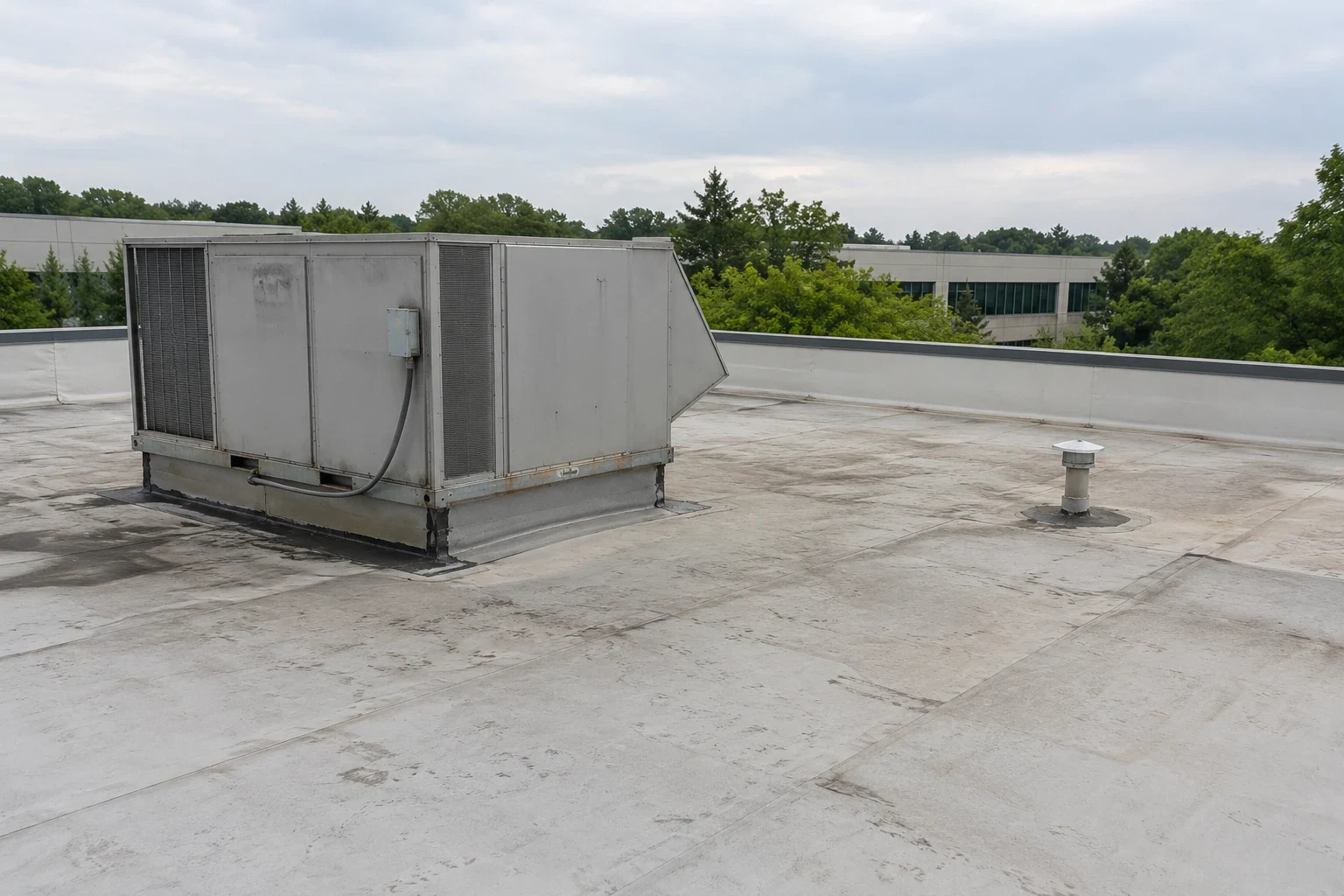
Start with a consistent record for each address: roof type, approximate installation history when available, prior repairs, drain locations, mechanical changes, and active leaks. We do not infer age or condition from appearance alone. A hands-on inspection can identify open seams, failed flashing, loose edge metal, wet insulation, and ponding that deserves follow-up. A roof asset review can organize those observations so ownership can compare buildings without treating every defect as equal.
When inspection finds more than one issue, rank the work by water entry, safety exposure, tenant impact, and the amount of sound material left around the defect. A loose edge above a public entrance may deserve a faster response than a dry surface blemish, even when the latter is easier to see from the parking lot. We note the sequence and the reason for it. Ownership can approve the first repair and keep the remaining items in the capital file without losing the condition context.
Richardson has different commercial settings across the market. Lakeside Campus includes corporate office buildings along US 75, while Richardson Innovation Quarter contains technology, research, manufacturing, and education organizations. Those places show why a portfolio may include different access patterns and rooftop equipment. The condition record still belongs to each property. We note the observed assembly and the specific decision that changes the next spend, rather than extrapolating from a nearby building.
Give Tenants a Clear Repair Window
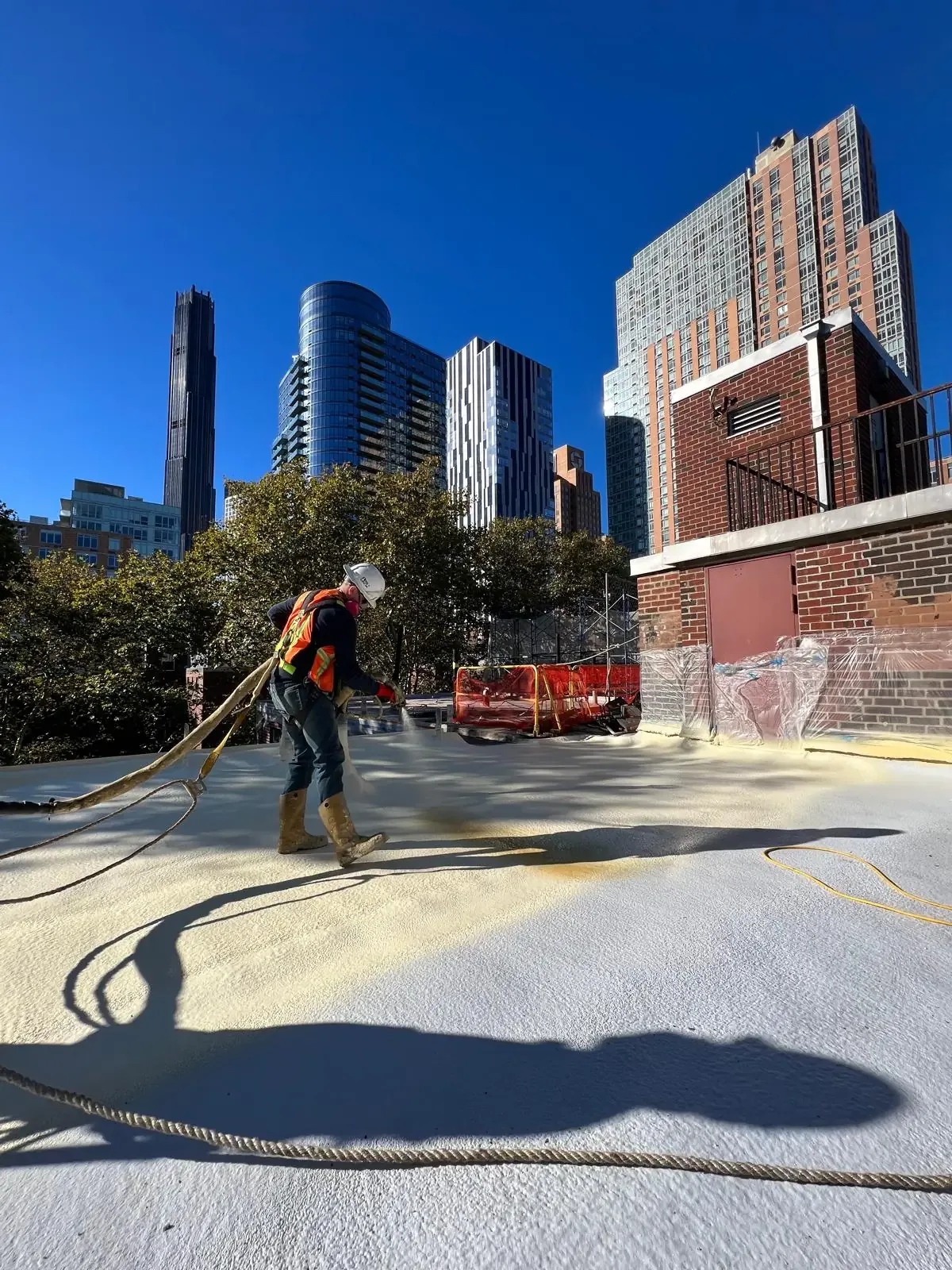
Tenant coordination starts with the space below the suspected leak. We match reported timing and room location to roof penetrations, drainage, previous patches, and rooftop equipment. A stain may sit away from the opening, so the service call should not become a ceiling-only repair. Our roof inspection documents the likely entry point and any adjacent conditions that may change the repair scope. For active water, an emergency response can protect interiors while a permanent correction is prepared.
Set a notice that names the affected entrance, loading area, parking zone, or suite and gives a work window. Retail and office tenants may have different peak hours; mixed-use properties may also share public paths and residential access. CityLine mixed-use district combines offices and medical uses with hotel, retail, apartment, park, and civic activity. That mix makes access planning visible, but the property manager must confirm actual building rules and tenant schedules. We coordinate barriers, deliveries, noise, and daily close-in against those instructions.
Separate the Work Order from the Capital Plan
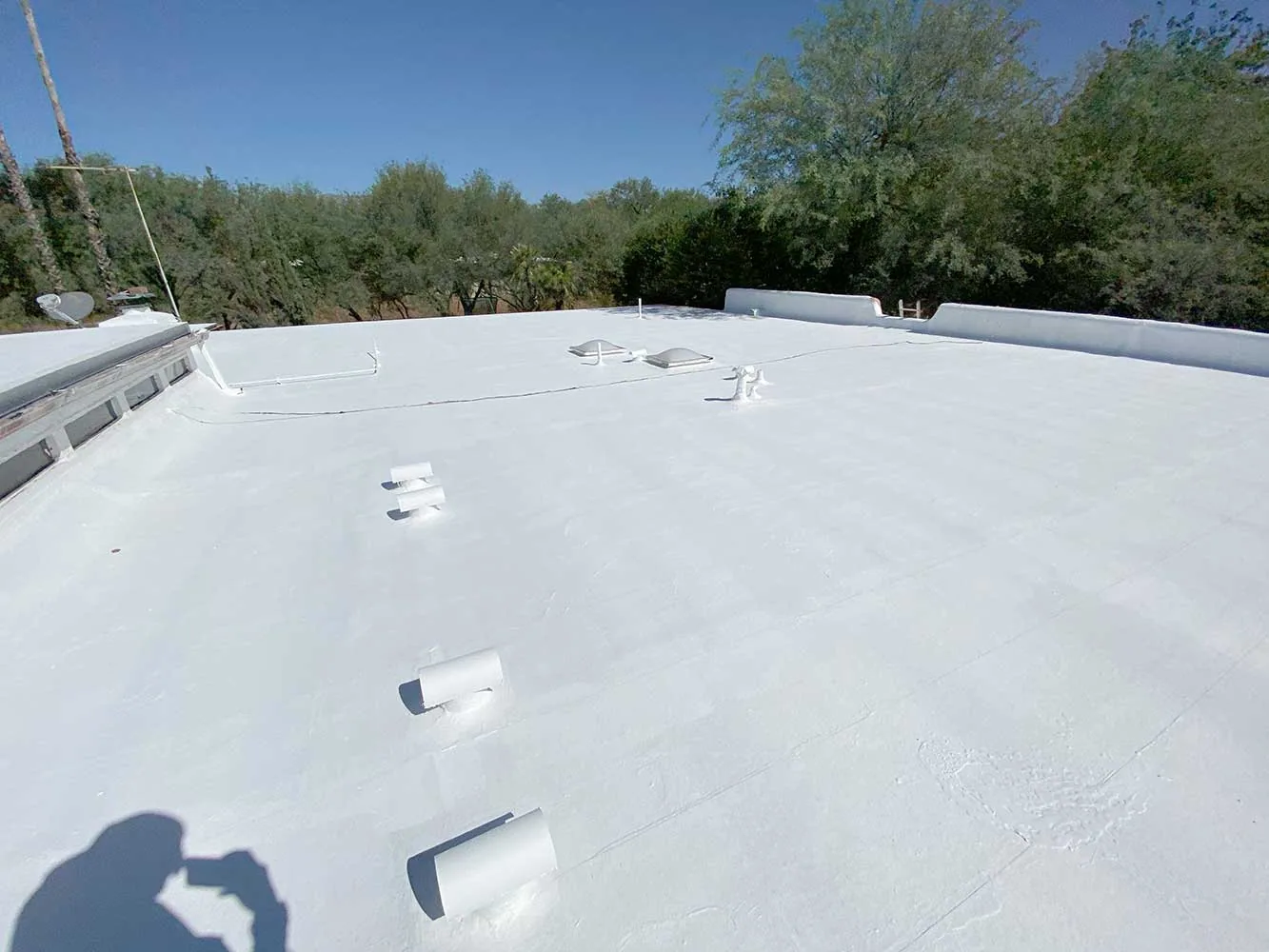
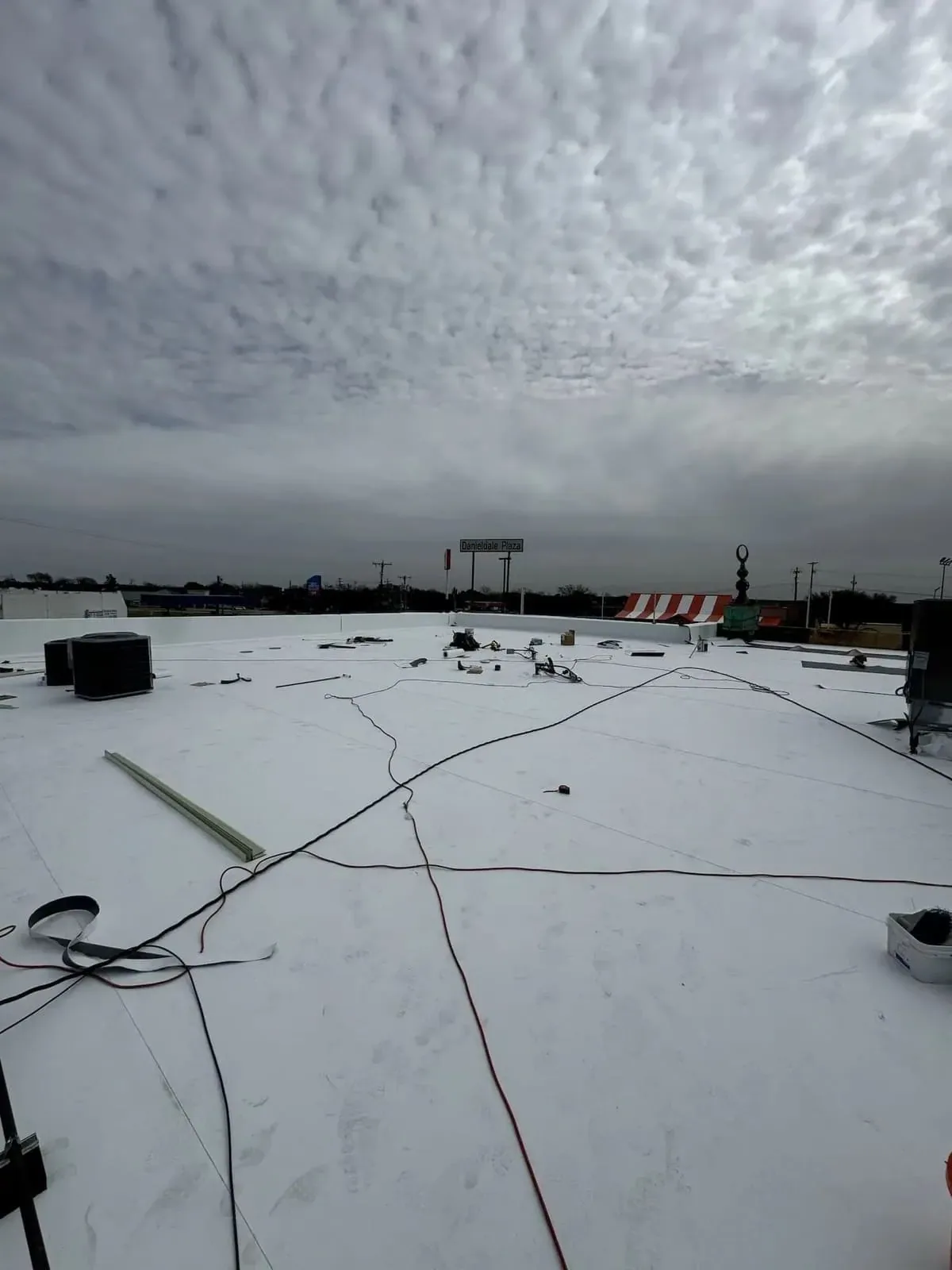
A localized flashing failure can support a repair when nearby membrane remains dry and attached. If moisture extends across several areas, seams keep reopening, or the assembly has lost attachment, the property may need a larger scope. We document what is confirmed and where a test opening could change the quantity. A defined repair can address the current defect; a separate replacement plan can set phase boundaries, insulation, edge conditions, disposal, and closeout requirements.
City requirements include amendments to adopted building and energy-code editions. The scope and facility determine the review, which we check before material release. We itemize tear-off, deck work, drainage, equipment coordination, temporary protection, and access as separate cost drivers. Keep unknown deck conditions separate from defined quantities. That gives an owner a clean basis to approve immediate repairs and reserve future capital for a larger phase.
Keep Roof Work Between Tenant Calls
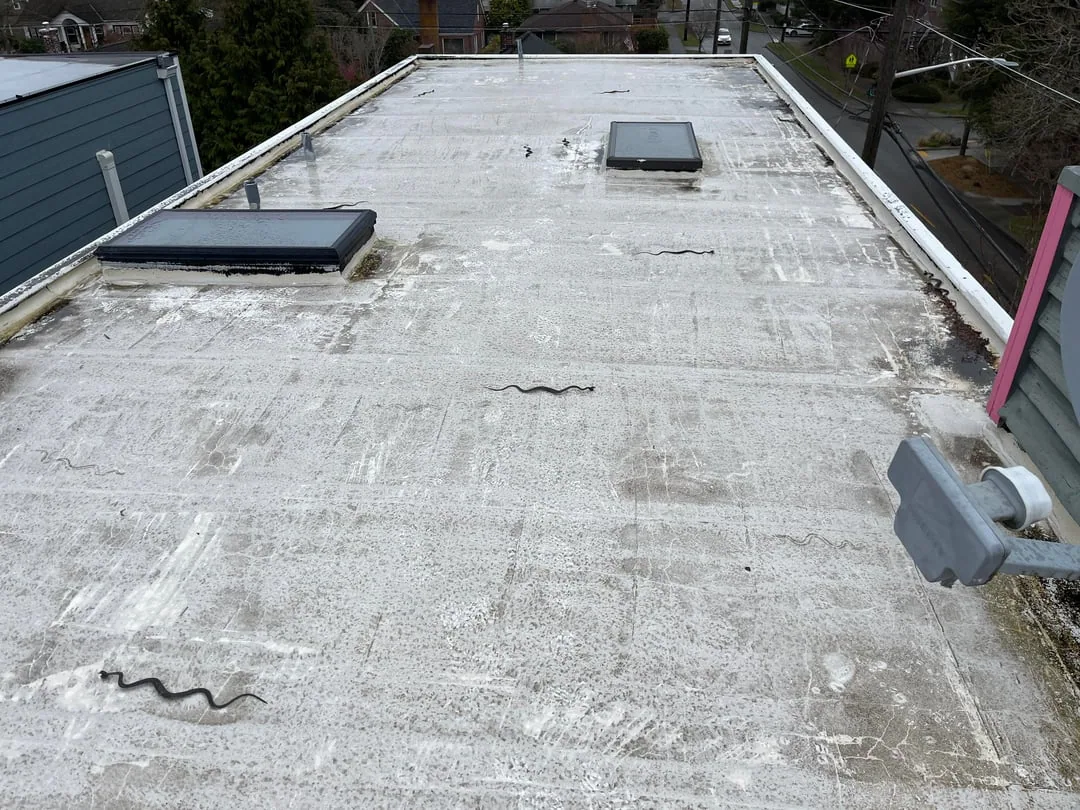
Routine service can catch debris at drains, loose metal, open sealant, and damage around equipment before those conditions become interior complaints. The right interval depends on the assembly, nearby trees, roof traffic, and recent repair history. We can set a maintenance visit with a written scope for drains, flashings, seams, and curbs, then compare the findings with the portfolio record. A new HVAC project or sign installation should trigger a roof review before the trade cuts a penetration or moves a curb.
Spring is the busiest thunderstorm period in the DFW area, and Richardson's July and August mean daily highs exceed 95 degrees. We schedule openings with weather protection and close-in requirements in view. After a reported event, the site inspection records actual conditions rather than assuming a regional storm damaged every building. A condition report with dated photos helps a manager explain what changed, what remains repairable, and why a larger replacement may belong in a later budget year.
Make the Owner Update Decision-Ready
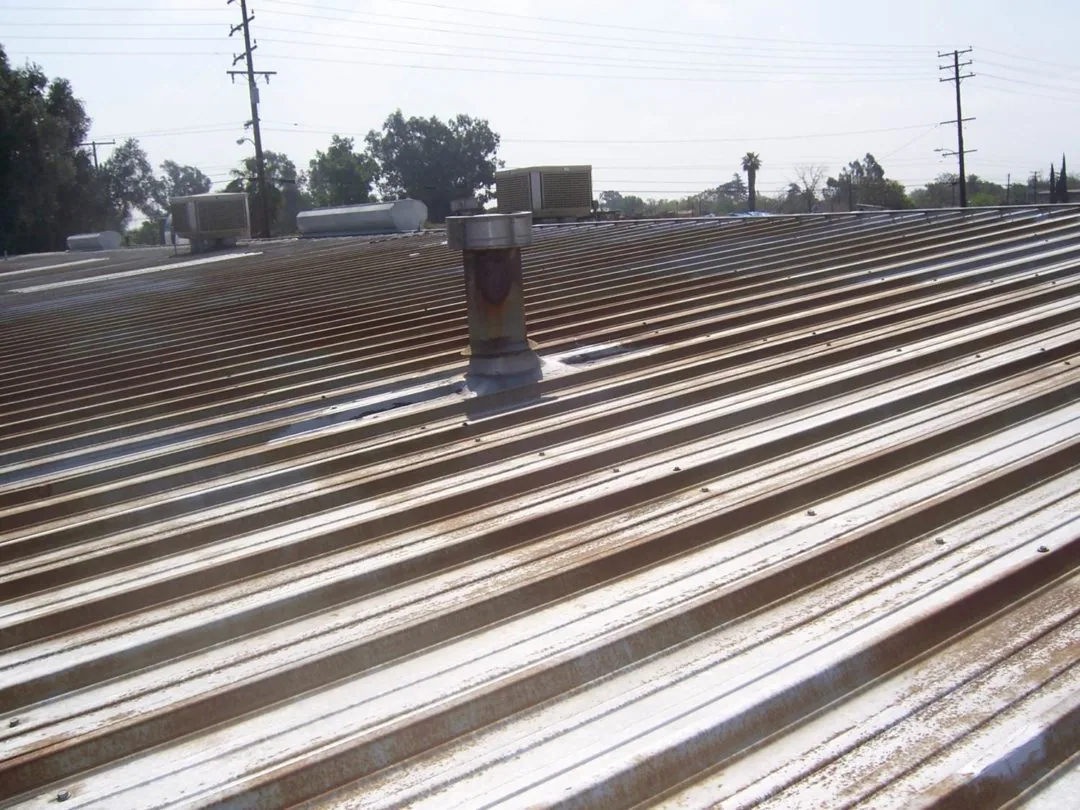
A useful update is short enough to send and specific enough to approve. Identify the building, roof zone, observed defect, interior impact, recommended work, access limits, and decision date. Attach photographs that show both the defect and its location on the roof plan. If the crew finds concealed wet insulation or deck damage, pause at an agreed boundary and document the additional quantity before continuing. That gives ownership a concrete change to review instead of a surprise after closeout.
If a tenant request conflicts with a planned roof shutdown, record who made the call and what temporary protection remains. That note gives ownership a clear reopening condition and avoids a vague “monitor” status. The building team can then close the issue against an inspection or follow-up visit.
At monthly review, put urgent repairs, planned maintenance, and deferred capital work in separate columns. Record the decision owner and the date a quote or inspection expires. When a manager changes, the file should make clear whether an open item was completed, rejected, or moved to another budget cycle. That reduces duplicate inspections and gives ownership a usable record of how the roof decision developed.
For managers with healthcare tenants, access restrictions and room schedules may be different from a standard office or retail property. A healthcare roof program can account for continuity requirements; a portfolio capital review can compare risk across owners' buildings. Use the same clear condition fields, but keep each property's report separate so one location's roof type or damage is never assumed for another.
Related Roofing Work
Commercial Roof Asset Management
Commercial Roof Inspection
Emergency Commercial Roof Repair
CityLine
Questions About Property Management Companies
What should a property manager send before a roof inspection?
Send the tenant report, affected room, date and time, prior repair notes, and access rules. We will compare that information with the roof and identify the scope boundary before pricing work.
How do you prioritize several buildings with open roof issues?
We rank by active water, interior exposure, assembly condition, and the consequence of delay. The resulting list separates immediate protection from repairable work and longer capital needs.
Can tenants remain open during a repair?
The work zone and the space below it set the operating plan. We coordinate barriers, deliveries, noise, and daily close-in with the manager, then identify any hours when access must change.
When does maintenance make sense across a portfolio?
Use it when inspections show recurring debris, traffic damage, or small defects that can be corrected before they spread. We define a visit scope and report each building's findings separately.
How should ownership compare repair and replacement?
Compare the observed repair boundary with moisture extent, repeated failures, attachment, drainage, and likely future disruption. We document the evidence and price the immediate work separately from a phased replacement option.
Set the Next Portfolio Roof Decision
Send the property list, open leak reports, access rules, and budget date. We will inspect the priority building and return a roof-zone scope your ownership team can review.