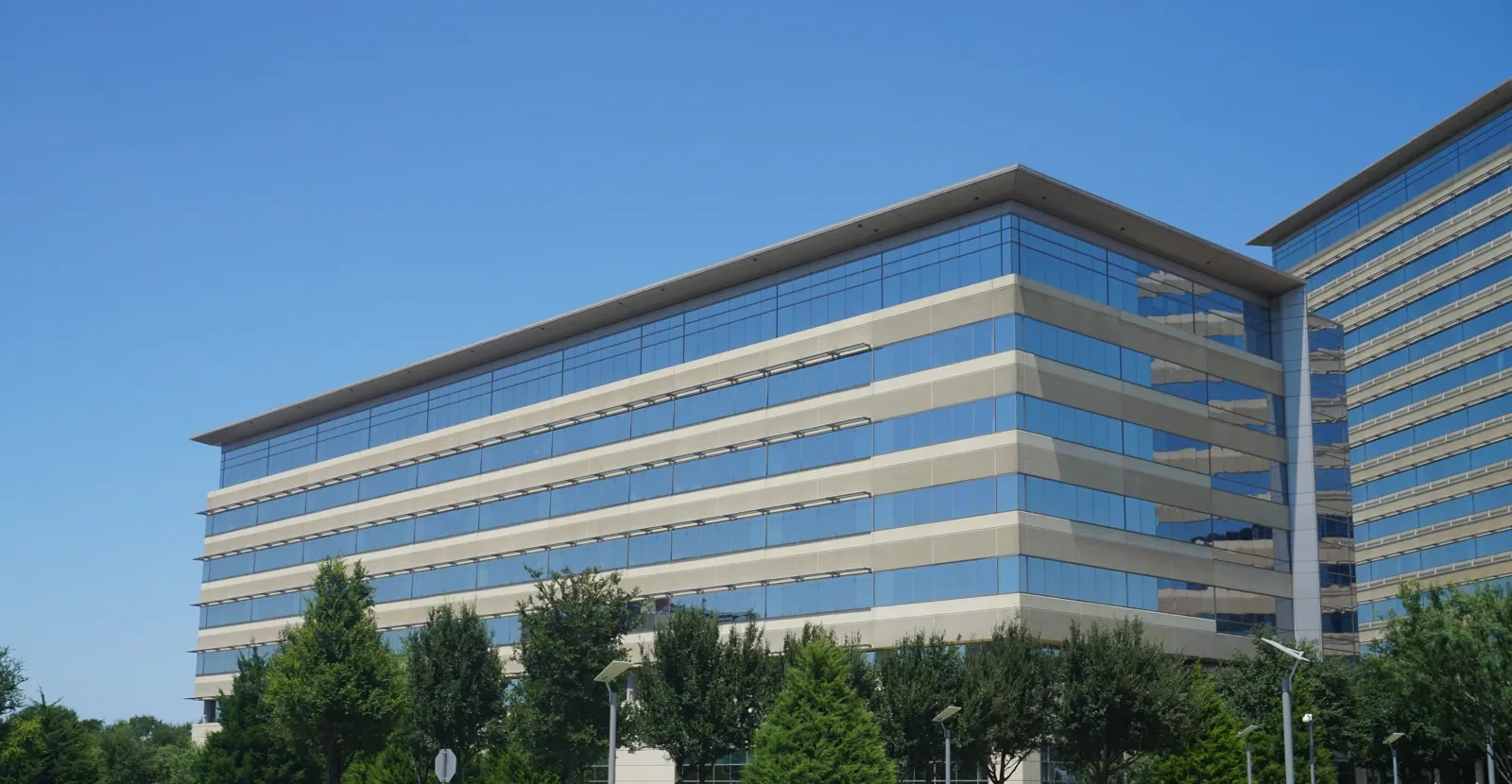
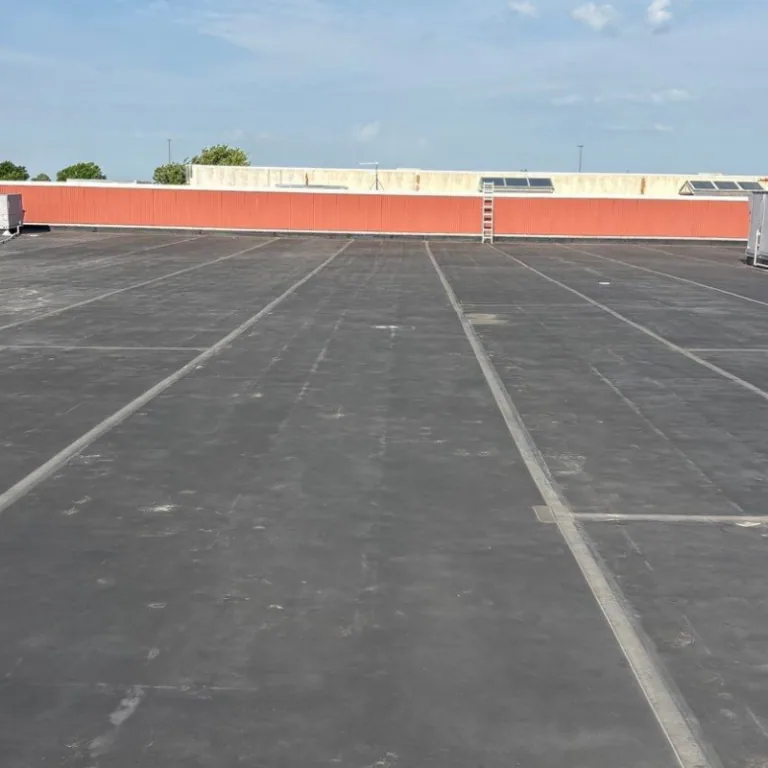
EPDM is a flexible rubber membrane used on low-slope commercial roofs, with installation details that differ from heat-welded systems. We evaluate EPDM roofing in Richardson, TX by checking the substrate, seam method, attachment, flashings, drains and repair history. The owner's choice may be a localized repair, recover or replacement, depending on what the roof shows. We explain which materials and details belong in the scope so a patch will be compatible with the existing sheet and its condition.
Request a Roof Assessment
All fields are required.
Commercial EPDM Roofing in Richardson, TX
Inspect the EPDM Assembly Before the Next Repair
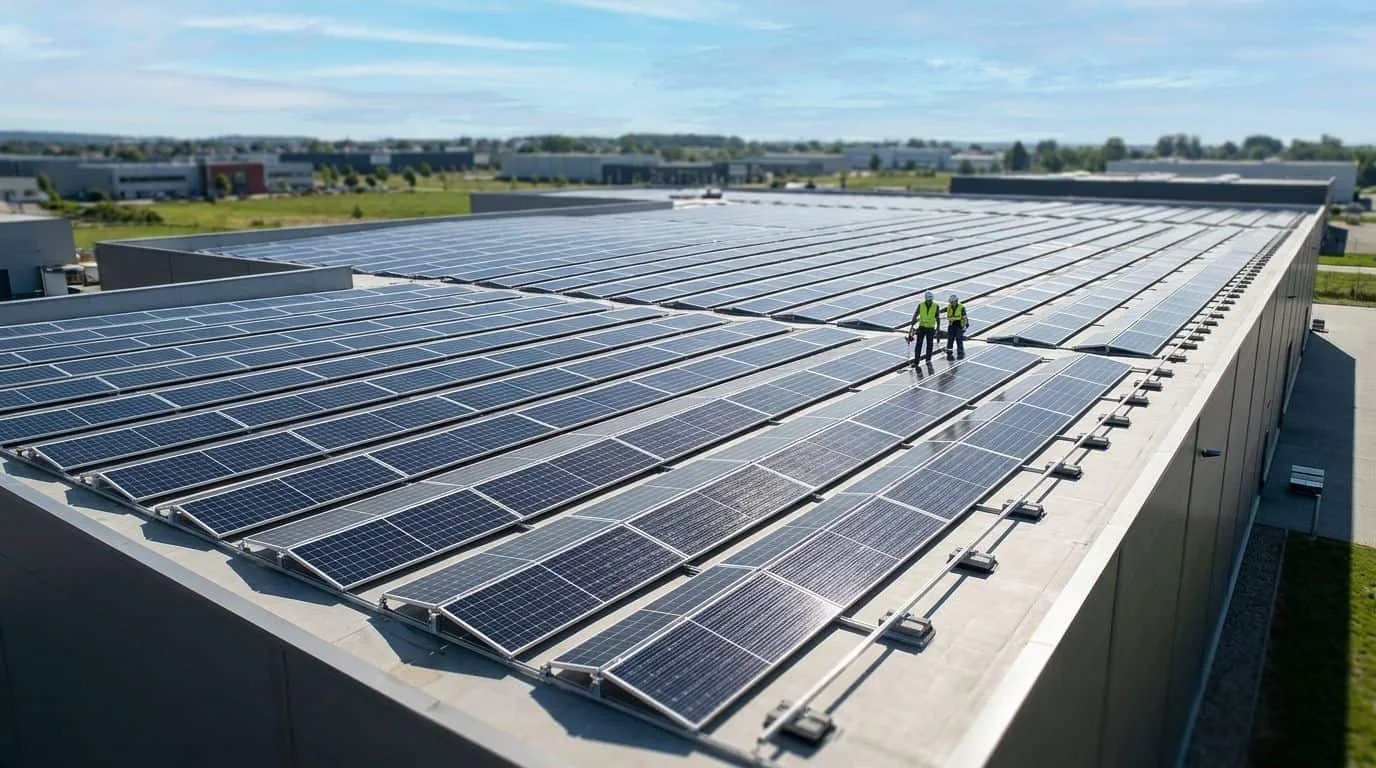
Identify the Membrane and Its Installation Method
EPDM roofs may use adhered or mechanically attached sheets, and the installation method affects repair and replacement. We inspect field seams, perimeter securement, patches, flashing and areas around equipment. If roof records identify membrane thickness, color, manufacturer or warranty, those details help narrow options. The visible surface alone may not reveal the full assembly, so selective openings can confirm insulation, cover board and deck where those findings affect the decision.
On an aging roof, look for shrinkage, open laps, punctures, surface contamination and separation at corners or terminations. We also ask whether previous repairs used compatible materials. Some patches can peel or lose adhesion if the surface was not prepared for them. The repair scope should address the underlying condition, not add another material over loose edges. EPDM sheet thickness, reinforcement and attachment vary by product and design. We check details at corners and perimeter runs, where changes in direction concentrate stress, and confirm whether existing flashing can be retained. That review can prevent a field repair from overlooking a weakened termination. A roof inspection can map the current roof zones before a larger project is priced.
Pay Attention to Seams, Corners and Transitions
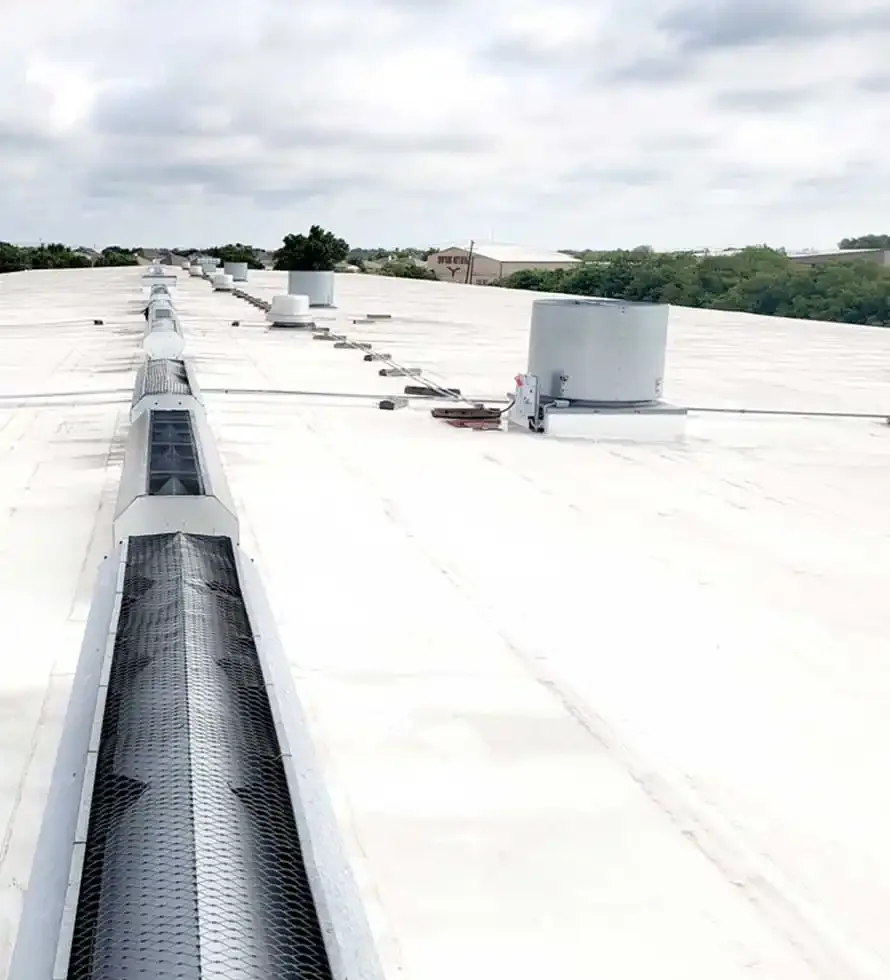
EPDM seams commonly depend on adhered seam tape or adhesive rather than field welding. Surface cleanliness, primer, pressure and cure conditions affect the bond. We inspect laps for lifting, fishmouths and contamination, then check whether adjoining sheets move or shrink. At curbs, pipes, drains and walls, flashing needs to turn the membrane securely and remain compatible with the installed system. A generic sealant bead may mask an open transition without restoring the intended detail. Sheet layout matters as well: wrinkles, fishmouths and poorly aligned laps can concentrate stress as the membrane moves. We review how the field sheet terminates at each curb and perimeter and whether fasteners or adhesive remain secure. The repair should restore a continuous water-shedding path that can be inspected later.
Field repairs should use an approved EPDM method and prepare enough sound membrane around the damaged area. If moisture or a loose substrate extends beyond the visible tear, a patch alone may not hold. We identify whether the repair needs insulation replacement or a wider membrane section. Owners should keep the system's product data with the maintenance record so future contractors can identify materials before a repair starts.
Consider Surface Color, Heat and Water Movement
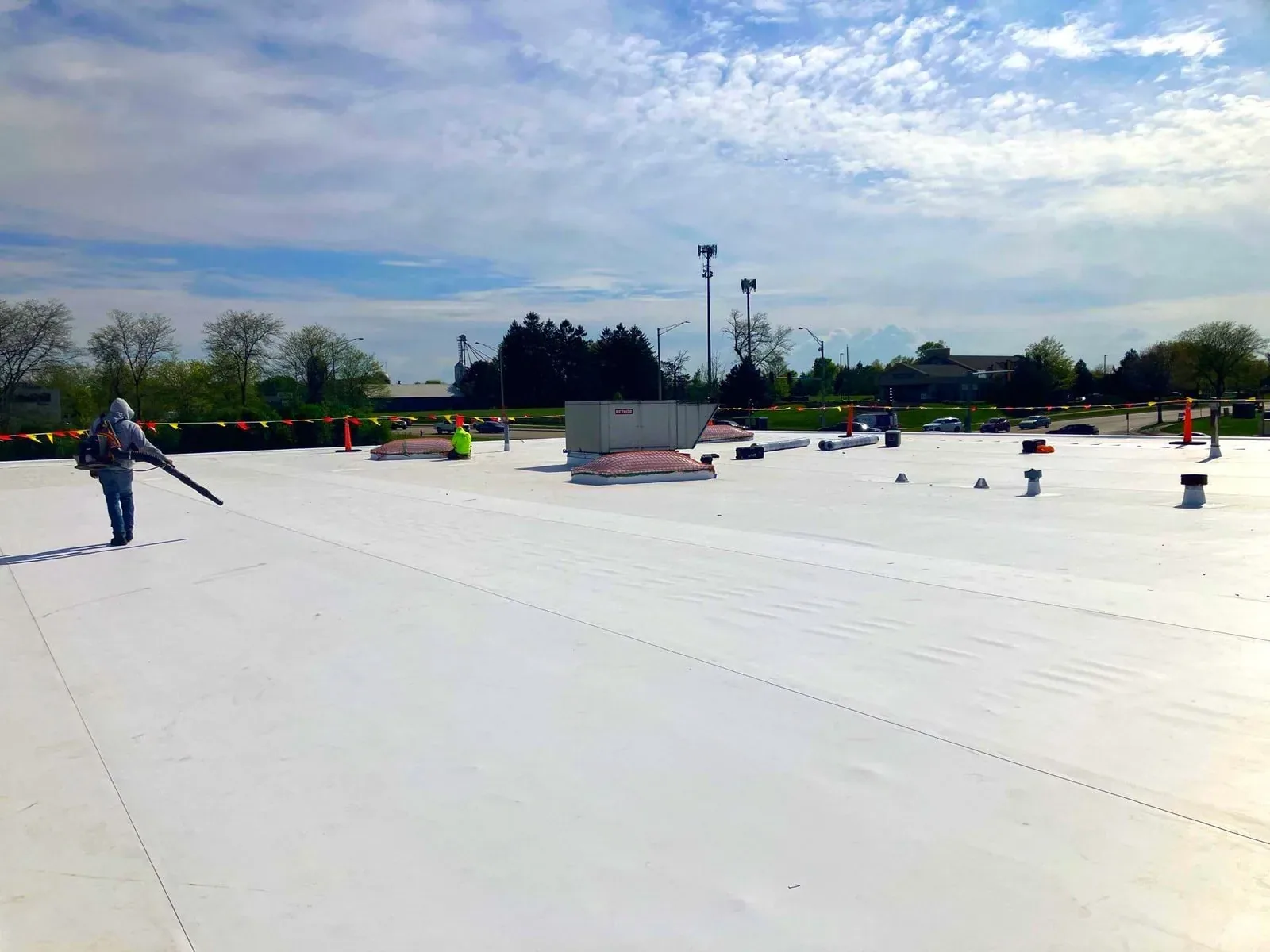
EPDM is available in different surface appearances, and a black membrane absorbs more solar heat than a reflective white surface. That choice should be considered with insulation, roof exposure and building operation rather than color alone. Richardson's hot season places repeated thermal stress on roof details. The assembly still needs adequate insulation, secure edges, sound seams and proper drainage for its expected use.
We review drains, scuppers, crickets, low areas and equipment routes before replacing membrane. Standing water can keep seams wet and can reveal inadequate slope or a blocked outlet. If the roof needs tapered insulation, a curb or drain adjustment, those items should be designed before the new sheet closes the assembly. Drainage work and insulation planning can be coordinated in the same project scope. A roof near the West Spring Valley Corridor still needs a site-level slope and access review; location alone does not identify the roof condition.
Match Attachment to Wind and Substrate
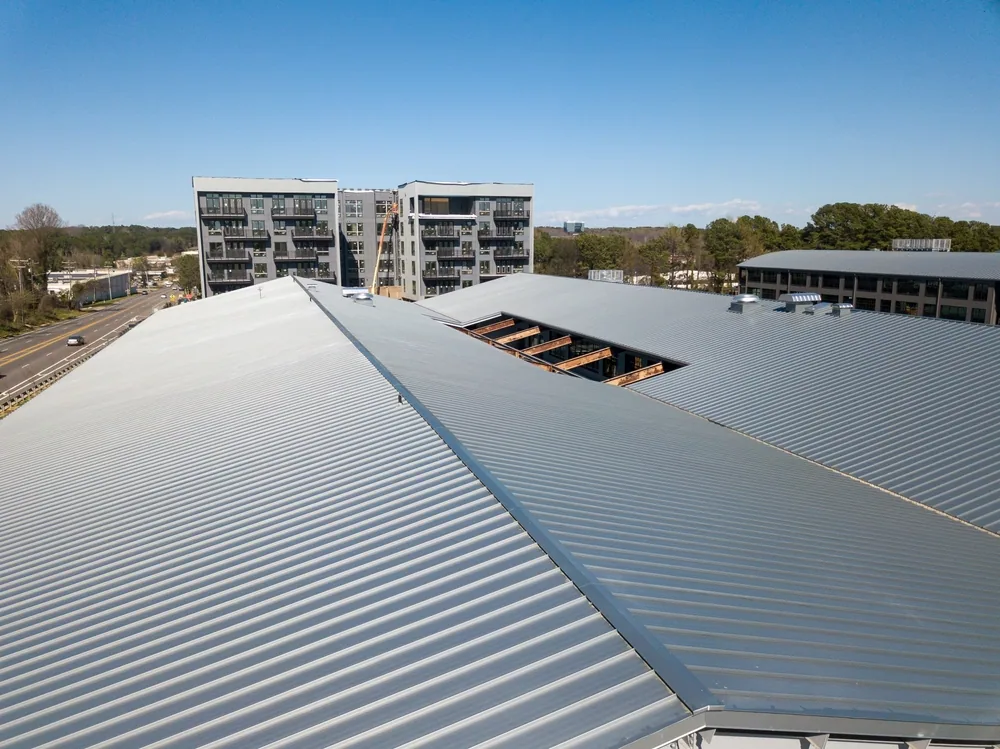
Adhered, mechanically attached and ballasted assemblies impose different demands on the deck and perimeter. Wind design, building height, parapet shape, roof zone and substrate determine the attachment plan. We compare the selected assembly with the project design and identify where testing or deck repair may be needed. A new EPDM layer should not be specified until the owner knows whether the existing roof is suitable to remain.
If the roof is a recover candidate, confirm layer limits, dryness, attachment and transitions. If removal is needed, the estimate should state insulation and deck assumptions, disposal, protection and how concealed wet areas are handled. A recover review can evaluate an existing assembly; a replacement scope can show the alternate path. We state the questions that require approval before the crew moves beyond visible conditions.
Sequence Roof Work Around Richardson Properties
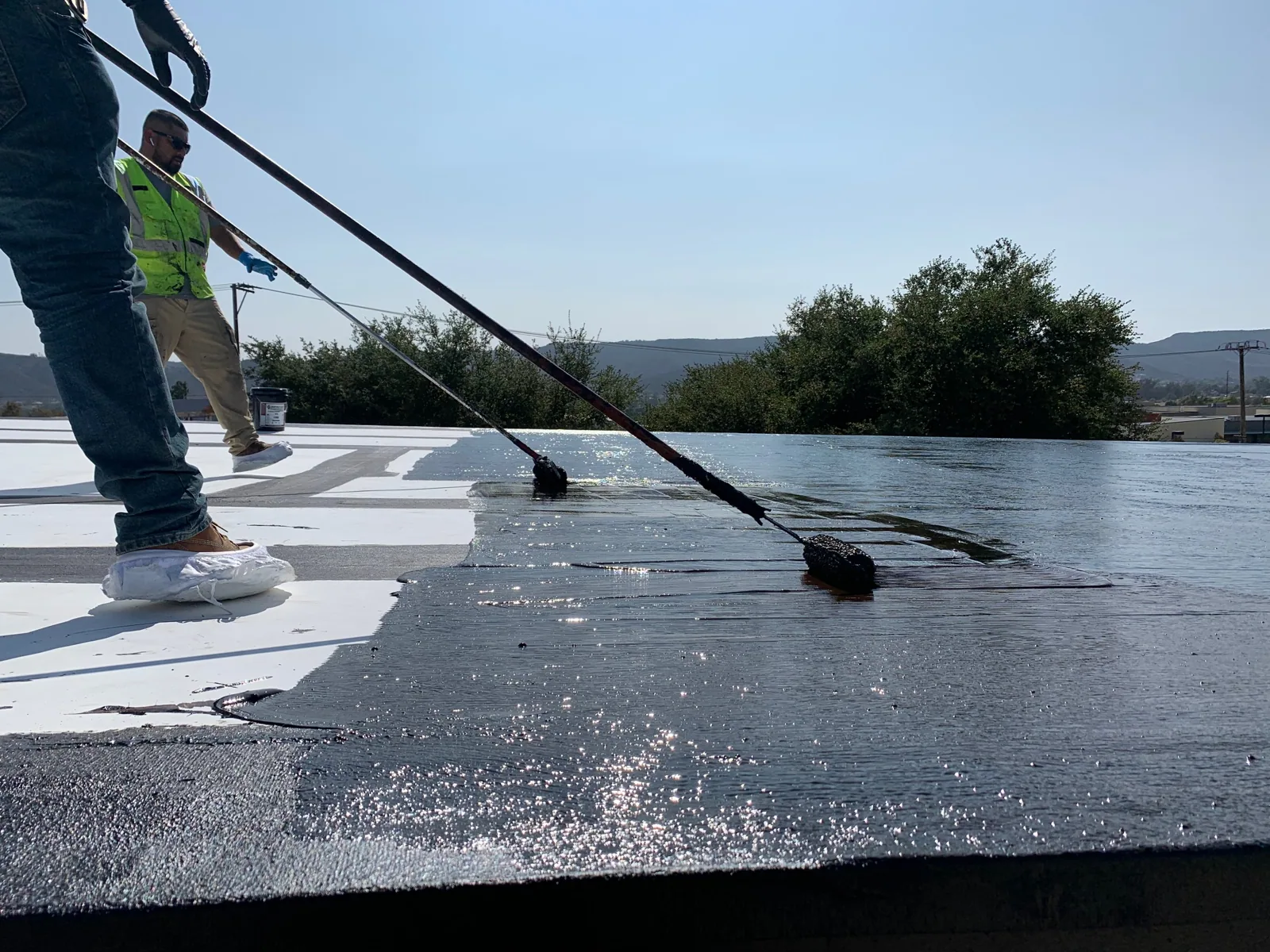
Commercial sites in Richardson range from technology offices in Richardson Innovation Quarter to mixed-use buildings in CityLine. Those operations can affect access, staging, noise and the hours when roof zones can be opened. We confirm the real work route, roof hatch, loading area, tenant schedule and protection needs with the property contact. For an occupied building, a phased reroof plan can set daily limits and interior protection.
Material staging matters on EPDM work because rolls, adhesives and accessories need controlled handling. We identify where pallets can be placed, how crews will move sheets without dragging them across finished roof areas and how debris will leave. If a weather change could leave a section exposed, the sequence identifies a safe stop point. The owner should receive an update when concealed moisture, deck movement or unexpected layers change the work plan.
Compare EPDM Scope and Future Maintenance
A useful EPDM proposal states sheet type, thickness, attachment, insulation, cover board, seam and flashing details, edge work and drainage. It distinguishes repairs from replacement and identifies testing needed to verify concealed conditions. Compare equivalent assemblies, including disposal, access, protection and closeout. If the building has a history of patching, include a condition review instead of assuming another local repair will address every leak.
After installation, regular checks should examine seams, terminations, penetrations, drains and areas used by service technicians. Keep compatible repair materials identified in the roof file. Scheduled maintenance can document changes; a repair visit can address isolated damage. Owners comparing EPDM with TPO or PVC should consider the building's exposure and how each system will be maintained. Condition reporting can preserve the baseline.
Related Roofing Work
Commercial Roof Inspection
West Spring Valley Corridor
Commercial Roof Recover and Overlay
Commercial Roof Replacement
Questions About Commercial EPDM Roofing
What are common reasons to choose EPDM for a commercial roof?
EPDM may fit a low-slope roof where the project design, attachment, exposure and repair plan support the system. We compare it with alternatives after reviewing the deck, insulation, flashings, drainage and operating needs.
How are EPDM seams repaired?
The method depends on the installed system and the seam condition. Surface preparation and compatible tape or adhesive are important. We inspect adjacent sheet movement and do not treat a loose lap as a simple surface seal.
Can an EPDM roof be coated?
A coating requires compatibility with the membrane, surface preparation and a roof condition suitable for restoration. The owner should compare coating with repair or replacement, particularly if moisture or loose attachment exists.
Is black EPDM too hot for a Richardson building?
Surface color affects solar absorption, while indoor performance reflects insulation, air leakage, HVAC and operating schedules. We review the whole assembly and do not treat color as a complete energy assessment.
Can you repair EPDM after another contractor installed a different membrane nearby?
A transition between systems needs a compatible detail and sound substrate. We identify both materials and design the repair to maintain a secure junction rather than assume they can be bonded directly.
Inspect the EPDM Assembly Before the Next Repair
Share the roof's installation records, patch history, leak locations and access rules. We will identify the membrane details and compare repair, recover or replacement options with clear assumptions.