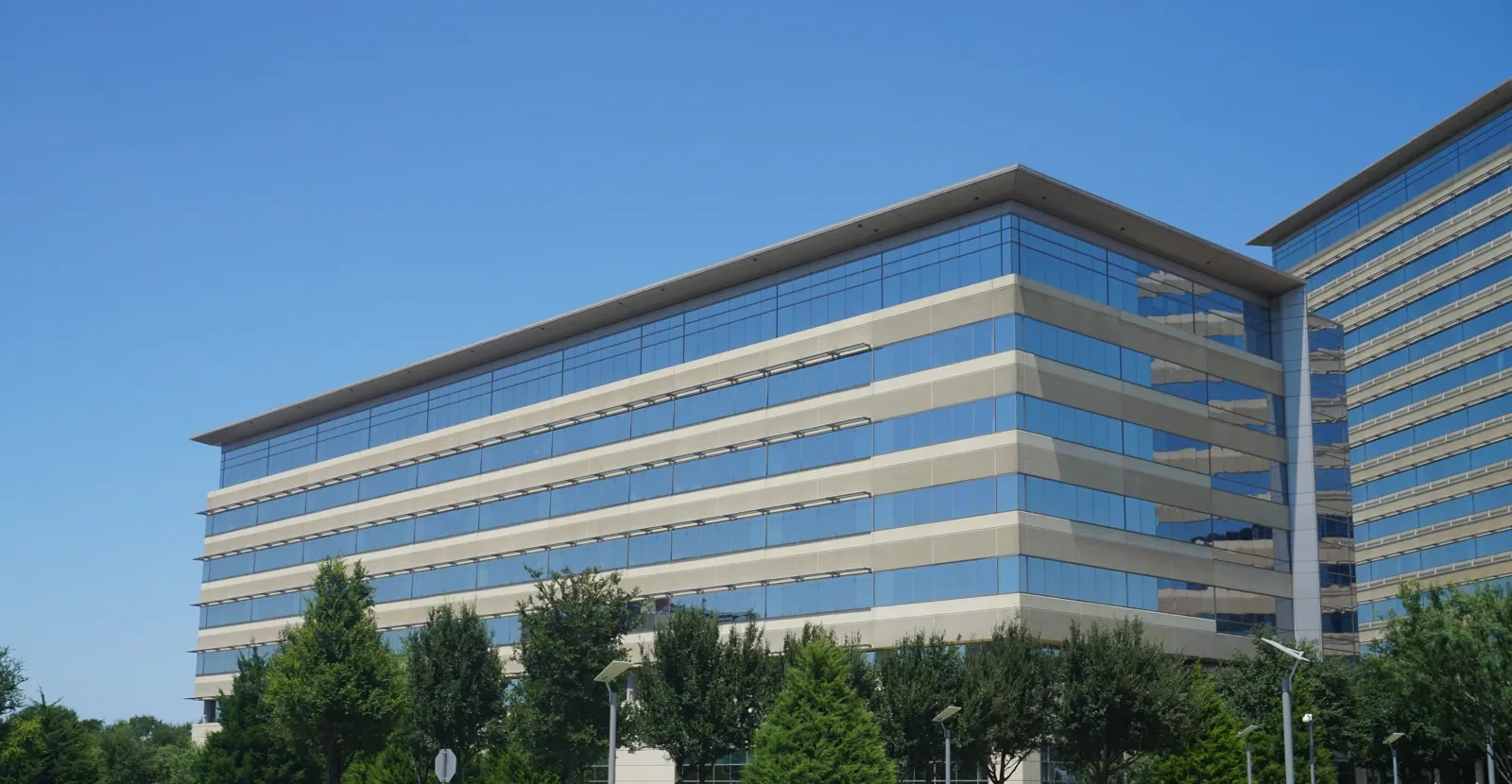
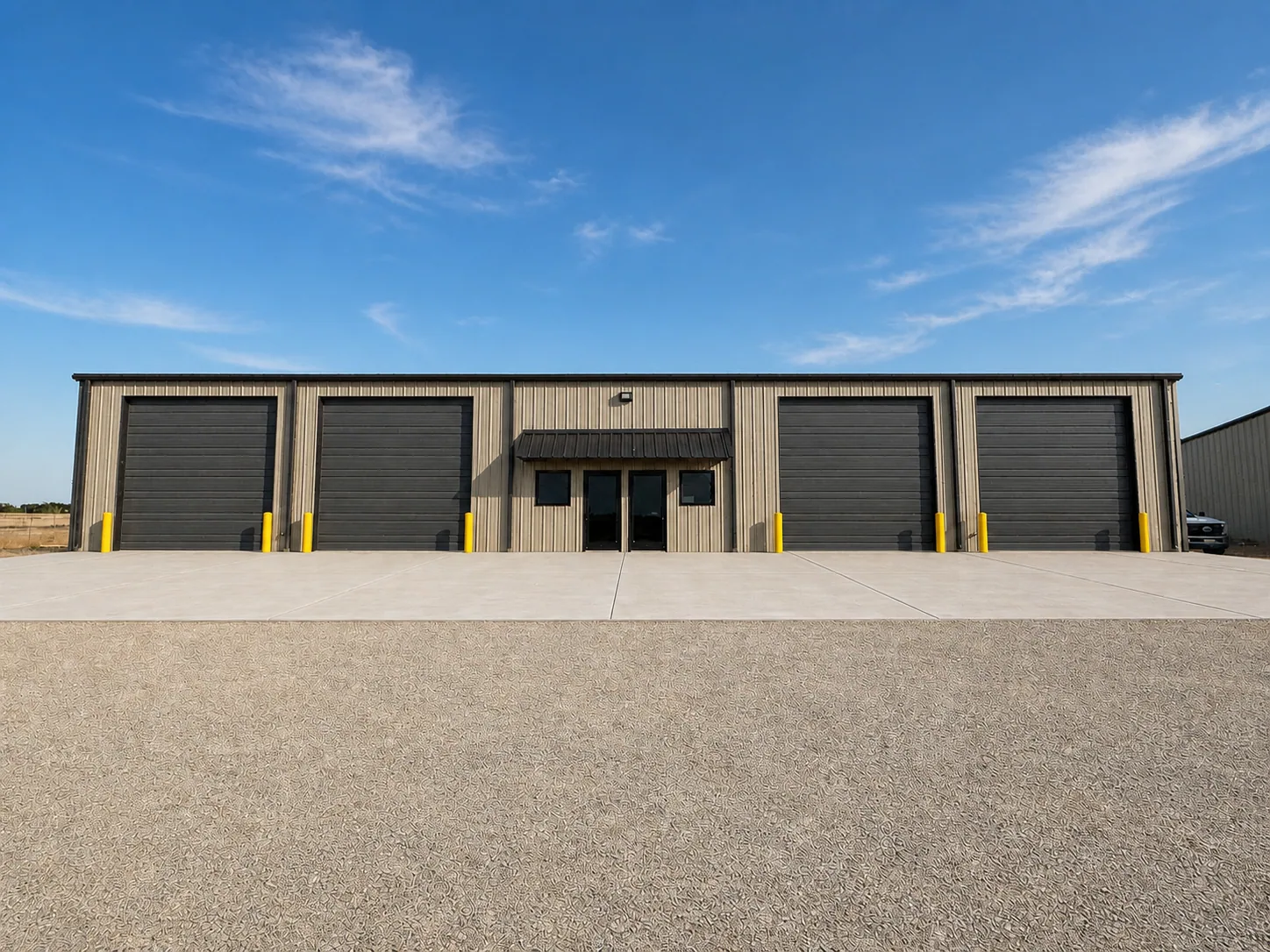
A warehouse roof decision often starts below the roofline: what inventory, dock activity, and equipment could be affected by a leak or open work zone? In Richardson, TX, we inspect membrane condition, penetrations, drainage, and access before pricing a repair or replacement. We identify the area that can be repaired now and the conditions that could shift the next spend. A warehouse proposal should account for operations, not just square footage of roofing material.
Request a Roof Assessment
All fields are required.
Commercial Warehouse Roofing in Richardson, TX
Plan Warehouse Roofing Around the Next Operating Window
Trace Water Before It Reaches Stock or Controls
Water can travel along deck flutes, insulation joints, curbs, or conduit before appearing at a ceiling. We compare the interior report with roof seams, penetrations, drains, and earlier patches. On a storage building, the location of a leak may affect racking, packaging, electrical controls, or a dock lane, so we map the likely path before cutting or patching. If moisture extends beyond the visible opening, the scope should state how far insulation removal can go without another approval.
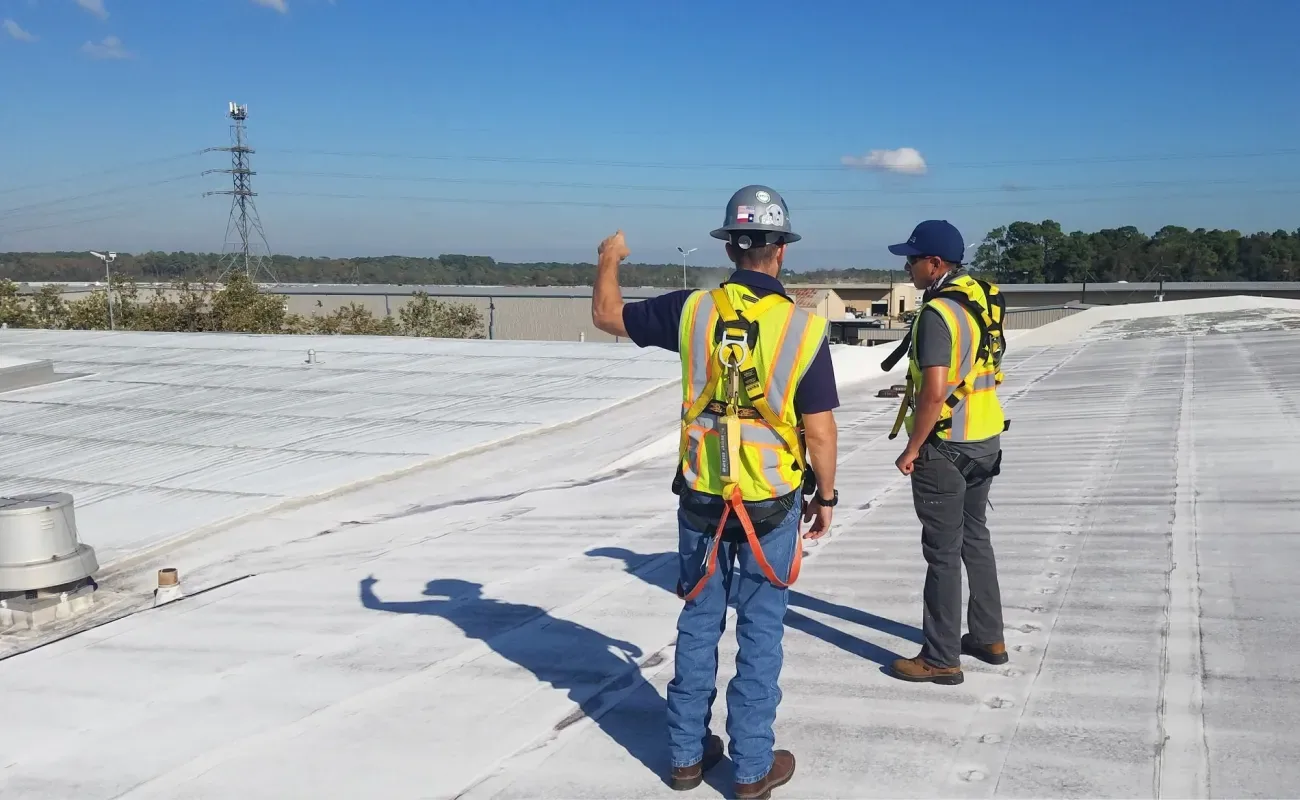
We also check roof traffic around exhaust fans, lighting controls, make-up air units, and service routes. Repeated footfall can puncture a membrane or loosen a flashing even when the main field remains serviceable. A commercial roof inspection can identify repair zones and record conditions for the facility manager. The estimate should distinguish emergency water control from a permanent correction. A temporary cover may protect inventory today, while a later visit replaces wet insulation or reconstructs a curb detail.
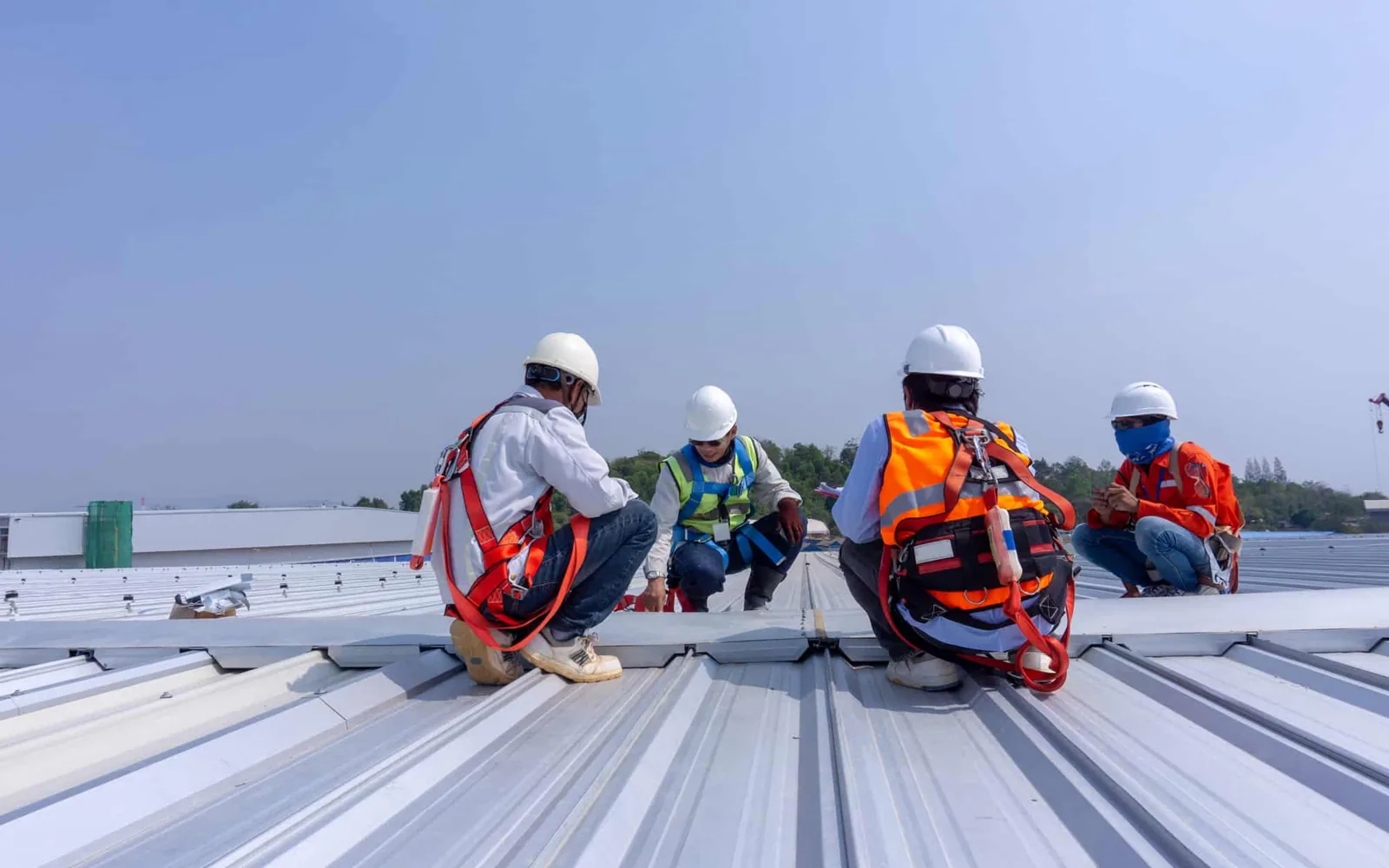
Review Drains, Edges and Wall Transitions
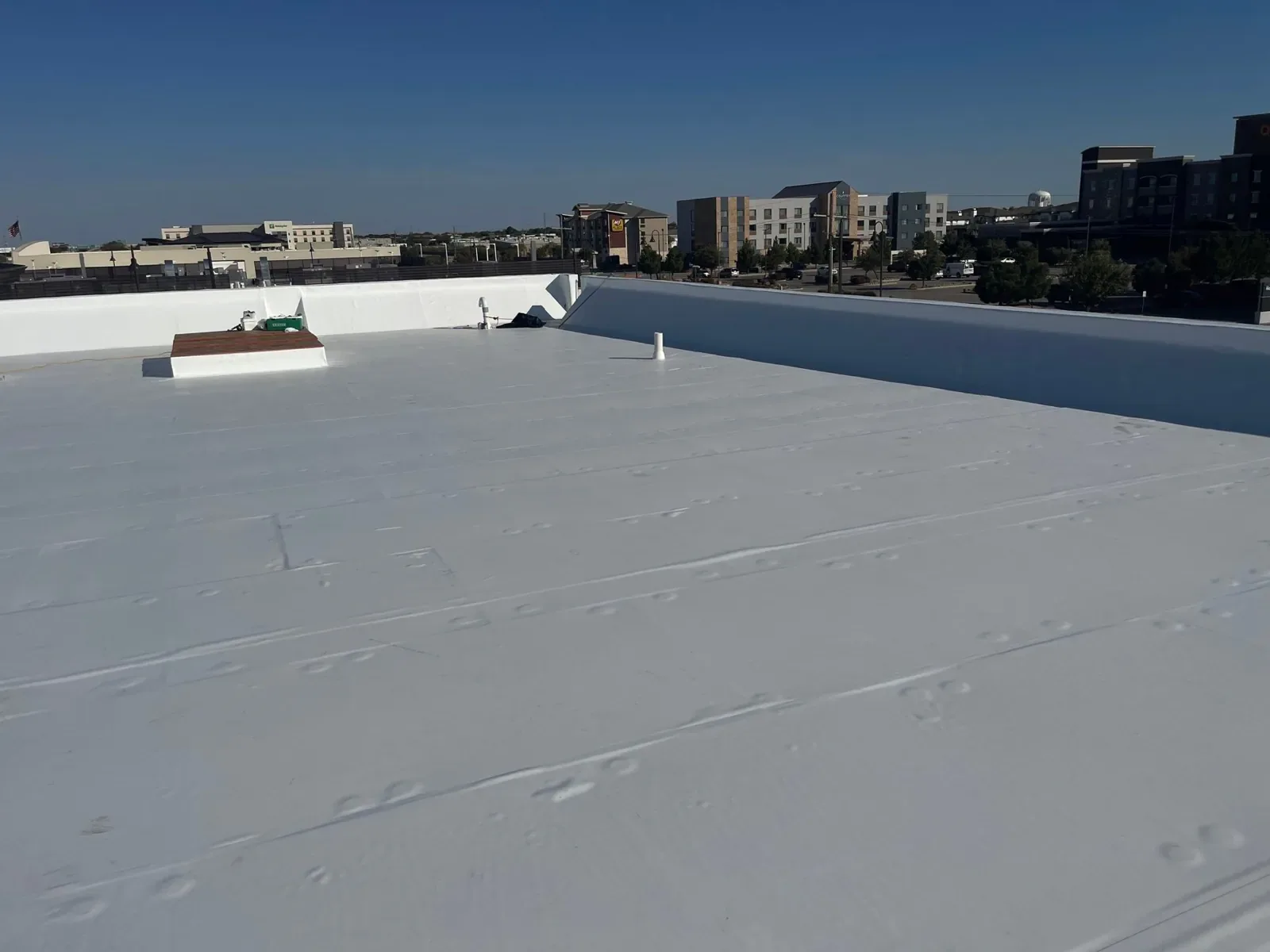
Large low-slope roofs need clear outlets and a reliable overflow path. We inspect primary drains, scuppers, crickets, valleys, gutters, and discharge locations. Debris, an undersized outlet, or a settled roof area can keep water at a seam or wall for longer than intended. A drainage problem may be corrected with cleaning, insulation taper, or drain work, depending on what the field shows. We do not price a membrane repair as complete if the water source remains unresolved.
Warehouse perimeters deserve separate review. Wind-driven rain can test coping, fascia, edge metal, and wall flashing. We check laps, fasteners, termination bars, counterflashing, and the condition of adjacent walls. If the building has dock canopies or adjoining roof heights, transitions can collect water and debris. A drainage correction and edge-metal work can be included with the roof scope. That gives the manager one plan for water movement rather than separate visits that leave one detail outside the repair.
Match the Assembly to the Warehouse Use
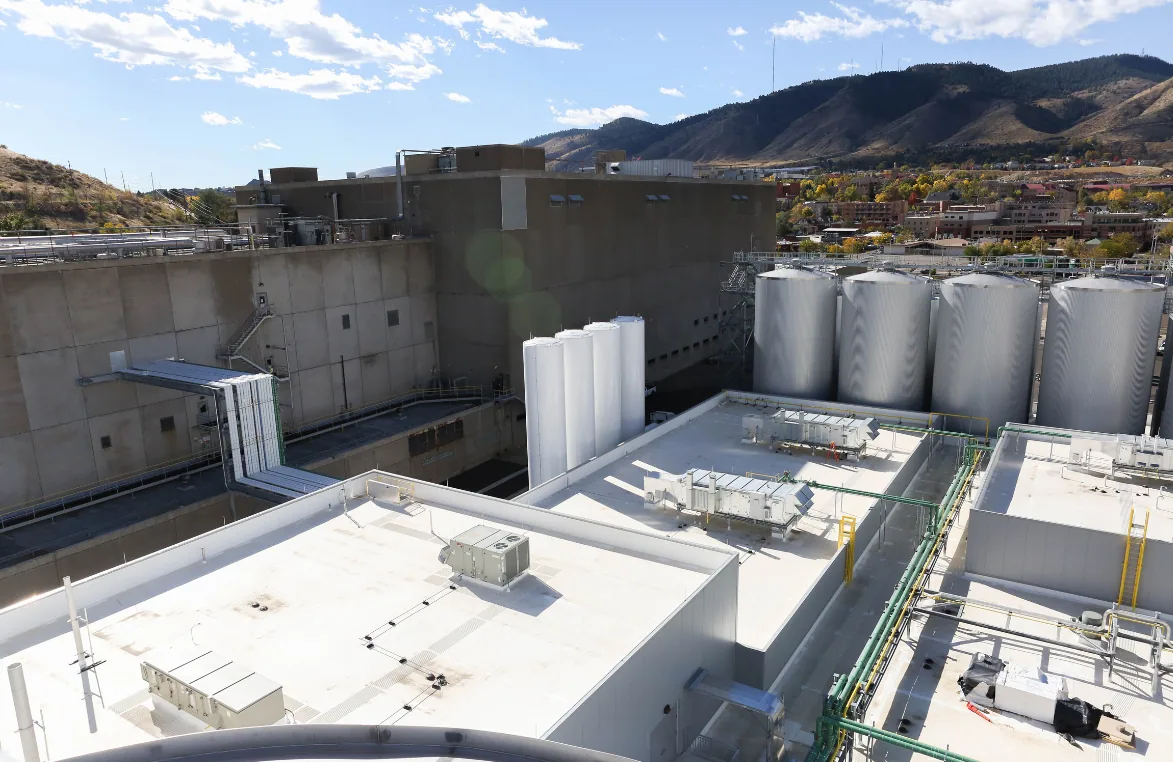
The roof system needs to fit the building's deck, spans, exposure, equipment, and maintenance plan. A single-ply membrane, built-up roof, metal roof, or coating has different seams and inspection needs. We compare the complete assembly: attachment, insulation, cover board, flashing, edge details, and repair availability. A warehouse with frequent mechanical service calls may need protected walk paths. Another facility may prioritize rapid close-in over large open areas.
Richardson's commercial economy includes technology, telecommunications, advanced manufacturing, retail, and health services. Nearby planned logistics uses are also relevant to regional roof planning: the Wylie Logistics Park plan describes warehouse and distribution capacity with industrial-grade utilities near Highway 78. That does not establish a condition at a separate site. It does show why logistics operators value durable access, coordinated deliveries, and work that respects movement of goods. We can compare distribution-center roofing with a manufacturing roof scope, or consider TPO and metal roofing where the structure and use support those options.
Keep Docks and Shifts in the Work Sequence
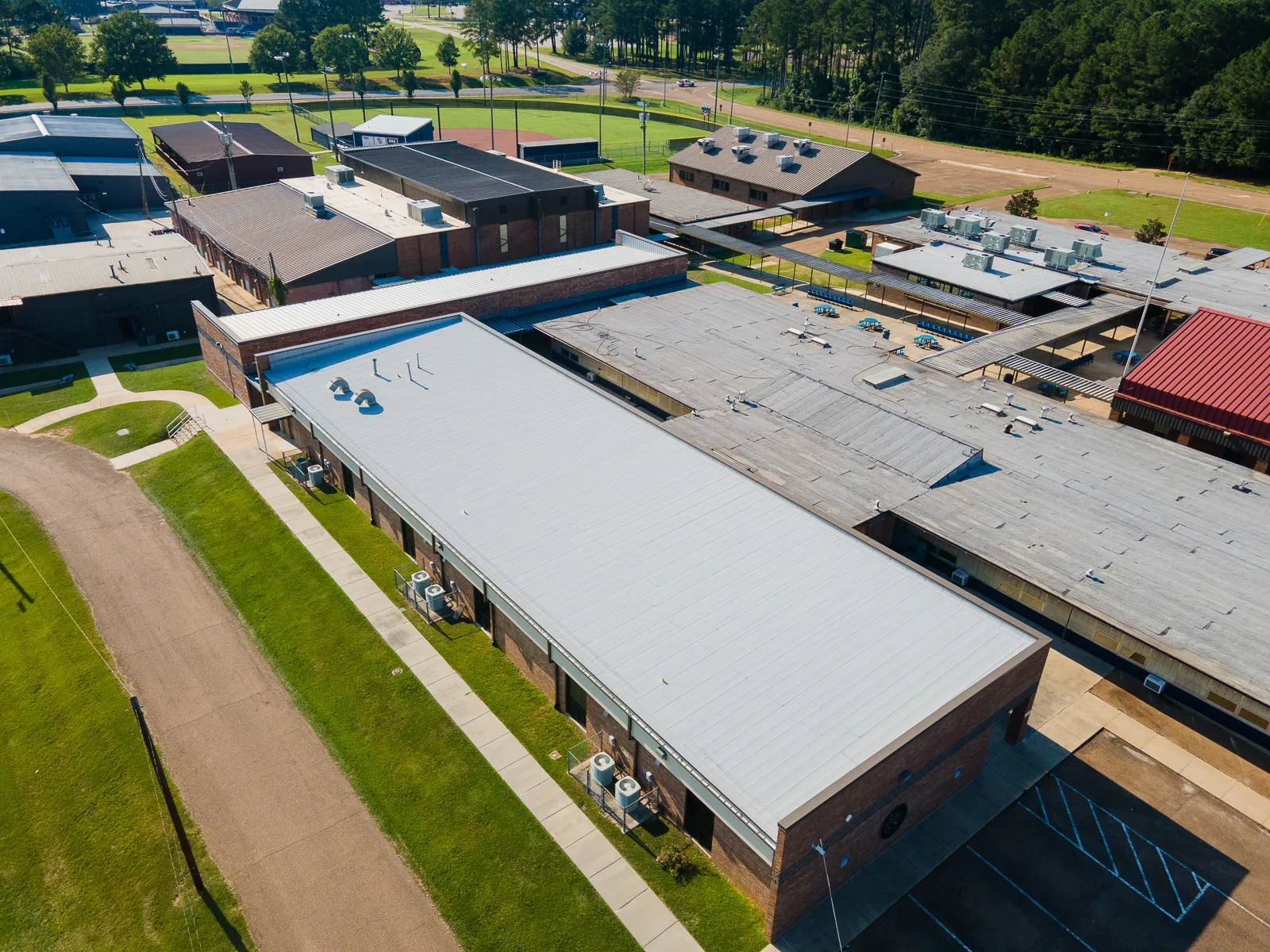
Replacing a warehouse roof can affect receiving, shipping, loading, and shift changes. We identify where lifts, material staging, debris containers, and worker access will sit. If a crew crosses a truck route, the plan needs a safe path and a time window. Noise, vibration, and interior protection matter when staff continue to work beneath the roof. We can divide work into zones and set daily close-in points, but the building contact needs to approve the sequence before mobilization.
Regional routes connect Richardson commercial areas, but a site visit confirms the actual gate, dock, and staging route. We check crane reach and roof-hatch limits, then define where a delivery can be unloaded without blocking operations. If rain threatens an open zone, the sequence states how the crew will secure it before leaving.
Check the Roof After Severe Weather
DFW's long hot season exposes membrane seams and flashing to repeated expansion and contraction. Spring is typically the most active thunderstorm period across the region, bringing hail and damaging winds somewhere in the metroplex. A regional storm does not prove damage at a specific warehouse, so we inspect actual impact points, displaced metal, punctures, and interior moisture. Richardson has a documented October 2019 tornado damage path near Audelia Road and Buckingham Road. That history supports keeping a post-storm inspection process, not assuming every roof needs replacement.
For an active leak, temporary protection and interior coordination may be the first move. Then we separate storm-related damage from older wear and prior repairs. Keep dated photographs and a location map, especially where equipment or inventory restricts roof access. An emergency roof visit can address active water entry and document observed conditions. The permanent scope should state which materials will be replaced and how the crew will protect stored goods during work.
Compare Repair, Recover and Tear-Off
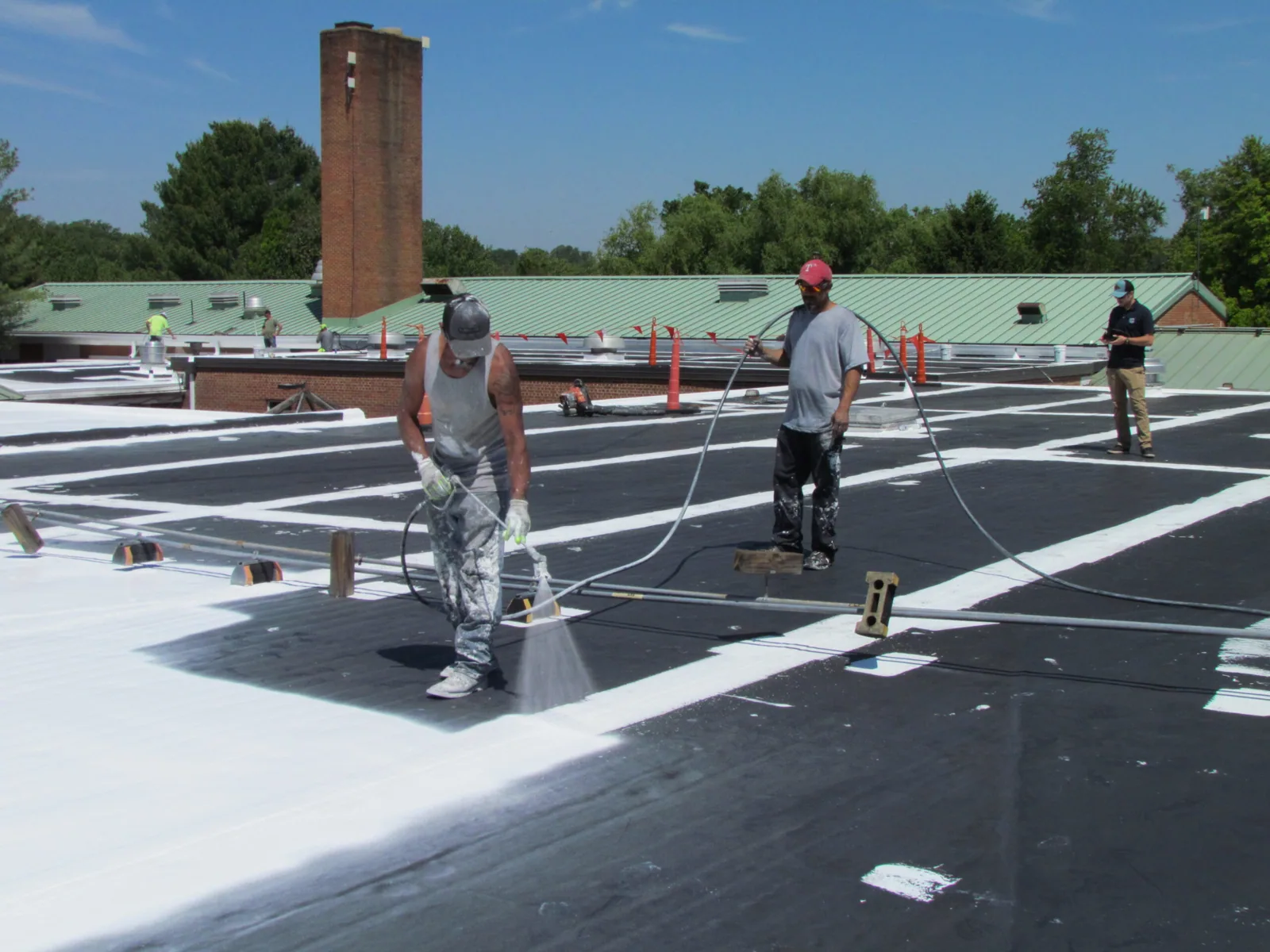
A localized repair can fit a warehouse roof with a limited failure and sound adjacent material. A recover may be possible if the existing layers are dry, secure, and within applicable limits. Replacement becomes more practical when wet insulation, failed attachment, or recurring leaks cover multiple zones. We show these choices in separate scope lines and state what remains unknown until the roof is opened. That gives the asset manager a defensible decision for the current budget cycle.
Richardson uses locally amended 2021 building, existing-building, and energy-code editions. We confirm how permit, insulation, and assembly requirements apply to the specific work. An estimate should itemize removal, deck repair assumptions, insulation, cover board, membrane, edge details, drains, protection, and closeout. A replacement plan can put tear-off costs and the next budget window in view.
Use Maintenance to Control Repeat Visits
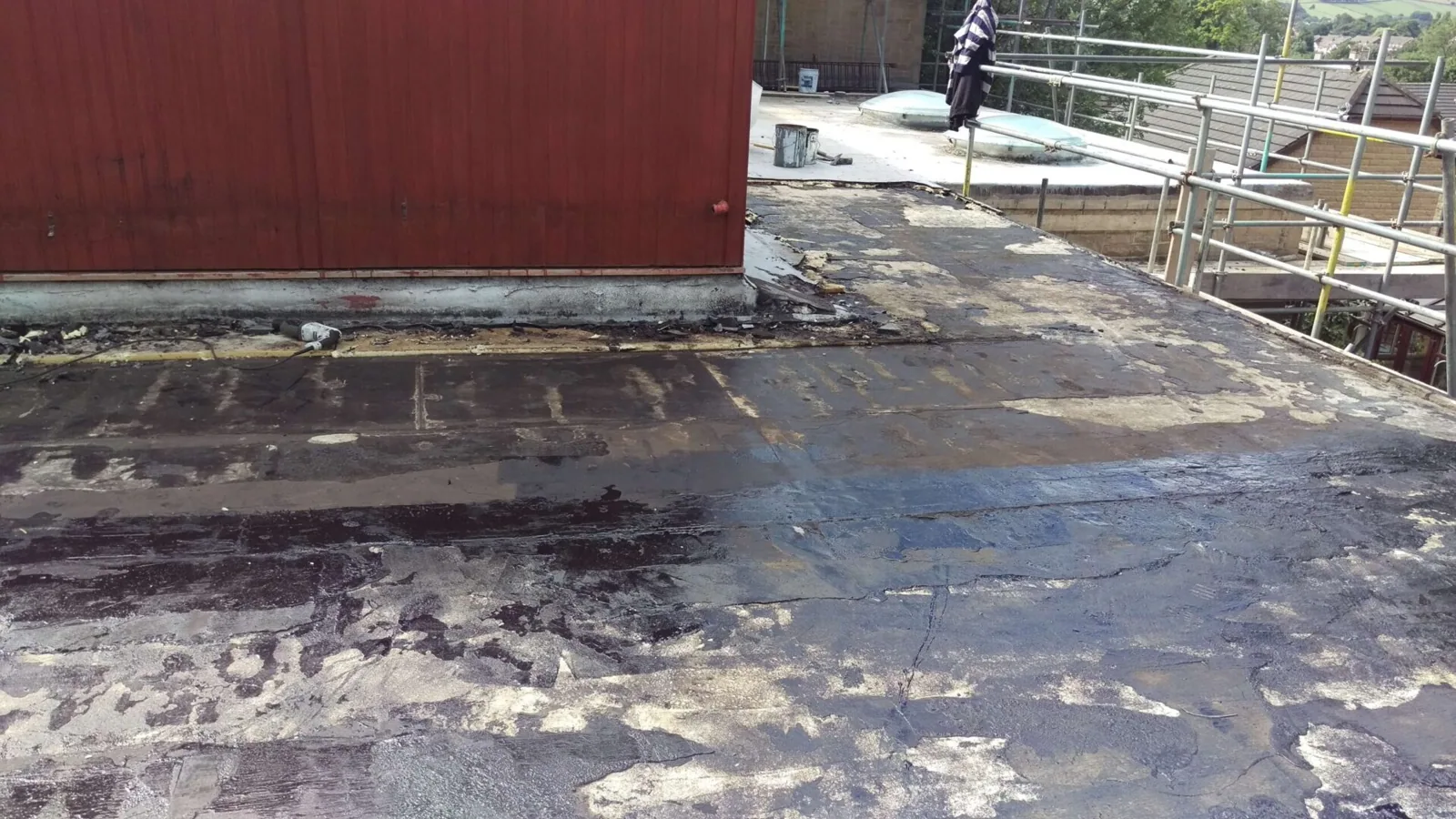
After repairs or replacement, a maintenance schedule should cover drains, seams, penetrations, edge metal, roof traffic, and debris after storms. The facility should know which walk paths are approved and how service crews report damage. A quick photo and location note can help identify whether a puncture is new or tied to an earlier repair. That record also makes future contractor visits more focused and can reduce repeated troubleshooting.
At the Richardson Innovation Quarter, technology startups, research operations, manufacturers, and education organizations create a mix of building uses. CityLine adds offices, healthcare, hotels, apartments, retail, and public space. These examples underline why warehouse and mixed-use roof work require different access rules. A project near the planned Wylie Logistics Park area still requires property-specific operating details. We record the roof baseline, the products installed, and any maintenance restrictions so the next spend is tied to evidence. Preventive maintenance can help keep that review current.
Related Roofing Work
Commercial Roof Inspection
Commercial Roof Drain and Scupper Service
Commercial Roof Edge Metal, Coping and Gutters
Distribution Center Roofing
Questions About Commercial Warehouse Roofing
How quickly can a warehouse roof leak be contained?
We prioritize active water entry and protect affected areas, then trace the likely path before setting a permanent repair. Inventory, electrical equipment, and dock operations may affect access, so we coordinate the response with the facility contact.
Can a warehouse roof be replaced while shipping continues?
Work can often be phased, but loading routes, shifts, material staging, and interior protection need to be planned. We divide the roof into workable zones and define secure close-in points around weather and operating hours.
Is a warehouse a candidate for roof recover?
Only if the existing roof is dry, attached, and eligible for another layer. We check concealed moisture, deck condition, drains, curbs, and layer limits before pricing an overlay. Wet or unstable material can make removal the sounder choice.
What should a warehouse roof estimate include?
Compare membrane or panel type, insulation, attachment, drainage, edges, demolition, access, protection, and concealed-condition assumptions. The estimate should say what affects the work window and how the crew will safeguard inventory.
What should we inspect after a Richardson storm?
Look for displaced edge metal, punctures, new interior moisture, damaged penetrations, and debris in drains. We document actual conditions at the property; the regional storm report alone does not establish roof damage.
Plan Warehouse Roofing Around the Next Operating Window
Share the roof records, dock schedule, leak zones, and budget date. We will inspect the assembly and separate emergency protection, repairs, recover, and replacement scope.