
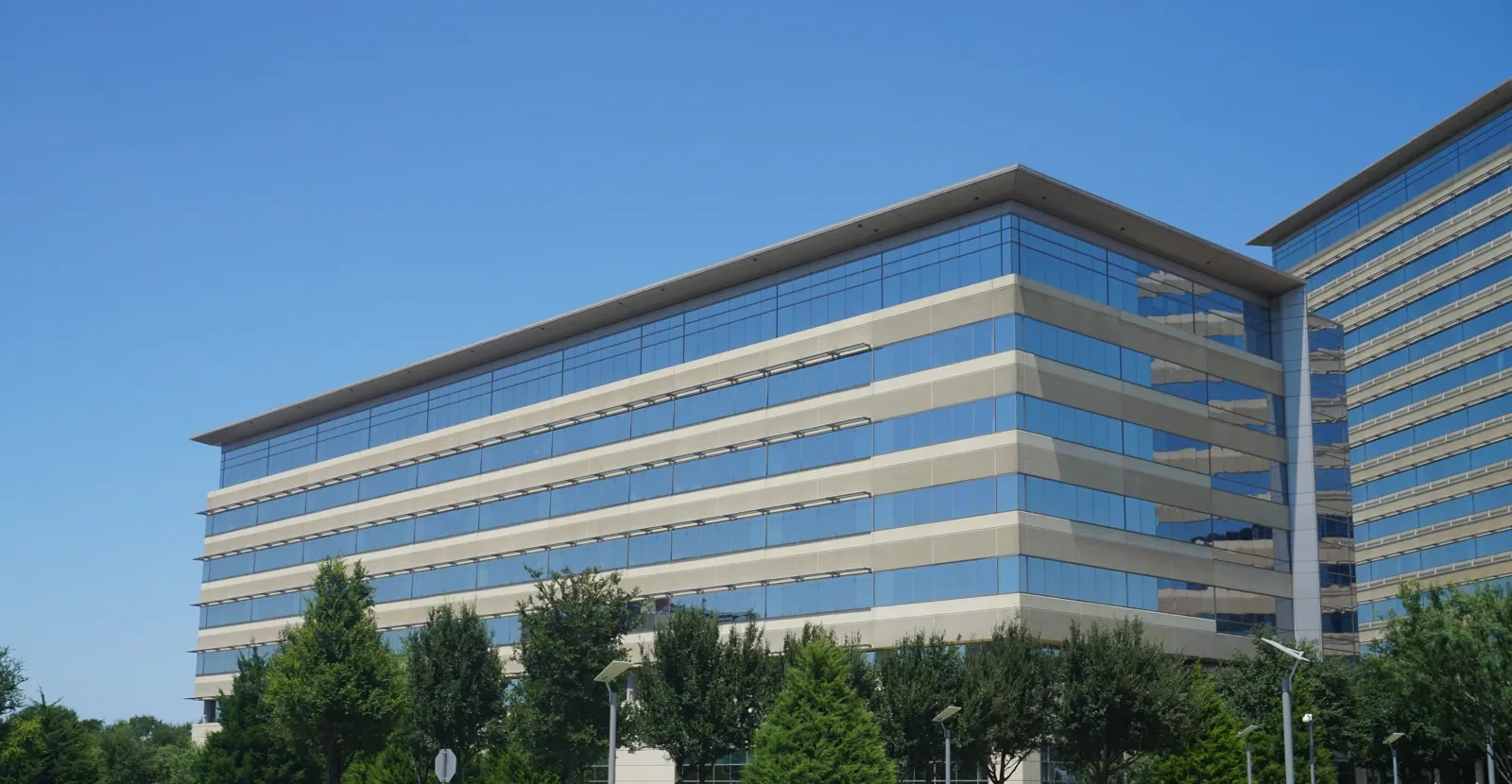
Built-up roofing presents a different replacement decision than a single-ply membrane. The owner needs to know how many layers remain sound, whether water is trapped between them, and what a new assembly will add at the edges. For a Richardson, TX building, we inspect the surface, drains, flashings, and available records before choosing between repair, recover, or removal. The estimate separates visible work from conditions that can only be confirmed after opening the roof.
Request a Roof Assessment
All fields are required.
Built-Up Roofing in Richardson, TX
Price the Built-Up Roof from the Layers Up
Determine Which Plies Still Carry Their Share
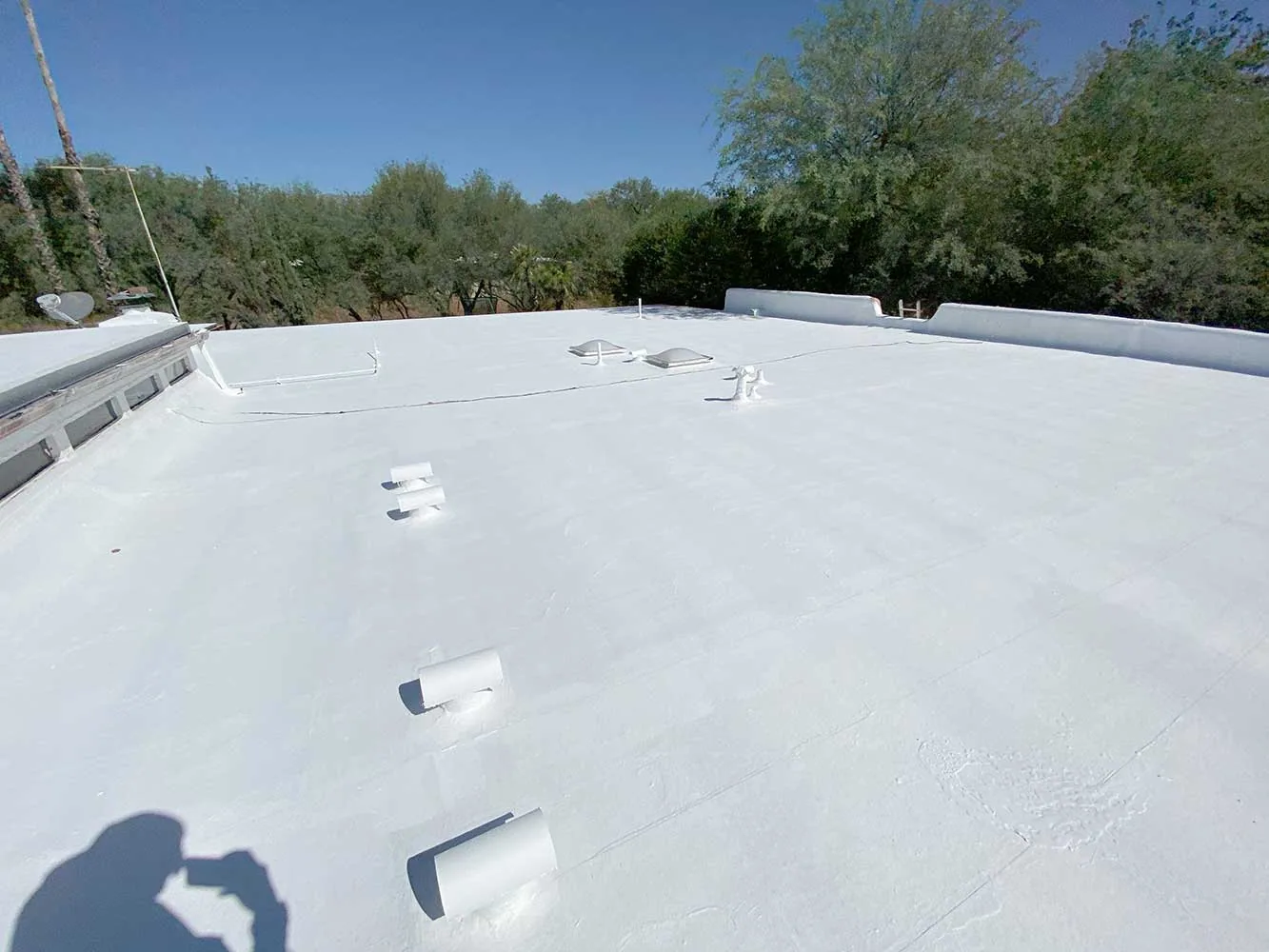
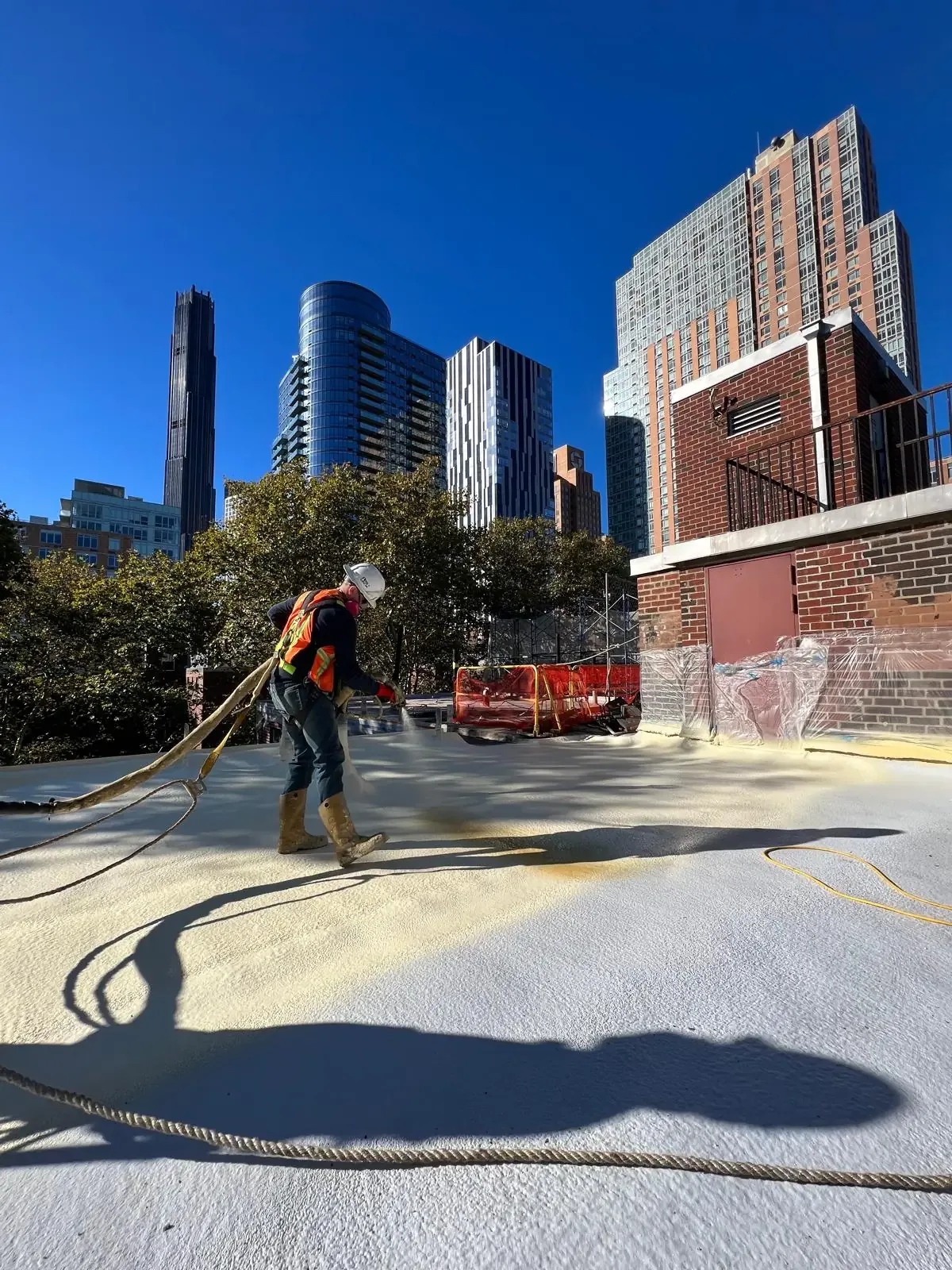
A built-up roof typically uses alternating bitumen and reinforcing felts, with a surface such as aggregate or a cap sheet. The number of plies and the condition of each layer matter. An apparently stable surface may sit above damp insulation or a weak lower ply. We inspect seams, blisters, splits, bare asphalt, aggregate displacement, and areas of repeated patching. When those signs are inconclusive, a test cut can show the actual stack and whether the deck or insulation has been affected.
Repair should address the failed layer and preserve a sound bond around it. Covering an open split with a quick surface patch may leave movement below. If the problem repeats at several seams or water has reached the insulation, a localized repair can delay rather than solve the decision. We map roof zones, record observed conditions, and identify the locations where opening the assembly is justified. A roof inspection gives the owner the evidence to compare an immediate repair line with a planned replacement window.
Read the Surface Alongside the Drainage
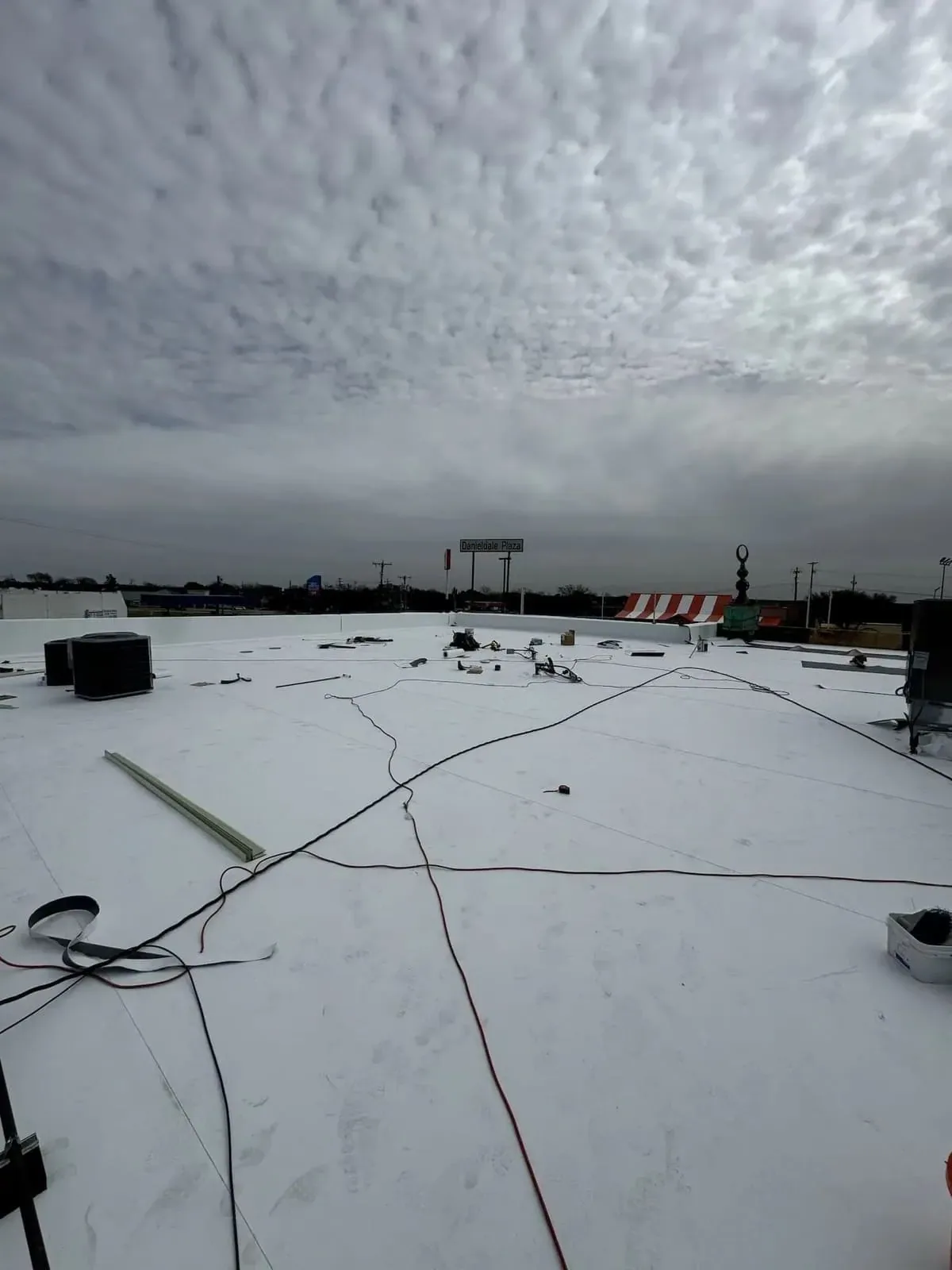
Aggregate can protect bitumen from direct exposure, but loose stone also makes it harder to see the membrane. We check whether the surfacing has shifted, whether asphalt is exposed, and whether debris is collecting near drains or equipment. On a cap-sheet assembly, we look for granule loss, open laps, blistering, and damage from foot traffic. A visible defect is not always the entire wet area, so we trace its relation to low points, walls, penetrations, and previous repairs.
Blocked outlets can hold water against aging seams. A depressed area may continue ponding even after debris is removed, which can point to slope or insulation problems. We check drain bowls, scuppers, overflow paths, and tapered sections before proposing a new roof. Drain work and the roof surface should be scoped together when they share a cause. A drainage review can identify corrections, while a recover assessment must determine whether the current layers are dry and secure enough to remain.
Choose a Repair That Fits the Existing Assembly
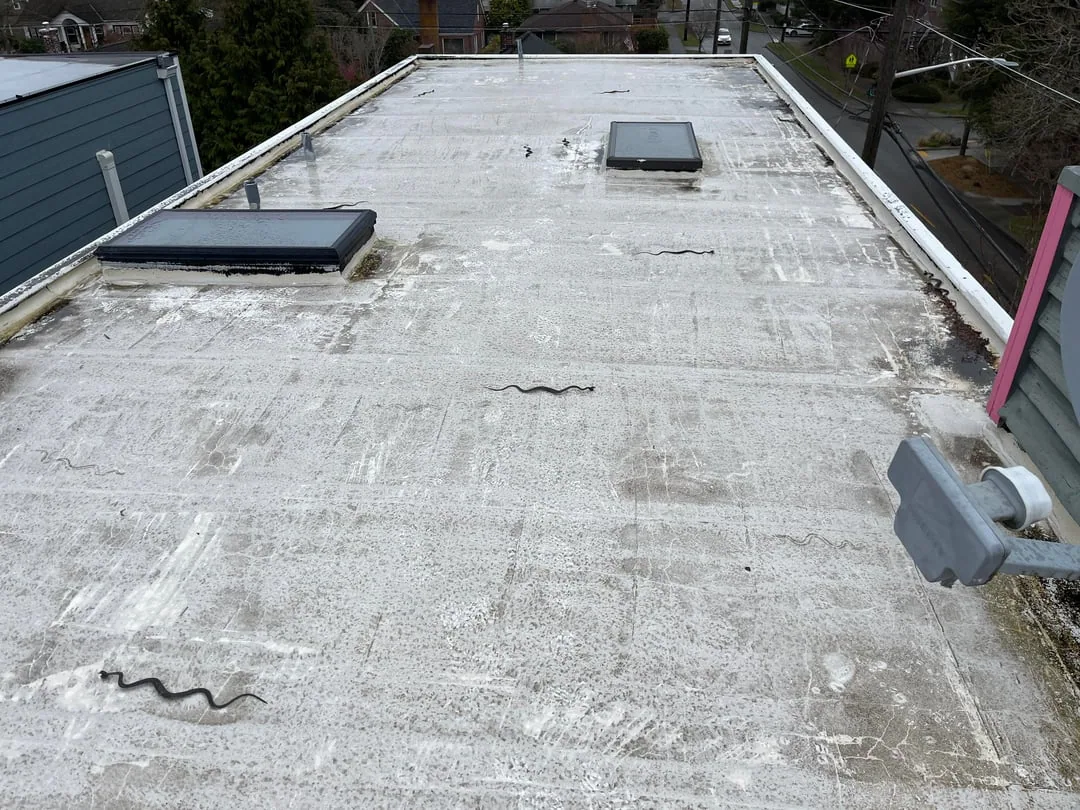
Built-up repairs can use compatible bitumen and reinforcing material, but the method depends on the installed system and surface. A repair around aggregate may need the stone moved and restored; a cap-sheet patch needs a sound tie-in beyond the split. We inspect the perimeter of the defect and avoid placing new material over loose, wet, or contaminated layers. Where a previous patch has failed, we check whether the bond, drainage, movement, or substrate caused it.
Richardson's commercial properties include offices, retail, healthcare, research, and advanced manufacturing. Roof access may involve technicians, tenant routes, or operating equipment, so repair timing is not only a material question. We plan how aggregate, felts, hot bitumen, or replacement materials reach the work area and how the crew will protect occupied space below. If a repair requires a larger hot-work control zone or additional fire watch, that condition belongs in the schedule. The owner should know the expected work window and any restrictions before approving mobilization.
Account for Richardson's Heat and Storm Cycles
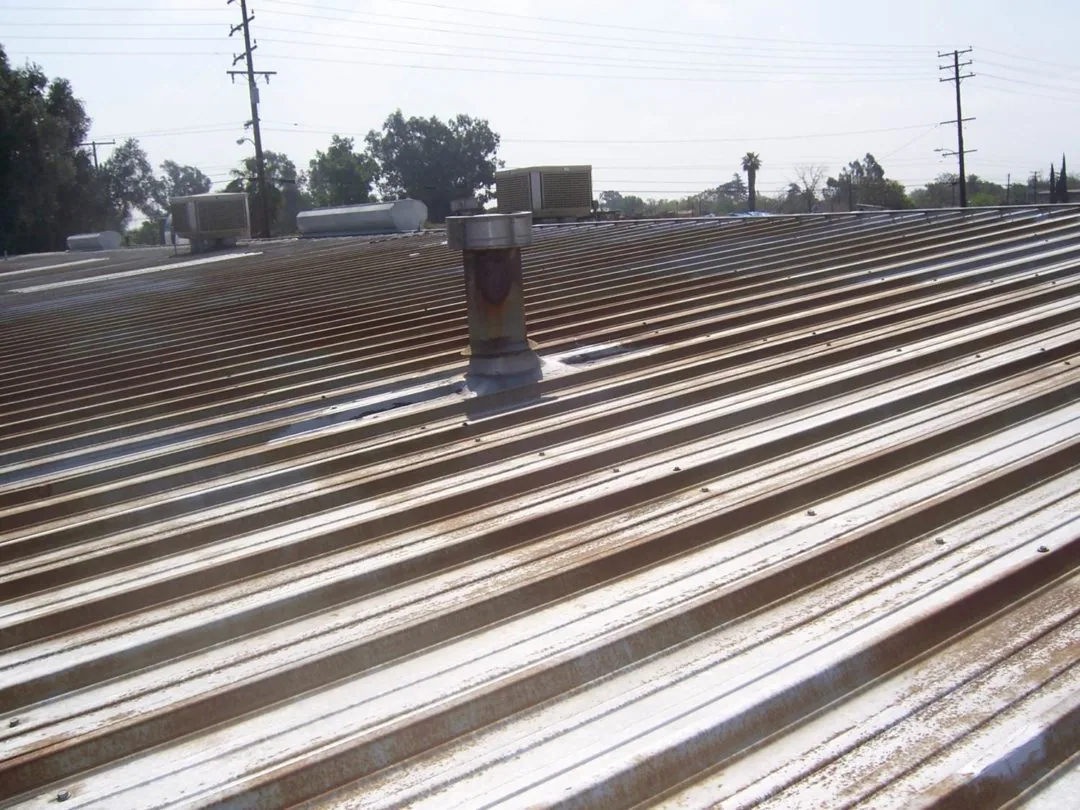
DFW summer temperatures regularly put roof surfaces under intense heat. Thermal cycling can accelerate movement at laps, penetrations, and perimeter flashing on an older multi-ply assembly. Spring is a wetter and more active severe-weather period across the metroplex. Hail, wind, and heavy rain can expose a weakness, but regional weather does not establish damage at a particular address. We inspect for actual punctures, displaced material, open seams, and moisture, then connect each finding to the proposed repair.
A tornado damaged areas near Audelia Road and Buckingham Road in Richardson on October 20, 2019. The event is part of the local weather record; it does not mean every nearby commercial roof needs replacement. After a storm, photographs and a timely inspection help distinguish a new impact from existing deterioration. If a claim is involved, a roof claim assessment can organize observations and repair documentation. The scope should separate emergency water control from permanent work so the owner can decide which costs belong in the current operating period.
Compare Added Layers with Tear-Off
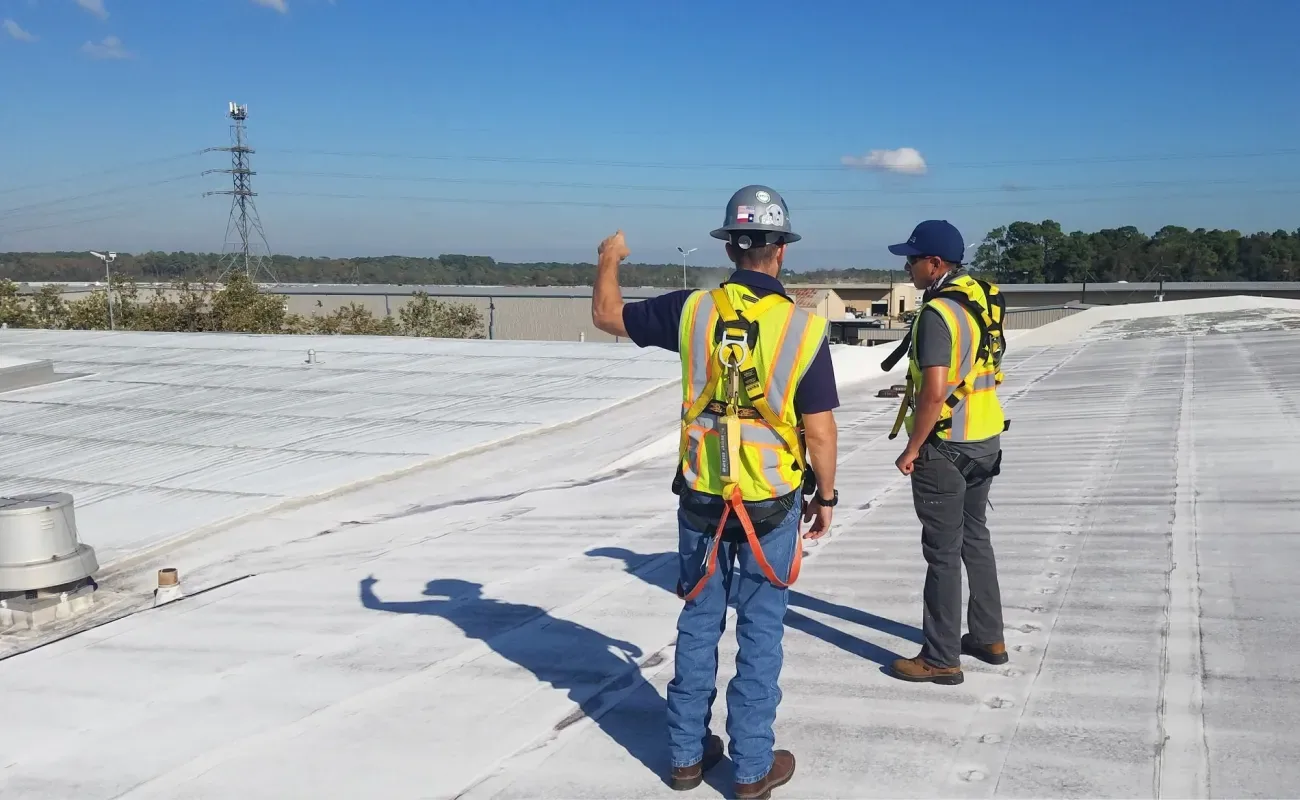
A recover may reduce demolition, but the existing assembly must be dry, attached, and within the applicable layer and code limits. More thickness can change edge heights, drain elevations, equipment curbs, and access transitions. If wet insulation or repeated failure is present, a new layer can conceal the same problem. We check those conditions before putting recover and tear-off prices side by side. The owner should see what inspection evidence supports each option and which assumptions remain open.
Richardson uses locally amended 2021 code editions. We match permit and insulation review to the work proposed. We coordinate the proposed assembly and insulation with the project documents and permit path. The estimate should list demolition, disposal, deck repair assumptions, insulation, cover board, plies, flashing, edge metal, drainage, and closeout. If hidden damage changes the work, define a price and approval process before opening the roof. Compare the proposed system with modified bitumen or EPDM only when the full assemblies and use conditions are comparable.
Plan Work Around the Building Below
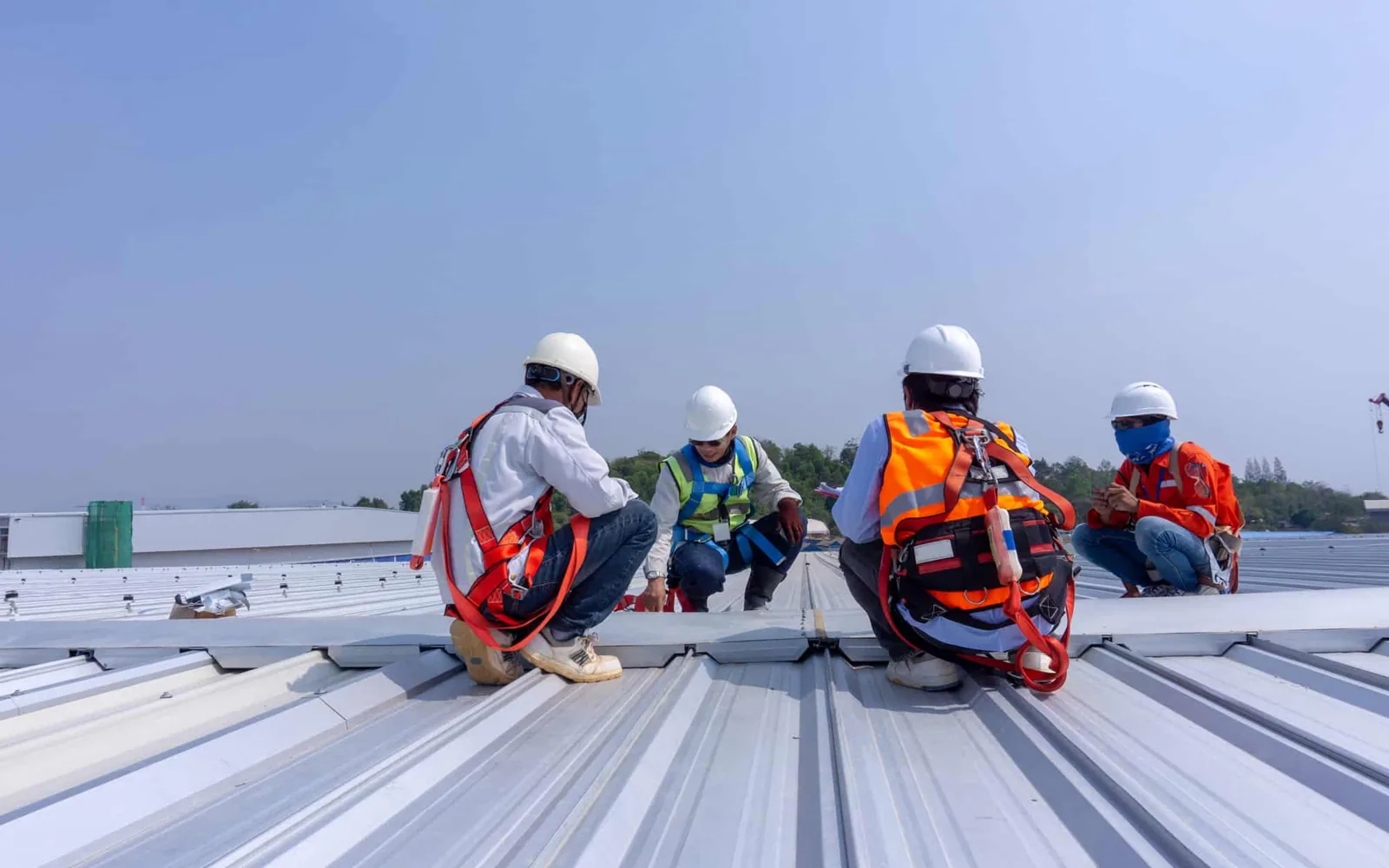
Roof replacement can affect people who never step onto the roof. We confirm interior sensitivity, tenant hours, deliveries, roof access, material staging, and routes for removing debris. Richardson Innovation Quarter includes research and technology employers, while CityLine includes office, medical, retail, hotel, residential, park, and civic uses. Those local activity patterns make careful coordination relevant, but each project still needs its own operating plan. We set daily work zones and identify how the crew will keep the roof watertight at the end of a shift.
The proposal should also say how the owner receives updates when an opening reveals unexpected layers. Photographs, location notes, and a clear allowance let the decision-maker approve necessary work without losing control of scope. Condition reporting can support a phased capital plan when replacement cannot occur all at once. Ongoing roof maintenance helps track drains, flashings, surface wear, and prior repairs after the project. The goal is a useful baseline for the next budget year, not a vague promise that the roof needs no attention.
Related Roofing Work
Commercial Roof Inspection
Commercial Roof Drain and Scupper Service
Commercial Roof Recover and Overlay
Commercial Roof Insurance Claim Assistance
Questions About Built-Up Roofing
How do you decide whether an old built-up roof can be repaired?
We check the number and condition of plies, surface, flashings, drainage, and any moisture below the membrane. Repair fits when the defect is limited and sound material remains around it. Repeated failures or wet layers can move the decision toward replacement.
Does aggregate make a built-up roof harder to inspect?
It can conceal parts of the membrane and collect around drains, so we inspect the surface and details together. If the visible clues do not establish the assembly condition, a test cut can confirm what lies below before a major scope is selected.
Can you install a new roof over built-up roofing?
Possibly, if the assembly is dry, attached, and eligible for another layer. Added height at edges, curbs, drains, and doors must also work. We verify those conditions before including recover as a priced option.
What belongs in a built-up replacement estimate?
The estimate should identify the plies, insulation, cover board, flashing, edge work, drainage, demolition, disposal, and deck assumptions. It should also define the approval step if tear-off exposes wet insulation or a deteriorated deck.
Will a built-up roof handle Richardson storms?
Performance depends on the specified assembly, attachment, drainage, details, and maintenance. We assess the actual roof for storm damage and aging, then price repairs or replacement from those findings rather than assuming a system name settles the question.
Price the Built-Up Roof from the Layers Up
Send the repair history, leak locations, roof records, and target work window. We will inspect the assembly and show what supports repair, recover, or replacement.