
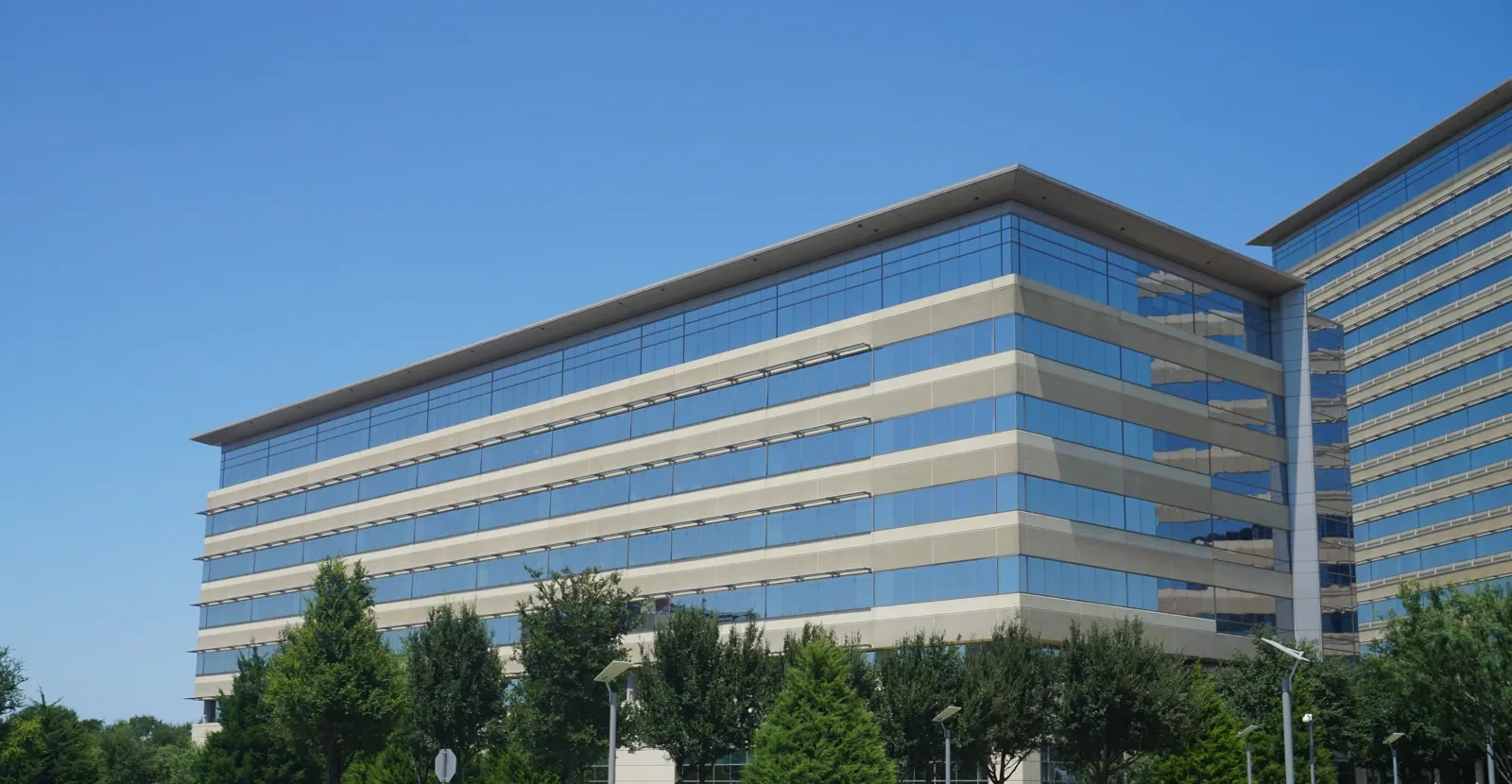
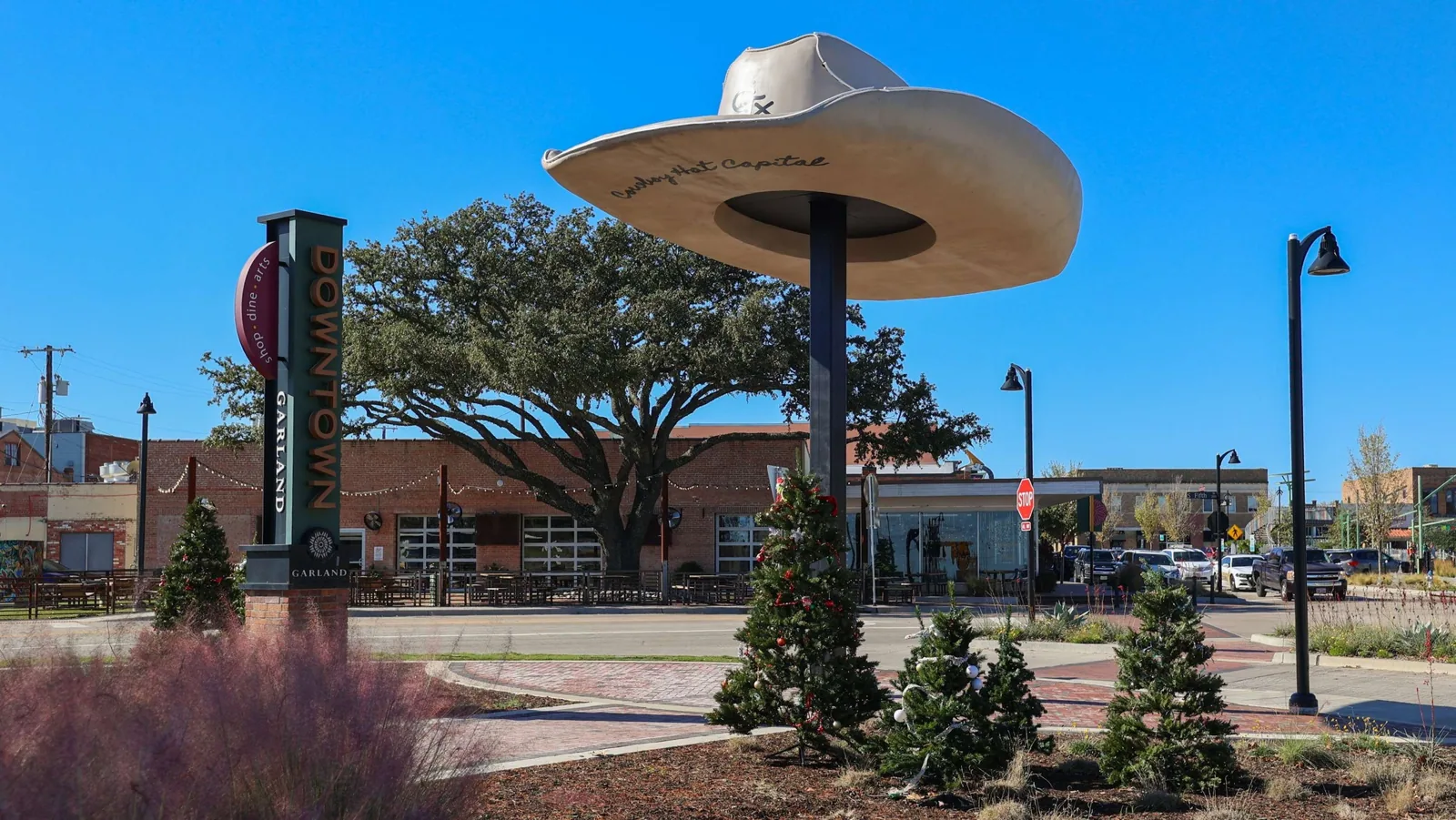
Commercial roof work in Historic Downtown Garland starts with two separate questions: what is happening on the roof, and what review or access rules apply to the property? The district grew around rail depots and a public square, is listed in the National Register of Historic Places, and includes varied architectural forms from Garland's early development. Those facts make careful documentation and early coordination sensible. They do not tell us that a particular building is designated, what its roof contains or which alteration approvals apply. We verify the property and its project requirements before proposing work.
Request a Roof Assessment
All fields are required.
Commercial Roofing in Historic Downtown Garland, TX
Inspect First, Then Confirm the Right Detail
Confirm the Building and Its Review Requirements
Before a site visit, we ask for the property address, ownership or management contact, any historic designation documentation and the purpose of the work. A roof inspection may support a leak repair, sale, budget request, storm review or planned renewal; each need changes what the report must answer. We do not infer designation from a district boundary or treat a general historic-district fact as permission to alter a particular building.
Garland is advancing mixed-use redevelopment, civic spaces, arts venues and street improvements around Downtown Garland Square. Construction activity and public-space work can affect material staging, pedestrian routes and delivery windows. We coordinate access and protection with the property contact, and identify where a permit, design review or preservation consultation should be confirmed with the appropriate authority. A commercial roof inspection can document observed conditions before any repair or replacement decision.
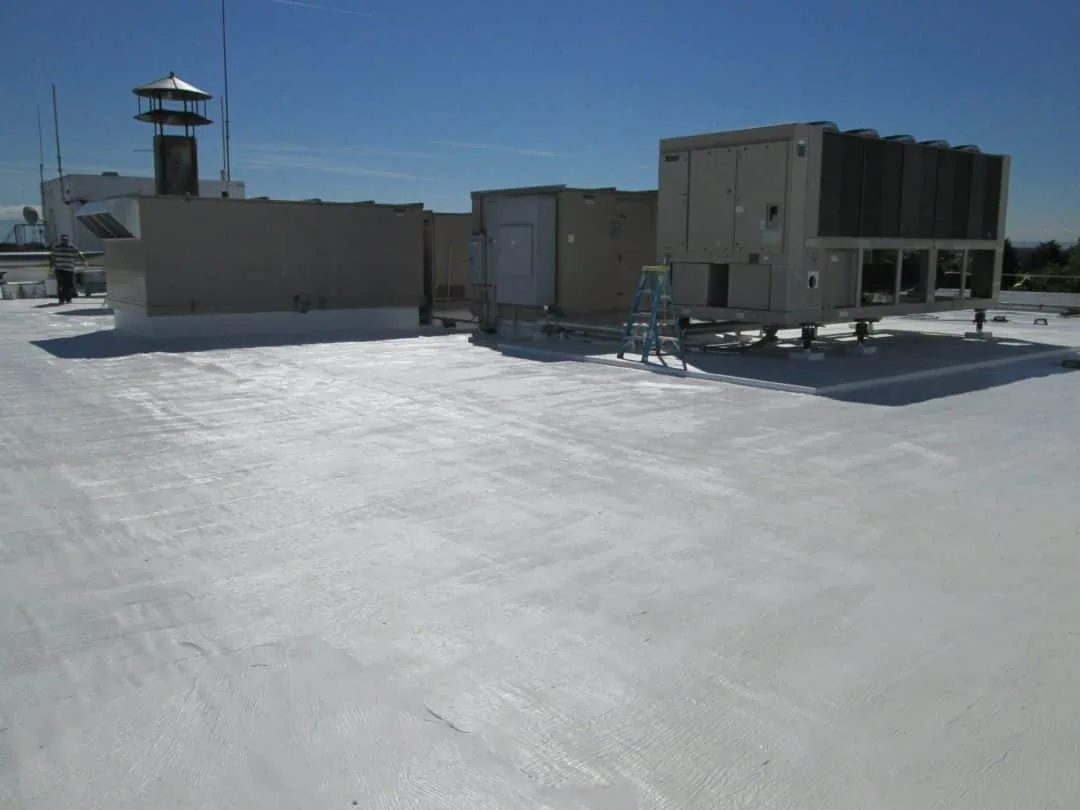
Some historic buildings have complex roof geometry, layered repairs or interfaces with older masonry and metalwork. That is a reason to inspect carefully, not to assume hidden construction details. We record accessible transitions, existing flashing, edge conditions, penetrations and drainage, and note where concealed layers cannot be confirmed without an opening. If a scope could affect a character-defining feature, the owner should clarify review requirements before finalizing materials or details.
Trace Water Without Losing the Evidence
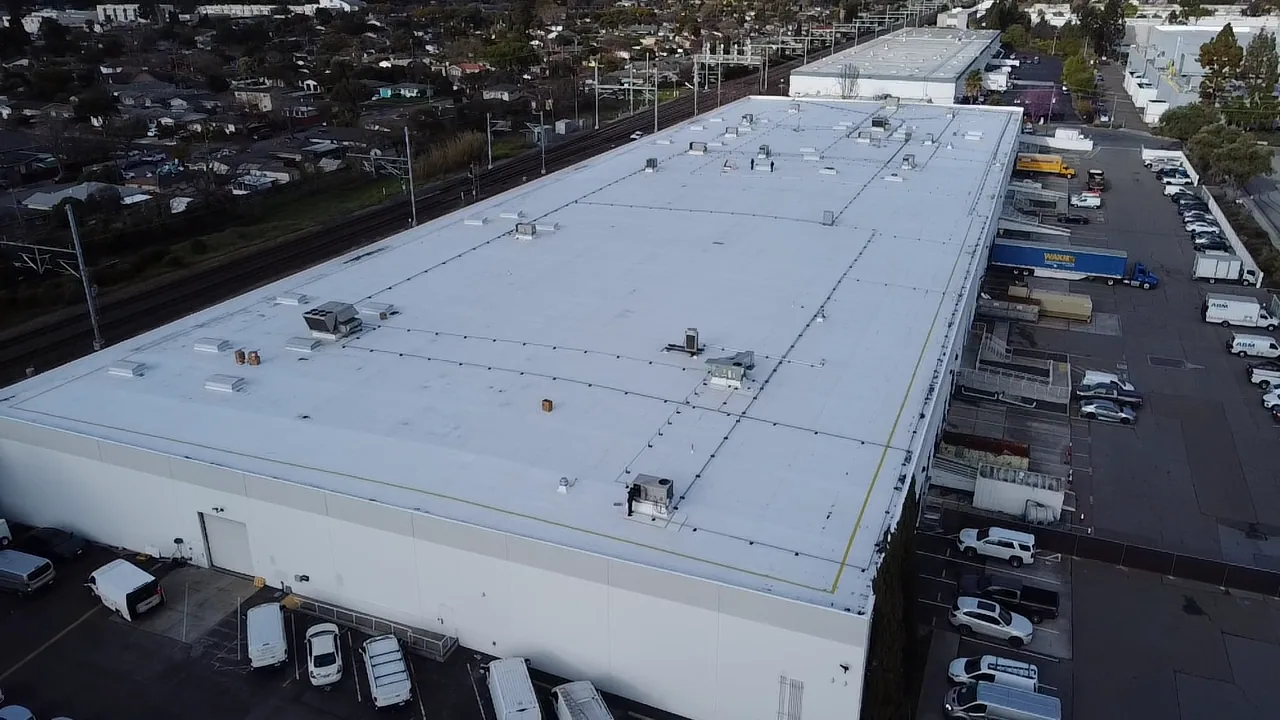
Water appearing inside may travel from a roof opening that is not directly above the stain. We document the room, timing, weather, prior repairs and any change to the affected area. On the roof, we inspect seams, metal transitions, penetrations, parapets, drains, scuppers and previous patches. We take photos that preserve the relation between an observed condition and its location instead of making the owner reconstruct the path from a folder of unlabeled images.
For a localized defect, a commercial leak repair can define preparation, materials, tie-in limits and any finish work excluded from the roofing scope. If several leaks recur or the roof shows broader wear, we compare repair with additional testing. An infrared moisture survey may help identify areas for selective confirmation, but it does not establish hidden conditions by itself.
Where active water threatens a tenant, equipment or interior finish, temporary protection can come before a permanent detail is designed. We distinguish that stabilization from the lasting repair and explain how long the temporary measure is expected to serve. The closeout should state what was protected, what was repaired and what remains subject to later review.
Review Roof Details for North Texas Exposure
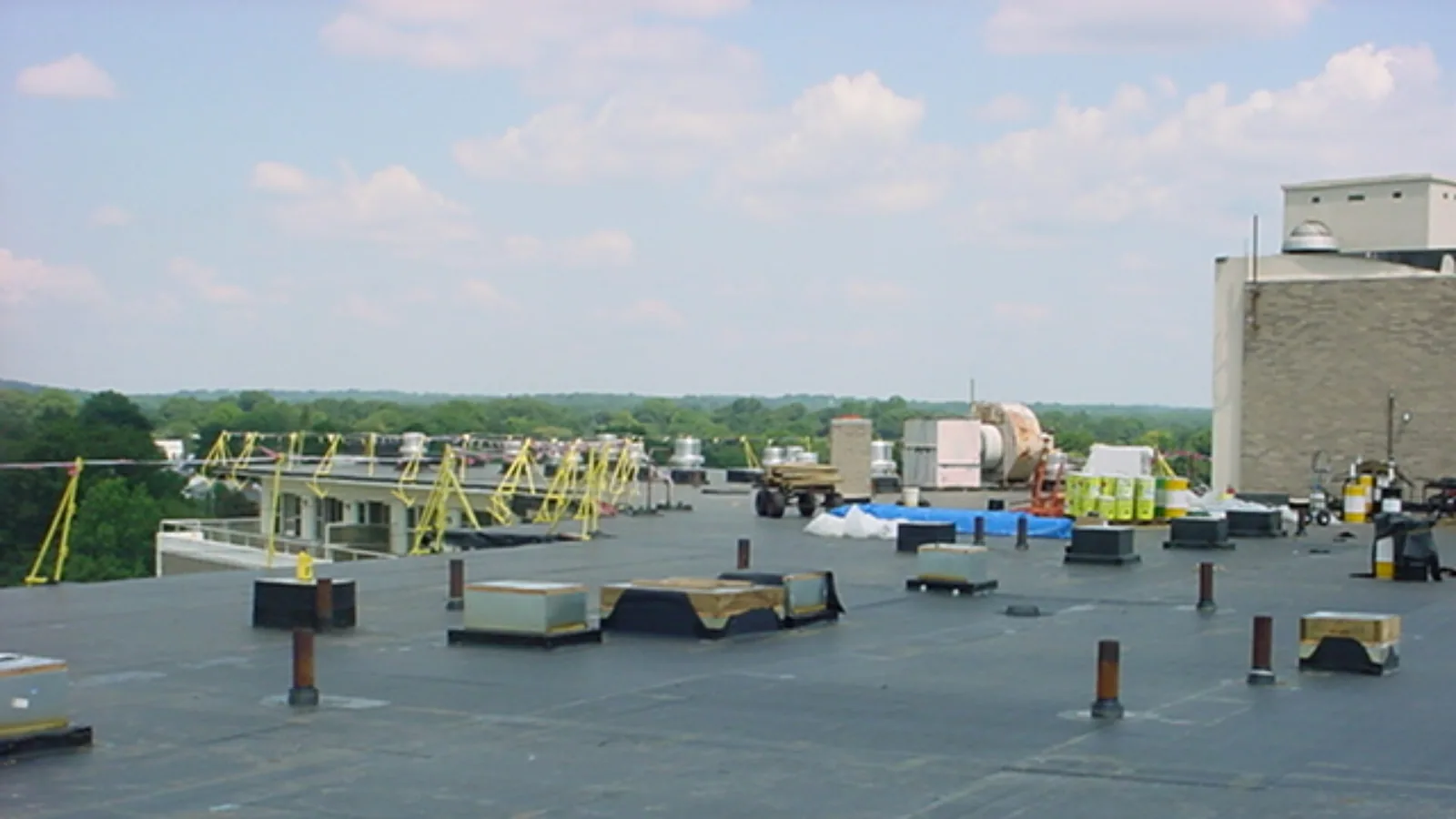
DFW summers reach average highs in the mid-90s, and spring carries the region's most frequent severe-thunderstorm activity. Those conditions can make thermal movement, wind exposure, hail review and water removal appropriate topics during an inspection. They cannot establish damage to a specific Downtown Garland roof. We look for actual signs such as loose edge metal, opened seams, displaced flashing, impact marks, blocked drains or interior water entry. A storm assessment should describe observations and limits without treating the occurrence of a regional storm as proof of damage.
Older or irregular roof forms can send water toward concealed valleys, gutters or scuppers, but the actual drainage design must be observed. We trace visible flow paths, inspect outlets and overflow points, and look for staining, debris or failed connections. If water remains despite a clear outlet, the source may involve roof slope, a low area or structural deflection. drainage service addresses a confirmed outlet issue; it is not a substitute for determining why water collects.
When the roof ties into masonry, parapets or ornamental metal, the proposed detail needs to shed water while respecting the existing construction and project requirements. We note the current material and attachment, identify the transition that needs work, and request appropriate design guidance where the condition calls for it. The proposal should not promise a visual match or historic approval without a confirmed specification.
Choose an Intervention With Clear Boundaries
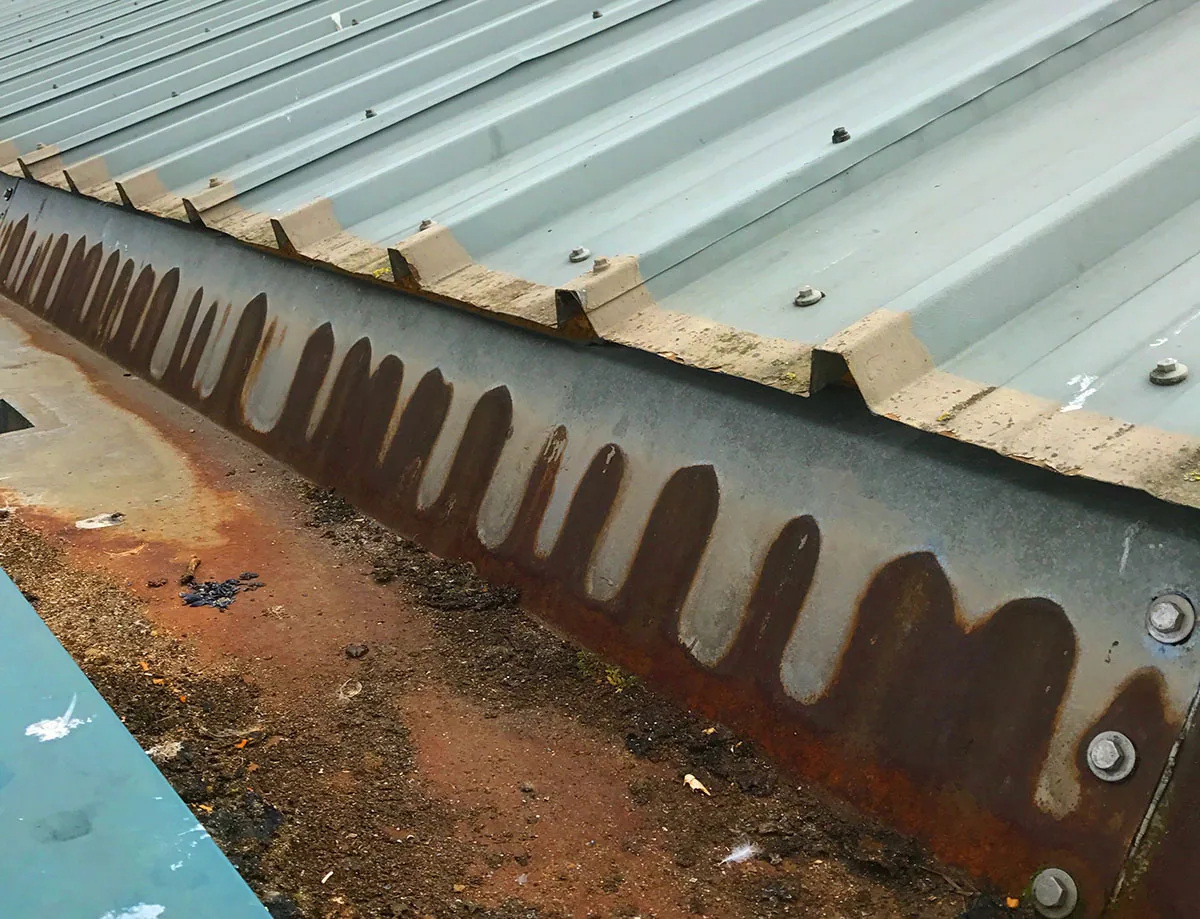
A repair is often the least disruptive way to address a defined failure when surrounding materials remain serviceable. Recover may be considered if the assembly is dry, secure and compatible with another layer, and if drainage and flashing heights remain workable. Replacement can be necessary when deterioration is widespread or the existing transitions cannot provide a dependable tie-in. Each option should explain its effect on the existing roof and the evidence still needed before final quantities.
For a downtown property, cost can depend on roof access, lift or scaffold needs, pedestrian protection, restricted staging, material handling, debris removal and any required architectural review. We list these conditions separately from roofing quantities. If a concealed deck or historic-layer condition may affect the price, we state the approval point before opening the area. A single square-foot rate cannot show the cost difference between a straightforward roof and one requiring careful access and custom detailing.
Owners managing multiple properties can use a condition report to track each location with photographs, dates and priority. A capital plan can compare urgent repairs with longer-term renewal. Garland's broader commercial service area and Firewheel district involve different context, while recommendations remain specific to the roof inspected.
Protect the Public Edge and Close Out Carefully
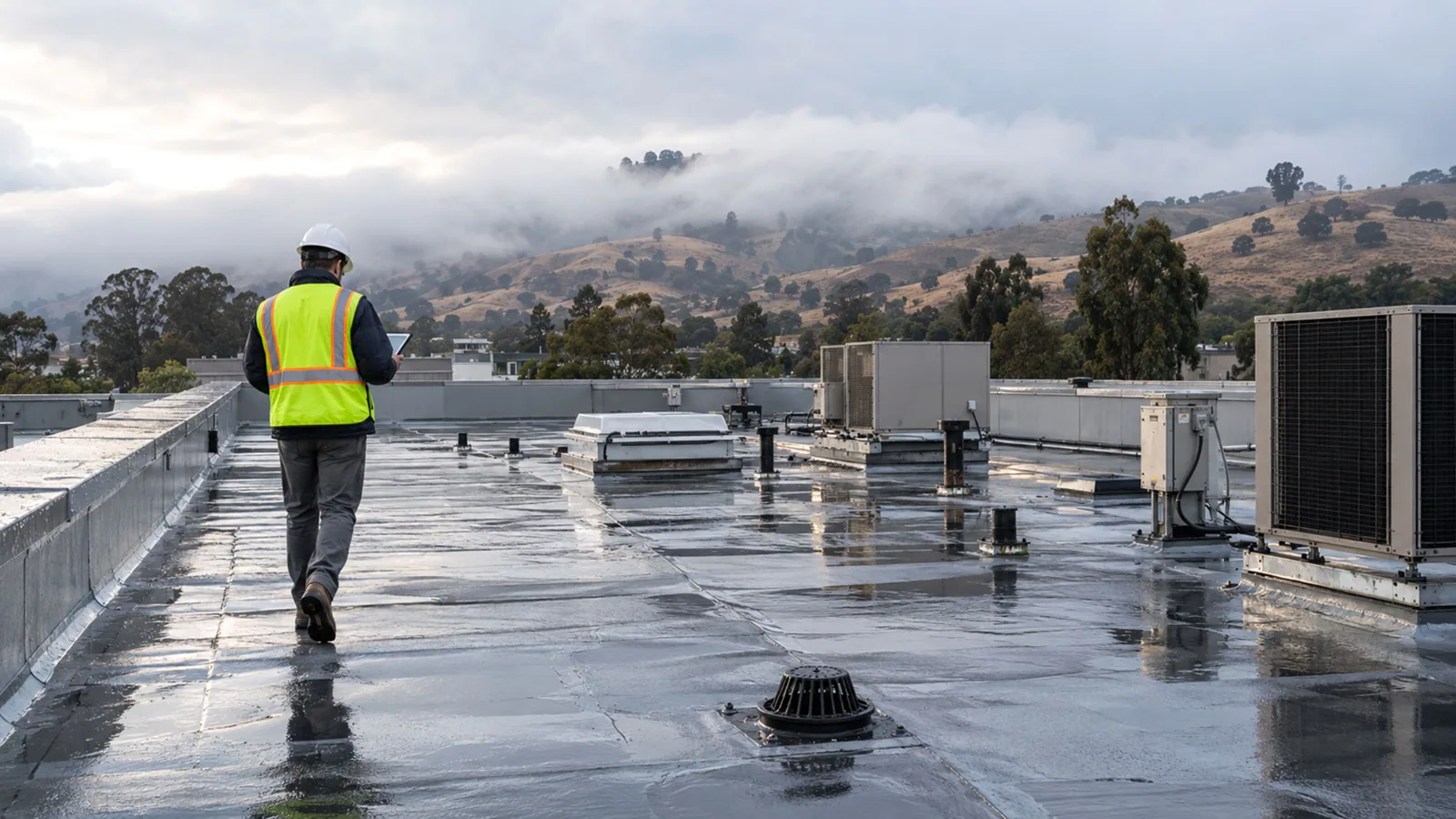
Project timing depends on scope, weather, permit and review milestones, material lead time, access and the property's operating hours. We agree on the daily work zone, public separation, material staging and the point at which a roof section will be secured. If sidewalks or a public square route are affected, the property team and responsible local contacts should confirm the temporary controls before work starts. We keep the exposed roof area within the crew's ability to close securely before leaving.
After the work, the closeout identifies what was removed, repaired or installed, the roof areas involved, dated photographs and any condition not included. For a historic property, this record can help an owner answer later questions about which details were retained or changed. The report should avoid claiming preservation compliance unless a responsible reviewer has confirmed it.
To request an assessment, share available roof plans, prior leak reports, designation or review documents, access instructions and the decision deadline. We will inspect what can be reached, explain what remains unknown and outline practical options that keep the building protected while the owner confirms any additional review.

Related Roofing Work
Commercial Roof Inspection
Commercial Roof Leak Repair
Infrared Roof Moisture Survey
Storm Damage Roof Repair
Questions About Historic Downtown Garland
Does every building in Historic Downtown Garland have historic designation?
No. The district's National Register listing does not by itself establish the designation or review requirements for every property. The owner should verify the building's status and applicable approvals with the relevant authority.
Can you replace a roof on a historic downtown building?
We can inspect the roof and prepare options, but material and detail choices may require property-specific review. We confirm the assembly, scope and any preservation requirements before recommending a final approach.
How do you inspect a roof when access is limited?
We document accessible areas, request an approved access plan and clearly state any section that could not be observed. Additional equipment or a return visit may be needed before conclusions can cover the full roof.
Will a leak repair disturb historic exterior details?
The repair scope identifies the affected transition and proposed work. If the detail touches a feature with preservation requirements, the owner should confirm the acceptable repair method before work begins.
Does a regional storm report show that my roof was damaged?
No. Weather information provides context only. We assess the individual roof for visible impact, wind effects, open details and interior water entry, then state what evidence supports the findings.
Inspect First, Then Confirm the Right Detail
Share the property records, roof concern and any review requirements. We will document accessible conditions and outline a scope that keeps both the building and project boundaries clear.