
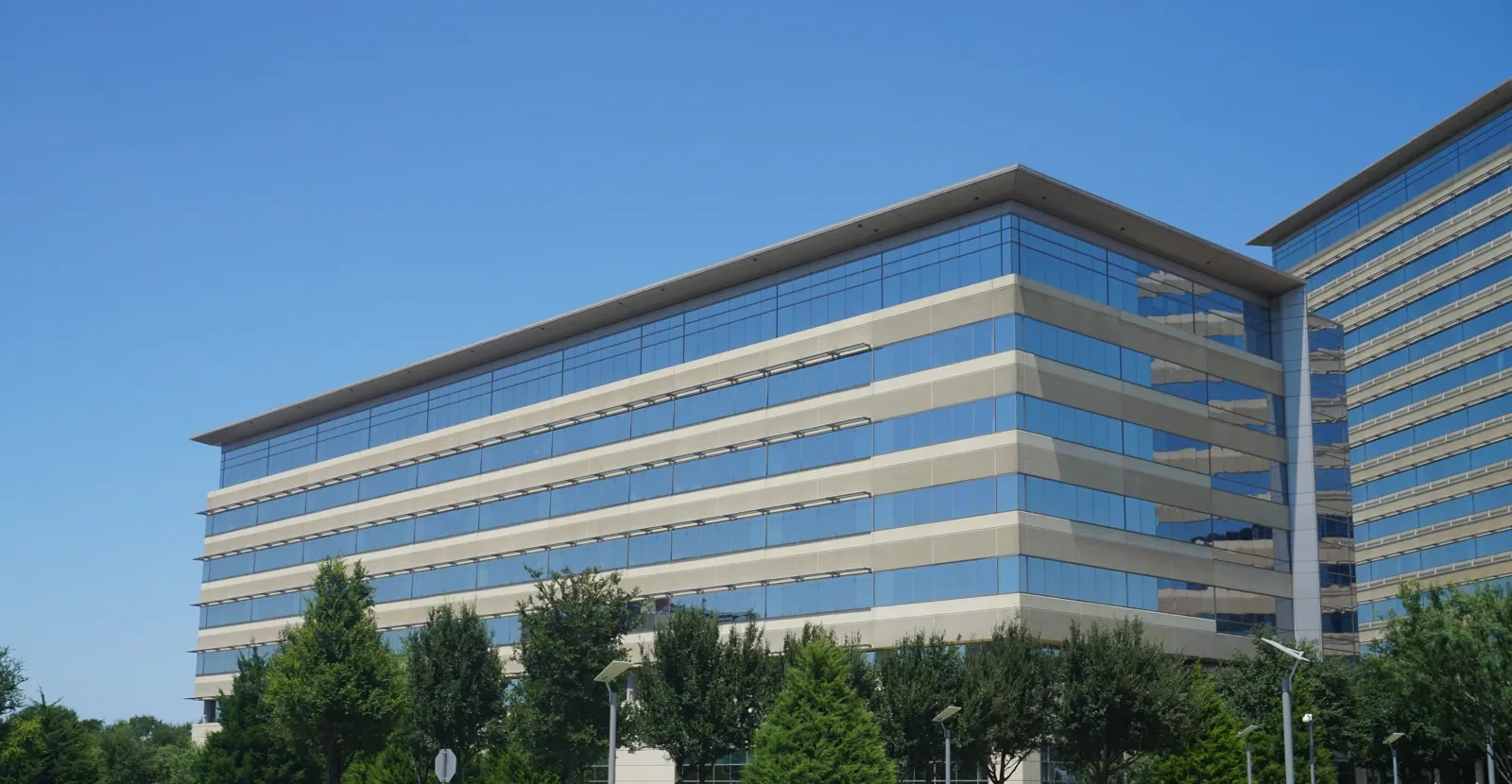
A multi-site roof program should make separate buildings easier to manage, not force them into one repair plan. For Richardson owners with several properties, we coordinate inspections, recurring service and budget reviews while keeping each roof’s condition and access needs distinct. The program sets common records and response steps. Field findings remain specific to the building, roof zone and work authorized.
Request a Roof Assessment
All fields are required.
Multi-Site Commercial Roofing Programs in Richardson, TX
Coordinate the Portfolio Review
Standardize the Process, Keep Findings Local
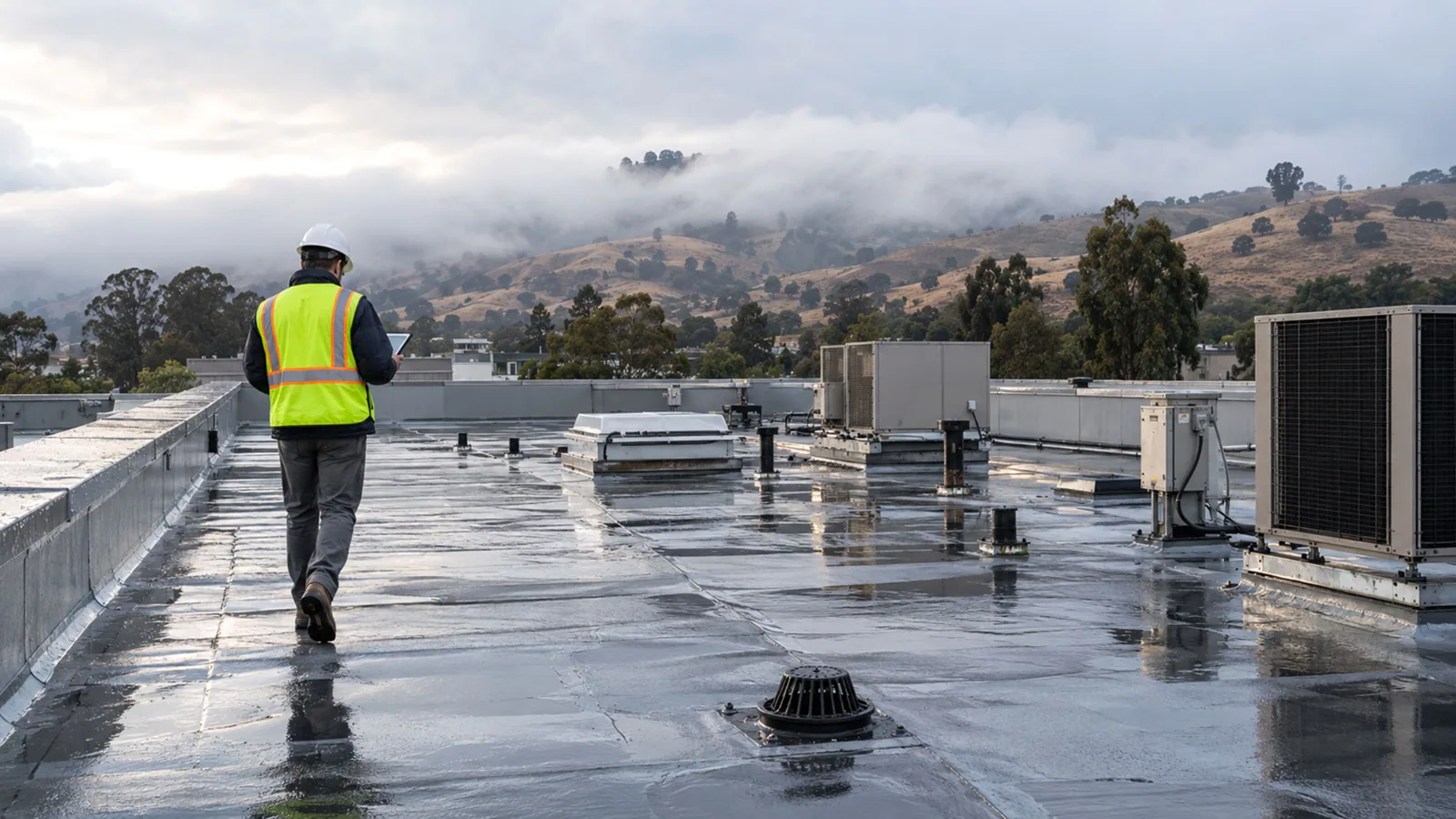
We agree on a property list, site contacts, access rules, reporting fields, approval limits and escalation path. Each building record identifies roof areas, known system if supported, open repairs, drainage, equipment changes, tenant constraints and the next decision date. An unknown field remains open until inspection. A prior repair at one property is not copied to another because the buildings share an owner.
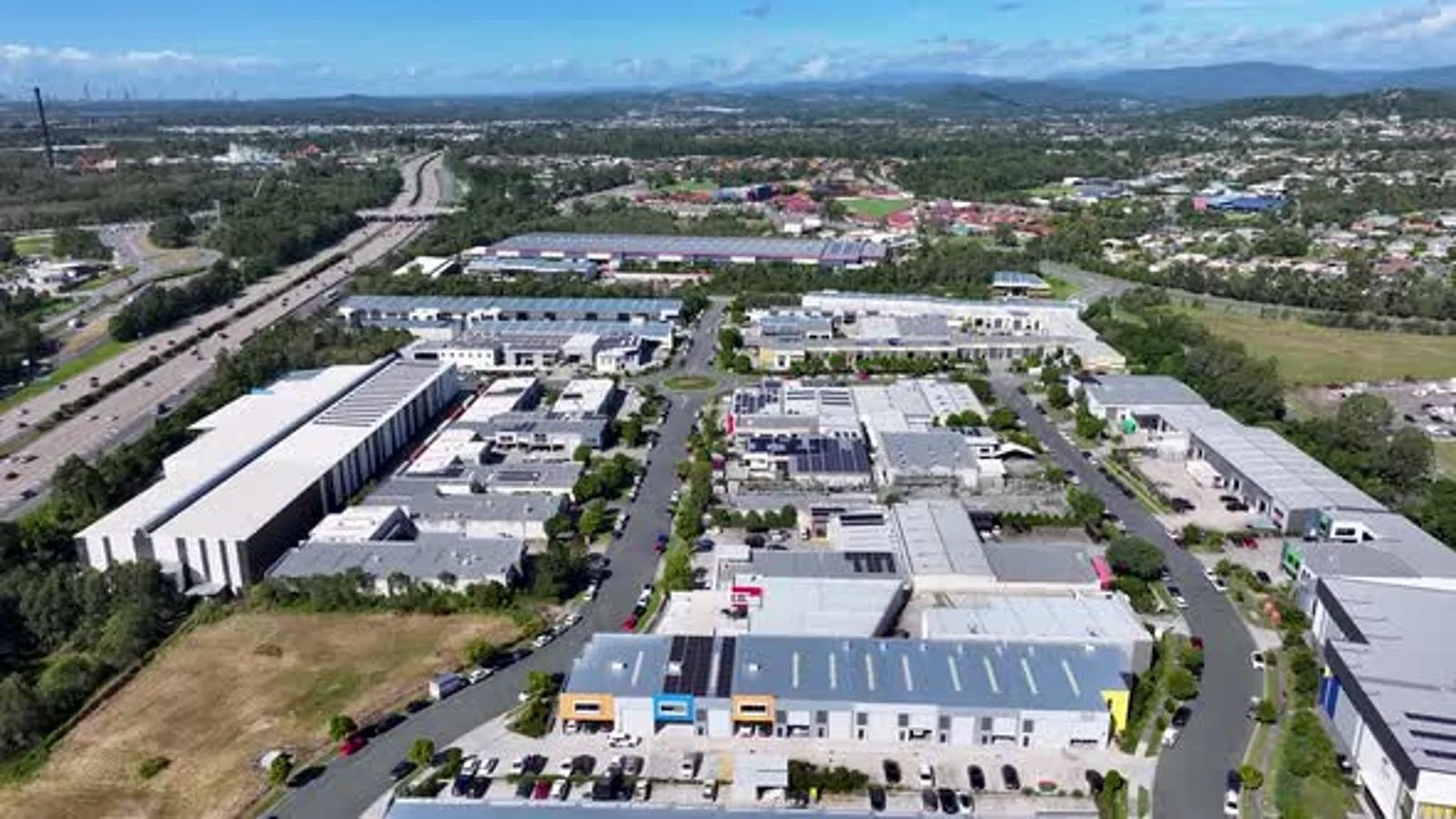
Richardson Innovation Quarter contains technology, manufacturing, research and education organizations. CityLine combines offices, medical facilities, retail, residential, hotel and civic activity. These districts show different kinds of operating schedules in the market, but do not establish roof conditions. For each participating address, the site manager confirms operating hours, restricted rooms, loading activity and roof access. We plan around those answers instead of assuming one portfolio rule fits every building.
An asset register can track inspection dates, repair status and next actions. A condition report keeps photos and observations tied to a zone. For example, a CityLine property retains its own inspection findings even when ownership reviews it alongside a nearby office or medical building.
Set a Repeatable Inspection Cycle
The schedule should follow roof condition, operating needs and the owner's calendar. Some buildings need a seasonal visit focused on drains, penetrations and exposed edges. Others may need a post-repair review or a more detailed assessment before a capital decision. We set a recurring window, but the checklist stays responsive to each roof's findings. A visit that cannot reach a section lists the access gap and a clear next step.
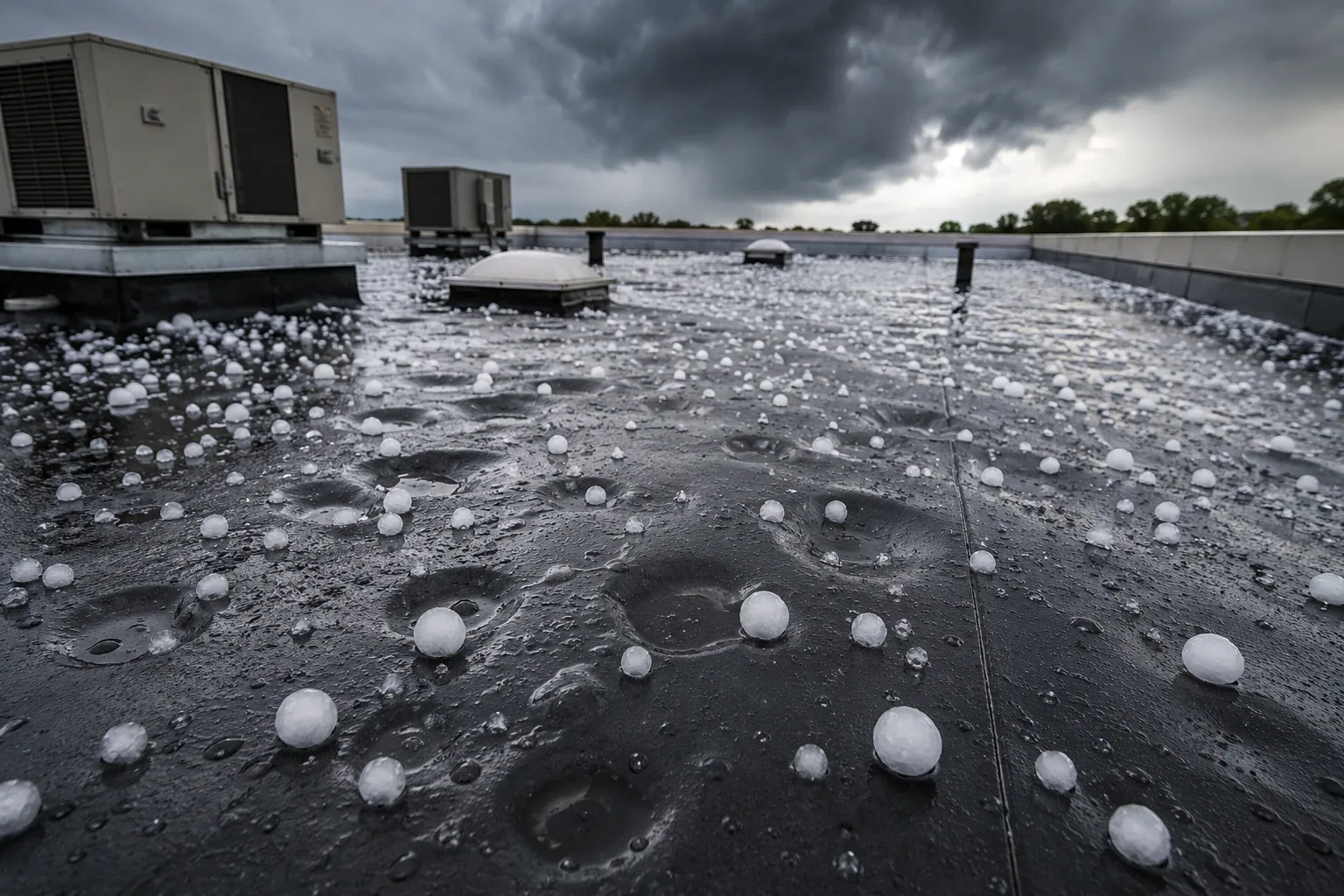
Richardson's July and August average daily highs are near 96 degrees. Spring is the DFW area's peak severe-thunderstorm period. Those conditions help set useful review windows for the portfolio, but they do not indicate that every building has been damaged. Before spring weather, the program can prioritize drainage and perimeter checks where the site record supports that need. After a reported event, a storm assessment captures new conditions on the affected roof rather than updating every property by assumption.
For active water, the escalation process identifies who can authorize access and temporary protection. An emergency response can stabilize the exposed area, with permanent work scoped after inspection. The program records temporary and final work separately, including which roof zones still need follow-up. That prevents an emergency call from being confused with an annual inspection or a completed correction.
Coordinate Work Without Blurring Scope
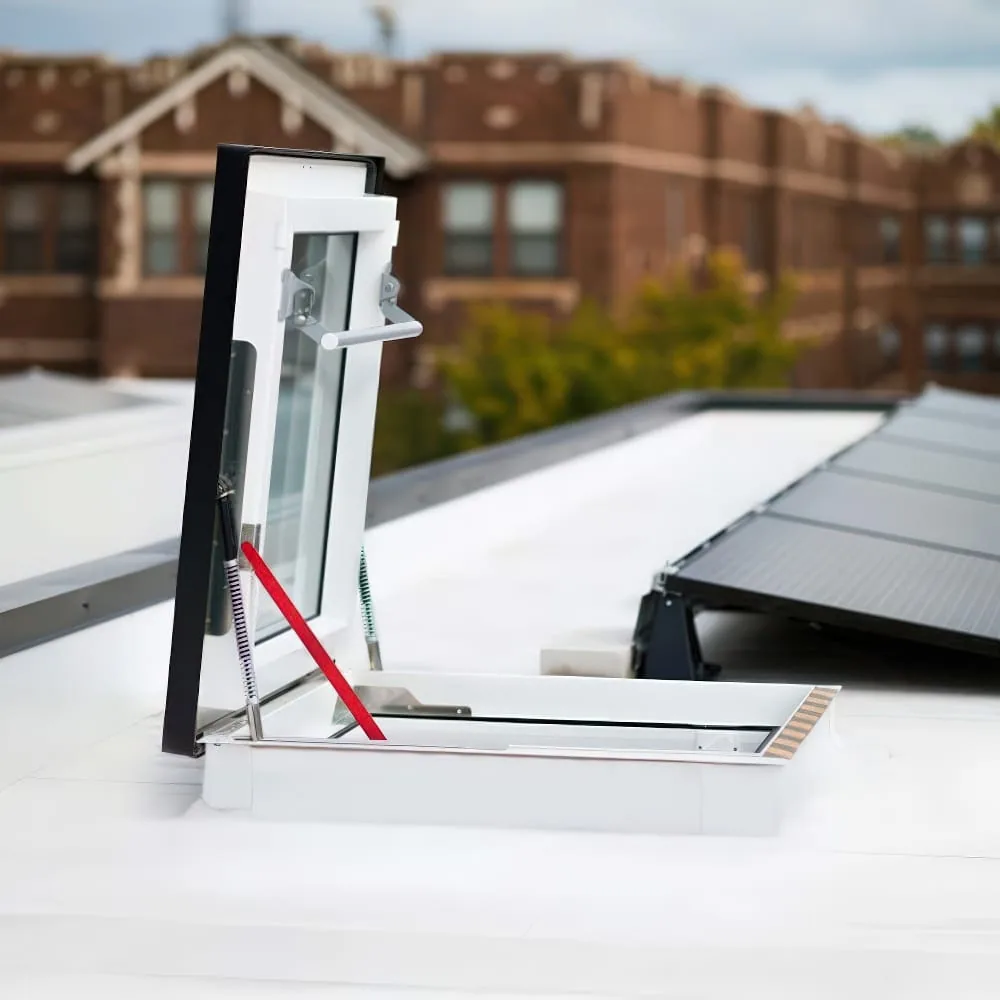
Portfolio coordination can reduce repeated mobilization, but work still needs a property-specific boundary. We group repairs by location and timing when access permits, then list materials, quantities, protection and closeout requirements for each building. A service visit can cover several sites while the approval record retains which work belongs to each asset. If a test opening changes a quantity, ownership reviews that building's revised scope rather than an across-the-board adjustment.
A repair scope addresses a known failure. A broader replacement plan can be scheduled separately when inspection supports that decision. If a system may qualify for a recover, moisture, attachment, layer count and drainage height need confirmation first. Keeping these options distinct gives the portfolio manager a reliable basis for approvals and lets a building with sound conditions stay on its current maintenance path.
At properties with tenants or active operations, each site contact confirms notice requirements, delivery paths, noise periods and equipment shutdowns. The program may supply a common work notice, but the content names the affected building and work window. We do not use one tenant schedule as a stand-in for the next location.
Give Ownership a Portfolio Decision View
At each review, we summarize urgent conditions, near-term repairs, tests needed, replacement candidates and deferred items. The summary shows the evidence and date behind each recommendation. Ownership can see where several buildings share a budget pressure while facilities can open the underlying photos and measurements. One property's urgent leak does not automatically change another property's rank.
Richardson adopted locally amended 2021 building, existing-building and energy-code provisions. A replacement or insulation change may require a different city review than a small repair. We flag that project step against the specific scope. A capital plan can compare cost timing by building, while a warranty record can surface document dates and service provisions when available.
For each site, we record what could change the recommendation: concealed moisture, attachment testing, deck condition, access limits or new rooftop equipment. That makes the budget view useful without pretending every estimate has the same certainty. The portfolio manager can reserve for known work, keep unresolved items visible, and set a due date for closing the evidence gap.
Keep the Program Usable After Staff Changes
Program records should survive a property manager transition. We maintain contacts, access notes, inspection dates, approved scopes, completed work and outstanding decisions in a shared format. The owner can assign a new contact to each building and see what requires attention before the next visit. If a contractor or tenant changes, the new information updates the individual property record.
Closeout records identify the work completed, material installed, photos by zone, remaining exclusions and any follow-up date. Facilities can use the same fields to compare later visits without assuming a past roof condition remains current. Reports also state when access was limited or when an estimate relied on a test opening that did not occur.
A central calendar should list the next inspection, any required testing, approvals due and responsible contact. When a date slips, the record should show whether the reason was weather, tenant access, funding or unresolved roof conditions. That detail prevents a delayed item from appearing complete during the next portfolio review.
Tell us how many properties need review, which sites have active leaks, who controls roof access and when ownership makes the next budget decision. We will set a program calendar, inspection sequence and escalation path, then return building-level findings that make the next repair or replacement choice easier to defend.
Related Roofing Work
Commercial Roof Asset Management
Commercial Roof Condition Reports
CityLine
Storm Damage Roof Repair
Questions About Multi-Site Commercial Roofing Programs
Can one maintenance plan cover several Richardson buildings?
The schedule and reporting fields can be coordinated, while each property's inspection tasks follow its own roof condition, access and operating requirements. We keep findings and approvals separate by building.
How does the program handle an emergency at one location?
The site contact authorizes access and temporary protection for the affected roof. We record the response separately, then inspect for permanent repairs and keep other buildings on their existing schedules unless their own conditions change.
Will a portfolio report treat similar buildings as having the same roof?
No. Similar use does not establish roof assembly or condition. Each site keeps its own records, photographs, repair history and unresolved tests.
What does ownership receive at a quarterly or annual review?
A building-by-building list of urgent work, repair scopes, inspections due, open evidence questions and budget decisions. The summary points to the supporting condition record for each item.
Can work be grouped to reduce schedule disruption?
When access and material needs align, we can coordinate dates or mobilization. Each building still receives a separate scope, approval and closeout so the cost and work remain attributable.
Coordinate the Portfolio Review
Send the property list, access contacts, active roof concerns, and budget dates. We will organize inspections and reporting while keeping each building's repair scope separate.