
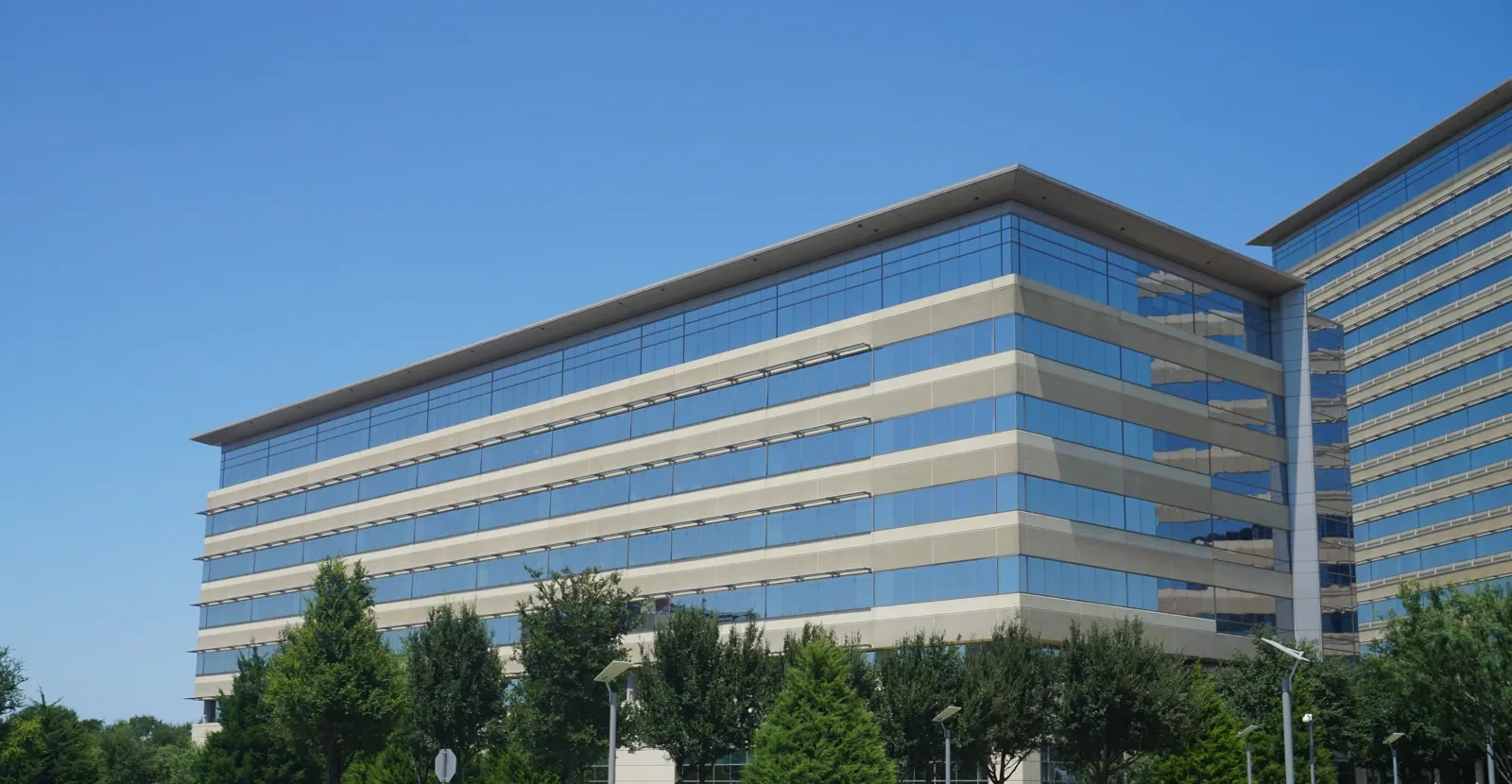
A portfolio roof list is only useful when it changes a spending decision. In Richardson, TX, owners may manage office, medical, technology, industrial, retail and mixed-use properties with different roof conditions and access windows. We inspect each building, preserve its repair history, and record the condition that drives the next action. That makes it possible to compare urgent work with a replacement window without treating every roof as the same asset.
Request a Roof Assessment
All fields are required.
Commercial Roof Asset Management in Richardson, TX
Build a Roof Record That Supports the Next Spend
Keep Each Roof Tied to Its Building
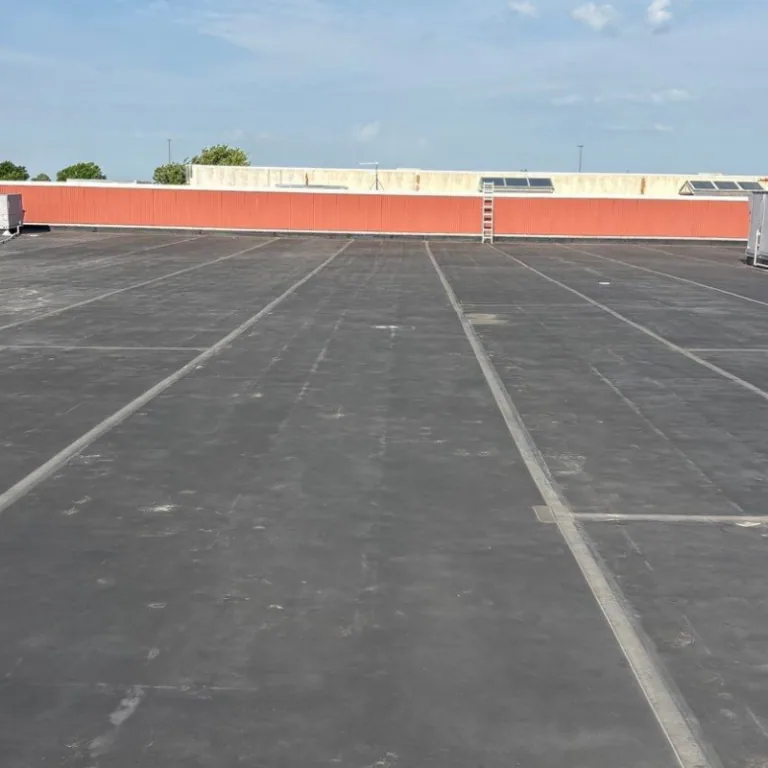
We start with an inventory that identifies the property, roof zones, known system, approximate age when records support it, drainage features, penetrations, access limits and prior work. Unknown fields stay marked for inspection rather than filled with guesses. If one building has multiple additions or roof levels, those areas get separate entries. That detail matters when a leak affects only a small section but a capital forecast covers the whole campus.
Richardson Innovation Quarter is a broad urban district with technology, manufacturing, research and education organizations. CityLine combines offices and medical space with apartments, retail, restaurants, hotel and civic uses. Those places illustrate varied operating demands; they do not establish the assembly on any specific roof. For each property, we note what the manager confirms about tenant hours, sensitive equipment and roof access. A Richardson IQ facility still receives its own condition record, separate from neighboring assets.
We can connect each record to a photo-backed roof report and a maintenance schedule. The record should answer three questions quickly: what condition is known, what action is due, and who needs to approve the next spend. A simple list without dates, zones or evidence does not answer those questions.
Separate Current Condition From Old Work
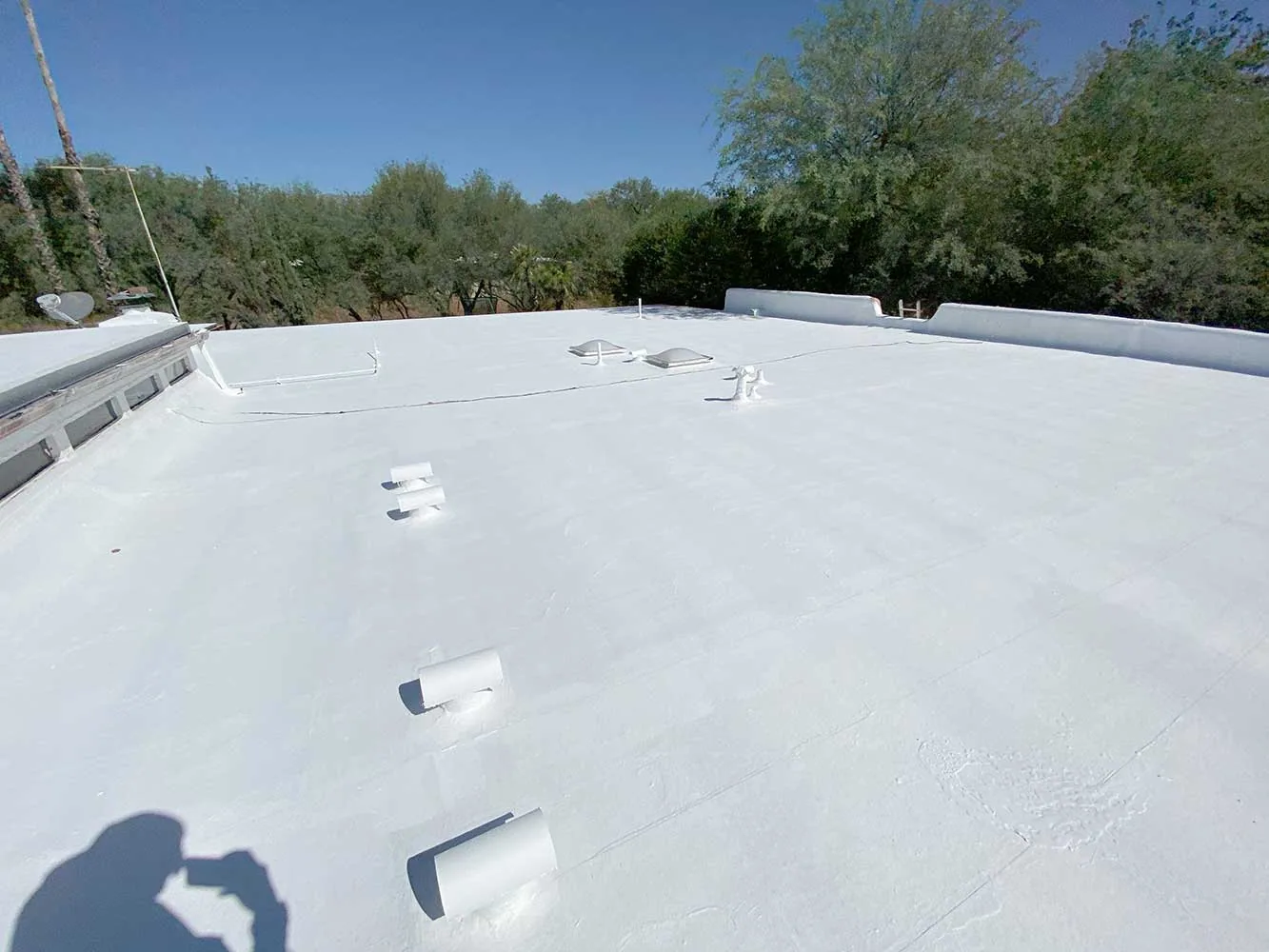
Prior repairs help explain why a roof deserves attention, but a repair entry is not a fresh inspection. We keep the date, location, material and reported result together, then compare them with the current surface. If a seam has reopened near an earlier patch, the next visit checks both the repair and adjacent attachment. If the old report did not identify a roof zone, we record that limit instead of assigning the work to a guessed location.
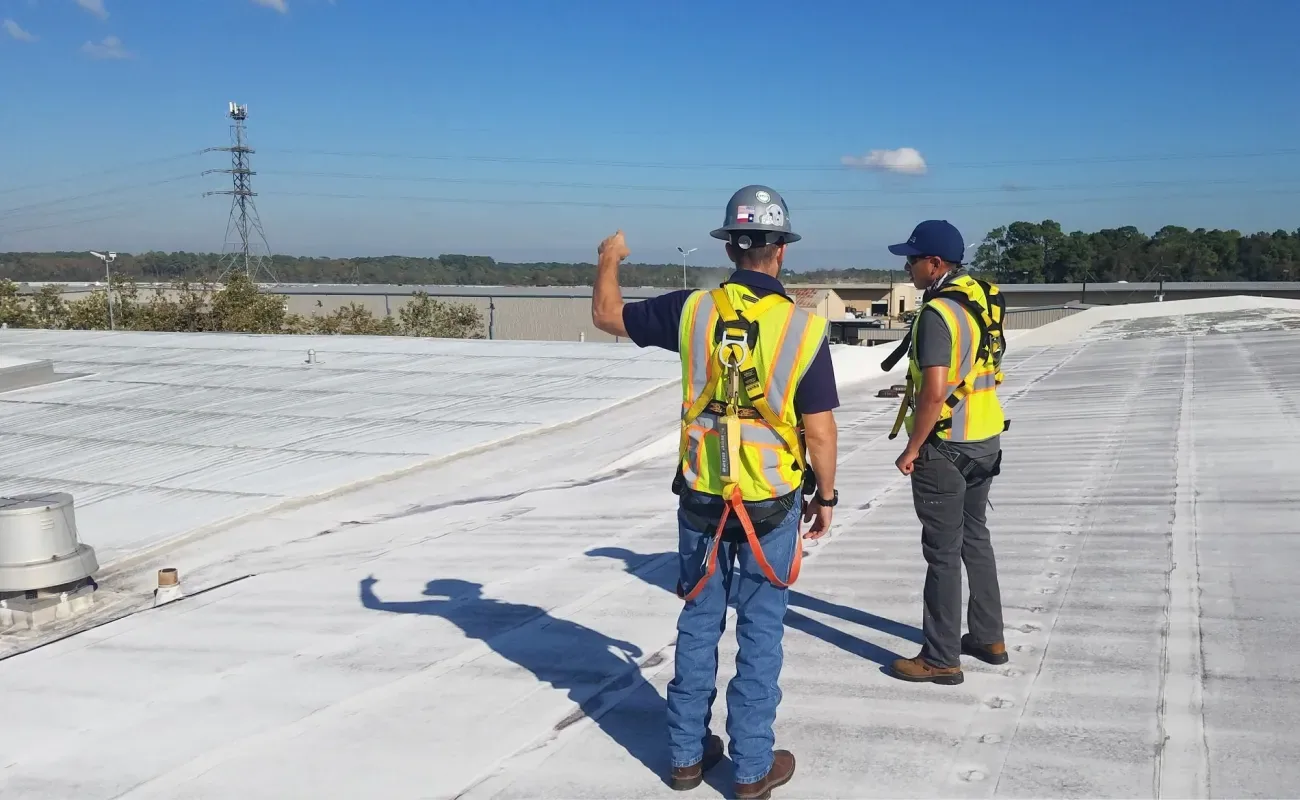
Photos should show a close detail and enough surrounding roof to locate it. We label the zone, inspection date and condition, then connect the image to a repair line or follow-up. Moisture testing, selective openings and visible observations remain distinct evidence types. A moisture survey can target areas for further review, but the asset record should state whether a test was performed and what it established.
This history helps ownership recognize repeat costs. A patch that returns after several visits may mean the repair boundary was too narrow, a nearby detail is failing, or the assembly needs broader investigation. We do not roll those possibilities into a single label. The record identifies what the next inspection should resolve and whether temporary protection is needed before a budget approval.
Rank Work by Exposure and Decision Date
Priority is not a generic red, yellow or green. We sort findings by active water, safety, exposed material, likely interior impact, repairability and the date ownership must decide. Richardson's July and August average daily highs approach 96 degrees, and spring is the region's peak period for severe thunderstorms. Those conditions make heat-aged details and pre-storm drainage checks useful planning topics, but each property's inspection establishes its actual condition.
At CityLine, the documented mix of office, medical, residential, retail and civic uses can create different access and interruption limits between properties. We record each manager's confirmed constraints, then phase visits around occupied hours and equipment needs. One building may need a quick edge repair before a wet period; another may belong in the next capital review. A priority response addresses active exposure, while a post-storm roof review can record newly displaced details after a weather event.
Ownership can review near-term items separately from long-range replacement candidates through capital planning. The ranking should show the basis for urgency and what could change it, such as a test opening, access restriction or concealed wet insulation. That gives executives a concise view while preserving field detail for the facilities lead.
Connect Findings to the Budget Window
Each recommended action needs a cost and timing context. We distinguish routine maintenance, a defined repair, additional testing, phased replacement and full replacement. The record identifies quantities observed, work that remains uncertain, and conditions that could change the price after opening. An estimate remains separate from a committed project amount.
Budget dates shape sequence. If ownership needs a decision before the next fiscal year, we can identify which inspections or test openings must happen first. A roof with active leakage may require stabilization before a larger capital review. A sound area can remain on a maintenance path while another zone moves into design. If the roof is a candidate for a recover, we record layer count, attachment, moisture and drainage height as the required checks, not as assumptions.
When proposed work changes the assembly, insulation or roof height, we check Richardson’s locally amended requirements before procurement. The asset file can flag that step and track the resulting decision. The asset file can flag that step and track the resulting decision. A replacement scope should carry its own boundaries and assumptions so executives can compare it with repair rather than rely on an undated condition rating.
Review the Portfolio Without Flattening It
A portfolio summary can show which roofs need inspection, which have open repairs, and which decisions are approaching. The detail behind each total remains available by building and roof zone. We identify repeated themes, such as recurring drain work, without assuming that the same correction fits every property. For a portfolio that includes different operating uses, that distinction keeps the report actionable instead of reducing every roof to an average.
We can schedule an annual review with facilities and ownership to confirm changes in tenant use, equipment, access and planned construction. New rooftop equipment, solar work or a tenant alteration can change the roof record. The next visit checks the interface and updates the repair history. If building control changes, the new contact receives the open-item list and date of the last inspection.
For owners with several Richardson assets, an organized register can connect each building to its evidence, maintenance plan and next capital date. We keep the field record direct: photos, conditions, action, responsible contact and due date. Tell us which properties belong in the review and when the portfolio decision is due. We will return a building-by-building view that separates known condition from work still requiring investigation.
Related Roofing Work
Richardson Innovation Quarter
Commercial Roof Condition Reports
Commercial Roof Maintenance
Infrared Roof Moisture Survey
Questions About Commercial Roof Asset Management
What information belongs in a commercial roof asset register?
Start with the property and roof zones, system when known, inspection date, drainage, access limits, repair history, photos and the next action. We mark unknown items for inspection instead of estimating them from a neighboring building.
Can one roof rating cover all buildings in a campus?
Not if the assemblies, repairs or operating constraints differ. We document separate buildings and roof zones, then summarize common priorities without merging their findings.
How does an asset record help set a capital budget?
It ties a condition to a scope, evidence, urgency and decision date. Ownership can compare immediate repair with further testing, phased replacement or a full project on the same basis.
What happens when a prior repair has no clear location or photos?
We preserve the old entry as incomplete and verify the area during a new inspection. The current record states what was observed and does not assign the earlier work to a roof zone without evidence.
How often should the portfolio register be reviewed?
Review it when inspections or repairs change a roof's status, after major weather events, and before each capital cycle. We can set a recurring review date that fits the owner's budget calendar.
Build a Roof Record That Supports the Next Spend
Share the properties, known repair history, and budget dates. We will inspect each roof, document condition by zone, and organize open work around the decisions ownership needs to make.