
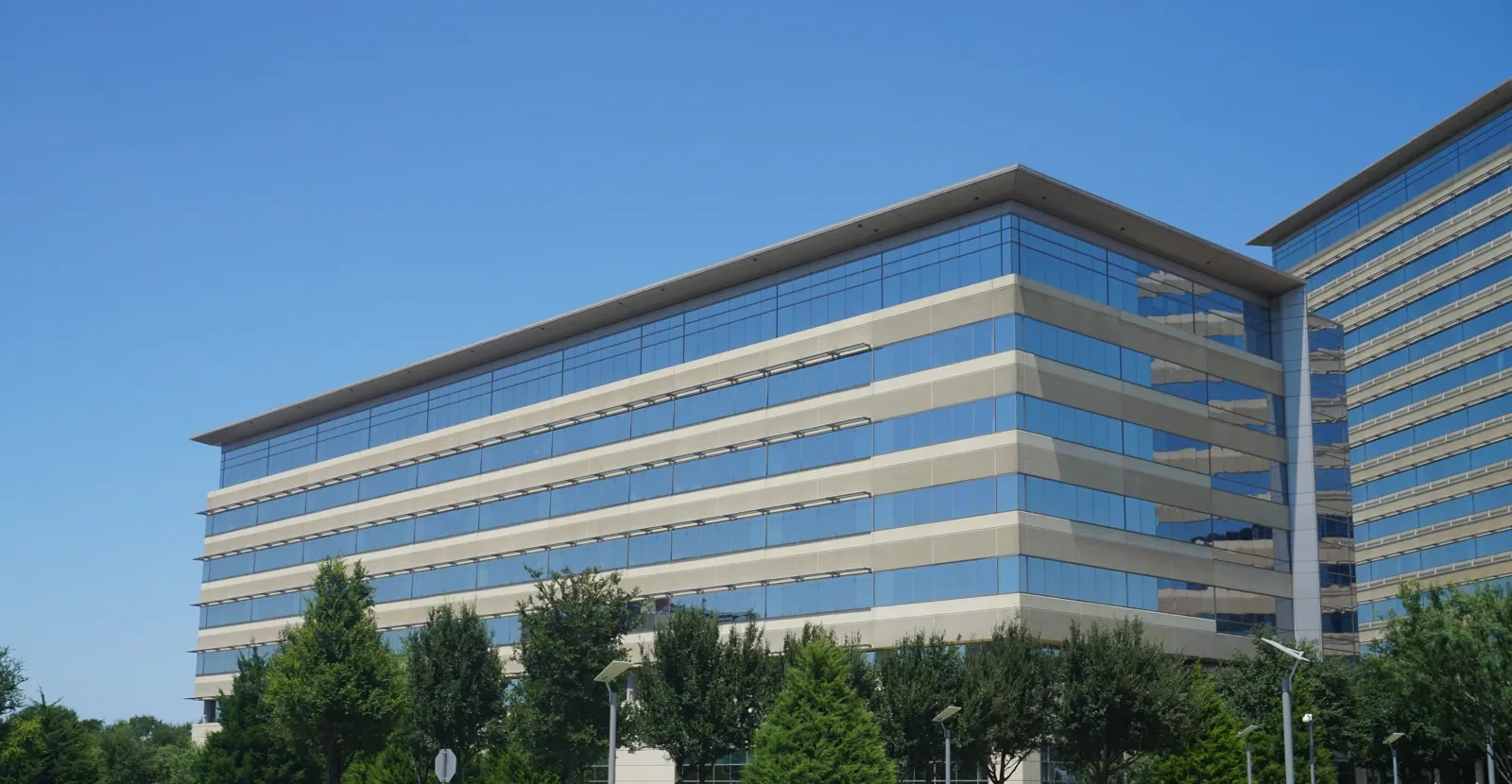
Solar planning starts on the roof, but a solar-ready scope is not a promise that every building can support an array. We review commercial roofs in Richardson, TX for remaining service life, existing condition, drainage, attachment zones and access before roofing work proceeds. The goal is to coordinate the roof with the solar designer so future mounts, pathways and maintenance do not compromise the weather barrier. The owner receives clear boundaries between roofing, structural, electrical and solar scopes.
Request a Roof Assessment
All fields are required.
Solar-Ready Commercial Roofing in Richardson, TX
Coordinate the Roof Before Solar Design Is Locked
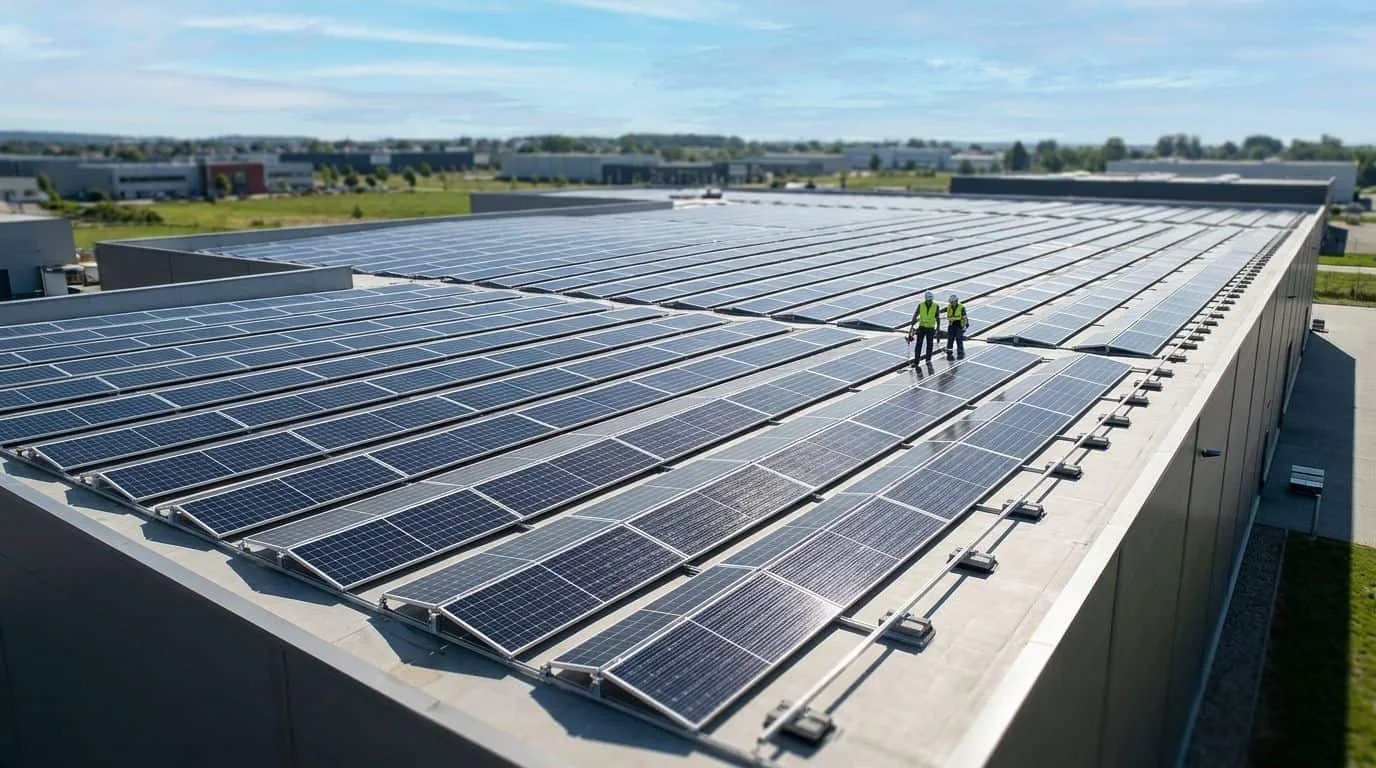
Align Solar Timing With the Roof's Renewal Cycle
Adding solar to a roof near the end of its service life can create a costly conflict. The owner may need to remove panels for a reroof, repair membrane beneath mounts or negotiate who is responsible for reinstallation. We inspect the roof's age, leak history, seams, flashings, insulation and deck before deciding whether to proceed, repair first or reroof before array construction. If concealed moisture or structural questions remain, we identify the testing or design review needed.
A roof can be solar-ready without having panels installed now. In that case, the planning file can show roof zones to keep clear, intended attachment areas, equipment access and likely electrical routes. Those locations should be reviewed by the solar and structural designers; a roofing contractor should not choose array loads or spacing without engineering. For an owner near Richardson Innovation Quarter, where many commercial properties are technology-focused, energy planning may involve more than a roof decision. We coordinate the roofing scope with the owner's project team instead of treating solar as an isolated product.
Coordinate Mounts With the Structure and Membrane
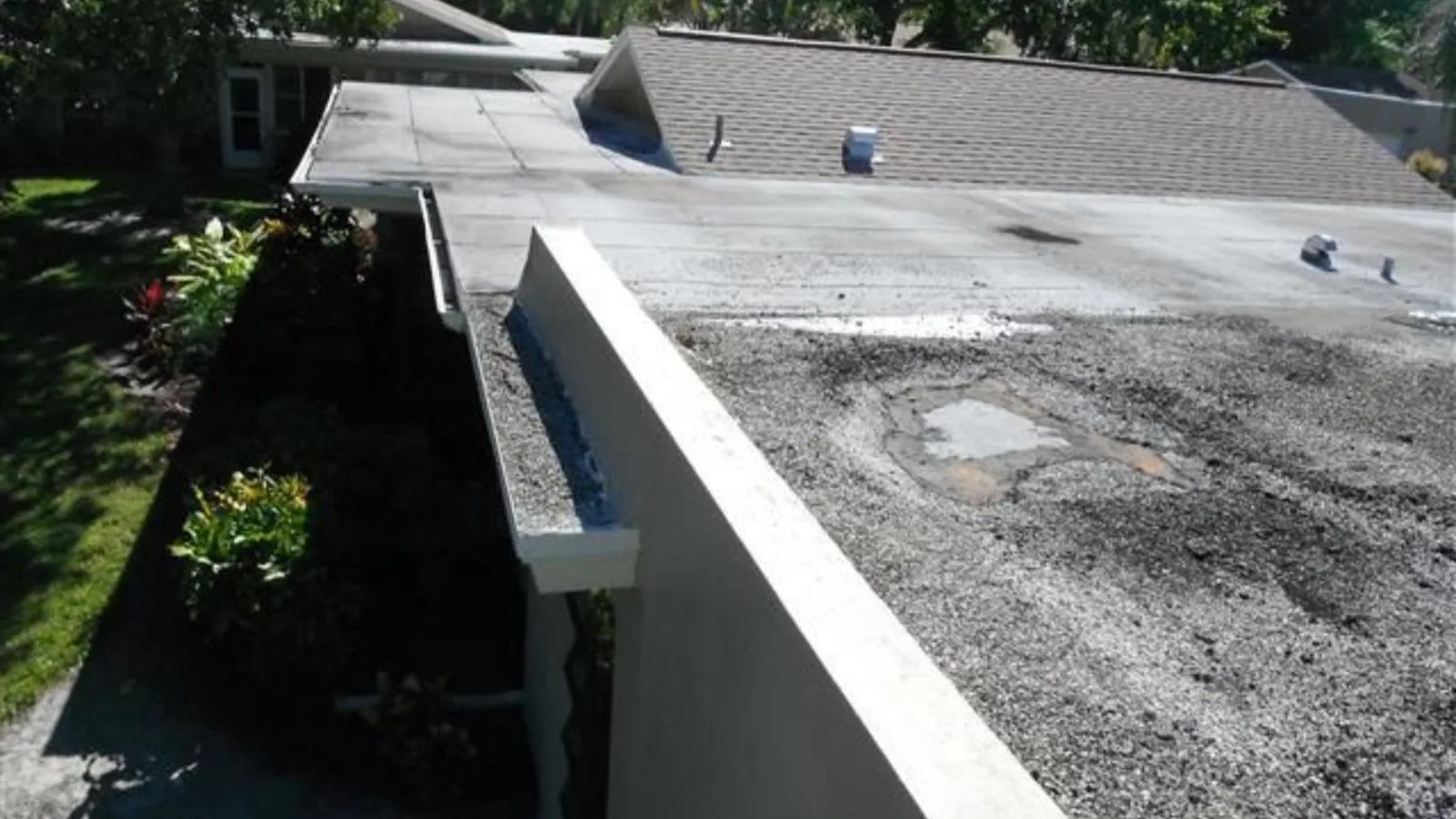
Solar racking may attach through the roof or use a ballasted system, depending on structural capacity, wind design, roof type and system requirements. Each approach affects membrane penetrations, ballast load, uplift and service access. The structural engineer and solar designer establish the design loads and mounting layout. We review how the roofing detail will be flashed, protected and inspected, then define which party supplies mounts, installs flashing and tests completed penetrations.
Before attachment locations are finalized, map drains, scuppers, expansion joints, curbs, roof hatches and existing service paths. A panel row should not block the route to equipment or make drains inaccessible. Penetrations need compatible flashing and a sequence that leaves the roof watertight at each stop point. Where the membrane manufacturer has specific details, the design team should confirm them before installation. Our penetration flashing service can scope roof-side transitions, while equipment support work can address nearby rooftop structures.

Preserve Drainage and Future Roof Service
Panels and support rails can change how crews move across the roof and how water reaches outlets. We review panel spacing, walk paths, low areas and the location of inspection points. Drainage should remain accessible for clearing and repair; solar components should not create debris traps or divide the roof into hard-to-service pockets. If the existing roof has ponding, correct that condition before array layout makes access more difficult.
Access also matters for future membrane repairs. Leave a practical route to curbs, drains, skylights and rooftop units. The solar contractor should know where technicians can step and where protective walk pads may be needed. A written as-built should record mount locations and penetrations so a roofer can service the roof later without guessing where attachments are hidden. Owners can pair this with drainage review and insulation planning before the solar design is finalized.
Plan for Richardson's Heat and Commercial Operations
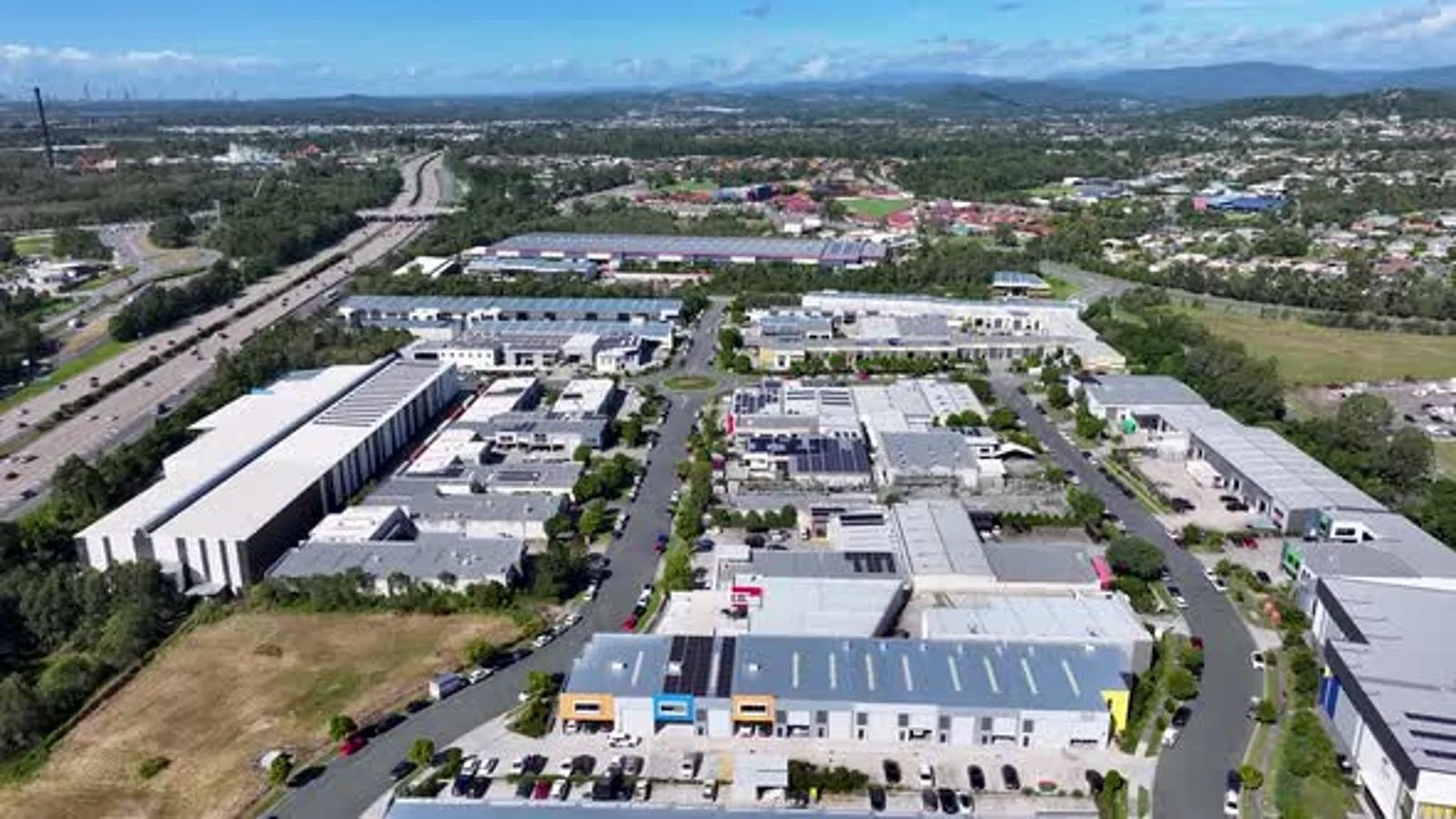
Richardson's summer heat and sun make roof exposure a practical part of solar and roofing coordination. July and August average daily highs across the DFW region are in the mid-90s. Roof surface temperature, reflective finish, membrane age and equipment heat rejection can affect the system design and work window. We focus on the roof assembly and sequence; projected energy output belongs in the solar model prepared for the building.
CityLine West combines residential, office and retail uses near DART service; Lakeside Office Campus sits along US 75 in Richardson. Those areas illustrate the range of commercial operations and access needs, but do not imply a specific property has solar or a particular roof. We verify delivery paths, pedestrian access, loading and tenant communication with the owner. If solar installation needs a shutdown, restricted roof zone or added safety control, the responsibilities should be assigned before materials arrive.
Price Roofing Work Before Panels Hide the Surface
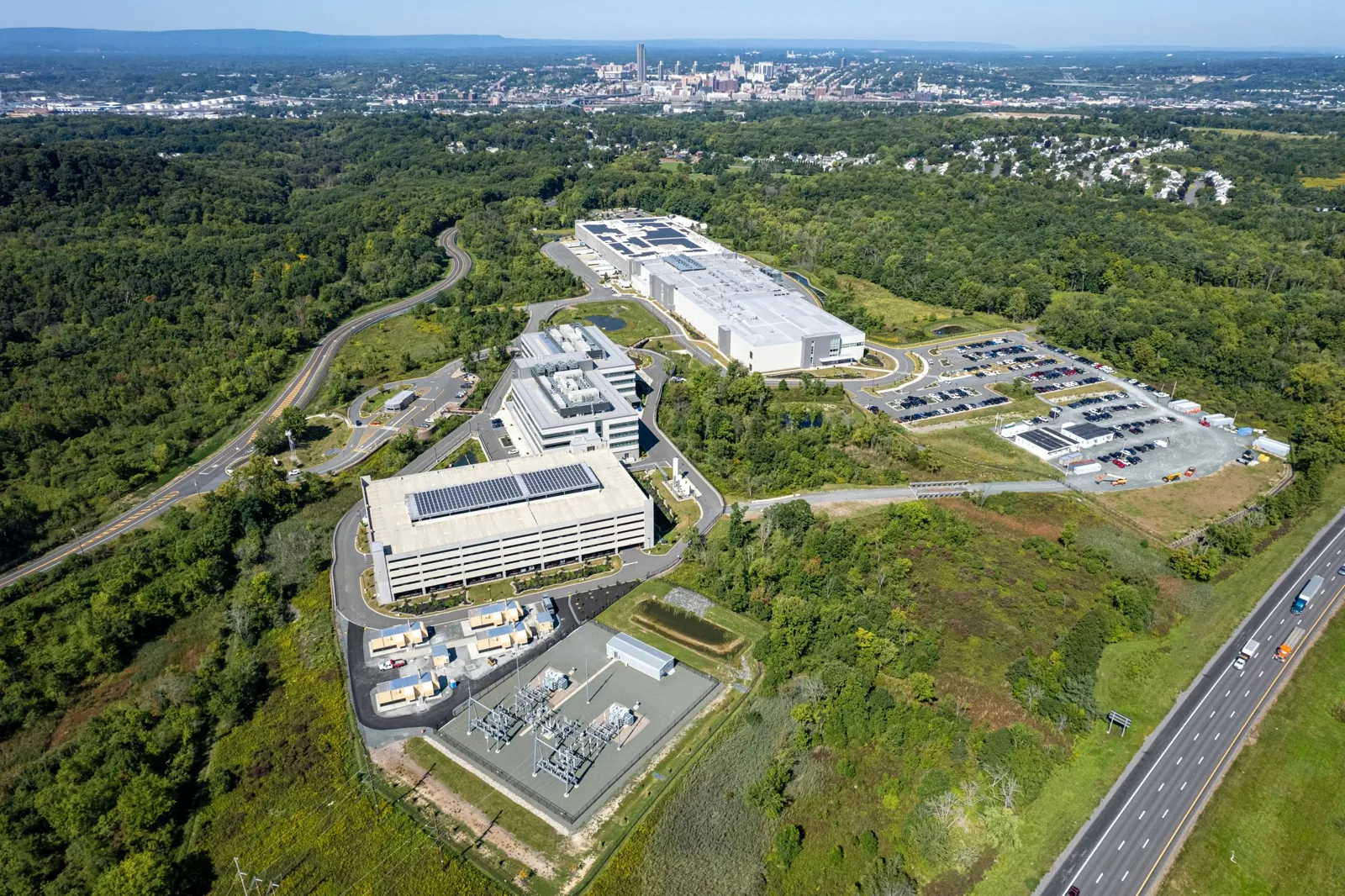
A solar-ready proposal can include roof inspection, repairs, membrane renewal, flashing, attachment-zone coordination, access paths and closeout records. It should separate roofing from solar hardware, electrical work, structural design and utility interconnection. If a reroof is needed before panels, the owner should receive a clear roofing scope and schedule that aligns with the solar contractor's lead time. Installing an array over unresolved leaks can complicate warranty and future service.
For an existing roof that remains serviceable, confirm the roof's expected maintenance and repair needs against the solar system's planned term. A condition inspection or recover evaluation can help establish the starting point. Capital planning can compare roof renewal with the array schedule; it should include potential panel removal and reinstallation if future roof work is expected. The project estimate should state assumptions rather than treat an unknown roof condition as a fixed number.
Keep a Shared Roof and Solar Record
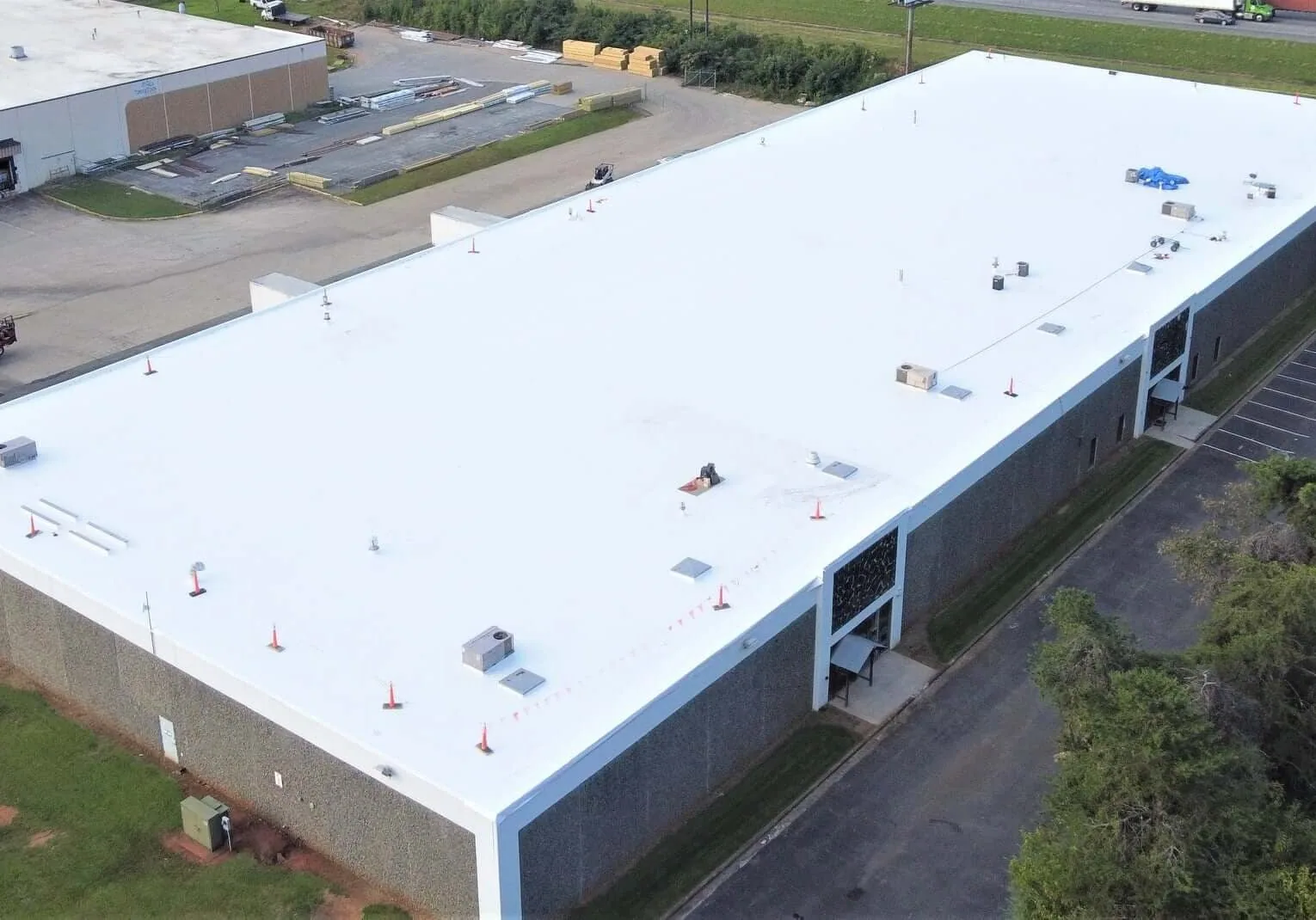
Before solar installation, document the roof condition and any completed repairs. After the array is installed, update the record with panel zones, mount locations, roof penetrations, service paths and contractor contacts. The owner should know which company handles a leak at a penetration and how solar equipment can be isolated or removed if membrane repair becomes necessary. Clear records reduce delays when the roof or array needs service.
For properties near West Campbell Corridor or CityLine Richardson, the access and operating plan must still be prepared for the individual building. A maintenance program can inspect accessible roof areas and drainage, while condition reporting can track future changes. Solar readiness is complete when the roof, array and maintenance plan can coexist without obscuring who owns each repair decision. Record which party may lift panels, who reinstalls them, how penetrations are inspected and what notice is required before a future roofer enters the array zone.

Related Roofing Work
Commercial Skylight and Penetration Flashing
Rooftop Equipment Curb and Support Roofing
Commercial Roof Drain and Scupper Service
Commercial Roof Insulation and Cover Board
Questions About Solar-Ready Commercial Roofing
What does solar-ready roofing include?
It can include roof condition review, repairs or renewal, coordination of likely attachment zones, drainage and service access planning, and documentation for future work. Structural design, array layout, electrical scope and utility approval belong to other qualified parties.
Should I install solar before replacing an aging roof?
Compare the roof's condition and remaining service life with the array's planned term. If panels must be removed for a reroof, that can add cost and disruption. We inspect the roof and identify repair or renewal options before the solar installation is scheduled.
Can you tell me where solar panels can be attached?
We can identify roof conditions and coordinate roofing details, but attachment locations and loads need approval from the solar designer and structural engineer. Drainage, equipment, access and membrane requirements should be considered together.
Will solar panels block roof drains or inspection paths?
The layout should preserve access to drains, curbs, equipment and repair zones. We review the roof plan with the project team and flag routes or outlets that the array could make harder to inspect or maintain.
Who repairs a roof leak after solar panels are installed?
The owner should assign responsibility among the solar and roofing contractors before installation. Keep the mount layout, penetration details and service contacts with the building record so future repairs can be coordinated.
Coordinate the Roof Before Solar Design Is Locked
Share the roof age, repair history, array schedule and solar contact. We will review the roof and map the roofing questions that need answers before mounts and panels are installed.