
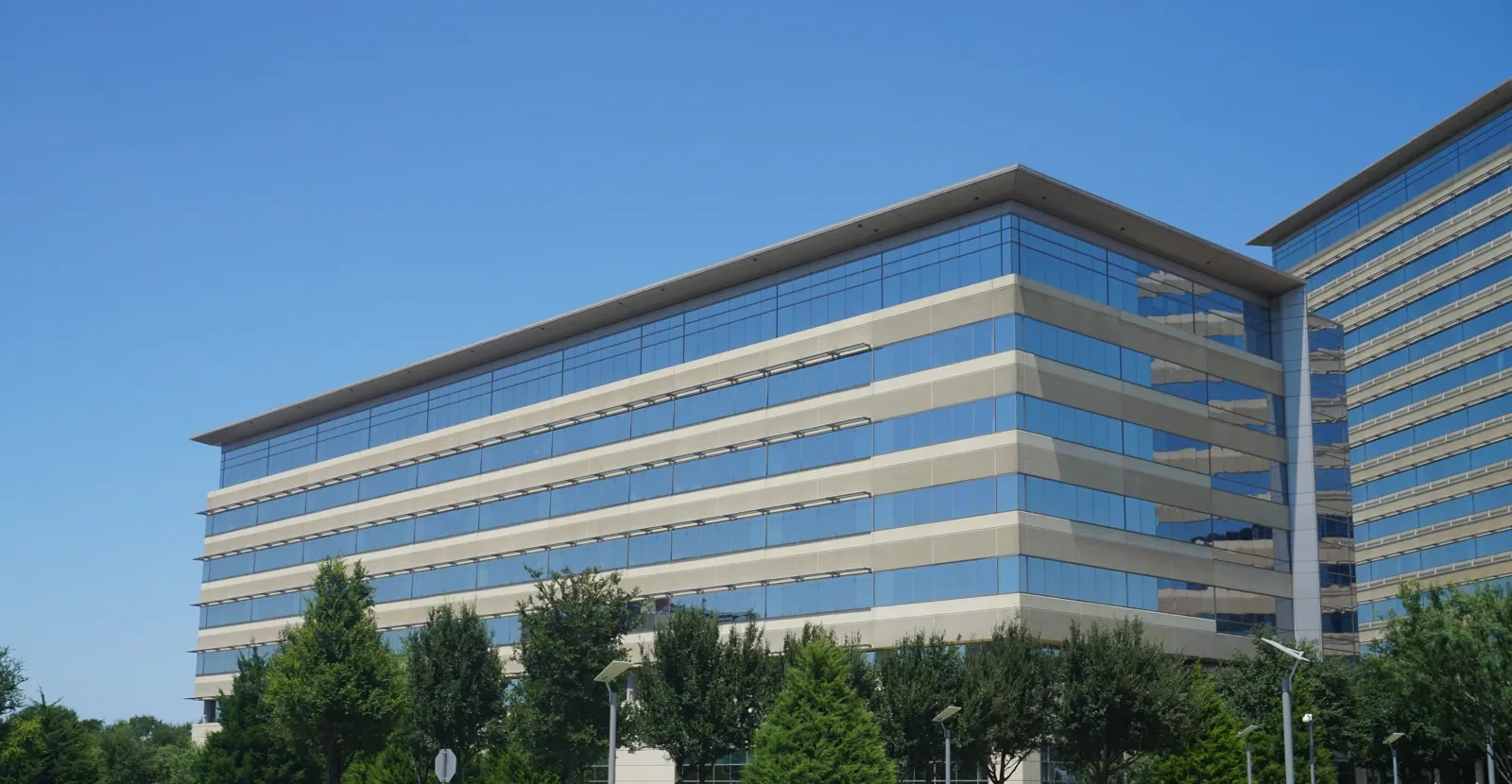
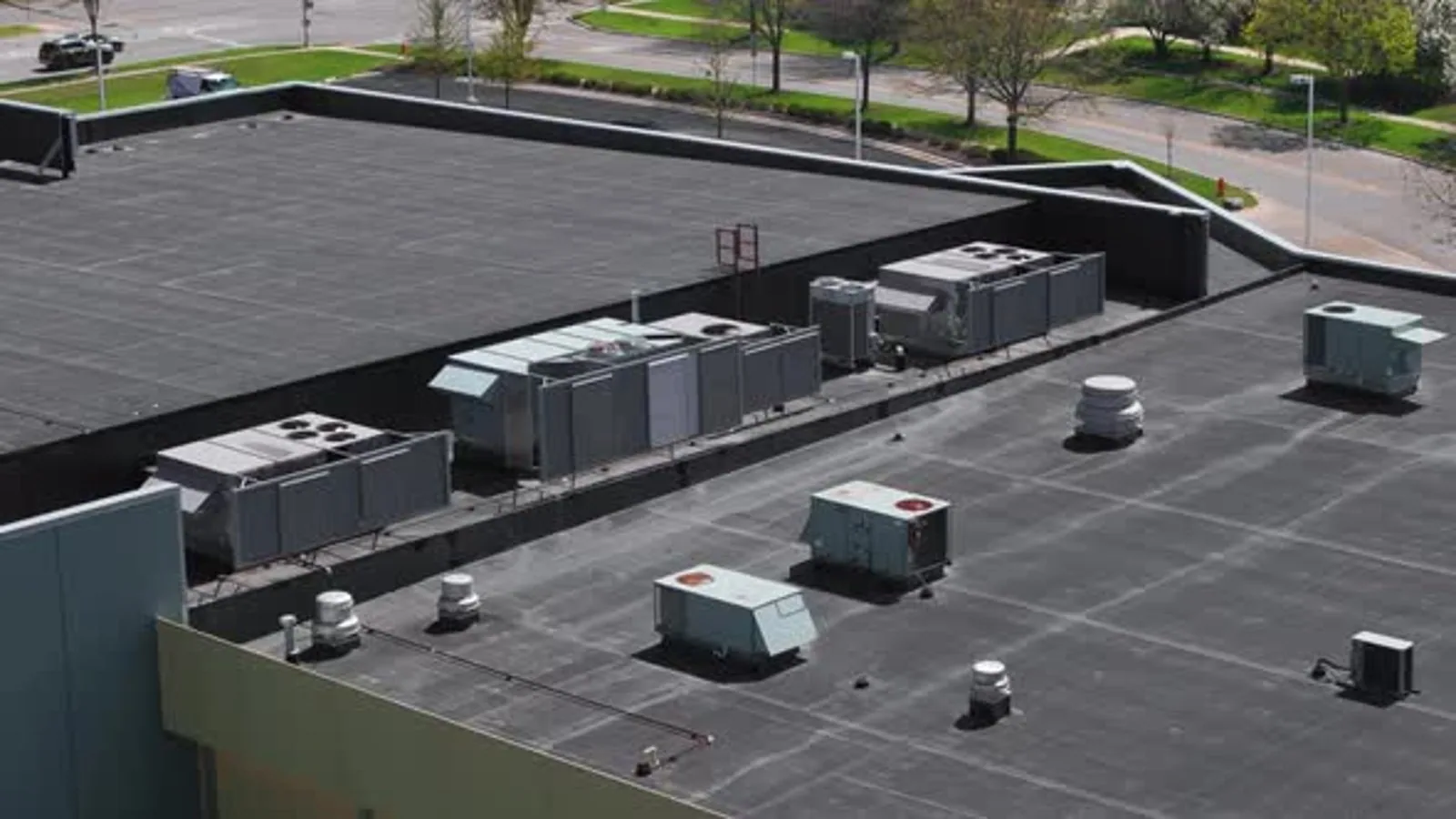
Rooftop equipment creates a roof opening, a support point or both. A leaking curb may come from failed flashing, a moving unit, poor access after mechanical service or a detail that was never completed for the roof system. We inspect commercial equipment curbs and supports in Richardson, TX, then define whether the work belongs to roofing, mechanical service or a coordinated scope. The owner receives a repair boundary that protects the membrane without leaving a unit unstable or a service path blocked.
Request a Roof Assessment
All fields are required.
Rooftop Equipment Curb and Support Roofing in Richardson, TX
Repair Equipment Details Without Losing Service Access
Inspect the Roof Detail and the Equipment Base
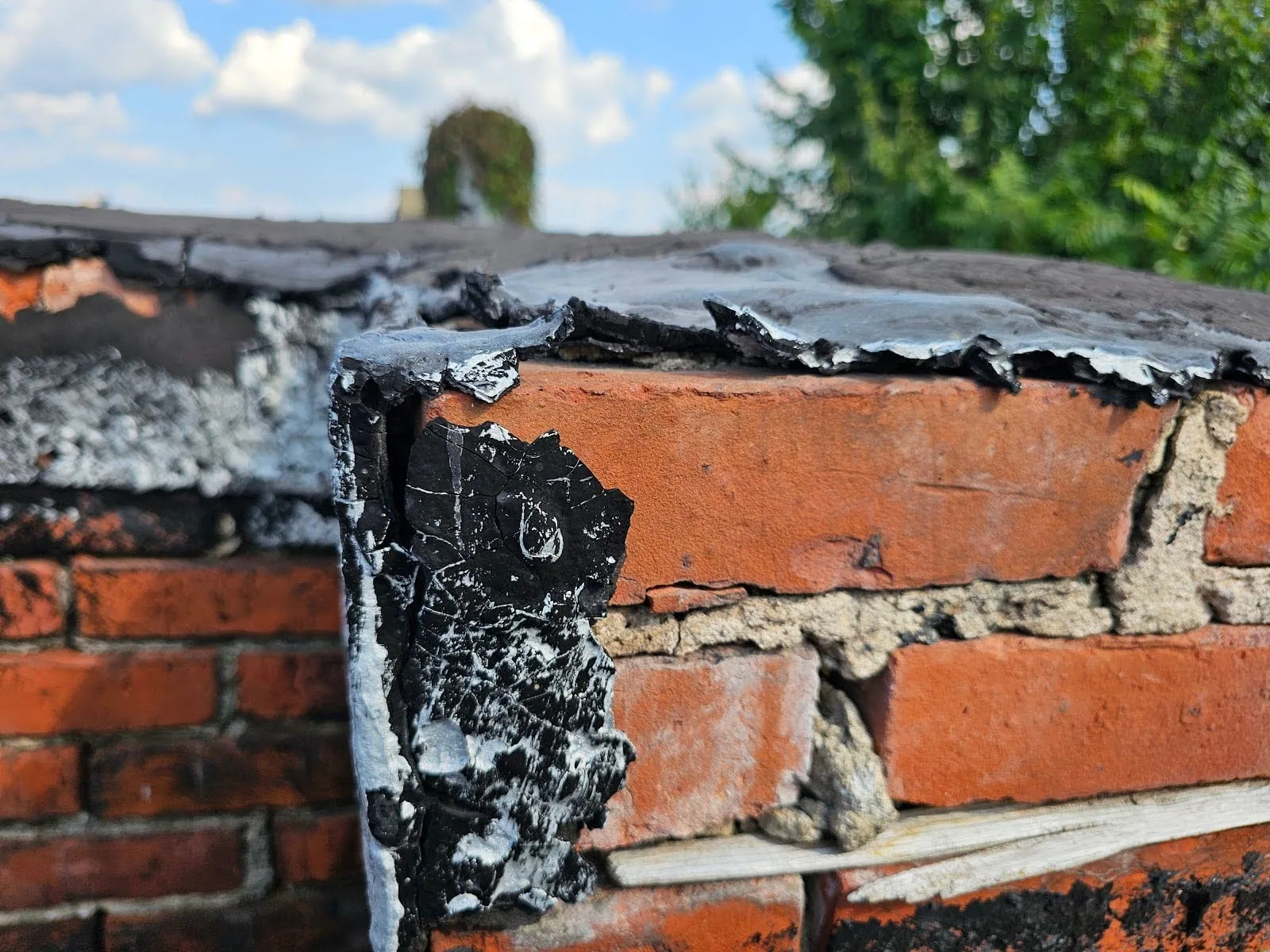
We check curb height, flashing, membrane termination, counterflashing, fasteners and the condition of the curb itself. A curb can be sound but have a failed roof-side tie-in; a sealed perimeter can still leak if the curb is moving or corroded. We look for water tracks, crushed insulation, loose corner details and evidence that vibration has opened a seam. Supports for conduit, pipes, solar lines or small mechanical equipment need a stable base and a transition that remains accessible for maintenance.
Before work starts, we ask what the equipment does, whether it can be shut down and who is authorized to move or disconnect it. Roofers should not shift active equipment or alter mechanical connections without the responsible trade. If a unit must be lifted to rebuild a curb or replace membrane beneath it, the estimate should name the rigging, mechanical disconnect, temporary weather protection and restart responsibilities. That coordination can prevent a roofing repair from leaving the system unavailable.
Trace Leaks and Find the Source of Movement
Water at a ceiling below an HVAC unit does not prove that its curb is the entry point. It may travel from a nearby seam, drain, skylight or wall transition. We map the interior stain against roof details and inspect the surrounding area before recommending a curb repair. If the source remains uncertain, selective testing can help distinguish wet insulation from a surface issue. A repair scope should not assume that sealing around the most visible equipment will stop a leak that begins elsewhere.
Vibration and repeated service access can loosen fasteners or stress flashing. We inspect the support footprint and nearby walking route, including whether technicians step across membrane to reach filters or controls. If the route repeatedly crosses a vulnerable area, an approved walkway or revised access plan may reduce future damage. Where equipment moves seasonally or the curb has shifted, a mechanical or structural review may be needed before roofing materials are reinstalled.
Rebuild Flashing Without Restricting Service
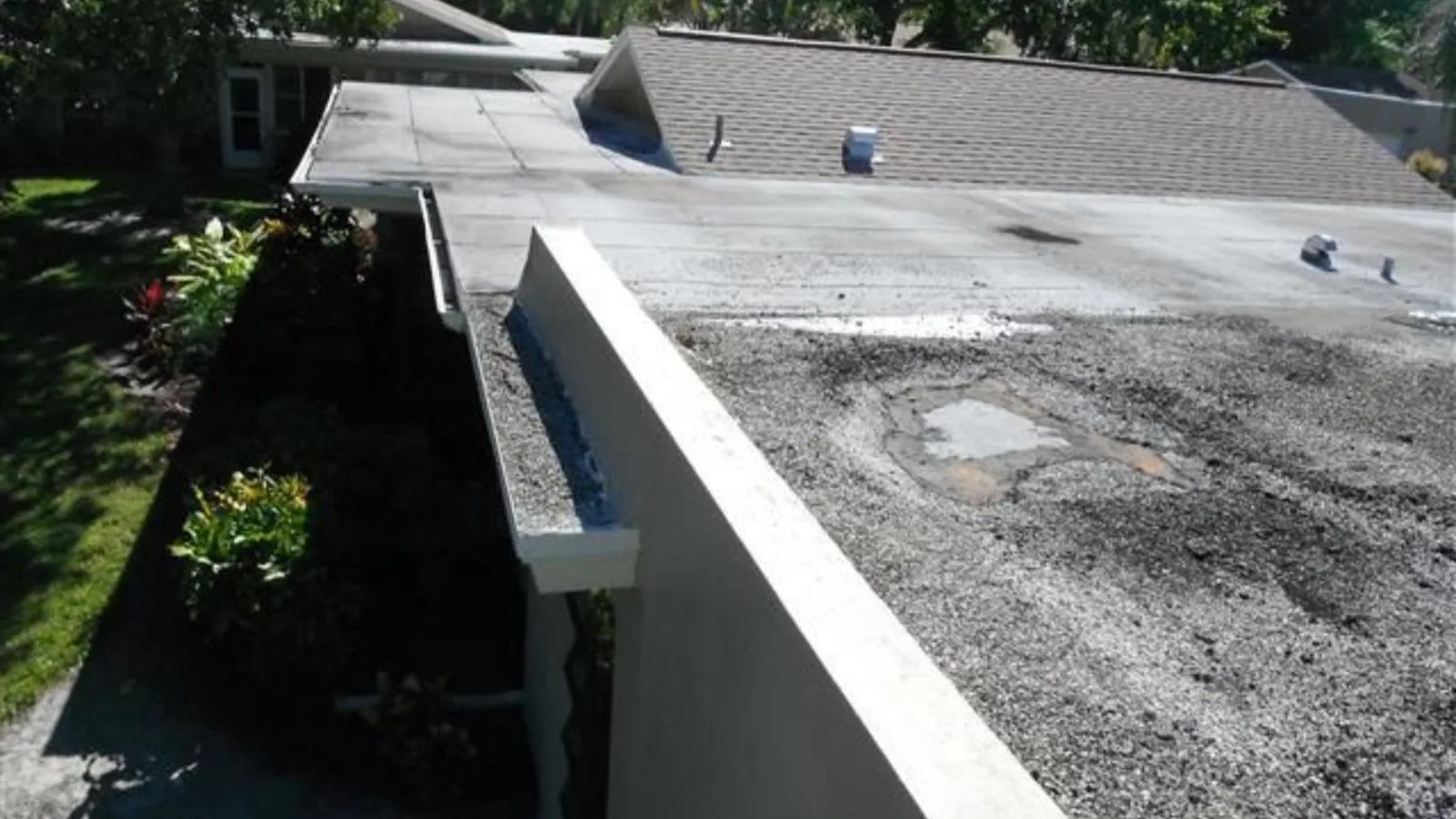
The repair should fit the roof system, curb material and equipment clearances. We identify compatible membrane or metal details, prepare the substrate and form the flashing so water sheds away from the opening. Corners, fasteners and transitions need particular care because a small discontinuity can become the leak path. If a new curb is needed, we confirm its dimensions, height and location with the mechanical trade before ordering or opening the roof. If framing capacity is uncertain, a qualified structural professional should review the support rather than treating new flashing as a structural repair.
Equipment supports can also affect roof drainage. A stand or rail placed across a flow path may collect debris or divide the roof into a low pocket. We check the layout relative to drains, scuppers and tapered sections. When the support or curb changes roof elevation, the proposal identifies whether added flashing height or a drain adjustment is required. Our penetration flashing service can address related pipe boots and smaller openings, while drainage work can correct an outlet problem found nearby.

Coordinate Service Access Across Richardson Properties
Commercial roofs in the Richardson Innovation Quarter include technology and office uses, while the Lakeside Office Campus is a large office environment along US 75. Those settings can require careful control of access, interior protection and equipment shutdowns, but they do not tell us what a particular roof contains. We confirm the building's unit schedule, tenant hours, security rules, material staging area and who can approve a shutdown. Work near a sensitive system may need a narrower window than a repair over a general storage area.
We also identify how technicians will reach the unit after the repair. A curb that is properly flashed but surrounded by a tight or unsafe route can invite later membrane damage. The site plan can include service clearances, walkway protection, ladder or hatch access and a point where the mechanical team takes over. For a multi-building owner near Galatyn Park Urban Center or Richardson Innovation Quarter, consistent notes help schedule separate units without assuming each property has the same layout.
Separate Roofing Work From Mechanical Scope
A clear estimate names what the roofing crew will remove and reinstall, what components remain in place, and what another trade must handle. It identifies temporary protection, access equipment, curb fabrication, flashing materials, patching, disposal and any testing. If an equipment lift or disconnect is excluded, the owner sees that before mobilization. Hidden damage to a curb, deck or insulation can change the scope; we state the inspection boundary and approval step in advance.
Timing depends on material delivery, mechanical availability, roof access and weather. Heat, wind and rain can affect safe lifting and the time needed to close the roof. We set a sequence that limits open areas and confirms when the unit can return to service. If a roof leak is active, temporary protection may precede the planned curb rebuild. Leak repair or broader roof repair can be coordinated when the inspection finds connected failures beyond the equipment opening.
Leave a Record for the Next Equipment Visit
Closeout should show the curb corners, flashing, fasteners, membrane tie-in and nearby equipment route. We note which trade completed each part, whether the unit was lifted or disconnected, and any maintenance condition that remains. The owner should know who to contact if a future service call requires work near the new detail. Photos before and after equipment movement can help the next crew avoid repeating a roof-side failure.
Planned maintenance visits can review curbs and supports after seasonal weather or mechanical work. roof inspections can also track membrane condition around rooftop equipment, while condition reports preserve the record for a multi-year budget. The service plan should make equipment access easier without treating roof protection as someone else's responsibility.
Related Roofing Work
Commercial Skylight and Penetration Flashing
Commercial Roof Drain and Scupper Service
Galatyn Park Urban Center
Richardson Innovation Quarter
Questions About Rooftop Equipment Curb and Support Roofing
Can you repair roof flashing without shutting down the rooftop unit?
Sometimes. The method depends on curb access, clearance, vibration and the condition beneath the unit. If the repair requires lifting, disconnecting or moving equipment, the responsible mechanical trade must coordinate that work.
Who handles disconnecting and reconnecting HVAC equipment?
That scope should be assigned to the qualified mechanical contractor. We define the roofing work boundary and coordinate timing, temporary protection and access with the property contact and mechanical team.
Why does a leak appear near equipment if the curb looks sealed?
Water may enter at a nearby seam, drain, wall or penetration and travel under the membrane. We inspect the larger area and use testing if needed before concluding that the curb is the source.
Can new equipment supports be installed without damaging the roof?
Yes, with a planned support detail, compatible flashing, suitable attachment and drainage review. The equipment and roof trades should agree on location and load before installation begins.
What if the curb is too low for the existing roof system?
We assess flashing height, membrane termination, equipment clearance and any proposed added layers. A curb modification or replacement may be needed, coordinated with mechanical requirements and project review.
Repair Equipment Details Without Losing Service Access
Tell us which unit or support is involved, the leak history and whether shutdown or lifting is possible. We will inspect the roof transition and define the roofing and mechanical work boundaries.