
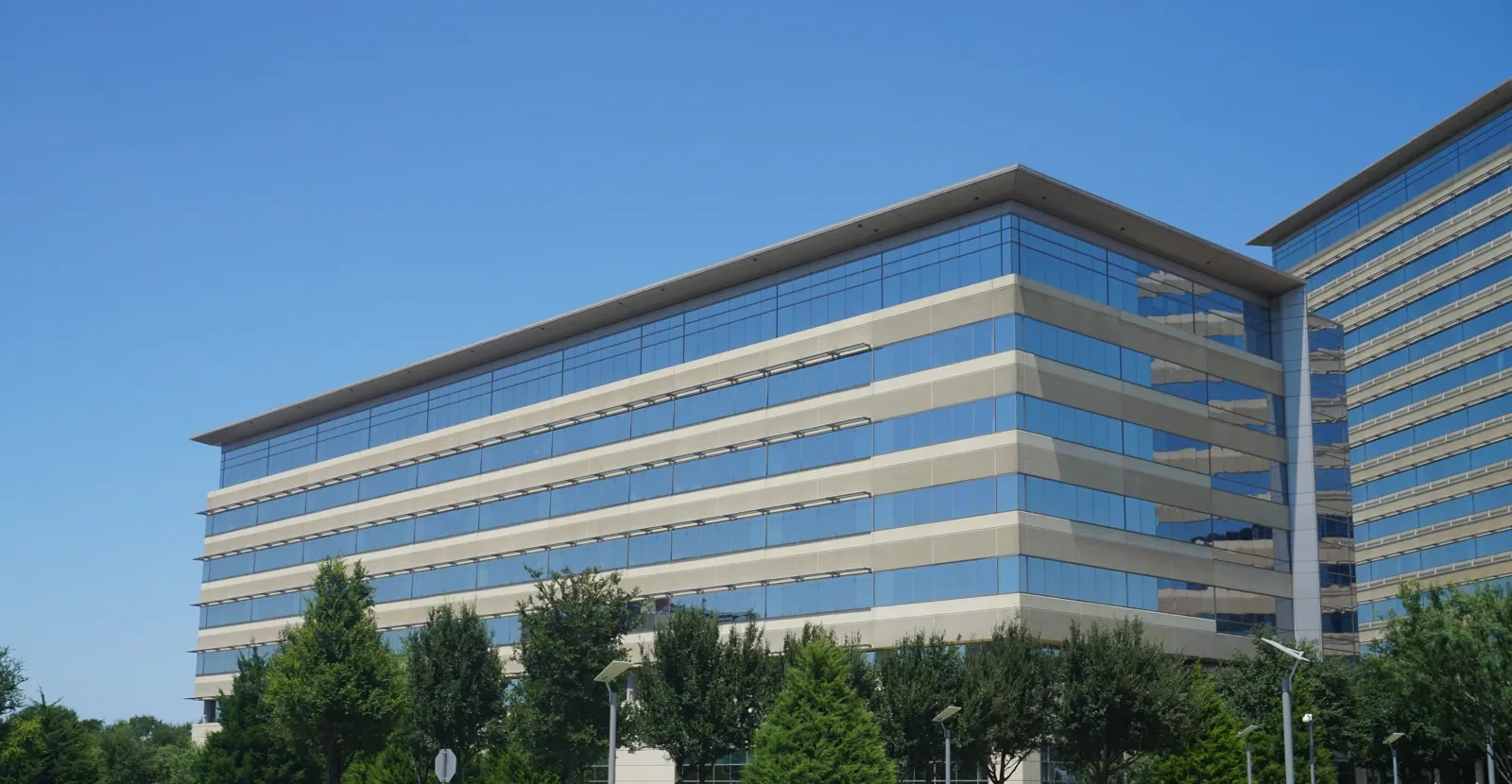
A roof claim moves more smoothly when the building record distinguishes observed damage, existing wear and work needed to protect the property. We help Richardson, TX commercial owners document roof conditions, prepare a repair scope and coordinate site access for insurer review. We do not decide coverage, interpret policy language as the insurer or promise an outcome. Our role is to provide clear roofing information: where damage is visible, what repair is proposed, what remains uncertain and which additional inspection could change the scope.
Request a Roof Assessment
All fields are required.
Commercial Roof Insurance Claim Assistance in Richardson, TX
Organize the Roofing Side of a Storm Claim
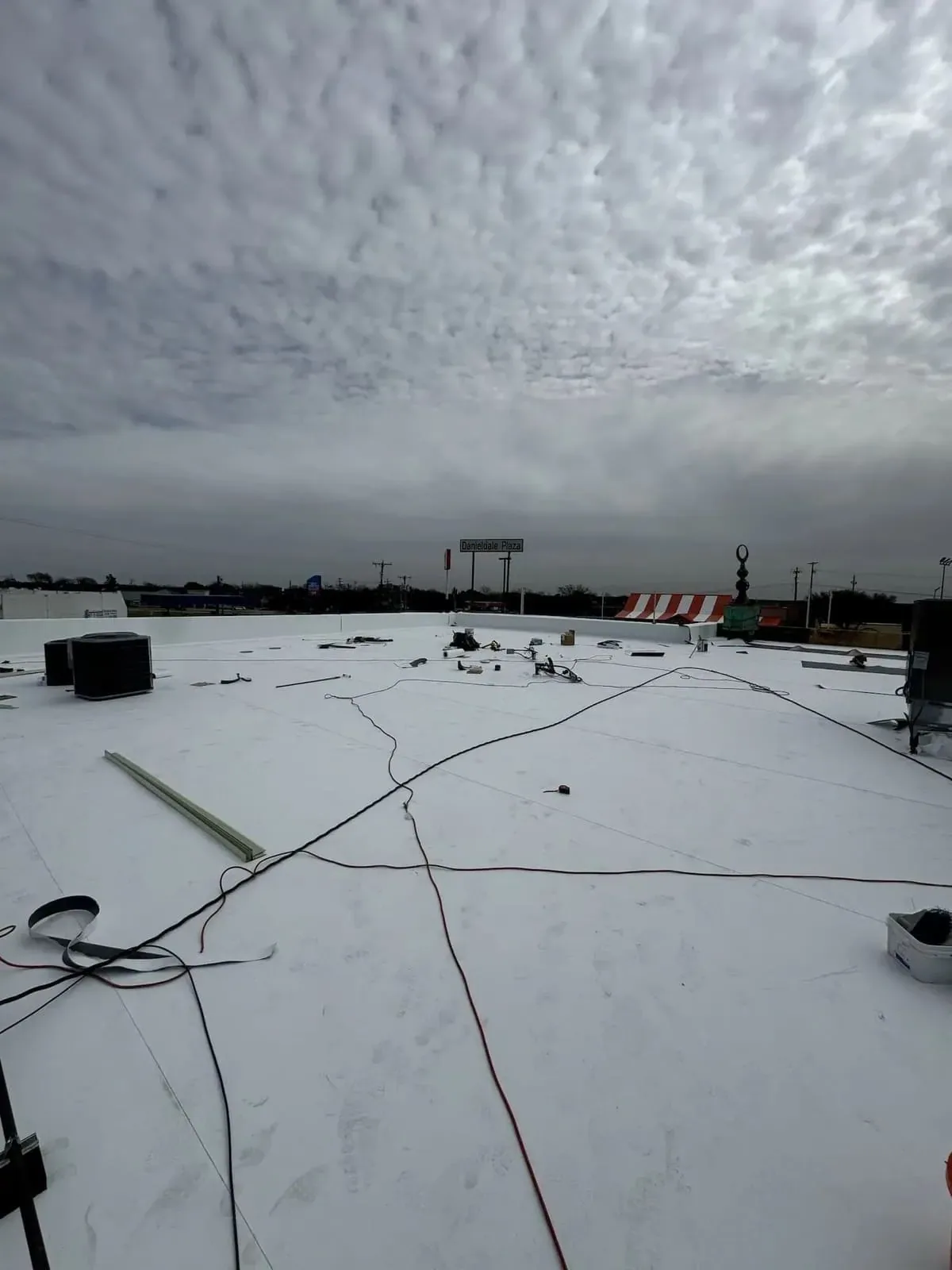
Preserve the Roof Condition and Event Timeline
Start with the date and approximate time of the storm, when water first appeared, which rooms or equipment were affected, and what temporary steps followed. Keep interior photos and any maintenance records from before the event. That record preserves context. If a leak is active, protect contents and contact the property team first; do not delay urgent safety or water-control steps while assembling paperwork.
We inspect accessible roof areas and label findings by zone. Photos should show context as well as close detail: an overall roof section, the feature involved and the observed condition. We record whether an item appears newly displaced, has signs of older deterioration or cannot be dated from available evidence. Richardson's October 2019 North Texas tornado outbreak is a reminder that severe weather can affect multiple properties, but a historical storm does not determine damage at a present-day site. Each claim file needs current, property-specific evidence.
Write a Repair Scope That Can Be Reviewed
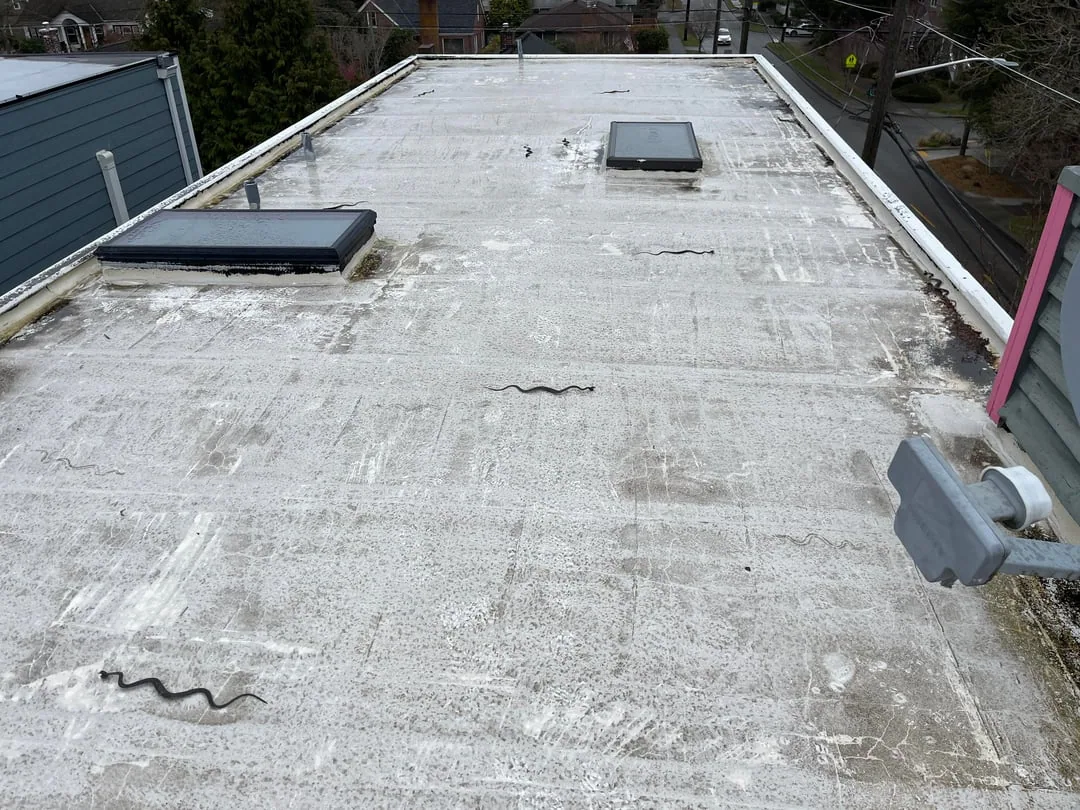
A contractor scope should define the work area, materials, preparation, access, protection, disposal and closeout. If the roof needs temporary dry-in, show that step separately from permanent repair. If a test opening is required to check insulation or deck, explain its location and purpose, along with how it will be restored. Where quantities depend on concealed conditions, the scope should identify the allowance or approval point rather than present an uncertain amount as settled.
We describe the roofing work without assigning policy coverage. A scope can separate storm-related repairs from maintenance items or long-term replacement concerns when the evidence supports that distinction. If cause remains unclear, the report should state that limit. The insurer and policy determine what is covered; the contractor can explain the physical condition and cost of the proposed work. This boundary helps the owner communicate accurately with all parties and prevents a repair estimate from being mistaken for a coverage decision.
Choose Additional Inspection Only When It Affects the Decision
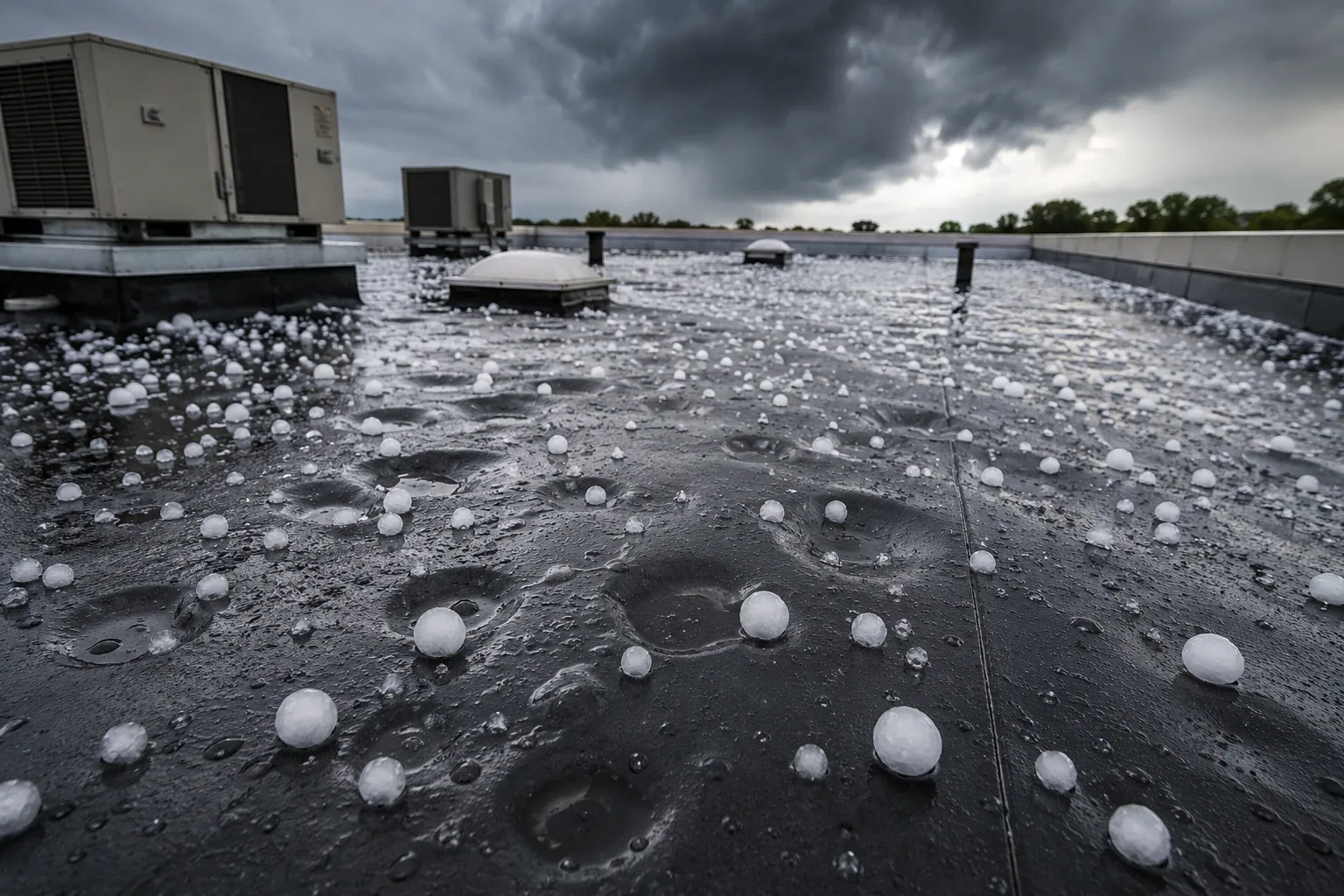
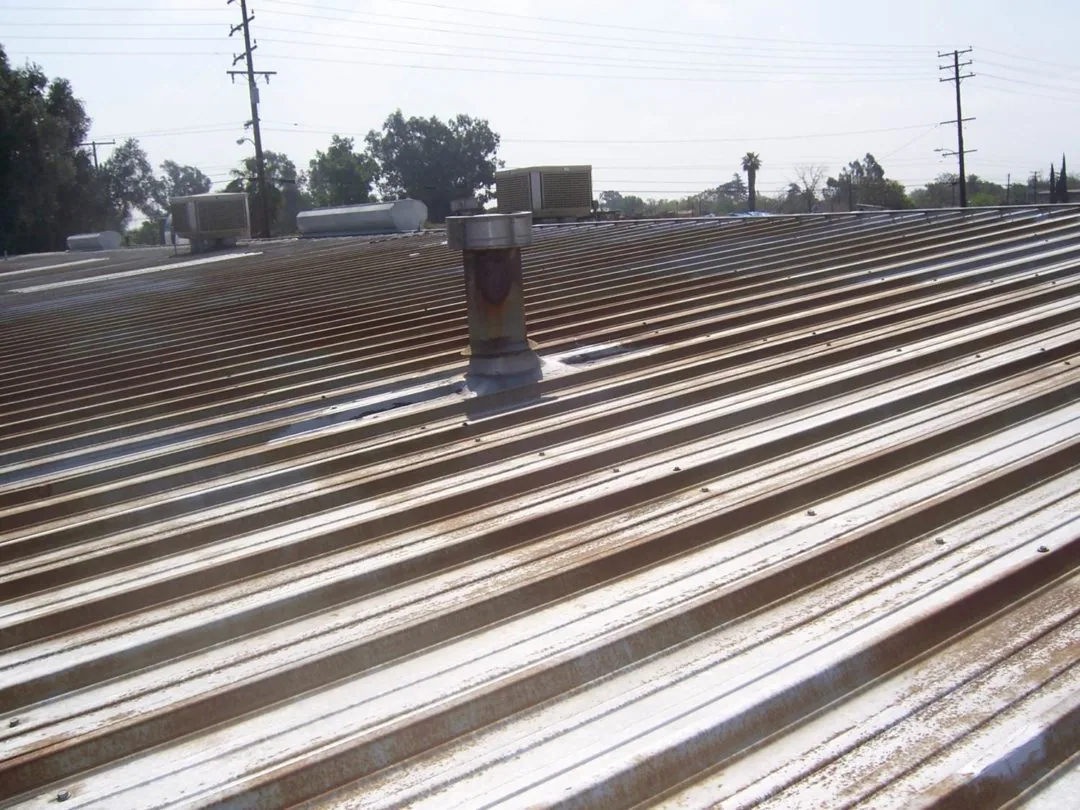
Some conditions can be assessed visually; others need a closer look. Hail marks, lifted flashing, open seams, punctures, damaged edge metal or displaced rooftop components may warrant repair review. Water can also travel beneath a roof surface and emerge far from the entry point. If a leak history or visible pattern suggests concealed moisture, an infrared survey or selective core may help define the affected area. We identify the question each test is intended to answer and the limits of the result.
DFW's severe-weather season includes spring thunderstorms with hail and damaging wind. An event can leave several roof zones with different levels of impact. We document the accessible areas and flag portions blocked by equipment, standing water or safety limits. A storm-damage inspection can establish the roof findings, while moisture testing may be useful when a surface view cannot resolve the question. Testing is most valuable when its outcome could change repair quantities or the choice between repair and replacement.
Coordinate the Inspection With Building Operations
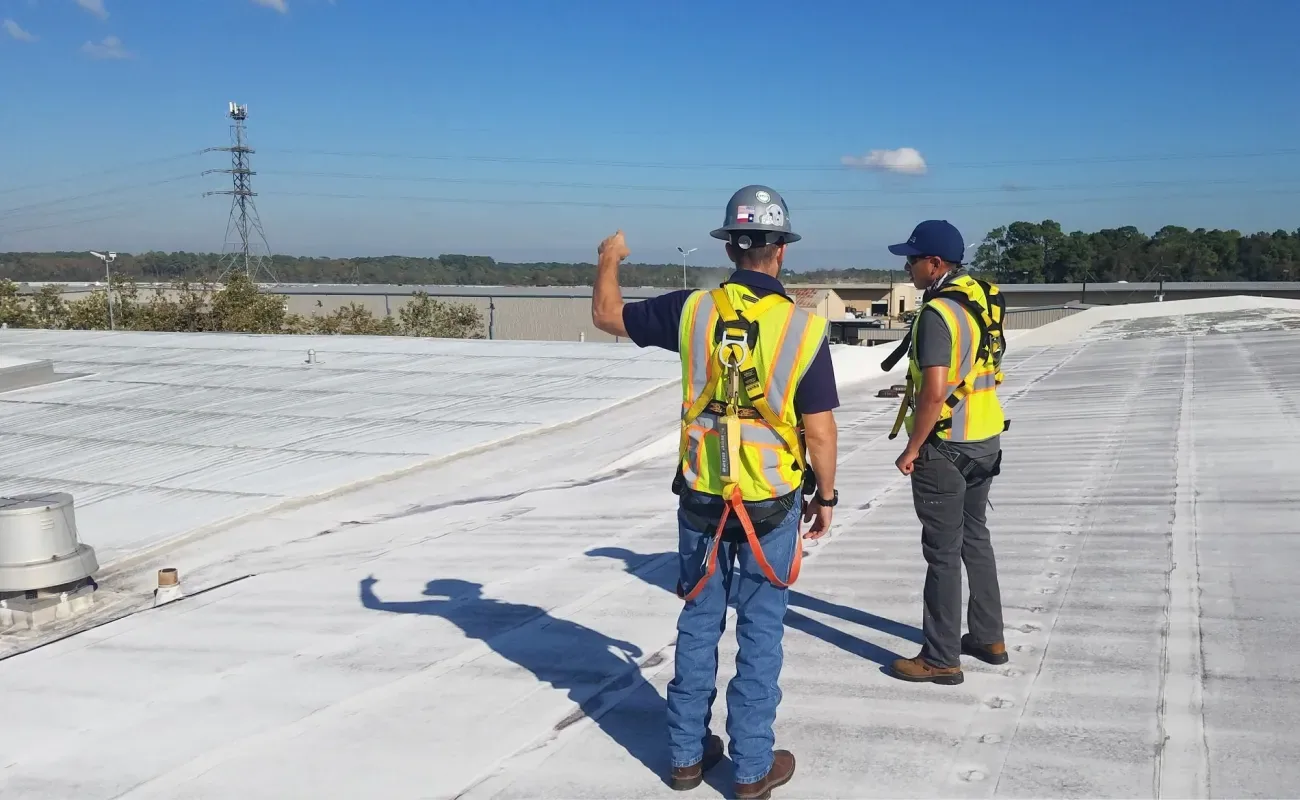
Claim inspections often bring several people to one site: the property contact, roofing contractor, adjuster and possibly a consultant or design professional. We confirm roof access, escort requirements, occupied spaces, safety procedures and any roof warranty conditions before a visit. If two inspections are scheduled, the owner may want to align access while leaving time to photograph conditions before repairs begin. Temporary protection can proceed when authorized and necessary, with the initial condition recorded when it is safe to do so.
In CityLine, office, residential and retail uses sit within a connected mixed-use district. A property in the West Arapaho Corridor may have different site access and tenant requirements. Those area contexts do not identify the condition of an individual roof, so we confirm the building's actual rules and operating schedule. The claim record should also name who approved emergency work, what was completed and when a permanent scope was presented.
Compare Repair With the Existing Roof Plan
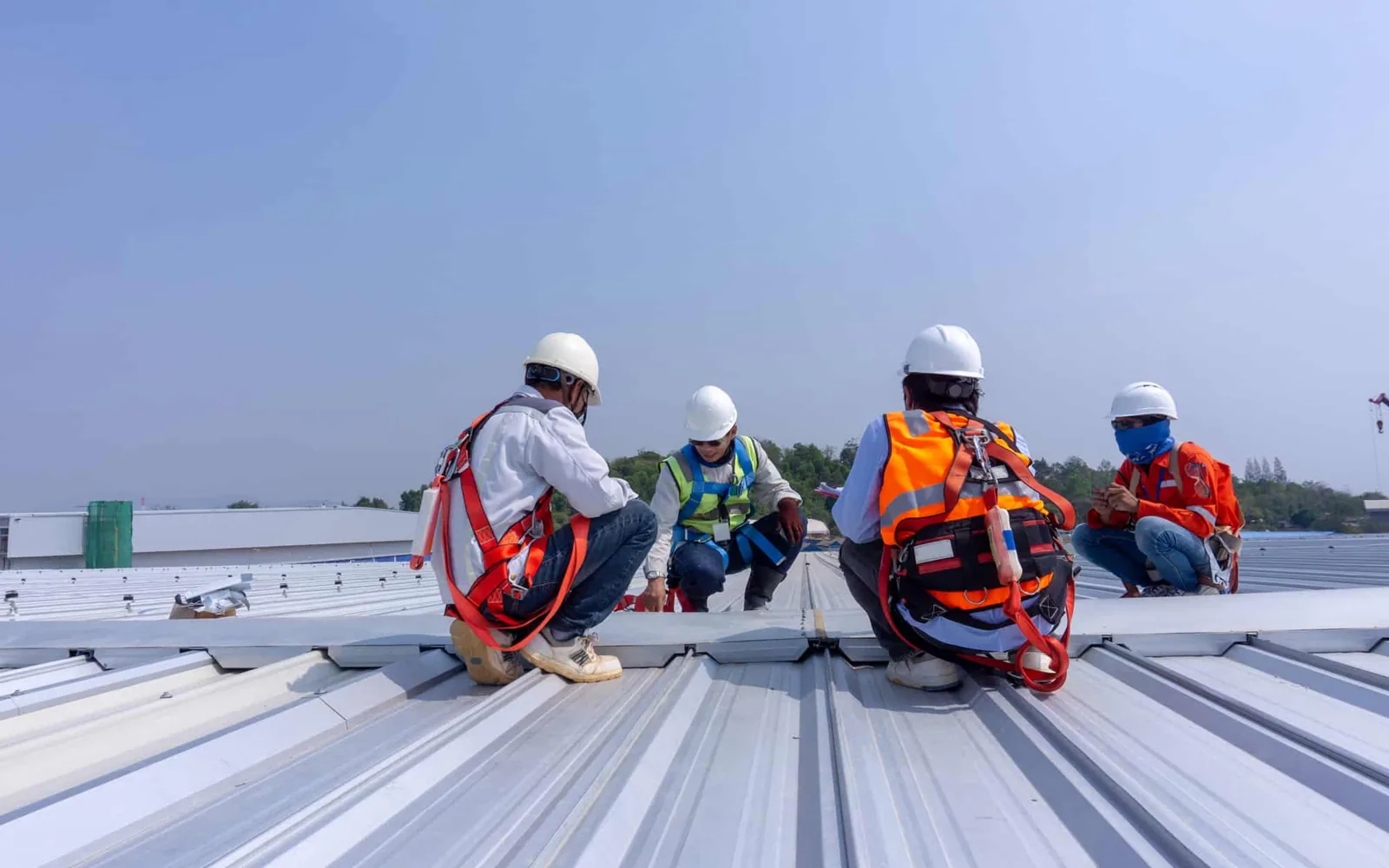
A storm repair may be one part of a roof already carrying deferred maintenance. We can identify the immediate work and list other conditions separately so an owner can decide whether to proceed with a larger project. If a replacement is under consideration, compare the repair estimate with a complete scope that includes removal, insulation assumptions, flashing, drainage and access. A partial repair and a new roof serve different purposes; the owner should understand the remaining life and risk on areas left in service.
We use photos, roof-zone labels and measurements where available to support the estimate. The scope lists assumptions and likely changes if concealed materials differ from what was visible. For a multi-building portfolio near the Richardson Innovation Quarter, keeping each property file separate avoids mixing conditions or costs across addresses. Roof condition reports can help organize prior inspections, while capital planning can track repairs that are unrelated to the current event.
Keep the Claim File Factual and Easy to Follow
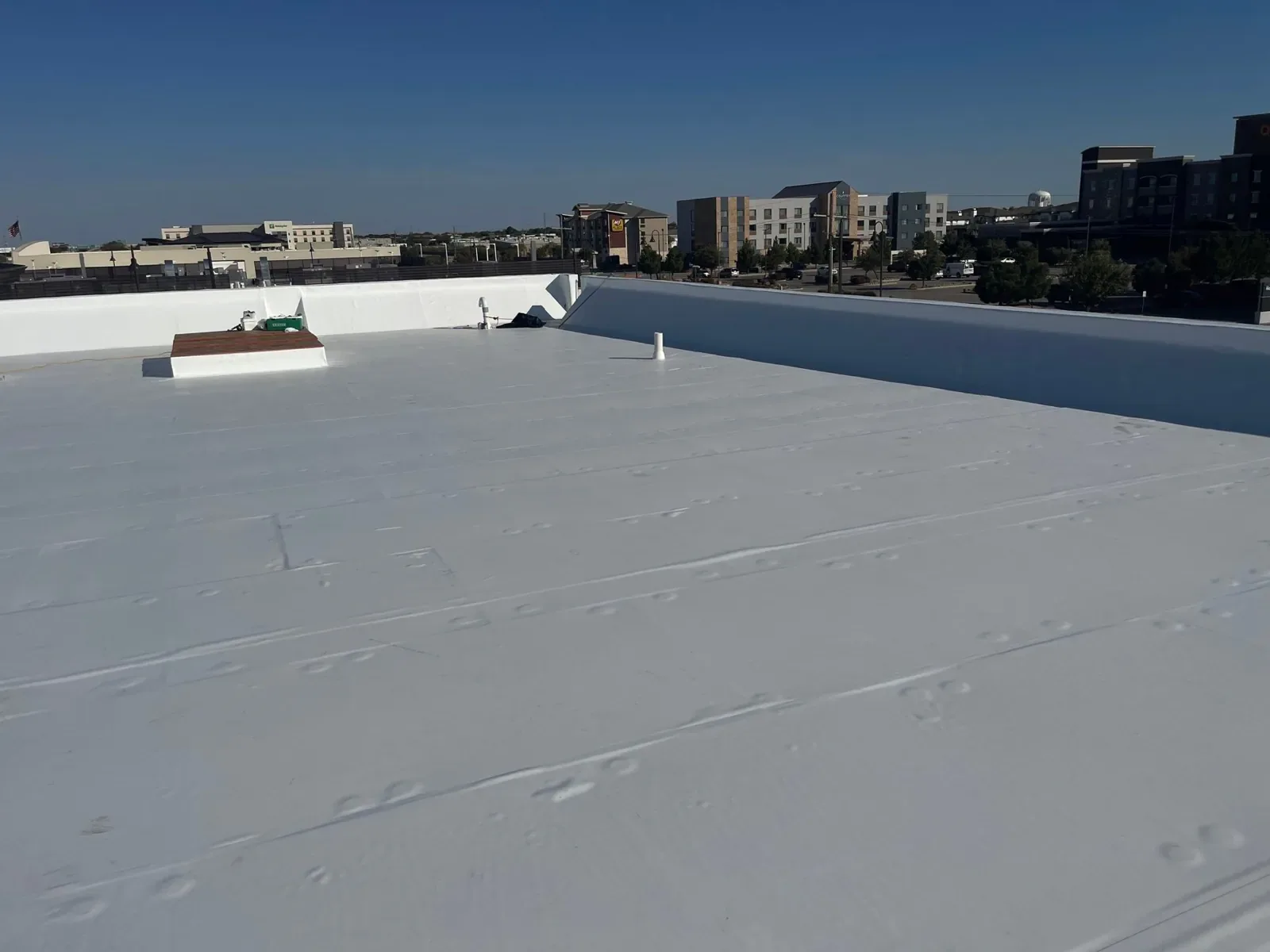
A useful package may include the event timeline, inspection notes, labeled photographs, roof plan, temporary work record, repair estimate and open questions. We can clarify roofing terms and revise the scope as findings change. If the insurer requests a site meeting, we can explain the observed roof condition and proposed method. We do not negotiate claim coverage or represent that a claim should be approved.
After the decision, the owner can authorize repair, request additional testing or compare replacement. We document the selected work and any unresolved area. A final photo record shows what was repaired and helps the next inspection recognize prior storm work. Future maintenance can track details that were not part of the claim and identify changes before another event. For a property near CityLine Richardson, access and tenant notices should be updated if follow-up work needs another site visit.
Ask for the Roofing Evidence You Need
If a storm has affected the roof, gather the event date, leak locations, any earlier roof reports and the contact responsible for site access. We can then set an inspection scope that fits the owner's immediate need. If damage is obvious and active, protection and repair planning come first. If cause or extent is uncertain, targeted testing may give a better basis for the estimate. Each step should state what it will resolve and what would remain unknown.
For a Richardson property, a timely, factual report gives ownership and the insurer a common view of the roof condition. The contractor's contribution is the evidence and work plan; the policy and coverage decision remain outside that scope. We provide the repair details, photographs and assumptions clearly so the owner can decide how to proceed.
Related Roofing Work
Storm Damage Roof Repair
Infrared Roof Moisture Survey
West Arapaho Corridor
Commercial Roof Condition Reports
Questions About Commercial Roof Insurance Claim Assistance
Can you tell me whether my roof claim will be approved?
No. The insurer applies the policy and makes the coverage decision. We can inspect the roof, document observed conditions and prepare a repair scope that explains the roofing work and its assumptions.
What should I save before the roof inspection?
Keep the event date, interior leak photos, prior roof reports, maintenance records and details of temporary protection. Share any access or safety limits before the visit so the inspection can be planned around the building.
Can you meet the adjuster at the property?
We can coordinate a site visit when requested and explain the observed roof condition and repair method. The owner should confirm participants, access rules and what documentation is needed before the meeting.
Should emergency work wait until the claim review?
If water is actively entering or safety is at risk, the property team should address immediate protection. Document the condition when safe, retain work records and confirm authorization responsibilities. Coverage questions should go to the insurer.
How do you handle damage mixed with older roof wear?
We describe visible evidence and distinguish dated or documented prior conditions where possible. If the timing or cause is uncertain, we state that limitation and price the roofing work based on the observed scope rather than assigning unsupported cause.
Organize the Roofing Side of a Storm Claim
Share the event date, roof history, affected areas and any insurer inspection schedule. We will document accessible conditions, prepare a clear repair scope and identify what still needs confirmation.