
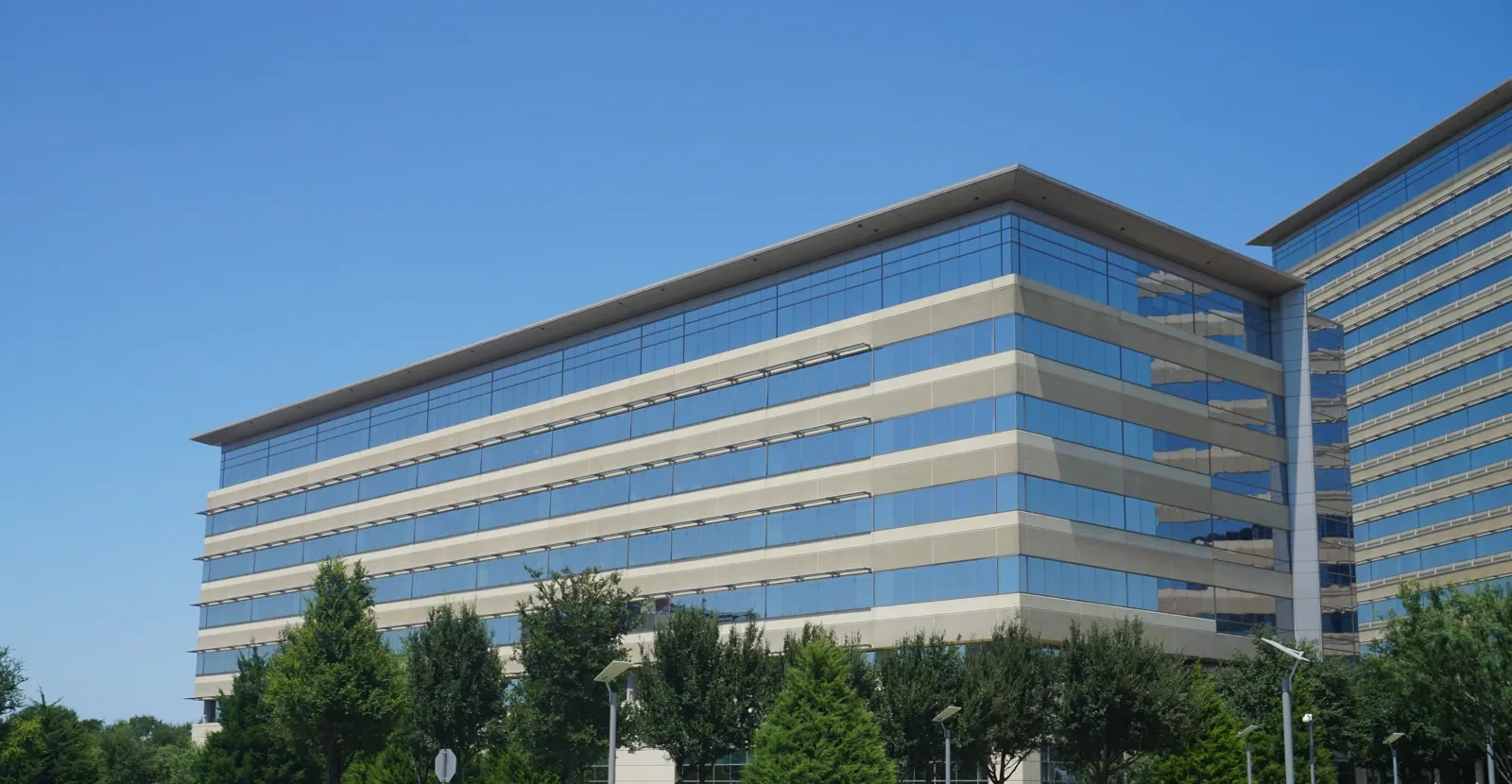
A reflective roof can reduce solar heat absorption at the surface, but its value depends on the whole building and roof assembly. We plan commercial cool roof installation in Richardson, TX by checking existing membrane, insulation, drainage, equipment and energy goals before selecting a system. The owner receives a comparison that explains what the reflective surface may change, what remains outside the roof scope and which conditions could affect performance. That keeps the recommendation grounded in the building rather than a broad savings promise.
Request a Roof Assessment
All fields are required.
Commercial Cool Roof Installation in Richardson, TX
Evaluate a Reflective Roof for Your Building
Connect the Roof Choice to the Building's Load
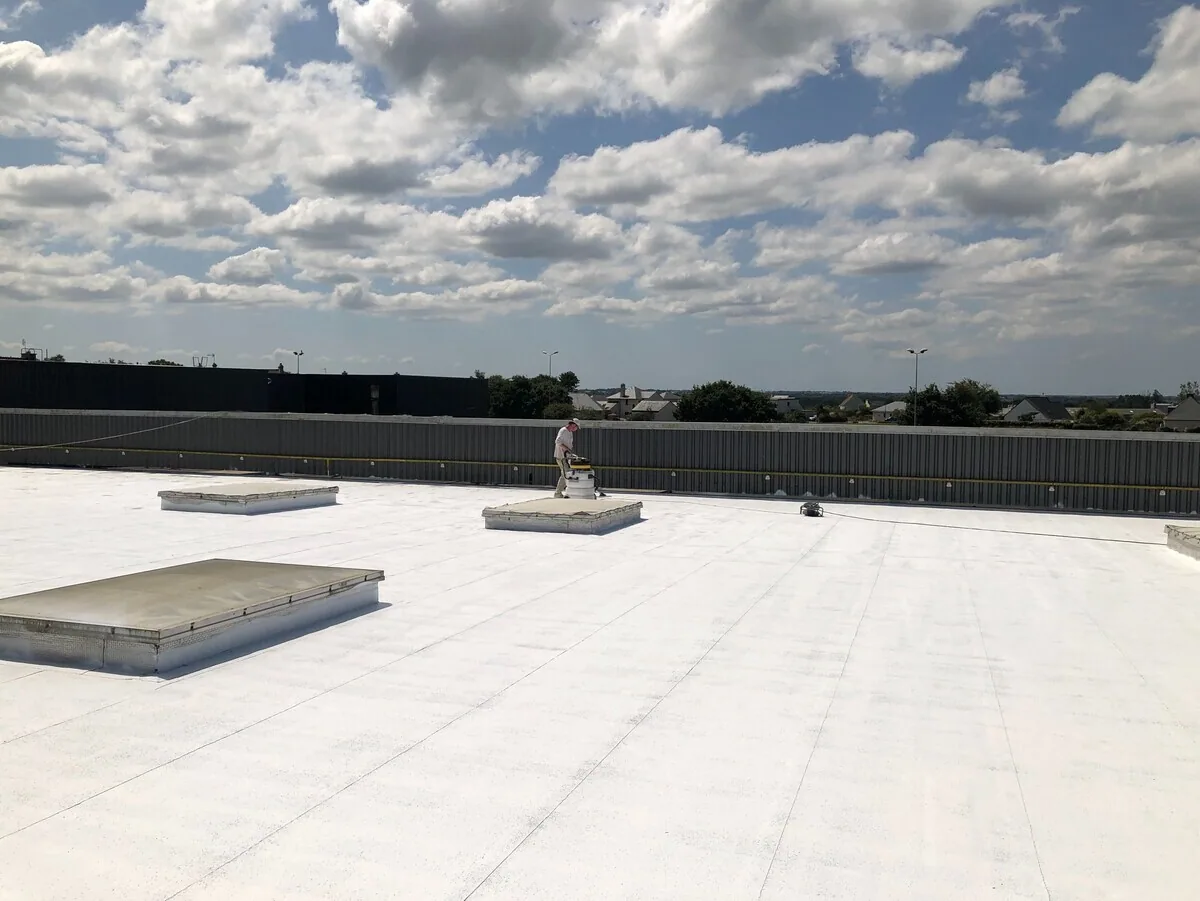
Start with the problem the owner wants to solve. High rooftop temperatures may contribute to cooling demand, membrane exposure or uncomfortable upper-floor conditions, but roof color alone does not identify the building's largest energy loss. Insulation levels, air leakage, mechanical efficiency, operating hours, occupancy and controls all matter. We ask for utility or energy information when available and clarify whether the project is aimed at surface temperature, system renewal, energy performance or a combination.
Richardson's long hot season makes reflective surfaces relevant to many low-slope buildings, including offices and technology properties around the Richardson Innovation Quarter. A cool roof will not correct inadequate insulation or a poorly tuned HVAC system. We explain which roof changes are in the contractor's scope and recommend that the owner coordinate broader energy decisions with the building engineer. If the objective is a measurable energy outcome, a baseline and follow-up measurement plan should be agreed before construction.
Check the Existing Assembly Before Choosing a Finish
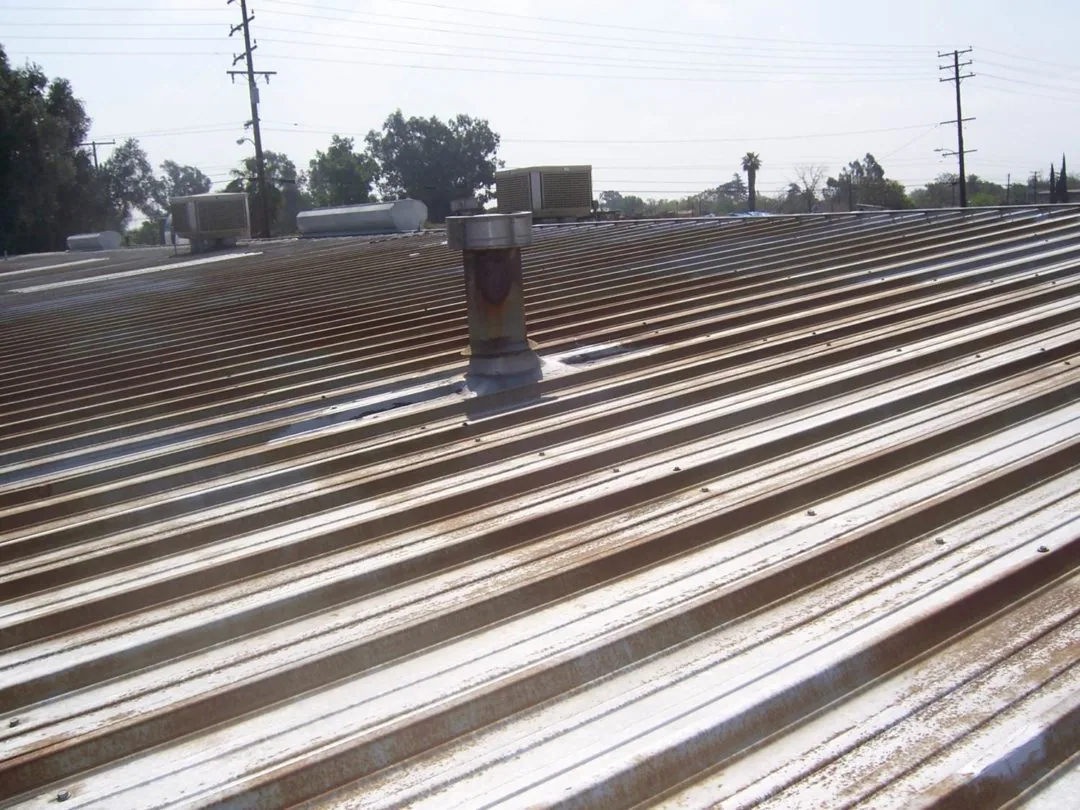
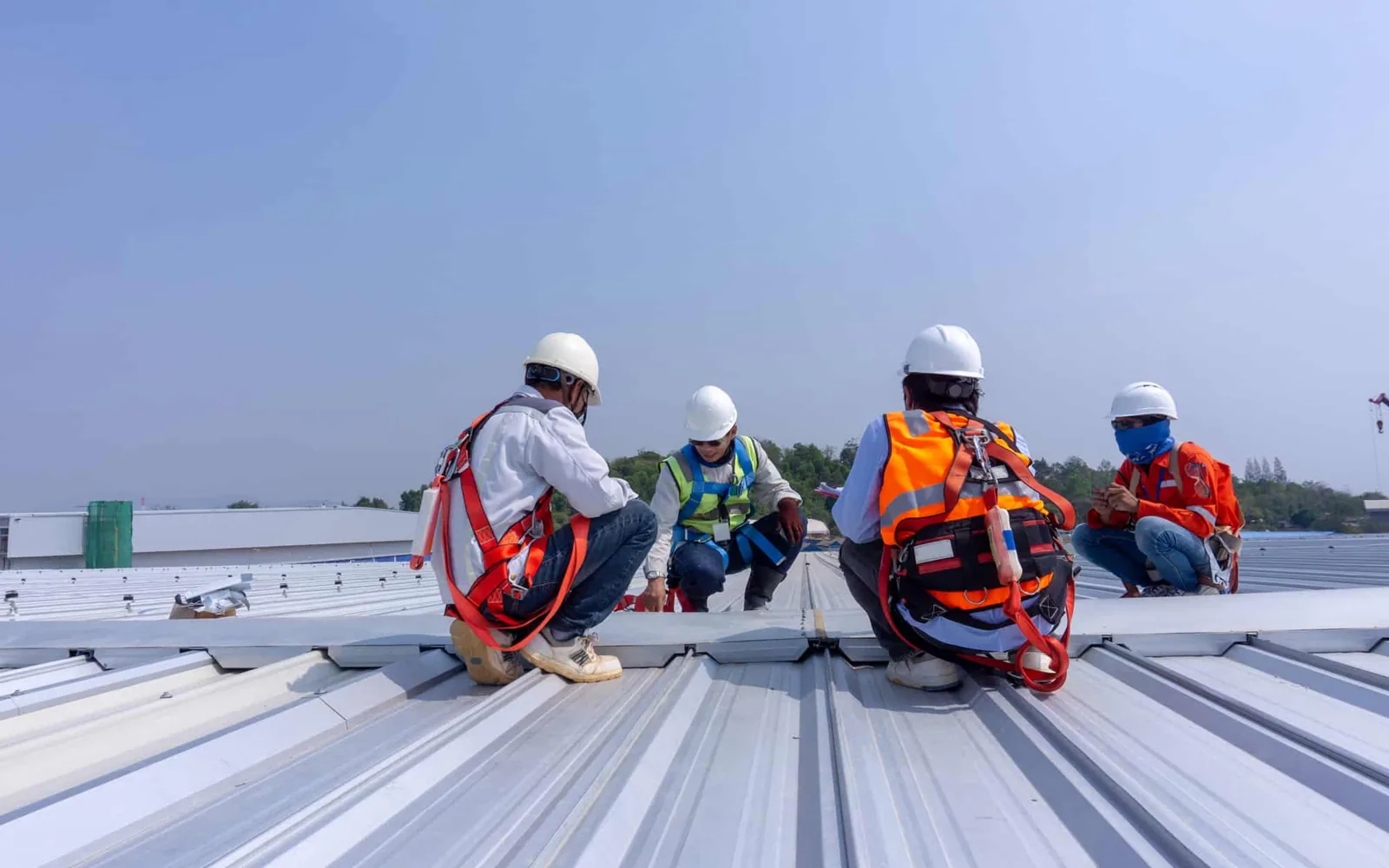
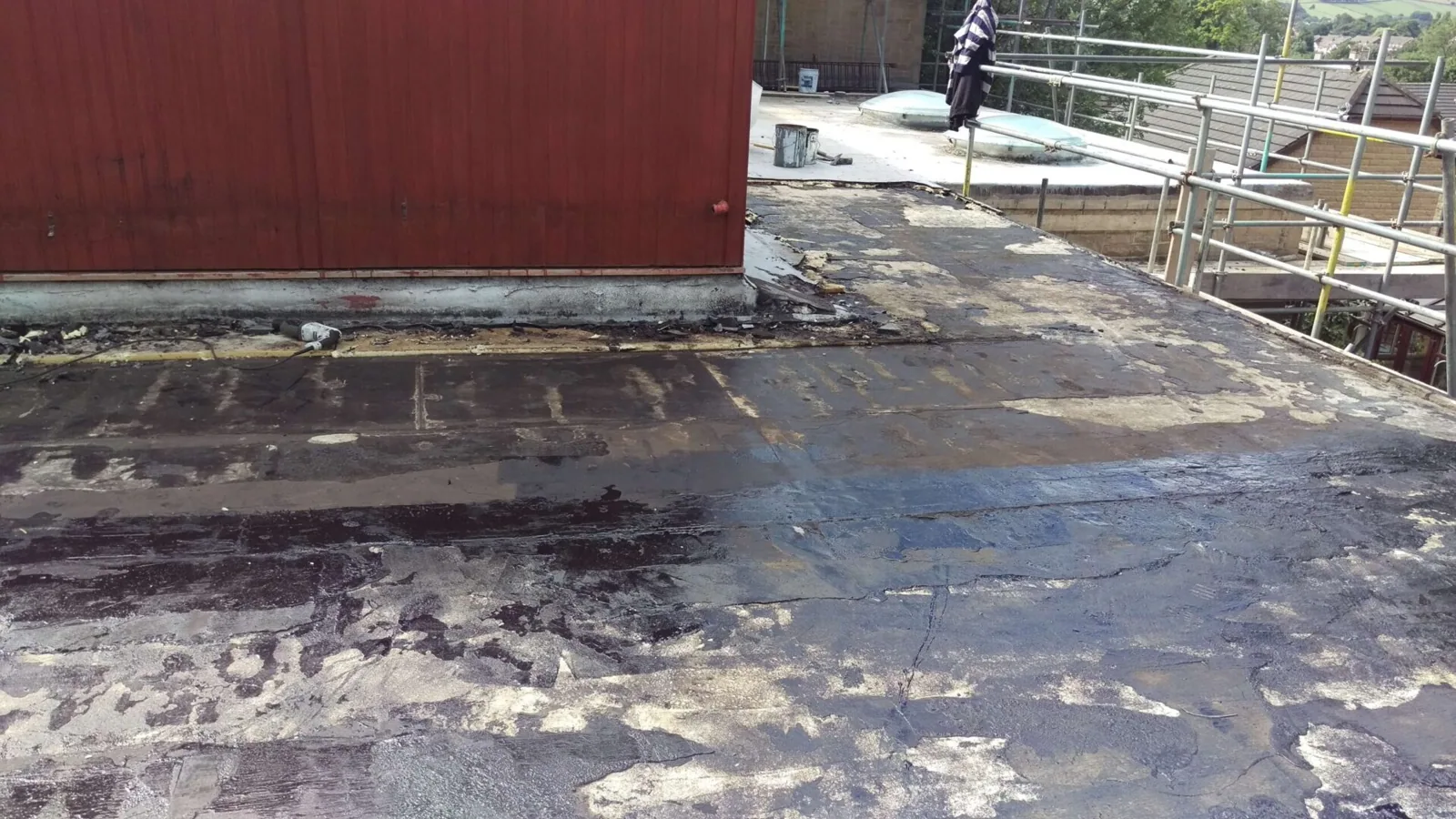
The substrate must be sound, dry and compatible with the selected product. We inspect membrane seams, flashings, drains, edges and prior repairs. A coating or reflective membrane installed over loose, wet or contaminated material may fail regardless of its color. If the existing roof has recurring leaks or moisture concerns, those conditions need investigation first. A moisture survey or selective opening may help define the repair area before the reflective system is priced.
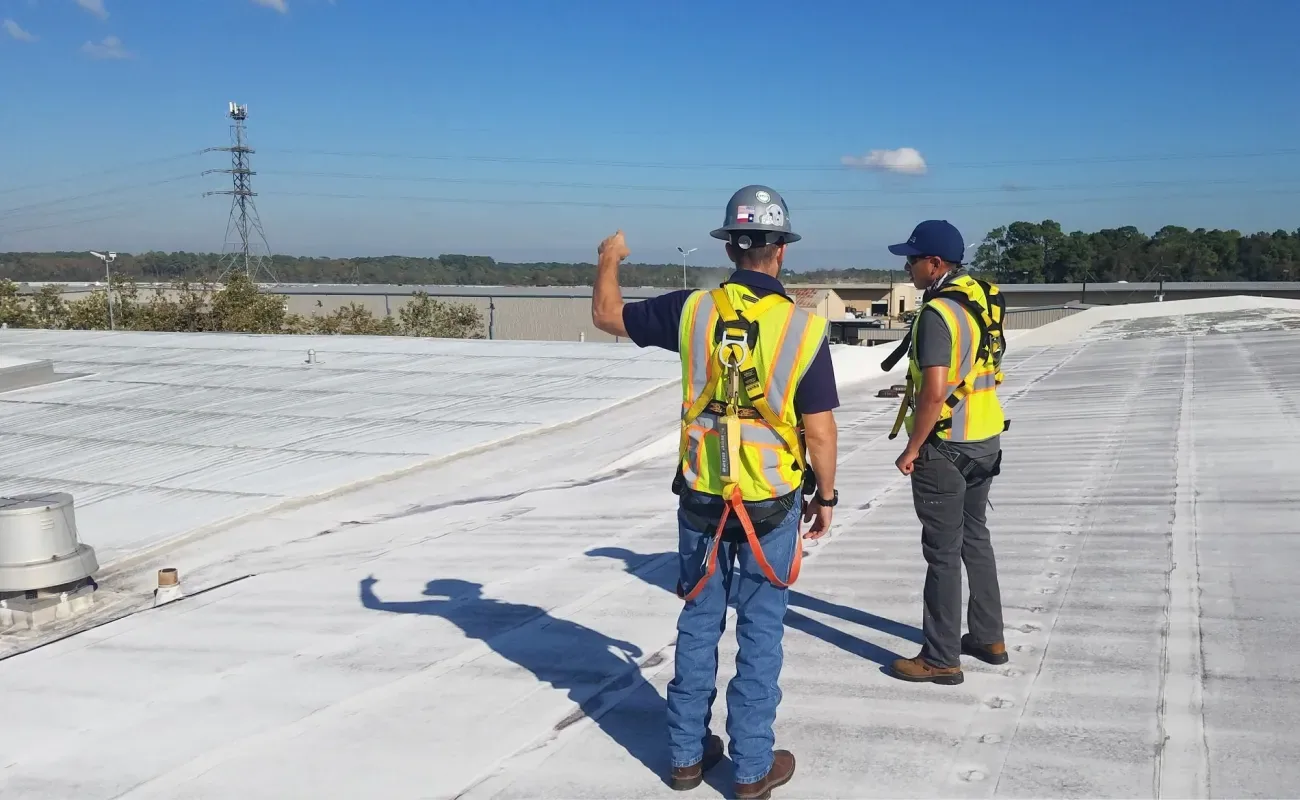
We review roof height, insulation, deck, attachment, curbs, skylights and equipment routes. Adding a new layer can affect edge metal, drain elevations and flashing height. Richardson's current code framework includes the 2021 building, existing-building and energy editions with local amendments; the project path depends on the system and scope. We identify any design or review question before locking details. A reflective surface does not exempt the assembly from drainage, wind resistance or fire-performance requirements.
Compare Reflective Membrane and Coating Options
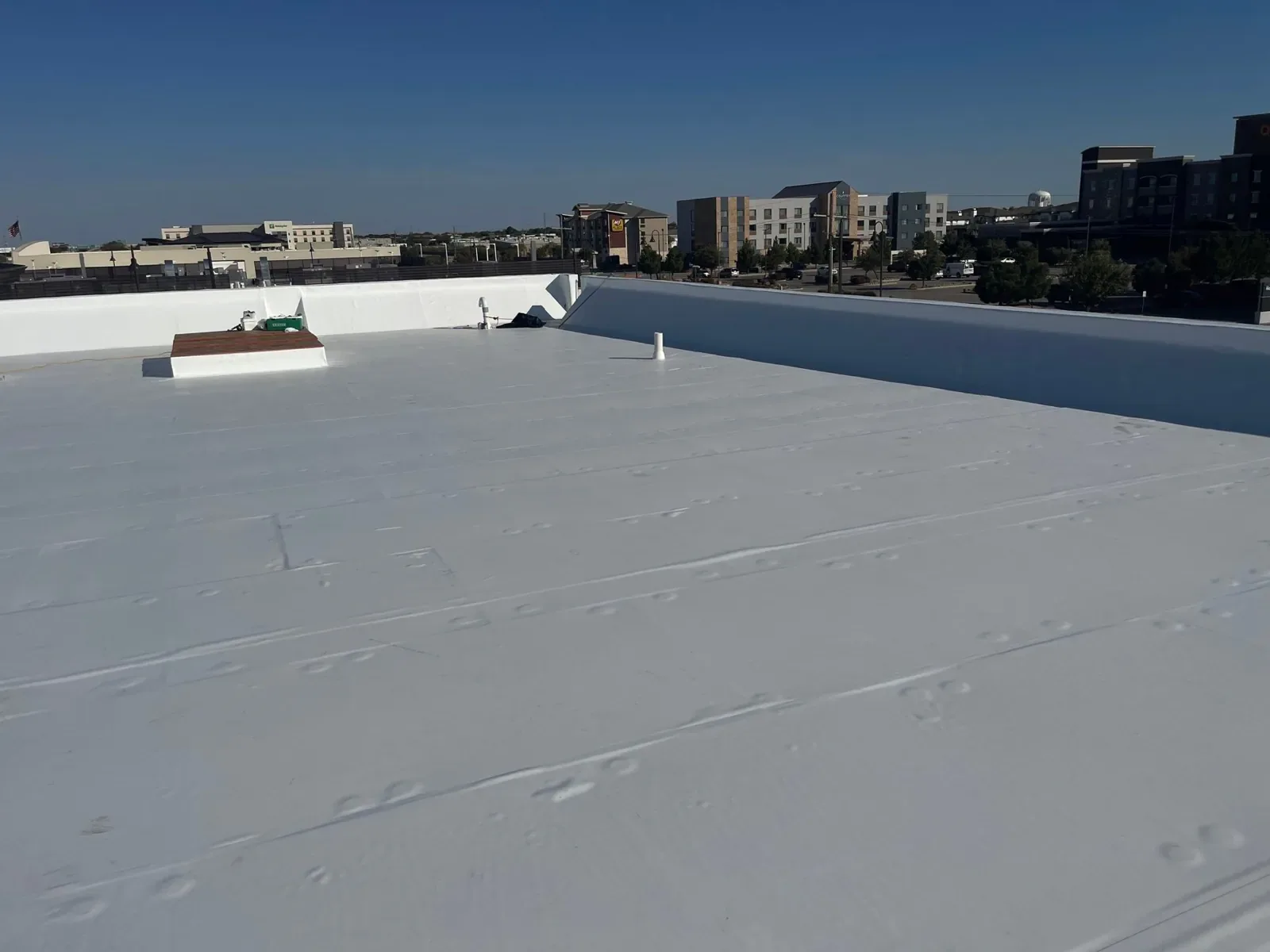
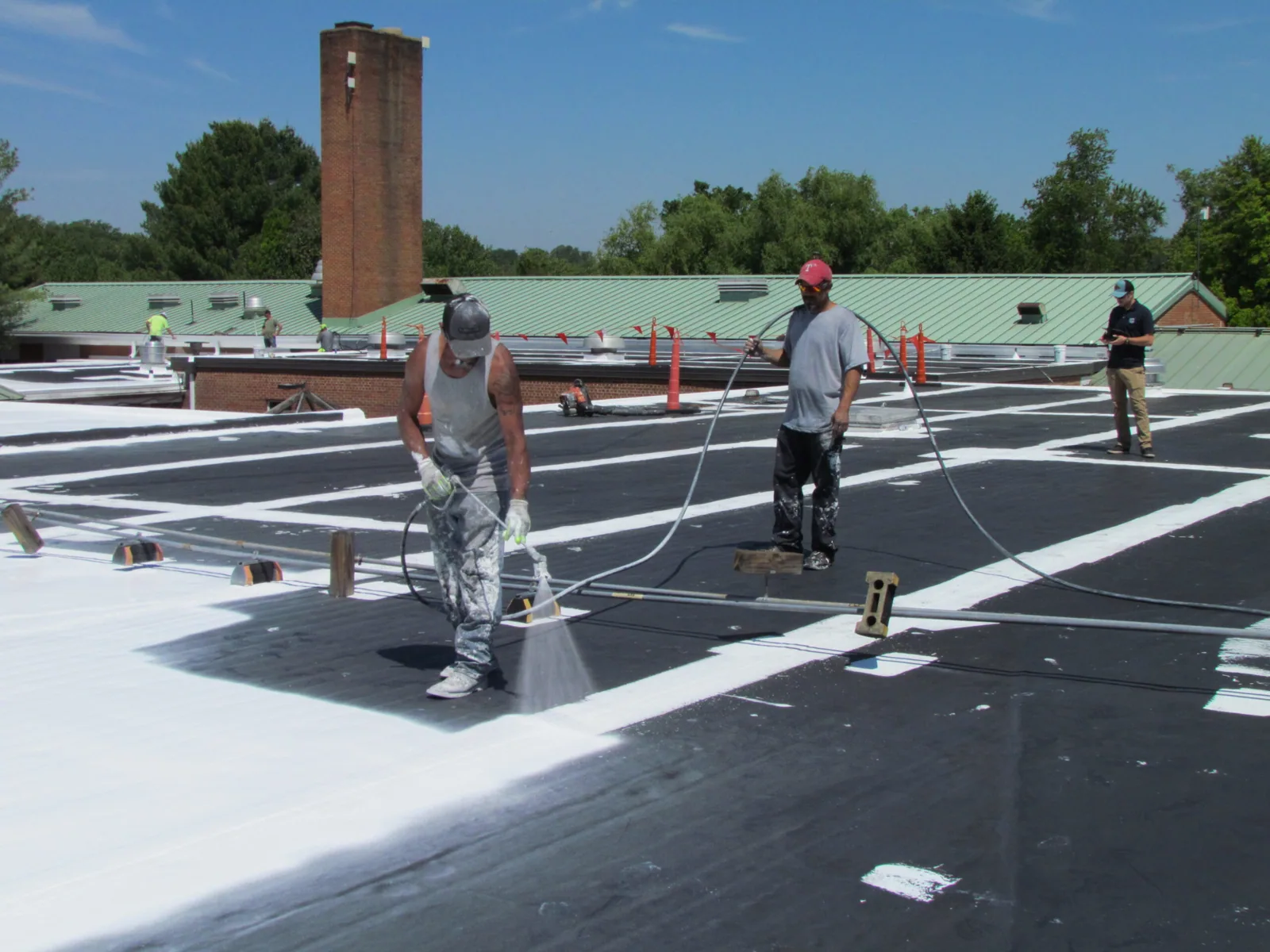
A cool roof can use a reflective membrane or a coating system, depending on the existing assembly and project goals. Membrane replacement can renew the weathering layer and address insulation or cover-board needs. A coating may fit a sound roof that qualifies after testing and preparation. The products differ in compatibility, reinforcement, application conditions, thickness and maintenance. We specify the actual system and preparation steps rather than quote a generic white roof.
For membrane work, seam construction, edge securement, penetrations and attachment matter as much as reflectance. For coatings, adhesion tests and dry substrate conditions may be necessary. We identify whether the existing roof can remain, what repairs precede application and which areas are excluded. A coating restoration or replacement scope can present those options separately so the owner can compare cost, construction disruption and future maintenance.
Set Realistic Expectations for Energy Performance
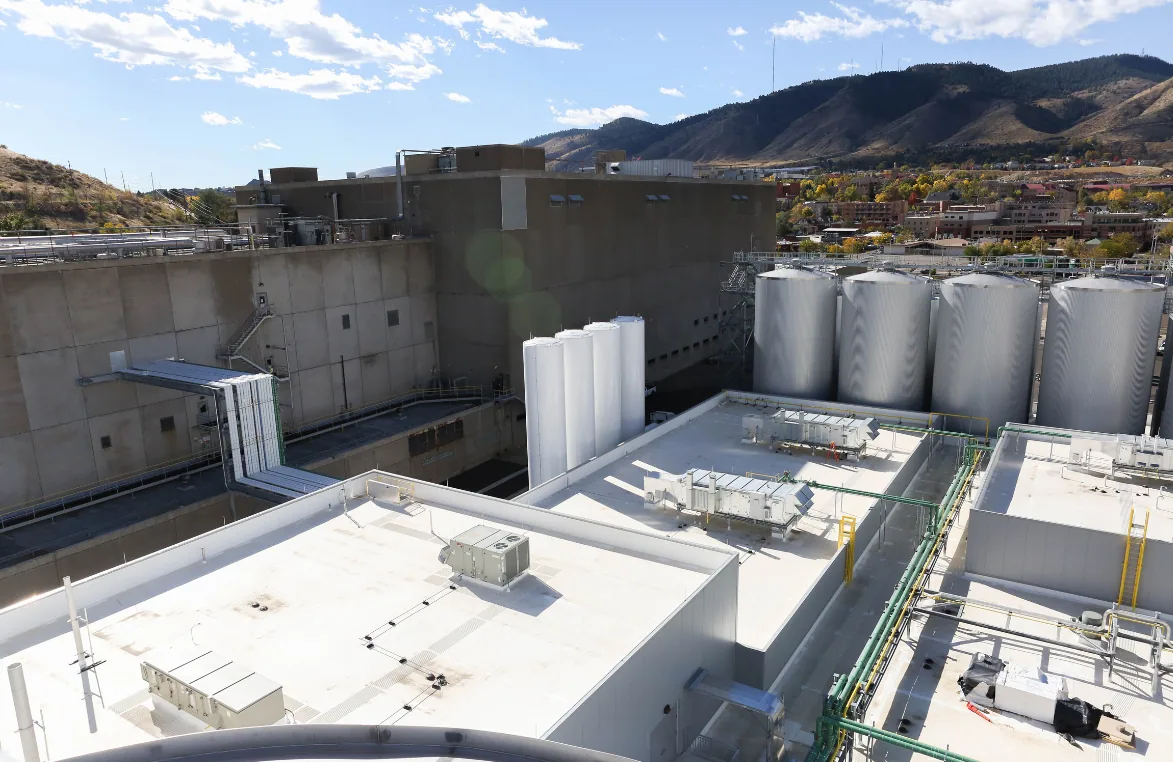
A reflective surface changes solar absorption; the amount of energy or indoor comfort change depends on the building. Roof insulation, ceiling conditions, ventilation, air leakage, HVAC efficiency and schedules may have a larger influence than surface color alone. We do not assign a savings percentage without a project-specific basis. If a target matters, the owner can request an energy model or measurement approach from the building's qualified energy professional and treat the roofing work as one part of that plan.
Reflectance can also change as the surface ages or collects dirt. The project should state cleaning and maintenance needs, inspection intervals and what condition would require recoating or repair. A reflective roof still needs open drains, intact seams and protected equipment paths. After installation, record product information and closeout readings or documentation required by the owner. An energy goal is easier to evaluate when the owner has a baseline, installed-system record and a plan for follow-up.
Schedule Work Around Heat, Rain and Occupancy
Richardson summer heat affects surface temperatures and worker exposure, while spring thunderstorms can interrupt preparation and cure. Product instructions set the limits for application temperature, moisture, wind and forecast rain. We divide the roof into sections that can be prepared and made watertight within the work window. If the surface gets wet or conditions shift, work pauses at a defined stop point rather than leaving an uncontrolled area open.
A mixed-use property near CityLine West may have active retail, residential and office circulation to maintain. An office campus along US 75 may need equipment access or parking controls during delivery. We verify actual conditions with the property contact, then plan staging, debris removal, tenant notices and protection for entrances or sensitive spaces. A phased plan can keep portions of the building operating, but transitions between sections need clear details and closeout documentation.
Compare the Installed Cost With the Intended Benefit
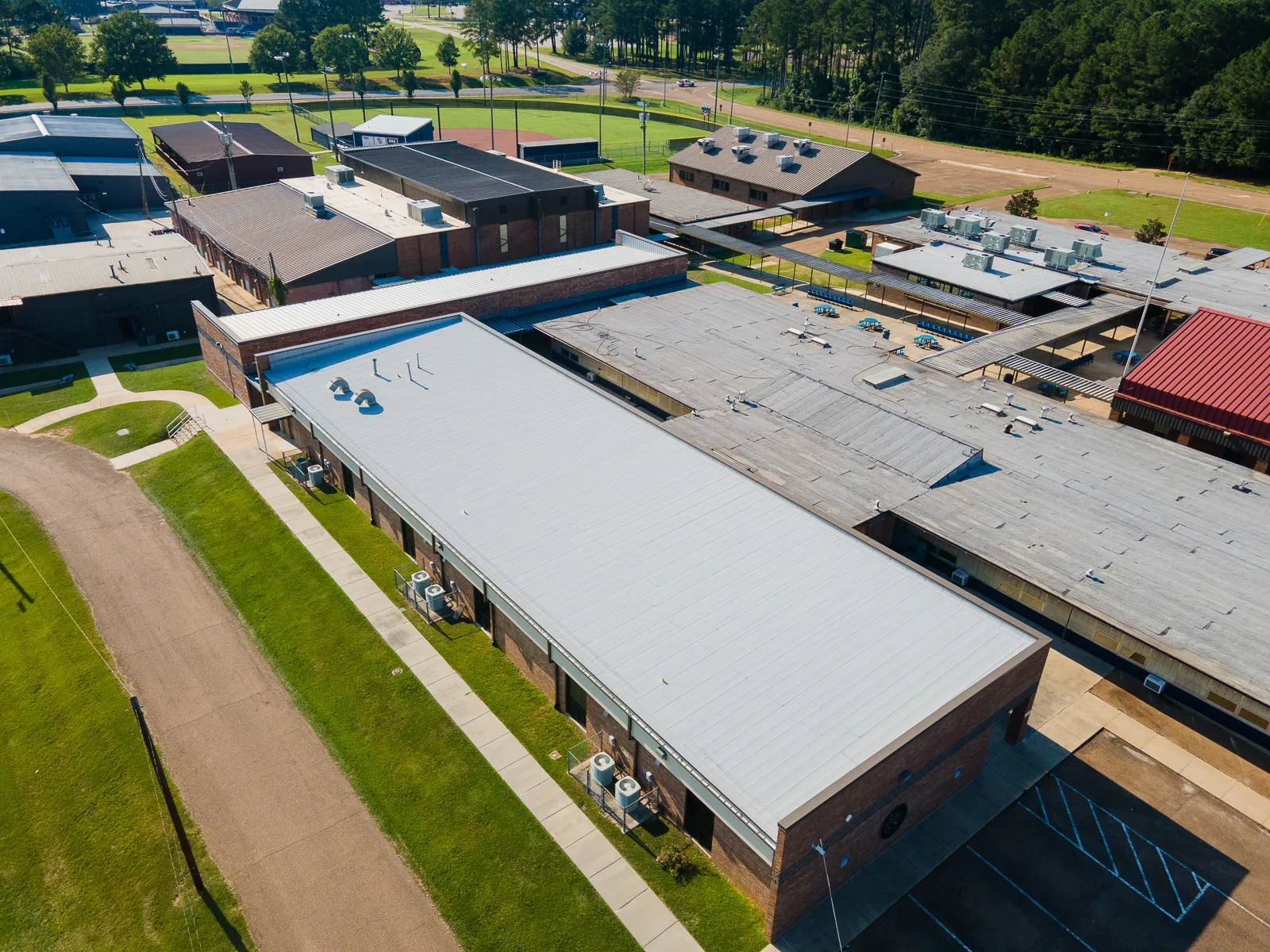
The project price should include substrate repairs, membrane or coating material, insulation assumptions, flashing, drain adjustments, edge work, access and protection. Compare those items with the existing roof's expected repair needs and replacement timing. A reflective coating over a roof that needs widespread repairs may add cost without addressing the underlying condition. A new reflective membrane may cost more up front but also renew the assembly. We identify which expense buys a surface change and which renews roof components.
For a multi-year decision, owners can connect the proposal to capital planning and condition reporting. The scope should identify maintenance requirements, warranty terms supplied for the product and the assumptions behind any energy analysis. If solar is planned, coordinate mounting and roof service life before choosing the system. A solar-ready roof plan can account for future attachments without making an unsupported promise about a later array.
Document the System for Future Maintenance
Closeout identifies installed products, roof zones, membrane or coating details, repairs completed, drainage changes and any areas that were retained. Photos of edges, seams, curbs and drains provide a baseline for later inspection. The owner should know what cleaning or maintenance keeps the surface within product requirements and which trade should be contacted before rooftop work.
CityLine and the Richardson Innovation Quarter are examples of Richardson districts with office and mixed-use properties, but each roof needs its own maintenance schedule. A roof inspection can track seam and flashing condition, while planned maintenance can keep drainage paths clear. The operating record can then compare energy goals with actual building performance instead of assuming the reflective finish alone solved the problem.
Related Roofing Work
Infrared Roof Moisture Survey
Commercial Roof Coating and Restoration
Commercial Roof Replacement
Commercial Roof Capital Planning
Questions About Commercial Cool Roof Installation
Will a cool roof lower my building's energy costs?
It may reduce solar heat absorption, but energy results depend on insulation, HVAC, air leakage, occupancy and controls. We do not promise a savings amount from roof color alone. A project-specific baseline and energy review can help measure the outcome.
Can a reflective coating go over my existing roof?
Only if the roof is compatible, sound, dry and properly prepared. Testing may be needed to check adhesion, and leaks or wet insulation must be addressed before application.
Is a white roof the same as a cool roof?
Color can affect reflectance, but the product's tested properties and the full assembly determine performance. The proposal should identify the material, preparation, insulation and maintenance conditions rather than rely on color as the specification.
How does a cool roof differ from adding insulation?
A reflective surface changes solar absorption at the exterior. Insulation changes heat transfer through the roof assembly. They can work together, but roof height, deck, energy requirements, edges and drainage need review before either is added.
Can solar panels be installed over a cool roof later?
Potentially, if the roof system, remaining service life, attachment method and access plan support the array. Coordinate solar design before roofing work so mounts and penetrations do not compromise the new assembly.
Evaluate a Reflective Roof for Your Building
Share the roof history, energy goal, equipment layout and any solar plans. We will inspect the existing assembly and compare reflective options with clear performance limits and maintenance needs.