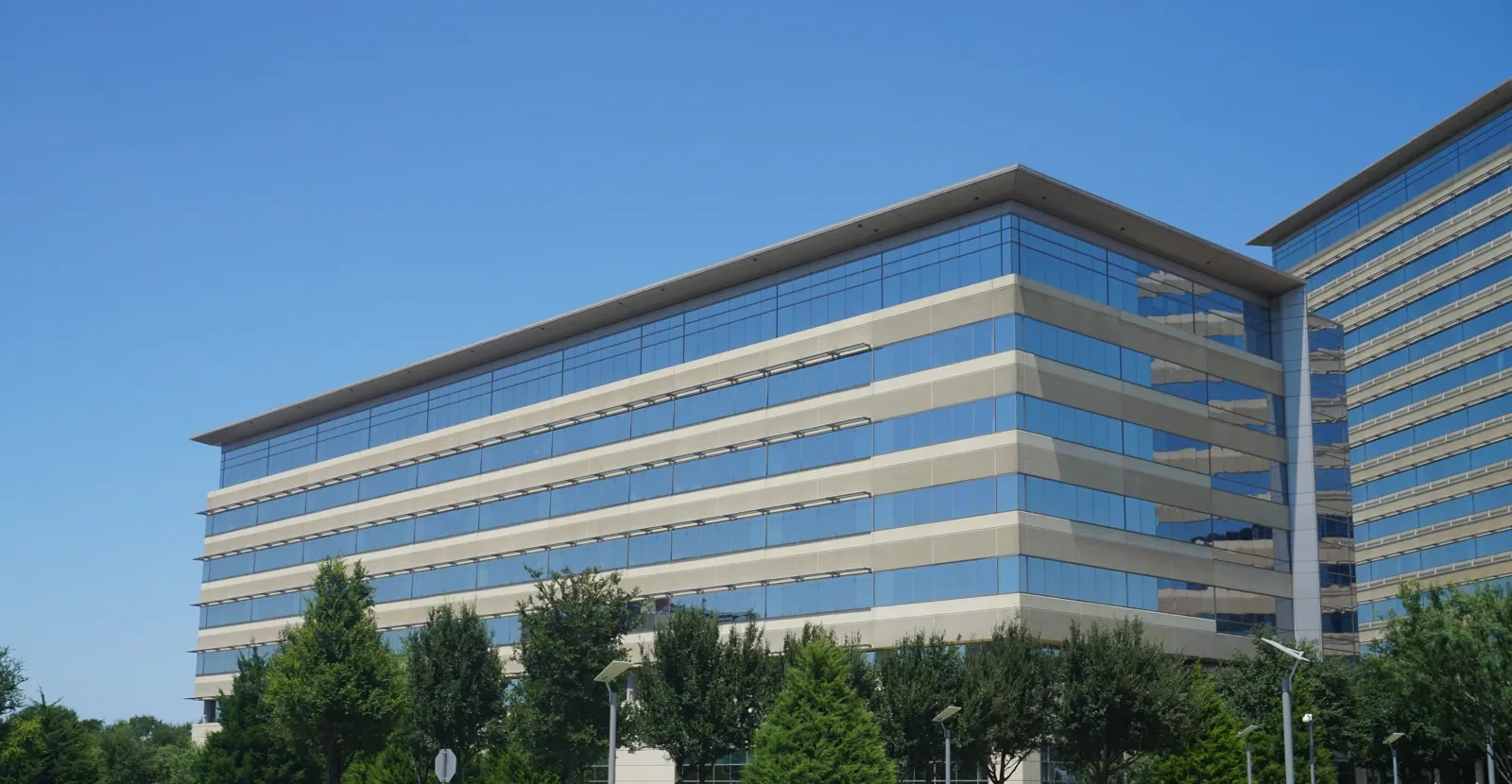
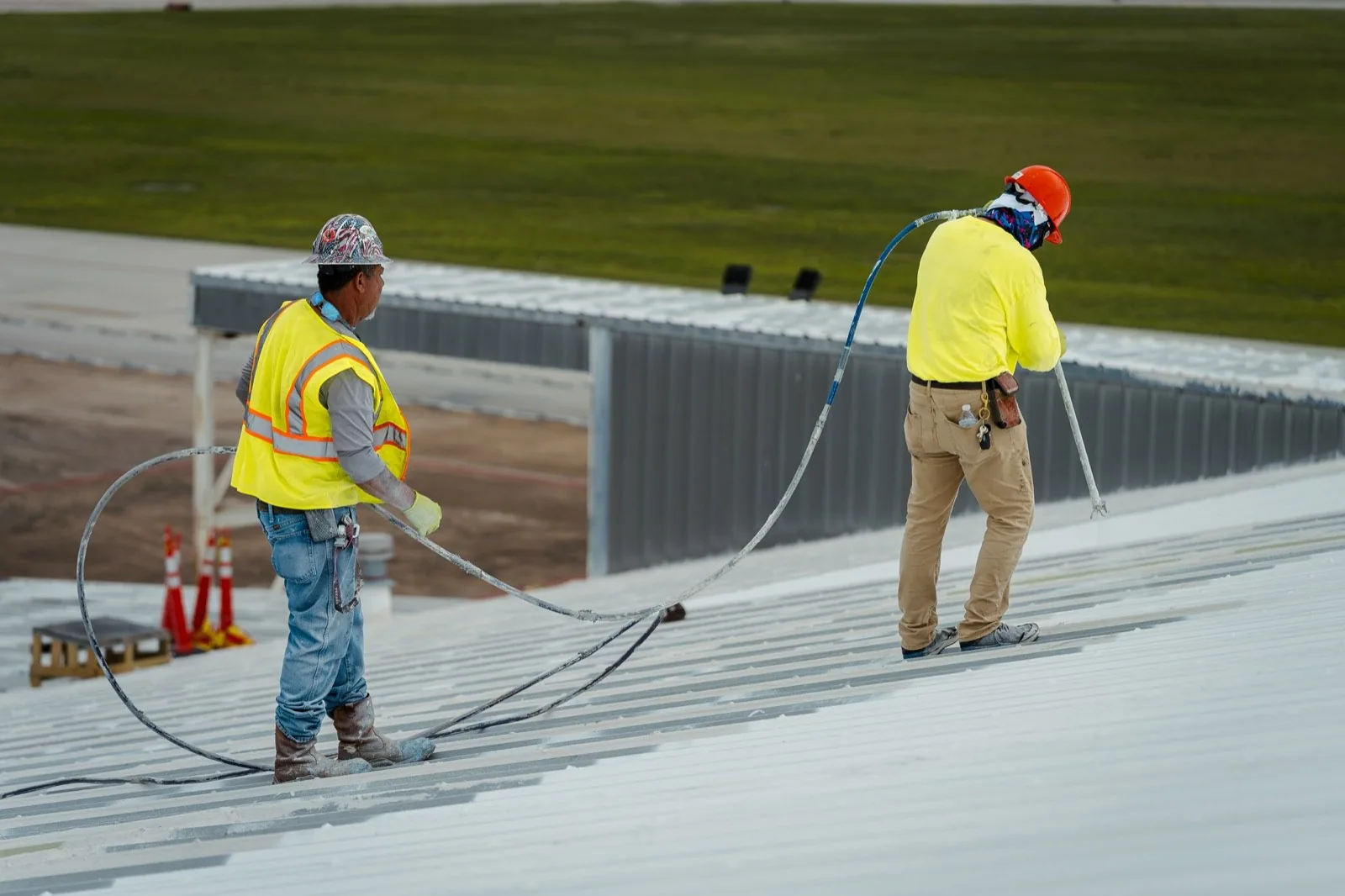
A coating can renew a roof surface when the existing assembly is sound enough to keep. It cannot turn wet insulation, loose attachment or a failing deck into a reliable roof. Our Richardson, TX coating evaluation checks the substrate, seams, flashings, drainage and adhesion before comparing restoration with replacement. We explain the preparation and repair work the coating needs, the areas that may not qualify and how the project can be completed around building operations. That makes the decision about restoring the assembly, not simply adding another layer of product.
Request a Roof Assessment
All fields are required.
Commercial Roof Coating and Restoration in Richardson, TX
Find Out Whether the Roof Is a Coating Candidate
Test the Roof Before Selecting a Coating
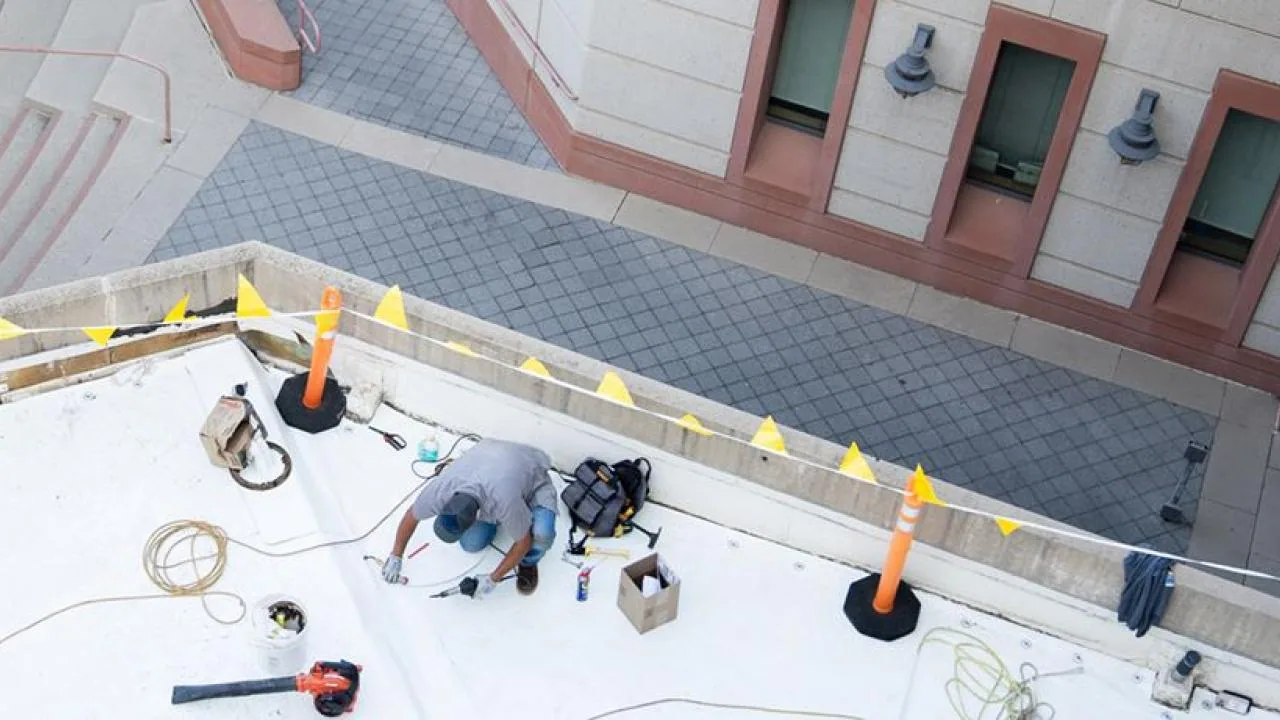
We begin with roof history, system type, previous coatings, leak activity and visible condition. The existing surface must accept the proposed coating after cleaning and preparation. Peeling layers, contamination, incompatible materials, trapped moisture or widespread delamination can make restoration unsuitable. We inspect representative areas and perform adhesion testing where appropriate. A test result at one spot applies to that location and preparation; it does not establish that every roof zone will bond in the same way.
Moisture needs separate attention. A roof may look intact while water is held beneath the membrane, so we compare interior history and surface clues with targeted testing if the decision depends on concealed conditions. If wet insulation is confirmed, those areas generally need correction before coating. A moisture survey can help identify test locations, while selective openings verify the layers at specific points. We state the difference between a visual observation, a test indication and a confirmed condition before recommending a restoration scope.
Repair and Prepare the Surface First
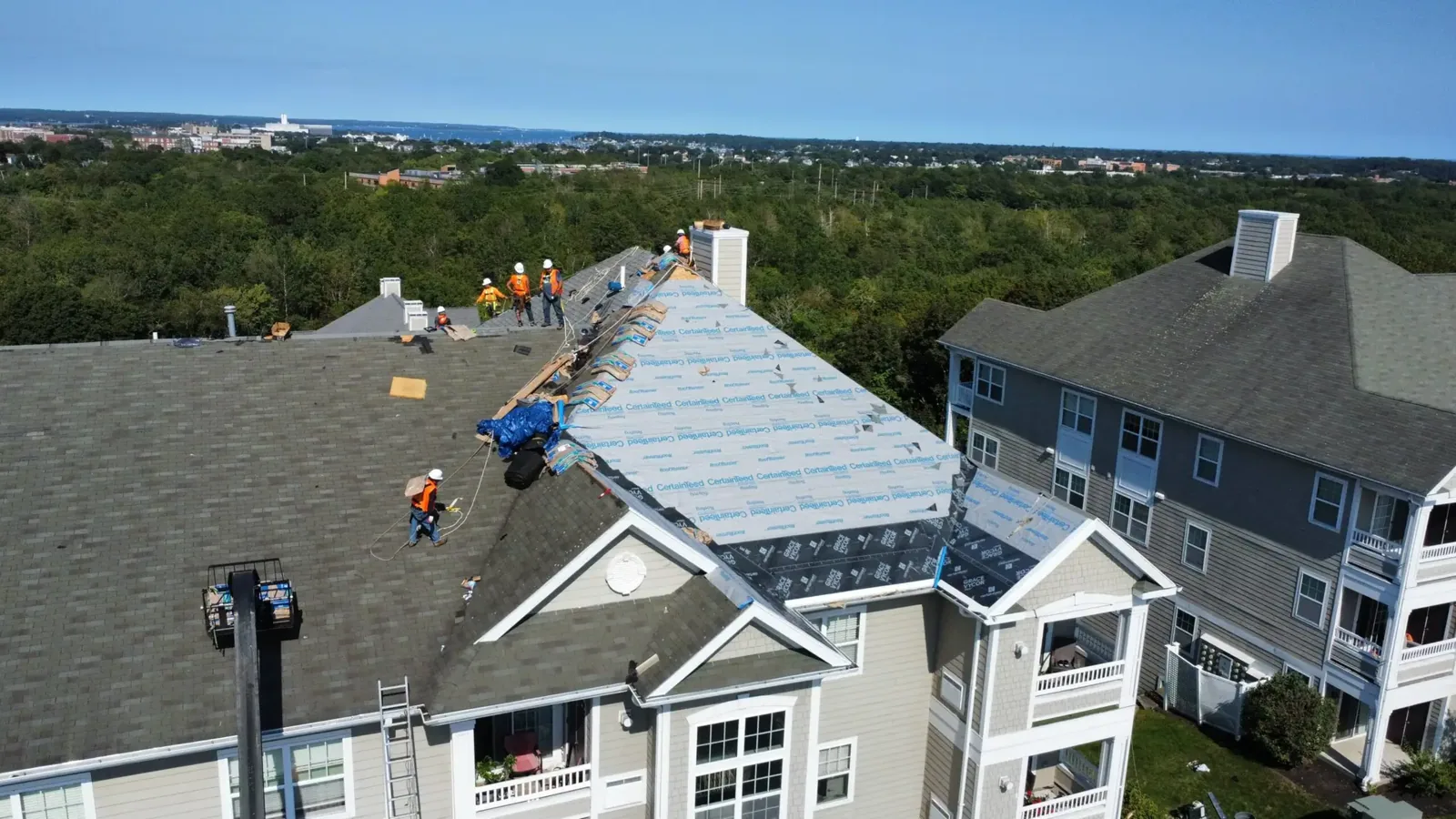
Preparation is a major part of coating work. The scope may include cleaning, removal of loose material, repair of seams, reinforcement at transitions, replacement of failed flashing and correction of isolated wet areas. The surface must be dry enough and clean enough for the product to bond. If a roof has standing water, loose metal, open penetrations or deteriorated substrate, those issues need correction before a coating can perform as intended.
We identify details where movement or recurring water could stress the finished surface. At curbs, drains, parapets, expansion joints and roof edges, preparation should restore a sound transition instead of covering over an opening. Drain outlets must remain clear and accessible after the application. For owners considering a cool surface, a coating's reflectance can be part of the comparison, but it does not replace drainage, insulation and detail review. The cool roof option can be considered alongside system-specific repair when the roof is eligible.
Choose the Coating for the Existing Assembly
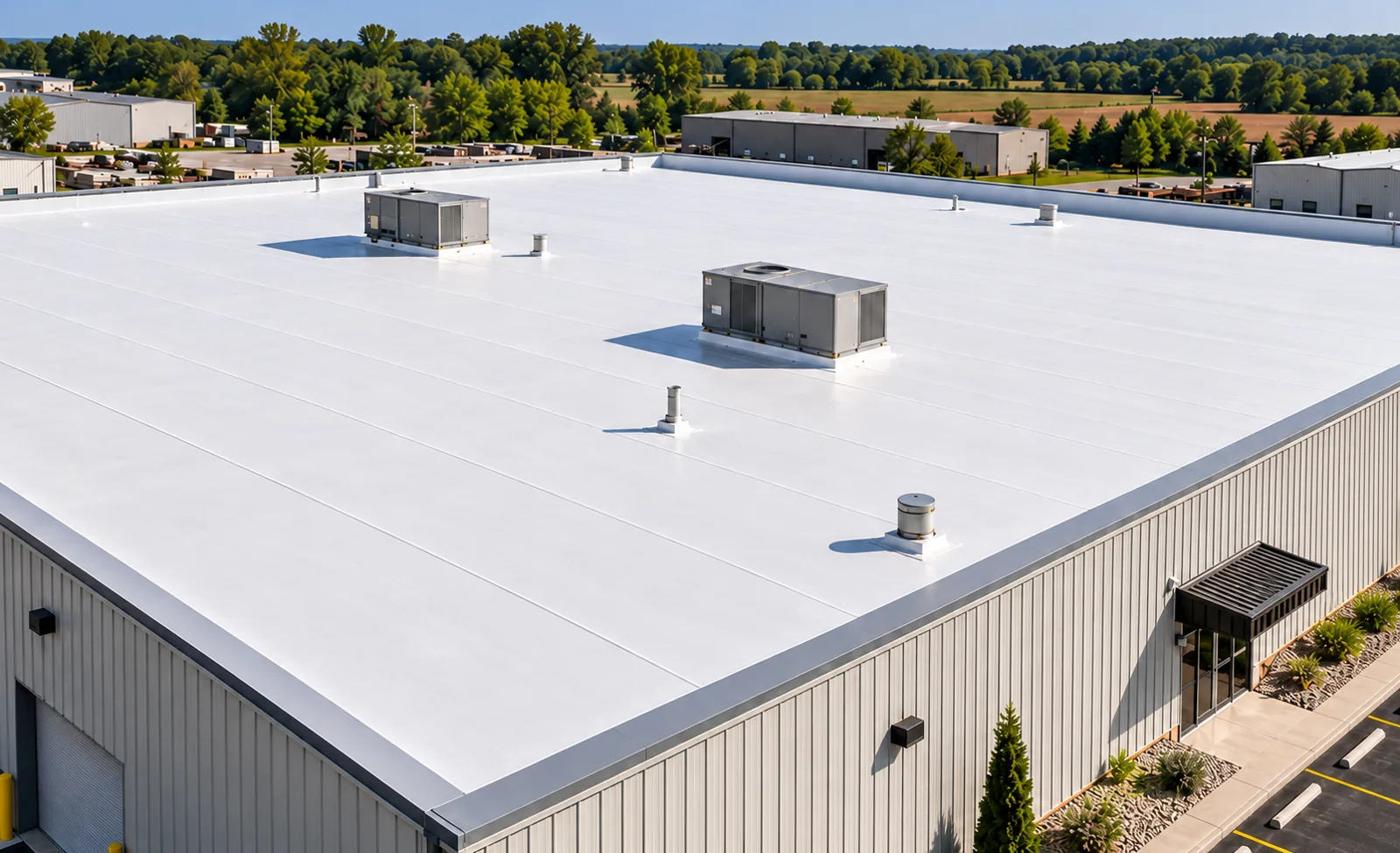
Coating products differ in chemistry, compatibility, reinforcement needs, thickness and exposure limits. The existing roof material and any prior coating help determine the available options. We confirm the product's stated use and preparation requirements before pricing. The proposal describes the substrate, repair plan, application areas and any details excluded because they need replacement or another method. It also identifies whether a product needs reinforcement at seams or penetrations.
Richardson's long hot season matters to surface preparation and cure planning. DFW July and August average daily highs reach the mid-90s, and roof surface temperature can rise above the air reading. We consider the application window, shade, humidity, dew point and forecast when planning each section. A coating that is applied over a damp or overheated surface may not develop as intended. If the day's conditions move beyond the product requirements, we pause and protect the work boundary rather than press ahead for the sake of the schedule.
Plan the Work Window Around Rain and Cure
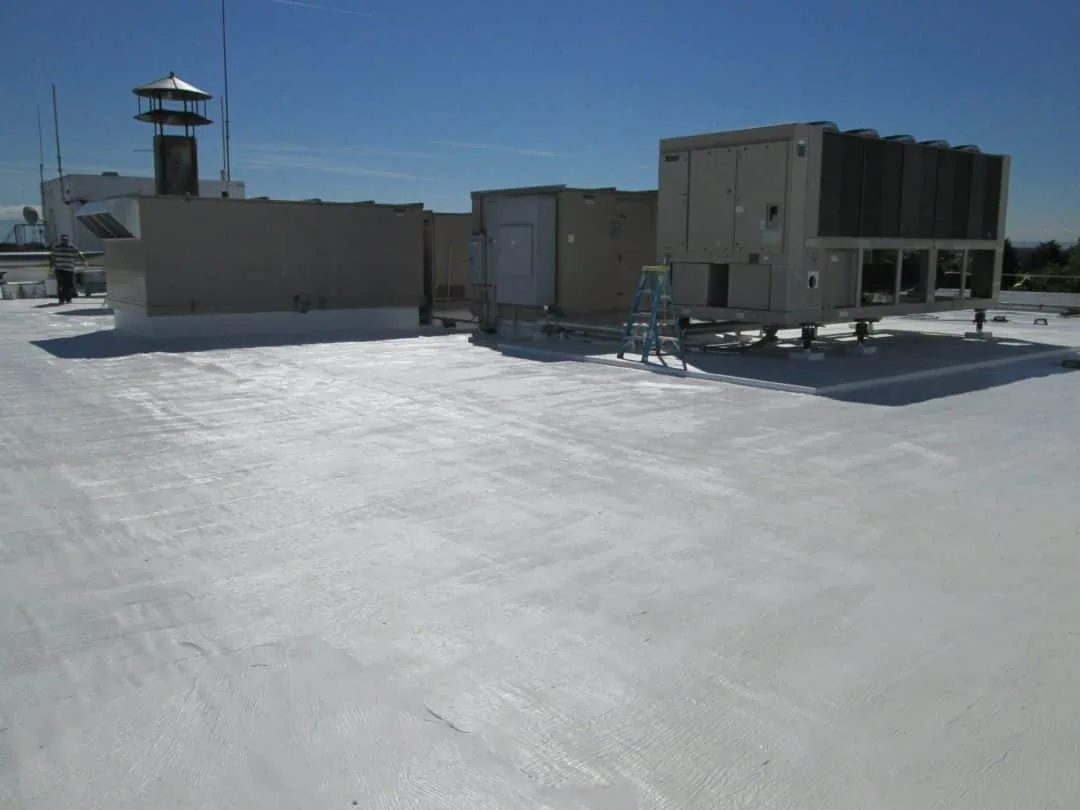
Coating projects depend on a weather window that allows preparation, application and cure. Spring is the DFW region's peak severe-thunderstorm period, with hail and damaging wind among the concerns. Rain arriving before a coating is ready can disrupt adhesion or wash material from the surface. We plan section sizes and stop points so the crew can leave the roof protected if conditions shift. The plan should name the forecast constraints, staging needs and expected return if a section cannot be completed.
A property near CityLine may have active retail, residential and office uses with separate circulation needs. A different building along West Spring Valley Corridor may need delivery or parking coordination. We confirm these details for the actual property, including roof access, loading, tenant notices and areas that must stay open. The roof schedule should reflect both cure conditions and operating constraints. A coating can require multiple visits, so the owner should know which areas are complete at each stage.
Compare Restoration With the Next Roof Cycle
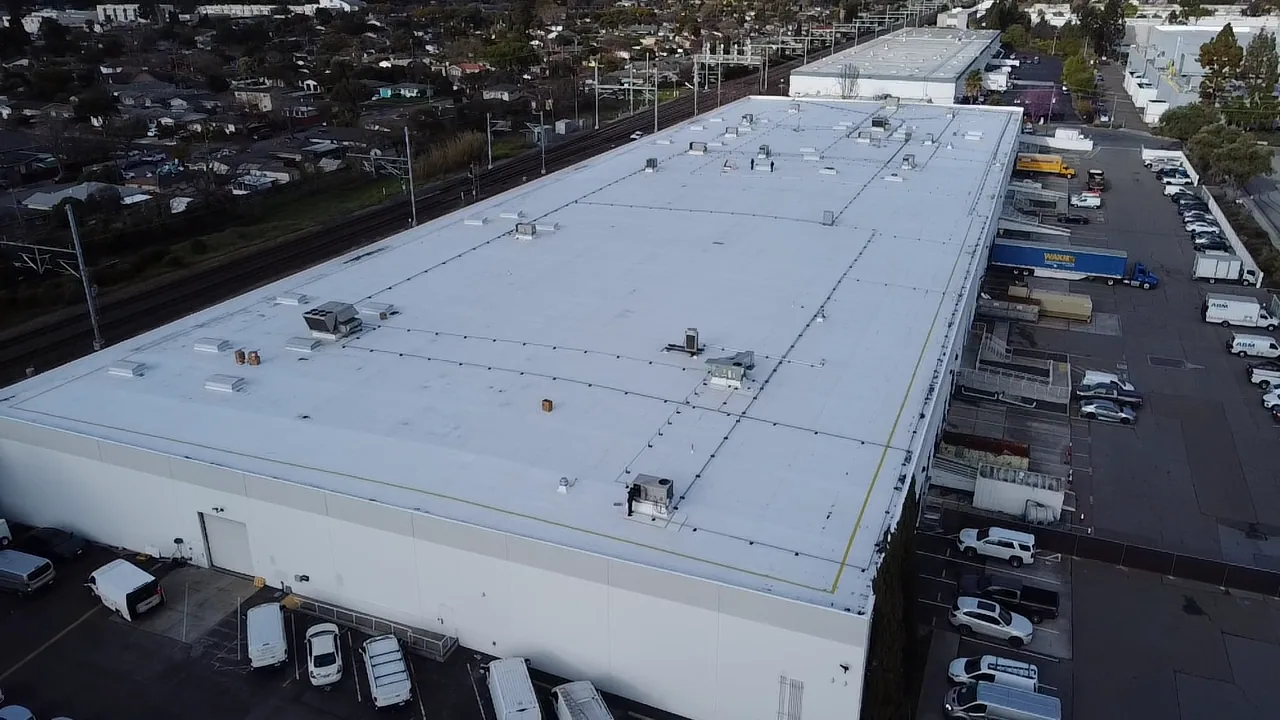
The first cost comparison is not just coating versus tear-off. Include surface preparation, repairs, reinforcement, testing, access, protection and any areas excluded from the restoration. Compare those costs with removal, insulation and deck assumptions, new flashing and disposal. If the coating scope relies on untested areas, state how the price changes if moisture is found. A low initial quote can become a poor comparison when the preparation scope is not visible.
We explain what life-cycle decision the coating supports and which conditions would end that plan. It may give an owner additional service time when the existing assembly is stable; it will not correct structural movement, widespread wet insulation or poor drainage without separate work. If replacement is closer, a coating may defer the budget but create another layer and later removal considerations. A replacement comparison and capital plan help the owner see restoration against future spending rather than in isolation.
Record the Coating and Protect Future Repairs
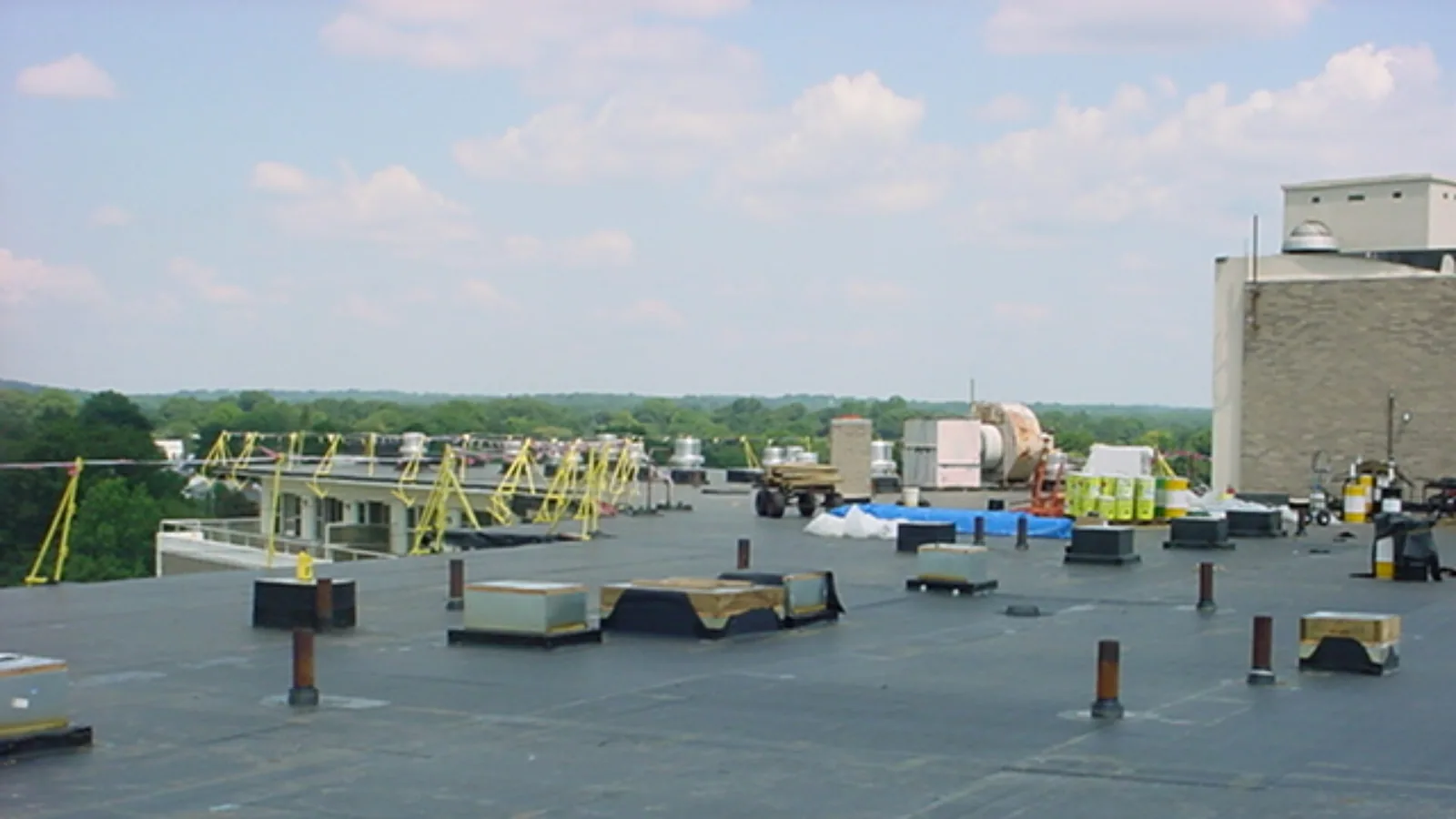
Closeout should identify the product and application areas, preparation performed, repairs completed, test results and conditions that remain outside scope. Photos at seams, drains, penetrations and perimeter transitions help the next inspector understand what is beneath the surface. The owner should keep product and warranty documents with the roof record and follow the required maintenance interval. A coating should not make inspection less frequent; its seams, edges and drainage details still need review.
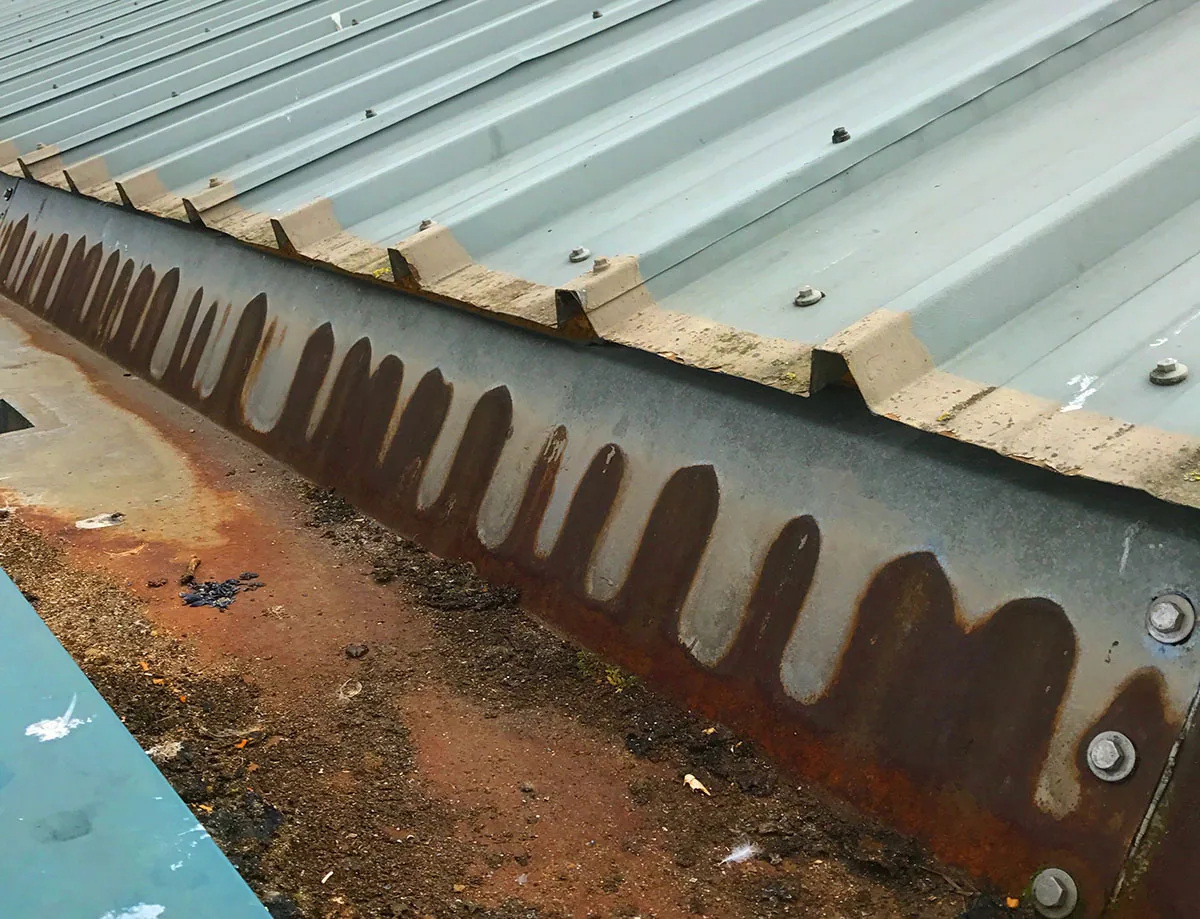
Our roof inspection service can track condition after restoration, while scheduled maintenance can keep outlets clear and document emerging wear. CityLine West and Richardson service area are examples of Richardson properties where office and mixed-use activity can shape access planning, but product selection still comes from the actual substrate. The owner should receive a written record of what was restored and what will need attention later.
Related Roofing Work
Infrared Roof Moisture Survey
Commercial Cool Roof Installation
West Spring Valley Corridor
Commercial Roof Replacement
Questions About Commercial Roof Coating and Restoration
Can a coating be applied over any commercial roof?
No. The surface must be compatible, adequately attached, dry enough, repairable and prepared to the product requirements. Moisture, delamination, incompatible prior coatings or failing details can rule out some or all of the roof.
Will a roof coating stop a leak by itself?
A coating is not a substitute for repairing open seams, failed flashings, drains or penetrations. We identify and scope those repairs before application so water-entry details are addressed rather than covered over.
Do you test adhesion before coating the entire roof?
Where needed, representative adhesion testing can help evaluate bond after planned preparation. The proposal states the test locations and results. A test at one location does not confirm adhesion across areas with different materials or conditions.
How does weather affect coating work?
Surface temperature, moisture, humidity, dew point, wind and forecast rain can affect preparation and cure. We follow the selected product requirements and set stop points so a changing forecast does not leave an uncontrolled roof area.
How do I compare coating with replacement?
Compare preparation and repair costs, test limits, excluded areas, expected maintenance, future removal and the condition of the underlying assembly. We can present a separate replacement scope so the owner can weigh near-term cash needs against longer-term risk.
Find Out Whether the Roof Is a Coating Candidate
Share the system type, leak history, prior coatings and decision date. We will check the substrate and details, define any testing, and compare restoration with replacement on clear assumptions.