
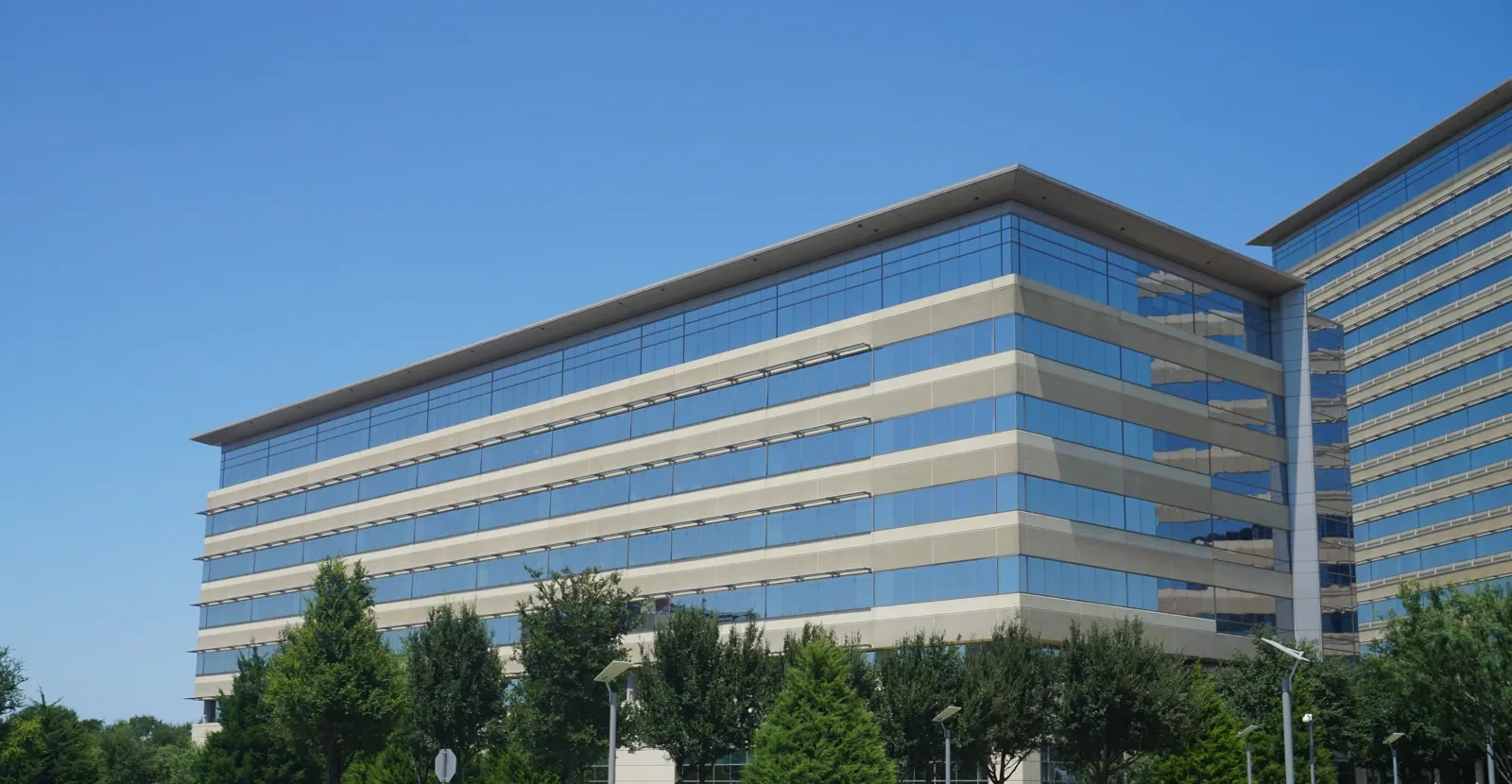
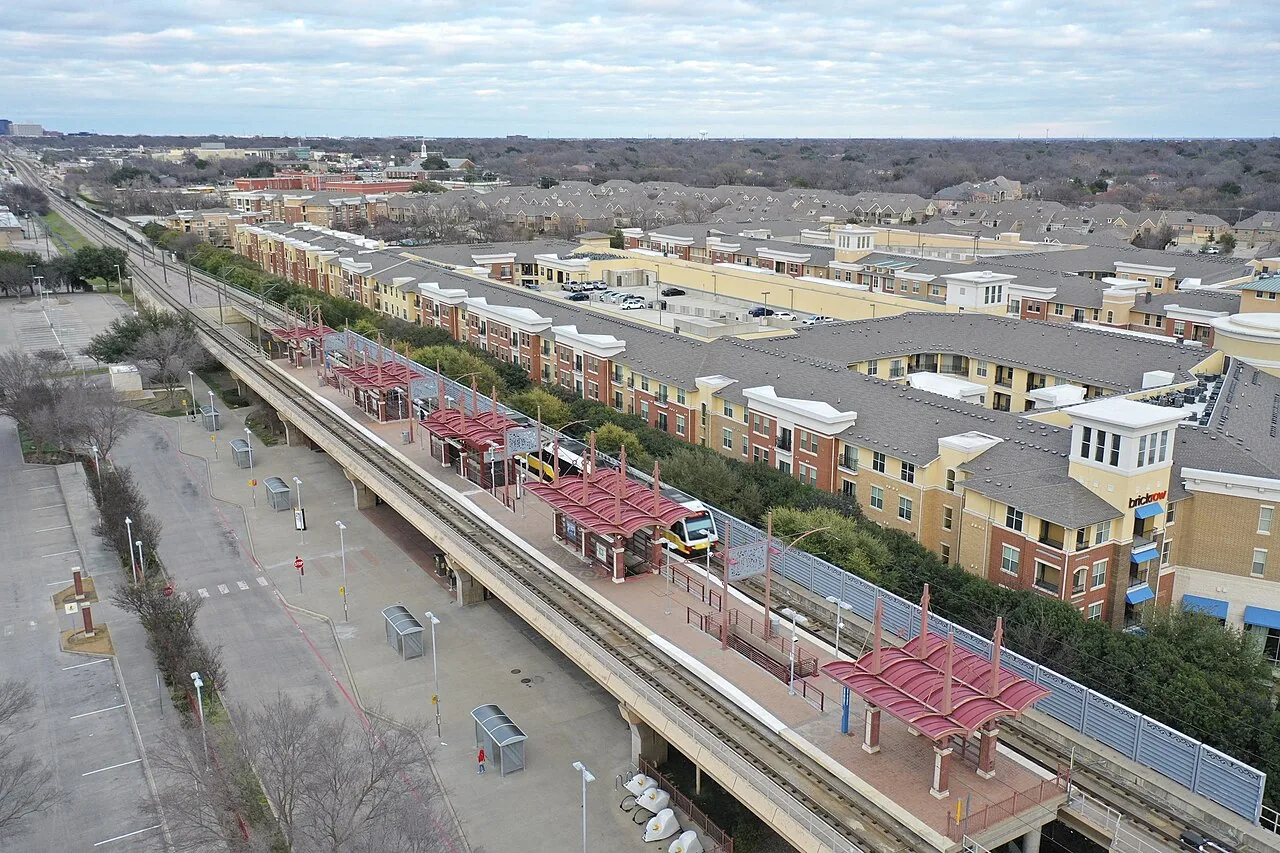
Roof decisions in West Spring Valley may sit beside apartment improvements, aging retail and planned redevelopment. Richardson's study area occupies the city's southwest quadrant and extends across about 188 acres. Existing uses include older apartment properties and aging retail; the adopted strategy combines higher-intensity commercial activity with neighborhood-serving retail, office and services. Those planning facts frame the area, while each building's roof condition still requires an inspection.
Request a Roof Assessment
All fields are required.
Commercial Roofing in West Spring Valley Corridor, Richardson, TX
Set a Roof Decision for the Current Property
Inspect the Existing Assembly First
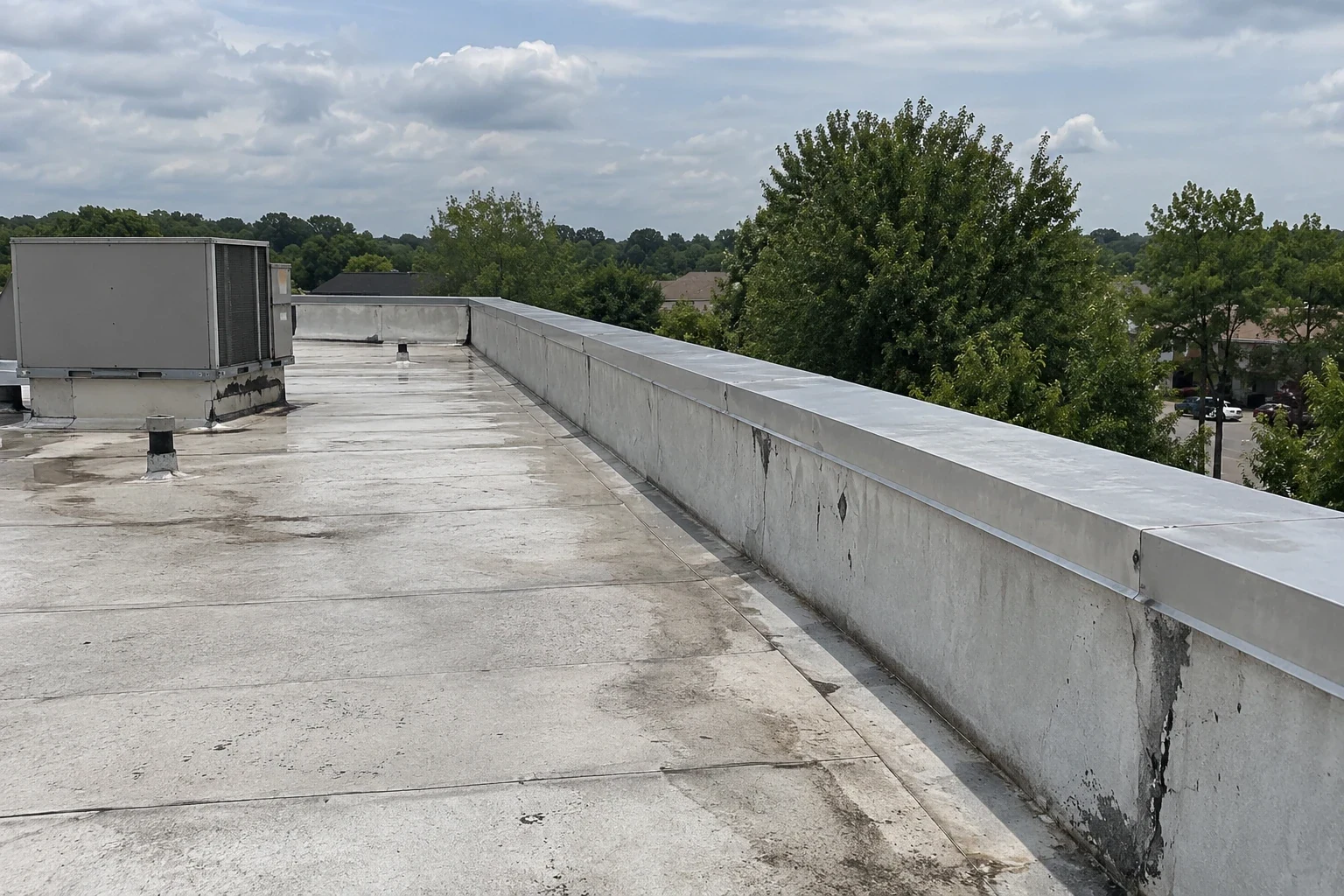
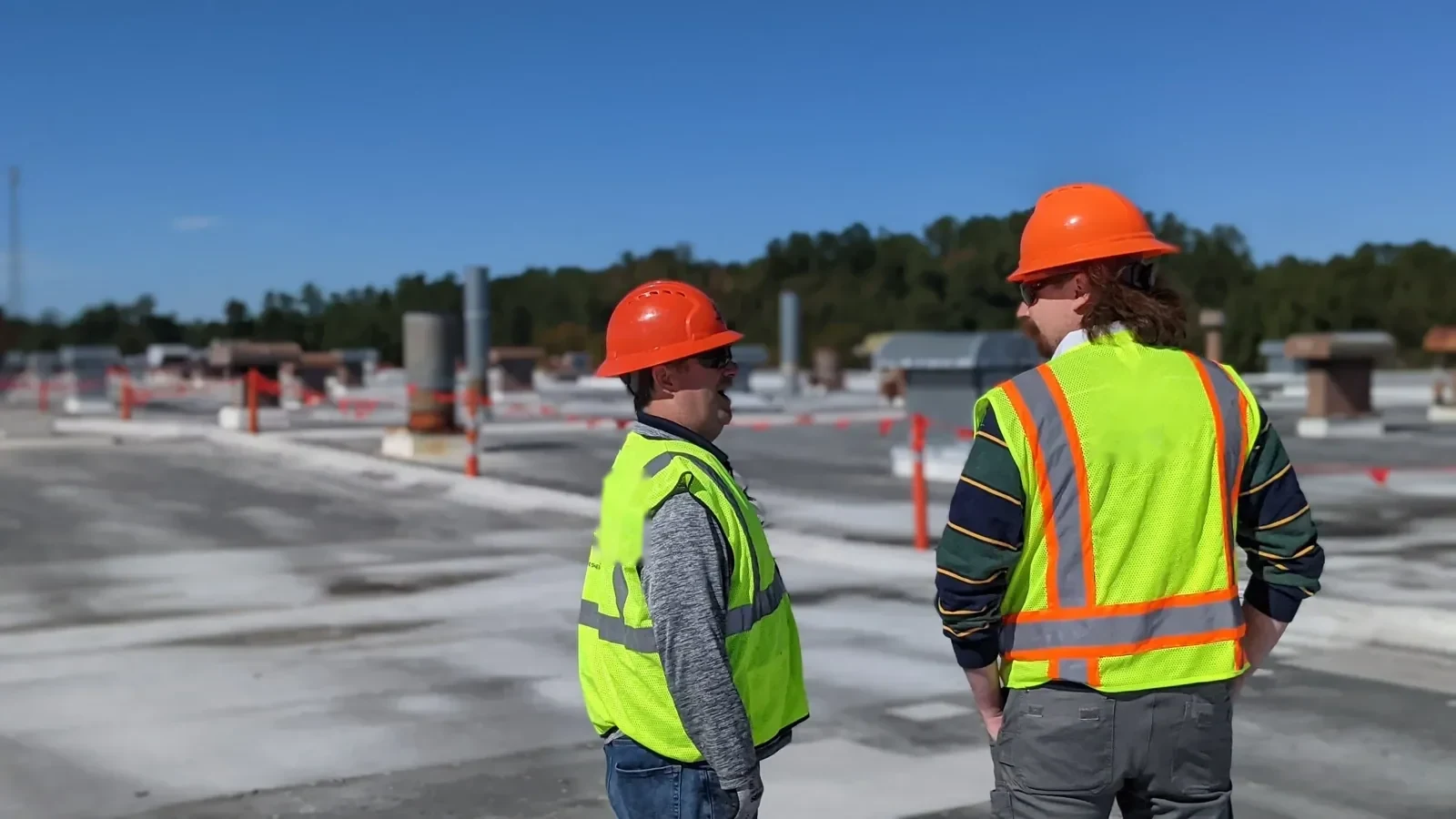
Age of a property does not establish the age or type of its roof. We identify the current membrane or panel, attachment, insulation, edge details, drains and prior patches. We also note roof access, interior areas below and any moisture test that could change the repair decision. A commercial roof inspection gives ownership a current baseline before repair funds or redevelopment scope are set.
For an apartment property, access coordination can include management, maintenance, residents and spaces that remain occupied during work. We establish which entrances, roof routes and interior locations need protection. At retail properties, delivery periods and customer routes may affect lift placement and staging. These are site-specific decisions. A roof condition report records the constraints with the condition findings so schedule and cost can be compared together.
A water stain below a roof does not establish the entry point. We inspect seams, parapets, drains and penetrations near the affected area, then assess whether water has traveled through insulation. If access is limited, the report says which roof zone could not be reviewed. That gives an owner a choice: authorize another access window, proceed with a narrow repair or keep that zone outside the immediate project.
Protect Residents, Tenants and Public Access
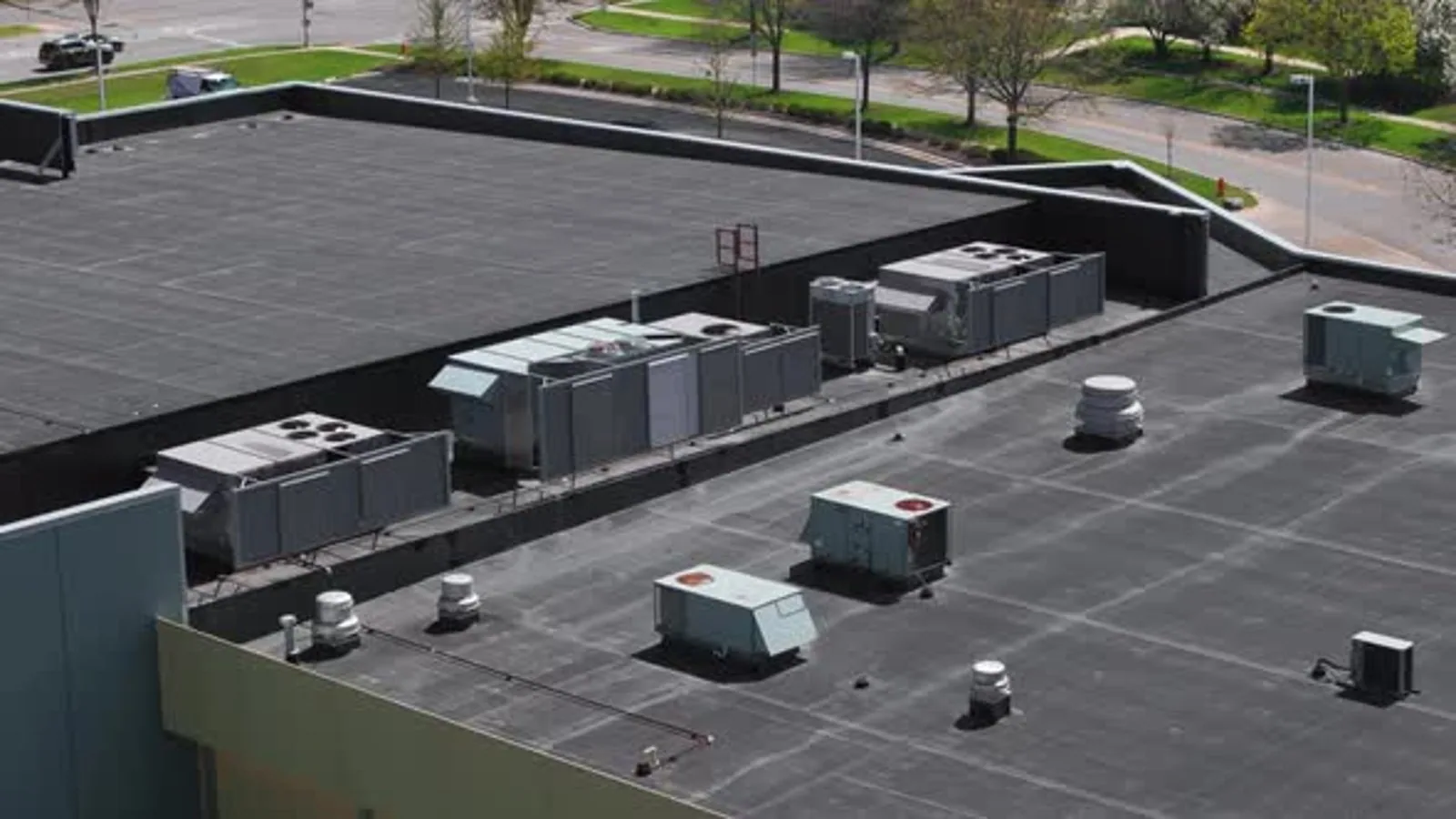
Occupied apartment work needs clear notice, safe routes and a daily close-in plan. Before mobilizing, we confirm where materials can arrive, whether a lift crosses a resident route and which interior areas require protection. Retail work adds customer entrances, deliveries and noise windows. When the schedule is tight, we phase the roof into small sections and state when each area will be watertight again.
If active water reaches a unit or shop, immediate protection and a permanent roof repair are separate tasks. We trace the likely entry path, document the affected zone and stabilize exposure after safe access is confirmed. Emergency roof service can limit additional water entry, then a commercial leak scope can define the repair material, tie-in and area that remains untested.
Interior access may be needed to confirm the timing and pattern of a leak. We coordinate with management before entering occupied space and keep the roof finding tied to the correct unit or common area. If a roof opening or test is required, the owner approves the location and purpose first. That prevents a broader disturbance when a small test can answer the moisture question.
Choose Work That Matches the Condition
A repair can be appropriate when a defect is localized and the adjacent roof remains dry and firmly attached. Several repeat leaks, wet insulation or failing edges may justify comparison with replacement. We set out what a repair addresses and what remains. A recover assessment checks existing layers, moisture, attachment, deck, roof height and drainage before a second roof layer is considered.
Replacement quantities cover tear-off, substrate review, insulation, cover board, membrane, flashing and edge metal. For a property that remains occupied, we also state lift staging, temporary protection, debris route and daily close-in. Any concealed deck condition gets a defined price method and owner approval point. That is more useful than a single allowance that leaves management uncertain about how a change will be handled.
The city applies local amendments to its 2021 building, existing-structure and energy-conservation codes. Permit requirements follow the actual work scope and design. We confirm them before materials arrive and identify if redevelopment drawings change the assembly, drainage or rooftop penetrations. A current repair should not be priced as though future building work is already approved.
Plan Around Heat and Spring Storm Risk
Richardson's July and August average daily highs are roughly 96 degrees. High temperatures affect crew timing and the safe work window for membrane preparation. Spring is the DFW region's peak time for severe-weather frequency. We stage only what the day's work can protect, identify how each opened section will be closed and preserve an appropriate weather buffer in the schedule.
A regional storm report does not prove damage to a West Spring Valley building. We document the surface, roof zone and inspection date, then identify punctures, loose edge metal or water entry that can be seen. A storm damage roof inspection can support repair planning without assigning a cause beyond the available evidence. The owner receives observed conditions and unresolved questions in separate language.
For an older retail roof, drainage, edge details and previous patch transitions deserve direct review. We check drains, overflow routes and areas where water remains after a rain. If an outlet or flashing defect is confirmed, a drainage repair scope identifies the component and any adjoining roof repair. Where the cause is not clear, we recommend testing before pricing an expansive correction.
Keep Current Repairs Separate From Redevelopment
The adopted West Spring Valley strategy anticipates higher-intensity commercial activity as well as neighborhood-serving retail, office and service uses. That is a planning direction, not a construction schedule for any one parcel. We price the current roof based on its present assembly and separately identify any future scope the owner has authorized. This preserves a current repair decision while redevelopment timing remains unsettled.
West Campbell contains restaurants, retail and small offices; West Arapaho combines retail and service uses with City Hall and the public library. These corridors have separate boundaries and operating conditions. A West Campbell roof visit or West Arapaho assessment receives an independent inspection rather than inheriting findings from Spring Valley.
Closeout identifies the repaired zones, installed material, dated photos and conditions left outside scope. If the roof will be revisited during redevelopment, we note which transitions were completed and which need reinspection after another trade works above. Send the property, occupancy limits, current leaks and the date ownership needs a decision. We will return a scope that can be evaluated against the repair budget and the longer planning horizon.
Related Roofing Work
Commercial Roof Inspection
Commercial Roof Condition Reports
Emergency Commercial Roof Repair
Commercial Roof Leak Repair
Questions About West Spring Valley Corridor
Does the West Spring Valley redevelopment plan mean current roofs are being replaced?
The plan describes a future land-use strategy, not a construction decision for each property. We inspect the current roof and price repair or replacement based on its observed condition and any project scope authorized by ownership.
How do you schedule repairs at an occupied apartment property?
We coordinate roof access, resident routes, interior protection and daily close-in with management. The work sequence names any entrances or rooms affected and sets the timing before materials are delivered.
Can aging retail be repaired without shutting down the business?
Often, if staging, access and the roof section allow a safe phased plan. We confirm operating hours and customer routes, then identify noise or delivery limits that change the schedule.
What if the roof leak is above a resident's unit?
For a unit report, management can arrange interior access while we protect the affected space and trace the likely entry through nearby roof details. The permanent scope separates confirmed repair from any area that needs more testing.
How do you avoid mixing current roof costs with a future redevelopment budget?
We state the present condition and immediate work first, then separate future alterations or replacement from that scope. A planning concept is not treated as approved construction until the owner provides the project details.
Set a Roof Decision for the Current Property
Share the property, occupancy limits, leak details and decision date. We will inspect the roof and separate immediate work from future planning assumptions.