
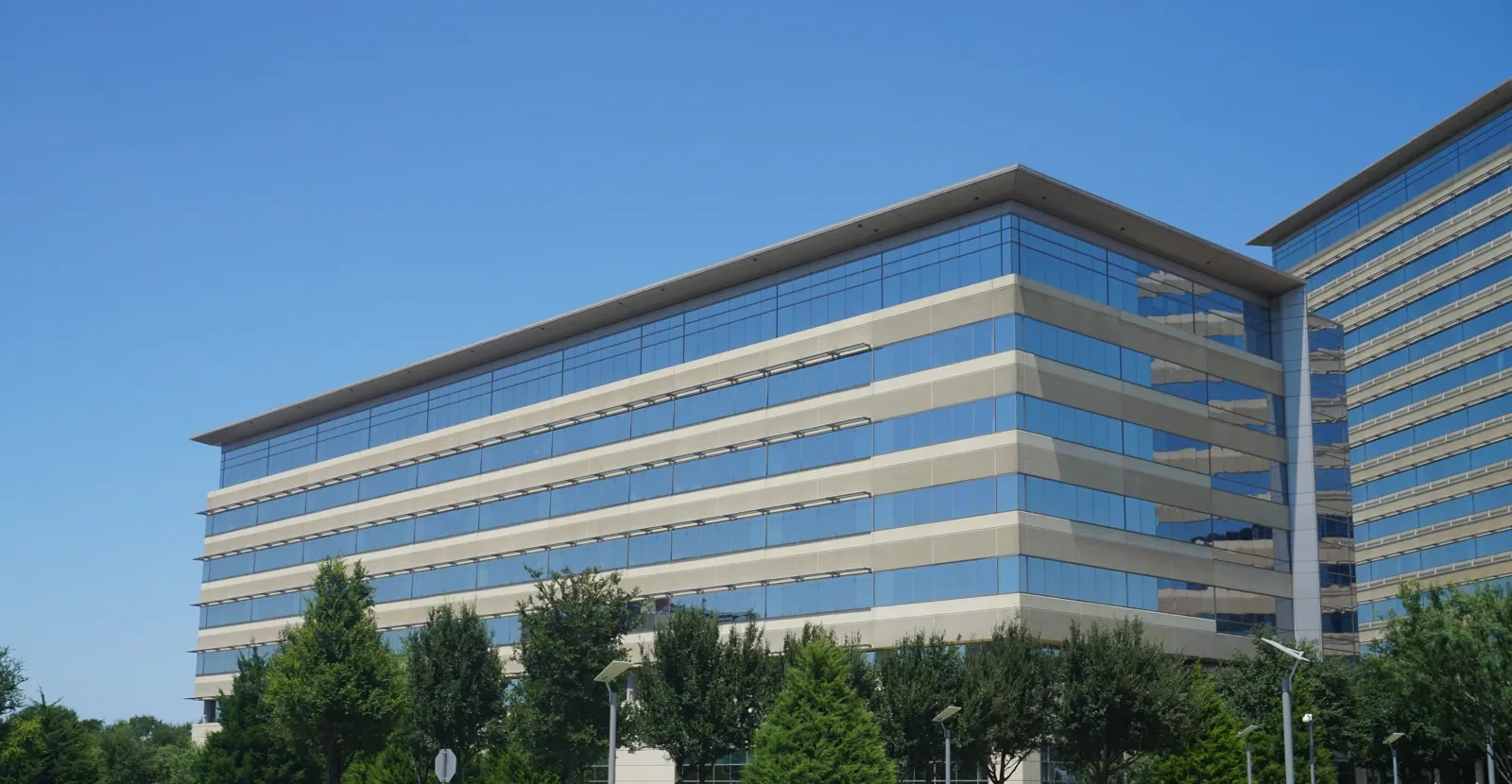
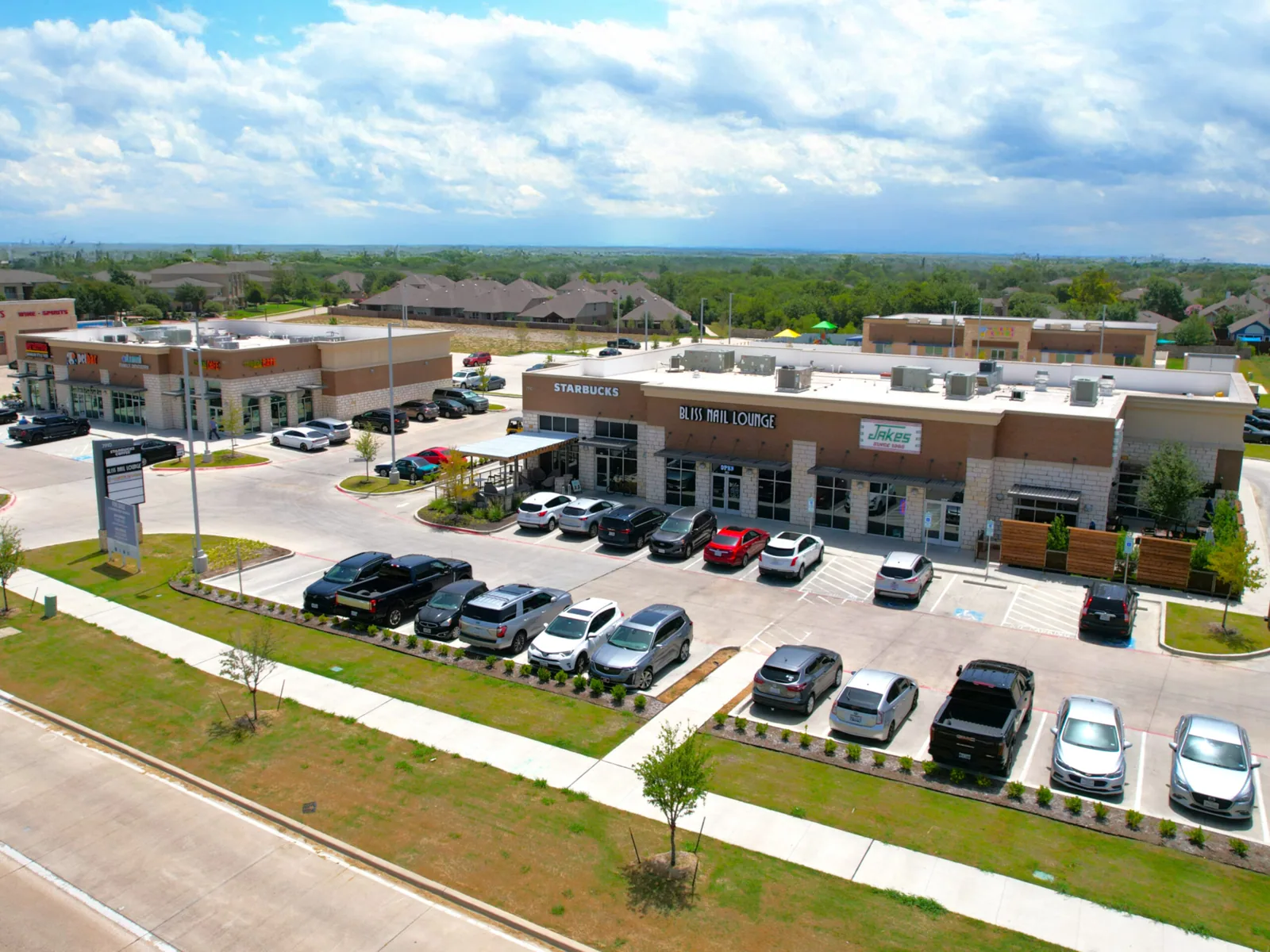
Commercial roofing in Sachse serves properties at different stages of growth and use. The city maintains an economic-development corporation and an inventory of available commercial sites; its current project list includes retail centers, restaurants, a public works service center, church campuses and business-service projects. That range makes a site-specific roof review essential. We do not assume a new project, existing storefront or public facility has a particular membrane or condition. We confirm the building, roof assembly, leak record and operating limits before presenting an option.
Request a Roof Assessment
All fields are required.
Commercial Roofing in Sachse, TX
Get a confirmed Roof Scope for Sachse
Start With the Property's Current Stage
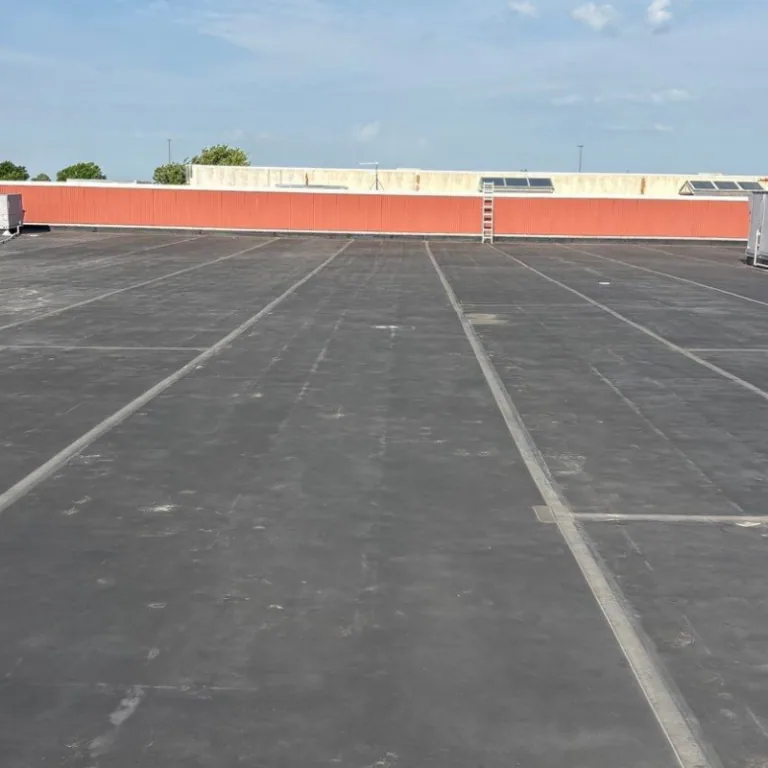
An available development site and an occupied commercial property need different roofing conversations. For an existing building, the priority may be active water entry, repeated repairs or an upcoming capital decision. For a project in planning or construction, roofing coordination can include deck readiness, curb locations, drainage design, sequencing with other trades and a safe temporary dry-in. Sachse's commercial site inventory is an economic-development resource; it does not confirm that a listed site is currently under construction or occupied.
We ask who controls access, what work is planned, which spaces need to remain open and what documents already exist. If a public works service facility is involved, the owner may need to coordinate fleet, staff or service access. Retail and restaurant properties may need delivery windows and customer routes; a church campus may have occupied periods that constrain noisy work. Those are planning questions tied to the actual site, not claims about every building in the city.
When work must proceed over an occupied area, a phased reroof sequence can help preserve a protected zone and maintain a watertight stopping point. If a leak is active, emergency roof stabilization can reduce immediate exposure while the permanent scope is evaluated. Both plans should state what remains in use and what temporary controls the property contact must provide.
Inspect the Building Before Naming a Repair
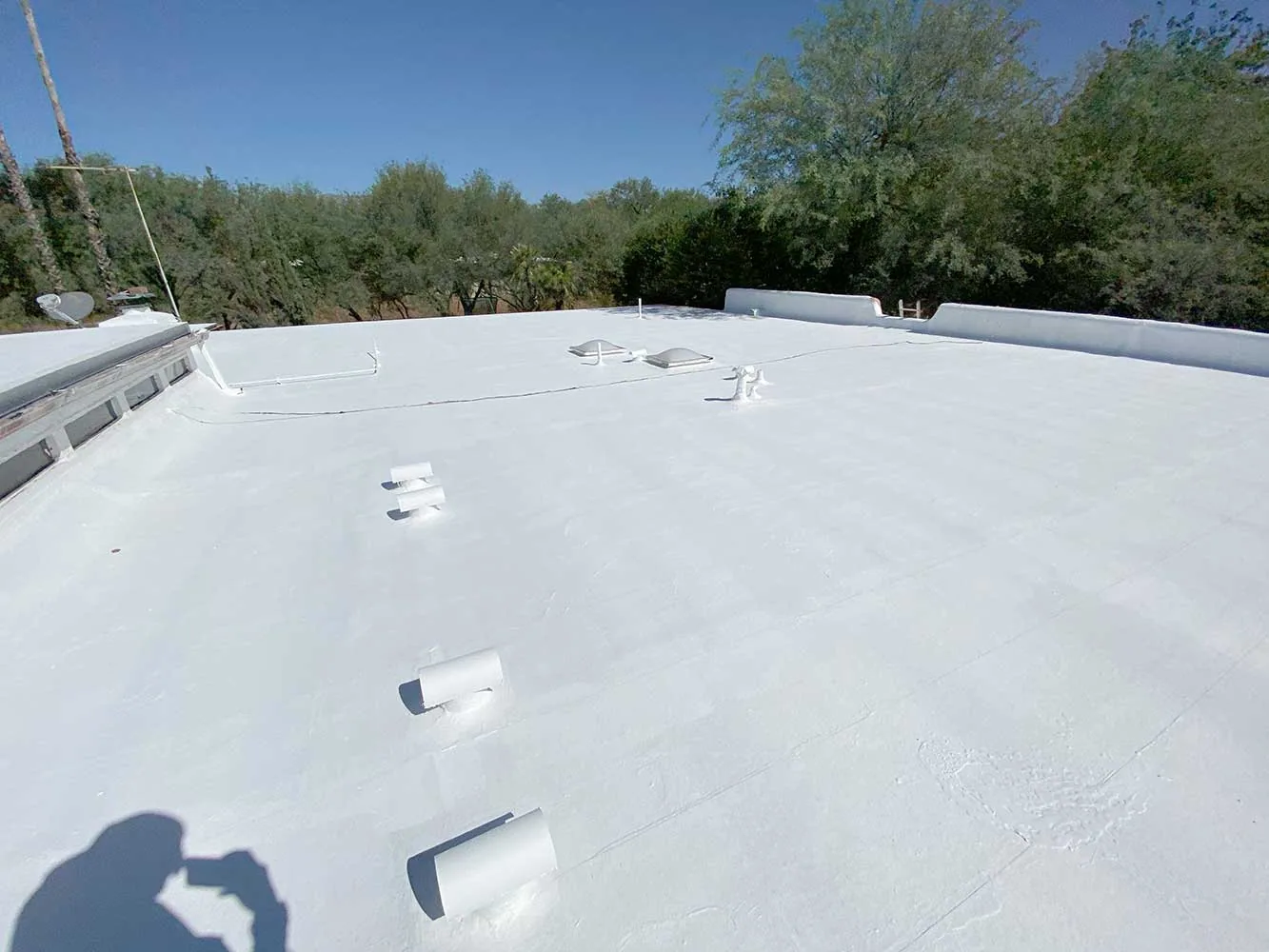
We begin with the reported symptom, but we do not assume the visible interior stain marks the roof opening. We ask when water appeared, whether rain was underway, what repairs were made and whether the issue returned. On the roof, we examine accessible membrane or panels, seams, flashings, penetrations, equipment curbs, edges, drains and prior patches. A commercial roof inspection can document the findings by zone and identify areas that need additional testing.
Project plans or older invoices can help identify the installed system, but field confirmation matters where the roof has been repaired, modified or partially replaced. We note attachment, transitions and elevations that affect a tie-in. If equipment is moved, the proposal should name which contractor disconnects and resets it and who restores each roof penetration. Without a clear division, a completed roofing scope can be undermined by later mechanical work.
Concealed moisture changes both the recommended scope and the price. An infrared moisture survey can guide selective investigation under suitable conditions, while core cuts or openings may be needed to confirm layers. A visual inspection cannot certify that insulation and deck are dry. We distinguish what was observed from what still requires confirmation, then set an owner decision point before quantities expand.
Manage Heat, Storm Exposure and Water Flow
DFW summer average highs sit in the mid-90s, and spring is the area's most active severe-thunderstorm season. These conditions make drainage performance, secure edges and post-storm review reasonable parts of maintenance. Weather context does not prove that a particular Sachse roof experienced hail damage, wind uplift or an active leak. We inspect the actual surface for punctures, displaced metal, open laps, loosened flashing, debris and interior water, and we tie each finding to a roof location.
Rainwater needs a clear route from the roof field to drains, scuppers and discharge. We inspect outlet strainers, bowls, clamping connections, overflow paths and surrounding membrane. If water remains after accessible debris is cleared, the roof may have an elevation or slope issue that cleaning will not fix. drainage repair should define the outlet or low area addressed and any adjacent transition included.
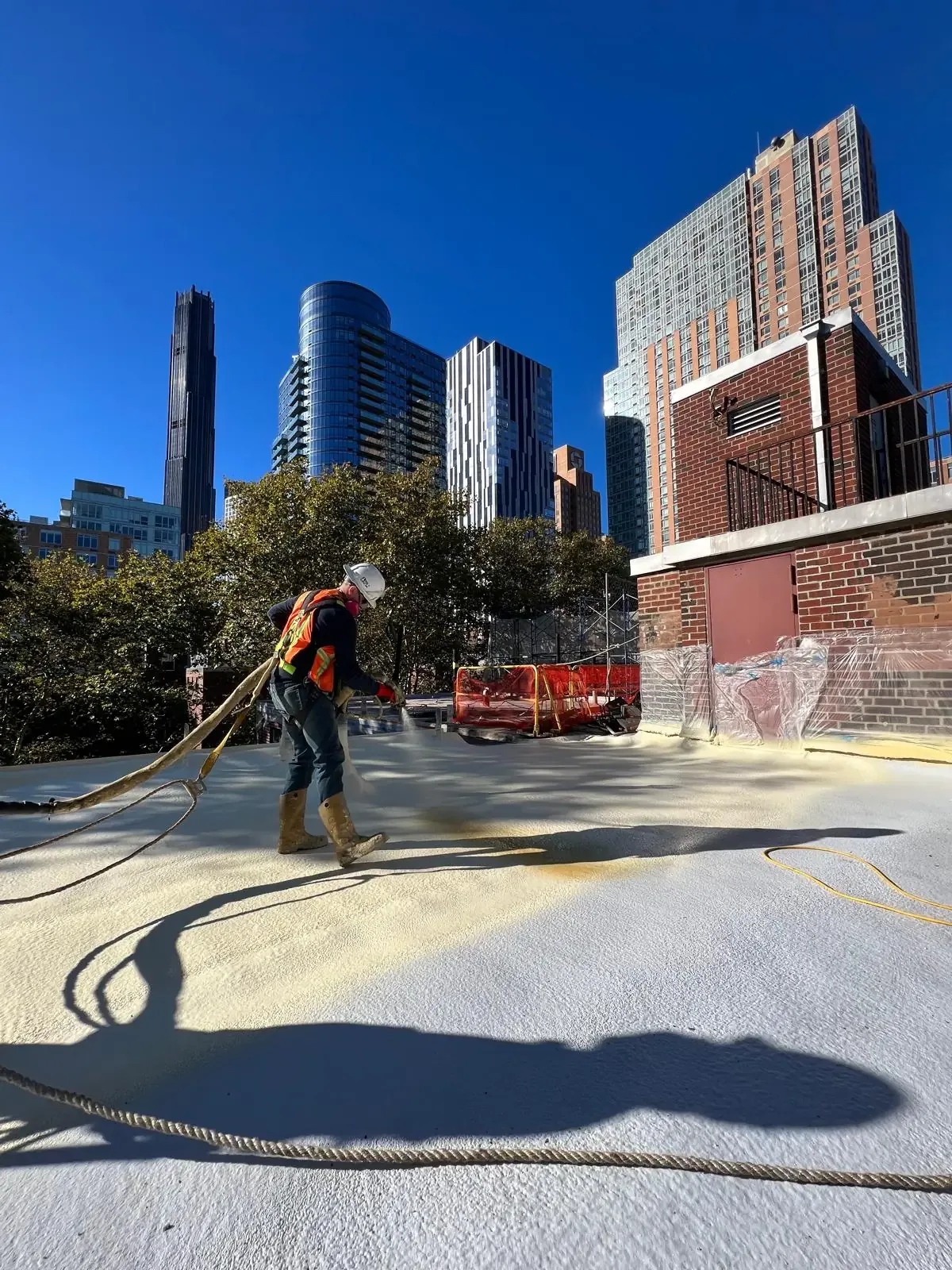
Heat affects when some materials can be installed and how much area a crew can safely expose during a shift. The work plan should account for surface temperature, product requirements and the expected close-in point. If weather interrupts, the owner should know how the opened zone will be secured and what conditions allow the crew to resume. This protects the interior while preventing a schedule decision from being improvised on the roof.
Compare a Targeted Repair With a Larger Project
A small, confirmed defect on a stable roof may call for a focused repair. Where leaks recur in multiple areas, wet insulation is confirmed or edge and flashing details are failing together, broader work may provide a more dependable result. A recover is only appropriate when moisture, attachment, existing layers, drainage and perimeter details allow another system. If they do not, replacement or a phased tear-off may be the responsible comparison. We explain what each option includes and what risk it leaves behind.
Pricing should show more than a single area rate. We identify access equipment, tear-off and disposal, insulation, cover board, membrane, metal, flashing, curb work, interior protection, testing and after-hours labor when applicable. Each allowance or unit price should correspond to a condition that could change quantities. If the deck cannot be evaluated until material is removed, we define a stop-and-approve step before continuing.
Sachse adopted Shaping Sachse 2025 as a long-term comprehensive plan following recommendations from planning and economic-development bodies. That citywide planning context can inform how an owner thinks about a site's role and timing, but it does not determine roof scope. Owners managing several properties can use a condition report to compare observed risks and a capital plan to stage work. Separate area pages for Garland and Addison provide context for nearby service requests without substituting for a roof inspection.
Keep the Project Clear From Mobilization to Closeout
Before mobilization, we verify the approved scope, access contact, work hours, material staging, public separation, disposal route and daily close-in method. We identify any roof area that must stay operational and sequence work to limit exposure. At a new project, the schedule may depend on deck acceptance, completed curbs and coordination with other trades. For an existing occupied building, tenants or staff may require a staged notice plan. The written sequence should make those dependencies visible.
At the end of each shift, the crew secures the day's work area and restores approved access routes. At project closeout, the owner receives a record of completed roof zones, materials installed, photos, tie-in locations and any excluded condition. If a different contractor later changes equipment or adds a penetration, the record helps identify the new interface that needs attention.
To request a Sachse assessment, provide the property contact, roof or project records, known leaks, access limits and the date an estimate is needed. We will confirm what can be inspected and state whether testing or design review should precede a fixed price. The goal is a scope that helps the owner decide with a clear view of condition, timing and remaining risk.
Related Roofing Work
Occupied Commercial Building Reroofing
Emergency Commercial Roof Repair
Commercial Roof Inspection
Infrared Roof Moisture Survey
Questions About Sachse
Can you inspect a commercial site that has not opened yet?
Yes, if the owner or project manager can provide safe access and the work stage allows a useful review. We identify whether the roof is complete, what records exist and which construction interfaces still need coordination.
Does Sachse's project list confirm a particular business is operating?
No. The city project list gives development context but does not establish current occupancy or construction status for a specific property. We verify the site and its operating needs with the property contact.
How can an owner reduce disruption during a reroof?
Confirm access and operating hours early, divide the roof into workable phases and agree on protection at the end of each shift. The sequence should identify any entrances or functions affected by the work.
When is a roof recover worth evaluating?
Evaluate one only after confirming the existing assembly is dry, stable and suitable for another layer, with workable drainage and flashing heights. If those conditions fail, compare repair and replacement instead.
What should be included in a commercial roofing estimate?
The proposal should identify roof areas, preparation, materials, flashing, edges, access, disposal, testing and equipment responsibilities, plus assumptions and approval steps for concealed conditions.
Get a confirmed Roof Scope for Sachse
Tell us whether the property is occupied, under construction or preparing a budget. We will inspect the roof and define the next decision with clear assumptions and work limits.