
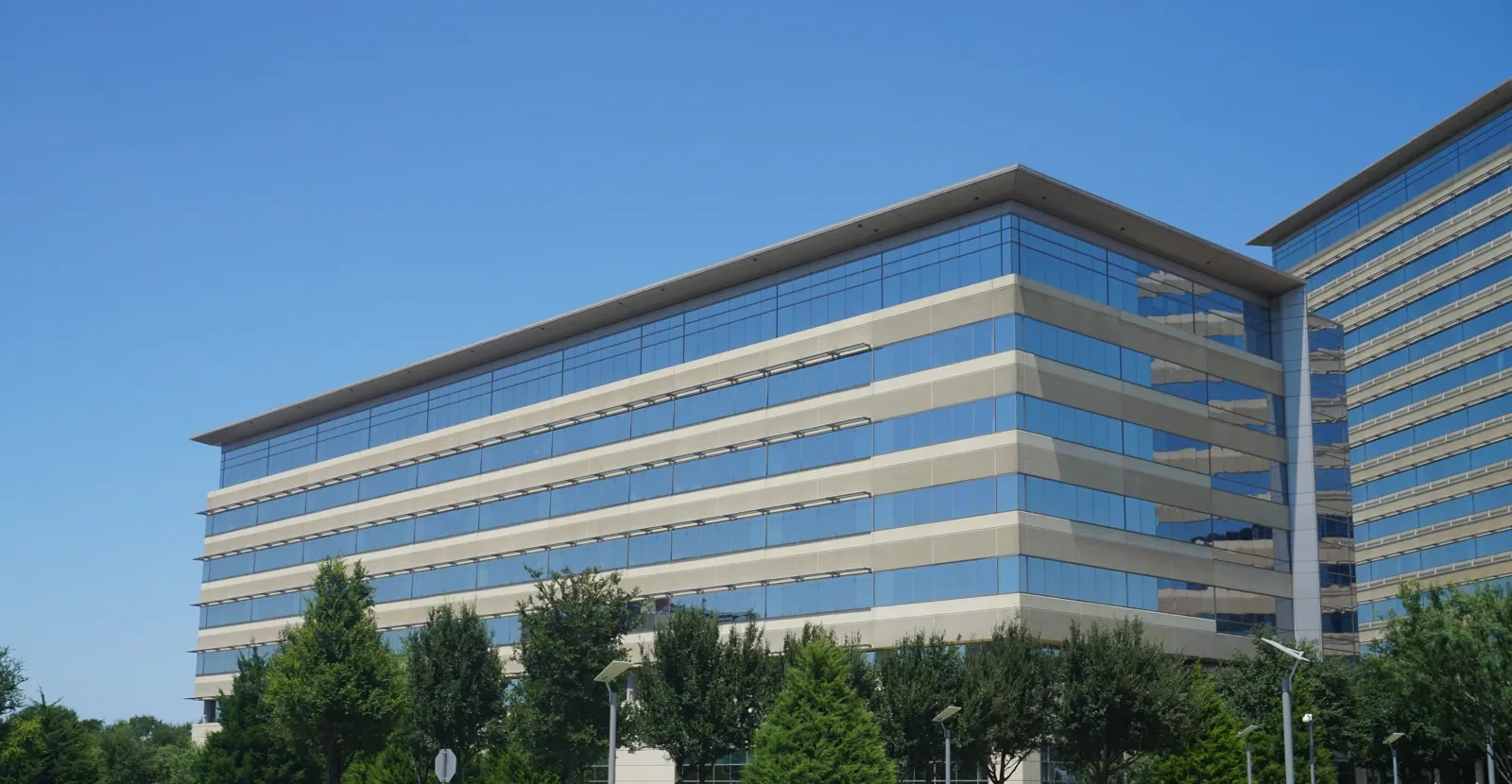
Roof edges take wind, water and thermal movement at the point where the assembly meets the building. Loose coping, failed edge metal or a leaking gutter can admit water behind the roof system or send runoff onto walls and entrances. We inspect commercial edge details in Richardson, TX, then scope repair or replacement around the membrane, parapet, fascia and drainage path. The recommendation identifies what is loose, corroded, open or undersized and how the new detail will connect to sound material.
Request a Roof Assessment
All fields are required.
Commercial Roof Edge Metal, Coping and Gutters in Richardson, TX
Inspect the Perimeter Before Water Gets Behind It
Trace the Edge Detail From Roof Surface to Wall
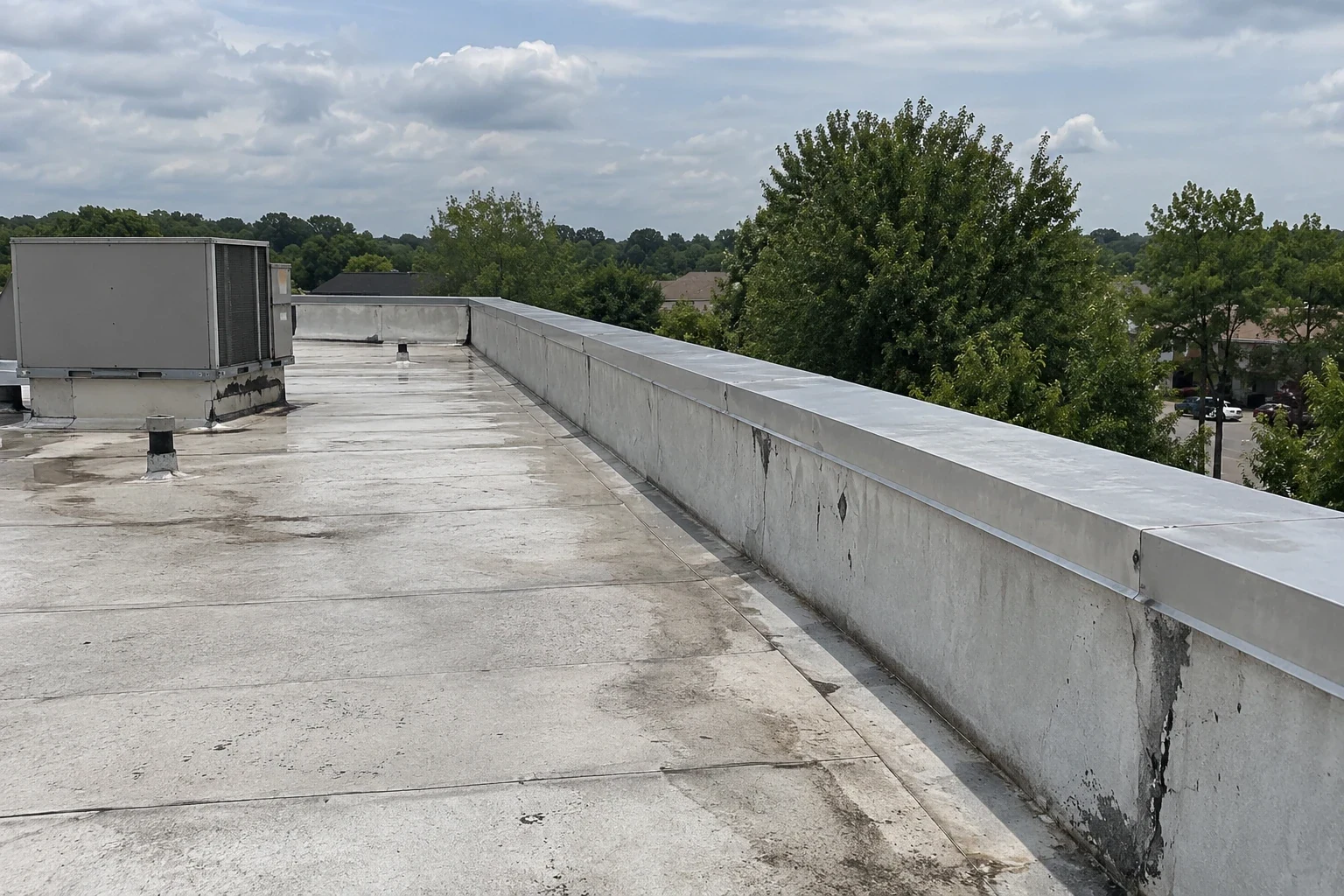
At a parapet, we check the coping cap, splice joints, cleats, fasteners, end dams and the membrane termination below it. A cap can look straight while hidden attachment has loosened; a sealant bead may conceal an open lap. We look for movement, corrosion, missing pieces and water tracks on the wall. Where the membrane turns over the edge, we verify that the termination remains secure and compatible with the roof system.
At fascia edges and gutters, we inspect the transition from roof surface into the gutter, outlet spacing, seams, hangers and downspout connections. We note sagging sections, overflow staining, detached leaders and discharge toward sidewalks or loading paths. The repair can involve more than replacing a visible metal piece. If the roof edge and drainage detail interact, we identify both in the scope so a repaired cap does not leave the gutter connection exposed.
Account for Movement Without Leaving Open Joints
Metal expands in heat and moves under wind pressure. Splices and corners need room for that movement while keeping water out. We inspect whether joints remain properly lapped, whether cleats and fasteners hold, and whether the profile matches the parapet or fascia. A bead of sealant may help a designed joint, but it is not a substitute for missing attachment or a damaged metal section.
Richardson's warm season brings repeated thermal stress at exposed roof edges. DFW afternoons in July and August commonly reach the mid-90s, while spring storms can bring damaging gusts. Those local conditions make sound attachment and water shedding important; the actual repair still depends on the metal, substrate and roof assembly at the building. We inspect those components before choosing a detail. If wind has displaced an edge, a storm assessment can document related roof impact before the perimeter is closed again.
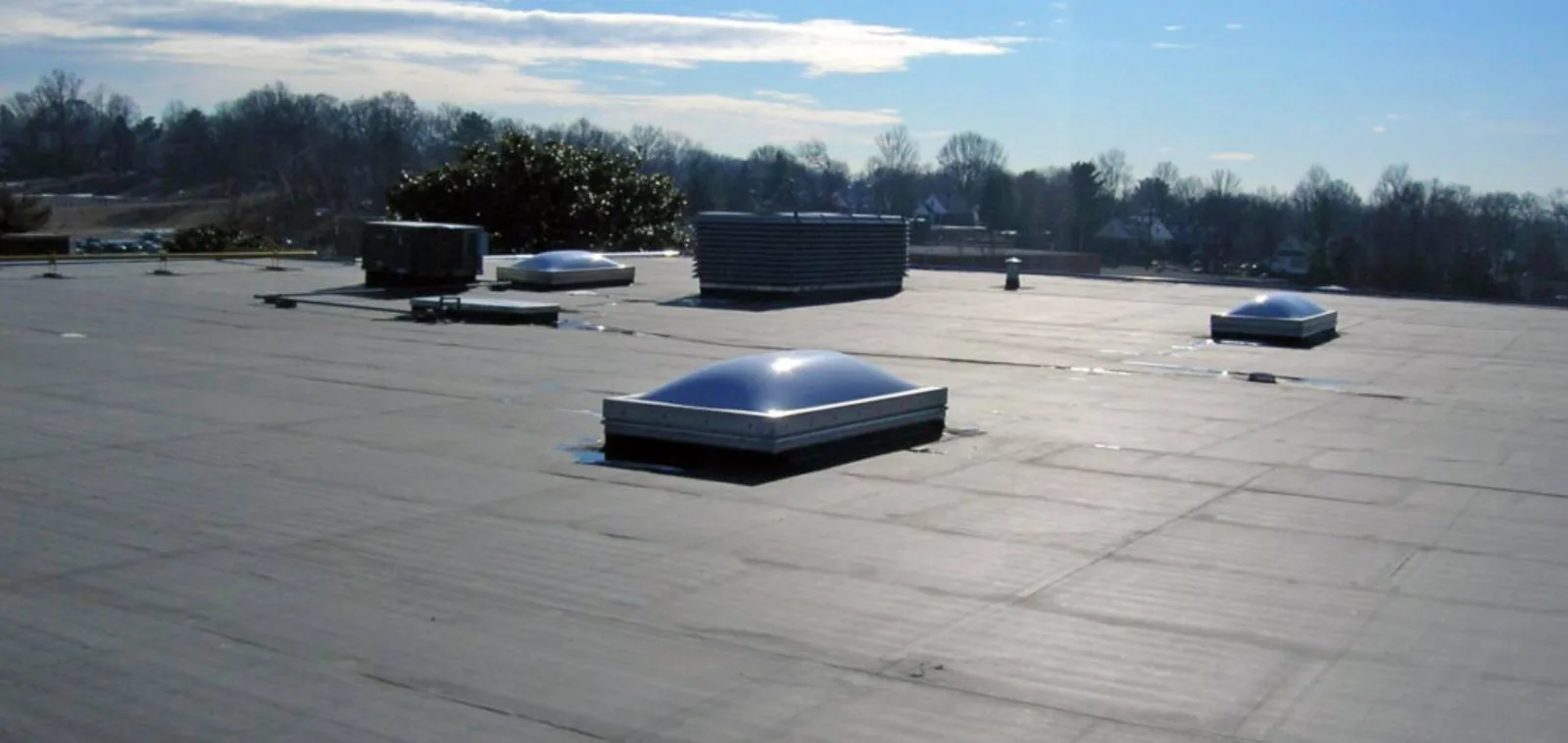
Choose Repair or Replacement for the Whole Run
A short repair may work when the surrounding metal is secure, the substrate is sound and the joint can be rebuilt cleanly. Longer sections with corrosion, repeated loose fasteners, bent profiles or failed seams may call for replacement across a full run. We identify transition points and show how new material will meet retained metal. If an edge has already been repaired several times, the proposal should compare another patch with replacement rather than treat each visit as unrelated.
Material selection depends on profile, thickness, finish, exposure, compatibility and the way the membrane terminates. We confirm whether the existing metal can be retained, whether new cleats are needed and how corners, end dams and wall interfaces will be formed. The proposal states which items are included: coping cap, fascia, gutter, downspouts, collector boxes, strainers or discharge adjustments. That level of detail helps ownership compare bids and avoids leaving a hidden transition outside the scope. On taller parapets or long roof runs, wind pressure and substrate strength also affect how metal should be secured. We inspect the backing before selecting a fastening approach; new coping cannot correct deteriorated support by itself.
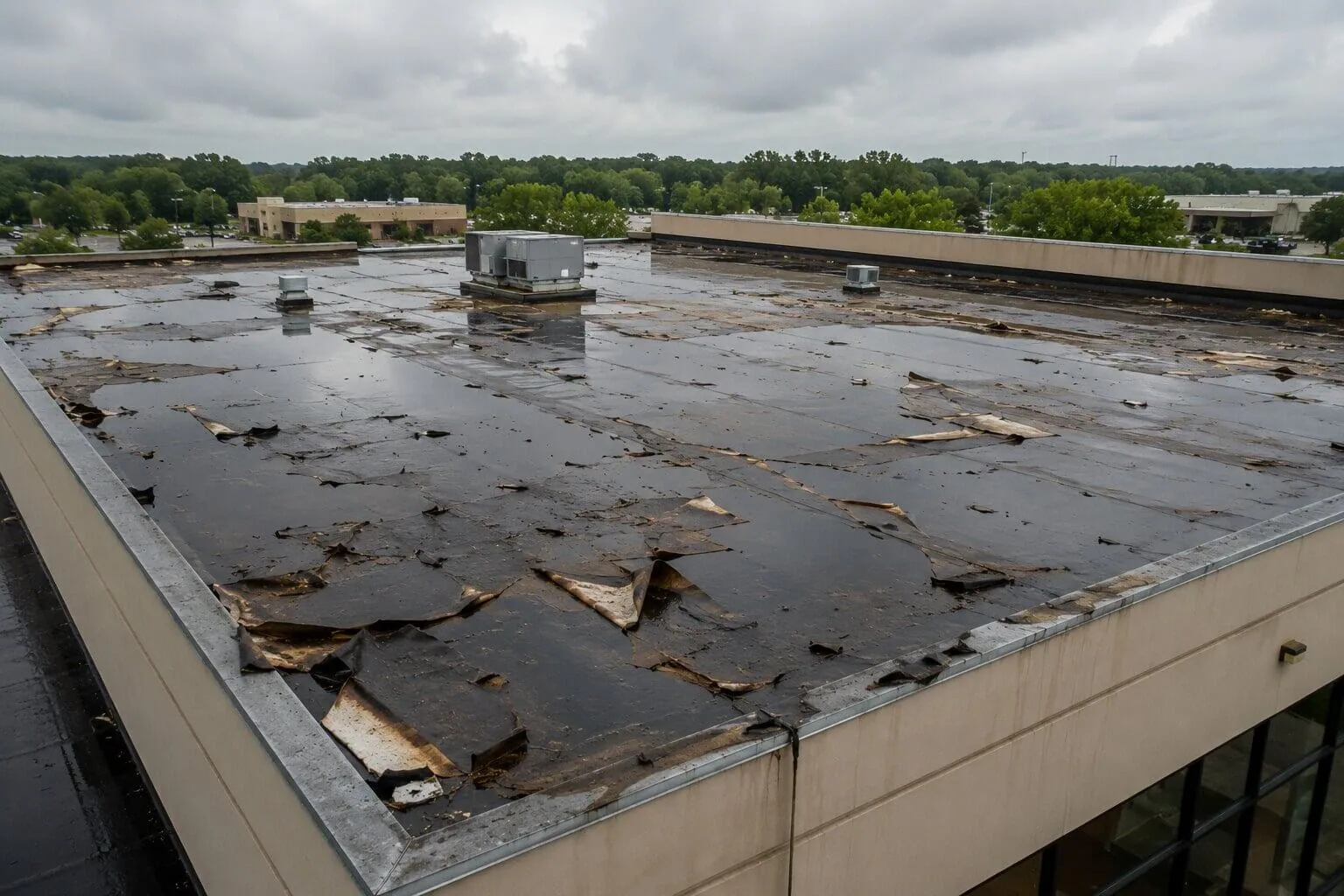
Keep Roof Runoff Away From Walls and Entrances
Gutters and leaders collect roof water, but discharge location matters just as much as capacity. We check whether downspouts connect properly, whether outlets are open and where water reaches grade. If discharge washes against a foundation, entry or loading area, the scope should identify the destination and any coordination with site drainage. A roof contractor can repair the roof-side connection; underground drainage or civil work may require another trade.
At a property near the West Campbell Corridor, retail entrances and shared parking may need protection while a gutter run is replaced. In the Addison Circle service area, a different site's pedestrian routes and façade details may guide staging. We confirm conditions on the specific property and plan access, lift locations and temporary runoff control before work starts. If a drain or scupper is also involved, coordinate the outlet details with roof drainage service.
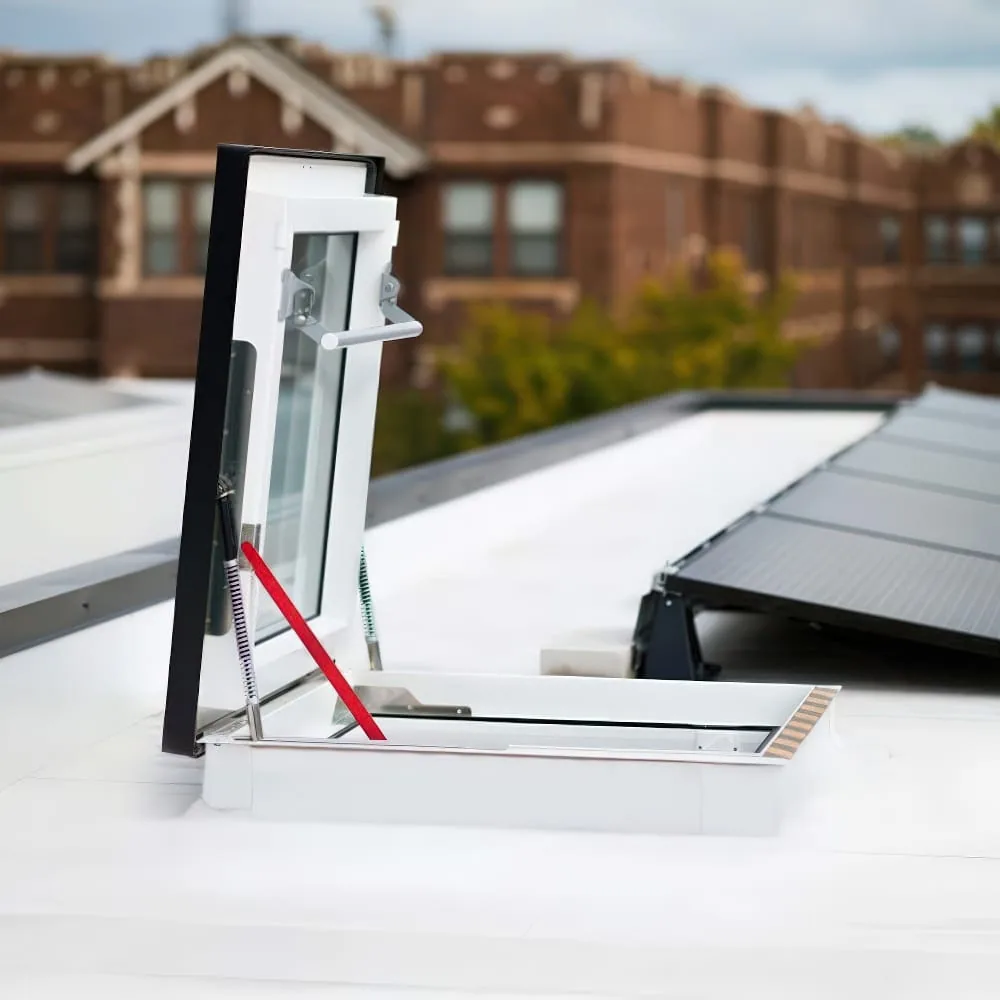
Plan Perimeter Work Around Occupied Buildings
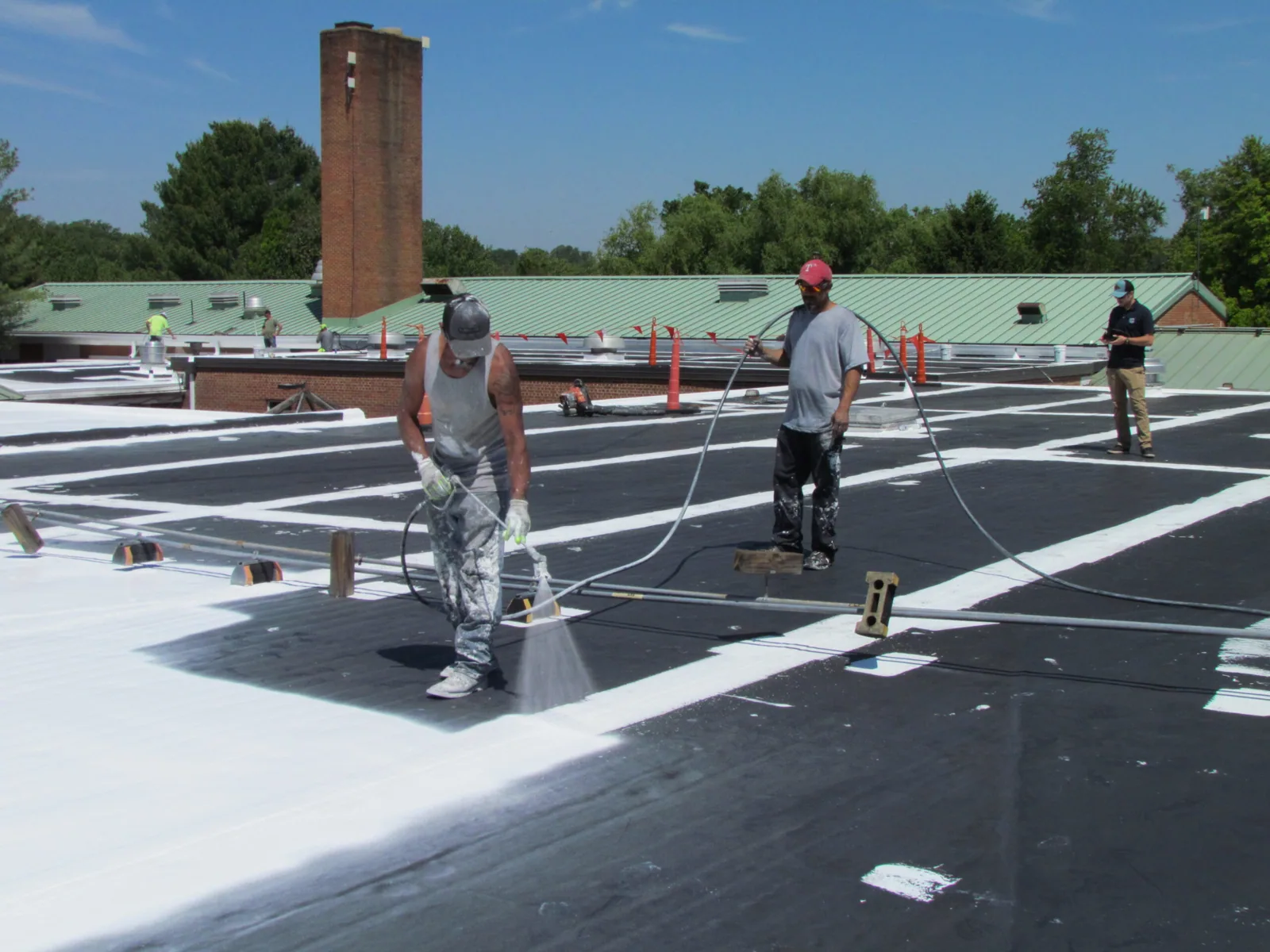
Edge work can require lifts, roof access, fastening tools and temporary protection at the façade. We review the access route, pedestrian controls, loading schedule and hours when noise may disrupt occupants. If a building remains open, we identify which entrance or sidewalk needs short-term control and how long it is expected to last. Weather affects metal installation too: wet surfaces, high wind and heat can affect safe access, handling and sealant performance.
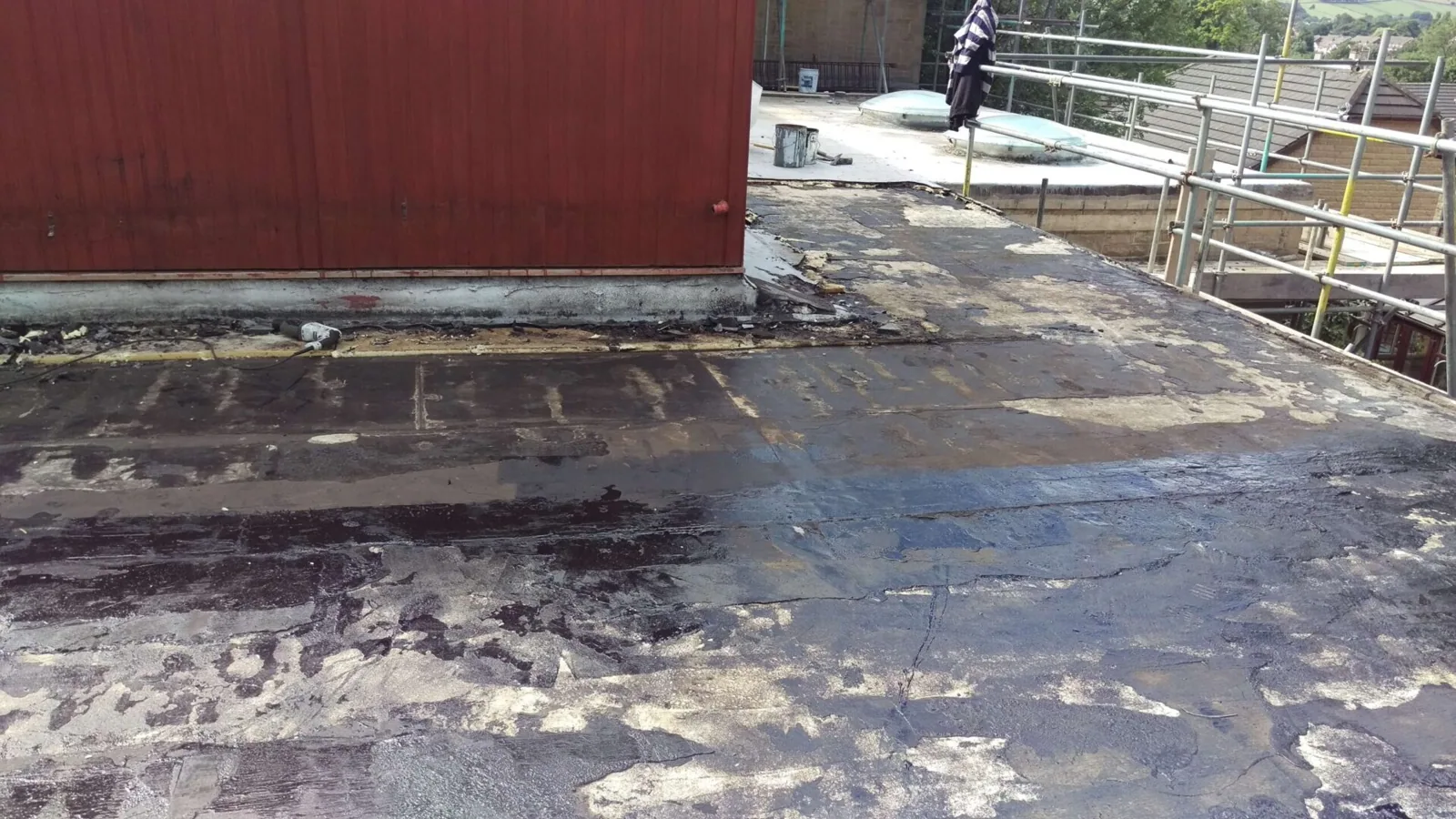
The owner receives a sequence that shows where the crew begins, how corners and transitions will be closed and what happens if concealed damage appears below the metal. If rot, loose blocking or failed substrate is found, we pause at the agreed limit, document it and present the added scope for approval. A phased occupied-building plan can help coordinate broader work around tenants, while roof repair can address related membrane details in the same mobilization.
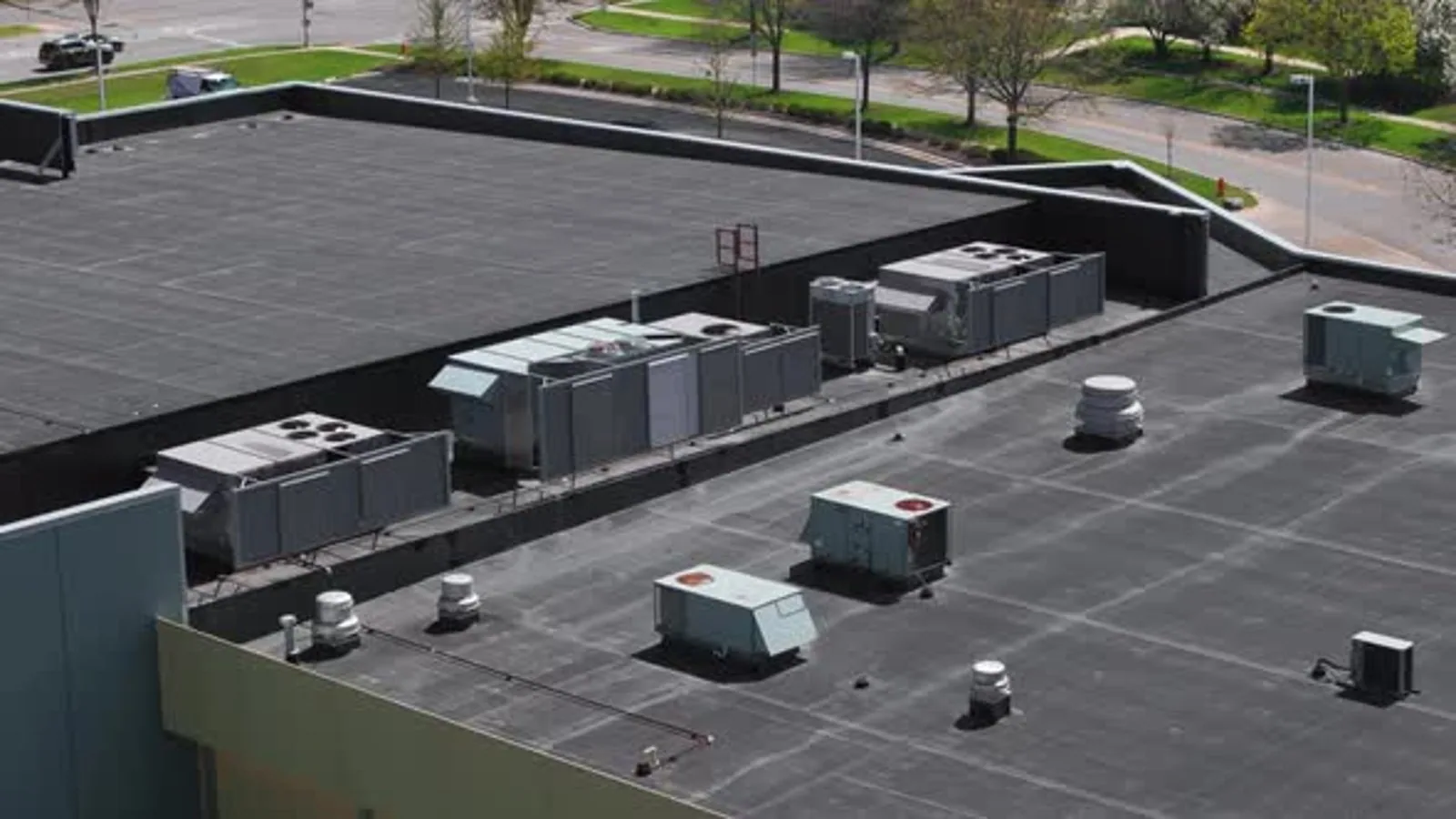
Document the New Edge and Its Drainage Path
Closeout photos should show laps, corners, attachment, end dams, membrane tie-ins and gutter outlets. The owner should receive notes on replaced versus retained sections and any item that remains under observation. This makes future inspection faster because the next person can see how the detail was intended to shed water. If the repair changes the discharge route, the maintenance team should know where to check after heavy rain.
For a portfolio spanning the CityLine West area and Richardson service area, separate roof-zone notes help keep material and detail records tied to the right building. Maintenance can check fasteners, sealant, gutter attachment and discharge after seasonal weather. We also note when a larger condition report or replacement comparison is warranted, so a perimeter repair fits the owner's wider roof plan.
Related Roofing Work
Storm Damage Roof Repair
West Campbell Corridor
Addison Circle, Addison
Commercial Roof Drain and Scupper Service
Questions About Commercial Roof Edge Metal, Coping and Gutters
When should coping or edge metal be replaced instead of patched?
Replacement may be appropriate when attachment is weak across a longer run, metal is corroded or deformed, joints have failed repeatedly, or the membrane termination cannot be secured. We inspect the substrate and identify a sound transition point before pricing either option.
Can a leaking gutter be a roof leak source?
Yes. Failed seams, loose hangers, backed-up outlets or a poor transition can send water behind fascia or wall details. We inspect the gutter and the roof-side connection, then note whether the discharge system needs another trade.
Do you replace downspouts and collector boxes too?
They can be included when the assessment shows they are part of the roof runoff problem. The proposal lists each component and identifies any underground drain or civil work outside the roofing scope.
How do you protect entrances during edge work?
We coordinate lift placement, pedestrian access, material handling and temporary controls with the property contact. The sequence identifies which area is affected and when it can reopen, subject to site conditions and weather.
What should be checked after a coping repair?
Review the new joints, corners, attachment, membrane tie-in and how runoff leaves the roof edge. Closeout photos and later maintenance notes help identify movement or sealant wear before water reaches the wall assembly.
Inspect the Perimeter Before Water Gets Behind It
Share where you see loose metal, wall staining or overflow and which areas need to remain open. We will inspect the full transition and define a repair plan around the building's access needs.