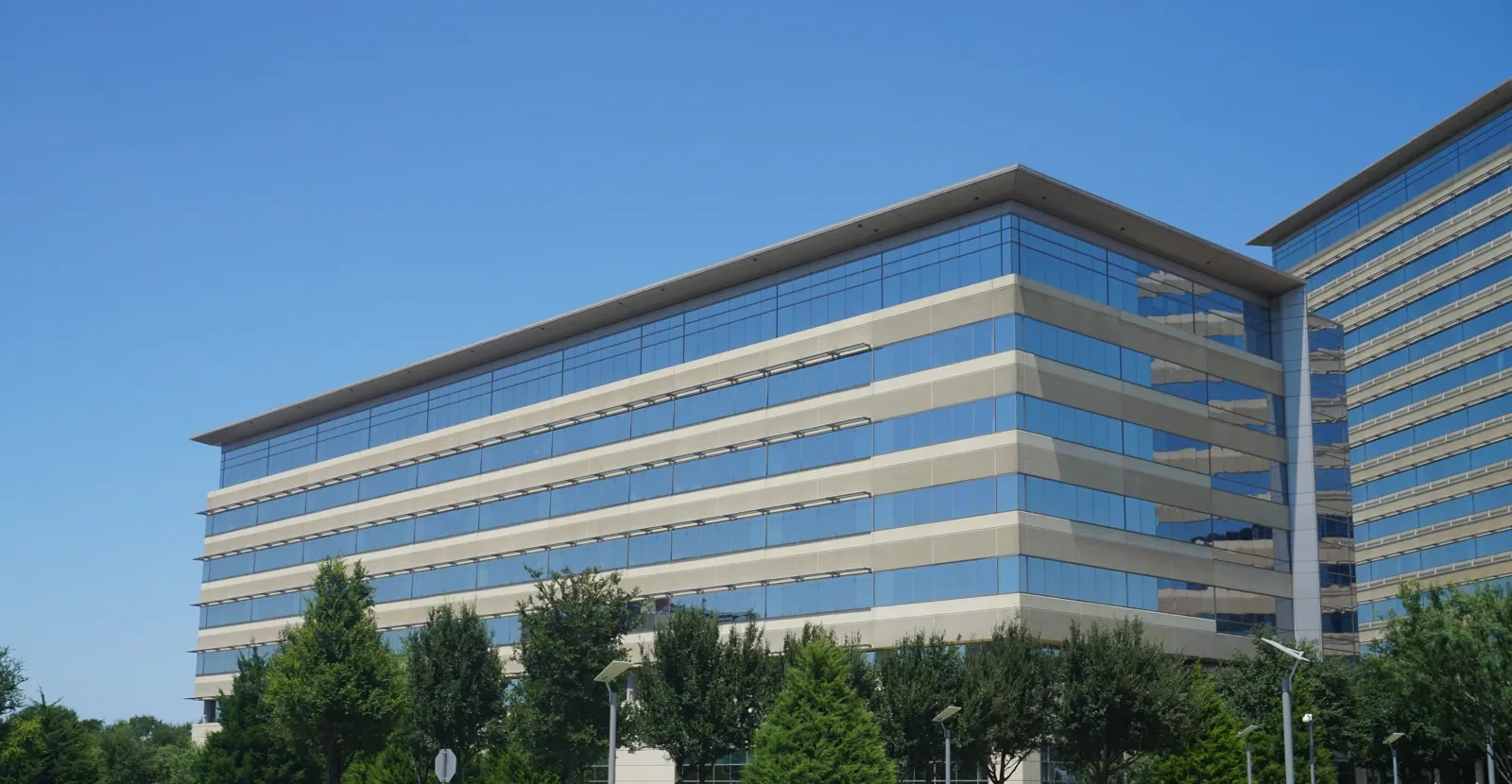
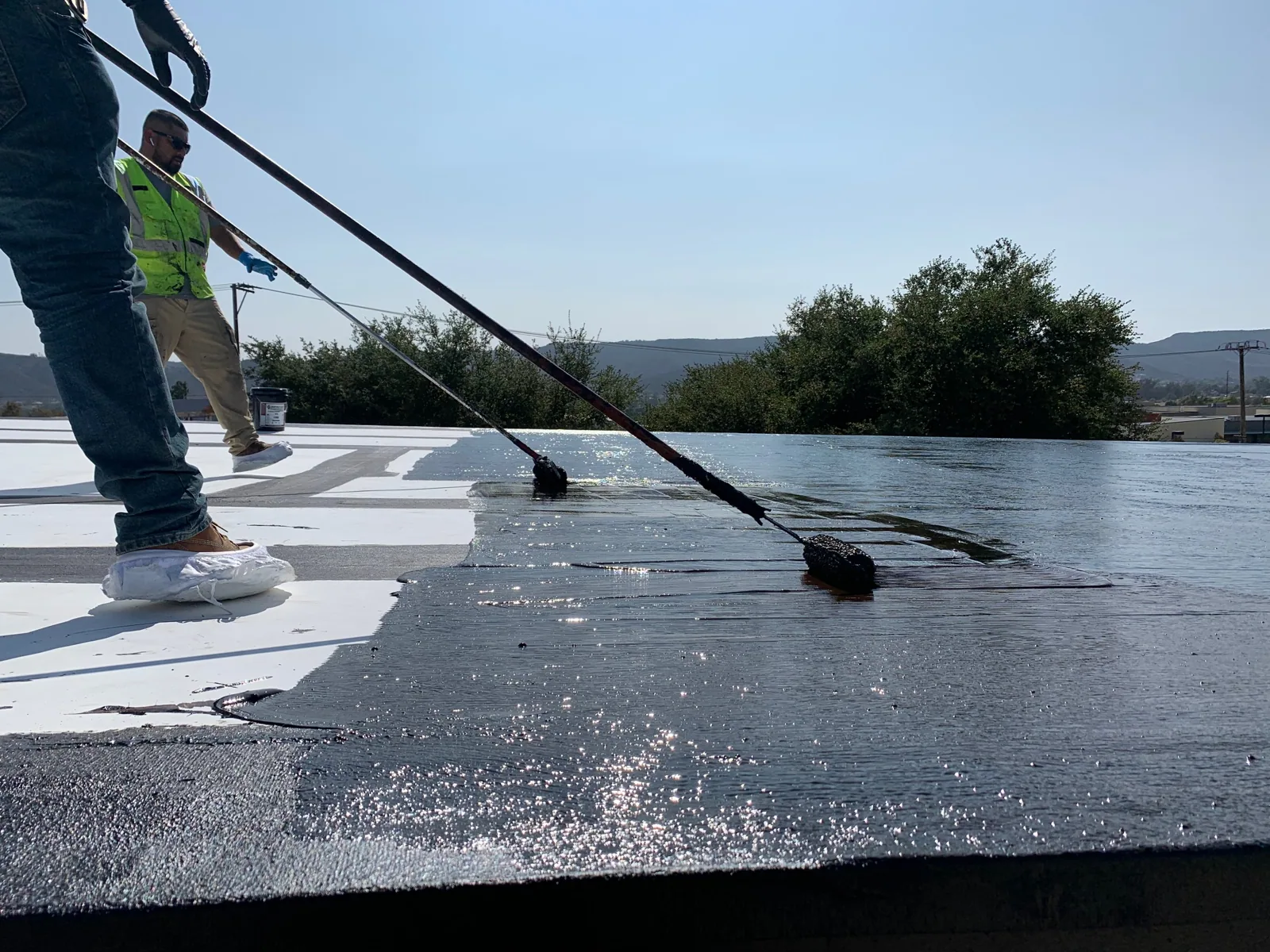
A silicone coating may extend the useful life of a roof when the substrate is sound and preparation is complete. It cannot turn wet insulation, weak seams, or failed attachment into a stable assembly. For a Richardson, TX property, we inspect moisture, adhesion, drainage, penetrations, and coating history before pricing restoration. The owner should see what gets repaired first, where the new layer will stop, and how the proposal handles areas that fail preparation checks. We also set the final inspection and closeout steps before work starts.
Request a Roof Assessment
All fields are required.
Commercial Silicone Roof Coatings in Richardson, TX
Verify the Substrate Before Funding Coating Work

Confirm the Roof Can Hold Another Layer
We check the existing membrane, coating, flashing, and substrate for adhesion, movement, trapped moisture, and deterioration. A silicone coating needs a compatible surface and sound repairs at seams, curbs, penetrations, and edges. Loose material has to be removed. Damp or contaminated areas may need more preparation or replacement rather than a new film on top. Where the surface cannot establish a bond, a coating proposal should identify that exclusion or price a correction.
Water entry may appear far from the opening, so we trace stains and leaks through likely paths. We also inspect prior patches, abandoned equipment, walkway pads, and areas exposed to service traffic. A roof condition inspection can map defects and identify where adhesion tests or selective openings matter. If the roof has widespread wet insulation or repeated membrane separation, compare coating with a replacement scope. Restoration only works as a budget choice if the underlying roof can remain.
Settle Drainage Before Applying Silicone
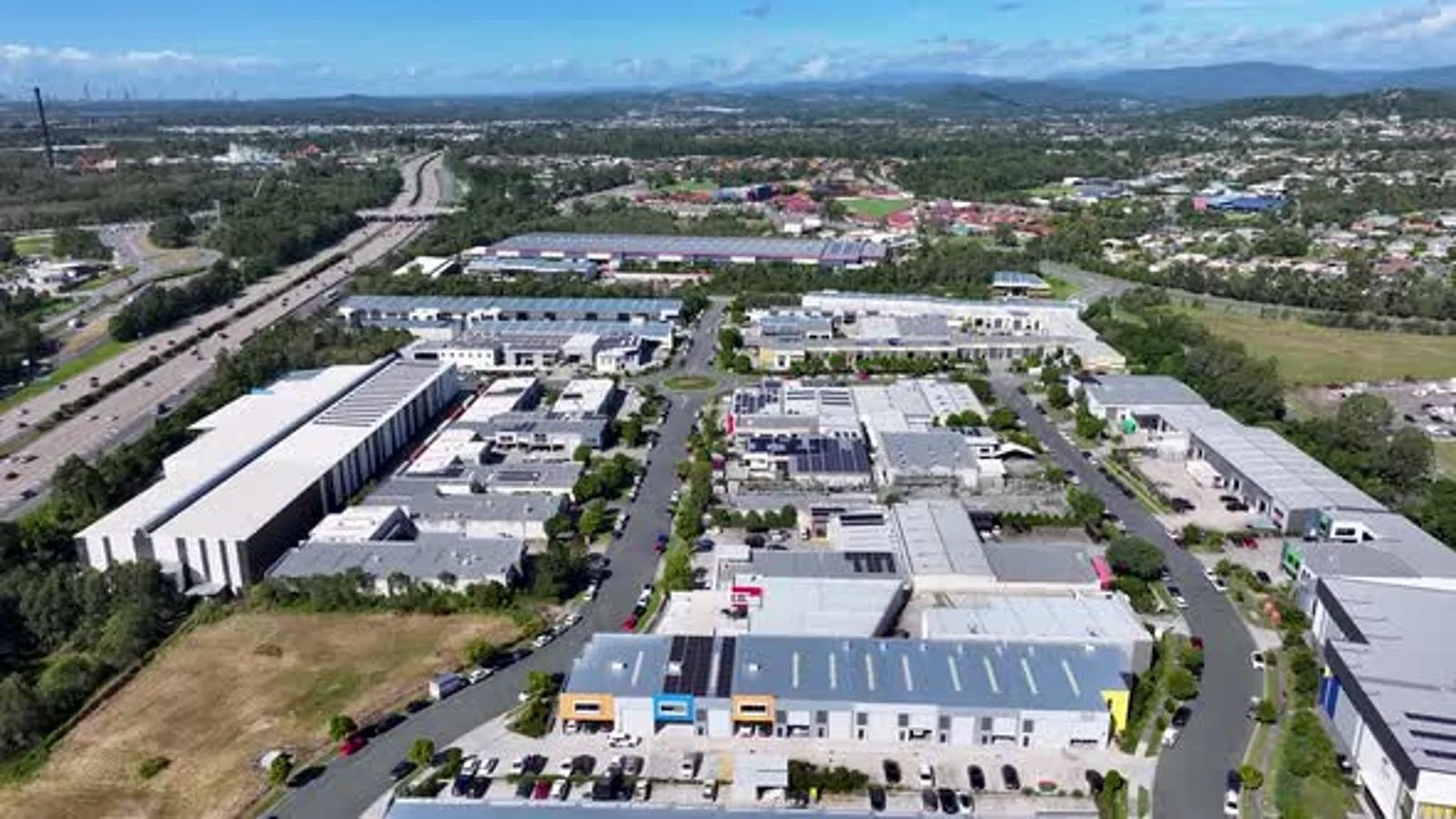
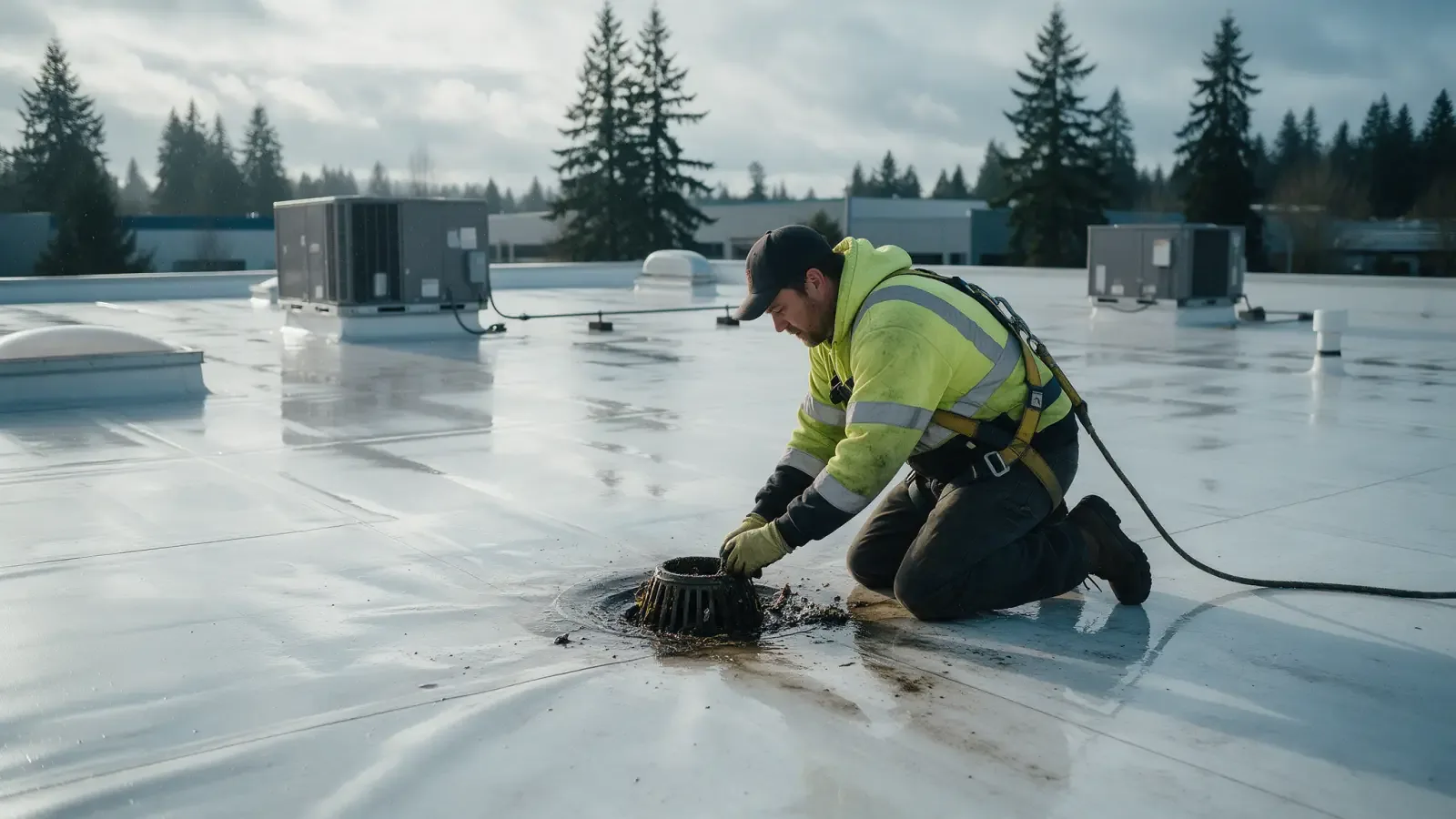
Silicone is often selected for surfaces exposed to standing water, but that characteristic does not remove the need to correct drainage defects. We check low areas, drain bowls, scuppers, overflow paths, and the transitions where ponding reaches a wall or curb. Persistent water can collect debris and expose weak repairs. The coating's thickness and reinforcement at details should follow the product instructions, not a generic coverage assumption.
Richardson's DFW area sees its wetter periods in spring and fall, with spring thunderstorms contributing intense rain. Before restoration, we examine how the roof actually drains and whether outlets are clear. If insulation slope or a blocked discharge is part of the problem, the coating alone will not correct it. A drainage scope can be priced with the preparation work. If a coating is considered over a prior system, we document the products and test compatibility before selecting silicone or acrylic coating.
Put Preparation and Coverage in Writing
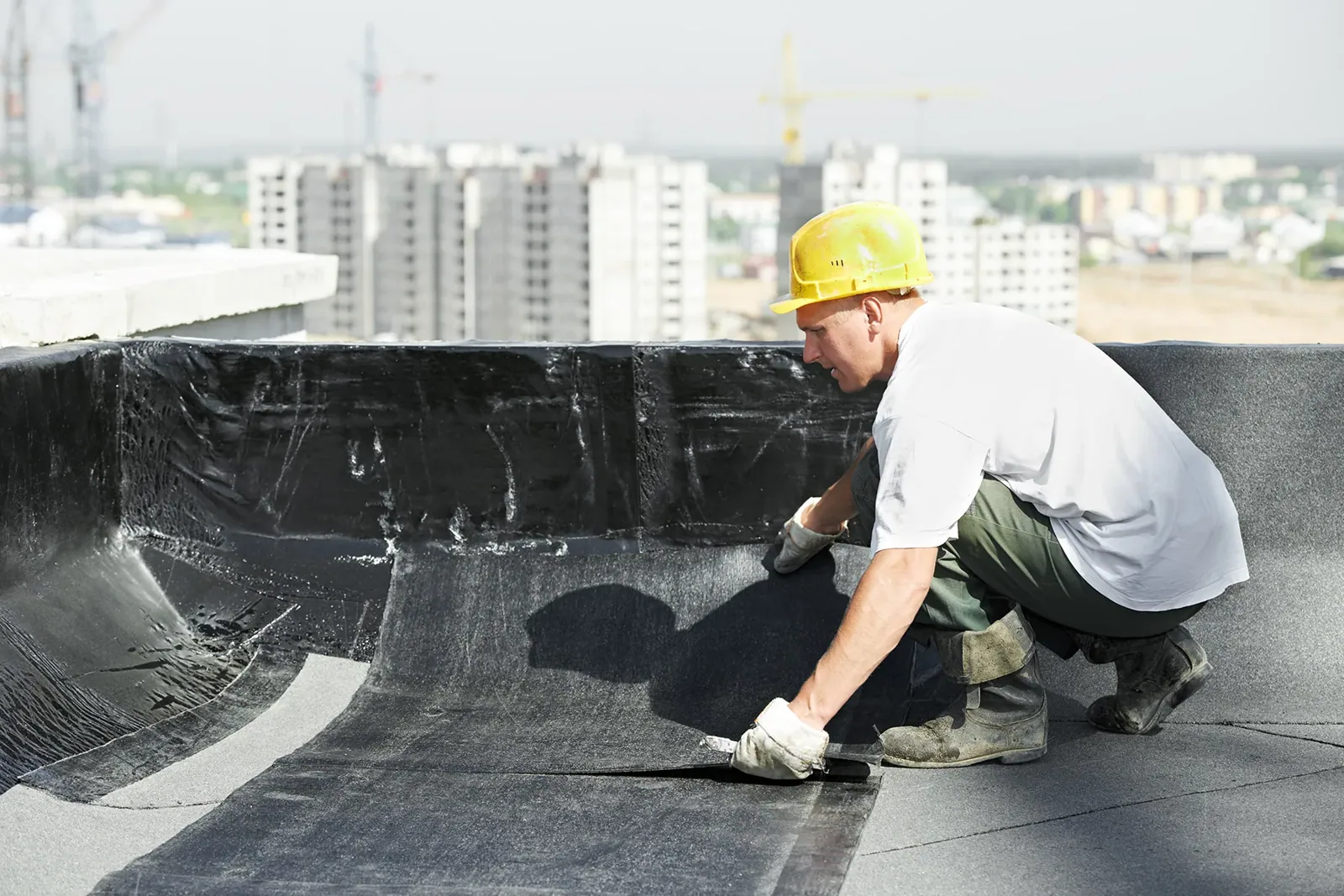
Coating projects depend on washing, drying, removal of loose material, repair of defects, and priming when required. The proposal should state the selected product, coverage rate, target thickness, reinforcement at seams and penetrations, and number of passes. It should also state what happens if a field area fails an adhesion test. A low application price can leave the owner paying for repairs that should have been part of the substrate preparation.
At each drain and penetration, the crew needs to rebuild a watertight detail before coating across it. We check for rust, open laps, failed mastic, movement, and moisture at curbs. The new layer should terminate at sound material with a defined edge, not fade into a loose coating. Include access and protection of walls, equipment, air intakes, skylights, and pedestrian areas. A perimeter detail repair may be needed where coping or edge metal has separated. These items affect the work window and should be priced before mobilization.
Budget for Sun Exposure and Future Checks
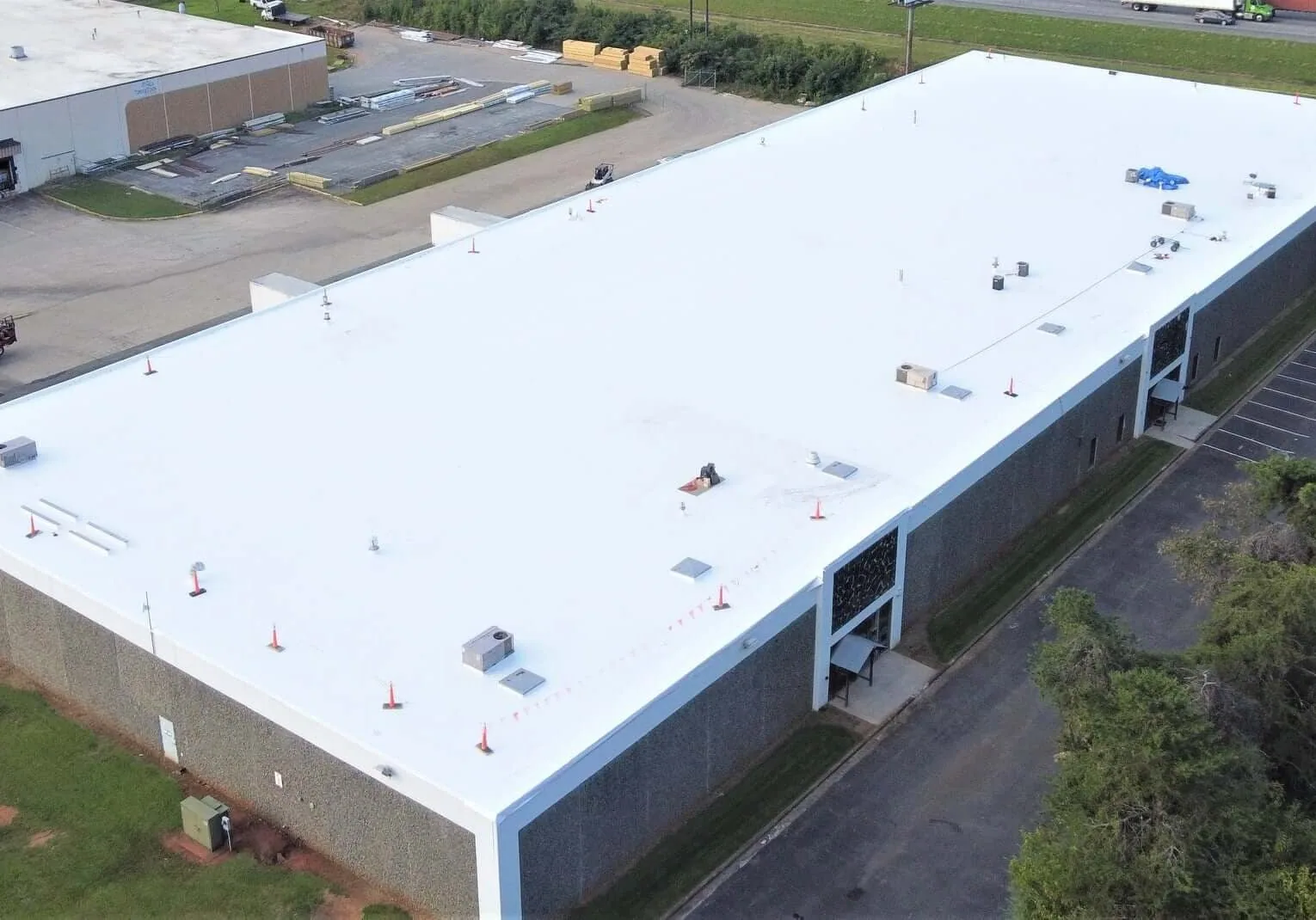
Richardson July and August average daily highs exceed 95 degrees. Repeated heat and ultraviolet exposure can weather the coating, especially where material is thin, damaged, or worn by foot traffic. We assess surface chalking, splits, blisters, exposed membrane, and coating loss at transitions. The selected system should be compatible with the existing roof and have a maintenance plan that keeps repairs from being deferred until water reaches the interior.
Spring hail and wind occur across the DFW metroplex, but a regional event does not establish damage at a particular building. We inspect impact points, displaced equipment, open seams, and water entry after a storm. Richardson's October 2019 tornado damage near Audelia Road and Buckingham Road is a local reminder to preserve roof condition records, not a reason to presume loss elsewhere. A storm inspection can document actual findings and preserve a comparison point for later maintenance. Keep the original coating data and repair history so a future crew can test compatibility instead of layering unknown materials.
Protect Occupied Spaces During Application
Cleaning and coating can involve water control, fumes, surface preparation, lifts, and wet-film cure periods. We plan around weather, roof access, air intakes, tenant hours, and areas that must stay open. The manager should know which roof zones will be closed and how long the crew needs before foot traffic can resume. On a medical, research, or food-service property, air-handling and sensitive operations need to be considered before products reach the roof.
Richardson includes CityLine, with medical, retail, hotel, office, apartment, park, and civic uses, and the Richardson Innovation Quarter, with technology and research activity. Those districts do not establish the operating needs of another property. We confirm actual access, staging, loading, and ventilation with its manager. A building near Richardson Innovation Quarter still needs its own air-intake and work-hour review. The schedule also needs a rain contingency and a daily safe-stop point if conditions shift during application.
Compare Restoration with a New Assembly
A silicone restoration proposal should separate preparation, repairs, coating, reinforcement, drainage, and closeout. It should list assumptions about dry substrate and adhesion, plus a method for pricing concealed conditions. Replacement should be considered when moisture, attachment failure, or deterioration extends through the assembly. A recover review can examine whether existing layers are eligible to remain, while a complete reroof should show insulation, cover board, flashing, and edge work.
Before coating, we verify how Richardson classifies the work under its locally amended 2021 code provisions. We confirm how the scope is classified and what permit documents the project needs. Scheduled maintenance can monitor drains, seams, coating wear, and rooftop traffic after installation. For a capital plan, a roof condition report can preserve the baseline and identify future work by priority. Owners comparing coating types should consider the substrate and water exposure before weighing SPF restoration against silicone.
Related Roofing Work
Commercial Roof Inspection
Commercial Roof Replacement
Commercial Roof Drain and Scupper Service
Commercial Acrylic Roof Coatings
Questions About Commercial Silicone Roof Coatings
When is a silicone roof coating a practical option?
It can fit a dry, stable roof with compatible materials and preparation that produces sound adhesion. We inspect seams, penetrations, drainage, and previous coating before pricing it. Wet insulation or widespread attachment failure moves the decision toward replacement.
Does silicone coating solve ponding water?
Silicone tolerates water exposure in approved systems, but coating does not correct low slope, blocked outlets, or faulty overflow paths. We assess drainage and include corrections when water movement is part of the failure.
What should a coating proposal include?
It should state the product, preparation, repairs, adhesion checks, coverage, thickness, reinforcement, edge terminations, access, and the process for areas that fail inspection. Those details make restoration bids comparable.
Can silicone go over another roof coating?
That requires identifying the existing material and checking compatibility and adhesion. We do not assume the surface accepts another layer. Testing and repairs may be needed before the proposal can define a reliable scope.
How will Richardson weather affect a coated roof?
Hot sun can weather a coating, while spring storms can expose weak details. The roof's actual condition and product system matter. We document wear and storm impact rather than inferring damage from the regional forecast.
Verify the Substrate Before Funding Coating Work
Send coating records, leak areas, ponding concerns, and the project date. We will inspect the surface and separate preparation, repairs, restoration, and replacement scope.