
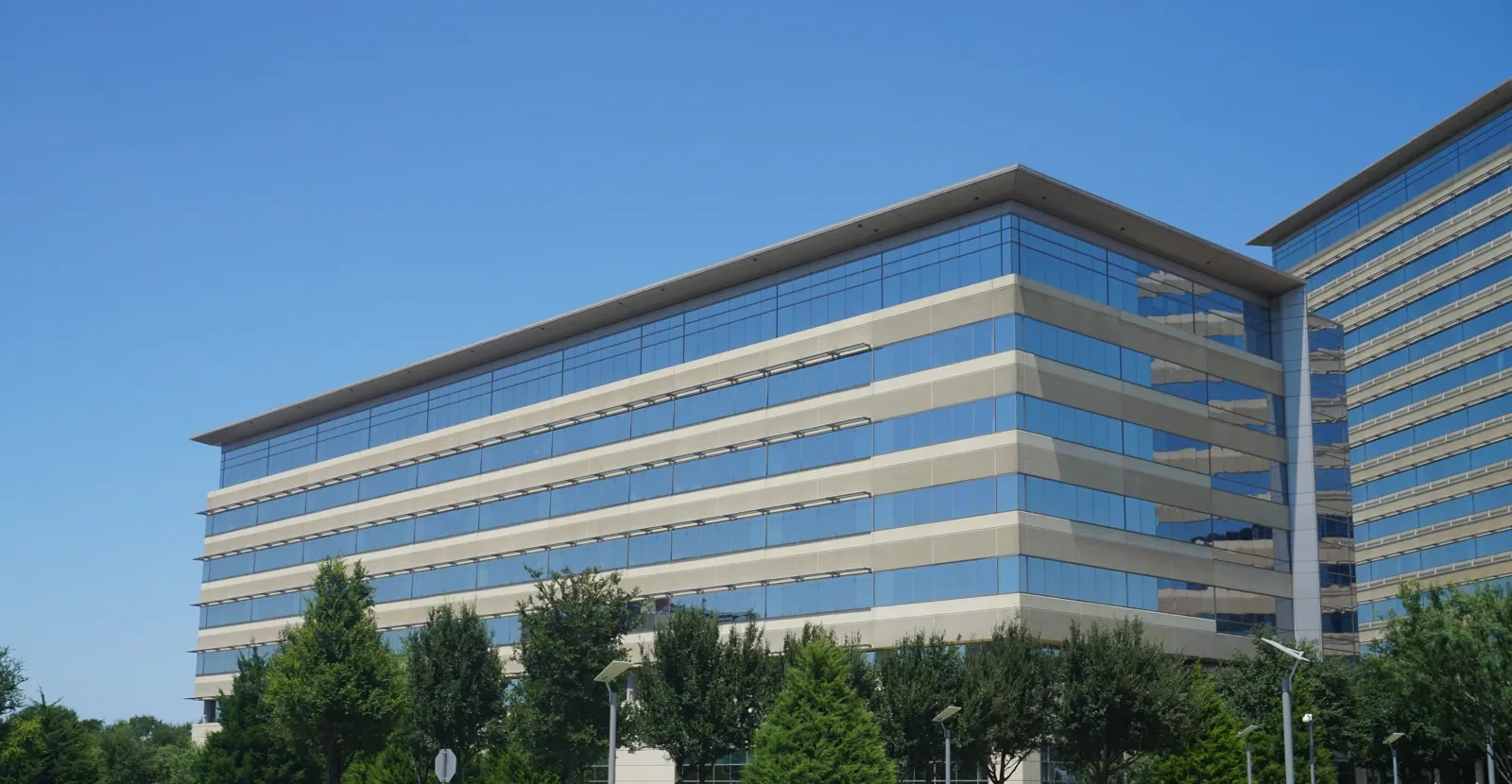
Spray polyurethane foam can create a continuous layer over a roof, but the project value depends on what lies below and how the finished foam stays protected. In Richardson, TX, we inspect adhesion, moisture, slope, penetrations, and coating condition before comparing restoration with replacement. The estimate should separate foam placement from the protective coating and list repairs needed before either step. That lets the owner see whether the next spend fixes a system or only covers a visible surface.
Request a Roof Assessment
All fields are required.
Commercial Spray Foam Roofing in Richardson, TX
Inspect the Foam Before Funding Another Coating
Check the Foam Before Pricing a Recoat
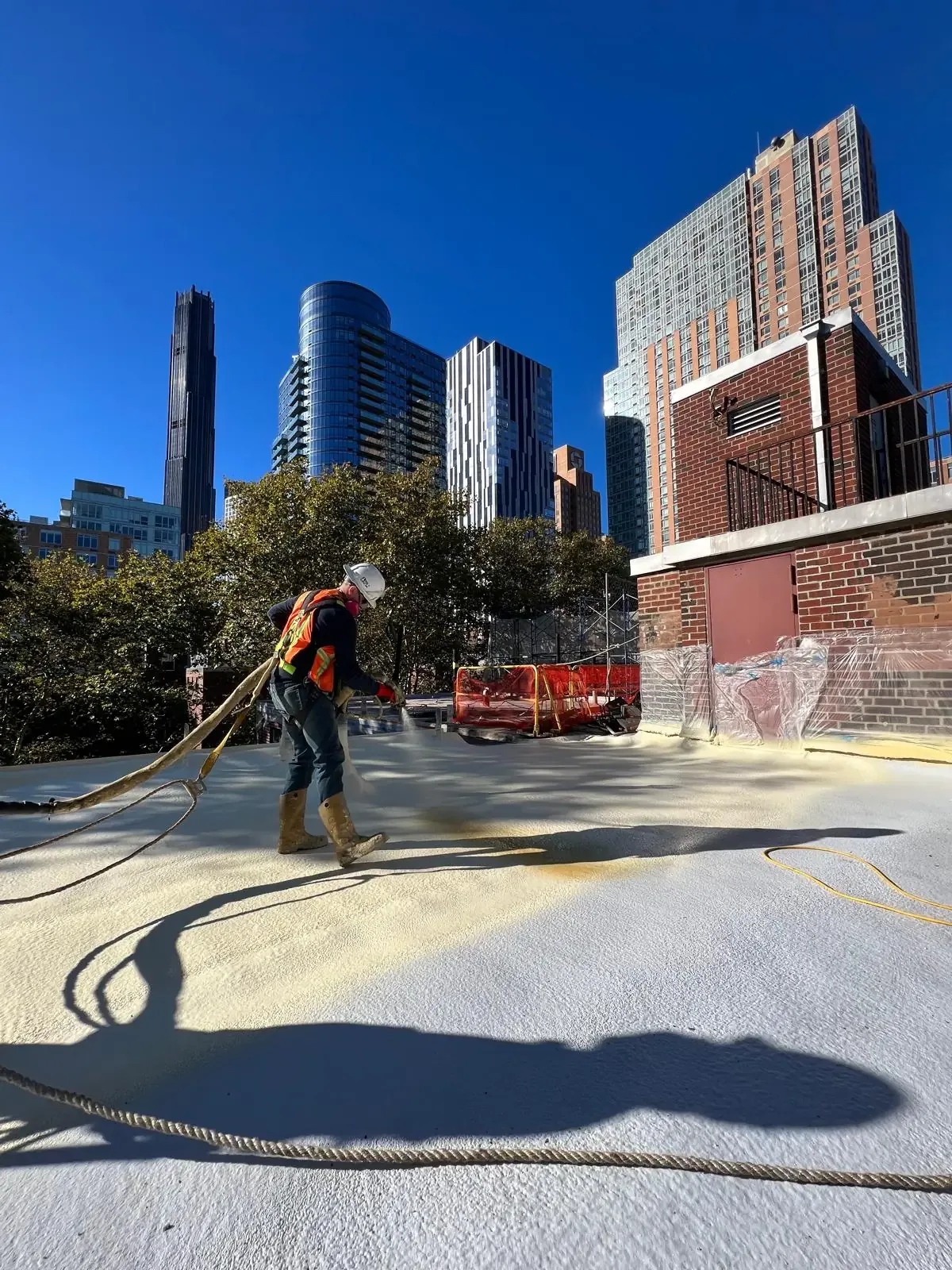
SPF is applied as liquid components that expand and cure into a closed-cell foam layer. The installed thickness, adhesion, surface profile, and roof details matter. We look for exposed foam, cracks, blisters, wet areas, impact damage, and separation from the substrate. A coating can protect sound foam from weather and ultraviolet exposure; it cannot restore foam that has lost adhesion or become saturated. We identify where repairs or test openings are needed before quoting a new protective layer.
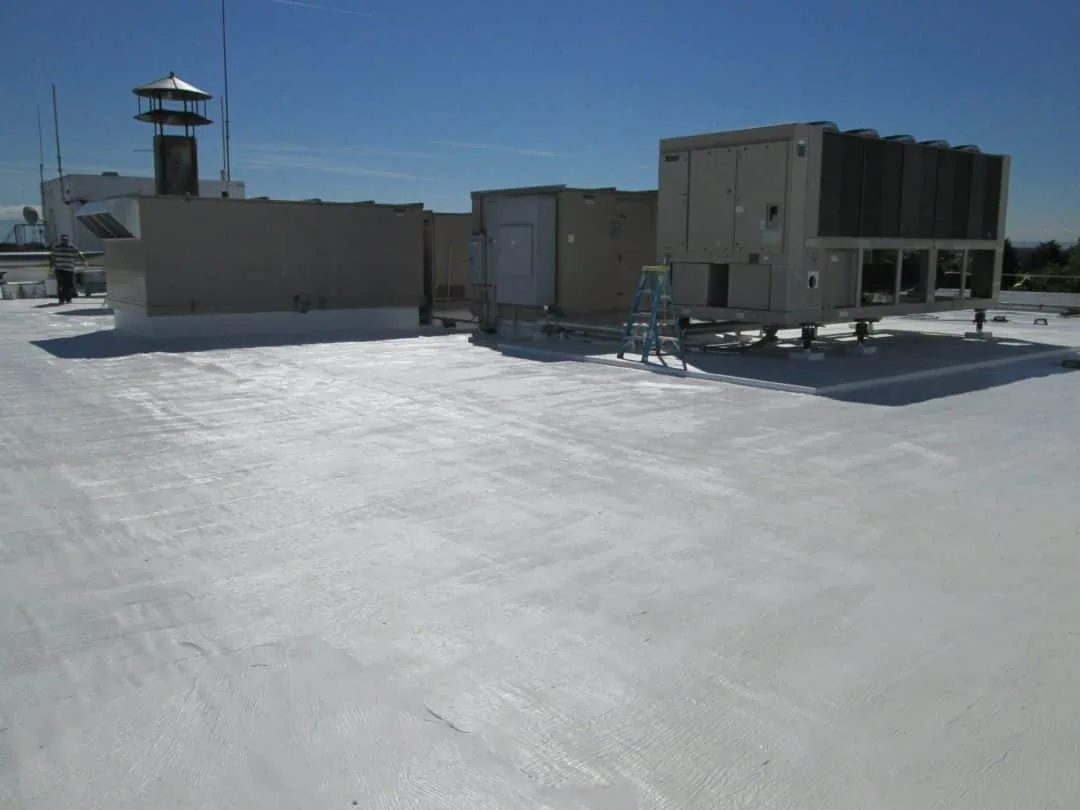
Because the foam surface can be irregular, the inspection includes drains, valleys, parapets, curbs, penetrations, and places where previous coatings have weathered differently. A shallow low spot can hold water even if the roof looked level before application. We map repairs and check whether the existing system has enough dry, bonded material to remain. A roof inspection can distinguish a recoat candidate from an assembly that needs removal. If recurring water entry reaches the substrate, a patch to the top coating is not a complete repair.
Correct Water Movement Before Recoating
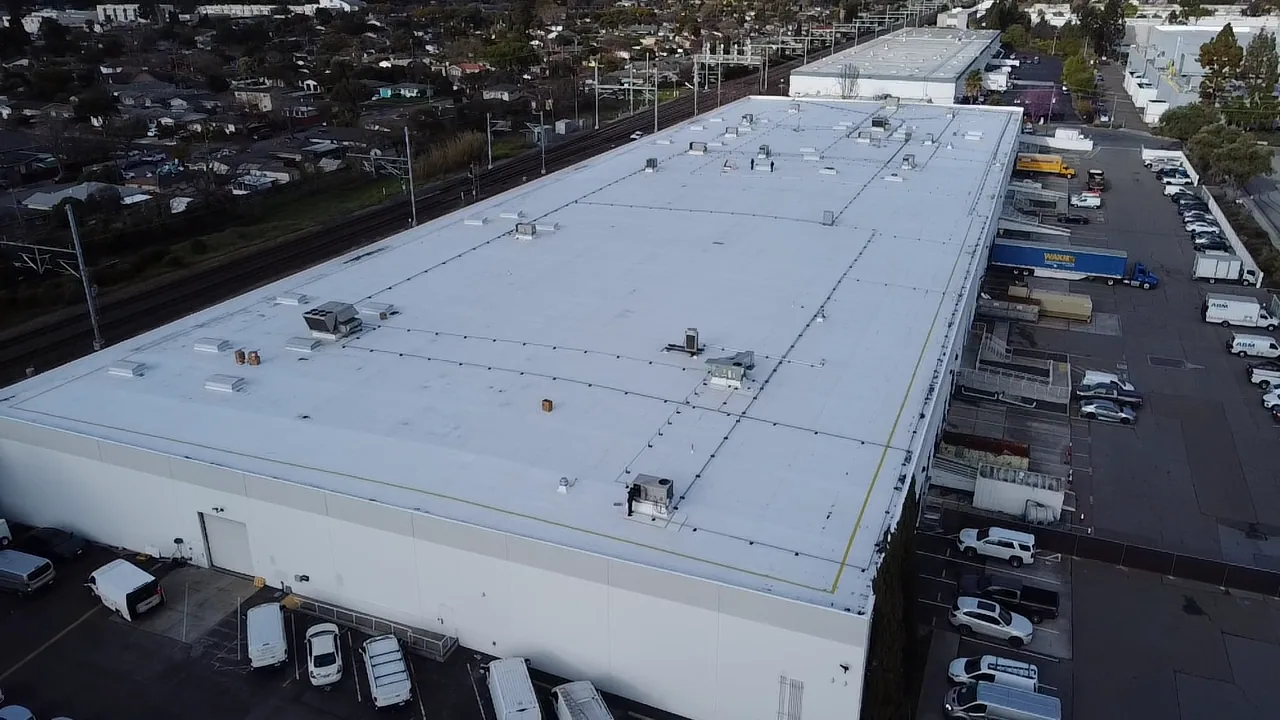
SPF can be shaped to improve slope, but existing foam does not ensure water reaches an outlet. We inspect ponding, drain bowls, scuppers, overflow provisions, and the transitions around equipment. If coating is applied over a ponding area without correcting its cause, the finished surface may still face long wet periods. Drainage changes should be designed with the finished coating thickness and detail height in mind.
Richardson's wettest DFW periods tend to occur in spring and fall, with spring thunderstorms creating intense rainfall episodes. The seasonal pattern makes roof drainage worth checking before restoration work. We do not infer a problem from weather alone; we look for deposits, erosion, cracks, and water paths on the actual roof. A drainage correction may be needed before the coating crew begins. Where insulation or slope is involved, the proposal should state how water will move after the work and how the owner can verify that outlets remain clear.
Specify the Protective Layer and Its Preparation
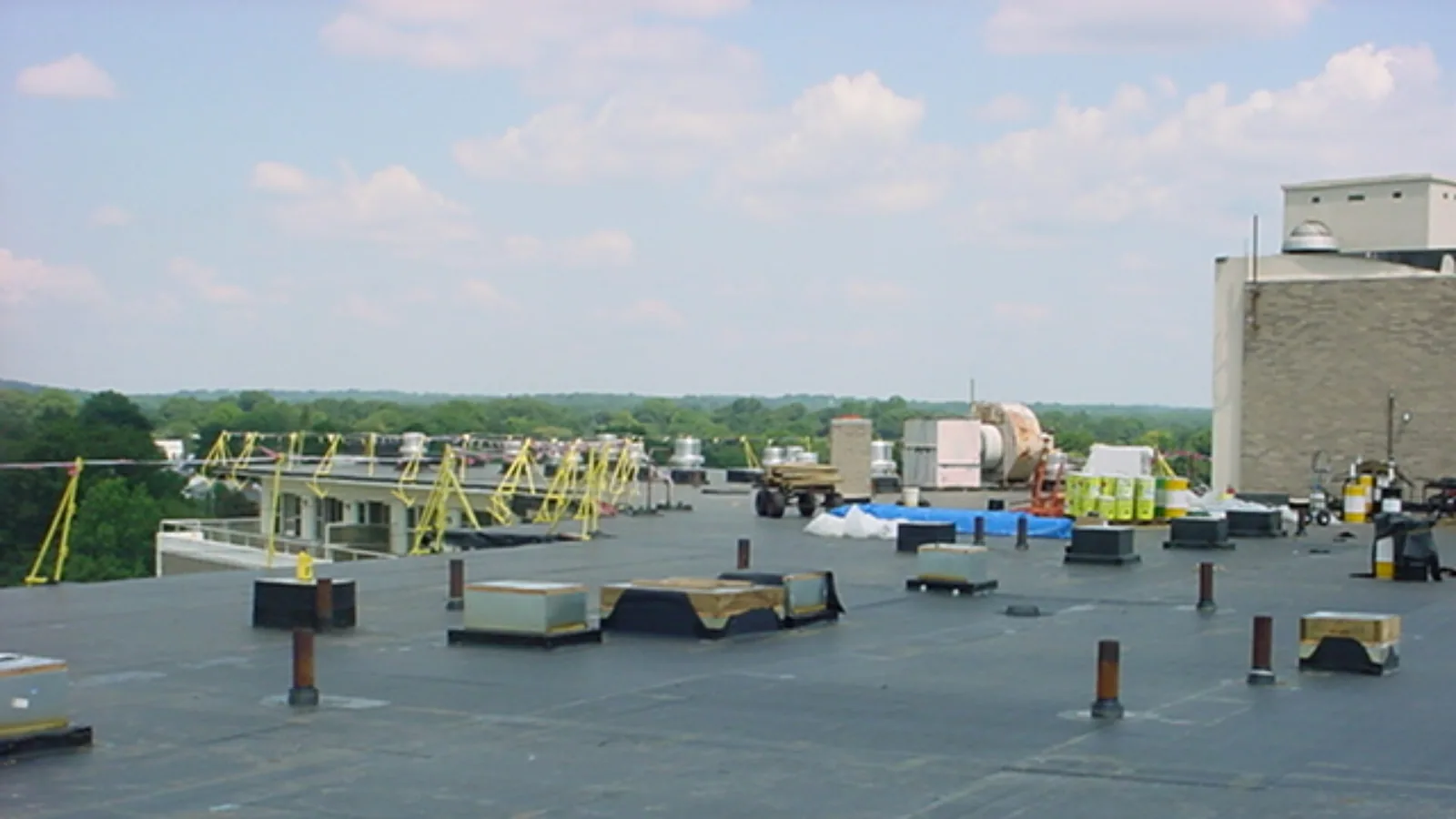
Coating selection depends on the foam, existing coating, expected exposure, and manufacturer instructions. We identify the product system, required thickness, reinforcement at details, and preparation method. A recoat may require cleaning, drying, removal of loose material, and repairs to cracks or penetrations. The estimate should state what happens if the substrate is damp or the existing coating fails an adhesion check. A surface that cannot hold a new layer needs a different scope.
Richardson's July and August average daily highs are above 95 degrees. Heat and sun expose coatings to repeated stress, and a worn protective layer can leave foam exposed. The maintenance plan should record coating condition and repair points, especially around drains, equipment, and rooftop traffic. We compare SPF restoration with silicone coating or acrylic coating only after checking compatibility, ponding conditions, and the requirements of the full system. A product label alone does not settle the selection.
Keep Overspray and Access in the Work Plan
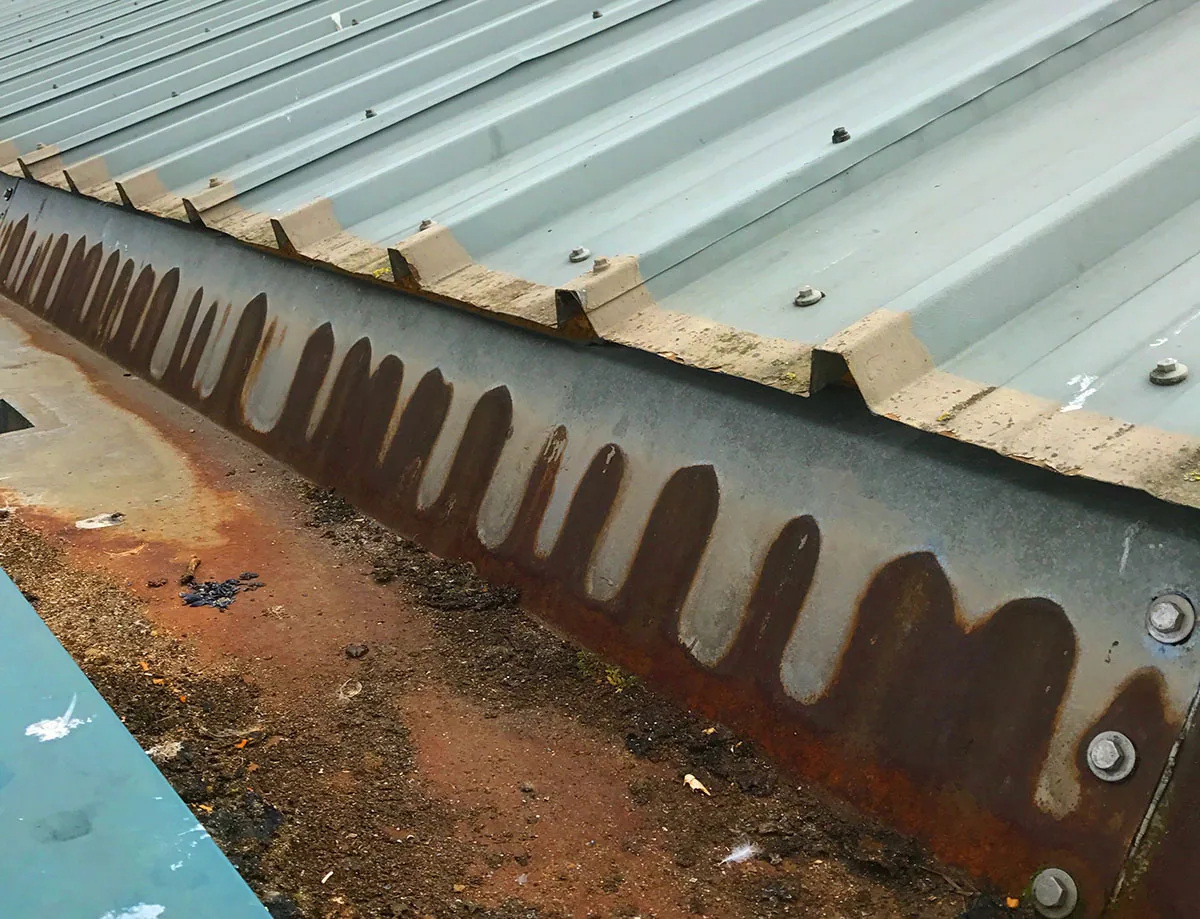
Foam application requires control of spray drift, ventilation, weather, access, and work-zone protection. We review nearby air intakes, parked vehicles, pedestrian paths, rooftop equipment, and property boundaries before mobilization. Occupied buildings need clear notices and a sequence that keeps sensitive areas protected. The work plan should explain where equipment will stage, how the crew will reach the roof, and what conditions pause spraying.
Richardson includes offices, research and technology, manufacturing, healthcare, retail, and mixed-use districts. At CityLine, the combination of medical, residential, office, and public-space uses illustrates why a generic spray plan is not enough. We confirm the actual building layout and the manager's operating restrictions. A project near Richardson Innovation Quarter needs the same site-level check for air intakes and operating hours. If rain or wind makes application unsuitable, the schedule should define a safe stop and a protected roof condition.
Compare Restoration with Removal
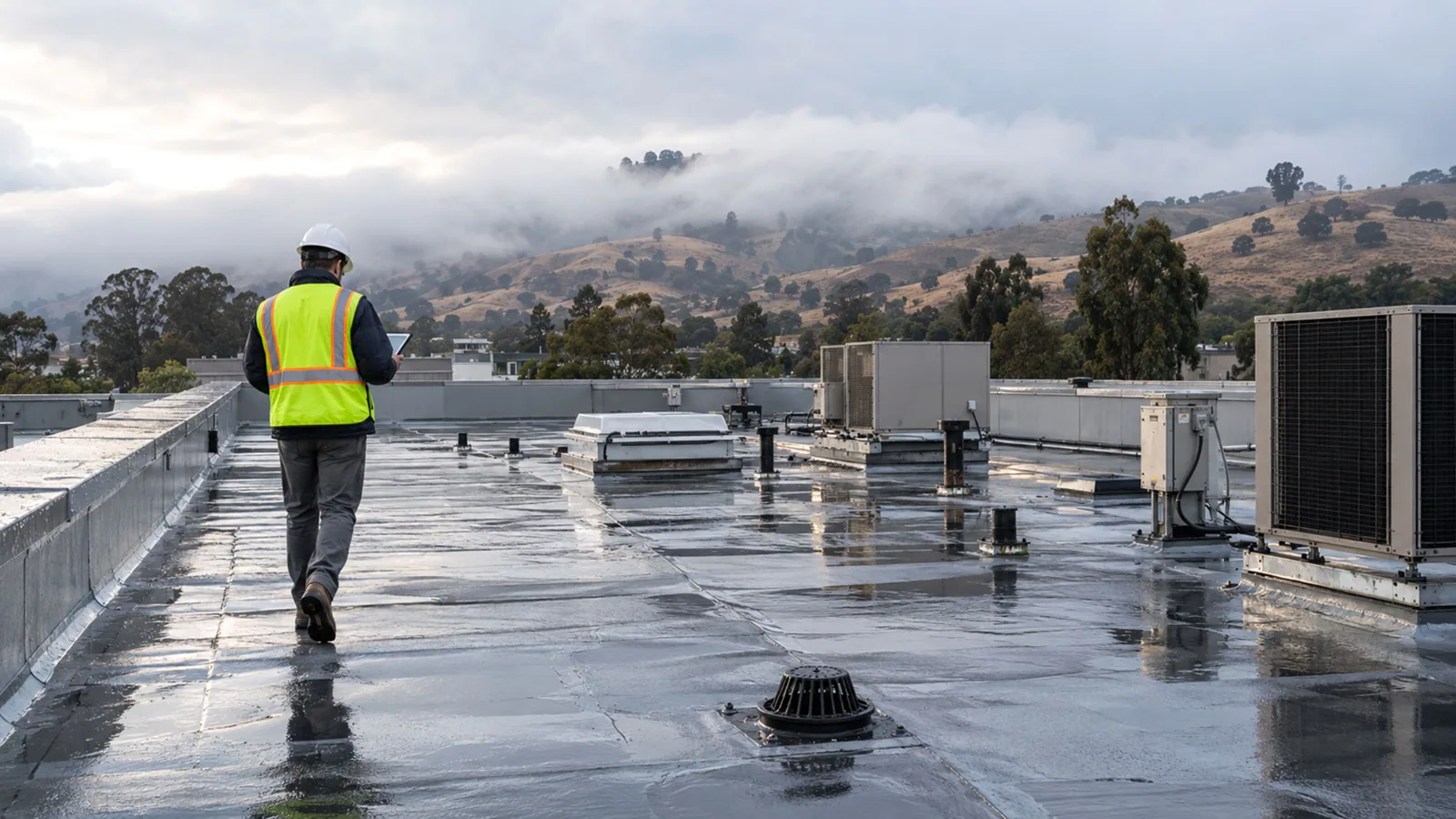
Restoration can fit a dry, bonded foam system with limited damage and a coating that can accept preparation. Removal becomes more likely when foam has widespread moisture, poor adhesion, deep deterioration, or details that cannot be rebuilt reliably. We identify these conditions with photographs and explain which portions can remain. A proposal should show repair zones, coating coverage, protection of adjacent areas, and any allowance for concealed deterioration.
We confirm whether Richardson's locally amended 2021 provisions treat the work as maintenance, recover, or a reroof. The scope should identify whether the project is a maintenance recoat, a recover, or a more substantial reroof and confirm the appropriate review path. If another assembly is being considered, compare the full tear-off, insulation, drainage, and edge work. A recover review can show whether existing layers may remain; a replacement plan can state removal and close-in assumptions. The owner should see the cost difference between a surface restoration and a new assembly.
Track the Roof Between Coating Cycles
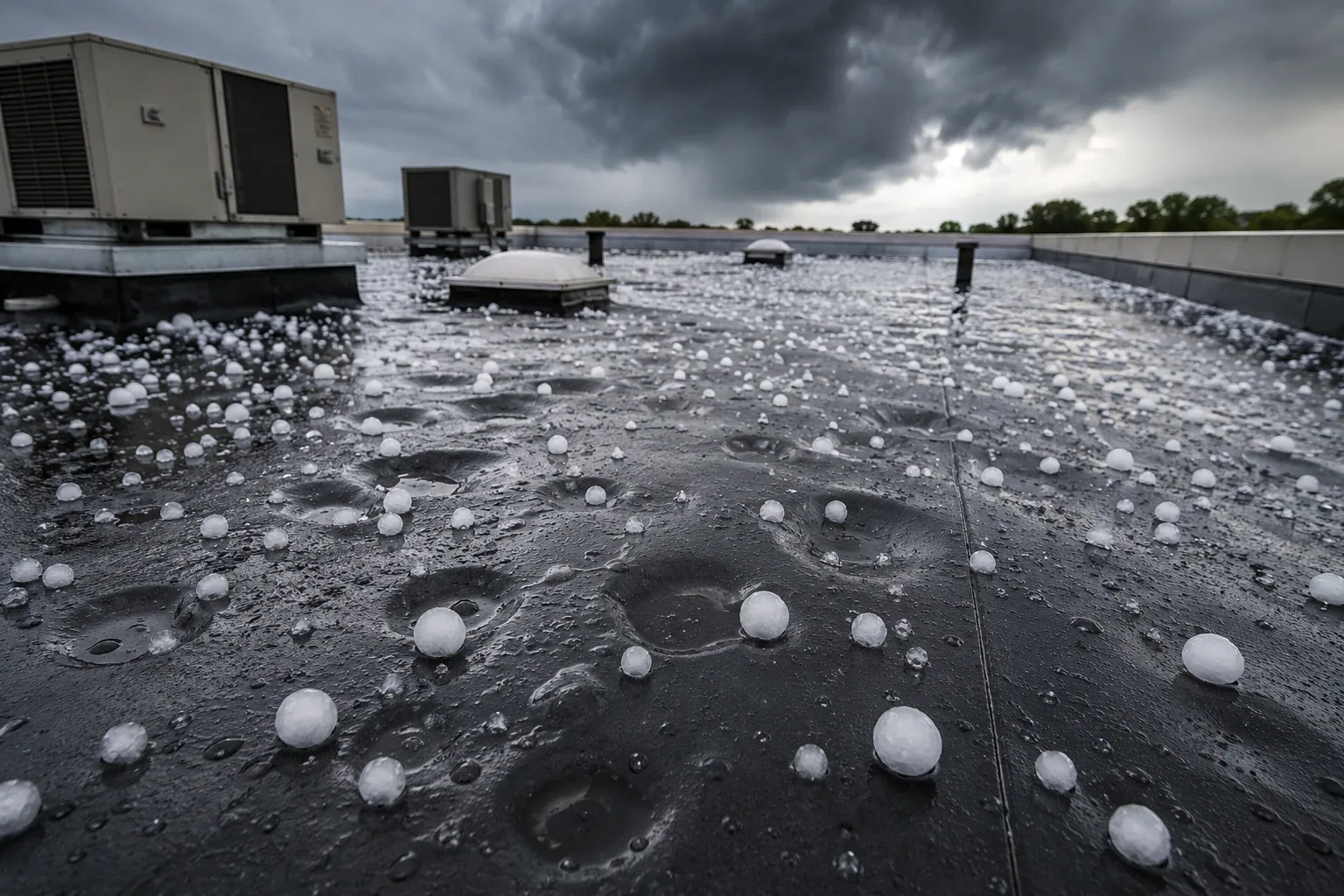
Keep the original foam and coating product data with inspection records. Future repairs depend on knowing what materials are present and what preparation is acceptable. Record the roof zones, coating repairs, ponding observations, and any areas of exposed foam. Those notes can help the next inspection distinguish a new split from an older repair and keep maintenance focused on conditions that change the replacement decision. Add the date, location, and material used whenever a crew repairs the coating, so future estimates can separate current wear from earlier work.
Richardson Innovation Quarter contains research, technology, manufacturing, and educational organizations. CityLine brings offices, medical uses, retail, lodging, apartments, a park, and civic space. These places illustrate the variety of occupied roofs in the city, while a building-specific assessment still determines its assembly and access needs. A maintenance program can keep the surface and drains under review. A written condition report can preserve photos for capital planning. Compare SPF with other membrane systems only after the building, exposure, and full assembly are understood.
Related Roofing Work
Commercial Roof Inspection
Commercial Roof Drain and Scupper Service
Commercial Silicone Roof Coatings
Commercial Acrylic Roof Coatings
Questions About Commercial Spray Foam Roofing
Can spray foam roofing be recoated instead of replaced?
Often, if the foam remains dry and bonded and the existing coating can accept preparation. We inspect blisters, exposed foam, cracks, ponding, and adhesion before pricing restoration. Widespread moisture or separation changes the recommendation.
What is the coating's role on an SPF roof?
The coating protects the foam from weather and sunlight. It is a wearing surface that needs inspection and maintenance. It does not correct wet foam, poor adhesion, or a drainage defect below it.
Does ponding water rule out SPF?
The roof needs an appropriate drainage plan, and the coating system must be approved for its exposure. We measure the low areas and outlets, then determine whether slope correction or another assembly is the better choice.
What should I expect during spray application?
The plan should cover wind and weather limits, overspray controls, ventilation, roof access, staged work zones, and protection around air intakes and occupied areas. We coordinate those items before application begins.
How should SPF restoration appear in the proposal?
It should list preparation, repairs, coating product, specified coverage, details, drainage corrections, access, and the process for damp or unbonded areas. That detail distinguishes restoration from replacement scope.
Inspect the Foam Before Funding Another Coating
Share coating records, leak locations, ponding areas, and your timing target. We will check adhesion, moisture, drainage, and repair scope before pricing restoration or replacement.