An acrylic coating can restore a roof surface when the existing assembly is sound, dry, and ready for another layer. The material choice does not settle the repair decision. In Richardson, TX, we inspect adhesion, seams, flashing, drainage, and moisture before pricing a recoat. The proposal should list preparation and repairs separately from the coating itself, so the owner can compare restoration with a replacement window without overlooking the condition below the surface.
Request a Roof Assessment
All fields are required.
Commercial Acrylic Roof Coatings in Richardson, TX
Price the Preparation Before Selecting a Coating
Confirm the Existing Roof Is a Suitable Base
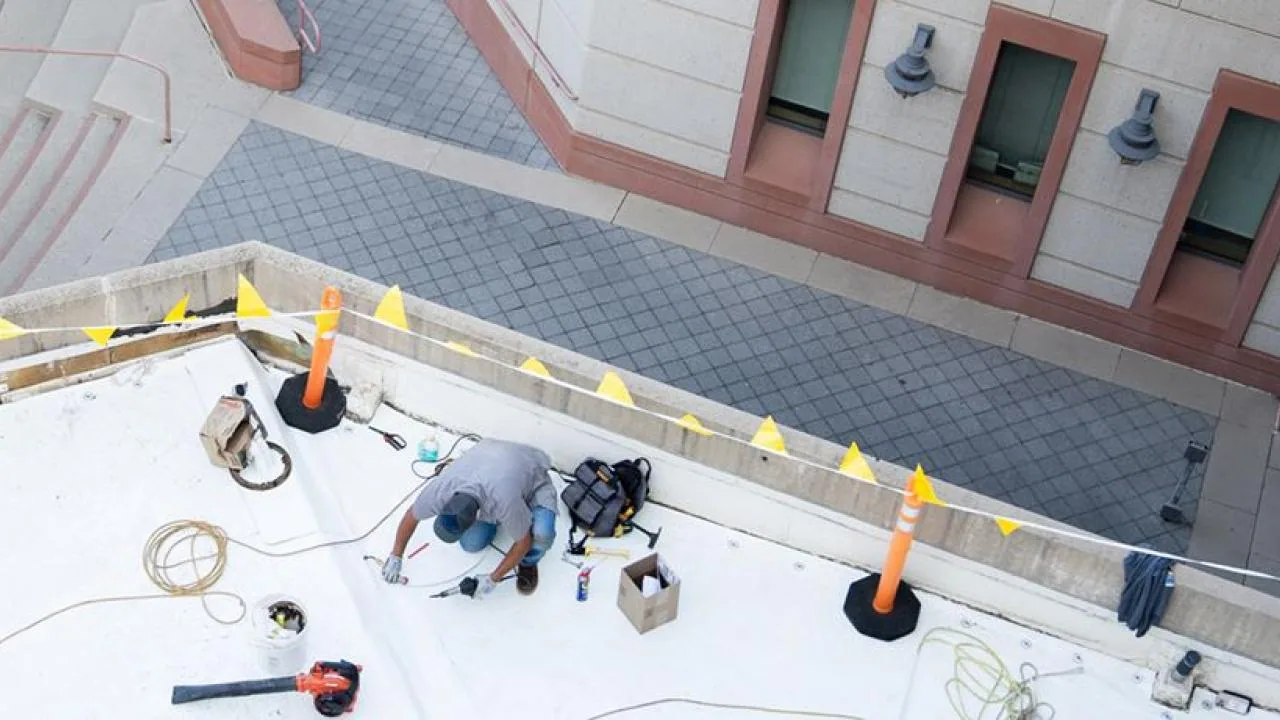
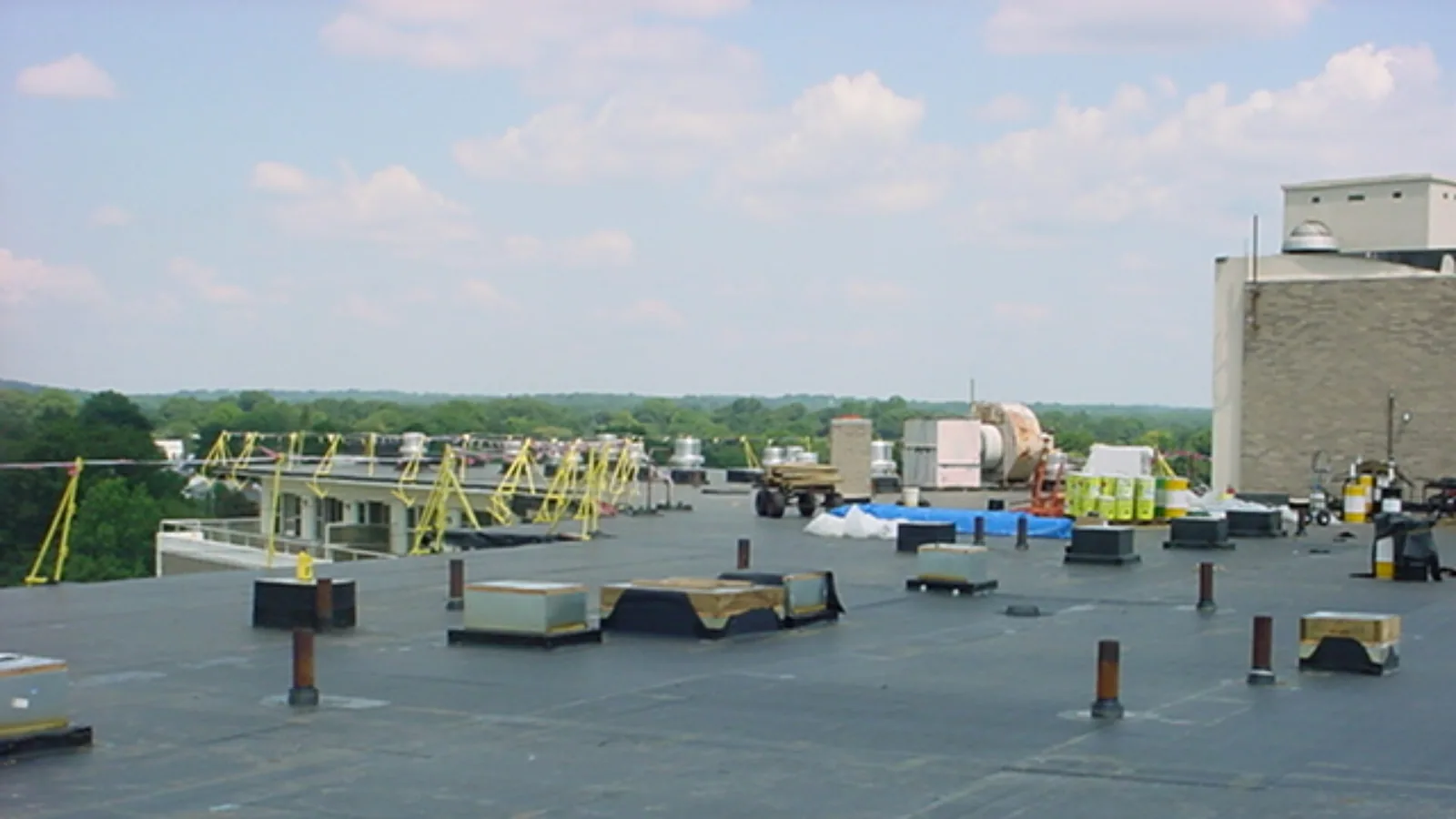
We inspect the membrane or prior coating for loose areas, cracks, blisters, punctures, exposed substrate, and signs of trapped water. Acrylic products require a compatible, prepared surface. A coating cannot secure a loose roof or dry out wet insulation. The estimate should identify adhesion testing, cleaning, priming, and the repairs needed before application. If part of the field fails testing, define whether it will be removed, repaired, or excluded before the crew begins.
Leaks can travel beneath a roof surface before appearing inside, so we compare interior reports with field seams, curbs, walls, drains, and previous patches. We record where the evidence supports localized work and where another layer may hide a larger condition. A commercial roof inspection can help set that baseline. If moisture is widespread or attachment has failed, compare coating with a replacement scope. We state what supports the recommendation and which concealed conditions could change the scope.
Set the Drainage Plan Before Recoating
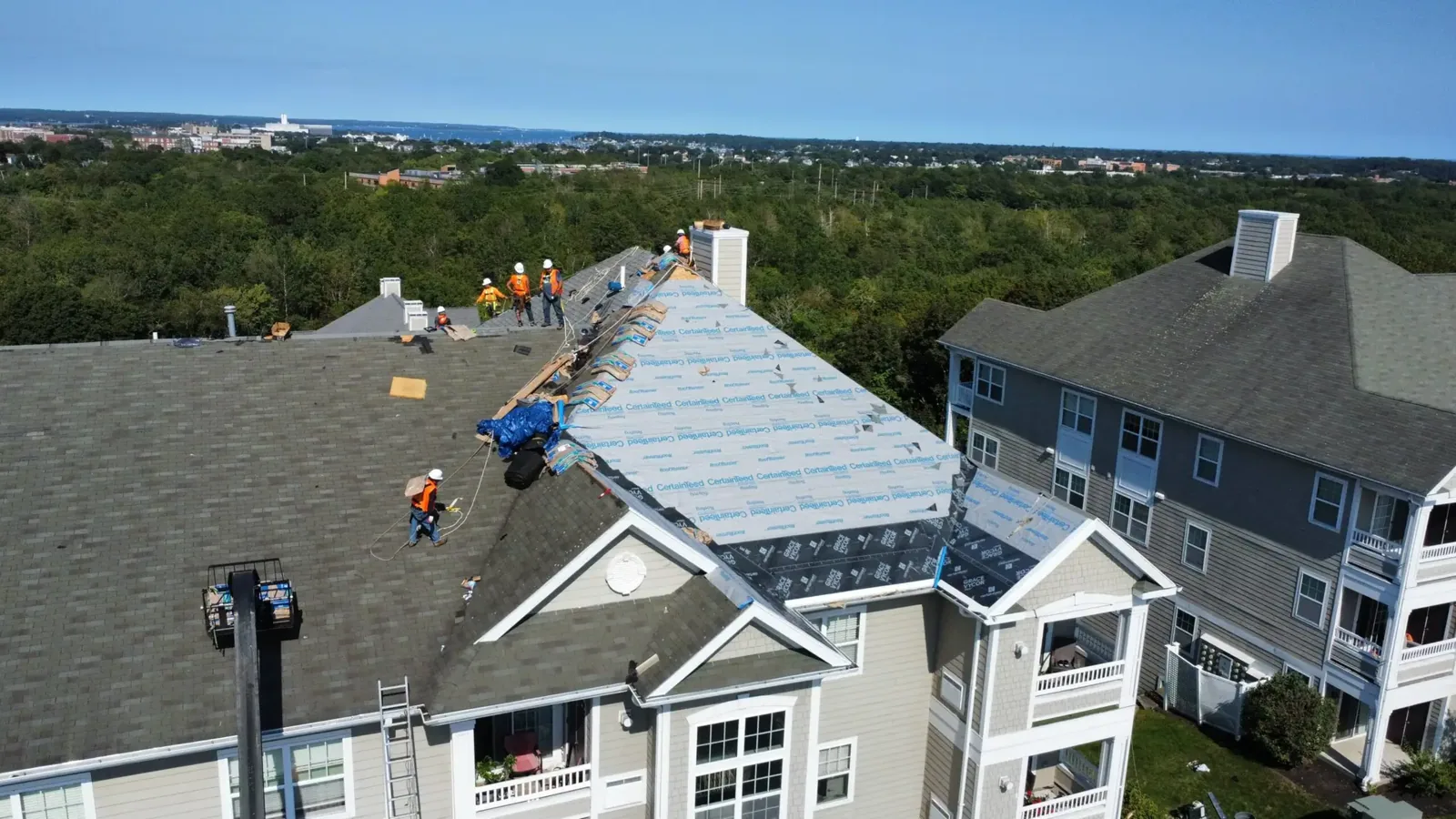
Acrylic coating systems need to be evaluated for the roof's water exposure and the product's approved use. We inspect low areas, drain outlets, scuppers, overflows, and transitions where water collects. A coating may not be the right answer for chronic ponding, and even where approved, standing water can increase maintenance demands. The work plan should state how the surface sheds water and what corrections are included before new material is applied.
Spring and fall are the wetter periods in the DFW area, and spring thunderstorms can bring intense rainfall. That timing makes drainage checks relevant before restoration work. We look for actual sediment, staining, erosion, and ponding rather than presuming a defect from the climate. A drainage correction may need to precede the coating. If a roof has had prior restoration, identify the coating type and repair materials before choosing acrylic, silicone, or another system. Compatibility testing is a project requirement, not an optional assumption.
Detail the Work Before the Crew Mobilizes
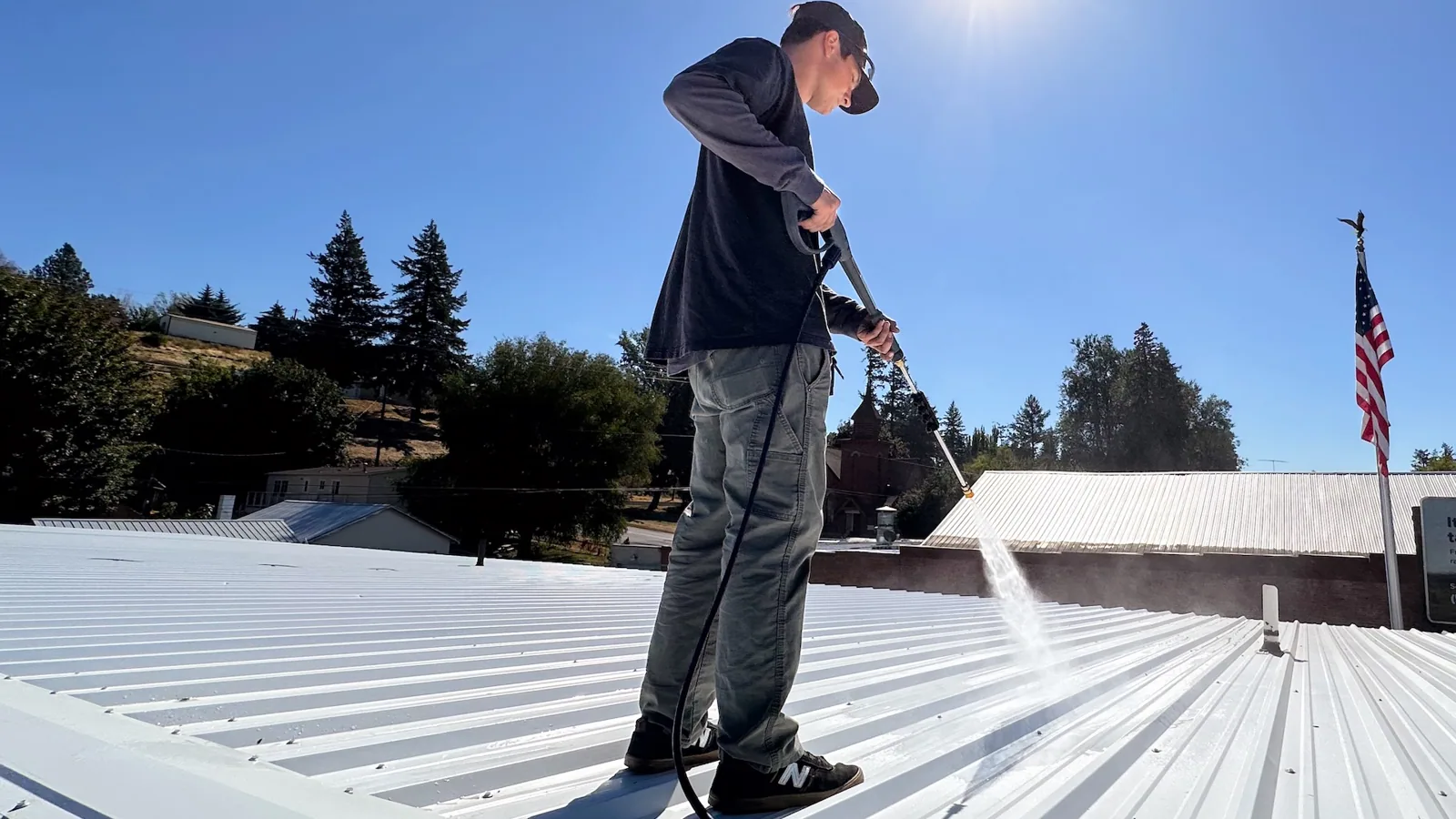
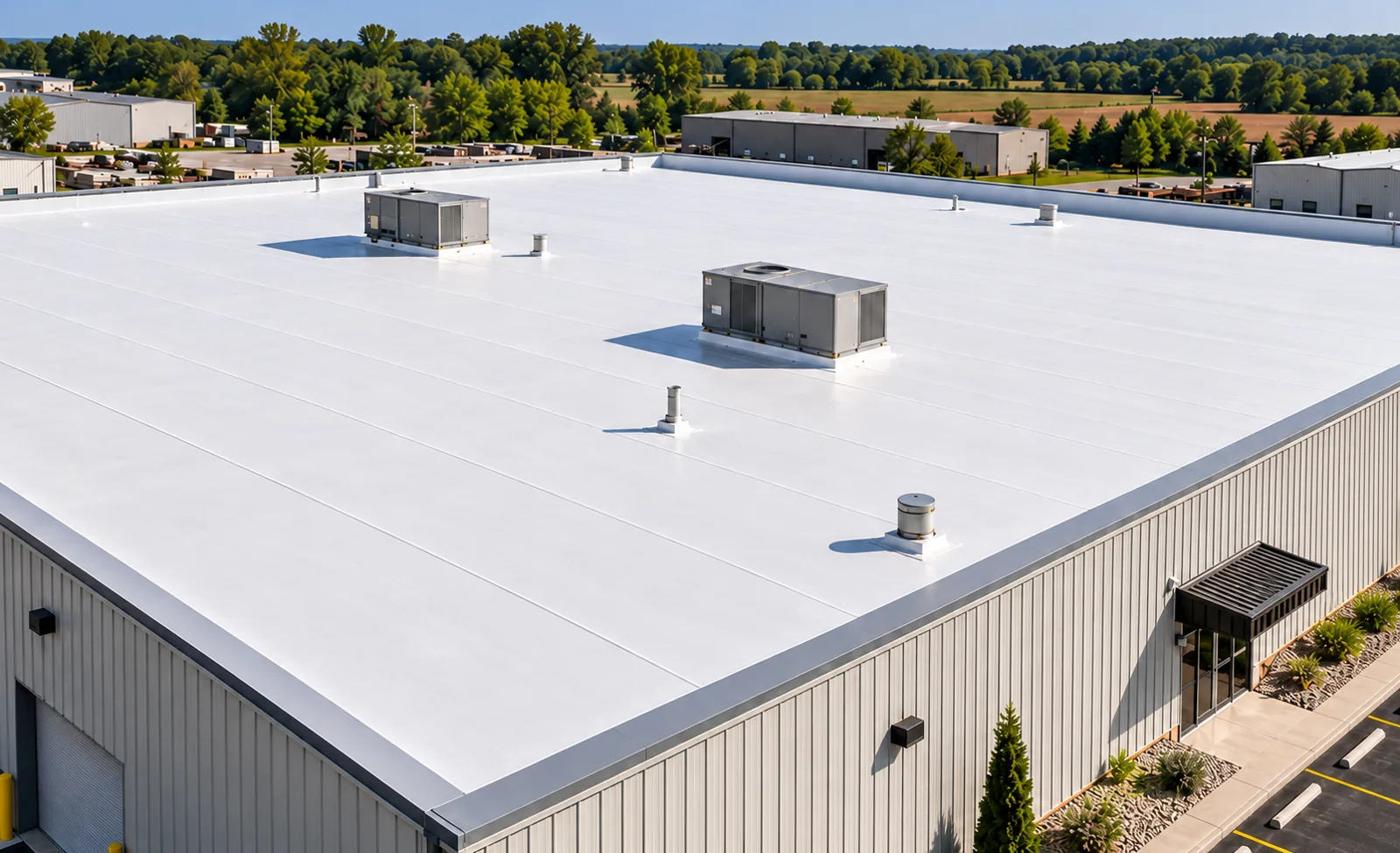
Surface preparation often determines whether a coating remains bonded. The crew may need to wash and dry the roof, remove loose coating, repair seams, reinforce penetrations, and prime selected areas. The proposal should name the system, coverage, target thickness, detail reinforcement, and weather conditions needed during application. It should state how the contractor will protect walls, equipment, skylights, and pedestrian areas from overspray or runoff.
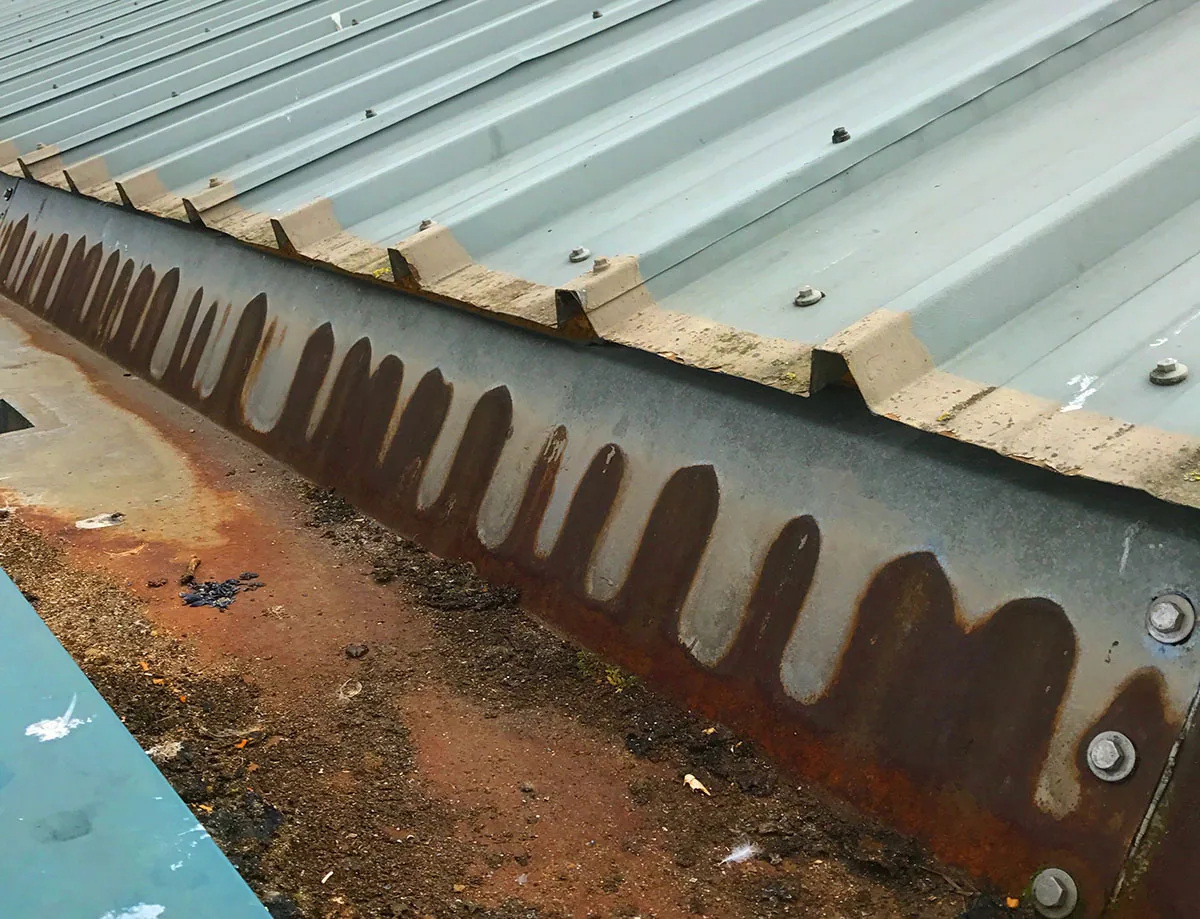
We also define the sequence around drains and curbs. Coating should meet sound material at terminations, and repaired flashing must remain compatible with the finished surface. If edge metal or coping has separated, coating the field will not restore that connection. A perimeter repair may belong in the same budget. The project plan should define when the owner can allow foot traffic, how each roof zone will be closed, and what happens if a rain window interrupts application. These are schedule and protection costs, not minor closeout details.
Account for Richardson Sun and Storms
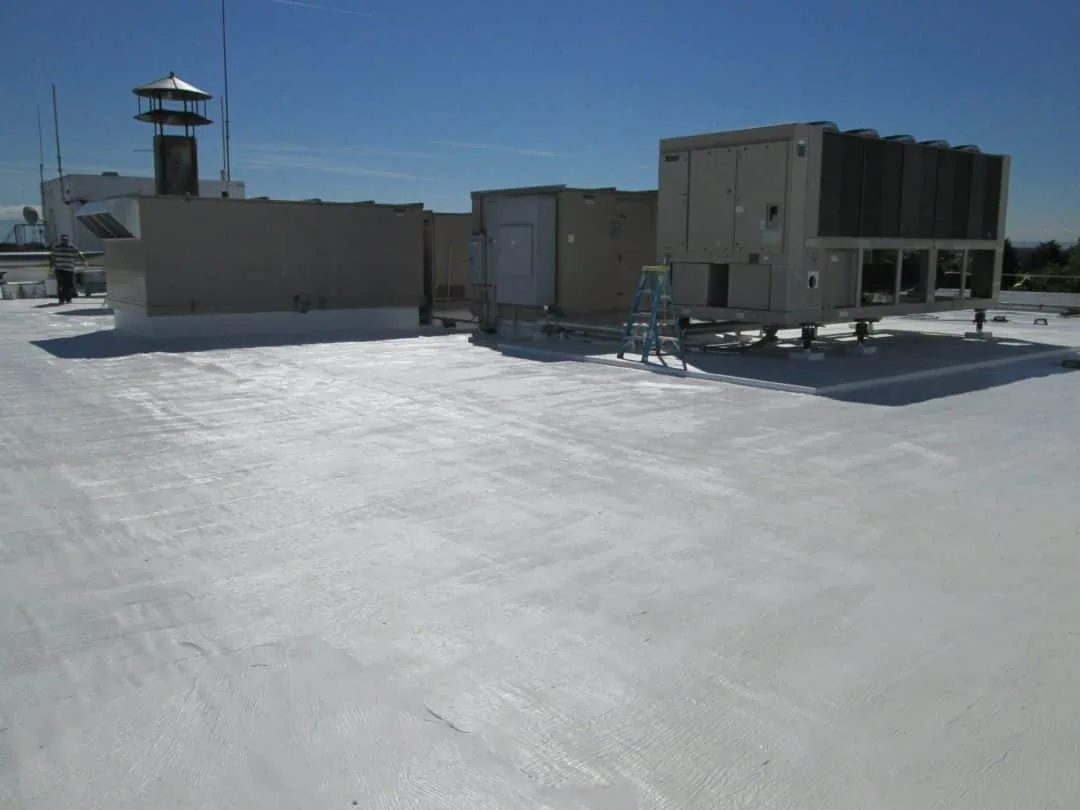
Richardson's July and August average daily highs exceed 95 degrees. Sun and heat can age a coating, especially where application is thin or the surface receives frequent service traffic. We review chalking, splits, peeling, exposed membrane, and repairs near equipment. The chosen product and maintenance interval should fit the actual substrate and use. A reflective finish alone does not resolve insulation, air leakage, HVAC efficiency, or the building's energy use.
DFW spring storms can bring hail and damaging winds somewhere in the metroplex, while any one property may see a different result. After severe weather, we inspect for impact, displaced metal, open seams, and interior water entry. The October 2019 tornado caused documented damage near the Audelia-Buckingham area of Richardson. That history is distinct from a site inspection at another address. A storm-damage check can document actual conditions and separate urgent water control from planned coating work.
Coordinate the Application with Building Hours
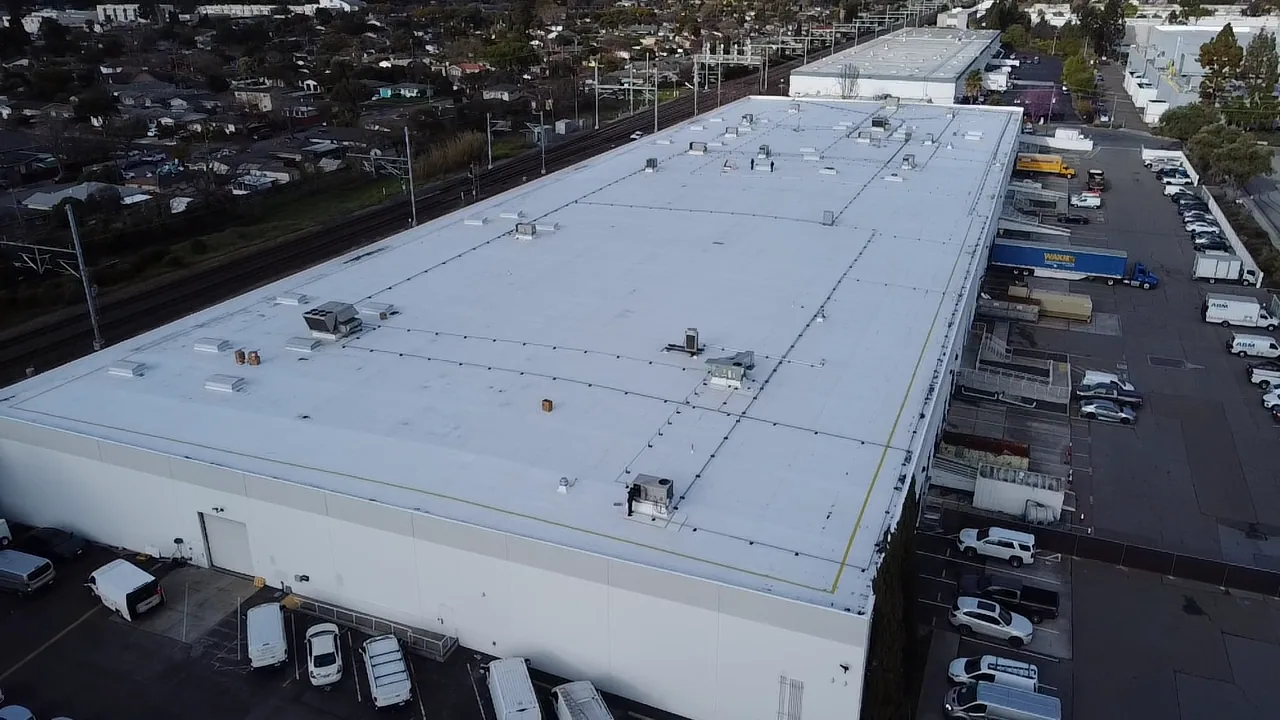
Coating work can involve wet surfaces, cleaning, fumes, lifts, and restricted roof access. We confirm air intakes, operating hours, tenant paths, deliveries, and sensitive spaces with the facility contact. The schedule should identify when crews will be on each zone, how long material needs to cure, and how the building stays protected if the weather changes. That plan is particularly important where staff or visitors use the areas beside the work.
CityLine combines medical offices, retail, hotel uses, apartments, a park, and civic space. Richardson Innovation Quarter includes technology, research, manufacturing, and education organizations. Those local districts reflect different operating needs, but we do not assume the requirements of an individual building from its location. A roof near CityLine still needs property-level planning for access, ventilation, and quiet hours. We set the sequence with the manager and identify a daily safe-close condition before starting.
Compare Recoat with Repair and Replacement
Restoration fits when the roof remains structurally sound, dry, and compatible with the new coating. Repair may be enough for a limited defect. Replacement becomes more practical when water, loose attachment, or widespread deterioration affects the assembly beneath the surface. We show those choices with separate scope lines and state any concealed-condition allowance. A silicone system can be compared with acrylic when the exposure and substrate permit both; SPF restoration has separate preparation and application requirements.
We check whether the proposed coating work falls under Richardson reroof review or another locally amended 2021 code path. We determine the permit path based on the actual work and coordinate the roof assembly and insulation details. For a phased budget, a maintenance program can track coating wear and drainage. A TPO assembly can be compared when a replacement is under consideration. The useful comparison is not simply coating versus replacement; it is the cost of prepared restoration against a new assembly. A TPO roof may be a separate replacement path when the existing assembly cannot remain. Track inspection dates, repairs, and areas where the coating has thinned, then review that record before the next capital cycle. This makes a recoat estimate easier to compare with the condition at the prior visit.
Related Roofing Work
Commercial Roof Inspection
Commercial Roof Replacement
Commercial Roof Drain and Scupper Service
Commercial Roof Edge Metal, Coping and Gutters
Questions About Commercial Acrylic Roof Coatings
When can acrylic coating be used on a commercial roof?
It may fit a compatible, dry assembly with sound seams and proper drainage. We inspect the substrate, prior coating, and details, then perform testing and preparation required by the proposed product. Widespread moisture or weak attachment changes the path.
Does acrylic coating work where water ponds?
The named product must be approved for the named product and its approved exposure. We inspect the actual drainage and include correction where needed. A coating should not be priced as a substitute for slope, outlet, or overflow work.
Can you coat over an existing coating?
Only after identifying the current material and confirming preparation and adhesion compatibility. Loose or contaminated sections must be addressed. We put testing results and repair assumptions into the work scope.
How long does the building need to stay clear of the roof?
The access window follows the work zone, application conditions, and product cure requirements. We identify the restricted areas and reopen them only when the surface is ready for service traffic.
What should be included in an acrylic coating bid?
Compare preparation, repairs, primer, product, coverage, detail reinforcement, edge terminations, drainage work, access, protection, and concealed-condition handling. Those items show whether bids include the same roof work.
Price the Preparation Before Selecting a Coating
Send the existing system details, leak history, drainage concerns, and target work window. We will inspect the substrate and compare acrylic restoration with repair and replacement.