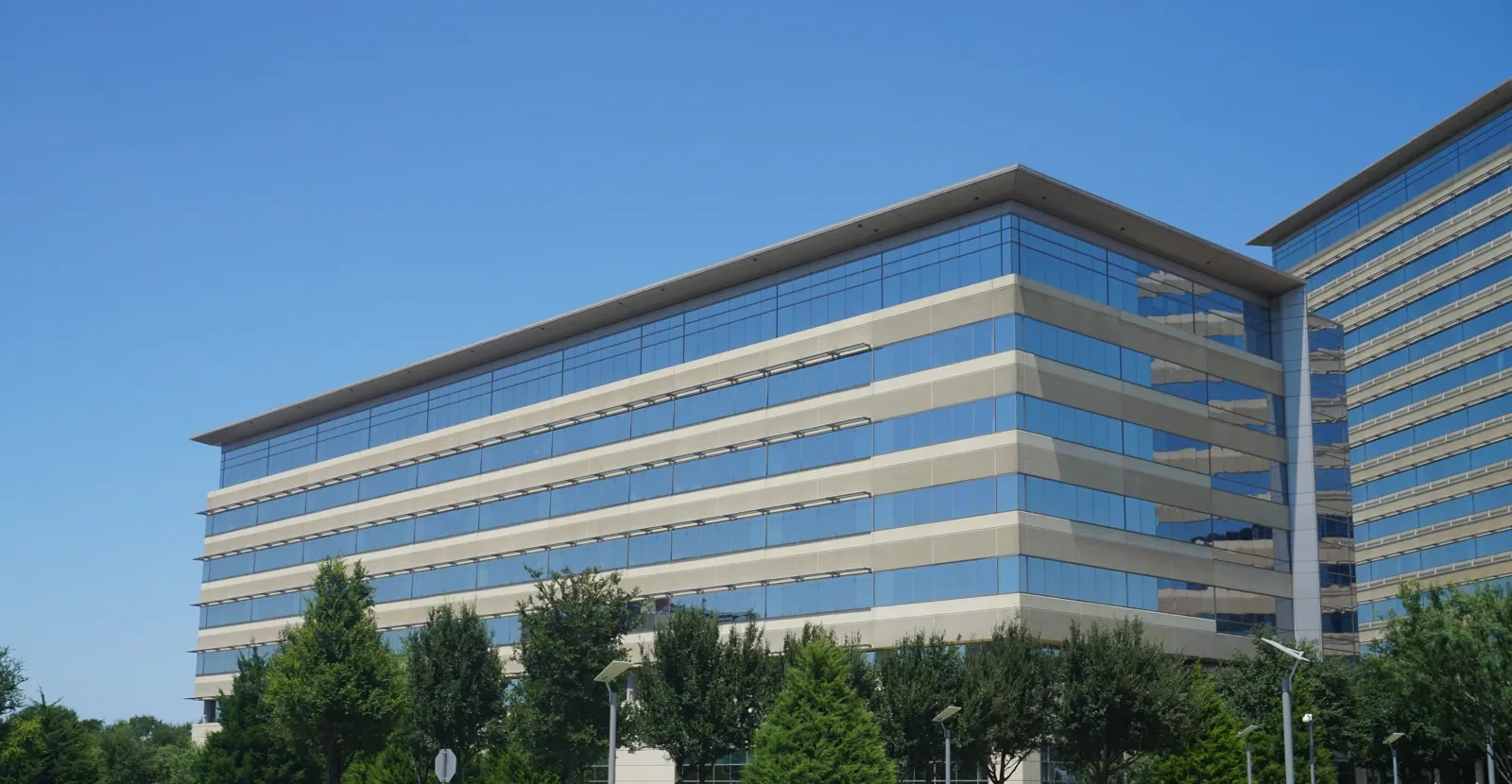
A roof leak can close a dining room, reach a kitchen, or interfere with exhaust equipment. Restaurant roofing needs to fit service hours and the systems above the cooking line. We inspect the roof, curbs, drains, and repair history before pricing work in Richardson, TX. The owner should see which tasks can happen before opening, after close, or in phases while the restaurant continues serving customers.
Request a Roof Assessment
All fields are required.
Restaurant Roofing in Richardson, TX
Schedule Roof Work Around the Service Calendar
Inspect the Roof Around Kitchen Exhaust
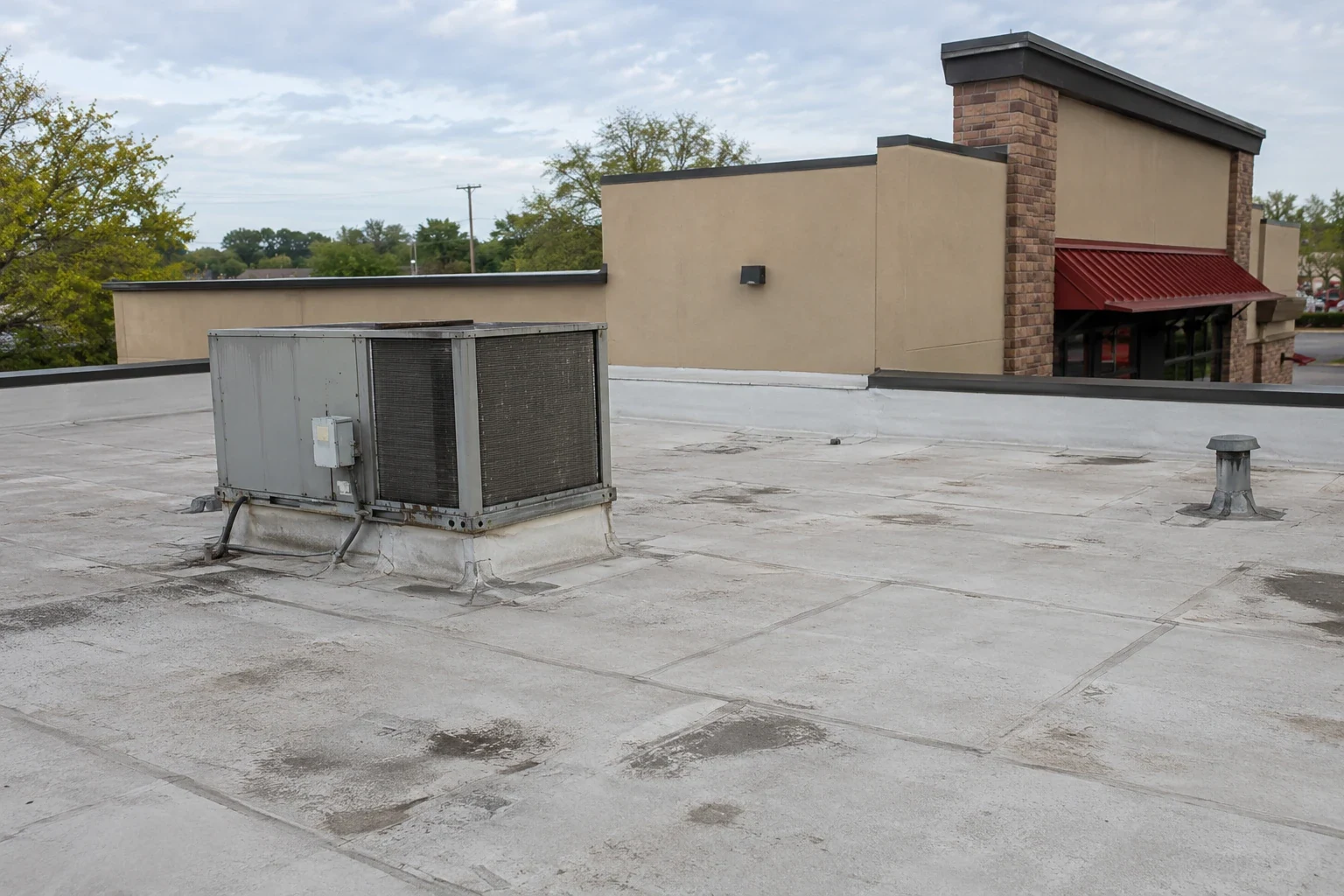
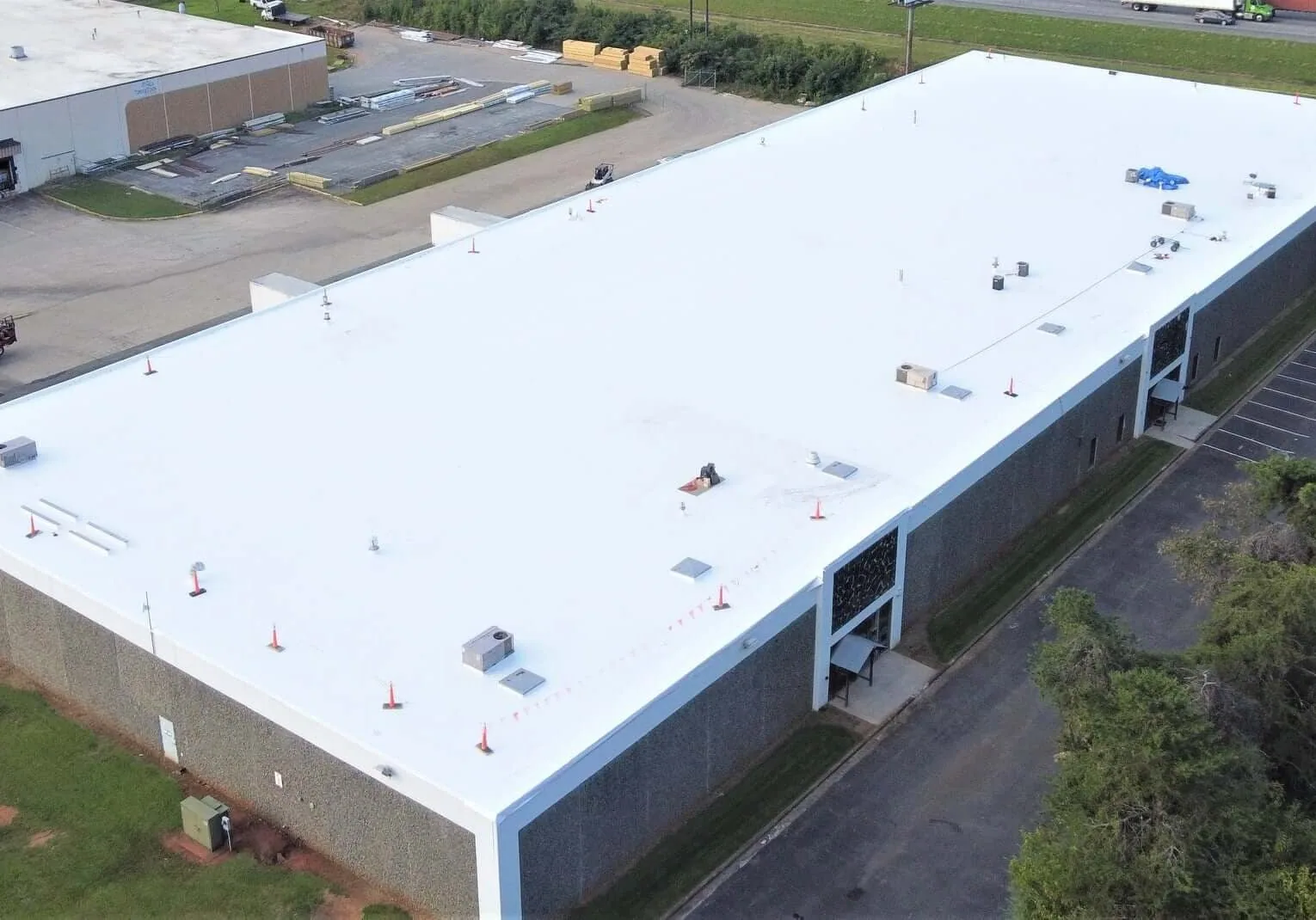
Grease exhaust, make-up air, hood equipment, and rooftop fans create roof details that need regular inspection. We check curb flashing, fasteners, nearby seams, coating condition, and whether the discharge has affected the surrounding surface. If a fan or exhaust stack changed, confirm that the old penetration was closed and the new curb was flashed into the roof system. A sealant bead alone may not correct an open or moving transition.
Kitchen equipment often requires frequent service visits. Those trips can puncture a membrane or loosen flashing when technicians lack a protected route. We identify walk paths and the roof material so future repairs use compatible products. A curb and support inspection can coordinate roof details with mechanical work. If the building has a leak above food preparation or dining, a roof inspection can trace the water path before interior finishes are repaired.
Keep Drains Clear of Grease and Debris
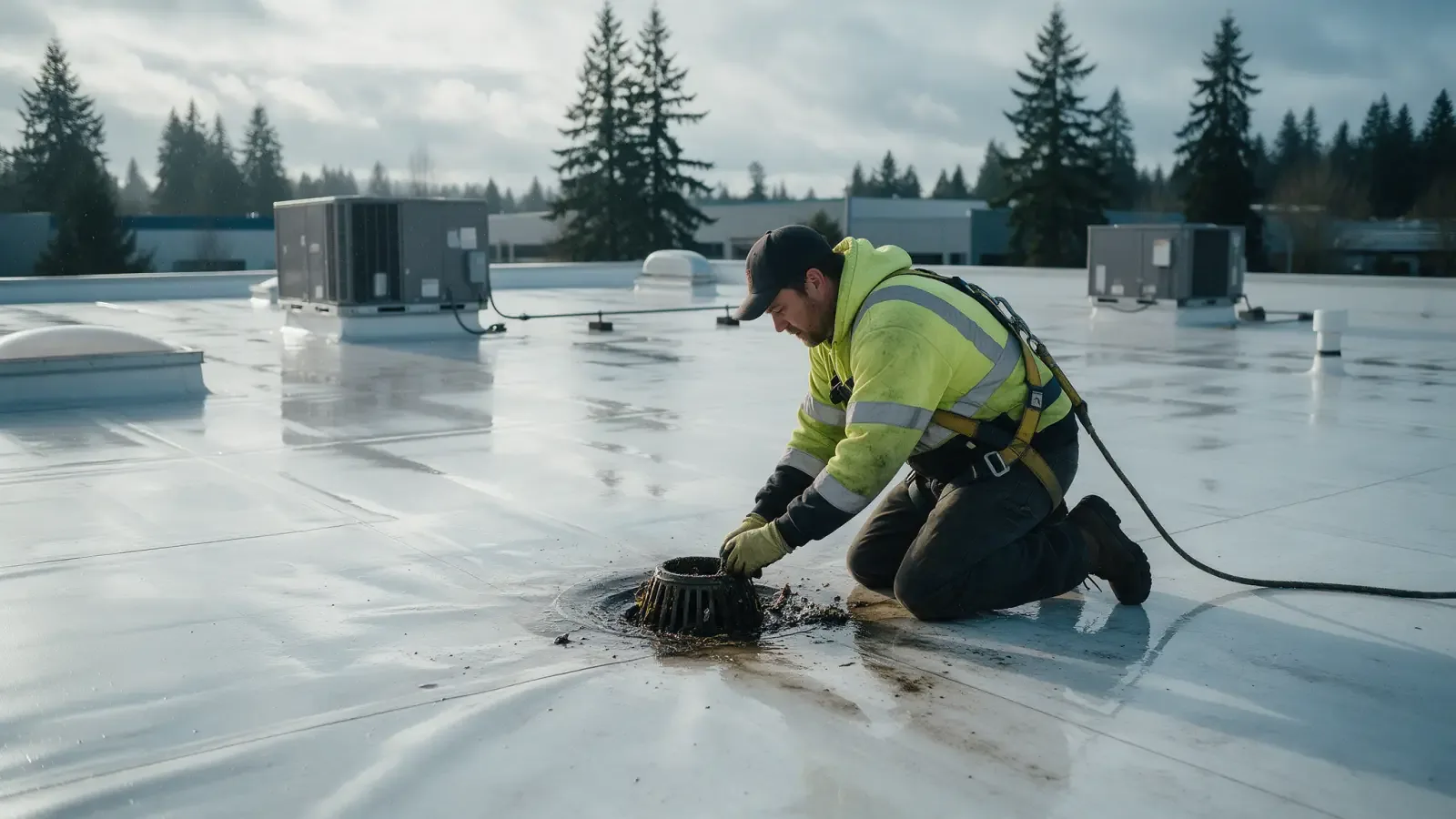
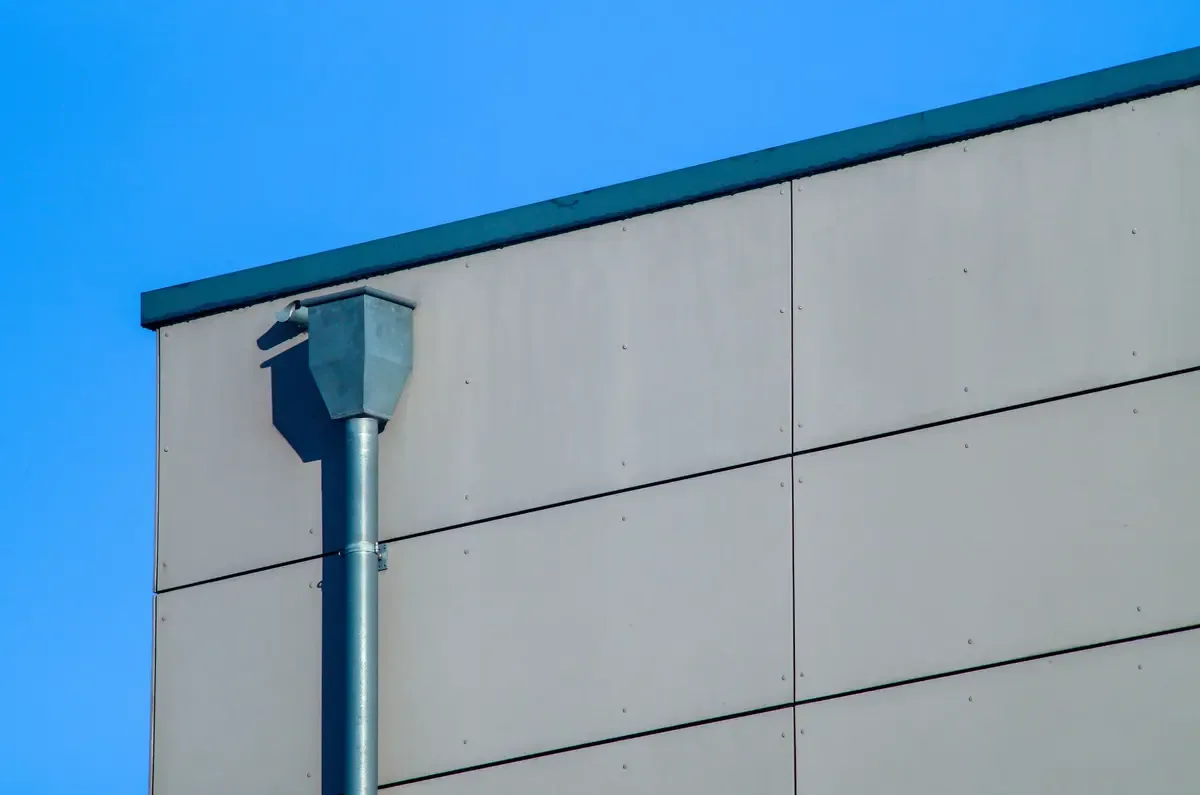
Roof drains near kitchen exhaust can collect grease residue, leaves, packaging, and dust. We inspect drain bowls, strainers, scuppers, overflow routes, and areas where water remains after a storm. A blocked outlet can send water toward a wall or low seam. If the roof needs cleaning, the plan should keep debris and wash water away from air intakes, loading, and food-service paths. Richardson Chinatown runs along Greenville Avenue north of Main Street, where restaurants, bakeries, and markets serve the trade area. The CORE District Downtown follows Main Street and combines older and newer commercial activity. Those district patterns help frame access and delivery questions; each kitchen's exhaust layout and drain condition must be inspected on site. A restaurant serving the Chinatown trade area still requires an individual roof review. Price drainage correction when outlets or overflow paths contribute to the leak.

Schedule Work Before Service or After Close
Restaurant hours may leave a short window between food preparation and opening. We coordinate rooftop work, lift placement, material staging, and noisy tasks with the owner or manager. If the roof must be opened over a kitchen, interior containment and a clear close-in deadline matter. We identify whether the restaurant can move prep to another area or whether work must happen during a full closure.
Deliveries, grease pickup, outdoor dining, and customer parking also affect access. We confirm where materials can arrive without crossing food-handling or public areas. If the crew needs to access the roof by ladder or hatch, secure that route before the shift. Include temporary protection, ventilation controls, and cleanup in the estimate. A roof phase that runs into dinner service can carry an operating cost beyond the roofing labor itself.
Select Repair Materials for the Installed Roof
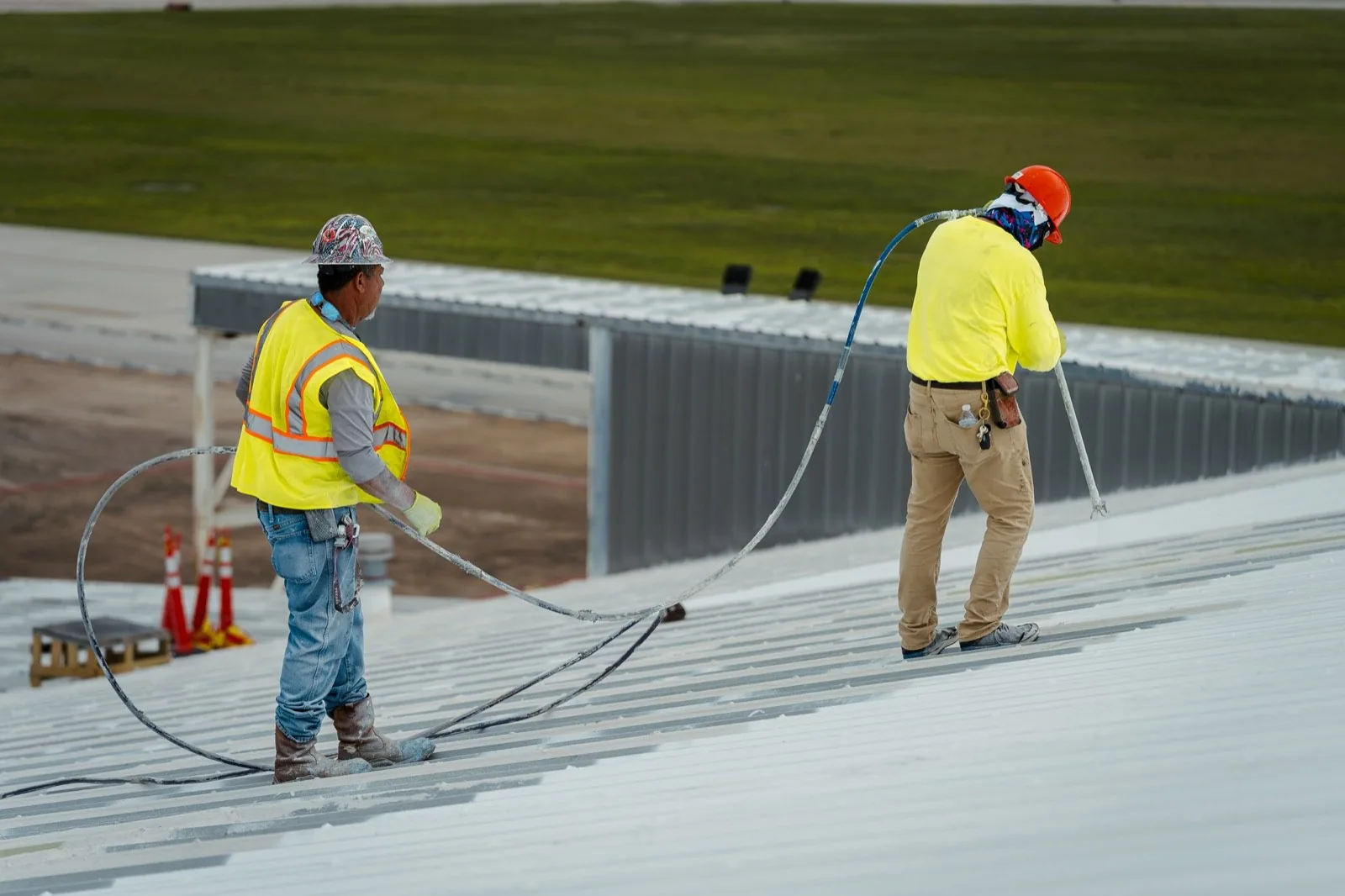
Restaurants can occupy stand-alone buildings, shopping-center suites, or mixed-use properties. The roof may be shared with neighboring tenants or connected to a larger assembly. We identify the existing membrane, metal, coating, flashing, and substrate before recommending a patch. Where kitchen grease or heat affects the roof, product resistance should be tied to the specific system and its documented use.
A repair may be enough when a single curb or seam has failed and surrounding material remains sound. Repeated leaks, wet insulation, or broad deterioration may support a larger project. A commercial repair should show the exact zone and materials. For a larger project, compare grocery roofing and shopping-center roofing where cold equipment, shared drains, or tenant boundaries change the scope. We state what can be confirmed from the surface and what requires opening the roof.
Budget for Heat, Rain and Busy Seasons
In Richardson, July and August daily average highs are 95.6 and 95.8 degrees. That heat can wear sealant and flashing where a kitchen fan meets the roof. DFW spring has the most frequent thunderstorm activity, including hail and damaging wind somewhere in the metroplex. A local weather event can prompt inspection but does not establish damage to an individual restaurant. We document actual roof conditions before adding storm repair to the scope.
The October 2019 tornado record identifies damage near Richardson's Audelia and Buckingham roads. It is useful for preparedness, but tells us nothing about a different restaurant roof. After a storm, note water entry, damaged signs, shifted equipment, or new ceiling stains. A storm inspection can identify actual impacts. The owner should compare emergency containment with permanent repairs and consider how work timing affects reservations, deliveries, and peak meal periods.
Compare the Roof Project with the Business Calendar
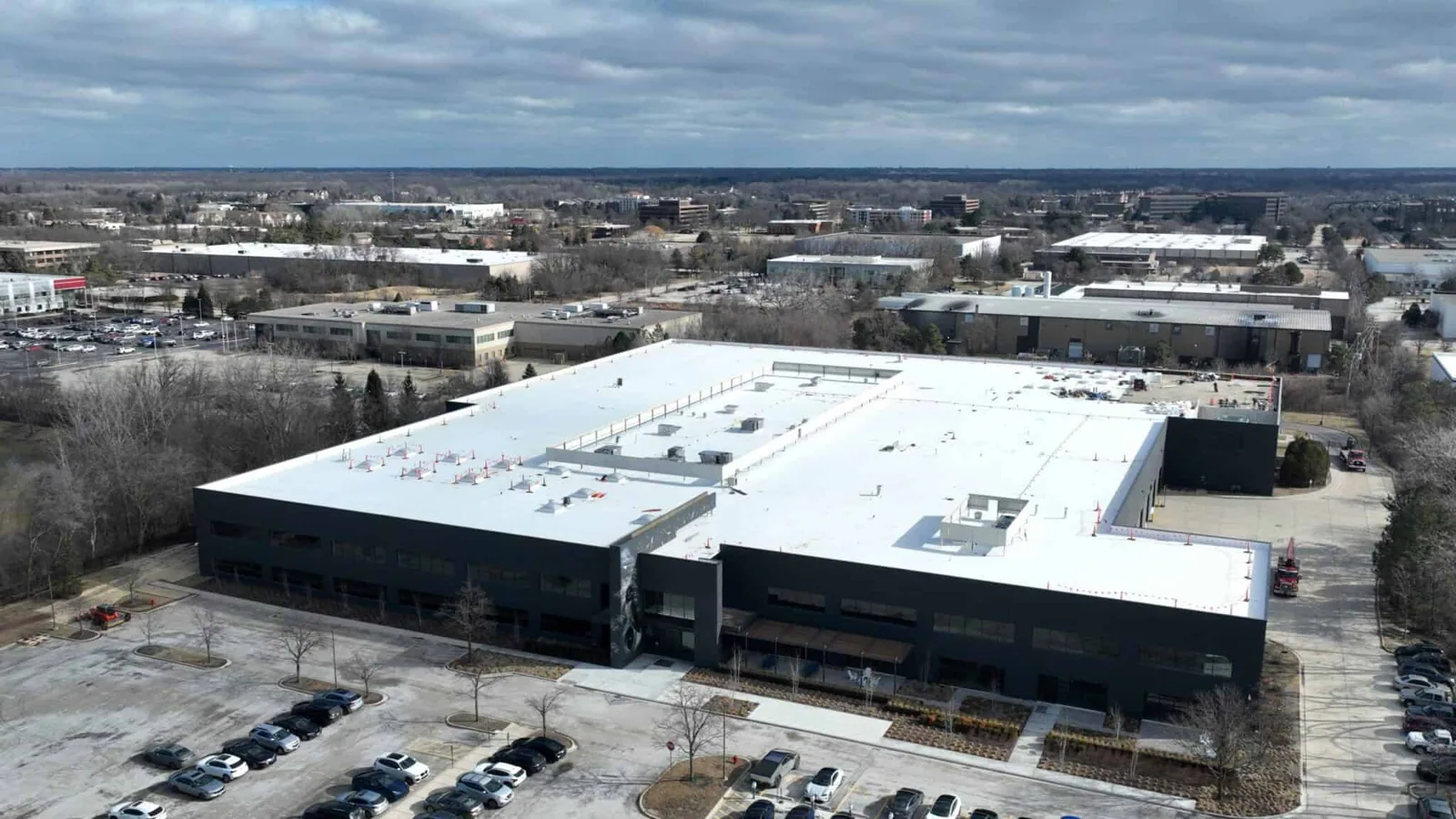
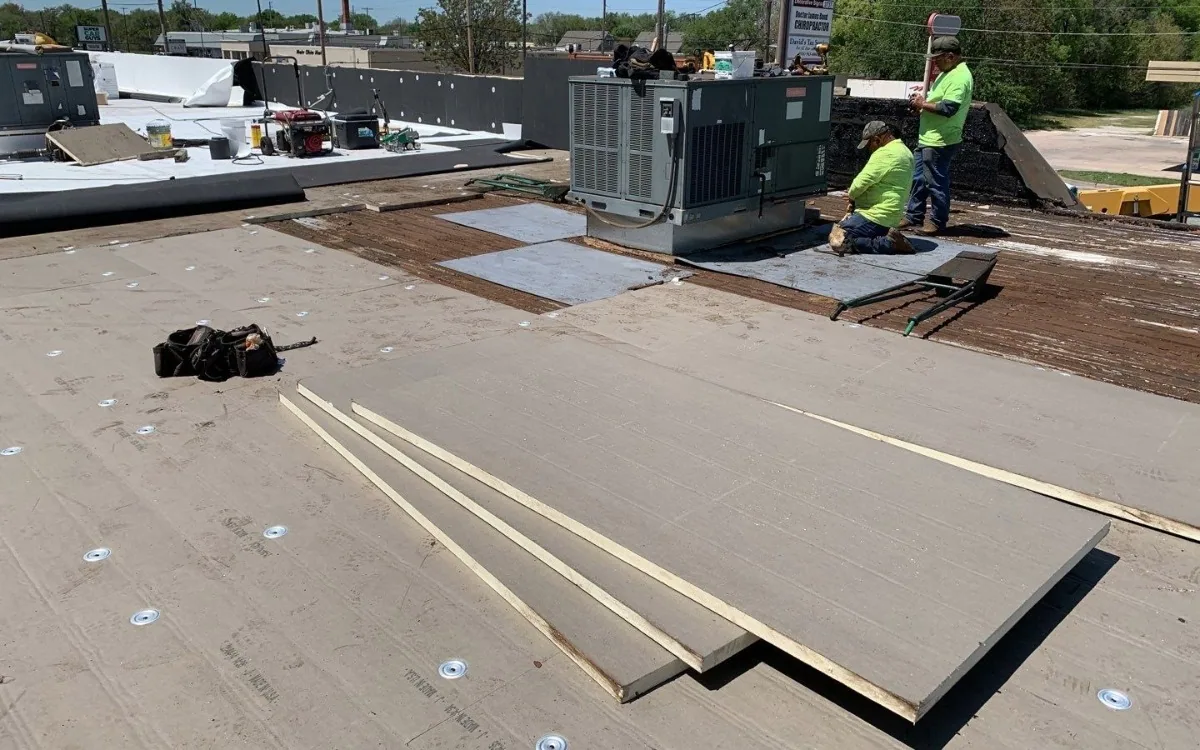
A replacement proposal should identify demolition, insulation, cover board, membrane, edge metal, drains, exhaust curbs, and interior protection. It should state how the crew will keep each area secure at the end of a shift and how hidden damage will be approved. A recover is only appropriate when existing materials remain dry and attached and the added roof height works around drains and equipment.
We verify the permit and insulation path for restaurant work against Richardson's 2021 codes and local amendments adopted in April 2023. A replacement scope can be timed around the restaurant's slower season or a planned closure. Recover review can compare another layer with tear-off where the roof is eligible. For a multi-tenant property, a project in CORE District Downtown needs coordination with adjacent businesses and shared access routes.
Protect the Roof After the Contractor Leaves
Closeout should identify the roof material, repair locations, exhaust curbs, drains, and any restrictions on future service traffic. Keep photos with the repair invoice and record the date and products used. When an HVAC technician returns, the owner can direct that work away from sensitive seams and confirm whether a new penetration requires roof repair. This can reduce repeat visits and protect the interior during the busy season.
A planned maintenance visit can check flashings, drains, coating wear, and rooftop traffic before the next heavy rain. A current roof record helps the restaurant distinguish routine wear from a new leak after equipment service. The maintenance schedule should reflect the kitchen's hours and roof access needs. That lets the owner budget a small repair before water reaches the dining room or forces a closure.
Related Roofing Work
Rooftop Equipment Curb and Support Roofing
Commercial Roof Inspection
Richardson Chinatown
Commercial Roof Drain and Scupper Service
Questions About Restaurant Roofing
Can restaurant roof repairs happen outside service hours?
Yes, when roof access and the work scope fit the available window. We coordinate noise, odors, deliveries, interior protection, and the required close-in time with the manager before scheduling the crew.
What should be inspected around restaurant exhaust?
Check the curb, flashing, nearby membrane, grease exposure, fasteners, and service route. If exhaust equipment moved, verify that the former opening was closed and that the new penetration is integrated with the roof.
How do you protect food operations during a roof repair?
We identify air intakes, food-preparation areas, kitchen hours, and interior protection needs before opening the roof. Cleaning, debris control, and the daily weather seal belong in the work plan.
Does one kitchen leak require replacing the roof?
Not necessarily. We inspect the surrounding assembly, curb, drains, and repair history to see whether the issue is isolated. Widespread moisture or repeated failures can make a larger scope more practical.
What should a restaurant replacement estimate include?
Compare material, insulation, exhaust details, drains, staging, interior protection, closure hours, and concealed-condition assumptions. Include the schedule around deliveries and the restaurant's service calendar.
Schedule Roof Work Around the Service Calendar
Share kitchen hours, exhaust equipment plans, leak locations, and the next slow period. We will inspect the roof and prepare a repair or replacement scope around operations.